
Quick review
The good
The not-so-good
It’s the year of foldables, with so much activity in folding phones. Is the maker of Android delivering the best, or does the Pixel 11 Pro Fold need something to properly compete?
Eight months into 2026, some trends are becoming obviously apparent.
One is that phones are getting a lot more expensive, thanks in part to the surge and boom of AI data centres. More memory is going to these buildings, and so what’s left is pushing the price of mobiles up.
Another is that phones don’t seem like they’re getting major updates anymore. Maybe we’ve just gone too far, and nothing excites us anymore. Whatever the issue, mobiles can feel a little ordinary these days.
And finally, there’s the one response to the last point that 2026 mobiles are showing us: foldables are big.
This year is clearly not the first that folding phones have been out, but it might be the first year that folding and flexing screen tecghnology have reached fever pitch, as more manufacturers dive in and show us what they can do. It’s no longer just Samsung and Google and Motorola, with models from Oppo and Honor and possibly Apple shortly, as well.
So what happens when all three of 2026’s trends collide under one banner?
You might just have Google’s answer to folding phones to end the year, the Pixel 11 Pro Fold. Does it have enough to be the best foldable this side of the year… or could you do better?
Design
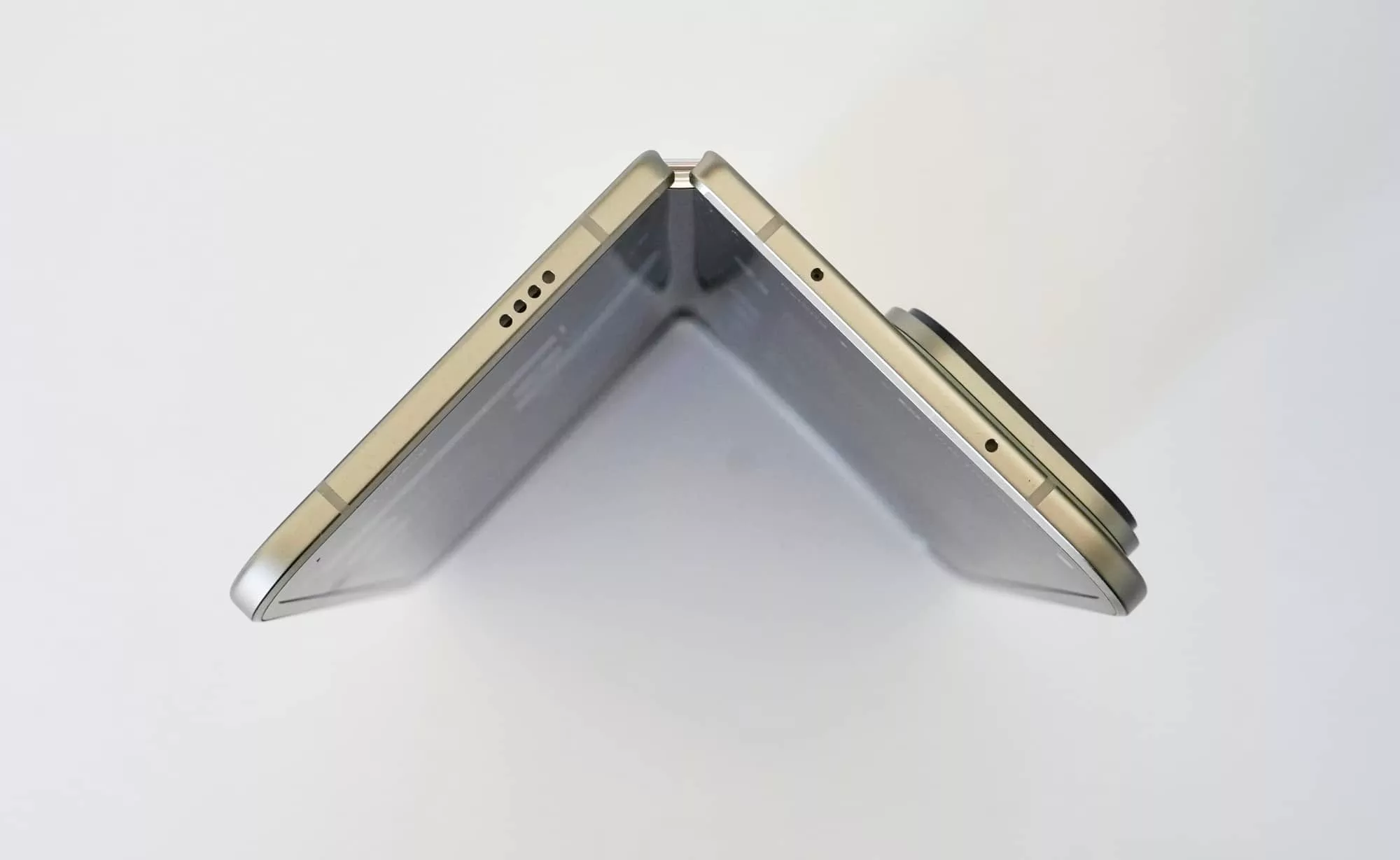
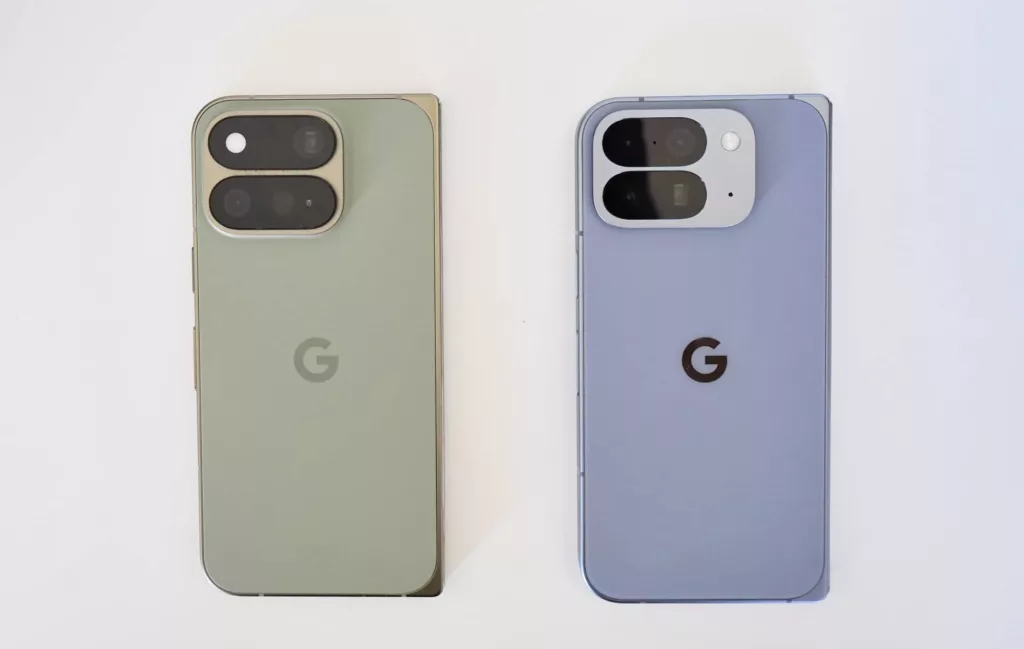
A little thinner but still very much delivering the same vibe, the Pixel 11 Pro Fold may remind you of more or less every foldable phone to date bar one because… it looks exactly like every major tall foldable phone to date bar one.
It doesn’t look like the Galaxy Fold 8, but it does look a lot like the Pixel 10 Pro Fold and the Pixel 9 Pro Fold before it, and pretty much every other foldable including last year’s Galaxy Fold 7, because this is another tall phone that unfolds into a square phone.
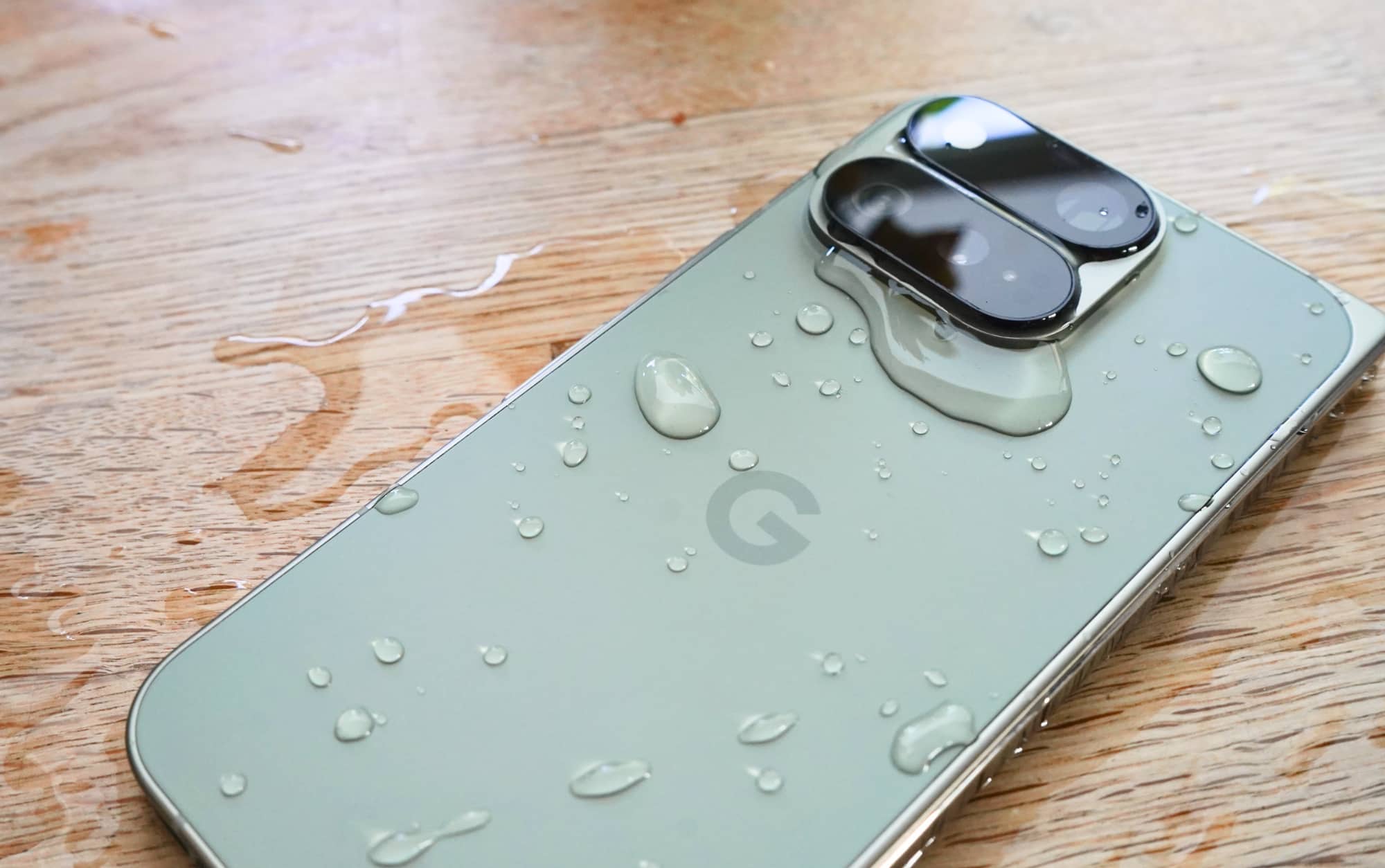
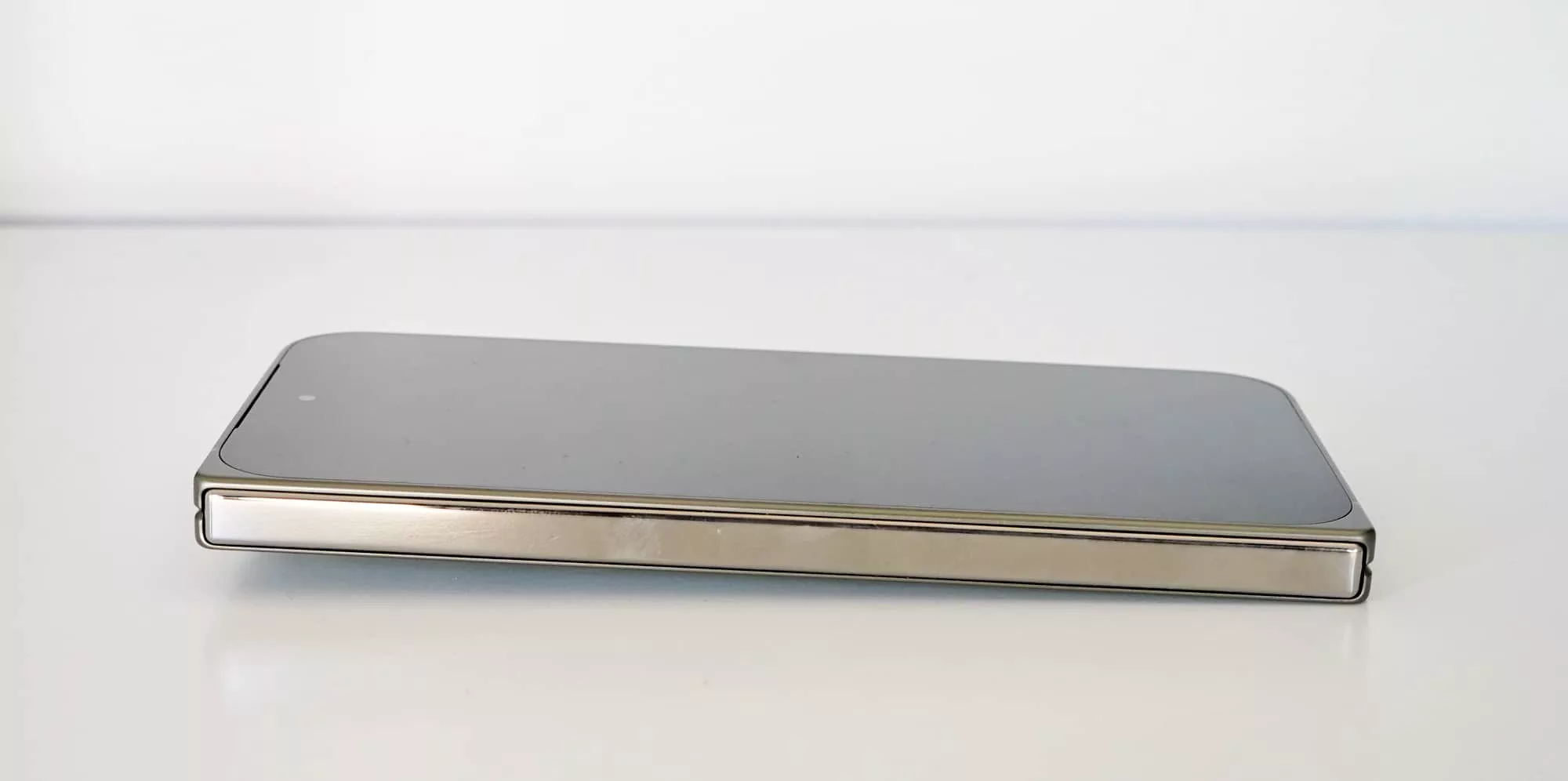
From the first glance, it might make you think of more of the same, but if you’re a fan of this style, it’s a durable “more of the same” sporting an IP68 water resistance in a 5mm thickness unfolded and 10.1mm thickness unfolded, clearly thinner than the 5.2mm and 10.8mm respective measurements of its predecessor.
So yes, it’s thinner, and it’s even lighter, using a combination of aluminium, steel, and glass to make this phone, which now features a polished metal hinge to help you open and close it repeatedly for the next few years.
Features
Inside, there’s an upgrade of sorts as Google’s Tensor G5 becomes the newer Tensor G6, a Google-specific chip paired with a good 16GB RAM, at least 256GB storage (and up to 1TB depending on how much you spend), plus Android 17 out of the box and a good seven years worth of updates.
Given the hinge, that’s a good sign that Google is betting the phone will last that long, though it’s also consistent with the rest of the Pixel range, and has been for a few years now.
Connections include just the one Type C port at the bottom, while wireless delivers 802.11a/b/g/n/ac/ax/be Wi-Fi 7, Bluetooth 6, GPS, Near-Field Communication (NFC) for Google Pay, ultra-wideband radio for the few trackers that support the tech, as well as 5G over mmWave and sub-6, though 4G will also work here as well.
There are also three cameras on the back, covering 48 megapixels wide at F1.7, 10.5 megapixels F2.2 ultra-wide, and a 10.8 megapixel F3.1 5x optical, while two front-facing cameras offer 10 megapixels at F2.2 for both: one at the cover and the other on the inside. New to the camera is a flash that can double as a notification light, though you do miss out on the temperature sensor, which Google has said goodbye to in this release.
Display
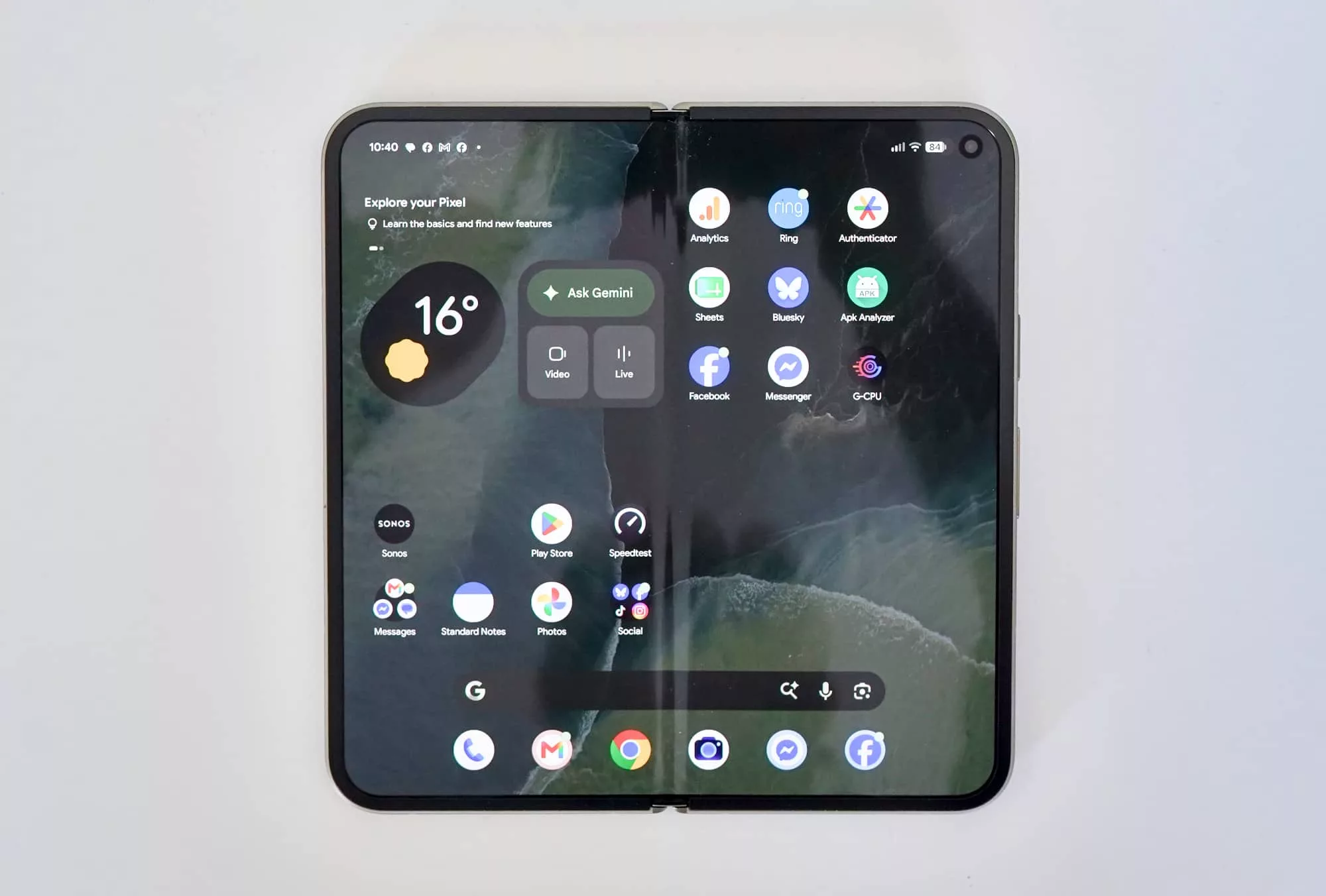
Moving on from that sensor and speaking of those screens, just like other foldables, there are definitely two screens on this device, and they’re minor refreshes of previous Pixel Fold models, though if you have a previous model, you might not realise it at all.
That’s because Google is keeping things largely the same, at least in design and aspect ratio, and even how they work.
The screen on the outside is a fraction bigger in this model now sitting at 6.5 inches and offering a 1080×2342 OLED screen running at 120Hz, covered in a ceramic cover glass. Now called a “Super Actua” display, it’s similar yet also a little different from the 8 inch panel on the inside, a “Super Actua Flex” display offering a resolution of 2076×2152 in OLED.
In-use
With minor changes to the inside and outside also come minor changes to how you use them. So minor, you probably won’t change how you use the phone at all.
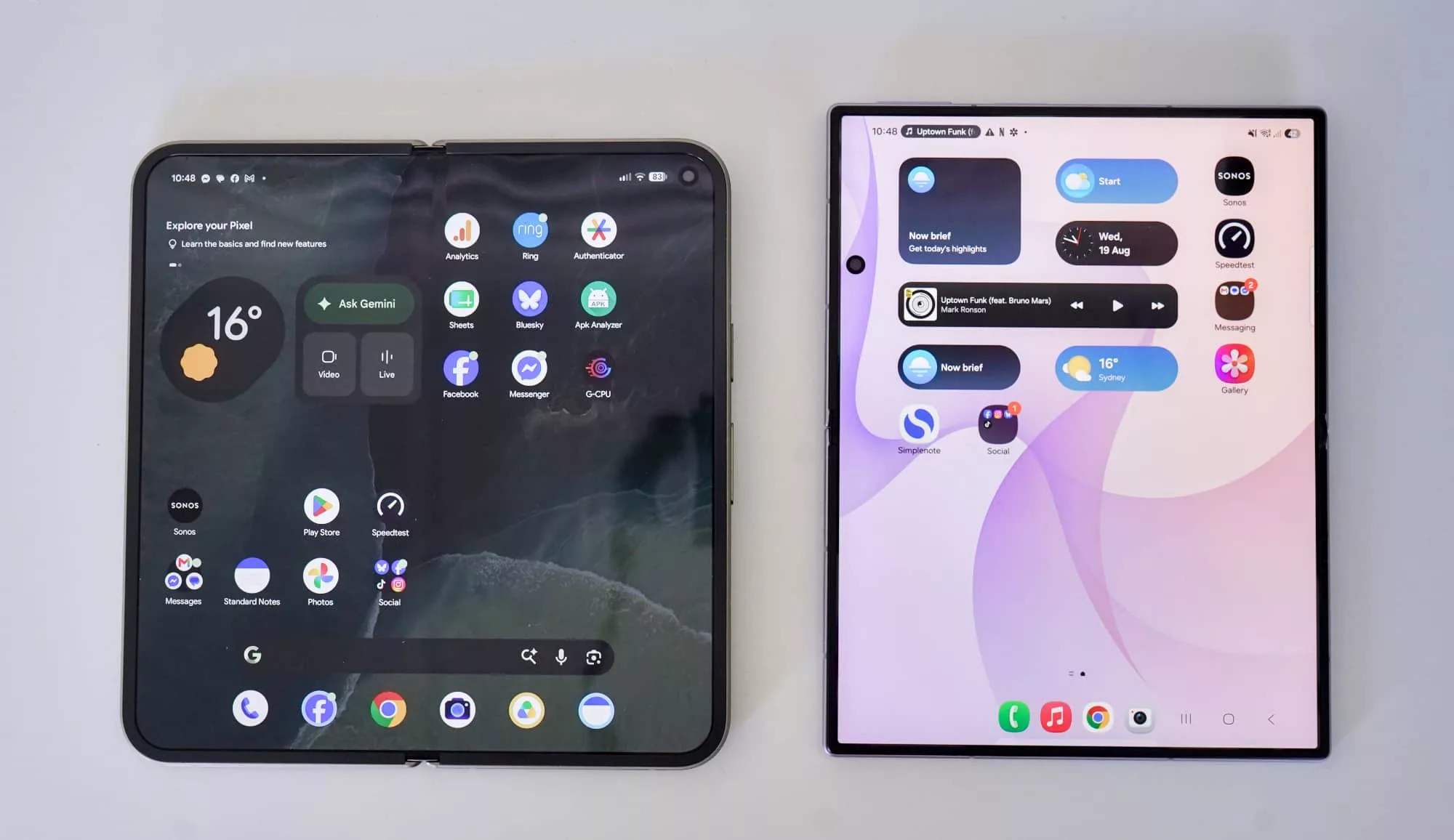
Android 17 is more or less how Android has been for ages, with the cover screen giving you the more obvious phone approach of things, and the tablet opening up to offer a dock of shortcuts.
It’s a little like having both a tablet and a phone, but getting it in a more square-like screen than the 4:3 aspect or 16:10 aspect ratio you might be used to from the tablet world.
HiLight
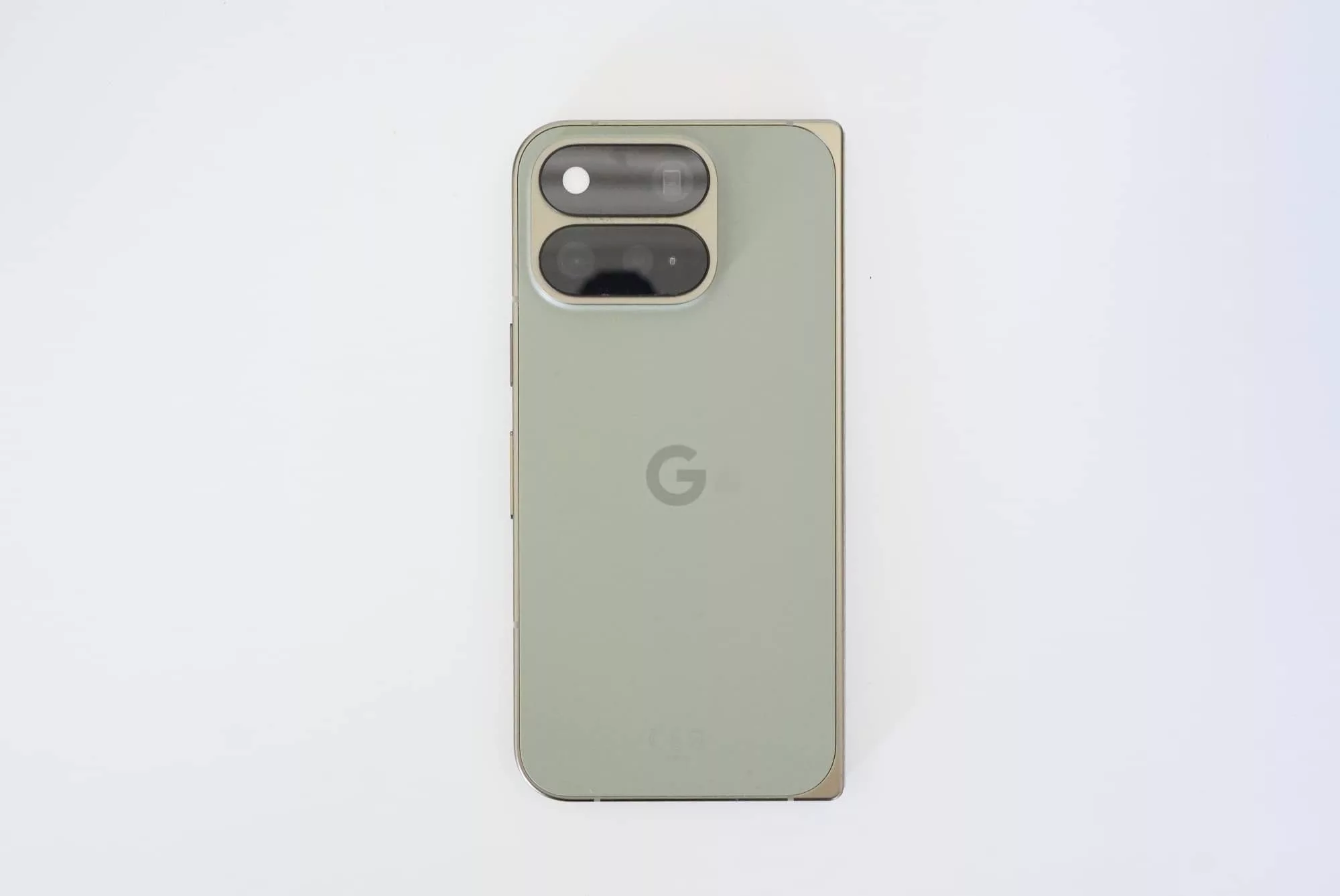
The big new feature in the Pixel 11 Pro Fold isn’t AI, though that is clearly there. No, it’s a light for notifications, as Google harks back to 2000-era phones and re-introduces a notification light. Seriously.
Gone is the temperature sensor, and in its place some other features, but this new “HiLight” notification light is actually a blending of two features: the flash and a notification.
On the one hand, it’s the flash you might use for your phone’s camera when it gets dark outside, and on the other, it’s a series of colourful LEDs that can light up when the phone is flipped over and someone calls. Specifically, it’ll be someone important — a favourite — with you mapping one of four colours to their profile: teal, yellow, purple, and pink, plus an option of white.
The feature feels like a not-so-subtle nod to Nothing’s Glyph concept, which started as a series of LED shapes and has found its way to phones in different incarnations. Spend a little more and you’ll get a tiny LED screen where the shapes can have form, or spend less and you’ll simply get a small bar of LEDs to respond to.
Google’s take on the idea seems to hark back to the less expensive style, but shifts the focus from numbers of LEDs to colours, and not many of those.
Curiously, you’ll only see the benefit of Google’s HiLight if the phone is face down on a table and someone calls. It’s just one of those features that doesn’t seem like a big deal… because it’s not.
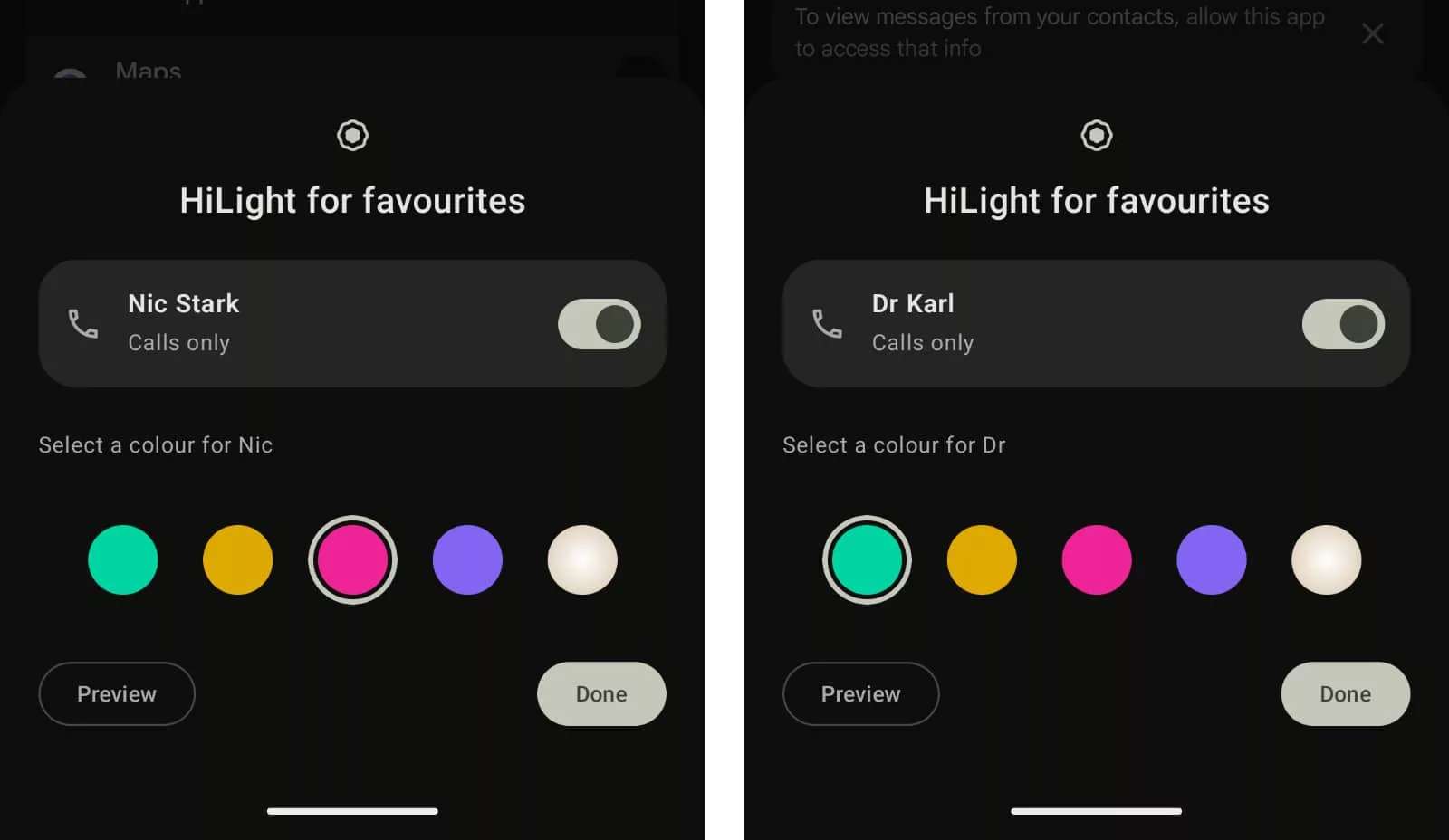
Performance
More important, however, is the performance, and for that you’ll see a Google Tensor G6 chip in the mobile, an upgrade of last year’s Tensor G5, meaning something new.
However, continuing the Google approach of not letting reviewers properly put the hardware through its paces pre-review, benchmarking apps can’t be installed. That means our regular way of getting Geekbench onto the phone wasn’t possible, and we had to resort to other methods.
Fortunately in battery life, Pickr’s bespoke BatteryBench app wasn’t blocked (because it’s not published in the Google Play Store) and we were able to install that with no problems. However, it did mean having to try different approaches for benchmarks.
When we did eventually get them to work, we got the vibe why: the Tensor is still not a super fast processor.
| Device | CPU Single Core | CPU Multicore | GPU |
|---|---|---|---|
|
Google Pixel 10 Pro Fold (2025)
Google Tensor G5
|
2264
|
5218
|
3192
|
|
Google Pixel 11 Pro Fold (2026)
Google Tensor G6
|
2318
|
6901
|
3269
|
|
Google Pixel 7 Pro (2022)
Google Tensor G2
|
1454
|
3581
|
4800
|
|
Google Pixel 8 Pro (2023)
Google Tensor G3
|
1768
|
3786
|
5053
|
|
Google Pixel 9 Pro Fold (2024)
Google Tensor G4
|
1936
|
4700
|
6457
|
While benchmarks don’t always paint the whole picture, it’s pretty clear that at one point in the Tensor hardware design, the architecture lost its prowess for being fast, the the performance is just not amazing.
Multicore performance is up there, while graphics architecture feels like it’s stuck in the past. We’re just not seeing major leaps from last year, and that may not be a great outcome.
The problem is it’s worse when you make the comparison to other phones and mobile processors.
| Device | CPU Single Core | CPU Multicore | GPU |
|---|---|---|---|
|
Google Pixel 11 Pro Fold (2026)
Google Tensor G6
|
2318
|
6901
|
3269
|
|
Samsung Galaxy Z Fold 6 (2024)
Qualcomm Snapdragon 8 Gen 3
|
2300
|
7017
|
15108
|
|
Samsung Galaxy S25 Ultra (2025)
Qualcomm Snapdragon 8 Elite
|
3051
|
9727
|
18514
|
|
Leica Leitzphone (2026)
Qualcomm Snapdragon 8 Elite Gen 5
|
2943
|
7853
|
22317
|
|
Oppo Find N6 (2026)
Qualcomm Snapdragon 8 Elite Gen 5
|
3590
|
9880
|
23066
|
Compare the 2026 flagship Pixel 11 Pro Fold to the hardware of the Samsung Galaxy Fold 8, a model that isn’t technically the flagship, but does run the same hardware as its Fold 8 Ultra big brother. Or even to the Honor Magic V6, which also runs similar hardware to Samsung’s foldables. Or even to some of last year’s foldable phones.
In either situation, the Google Pixel 11 Pro Fold seems severely outmatched and outgunned, with the CPU scores lower and the graphical score much, much lower. It doesn’t even seem like a fair fight.
Again, benchmarks don’t always paint a full picture, and there’s more to life than simply running specific tests on device architecture. But at the same time, this is getting a little crazy, Google.
Buying a phone for seven years is one thing, but having it lack of the performance to last that full extent of time, especially when apps are becoming more demanding? That’s difficult to ignore.
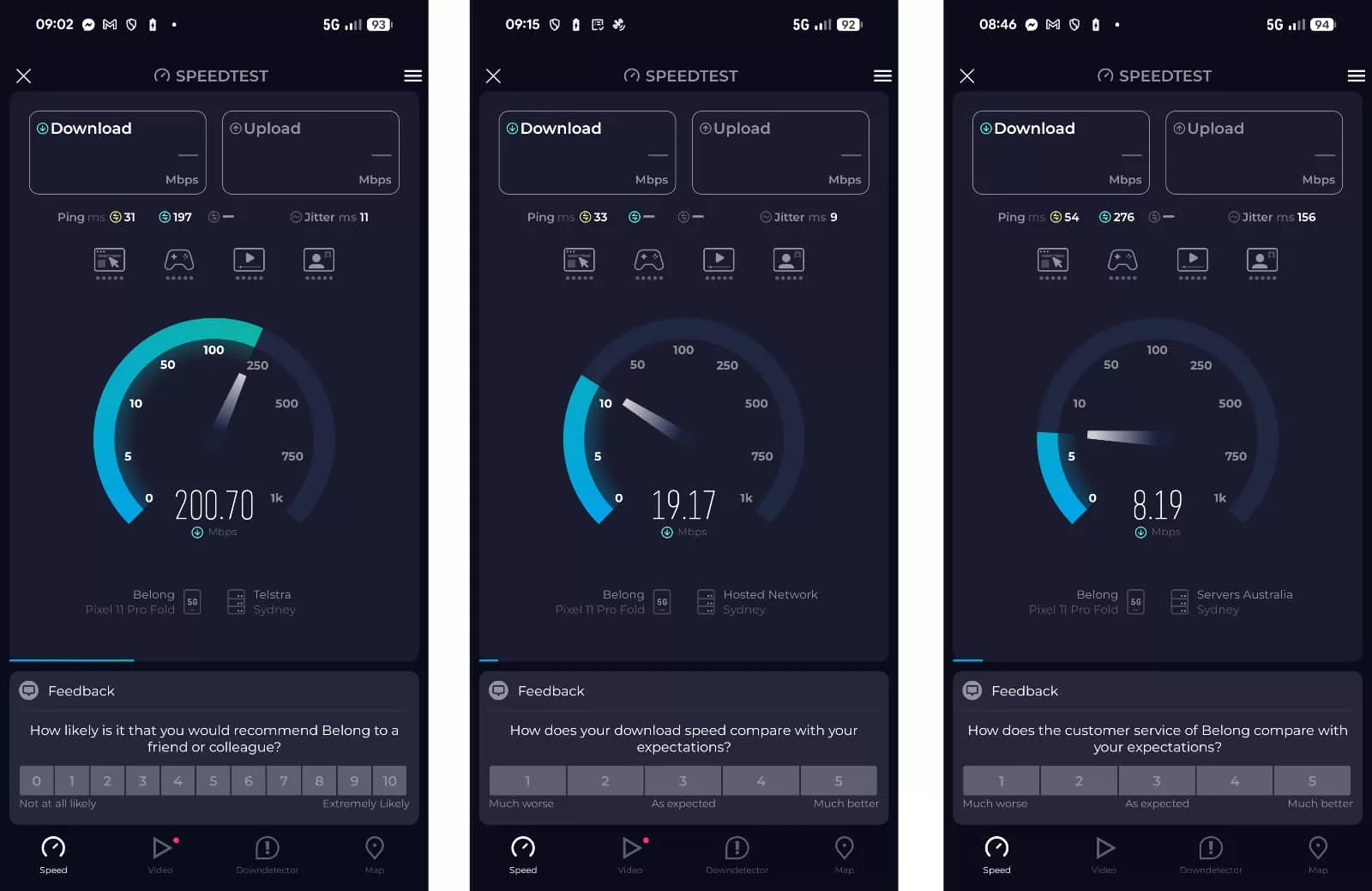
At least in mobile performance, the speed is more or less exactly where it should be, delivering fast enough speeds for most of what you’ll want.
Google’s Pixel 11 Pro Fold also manages something no other Pixel delivers: support for both 5G standard, the less common mmWave and the much more common sub-6. The inclusion of both technically means that no matter where you go, Pixel 11 Pro Fold owners will technically get the best mobile bandwidth they can find, provided their telco is just as accommodating.
The hardware is there, but you’ll just need the mobile network to be as friendly, though that’s more than we can say for the chip architecture.
Camera
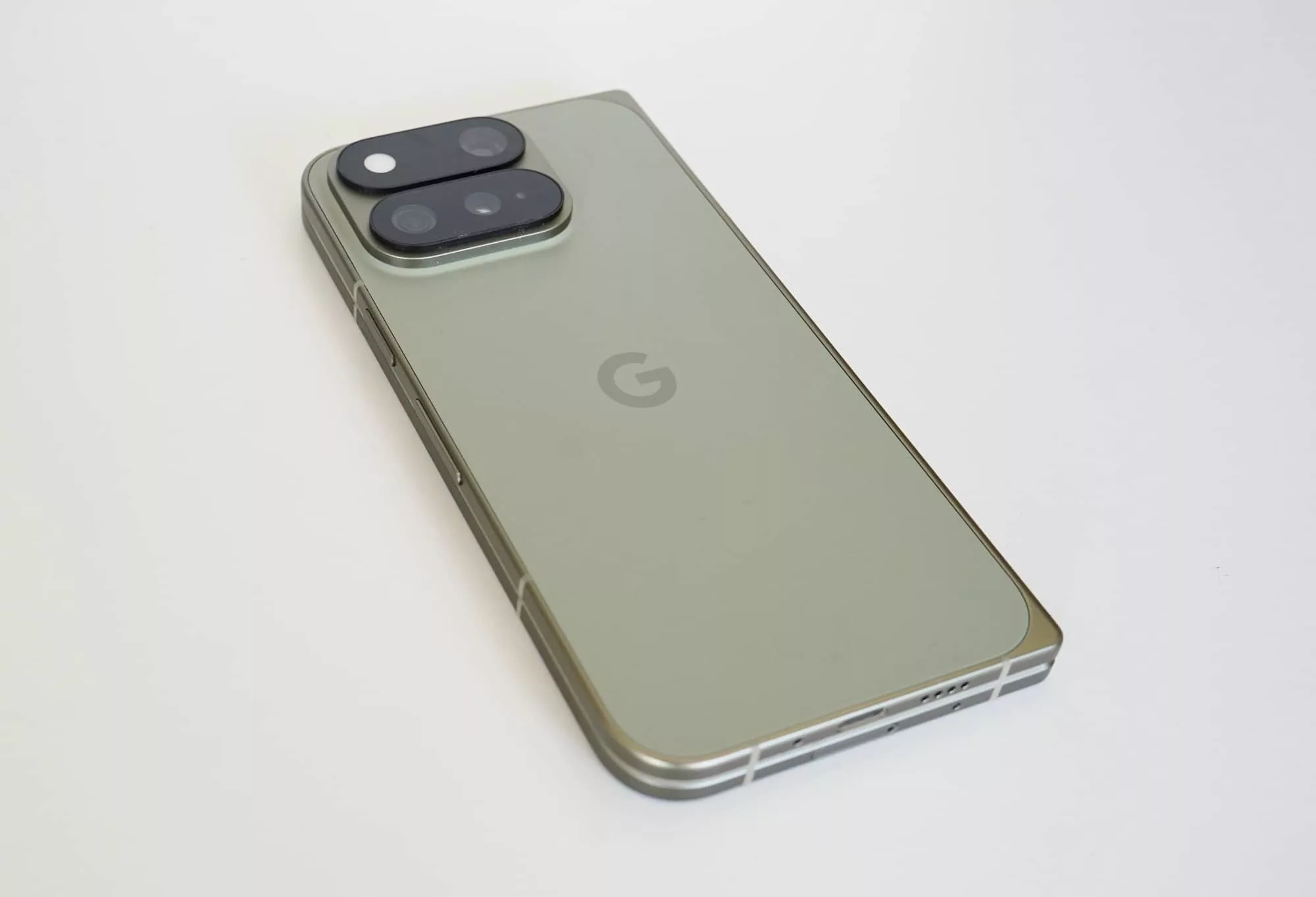
It’s a little like how things are in the camera department, which sees an update, but again, not much of an update.
In what is clearly becoming a bit of a vibe for the Pixel range this year, the triple camera system from the Pixel 11 Pro Fold hasn’t been changed much, and also isn’t being shared with the Pro and Pro XL models Google is releasing.
That’s largely the norm, mind you; Google hasn’t offered the same cameras between Pro and Pro Fold models yet, and it appears this year isn’t changing anything.
But the change is still minor, with a newly updated 48 megapixel wide camera alongside what appears to be the same 10.5 megapixel ultra-wide and the same 10.8 megapixel 5X optical cameras.
Neither gives you the massive 200 megapixel main camera of competitors, and neither ventures to the 50 megapixel marks we’re beginning to see in other phones, though megapixels aren’t everything.
The other 2026 Pixel Pro models give you more, offering a 50 megapixel main, 48 megapixel ultra-wide, and 48 megapixel 5X telephoto. It’s a similar range, but the non-foldable “Pro” models have more in the tech specs, and offer even better aperture ranges.
If you’re confused, you’re not the only ones. They’re all “Pro” models, but the “Pro” Fold isn’t the same level of that word as everything else.




For real-world use, what this translates to is a camera that delivers crisp colours and sharp visuals where it counts, complete with some decent up-close macro imagery, as well. It never manages to feel perfectly sharp at times, and the depth can appear a little blurry.
At night, however, the camera does manage to process more quickly, with the low-light Night Sight feature definitely working with much more speed than we’ve seen before. That should make star shots a little easier to capture, and that has been a feature Google is well and truly known for.
In short, it’s a good camera that can deliver great results, but there are also better cameras out there, and Google knows it.
Battery
The camera is marginally updated, and so too is the battery, which physically drops in size but still manages to deliver a little more battery life than what we saw from the 10 Pro Fold before it.
Technically, that’s a 4806 mAh battery giving you this battery life, which isn’t bad at all, and manages to actually get out more than its predecessor.
By comparison, there’s a difference of roughly 200 mAh in terms of overall battery size, giving the Pixel 11 Pro Fold less actual battery juice. Likely thanks to operating system and processor, the phone is able to get a little more out of its battery, with BatteryBench seeing roughly two hours more than the Pixel 10 Pro Fold, a notable amount, at least on the cover screen size.
| Device | Battery |
|---|---|
| Google Pixel 11 Pro Fold |
24:40
|
| Samsung Galaxy Z Fold8 |
23:11
|
| Oppo Find N6 |
22:58
|
| Google Pixel 10 Pro Fold (cover screen) |
22:50
|
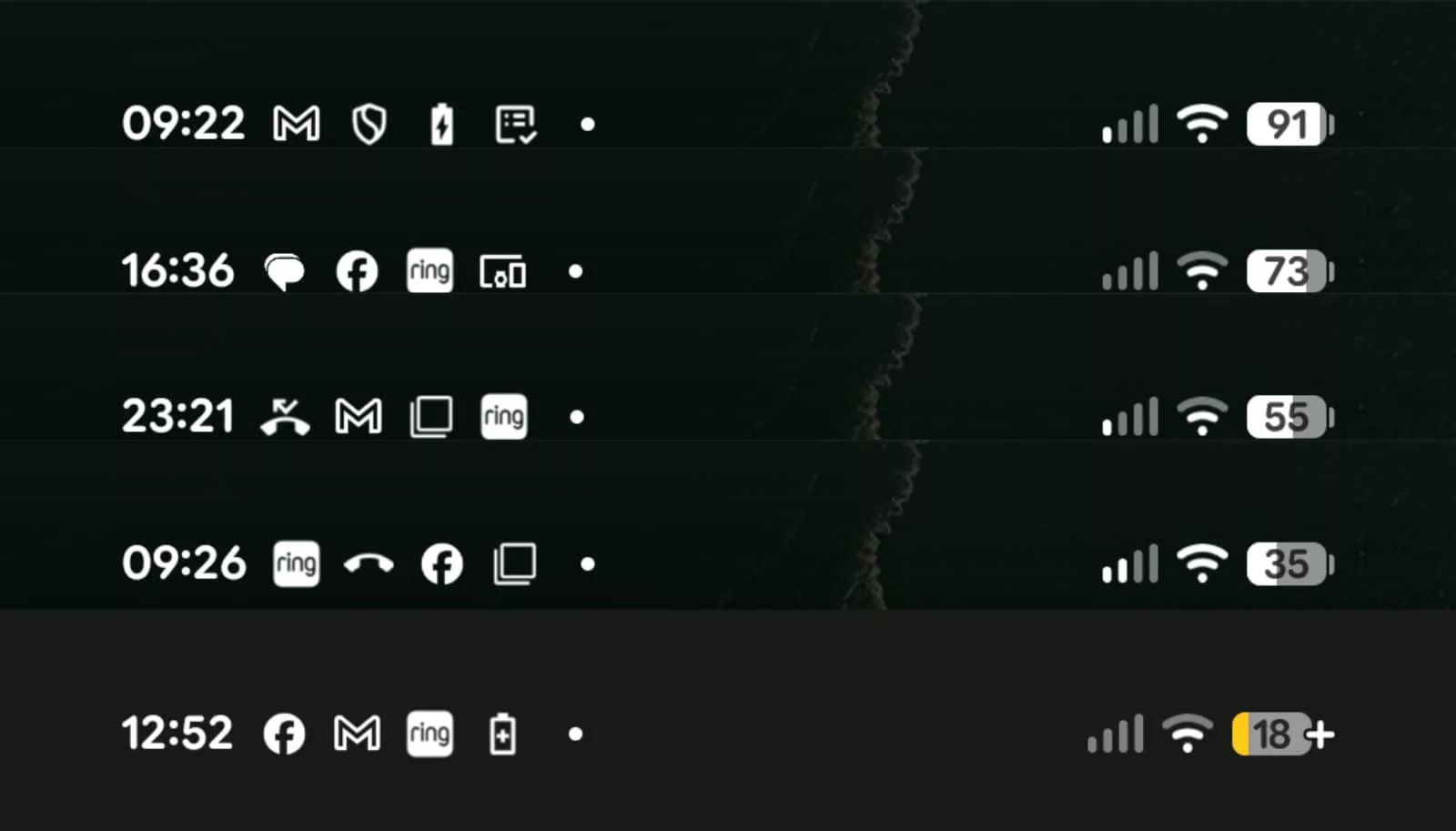
Real-world testing wasn’t terrible, either, delivering a good day and a half of actual usable battery life, or in screen-time life of around five hours. We suspect you could push it all the way to six if you tried, though you may need to stick to the external smaller cover screen for that.
The fact that you get two screens can make all the difference for battery life in this phone, as it can in any foldable.
However, Google has one thing no other foldable we’ve seen offers: magnetic charging.
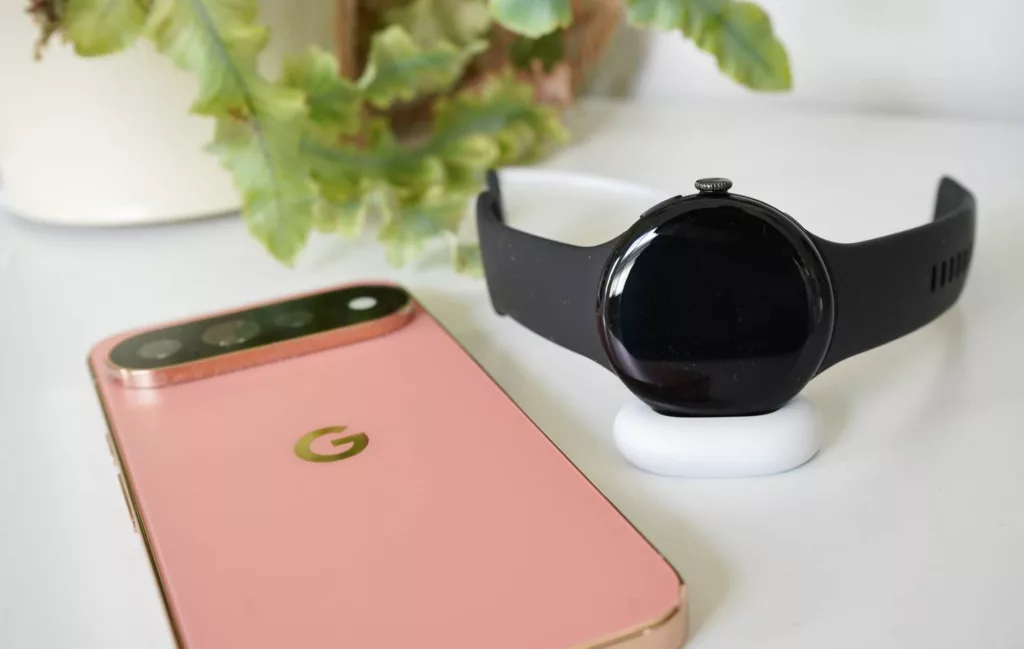
Call it one of those things that should be there in modern devices, because it’s there on the obvious rival that is Apple’s iPhone. Google supports magnetic charging by way of Pixelsnap, which was built into Pixel models last year and is here again this year.
That’s great, because means you can easily charge your Pixel 11 Pro Fold simply by snapping it to one of the many magnetic chargers found around, whether they’re MagSafe or Qi2. Both are supported, and offer a trickle of charge. Alternatively, just plug it into a USB-C port for a faster charge.
Value
The price is also largely where it’s expected to be, sitting at a hundred more than last year’s model, and about on par with everything else, now that AI is making devices more costly. Thanks for that, by the way.
It’s difficult to really know whether the 11 Pro Fold is good value, because right now phones are expensive, and foldables sit at the top of that.
This year, the Pixel 11 Pro Fold is $100 more and doesn’t manage to feel majorly different. Does that mean its value is the same? Roughly, but we didn’t think the Fold 10 Pro offered much in the way of value, either.
What needs work?
The problem is that the price has gone up, but the features have largely stayed the same. There just isn’t much to be excited about.
Yes, phones are iterative, and year on year, mobile makers are going to struggle to push boundaries and make devices exciting. Technically, any major upgrade is exciting if your device is old. We’re not quibbling over that.
What we’re arguing more about is that the Pixel 11 Pro Fold feels deliberately unexciting, as if Google saw last year’s device, applied a slight change, and said “yep, we’re done”.
That would be fine if everyone else was doing the same thing, but this year, we’re seeing changes: Motorola has a less expensive fold, Oppo has a creaseless fold, Samsung has a compact passport-style fold, and Apple is expected to join the world of folds very shortly.
Major changes, and yet Google is doing the same old thing.
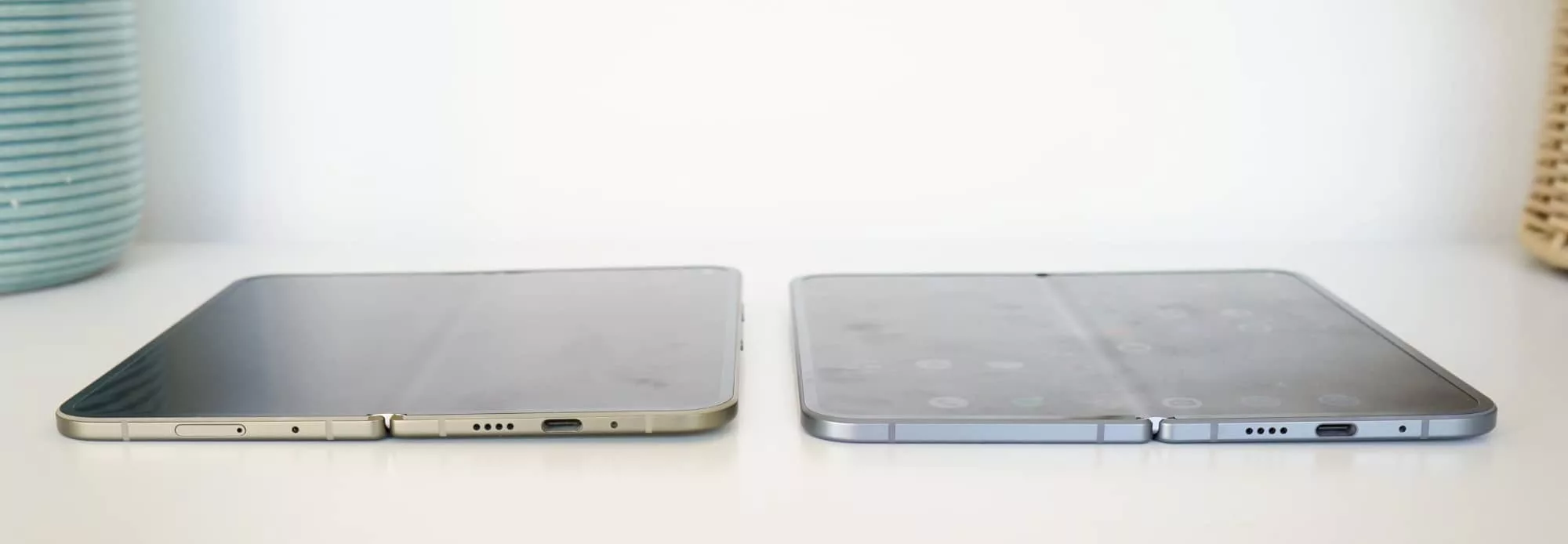
The crease on the screen doesn’t seem like it has dropped, even if the thickness has slightly. There’s a little bit of reduction to the weight and thickness which is definitely welcome, but we’re not down to the thickness Samsung manages, which is 9mm on the Fold8 Ultra and 9.7mm on the Fold8.
Even the camera bump reduction Google noted at the launch feels like a bit of misdirection. Get up close to the Fold 11 and you’ll find that yes, the camera block is a little slimmer, but now the cameras also extrude from that camera bump.
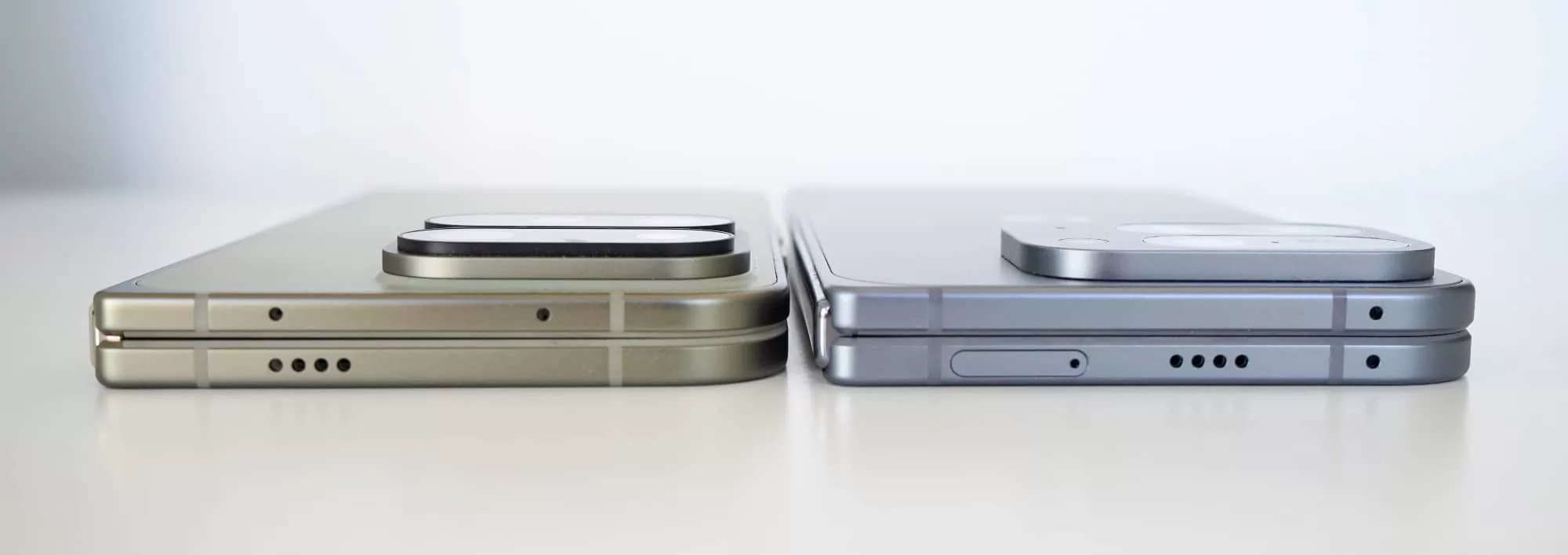
There’s much ado about nothing here, and we’re fairly sure Google knows that. Finding something to talk about when very little has changed seems to be the general vibe of the Pixel 11 Pro Fold.
Oh sure, you get a notification light blended with a flash on the back, but curiously Google hasn’t even opted to use some imagination to turn that neat combo into something genuinely fun.
It could have easily given you flash colour control like a modern day Lomo camera for a digital play on Lomography, but you get none of that. If it gets added, it will likely be an after-thought, possibly after Google execs have read this review (or a clever developer builds it in with eventual support).
Even that HiLight feature feels limited: four colours and white, and no way to map it to groups of people or labels. It needs to be custom set per favourite.
In an age of AI where automation is the norm, doing things so manually feels beneath Google. It’s weird.
It’s weird and boring, with hardly anything worth the yearly update. It really does feel like you are getting last year’s phone for this year’s price.
What we love
What does work, however, is that Google is finding ways to tweak its operating system to better match the world of foldables, such as with the operating system “bubbles”.
Think of these as basically tiny versions of the apps you’re using in widgets that sit in, well, bubbles. They’re circles you can drag around your screen that stack widgetised editions of the apps you use.
But they’re not perfect and tend to miss out on buttons that allow the apps to be usable. The tiny bubble edition of Standard Notes, one of the writing apps that follows this reviewer from phone to phone, just didn’t load its “new note” button inside the bubble edition. Meanwhile, some other apps couldn’t be made into bubbles, forcing you to move around the phone like you normally would.
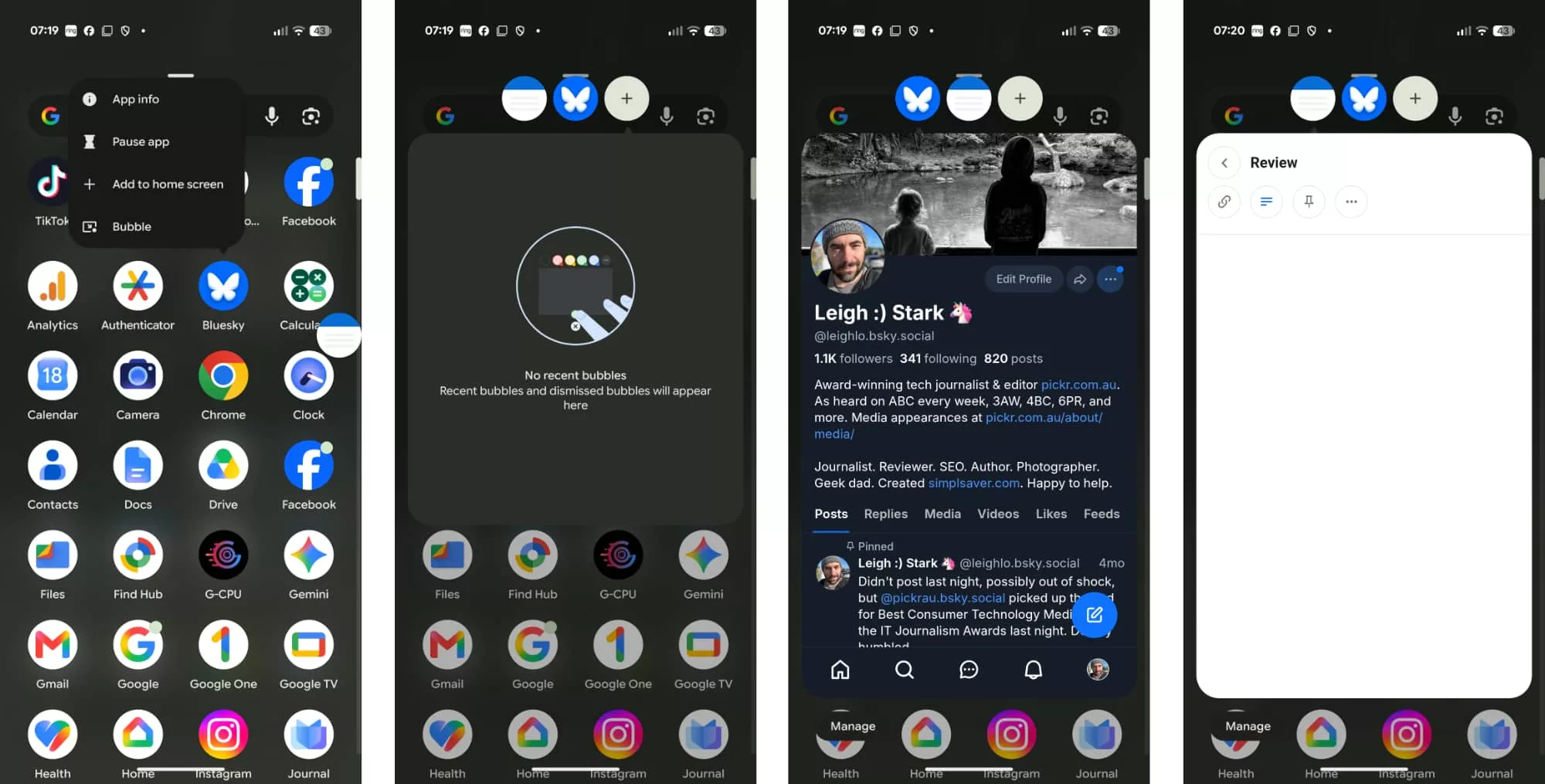
The attempt is at least notable, as it gives the extra wide screen a way to load even more on it at once, while Google’s apps are making use of that dual-screen space quite well.
The whole foldable thing is beginning to come together quite nicely, and Google’s take on it works nicely in the grand scheme of things.
Final thoughts (TLDR)
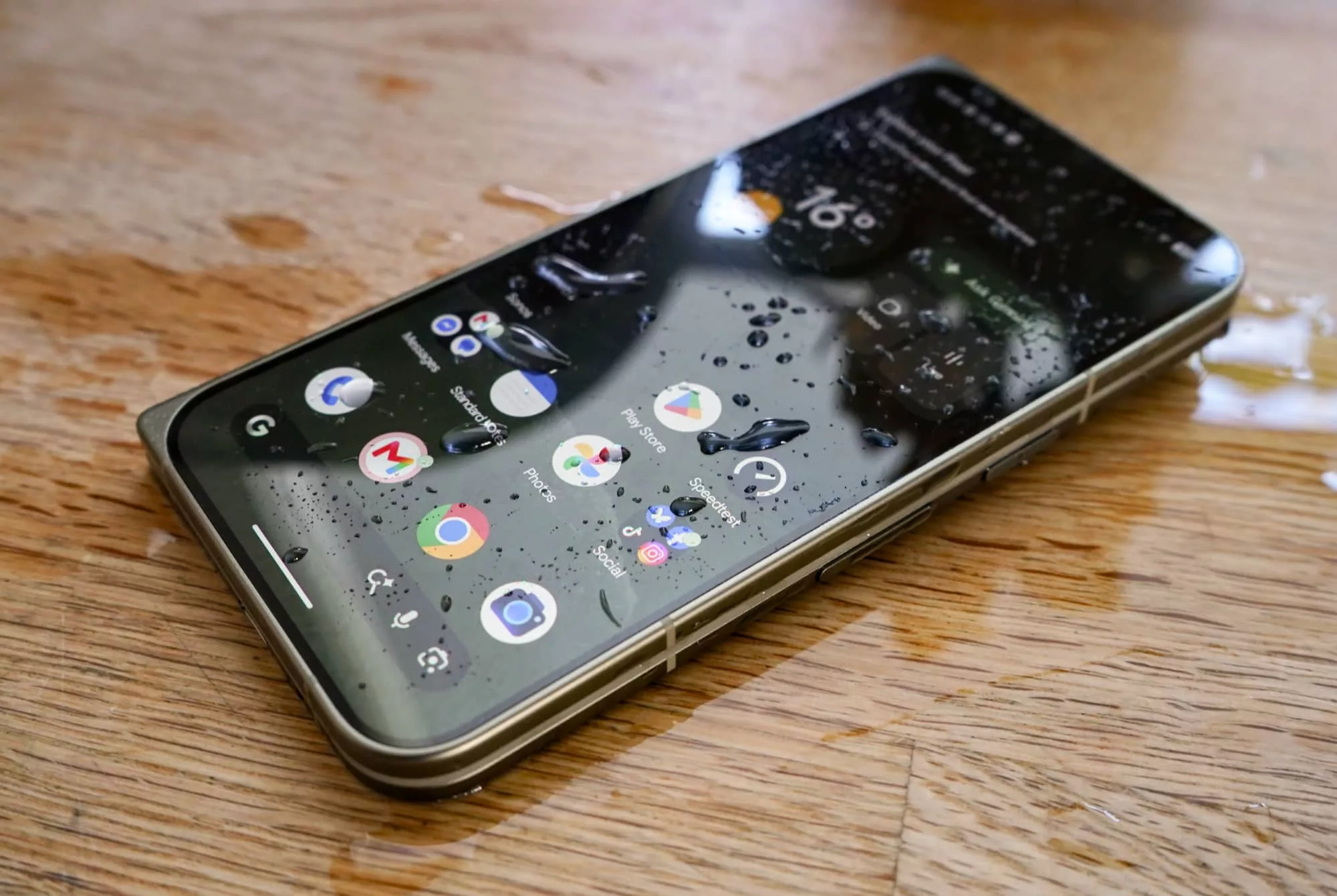
Perhaps the biggest problem is just how safe the Pixel 11 Pro Fold feels.
This is Google playing safe. In fact, it is playing it so safe, that you might wonder just what has actually changed in this model.
The answer isn’t much. You get a marginally better camera, a light on the back, and a slightly bigger screen. If you thought that phone updates were merely iterative, the Pixel 11 Pro Fold is all about singing that back.
If anything, the release of the Pixel 10a kind of set this up for us earlier this year.
Back when it dropped, it was difficult not to point out that it was basically last year’s Pixel 9a with a marginally slimmer camera and that was it. Malibu Stacey in a new hat would have blushed, because they had so much in common, but little to do with anything new, as ideas appeared recycled.
Here in the Pixel 11 Pro Fold, there is more of that. This is a little better because, hey, you get a new processor and a good 20 gram reduction in weight. That’s not small.
But the features or anything new that it could do? That is. It’s certainly not the inside screen, which doesn’t match the mostly creaseless design we’ve been seeing from other foldables, including the Samsung Galaxy Fold 8 or Oppo’s Find N6.
By comparison, Google feels like it’s recycling, and being safe kept it here. It’s just an unexciting take on the foldable future. It does the job, but that’s about it.
And that’s without saying the Fold 11 is a bad phone.
The Pixel 11 Pro Fold is not a bad phone; it’s just a boring phone. And this year, that mightn’t be enough.