
Quick review
The good
The not-so-good

Last year’s phone made slightly better, the Pixel 10a is boring, but boring in a good way. The problem is its predecessor could be better value.
High-end phones might be where most of the action is, but they’re hardly at price points everyone can afford.
Phones aren’t necessarily cheap, and the cost of AI is surely going to raise them even further now that memory and storage is costing more with it. That leaves folks craving high-end mobiles in a rather curious position: spend more, or get something for a little less.
While you can definitely spend more on a major new mobile, the mid-range has emerged as the place to be for a good all-round device. It’s the phone market’s equivalent of Goldilocks, giving you a device that’s “just right”.
And it’s an area Google has been playing in for quite a while, offering a good all-rounder spot of middle ground for its current range the next year in the “a” model.
Take the Pixel 9a, which was a great all-rounder take on the Pixel 9 before it. A little less in some areas, but not substantially enough to warn off buyers, and one of the year’s best phones. The same applies to other Pixel “a” models, going right back to the devices like the Pixel 4a (yep, we’ve been doing this a while).
So what happens when the Pixel A-series slows down? What happens when the new Pixel A feels like the previous model… and not just feels like it, but is spec’d like it, too?
The Pixel A for 2026 may well be the Pixel 10a, but it beats the heart of its predecessor. And while that might be confusing, the result isn’t quite as severe as it sounds.
Design
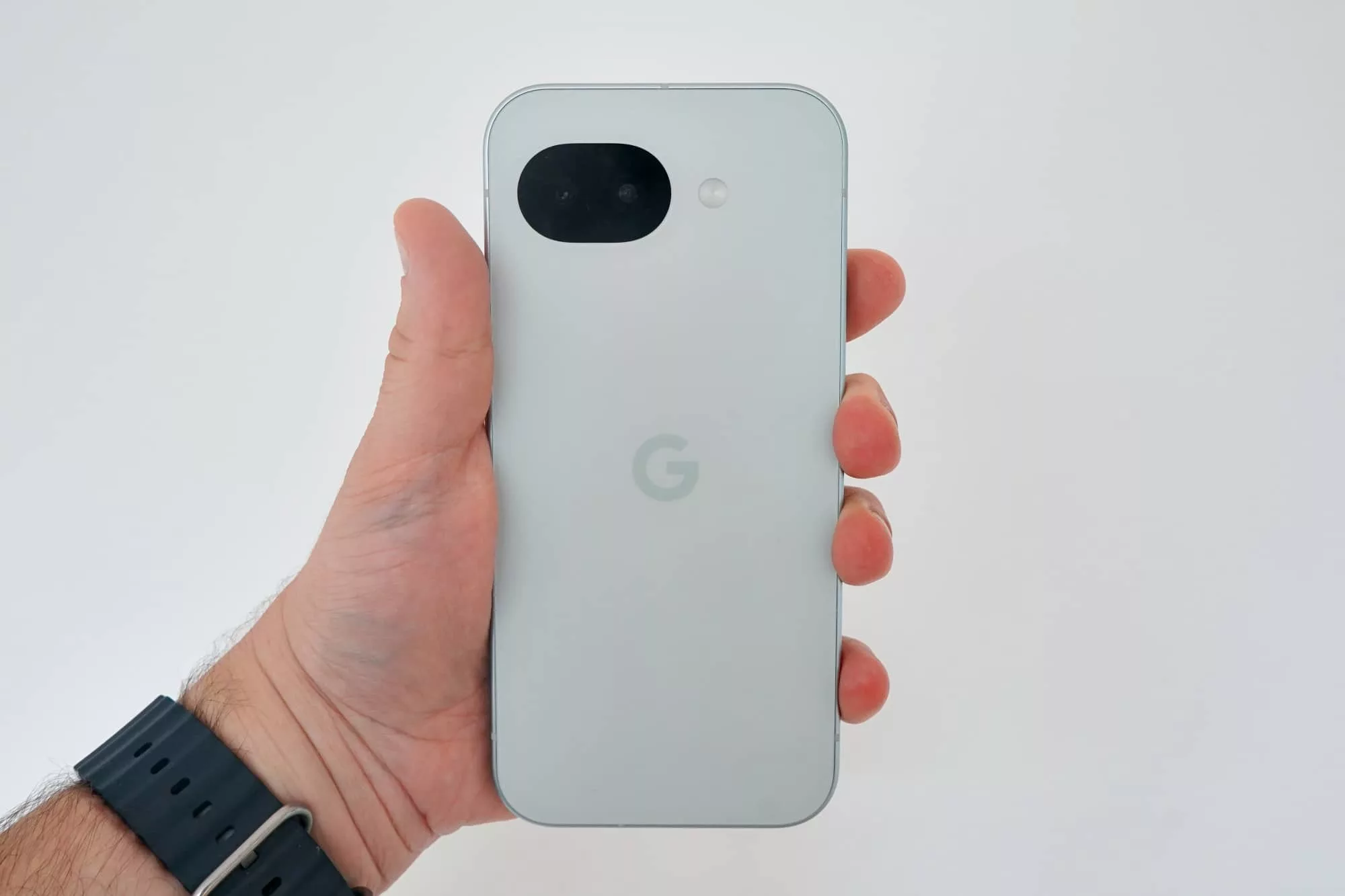
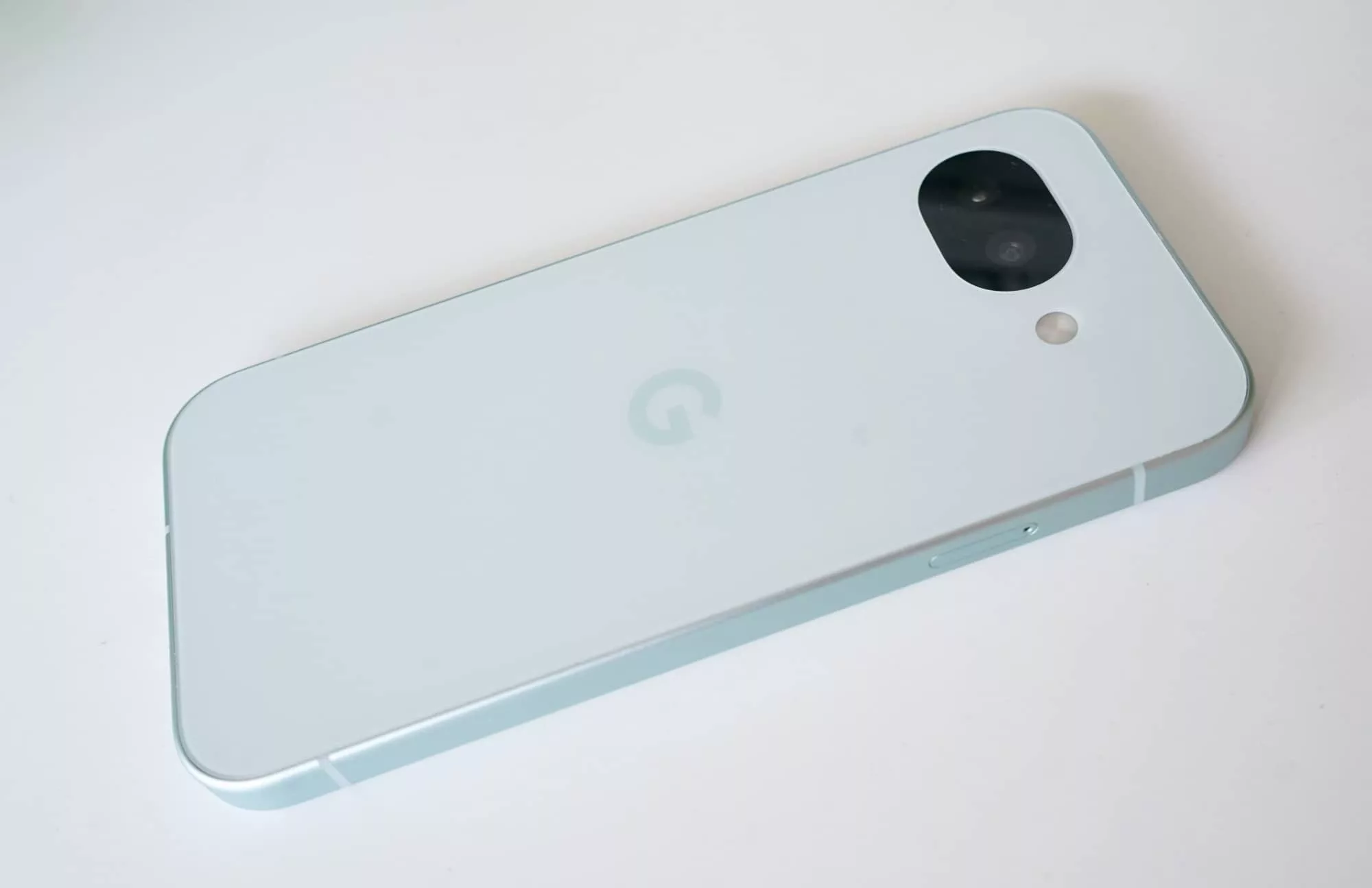
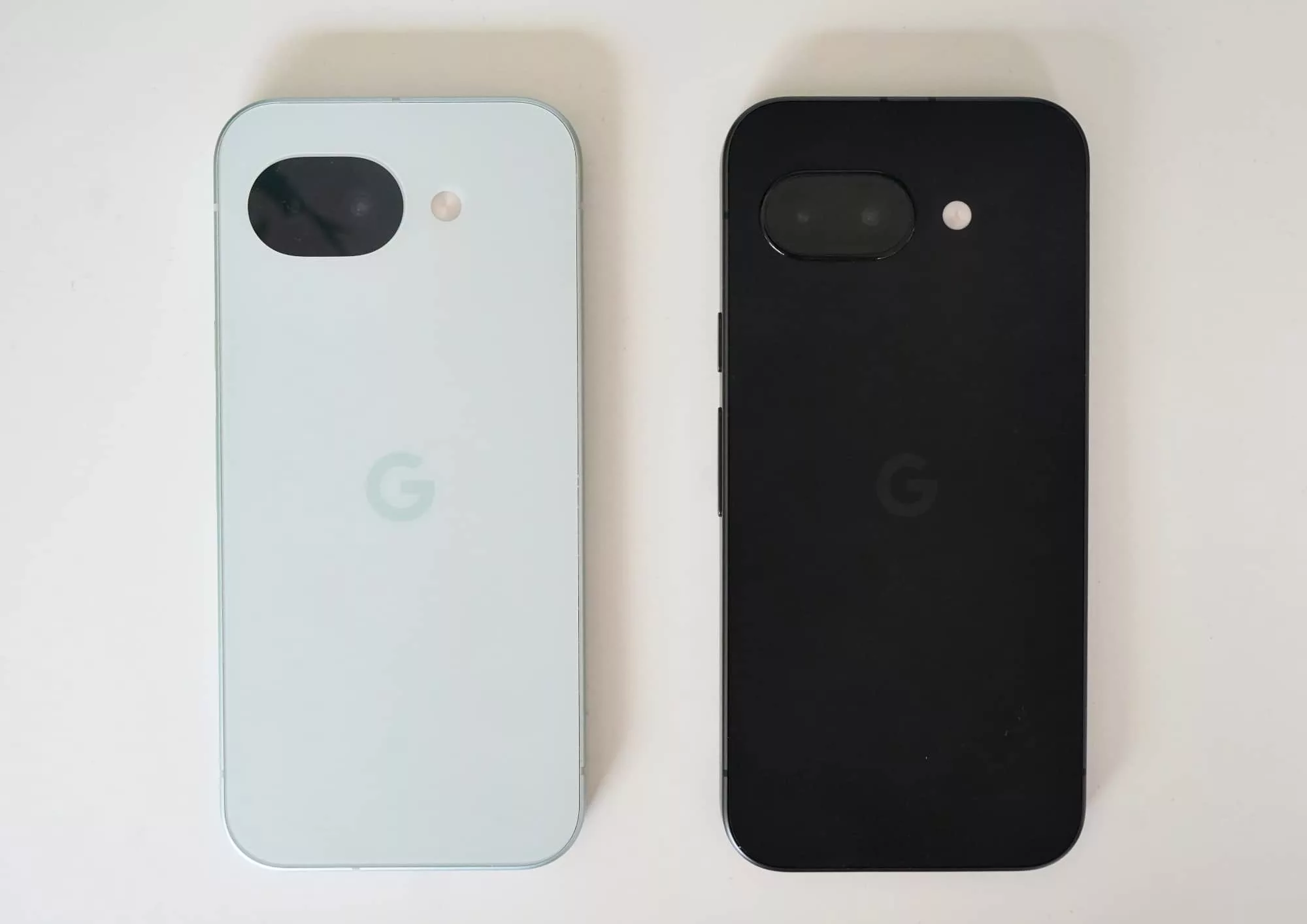
Encased in a design which is more or less last year’s Pixel 9a, the Pixel 10a will be incredibly familiar at first glance, and that’s actually not bad.
Flat on both sides including the camera block is not a design most phone companies can lay claim to, and yet Google has, with what is easily the most minimalist phone approach you’ll find anywhere.
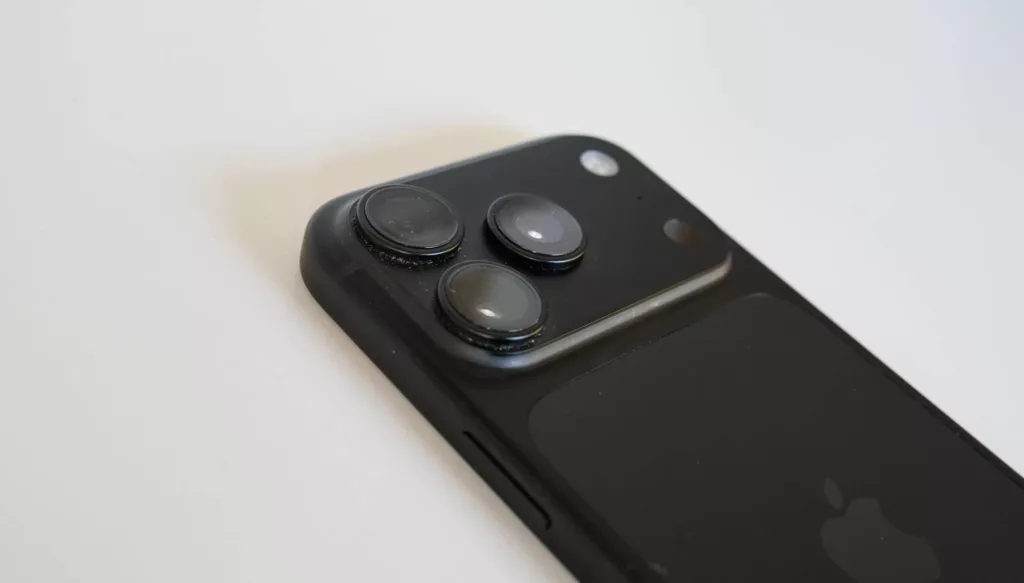
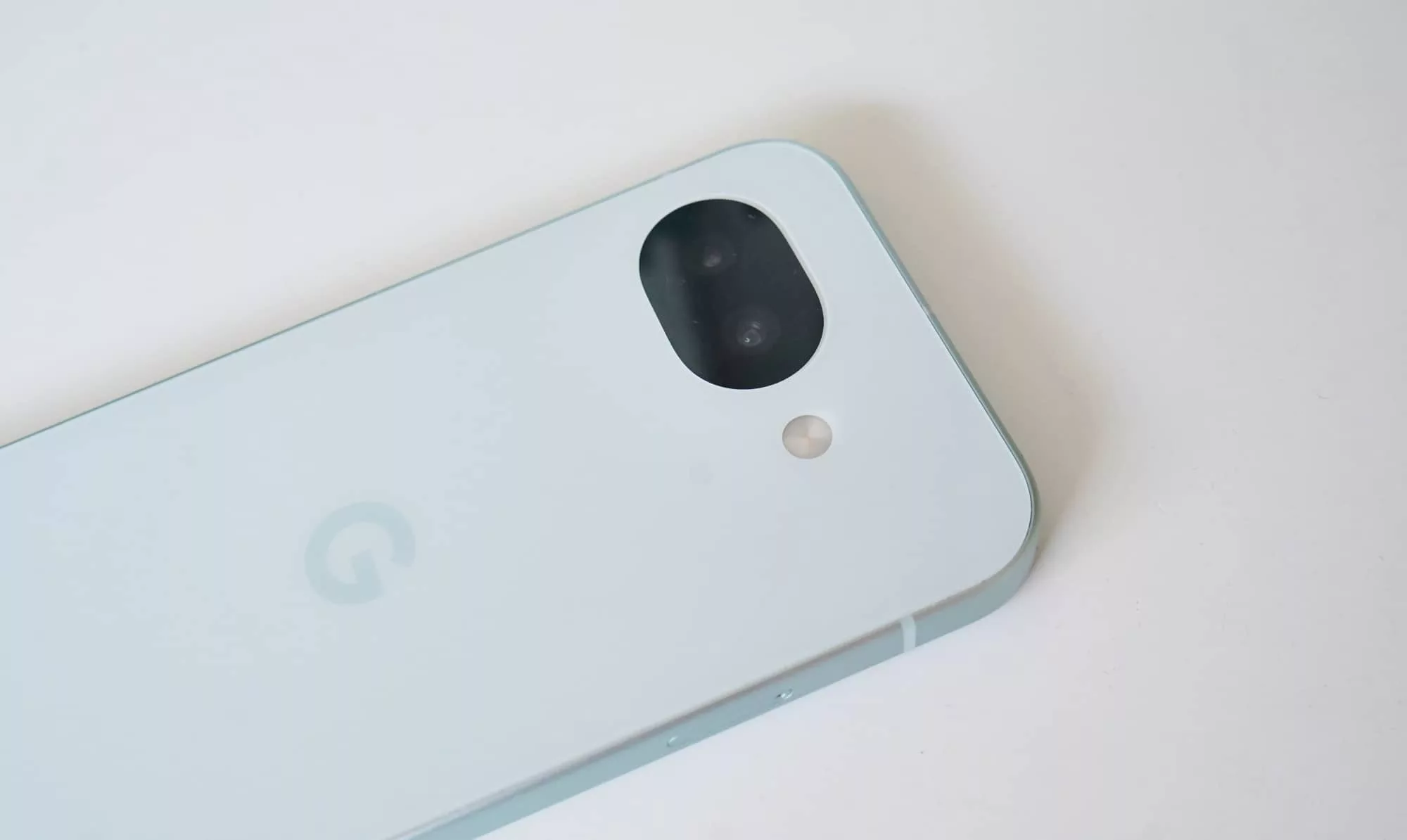
The front is clearly a flat piece of glass with a 6.3 inch screen protected by a layer of Corning’s scratch-resistant Gorilla Glass 7i, while the back is covered in matte plastic, somehow keeping a super flat two cameras in the design. No bump, no extrusions, nothing to keep your phone wobbling when placed on a desk or other flat surface.
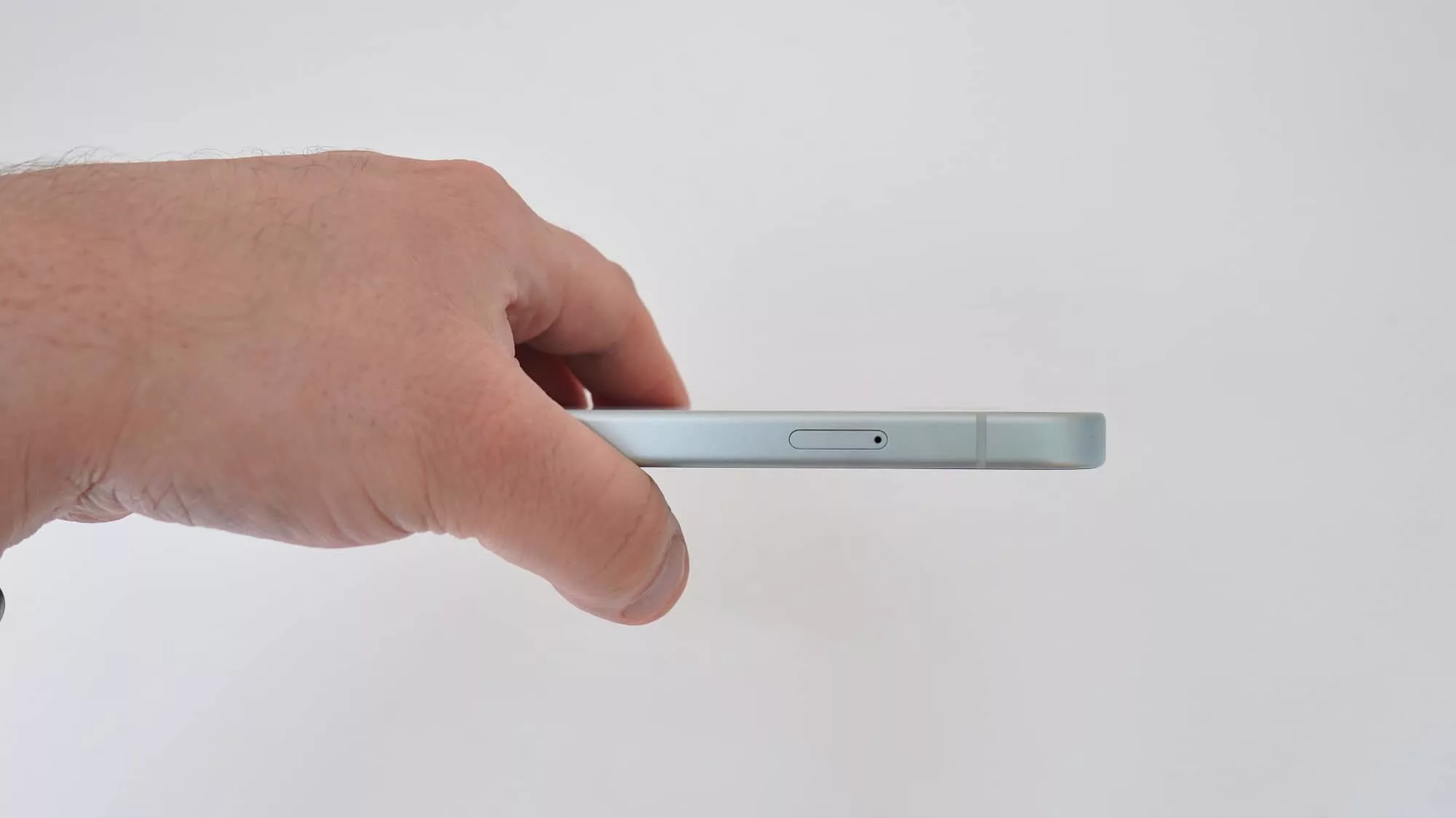
Like its predecessor, the Pixel 10a is a fairly minimalist affair, but sees a change in the frame, with aluminium used in the design.
It’s roughly the same size as its 9a sibling, but also not quite. The 9mm thickness is marginally bigger than the 8.9mm of the Pixel 9a, a fraction shorter at 153.9mm compared to 154.7mm, and it even weighs three grams less at 183g.
Features
Those minor changes are one of only a handful that separates it from its predecessor, because under the hood, it is mostly the same phone as the Pixel 9a.
That includes the Google Tensor G4 processor, 8GB RAM, and there’s a choice of either 128GB or 256GB storage.
The battery is the same, offering 5100 mAh and support for Qi wireless charging (but not Qi2), and 6.3 inch 1080×2424 pOLED displays with up to 120Hz refresh rate.
If you’re getting a vibe that most things are the same, it’s true, down to the camera combination on the back covering a 48 megapixel F1.7 wide and 13 megapixel F2.2 ultra-wide, while the front offers a 13 megapixel F2.2 selfie camera.
Virtually nothing appears new about the Pixel 10a, at least on the surface, though there is a little more brightness on the display, covering up to 2000 nits in HDR and up to 3000 nits peak brightness, with a higher contrast radio, as well.
There’s also a new modem there technically for improved mobile speeds, though you probably won’t notice that change much at all.
In-use
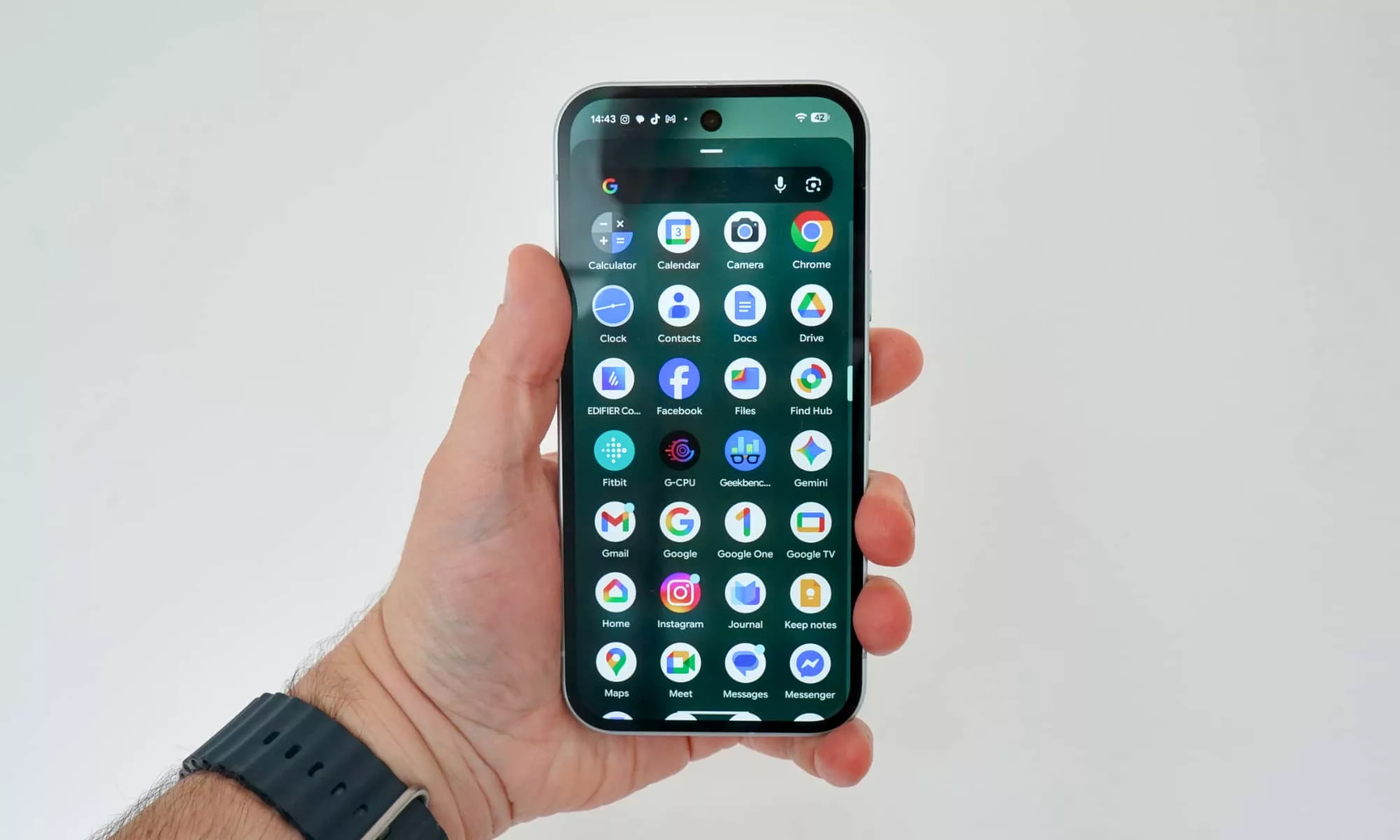
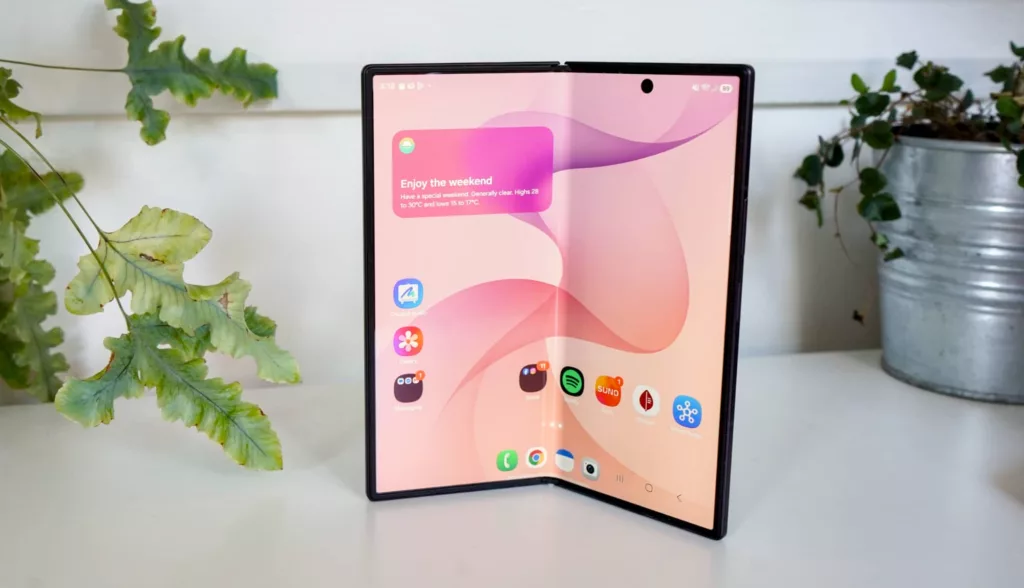
With practically zero noticeable changes, the good news is that Android 16 works rather like Android any-other-version you’ve seen in the past. It’s easy, obvious, and makes a great device for kids or adults.
There’s a fingerprint sensor baked into the screen, and one quick enough to unlock your phone without thinking, exposing you to all the fun that Android 16 has for you.
This is, of course, Android the way Google wants it, including widgets, Google Discover screen on the left, and just the style you expect from Android. It’s nice, easy, and works a treat.
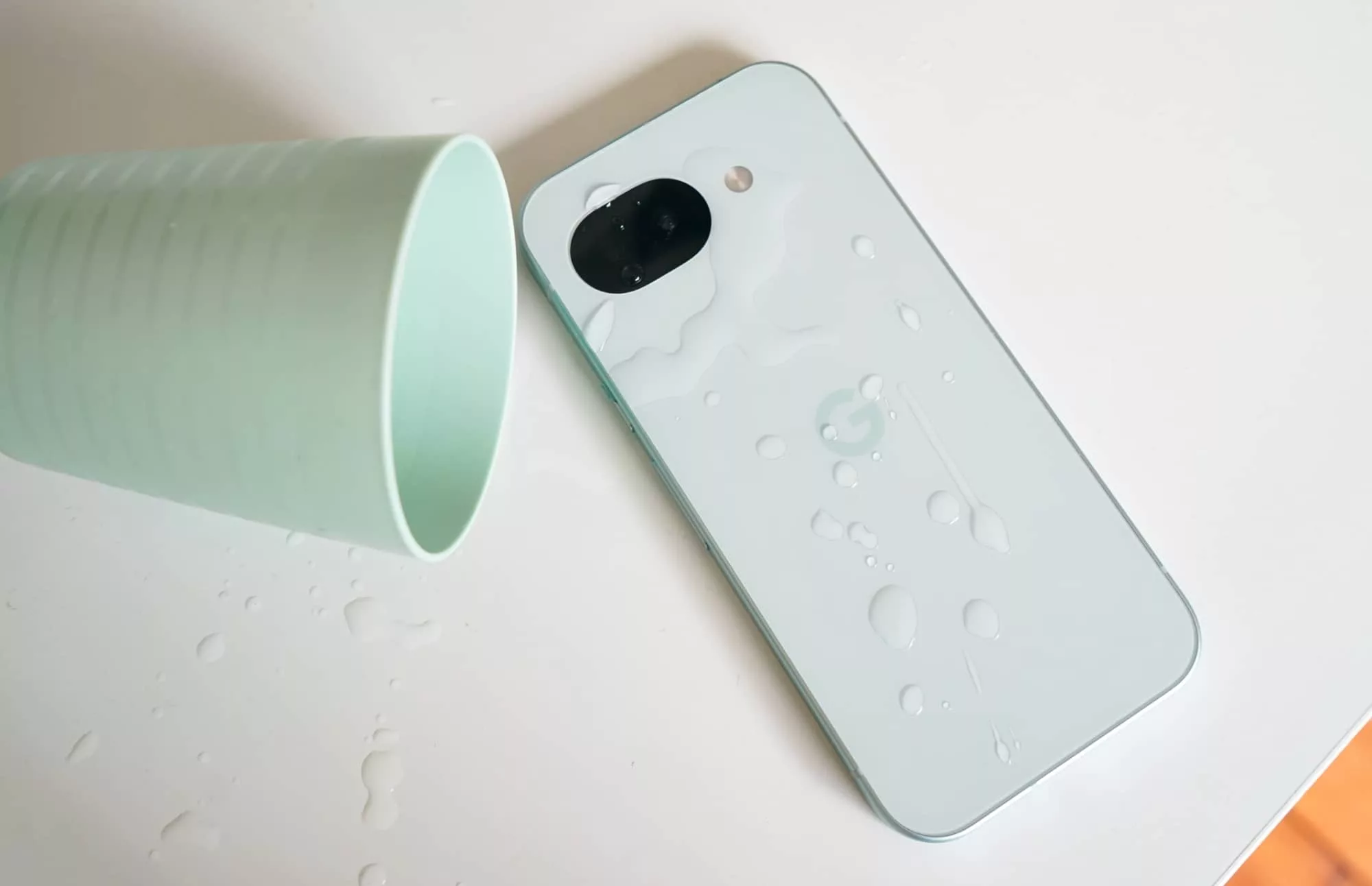
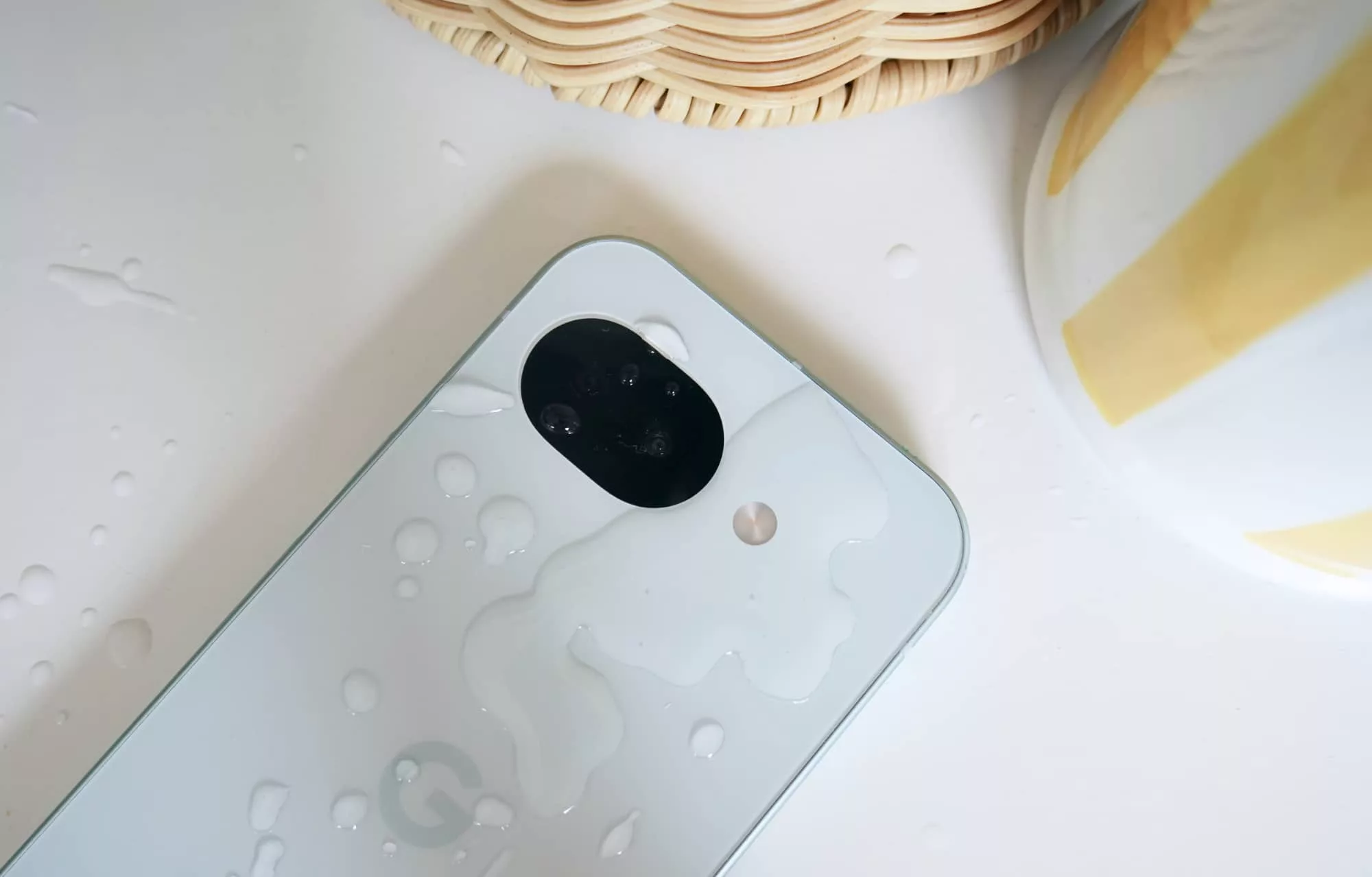
You also get NFC for Google Pay and water resistance, so it’ll be good for going out and about, paying for things, and accidentally running back when rain hits. Don’t @ me.
Performance
One of the surprises from the announcement was the chip inside the Pixel 10a: for the first time in a Pixel a-series device, you won’t see the hardware from the current range.
Instead, Google has kept the chip used in the Pixel 9a, which makes the phone feel a little more a Pixel 9a with a new name, and a marginally improved screen and design.
Frustratingly, ahead of launch Google has blocked our regularly phone benchmarking tool, Geekbench 6 (we’ll circle back later). However, we have a benchmark of the Tensor G4 chip used in the Pixel 9a, so we can actually use that alongside a sideloaded benchmark app.
| Device | CPU Single Core | CPU Multicore | GPU |
|---|---|---|---|
|
Google Pixel 9a
Google Tensor G4
|
1720
|
4460
|
7759
|
|
Google Pixel 10a
Google Tensor G4
|
1723
|
4334
|
8805
|
|
Google Pixel 10
Google Tensor G5
|
2291
|
6193
|
3109
|
What’s interesting about this is that in some tests, the Pixel 9a actually performs better, particularly in the graphics tests. We’re not entirely sure why — neither happens to be a slouch, but there’s a clear difference.
So that leaves the performance largely the same as its predecessor, but that won’t impact actual upgraders.
In fact, if you’re upgrading from previous Pixel models, such as the Pixel 7a or even earlier, the gains are there.
| Device | CPU Single Core | CPU Multicore | GPU |
|---|---|---|---|
|
Google Pixel 4a with 5G
Snapdragon 765G
|
592
|
1630
|
1267
|
|
Google Pixel 6a
Google Tensor
|
1396
|
3289
|
6974
|
|
Google Pixel 7a
Google Tensor G2
|
1393
|
3385
|
4718
|
|
Google Pixel 8a
Google Tensor G3
|
1593
|
4273
|
5632
|
|
Google Pixel 10a
Google Tensor G4
|
1723
|
4334
|
8805
|
|
Google Pixel 9a
Google Tensor G4
|
1720
|
4460
|
7759
|
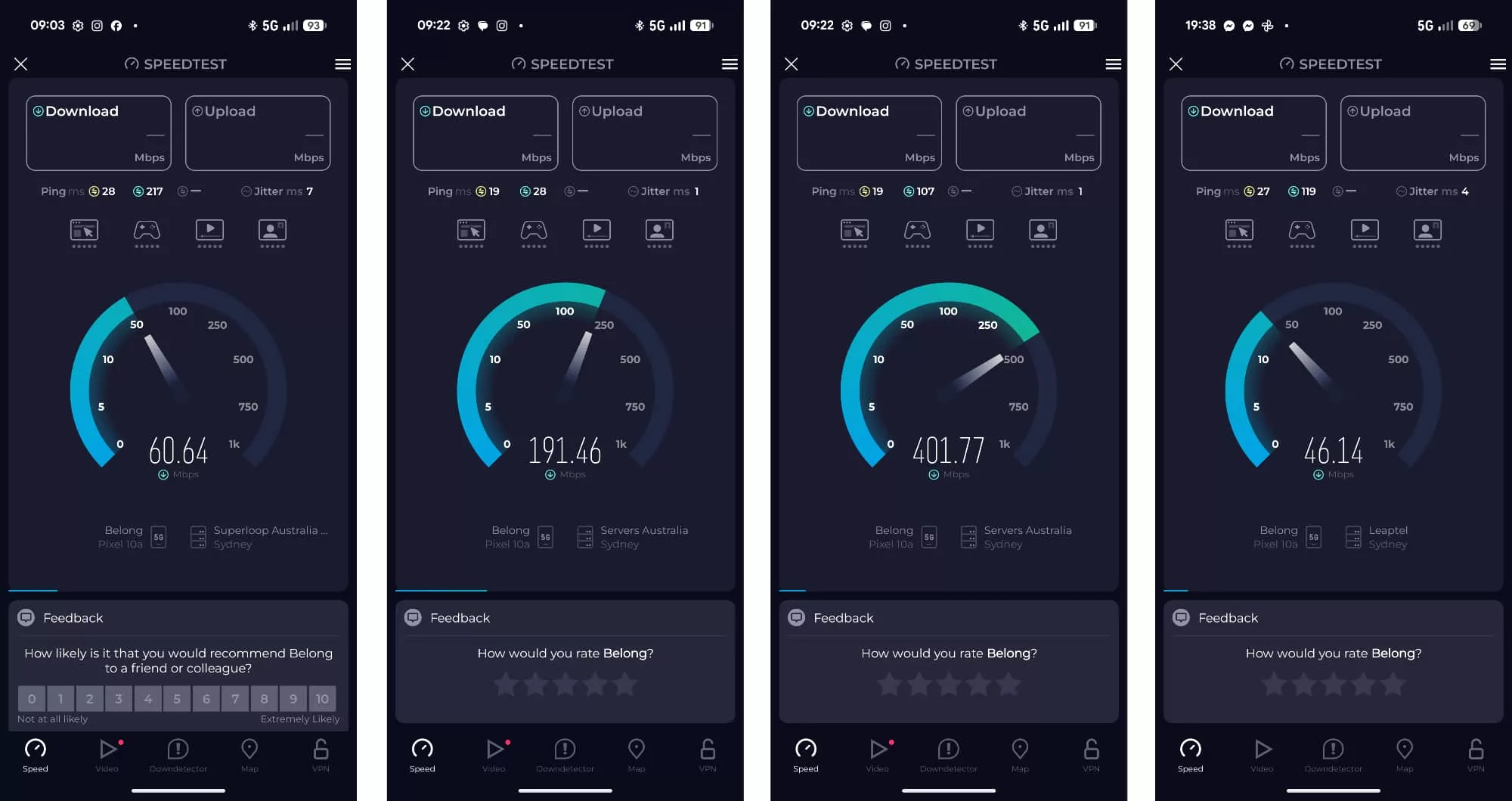
Mobile performance will likely be much the same, however; most users will have 5G access, and dependent on their carrier, should see high speeds when they’re out and about.
Testing the Pixel 10a in Sydney, Australia using the Telstra network by way of Belong, we found speeds maxing out at 460Mbps.
That should be fast enough for most, and given it’s 5G, you should be able to get a little more out if your carrier lets you.
Camera
Performance can seem like it’s mostly the same, and it’s not alone, because the camera is also the same.
Yes, that means Google’s combination of a 48 megapixels wide and 13 megapixels ultra-wide from the 9a makes a second appearance, complete with its mostly flat design. It’s actually ever so slightly flatter than the Pixel 9a, with no bump or ridge at all.
On the one hand, it does make the Pixel 10a unexciting.
And yet on the other, however, it shows just how good a package it is, and keeps it a worthwhile upgrade for owners looking to move to a new device and craving something easy and capable, which this definitely is.
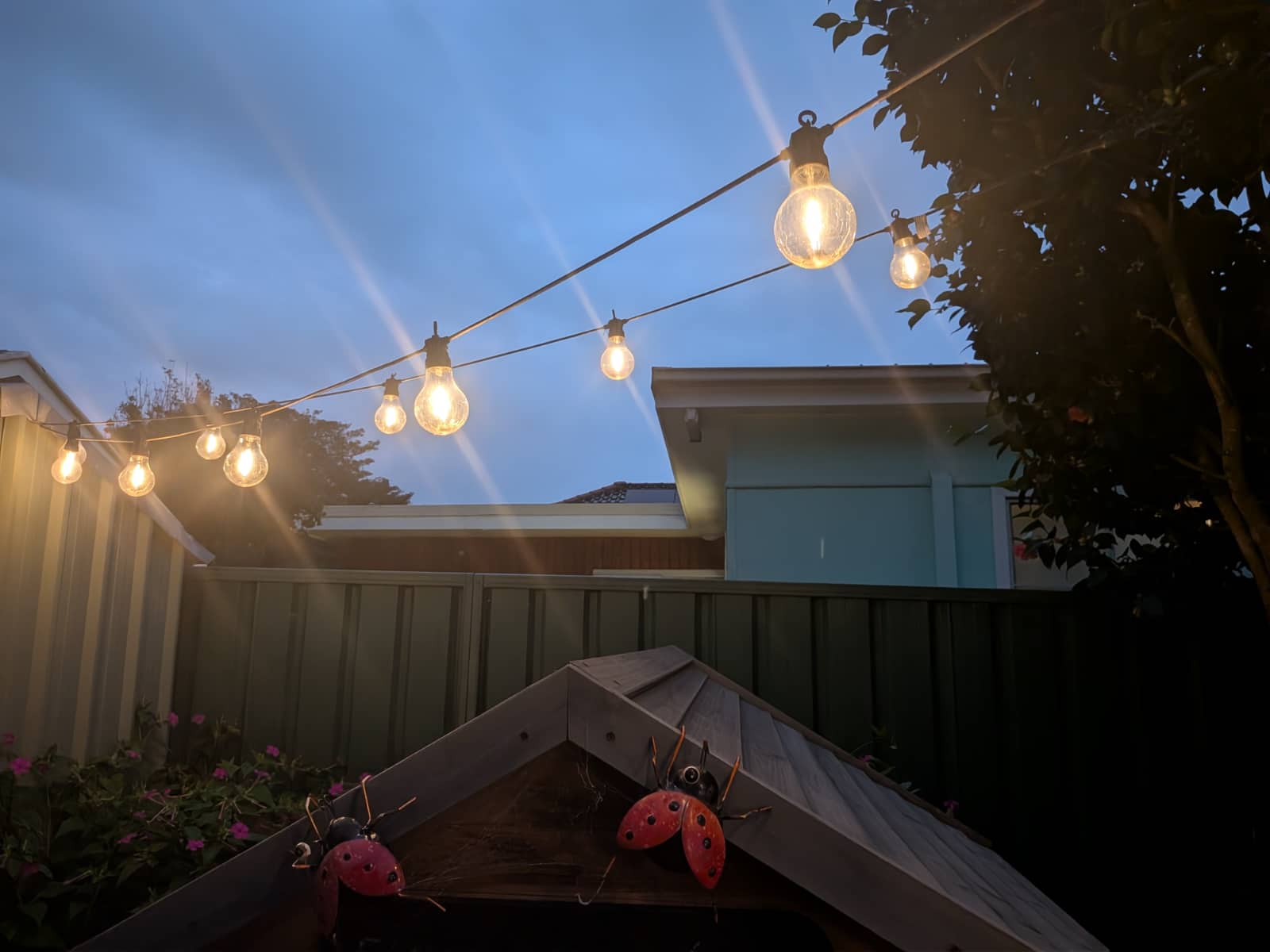
Images out of the Pixel 10a are exactly as you’d expect them: bright, clear, and crisp, with Google’s excellent portraiture system working its best results, and night mode’s low-light stacking delivering great stuff at night, too.
There’s a bit of AI for editing here should you want it, mainstay features of the Google Photo editing system that the Pixel has championed, but really the focus is on a great camera that goes wide and ultra-wide, and a little bit close with some cropping and AI assistance.
It’s not as versatile as the three-camera system used by the Pixel 10, but it’s a great camera all the same, and the same goes for that front-facing 13 megapixel selfie camera.



Battery
While we’re talking about keeping things the same — because that is largely what the Pixel 10a is: an ocean of same — the battery performance has changed slightly.
It’s not enough to really cause concerns, but you’ll more than likely need to charge the Pixel 10a nightly.
Tested with real-life usage, we found a day and a half of battery was easily doable, and possibly two days depending on how much you used the phone. There are about 4 to 5 hours of active screen time when using the hardware, which isn’t bad.
That’s not far from the life of the Pixel 9a before it.
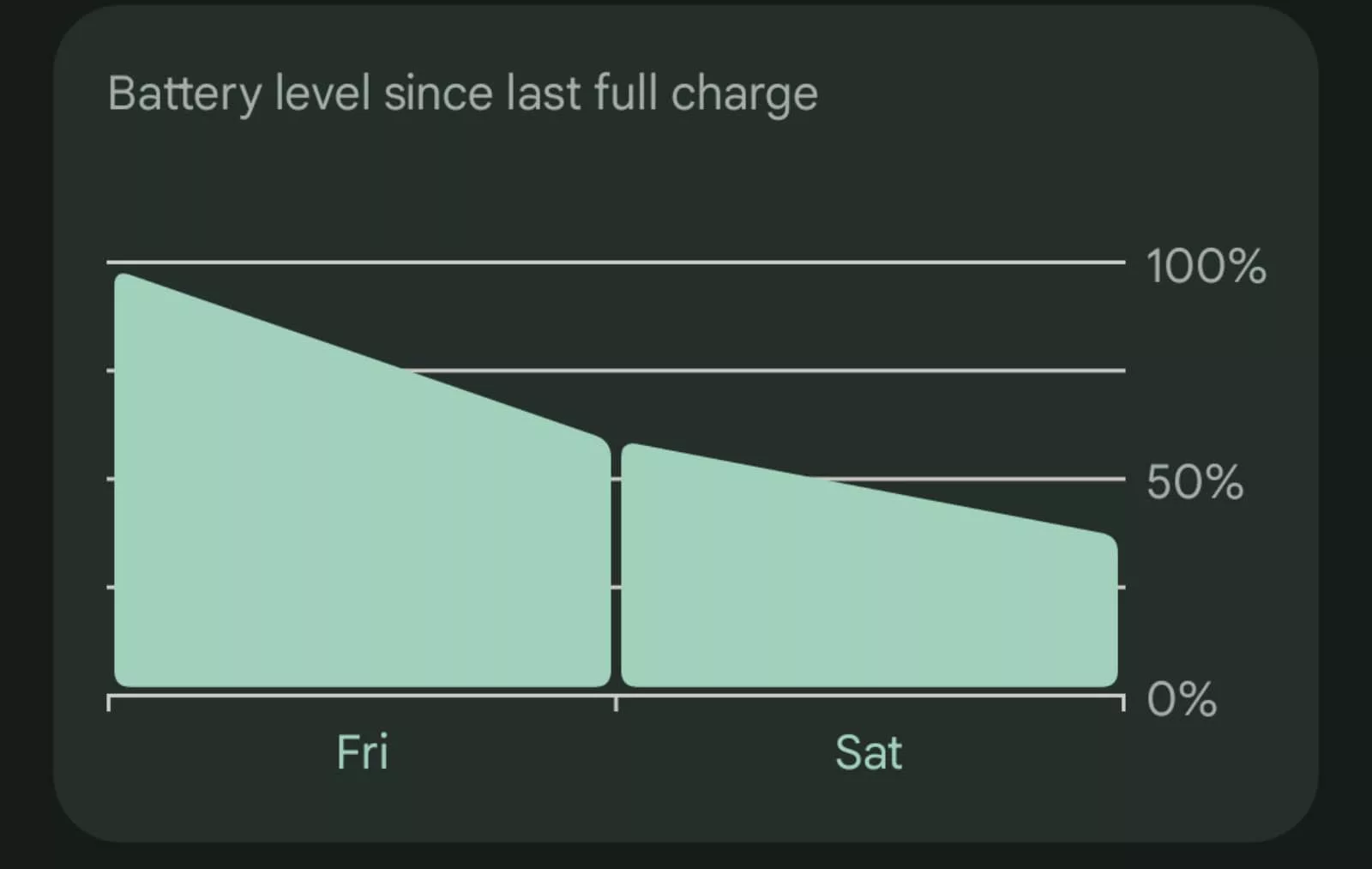
However, our Battery Bench rundown test shows the Pixel 10a battery runs for less time than the Pixel 9a before it, something we had to check again with a new battery rundown of the Pixel 9a.
It was consistent: the Pixel 10a ran for slightly less time in our test than the Pixel 9a before it, a change we suspect can be attributed to the screen. The new display is slightly brighter, and that could easily affect the battery ever so slightly.
| Device | Battery |
|---|---|
| Google Pixel 9a (2026 retest) |
24:11
|
| Google Pixel 10a |
22:15
|
Value
While the 10a does feel like an ocean of same, it even manages to retain the same price, which likely says more about the industry and the state of phone releases in an era when AI is hurting prices.
At $849, the Pixel 9a 10a is the same price as its predecessor, even with the slight changes Google has made. That means it’s technically marginally more durable and marginally brighter for the same price.
That’s great for people planning to buy a Pixel 9a, because they’ll now get a marginally better model if they look.
What needs work?
The problem is that the Pixel 9a can now be found for a little less, and that’s bad news for the Pixel 10a.
Sure, the screen is slightly brighter and the casing is slightly better. Even the modem has changed. But the reality of the Pixel 10a is that it is also a very marginally improved Pixel 9a, and until the stock of the 9a has dried up, the Pixel 9a will be the better value device.
Even ahead of release, a simple glance for the 10a’s predecessor lands a rough $798 price point, so you can already save a little over $50 if you opt for last year’s phone, which is apparently almost identical to this year’s.
That’s probably the most obvious problem, because everything else is just a glaring reviewer-specific thing that bugs technology writers, but won’t affect anyone else.
Like how the Pixel 10a is a Pixel 10 only in name. It doesn’t share any of the processing power of that range, and opts for a Pixel 9 chip. It doesn’t see any major AI changes the likes of which the Pixel 10 received, though given they weren’t amazing, maybe that one isn’t a bad thing.
From a seasoned reviewer’s standpoint, the Pixel 10a is a Pixel 10 only in name. It’s basically Pixel 9a version 2. Maybe Pixel 9b.
But buyers won’t care, and that is possibly the point.
What we love
While the 10a is a very boring device, it’s still an excellent device all the same. It’s boring, but works incredibly well, and is difficult to complain about.
Technology fanatics and early adopters may shun the idea that the Pixel 10a is just more of the same, but this phone was never really for them. The high-end bleeding edge is the place for these complaints, and hardly a device sporting a sub-$1000 price tag in 2026.
And reviewers (like this one) may get a little annoyed that nothing much has changed between years, but that may actually be the point worth celebrating: the Pixel 9a was such a great combination, not much really needs to change.
This generation has seen modest updates paid to a modest upgrade. It’s a little brighter, a little more durable, and a little bit better value.
If you had $849 to spend on a new phone this year, the Pixel 10a is a great package, even if it reads like last year’s phone on paper.
Final thoughts (TLDR)
While it largely feels like nothing has changed, the Pixel 10a is a firming up of what worked brilliantly last time just slightly touched up for today.
The result is simultaneously great, and yet also unequivocally boring. Excellent yet unexciting.
And that is fine. It is completely fine.
If anything, it’s a pretty expected sentiment both for phones today and for devices in the AI hardware crush of 2026, which could also extend to 2027. Yay for us, it seems.
For owners and upgraders, and anyone really just after something that not only does the job, but does it elegantly and easily, the Pixel 10a is an easy choice. It’s boring, sure, but boring works well.
Right now, the Pixel 9a is the better buy for the same phone, and the same phone at a discount. But when those stocks dry up, the Pixel 10a makes the same sense as the Pixel 9a did last year. For that reason, it’s still worth checking out. Recommended.