
Quick review
The good
The not-so-good

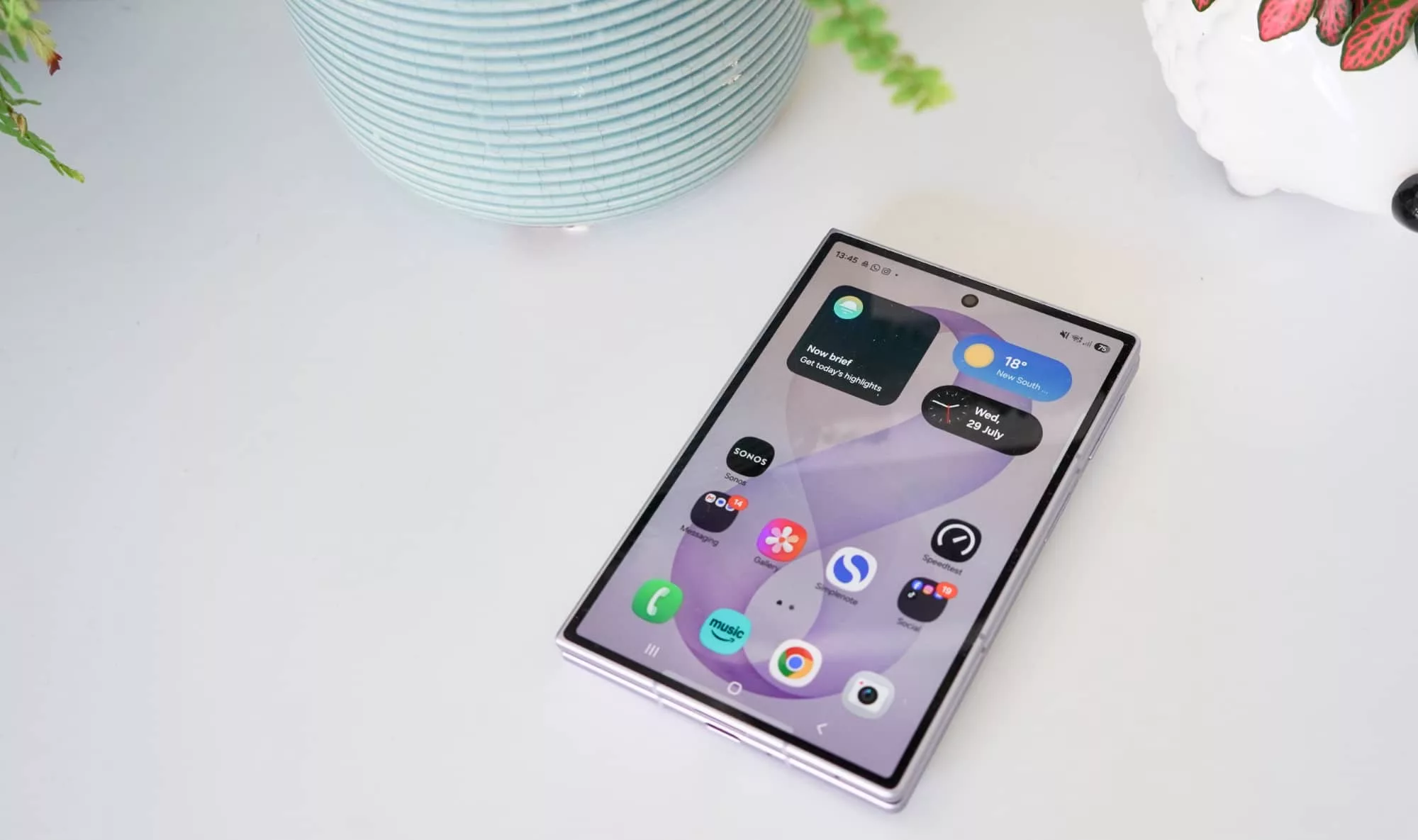
A new style of foldable has emerged, and it could just be the perfect middle ground between big and small. How is Samsung’s Galaxy Z Fold8 changing the game?
It can seem a little crazy, but it’s been eight years since foldables first started appearing. That’s eight years for foldable screen technology to improve, and eight years for the technology to attempt its way into the mainstream.
Eight years later, foldable technology is still very niche. We’ve seen one foldables laptop in that time, and several foldable phones per year, though most flagship models are still largely the all-screen unfoldable design.
Almost a decade into the release of the new foldable form-factor, most people don’t have one. But that could change this year.
With rumours that Apple will finally be getting into the world of foldables with an iPhone Fold (or even an iPhone Ultra), the world of foldable phones may finally reach more people.
Before that happens, Samsung looks set to try something, with a different way to experience a fold. We’ve seen the compact variety both Samsung and Motorola try in the compact flip-fold, and then there’s the phone-tablet hybrid in the standard foldable, the likes of which you can find from Samsung, from Google, from Oppo and Honor and Motorola, unfolding a big phone into a marginally bigger square tablet.
Yet they are not the only options, and ahead of what will likely be an iPad-inspired iPhone Fold, Samsung is showing where the fold can go next with something more like a compact conventional tablet when unfolded, and a different phone when folded closed.
This is the Galaxy Z Fold8, and it could be the first style of foldable to convince you that folding phones are worth a punt.
It’s just different enough to get your attention, and not only get it, but hold it and keep you using it. That’s a big deal.
Design
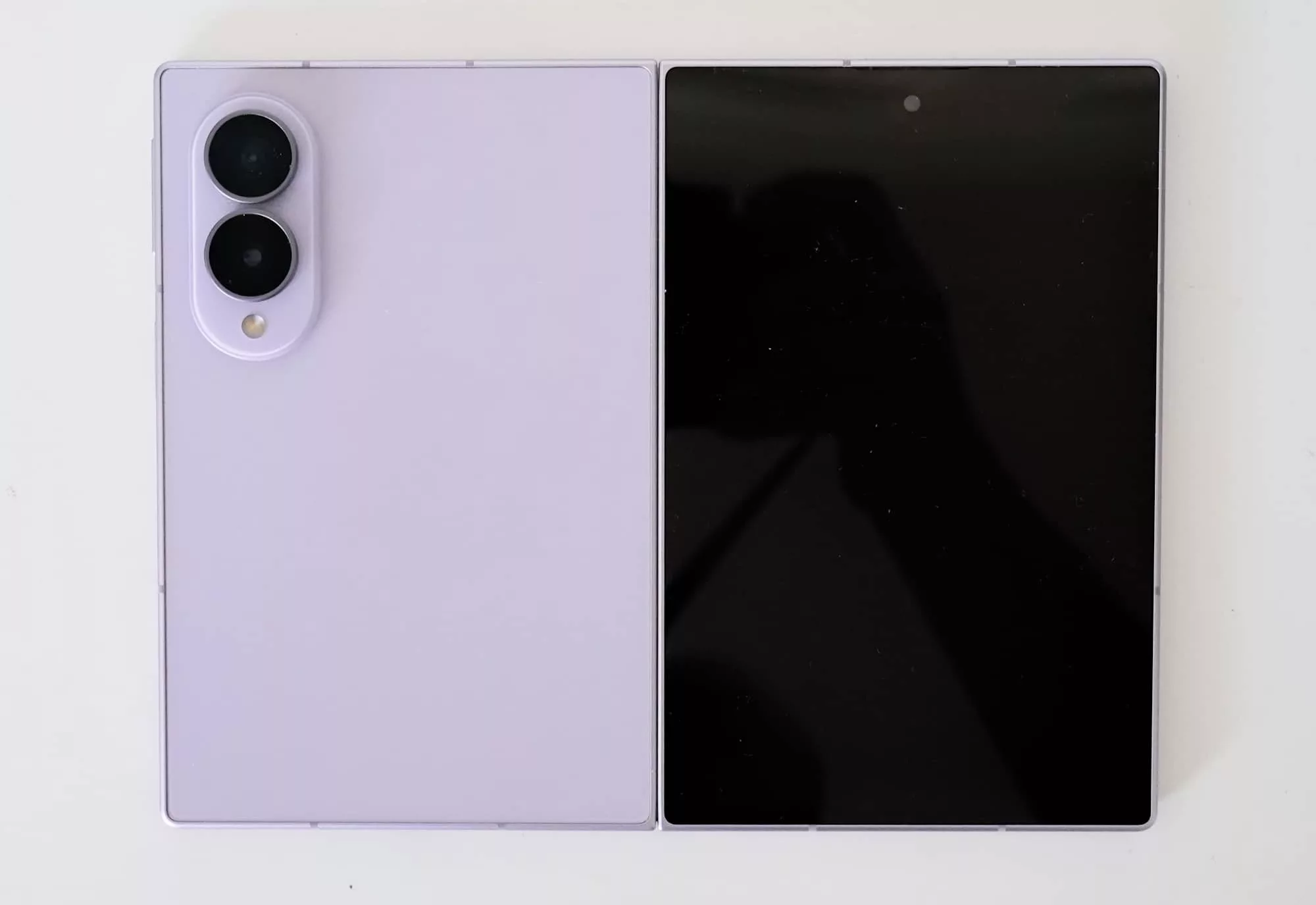
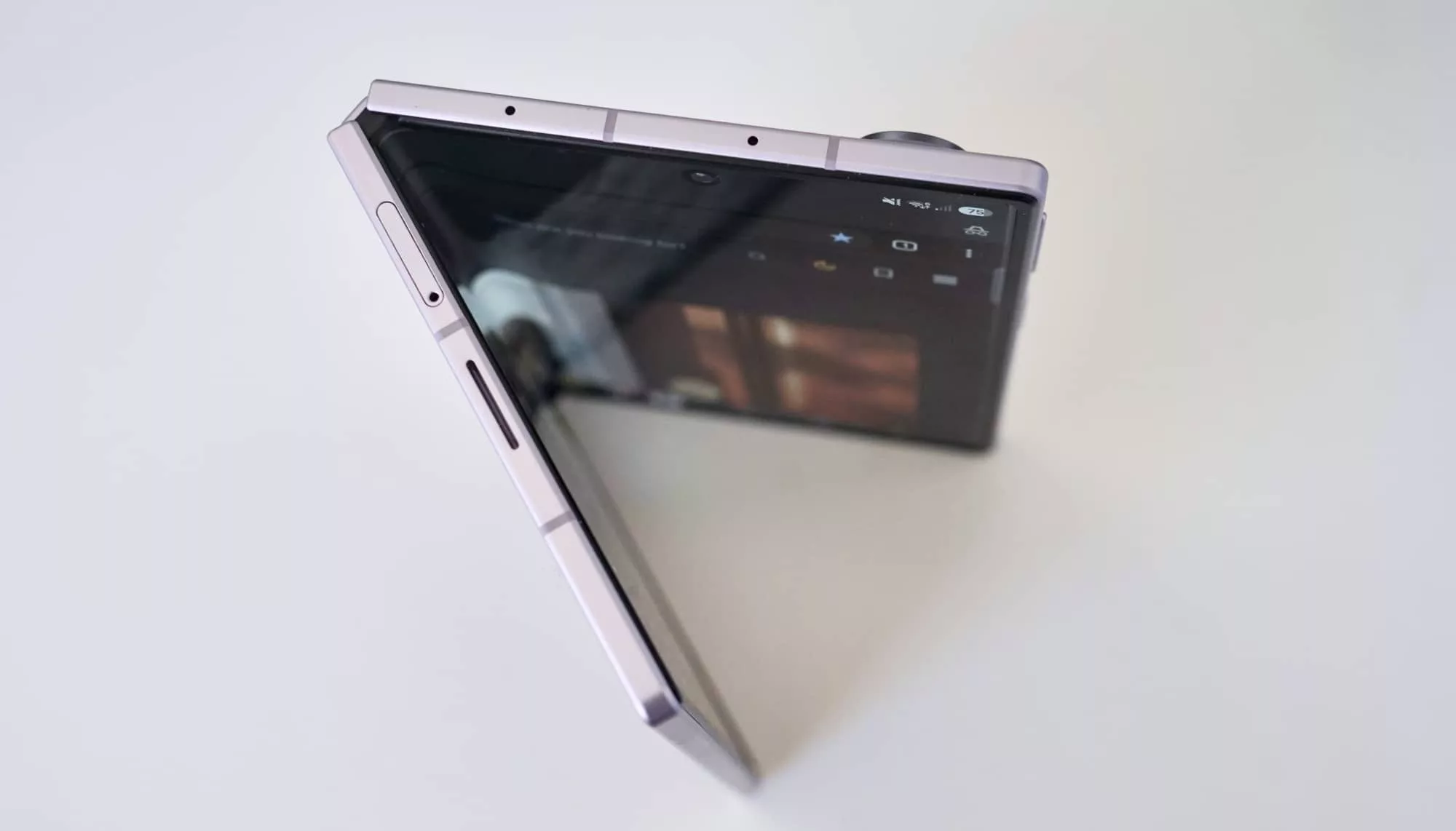
Built around an entirely new design, the Galaxy Z Fold8 appears almost like an experiment that worked, offering a new approach for a phone’s screen.
The design is actually something we’ve seen before, and rather looks like it continues the foldable approach Samsung showed in the Galaxy Z Fold 7 last year. The slim edges and thin hinge are all unmistakably similar, even if other things have changed.
It’s just… different from the front.
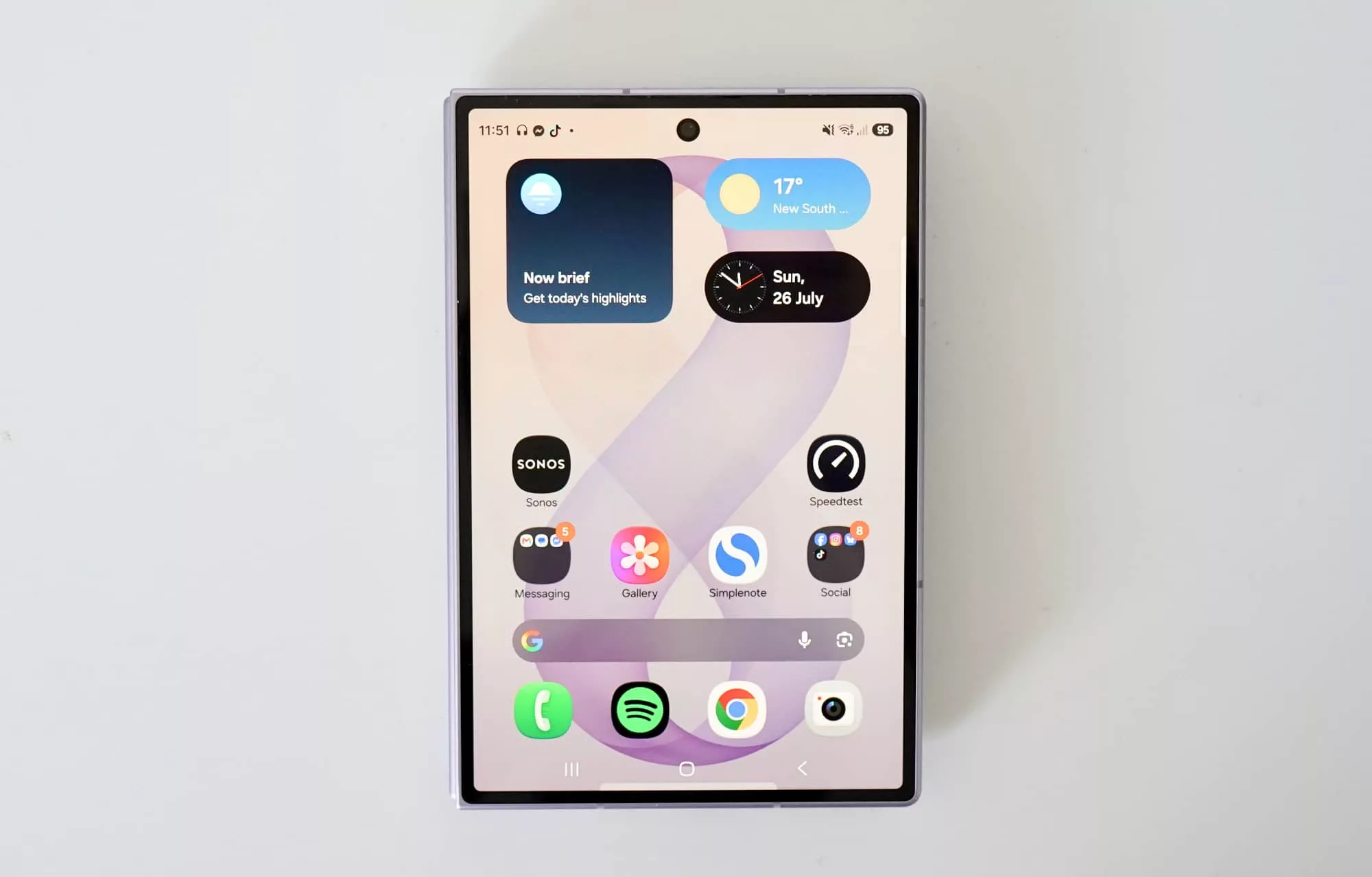
Instead of a tall screen, you’ll find a short and wide display, almost as if your phone had one third cut off, leaving you with a short and stubby display in its place.
It’s a little like a passport in its dimensions, but clearly not. You won’t get this thing stamped, even though it’s a digital passport to the world of sorts.
The short and wide screen is encased in an aluminium frame with a glass front (protected by Corning’s Gorilla Glass Ceramic), while the hinge is titanium. The screen also sees some changes, including the new “Flex Titanium” approach to the display, which helps to iron out the creases somewhat and improve the durability at the same time.
The result is a phone that’s both cute and adorable, while still aiming to be totally usable thanks to its approaches. It’s a phone sized like a passport, and when you open it up, it’s a tablet sized like a small iPad, thanks to the dimensions of that new cover screen.
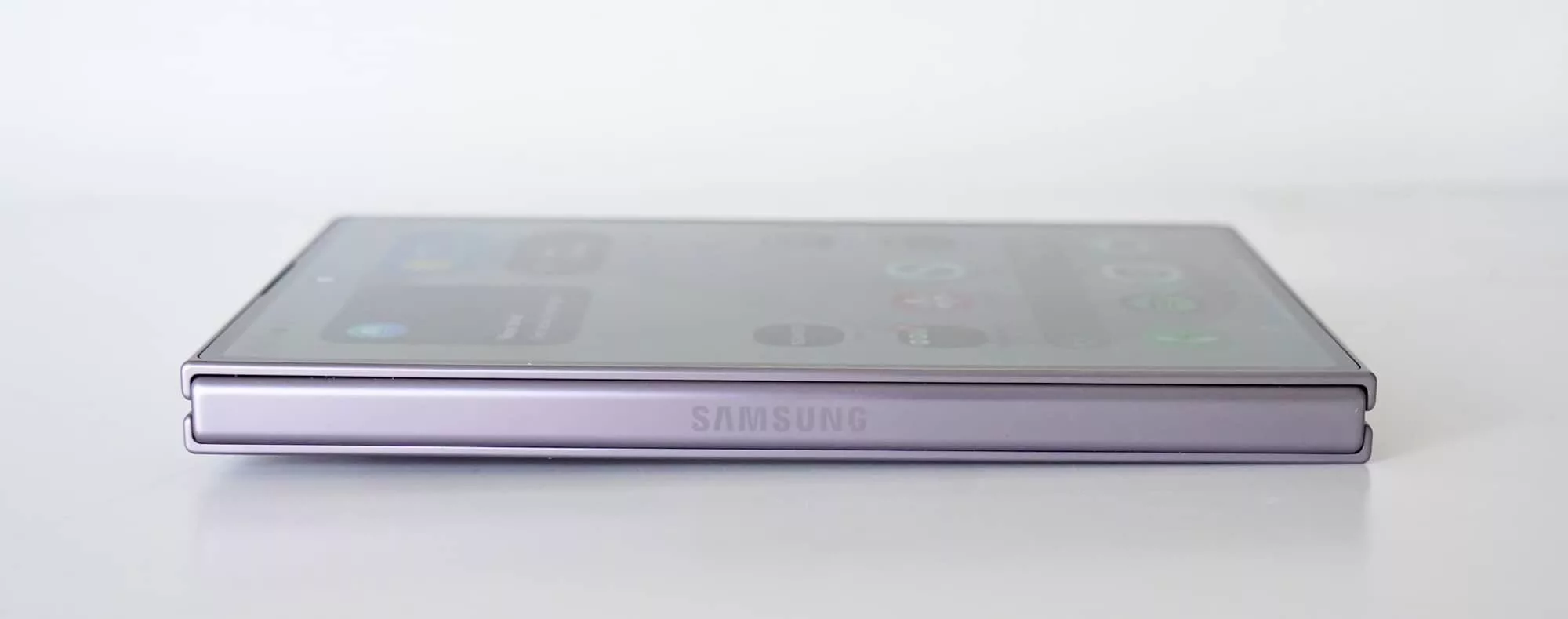
At roughly 4.5mm unfolded and 9.7mm folded, the phone is a touch thicker than the 8.75mm iPhone 17 Pro Max, and a fair bit thicker than 7.9mm Samsung S26 Ultra, which basically flips the numbers entirely.
But it does manage to be lighter, its 201 gram weight bearing the 214 grams of the S26 Ultra and the 233 grams of the iPhone 17 Pro Max.
Features
Inside, there’s a recent processor from Qualcomm, the Snapdragon 8 Elite Gen 5, the same hardware we’ve seen across Samsung’s other flagships, and also what appears in the Fold8 Ultra, what appears to be the true successor to last year’s Fold7 model.
Models start with 12GB RAM in the 256GB phones, but offer 512GB and 1TB storage choices, with as much as 16GB RAM dependent on how much you spend. Google’s Android 17 arrives on the phone-hybrid out of the box.
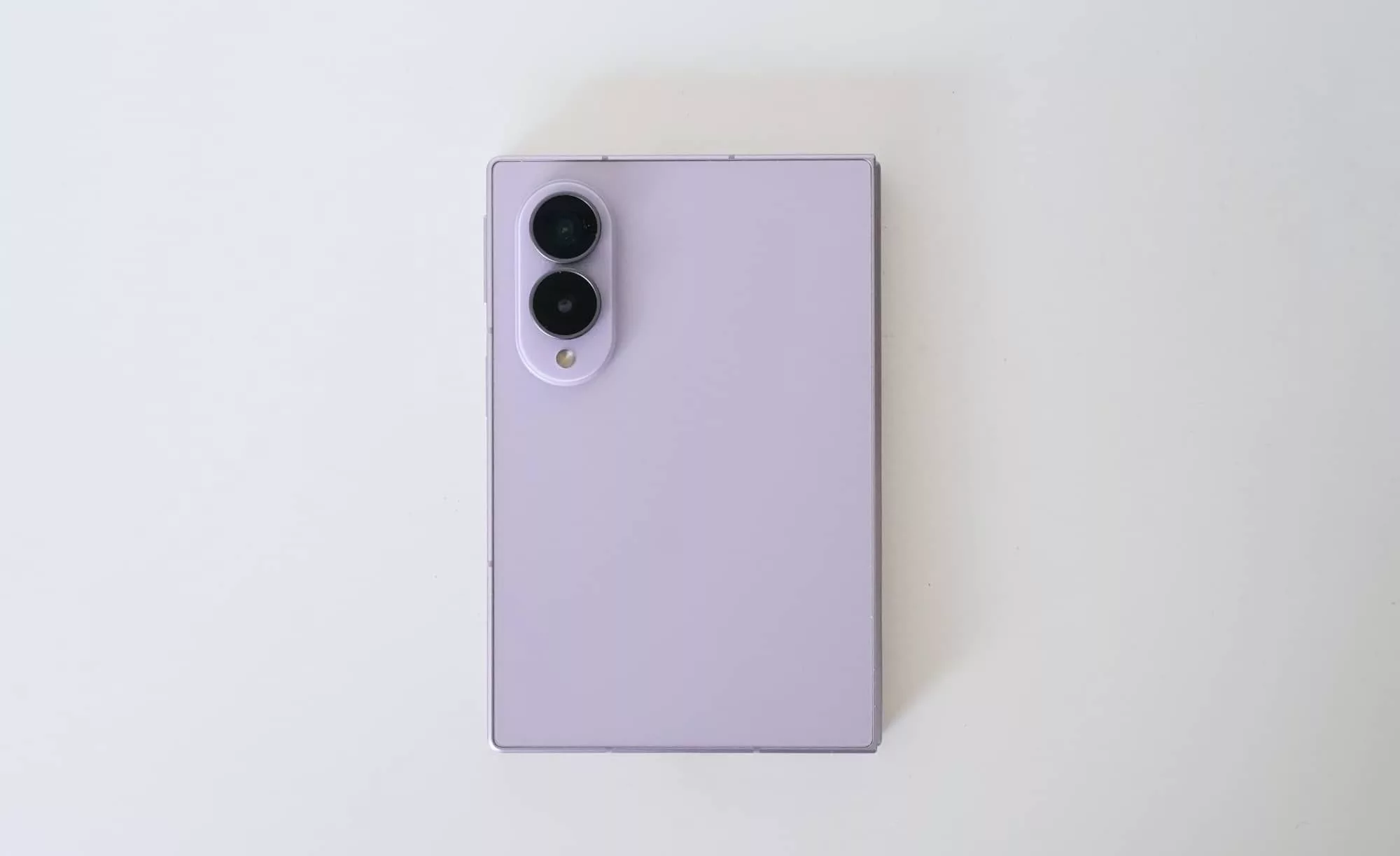
Cameras are found here, unsurprisingly, with two 50 megapixel main cameras accounting for wide and ultra-wide, while two 10 megapixel cameras cover the selfie mode, found both on the front display and on the inside.
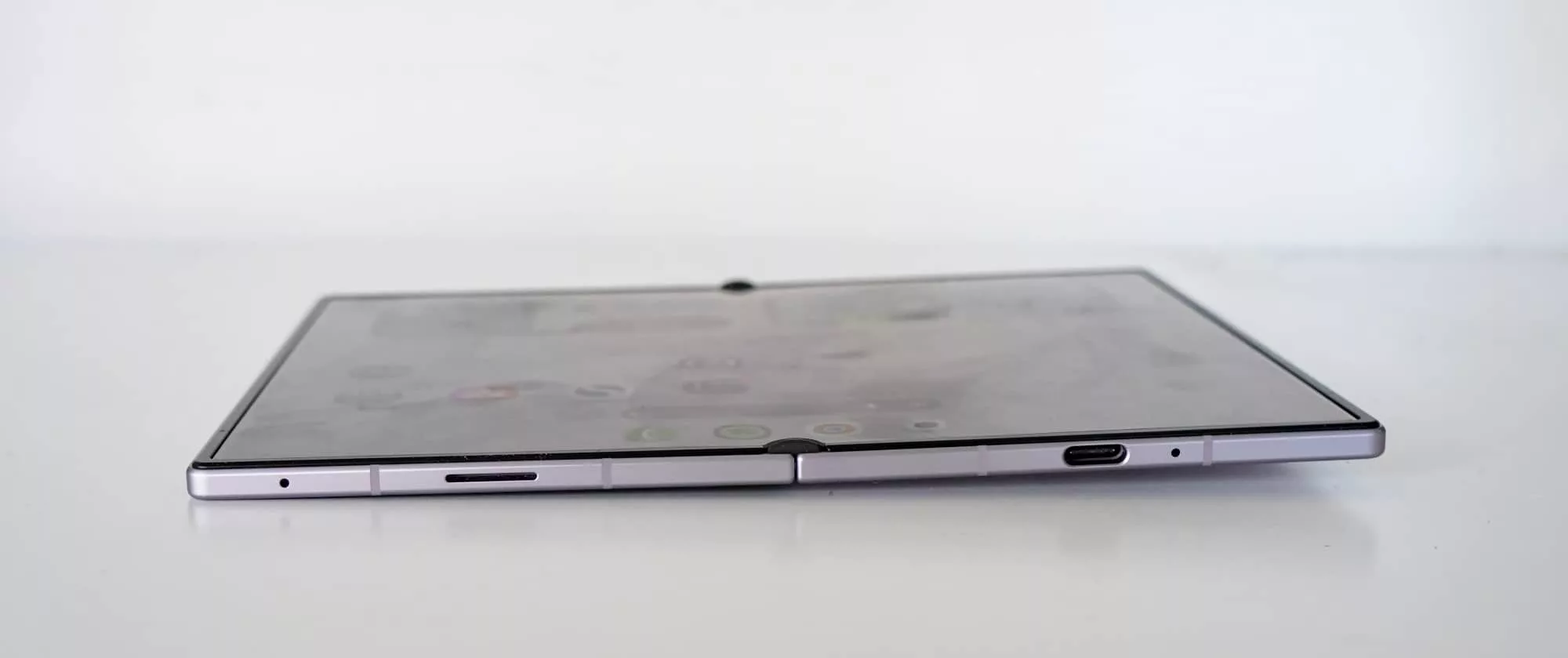
There aren’t a lot of physical connections to speak of, something that’s a bit of a norm these days, with only USB-C at the bottom for data and charging. However, there are plenty of wireless connections on offer here, covering 802.11a/b/g/n/ac/ax/be WiFi 7, Bluetooth 6, GPS, and Near-Field Communication (NFC) for Google Pay and Samsung Pay, plus Ultra-Wideband (UWB) for Samsung’s Smart Things network of findable items.
Other aspects include an IP48 water resistance rating, making it semi dust and water resistant, though uses Gorilla Glass Ceramic on the front-screen for an element of scratch protection.
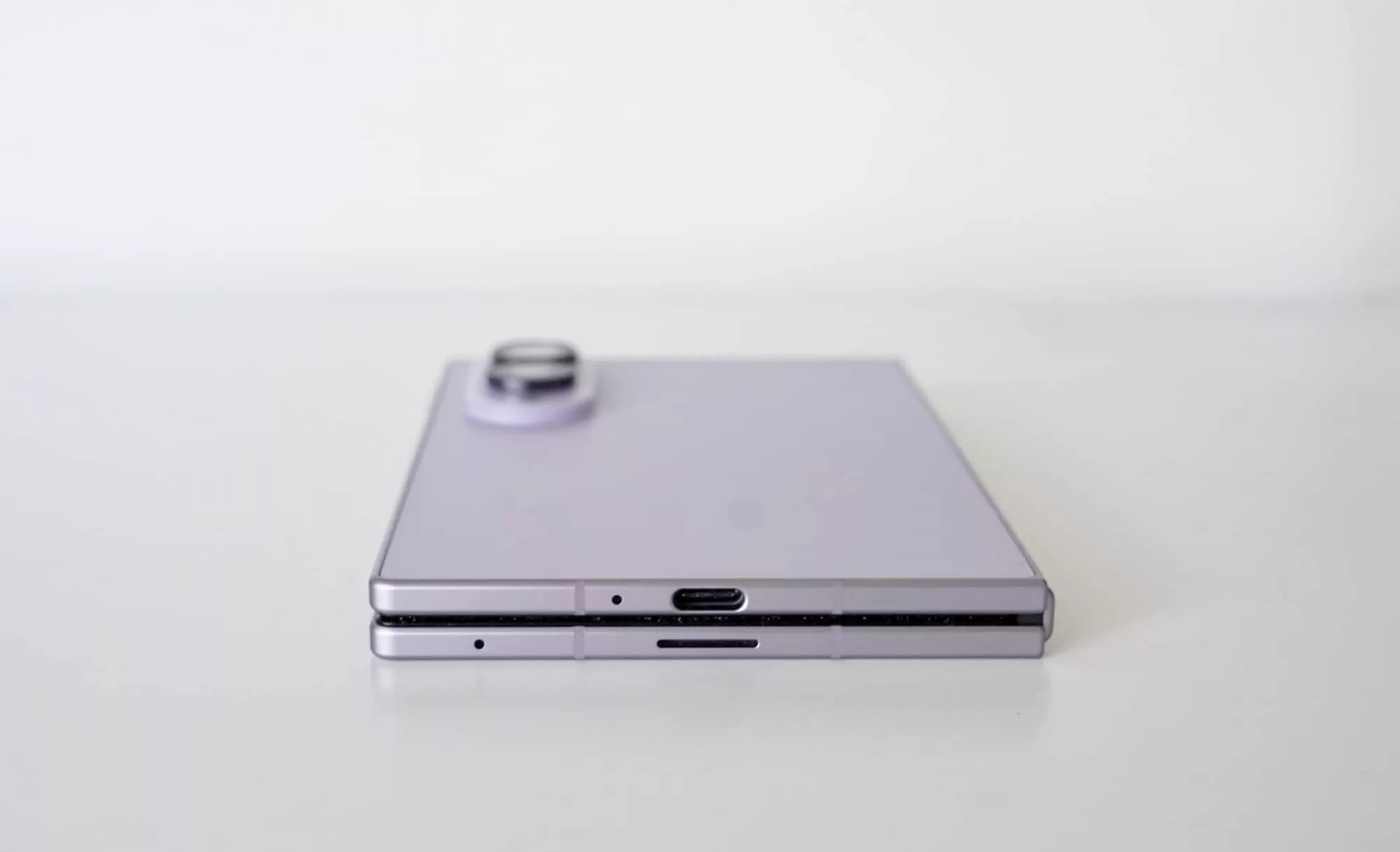
Wired and wireless charging are both included here, adopt a 4800mAh battery, and a fingerprint sensor can be found under the power button on the right edge, next to a volume rocker that might be more difficult to reach thanks to the wider design.
And then there are the screens.
Display
Like other foldables, there are two screens here: an inside screen and an outside one.
On the outside, you’ll find a 5.5 inch screen that’s shorter than the 5.5 inch display that used to be found on the iPhone 8 Plus all those years ago, while the inside gets a 7.6 inch screen that opens up to look more like a Kindle display.
This is definitely eReader central, with a vibe more like that of a compact tablet and eReader than the square-ish tables we’ve seen from foldables over the past few years.
Each display uses an AMOLED panel, and specifically one of the AMOLED 2X options with a 120Hz display for slick animations. They’re both bright and easy on the eyes, and very, very good to look at.
In-use
Unsurprisingly, Android arrives on the device, though in a nice change, it’s actually the proper latest, with Android 17. That’s a great start, and bodes well for the future and updates on the phone, especially given it’s one update ahead of Samsung’s earlier 2026 flagships.
Put that to the side for the moment, though, because using Android is roughly the same as it has been on Samsung for a while. Widgetised homescreens, the standard app drawer, an option for soft buttons or gestures (dealer’s choice), and the Google Discover feed on the very left.
This is Android interpreted through Samsung’s lens, which is essentially a more-Samsung-service-focused take on the OS, complete with Wear pre-installed, alongside Samsung Pass and other Samsung apps. If you live in a Samsung world, it’s a little like being in the world of iPhone, but for Samsung instead.
Because this is both a phone and a tablet, using the Galaxy Fold8 means there are two ways to get stuck in.
A chonky phone
First there’s as a phone, which in the Fold8 is to use it as a bit of a chonky phone.
It’s short and wide, and because of that, it’s technically a compact phone of sorts. Sure, it’s not as compact as the Galaxy Z Flip, but given the lack of changes found in the 8th-gen model this year, it does feel as though Samsung knows its days are numbered.
Maybe compact phone owners should take a look at this. They’d likely be surprised.
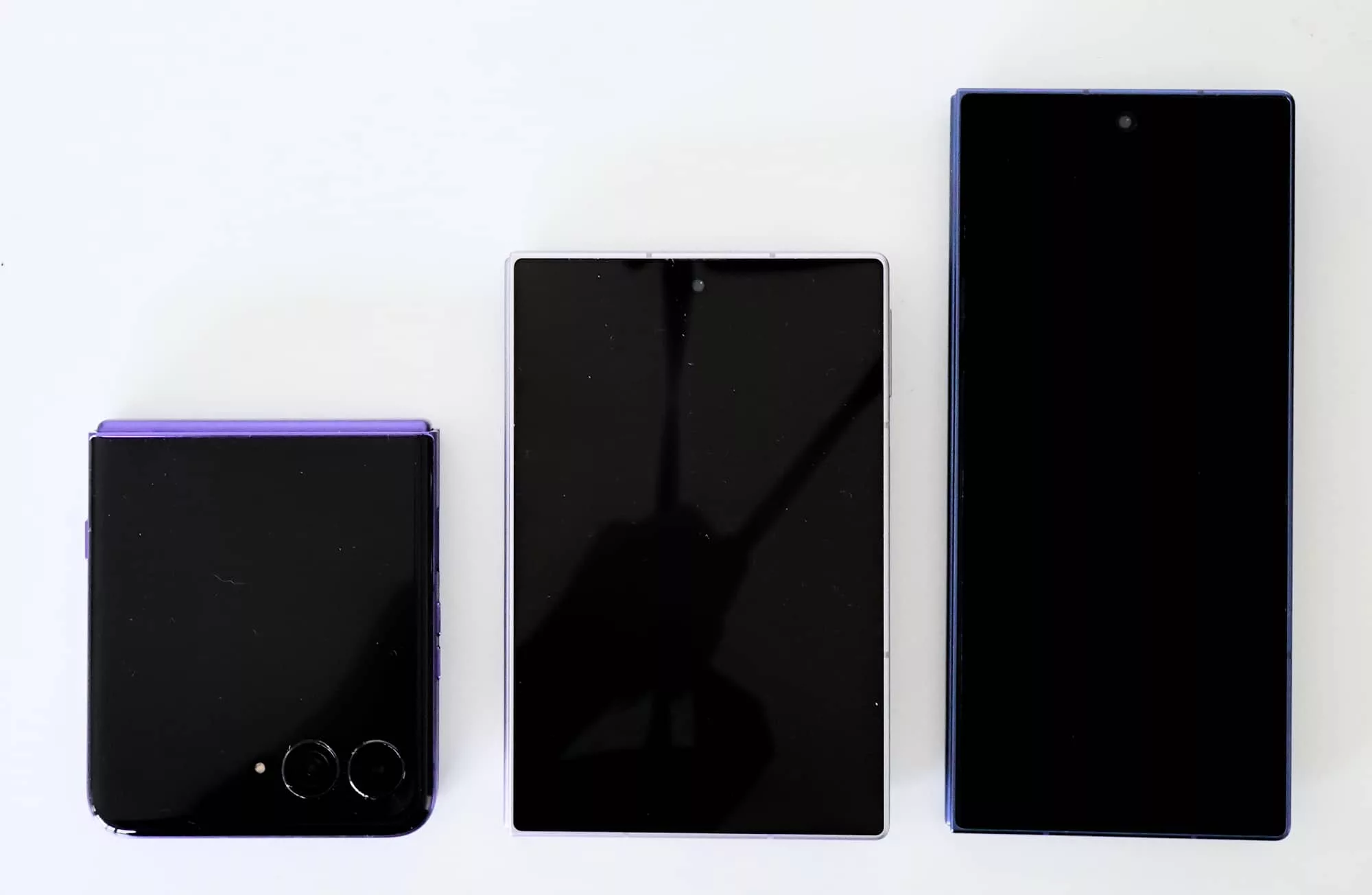
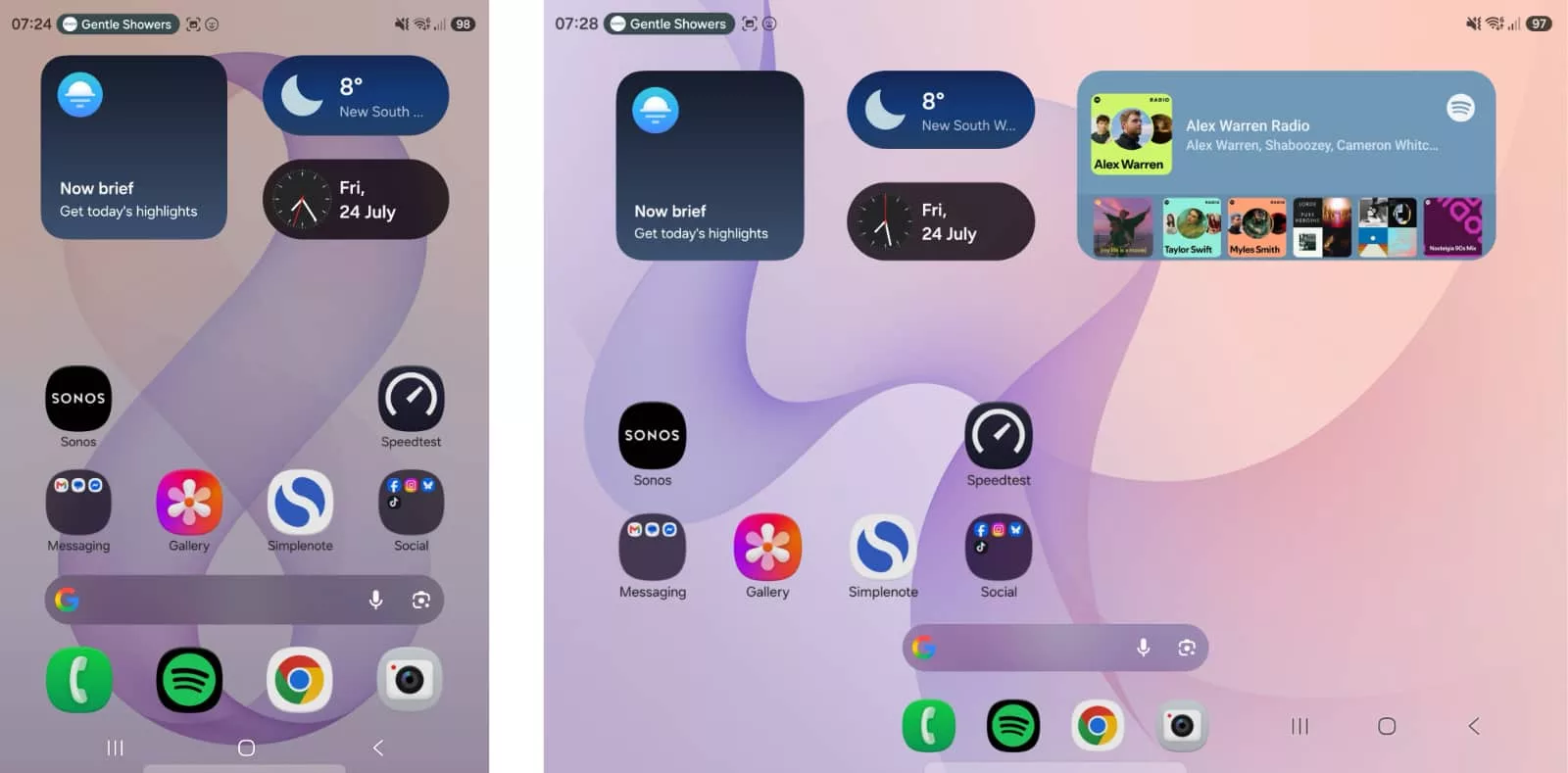
Not much bigger, the Fold8 is smaller than your regular big phone variety without impacting the experience considerably. Apps load slightly shorter, in line with the 1248×1972 resolution on that 5.5 inch screen, but that’s about the only difference.
It’s a more compact take on a Galaxy flagship, and the 10:16 aspect ratio on it — which is less tall and slim than the 20:9 other phones typically use — is surprisingly usable. You won’t likely complain, even if the keyboard takes up a little room and dents how much typing real estate there is.
A compact tablet
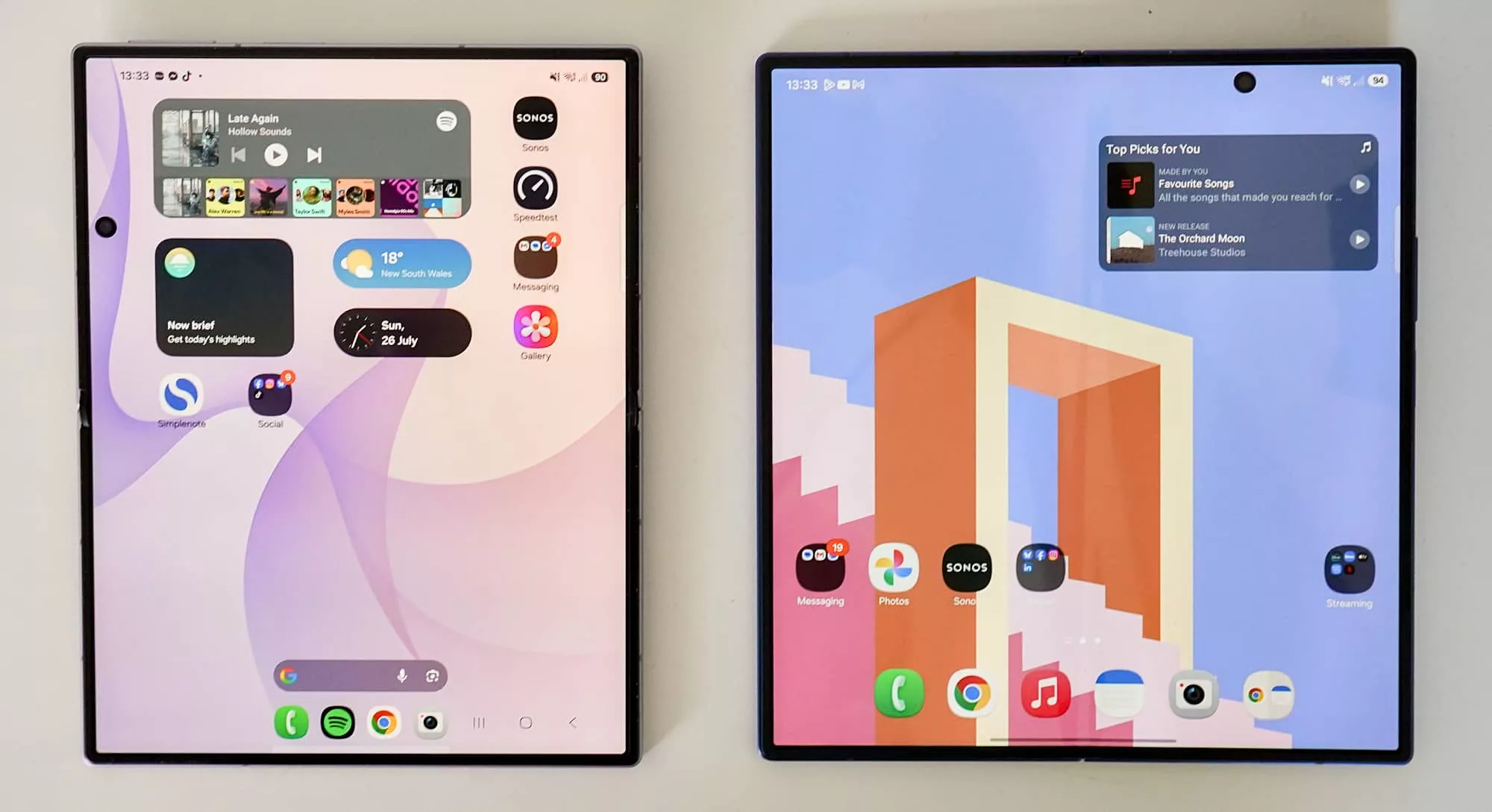
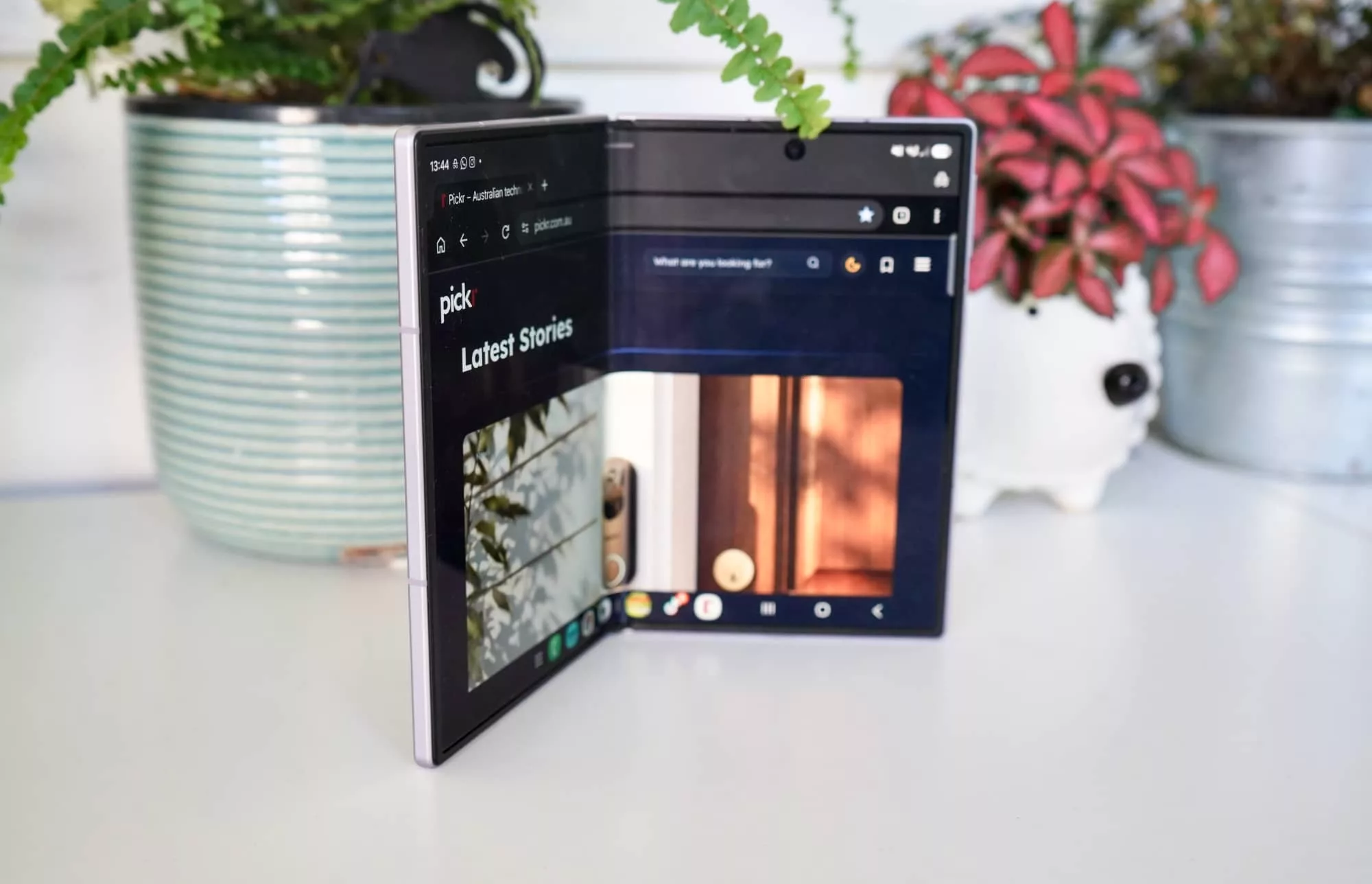
Unfold the phone and you’ll find a tablet that feels more like a proper tablet, or at least one of the compact ones.
For the past few years, we’ve seen the foldables from Samsung and Google, and Oppo and a few others, and they have all largely been the same: closer to being a square than the aspect ratios we’ve seen in tablets.
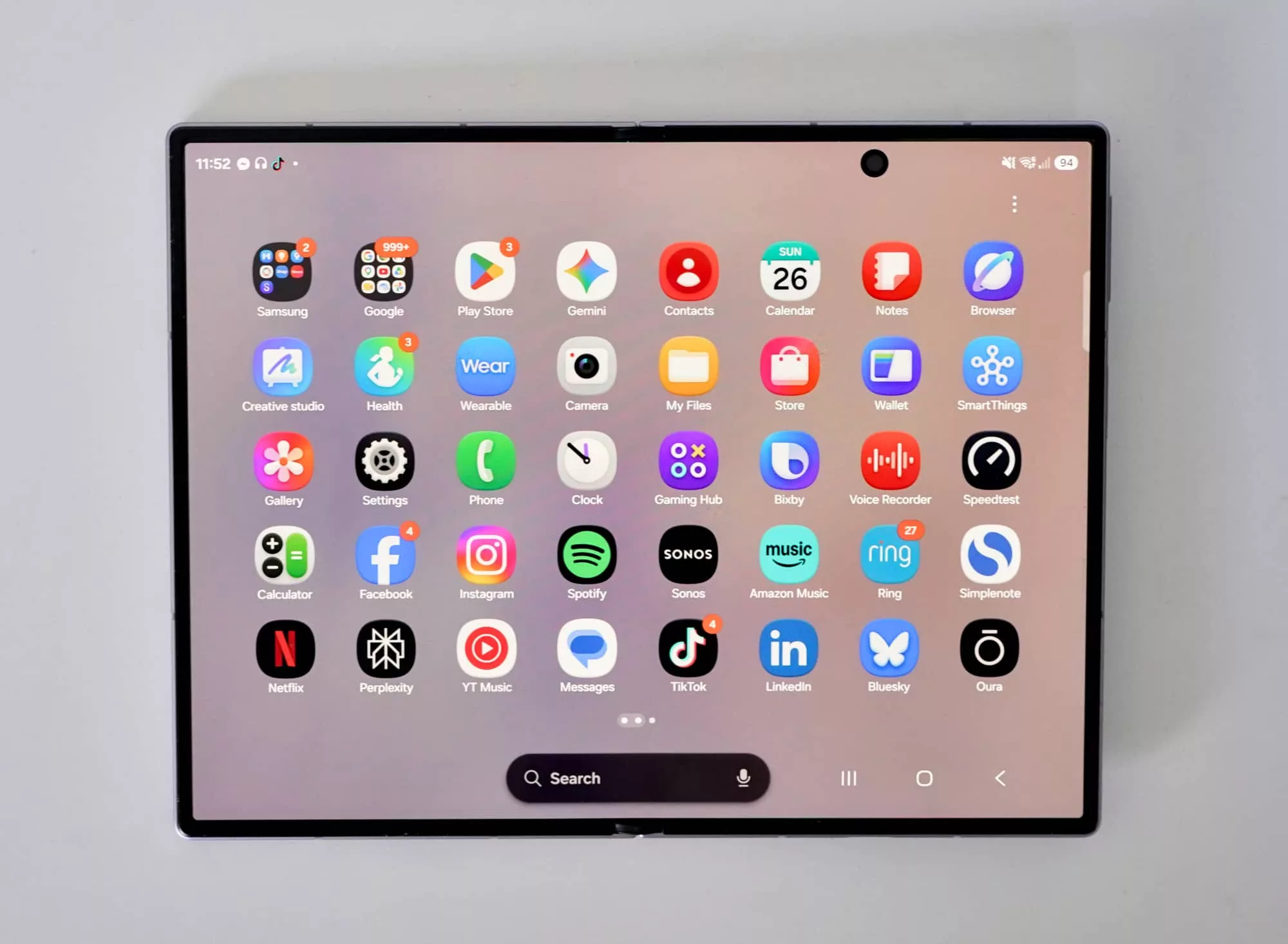
Glance at a 7 or 8 inch tablet, and it will often feature a 4:3 aspect ratio. It’s clearly not square, and more closely resembles a book, a comic, or a magazine.
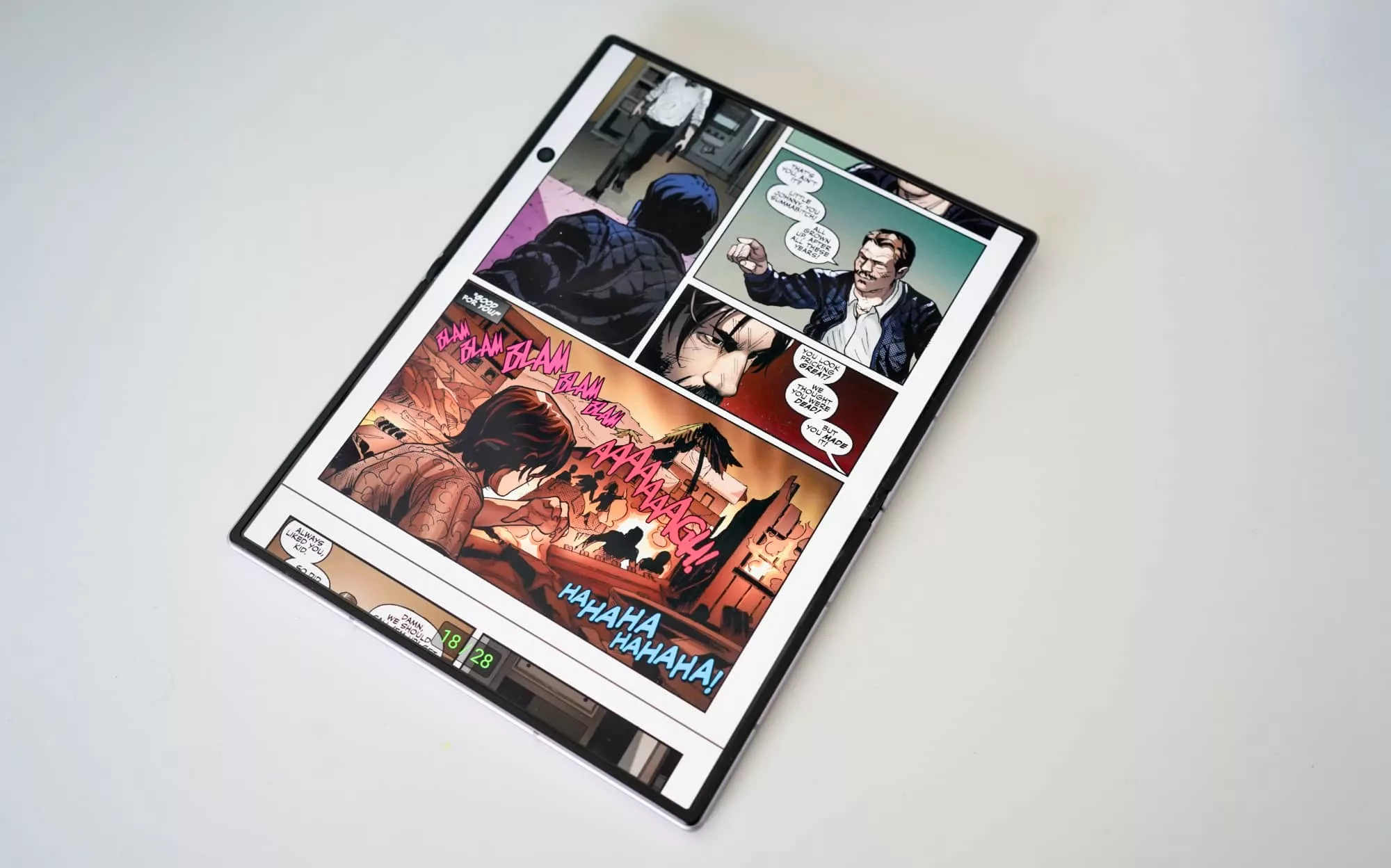
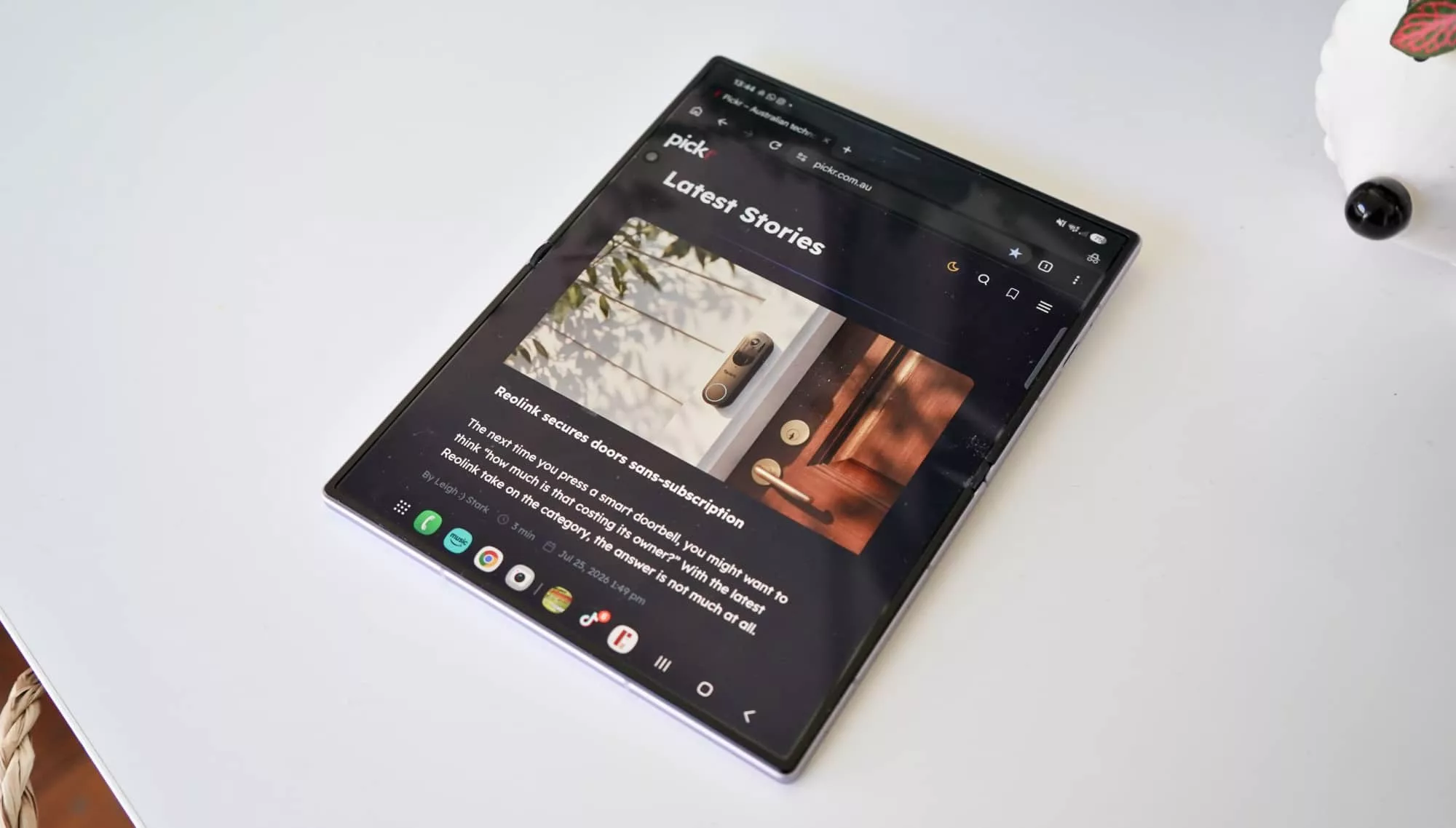
That’s what the aspect ratio of the Fold8 delivers, and if you happen to read websites or emails, you get more to view. If you happen to read comics, it can actually feel like fitting the page more obviously on the 7.6 inch screen size.
A bigger screen size is just part of the package, with a bigger resolution along for the ride. Sized at 1828×2448, the inside screen gives you more to work with, and barely shows a crease. It’s there if you look, but you may not pay attention to it at all.
Meanwhile, the combination of the AMOLED technology, 4:3 aspect ratio, and decent resolution gives you a foldable tablet approach that really works.
In this form-factor, the Fold8’s tablet design makes a heap of sense. It’s just about the most usable tablet inside screen we’ve ever seen and experienced on a foldable phone.
Performance
Featuring the Samsung-tweaked Qualcomm Snapdragon 8 Elite Gen 5 processor inside, you probably won’t be surprised to learn that the Fold 8 is a solid performer.
Much like the Galaxy S26 Ultra we saw earlier in the year (that conveniently also featured the same processor), the speed on offer is definitely capable and should be good for the next few years. The graphics doesn’t seem quite as fast, but everything else seems right.
Given there are seven years of updates, that’s fitting.
| Device | CPU Single Core | CPU Multicore | GPU |
|---|---|---|---|
|
Samsung Galaxy Z Fold8
|
3021
|
10146
|
17858
|
|
Leica Leitzphone
|
2943
|
7853
|
22317
|
|
Oppo Find N6
|
3590
|
9880
|
23066
|
|
Samsung Galaxy S26 Ultra
|
3660
|
11200
|
24842
|
Tested against the other Snapdragon Elite models, this one is up there, just not as fast.
However, testing the Fold8 versus other foldable phones also shows Samsung’s phone is in pole position, with one of the fastest foldable phones around.
| Device | CPU Single Core | CPU Multicore | GPU |
|---|---|---|---|
|
Google Pixel 10 Pro Fold
Google Tensor G5
|
2264
|
5218
|
3192
|
|
Google Pixel 9 Pro Fold
Google Tensor G4
|
1955
|
4508
|
6512
|
|
Samsung Galaxy Z Fold 5
Qualcomm Snapdragon 8 Gen 2
|
2064
|
5506
|
9528
|
|
Samsung Galaxy Z Fold 6
Qualcomm Snapdragon 8 Gen 3
|
2300
|
7017
|
15108
|
|
Samsung Galaxy Z Fold8
Qualcomm Snapdragon 8 Elite Gen 5
|
3021
|
10146
|
17858
|
|
Samsung Galaxy Z Fold 7
Qualcomm Snapdragon 8 Elite
|
3056
|
9621
|
19744
|
Sufficed to say, the performance on offer is plenty solid for a flagship today, and for the next few years. You won’t have any problems with most of the apps or games coming its way for some time.
It’s a similar vibe when it comes to mobile performance, which delivers high speeds on the 5G network, provided your telco is being helpful at the time.
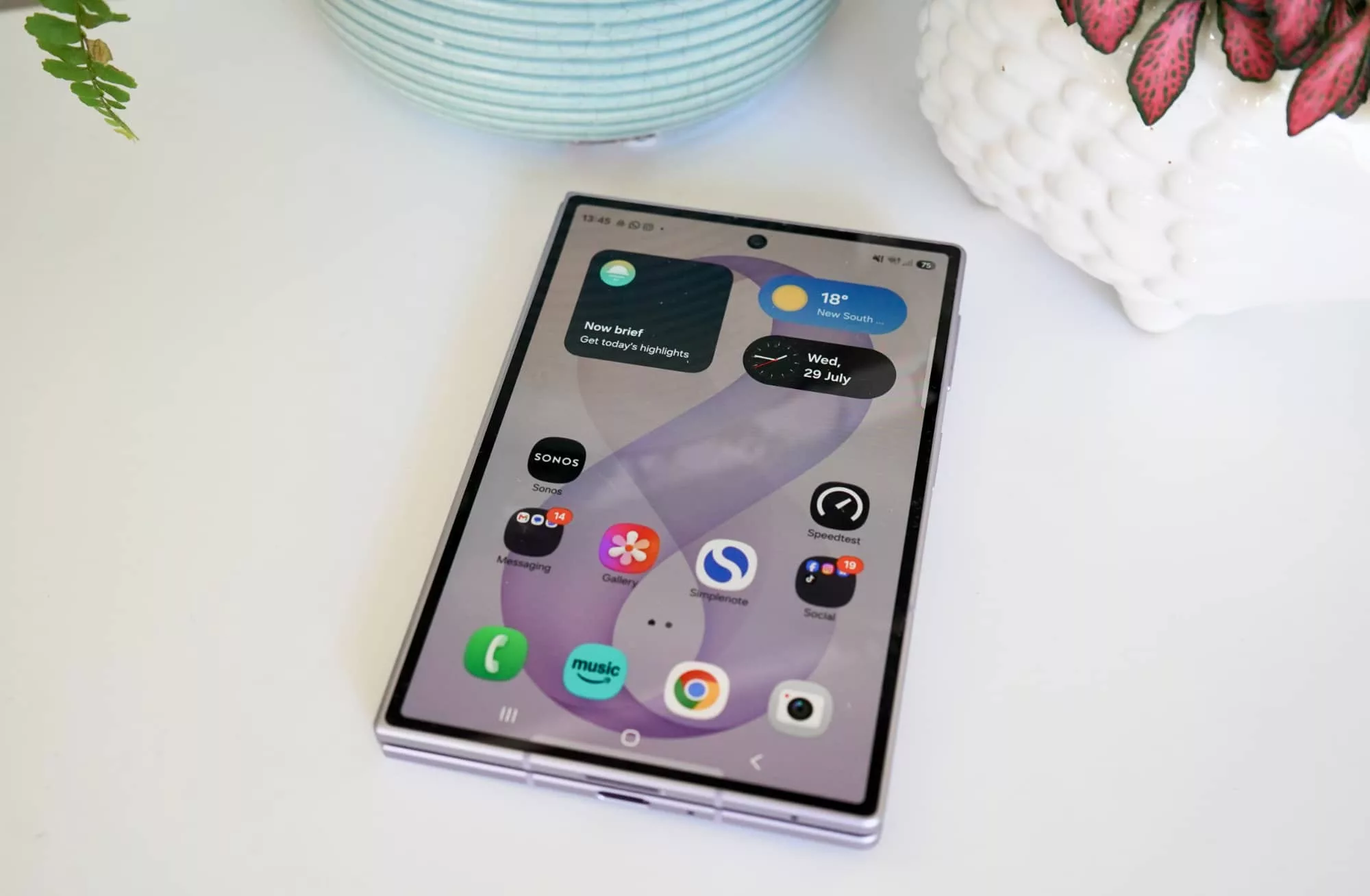
Tested on Telstra’s 5G network in Sydney by way of Belong, we found speeds as high as 335Mbps before the telco’s bandwidth limiter kicked in. That should be perfectly fine for media downloads, or even playing back endless cat videos on loop on your inside tablet display.
Camera
With solid performance, all eyes turn to the camera stack, which already appears like it’s working at a bit of a disadvantage.
While the large Fold8 Ultra gets a triple camera assortment and the S26 Ultra works with four, this more compact variety only get two, and they’re not as high-end as their siblings.
You’ll find two 50 megapixel cameras here, using what appears to be the same (if not very similar) 50 megapixel ultra-wide with macro as the standard Galaxy S26 and S26+ models. That means it’s a 50 megapixel F1.8 wide camera matched to a 50 megapixel F1.9 ultra-wide, but no telephoto, a combination that’s a little ho-hum, especially for the price.
Two selfie cameras are also here, and they’re equally ho-hum, adopting a 10 megapixel F2.2 camera for each, but fortunately, you can use that main 50 megapixel camera for selfies when you aim it at yourself in tablet mode. Just make sure you hold your hand up to let the camera trigger a three second timer.


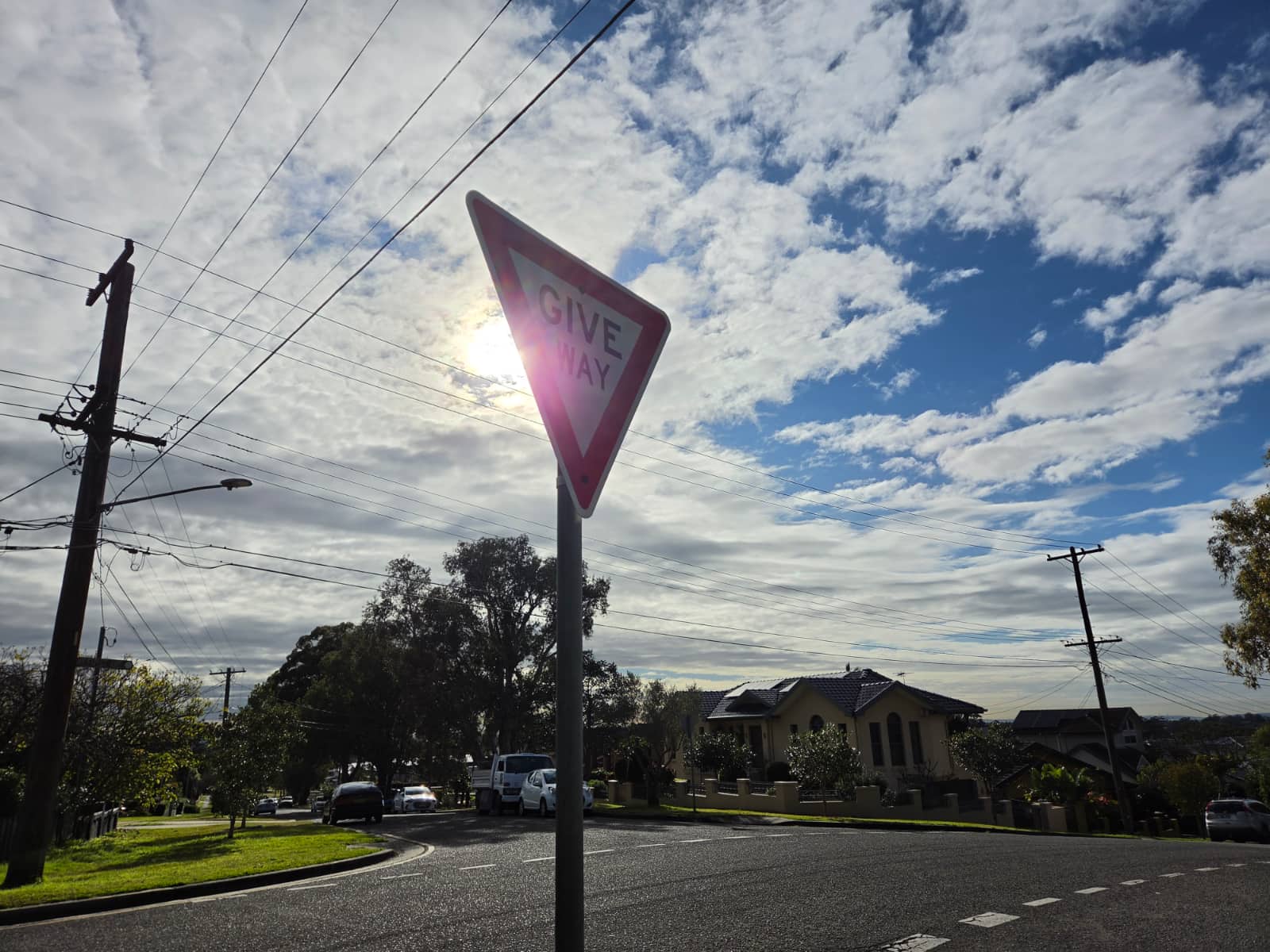
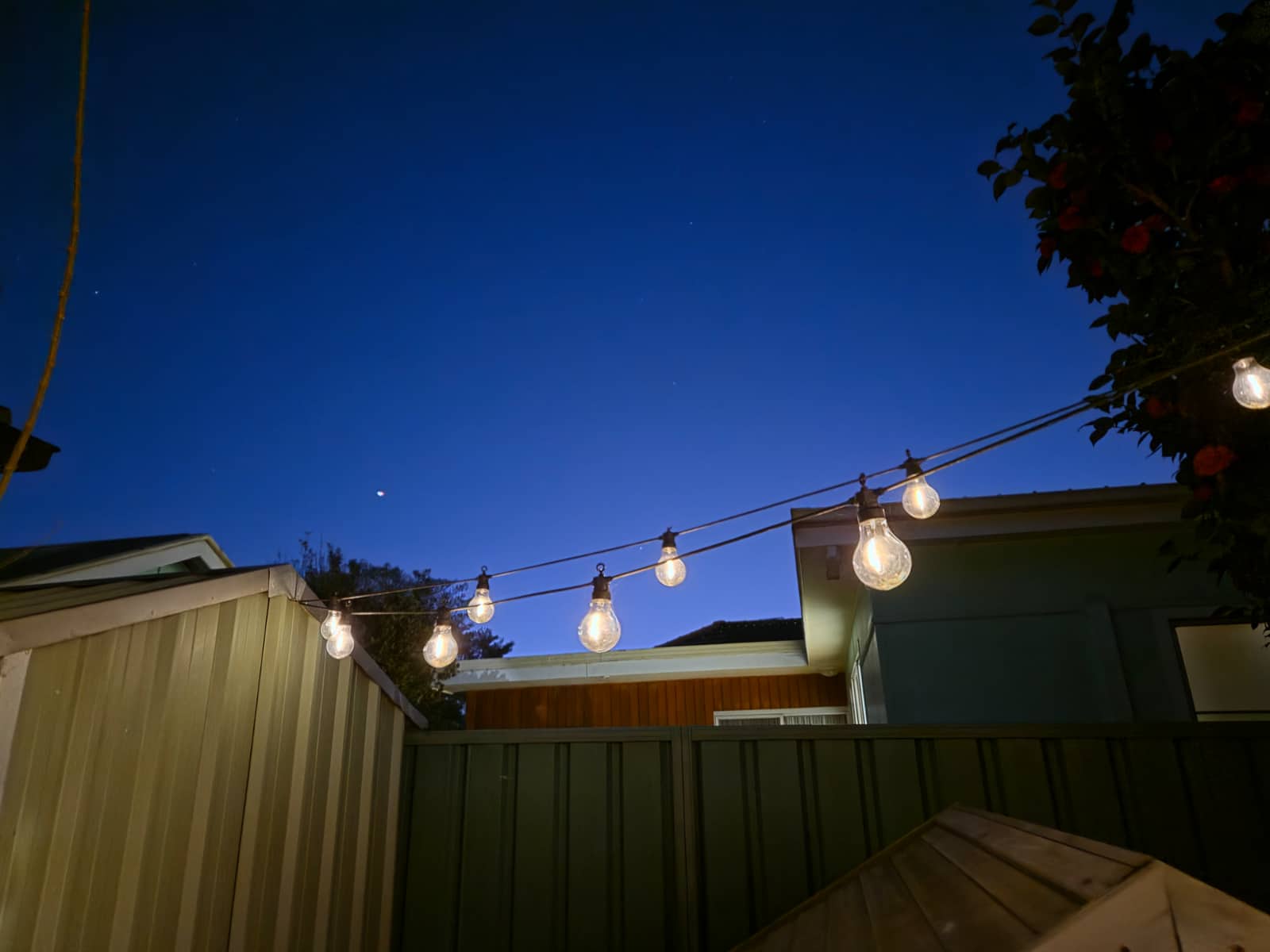
Images from the camera range from great in daylight to needing more from the sensor in low-light, with softer images than you may expect. When there’s plenty of brightness, the images pop with plenty of colour and detail, though at times that detail can feel over-sharpened, something you’ll pick up on when you get to capturing up-close macro images.
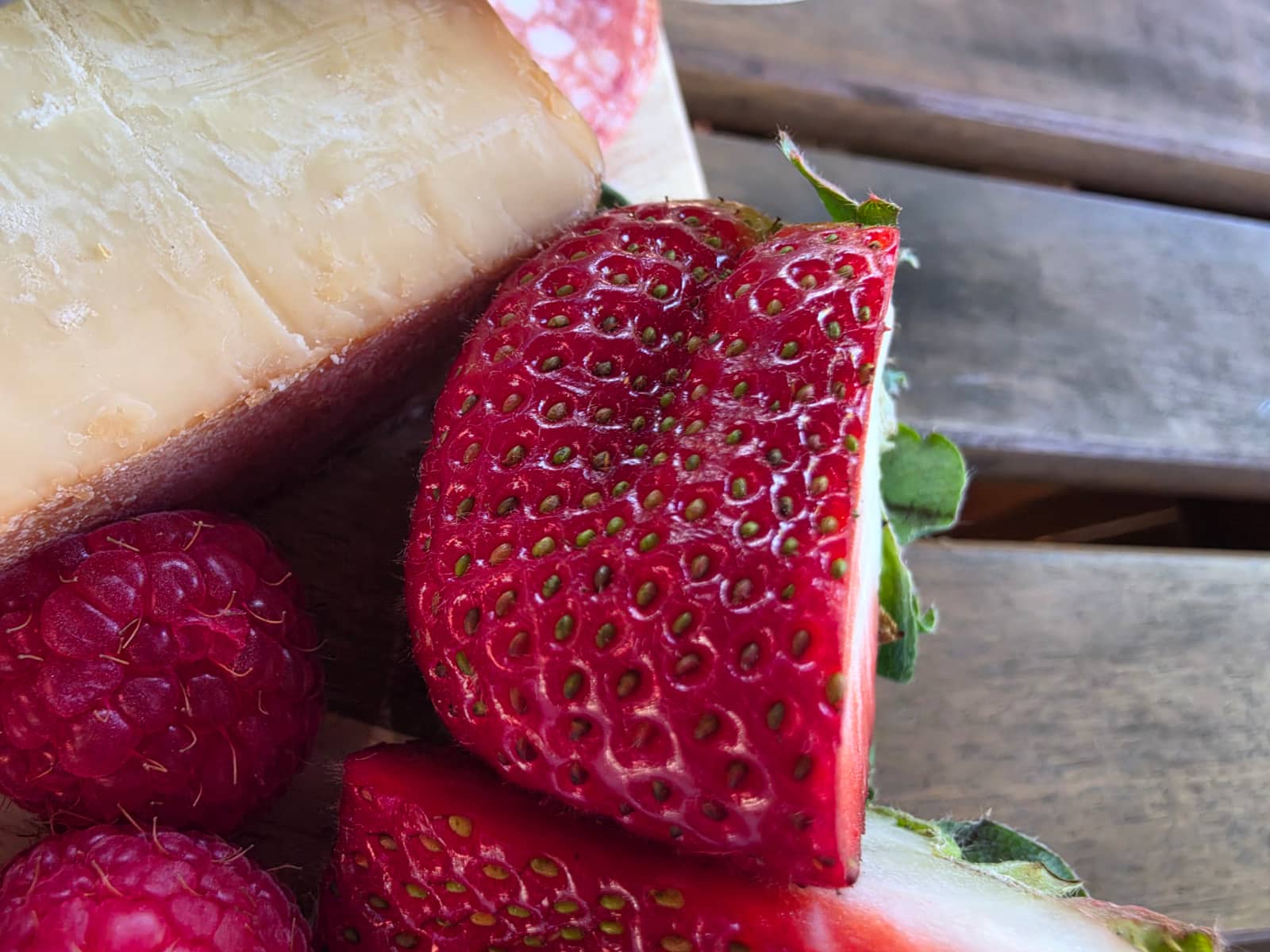
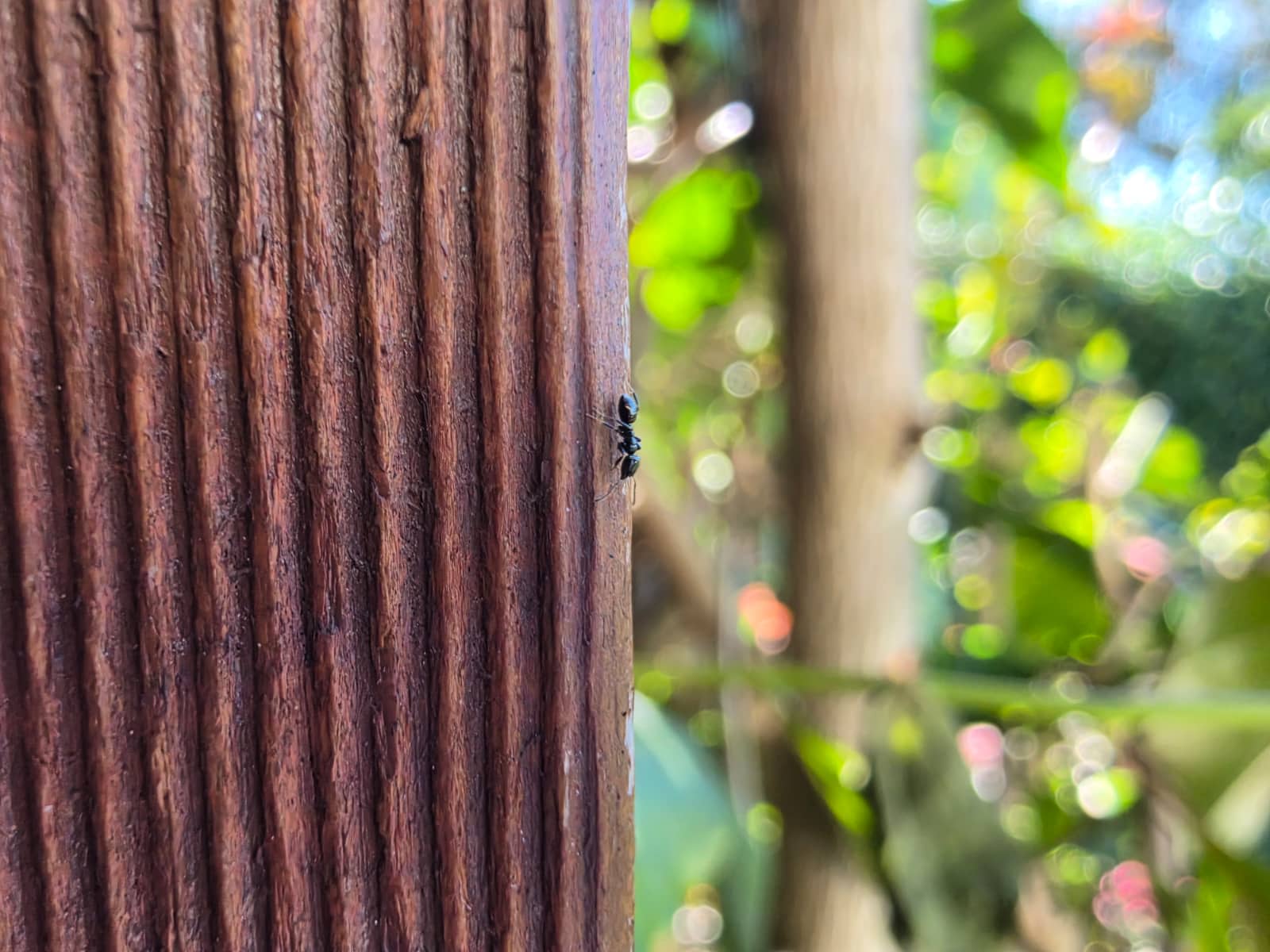
The macro mode is actually straight out of what the Galaxy S26 Ultra, so it’s a solid one, but it can also easily appear overly sharp at times.
Outside of this, it’s definitely a fine camera setup, but hardly matches the price tag, or the fact that the foldable is meant to feel more flagship than its sibling. Even its predecessor included the 200 megapixel wide camera, which this should have at a minimum.
If anything, it’s surprising that you don’t get the 10 megapixel 3X telephoto out of its S26 standard sibling. That would get you a little closer, and make it a more formidable camera setup.

Battery
While the camera could be improved, the battery doesn’t fare too badly, delivering a slightly bigger volume compared to the Fold7 (4800mAh versus 4400mAh), and also matching the battery life, too.
Tested over several days, you will still likely want to charge the Galaxy Z Fold8 nightly, as it won’t likely handle more than a full day of use. That includes browsing the web, making and taking phone calls, listening to music over wireless earphones, connecting a wearable, and generally just using the Fold8 either in phone or foldable tablet mode.
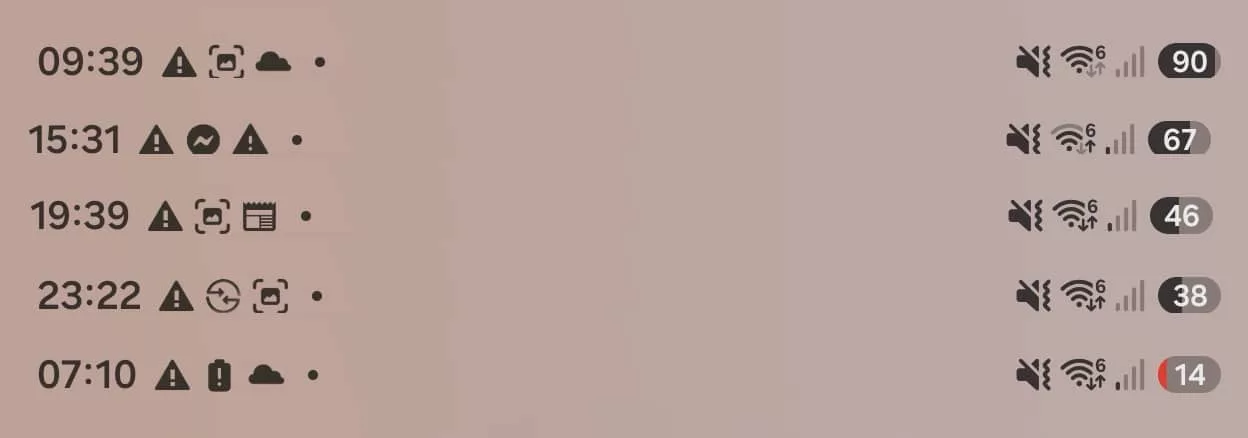
However, tested using Pickr’s BatteryBench app, and the Fold 8 really shows itself to be a solid entrant, delivering a great effort on par with last year’s Fold 7.
Batteries don’t always do tremendously well when you’re talking about folds, but changes and improvements are certainly helping. One such improvement is the use of silicon-carbon, a new battery chemistry boosting battery life.
That appears to be one of the additions here, and you can really see it in action, delivering not just a performance more in line with Samsung’s other models, but actually beating them. Neat.
| Device | Battery |
|---|---|
| Samsung Galaxy Z Fold8 |
23:11
|
| Oppo Find N6 |
22:58
|
| Google Pixel 10 Pro Fold (cover screen) |
22:50
|
| Samsung Galaxy S26 Ultra |
22:09
|
| Samsung Galaxy Z Fold 7 (cover screen) |
21:06
|
Value
The value can raise a bit of a red flag, though in the era where the cost of AI data centres is forcing the cost of phones to go up (because of memory prices), this doesn’t come as much of a surprise.
Priced from $2699 in Australia for the 256GB incarnation, the Fold8 isn’t inexpensive. Then again, not a single foldable is inexpensive, so this is hardly new.
In terms of value, the only red flag for value is the two-camera setup, which just doesn’t hit the right notes for this reviewer. You’re basically paying for the foldable tech over anything else, but getting a camera system that should be better.
That being said, every foldable and phone costs more this year, affecting every other mobile you can find. With that in mind, the value isn’t seriously off where it should be, simply higher than we’d like.
What needs work?
There are things missing in action from the package, such as the total lack of magnetic wireless charging even though wireless charging is here, or possibly the fact that the volume rocker is hard to reach in its current design. Maybe you’ll lament the omission of S-Pen support, which would have been a welcome addition all the same.
These are all tiny issues. Unfortunately, the big one preventing us from committing to this compact lifestyle is the camera stack, which just feels like it should be better overall.
The Galaxy Z Fold8 is a $2700 phone in Australia, and yet it has the camera stack of the a $1300 phone. That’s a level that feels awkward, and just doesn’t make sense.
If anything, the Fold8 should have retained the camera stack of the S25 Edge, a phone this model feels like it’s destined to replace. Similarly thin when unfolded but a whole lot more useful, the Fold 8 misses the 200 megapixel main camera and replaces it with a 50 megapixel camera that would be more at home on the standard S25 or S26 models. Certainly not a flagship like this.
The fact that you only get two 50 megapixel cameras covering wide and ultra-wide just doesn’t help, missing out on a telephoto, which would have completed the package more clearly.
There are mid-range phones with more complete camera stacks that go both wide and close. It’s just not a camera setup that makes sense on a $2500 phone. It’s not good enough. That’s a thing, and it matters.
What we love
Despite the relatively mid-range camera setup, the design of the chunky passport-style screen and foldable works very well.
It’s different enough to feel different in use, while the compact size makes it very easy to use as your daily driver, especially if you love yourself a smaller phone.
When you open the phone up, the change to a new aspect ratio makes all the difference, too.
While its predecessor in the Fold 7 (which is technically still there in the Fold8 Ultra) was all about a more square-like tablet, the change to a shorter, stubbier cover screen means the inside screen can adopt a more tablet- and eReader-like aspect ratio, making it easier to read from the opened tablet-phone hybrid.
We’re not just talking about the reading experience, either. The change to the aspect ratio means the video watching experience is wider and offers less in the black bar department.

That was one of the big problems with the larger foldable tablet approach: when you watch videos on it, the bars were so significant, the view on the tablet wasn’t much bigger than what you saw on the outside cover screen. In some instances, it wasn’t any different at all.
But here on the inside screen, it feels bigger on the 7.6 inch screen because there’s a wider display to work with.
It’s just a better tablet experience. Compact but better.
Final thoughts (TLDR)
Easily one of the most unique phones of the year, the Galaxy Z Fold8 is definitely different, yet different in a good way.
While it’s a clear shot against the upcoming iPhone Fold — which will likely adopt a similar design given the aspect ratio of an iPad — it’s also proof that manufacturers need to think about phone design differently.
This is definitely that.
Both a foldable phone-tablet hybrid and a compact phone, the Fold8 is one of the most likeable foldables this reviewer has seen, and a real joy to use. It’s such a great little phone, marrying big and small in a clever little package.
If this is what foldables are going to look like from here, sign me up. Surprisingly recommended.