
In case the calendar month of August wasn’t a dead giveaway, we are well and truly in the back half of the year, and mobile phone releases are another indication.
Samsung has announced its foldables, and they’ll even be ready for order this week, while rumours of what’s next from Apple heat up in a big way. And in between both of these is the other major player in mobile phones: Google.
Yes, the maker of Android is ready to show its hand for what’s new and exciting in 2026.
As usual, it’s a continuation of the long running Pixel range, now in its 11th release, and an aim to change the way you use your phone, at least from the back.
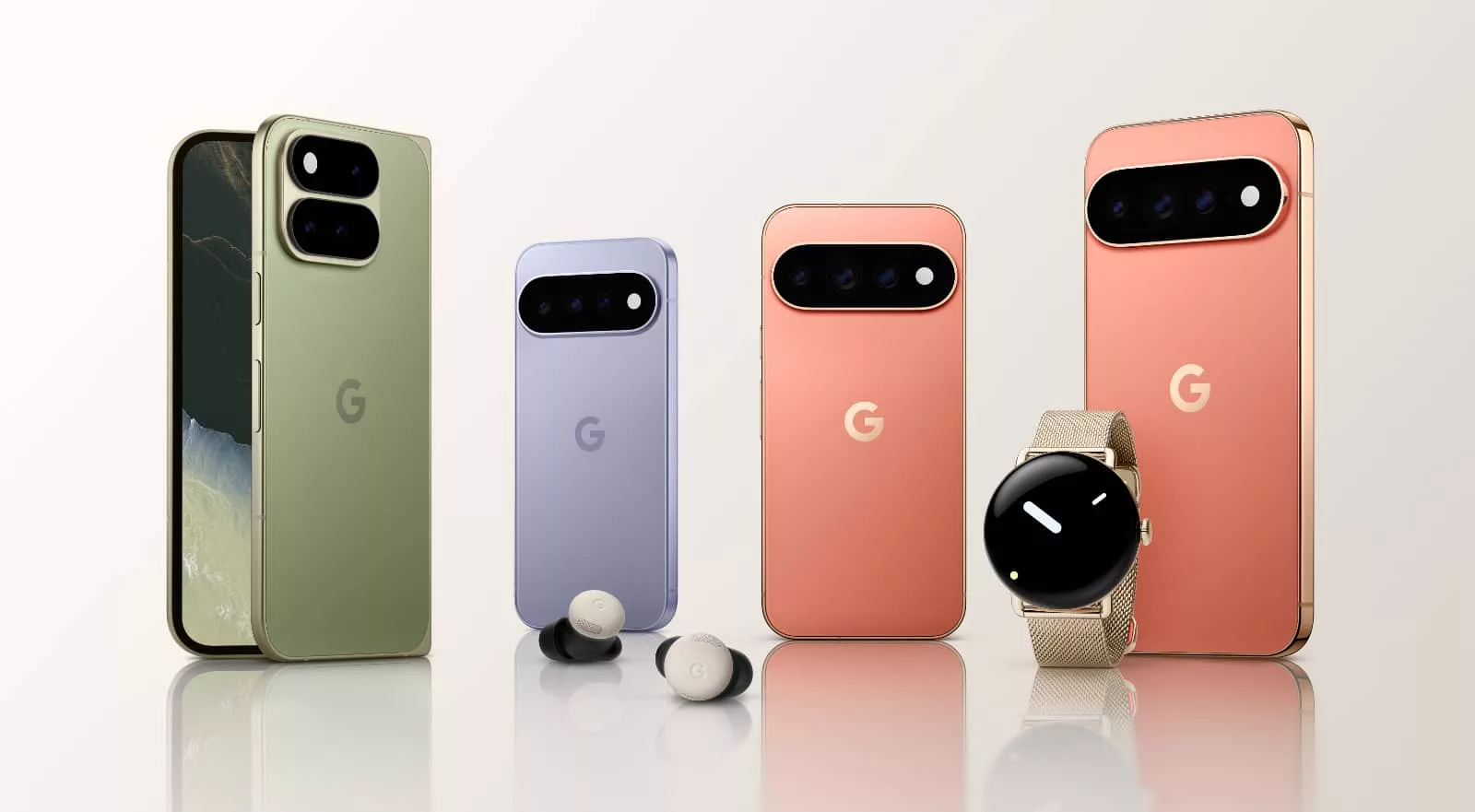
The new models kick off number eleven, as the Pixel becomes the Pixel 11. Just like last year, there are four models that form a part of this, with Pro and Pro XL variations, a Fold, and a standard series.
They’ll all sport similar design DNA complete with water resistance, as well as new brighter screens and a brand new processor from Google in the Tensor G6.
Interestingly, Google has dropped its temperature sensor from across the entire Pixel 11 range. However, you can expect a lot of AI, thanks in part to Google putting so much time into Gemini, with the systems able to understand what you’re doing and the context of it.
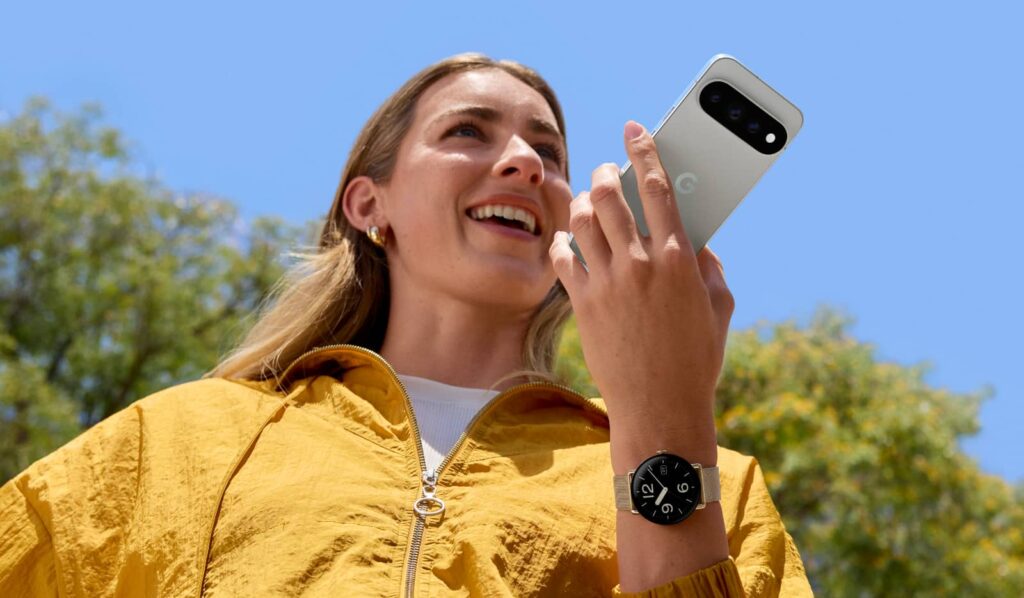
Part of Gemini Intelligence is something Google calls “Rambler” which will let you convert voice-to-text by having it clean up your text even after speaking naturally. The idea is that you probably don’t speak the way you write, and this system will essentially turn your spoken words into more polished text.
A more standard Pixel 11
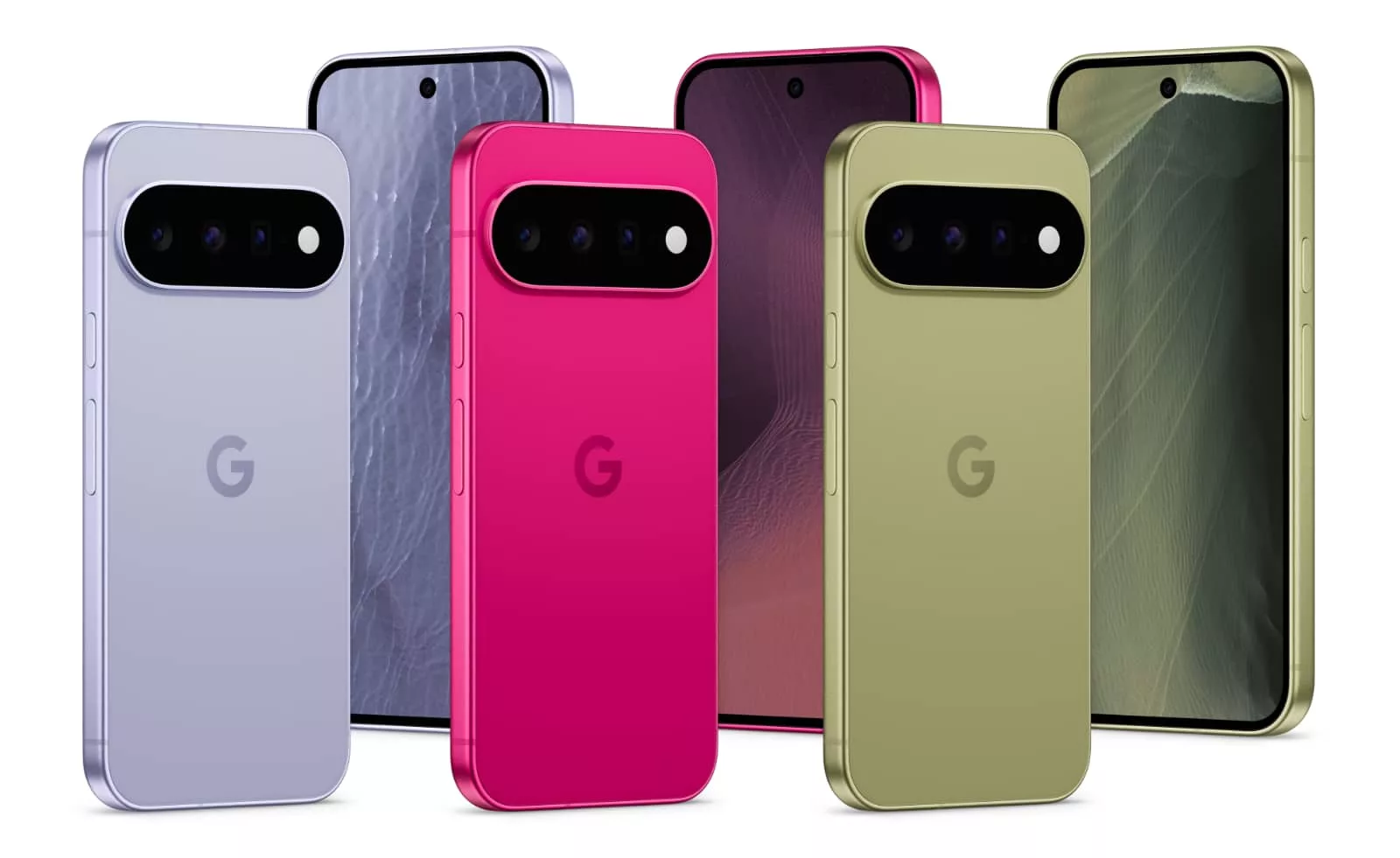
All models will get this, but the first phone in the pack is more or less made for everyone, found in the Pixel 11. Perhaps unsurprisingly, it will probably feel like more of the same, especially if you’ve seen the Pixel 10 before it.
Easily one of last year’s best all-rounder phones, the Pixel 10 delivered a great little triple camera system atop some solid hardware, and the Pixel 11 continues that.
You’ll find a 6.3 inch OLED display running at 120Hz, an 8.6mm thickness, and either 256GB or 512GB storage matched with 12GB RAM. Android 17 arrives on this phone out of the box with that new Tensor G6 processor, all found inside of an aluminium and glass design.
The camera system is similarly strong, offering a 48 megapixel F1.7 wide alongside a 13 megapixel F2.2 ultra-wide and 10.8 megapixel F3.1 5X zoom, with the system effectively providing wide and close in one little system.
Like the past few Pixel versions, Google will offer seven years of OS updates alongside security patches and the like, and support for the magnetic Qi2 charging that is PixelSnap.
Pixel 11 Pro and Pro XL
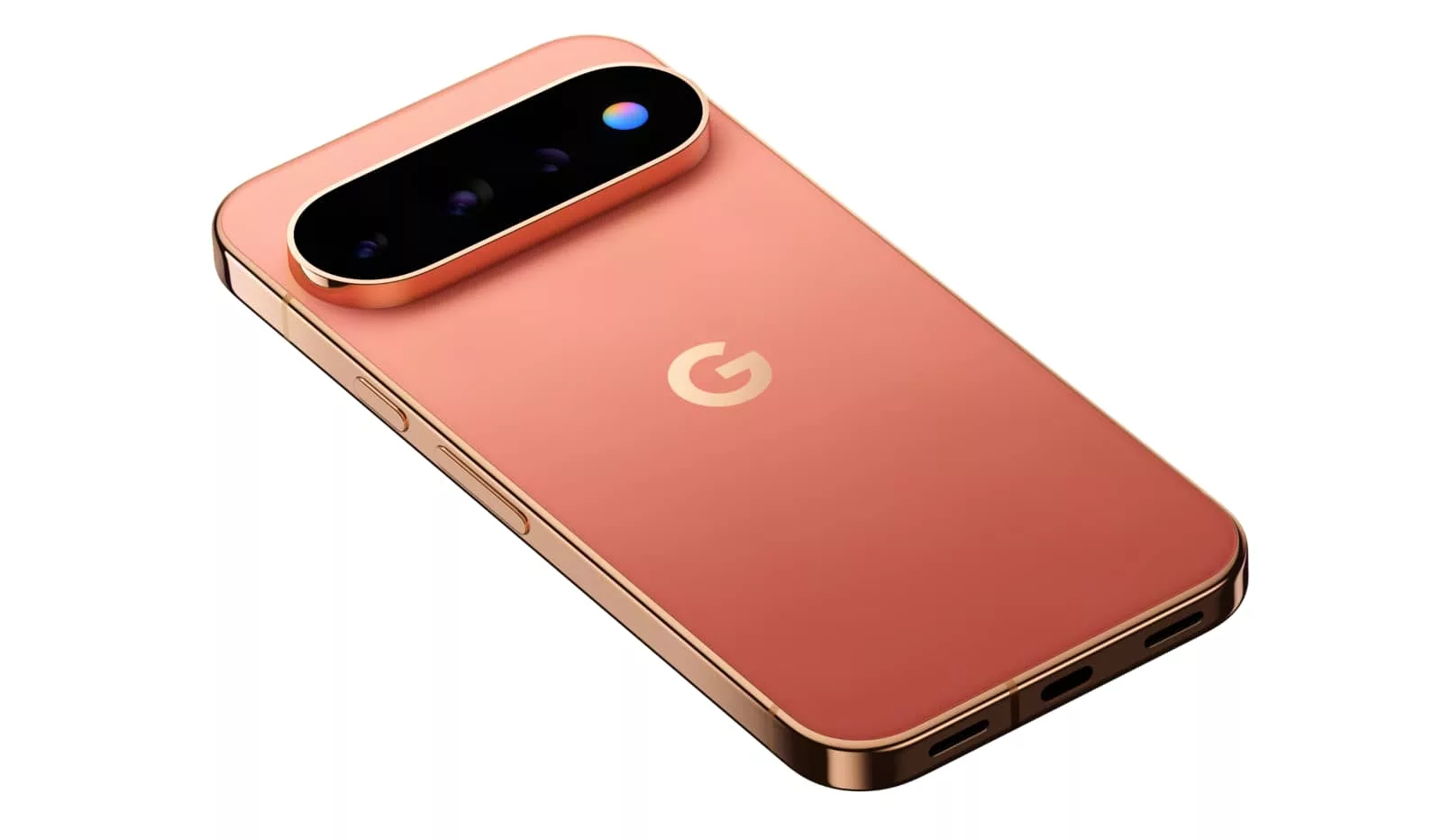
Better again, Google will have a better variation on the 6.3 inch Pixel 11 in the Pixel 11 Pro, plus a larger take in the 6.8 inch Pixel 11 Pro XL.
Both of these will be similar to each other, but one is normal-sized and the other is much larger, as we’ve seen from previous efforts.
Even though the sizes are similar, the screens are brigter and support more pixels, running at reoslutions bigger than Full HD, and closer to a 3K display. Part of Google’s “Super Actua” line, they’re brighter and sharper, and sit atop sizeable batteries, too.
They’ll also run the Tensor G6 with either 12 or 16GB RAM, but offer a choice of 256GB, 512GB, or 1TB storage, depending on how much you spend.
The camera system across both is the same, so regardless of whether you like a small or big phone, you’ll find a 50 megapxel F1.68 wide camera, 48 megapixel F1.7 ultra-wide, and a 48 megapixel F2.8 5X telephoto. In short, it’s a similar system to what you can find in the Pixel 11, albeit with more megapixels and better lenses.
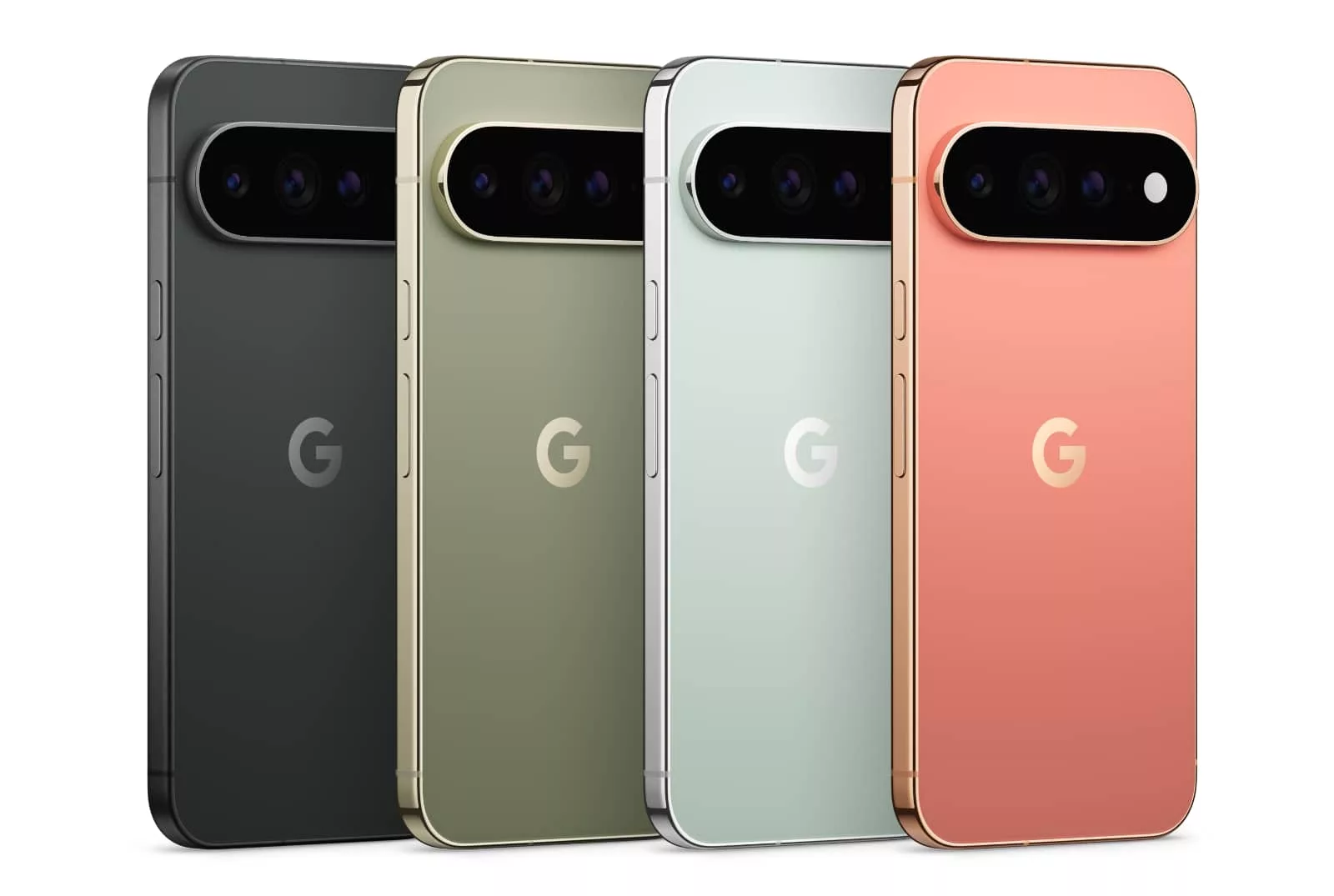
But the cameras on the Pixel 11 Pro and 11 Pro XL also house a new feature: a light that doubles as the flash and yet serves as a notification system without needing to check the screen.
Called the “HiLight”, it’s a litte like Google’s take on Nothing’s light-up design language. Instead of using arranged LEDs or a small dot-based display, HiLight will simply glow a colour based on a notification syle, such as if you’ve set a colour for when a specific person has called.
That’s a feature the Pixel 11 won’t receive, but the 11 Pro and Pro XL will at least use similar materials, adopting a polished aluminium frame, and making it stand out that little bit more.
Folding over similar ideas
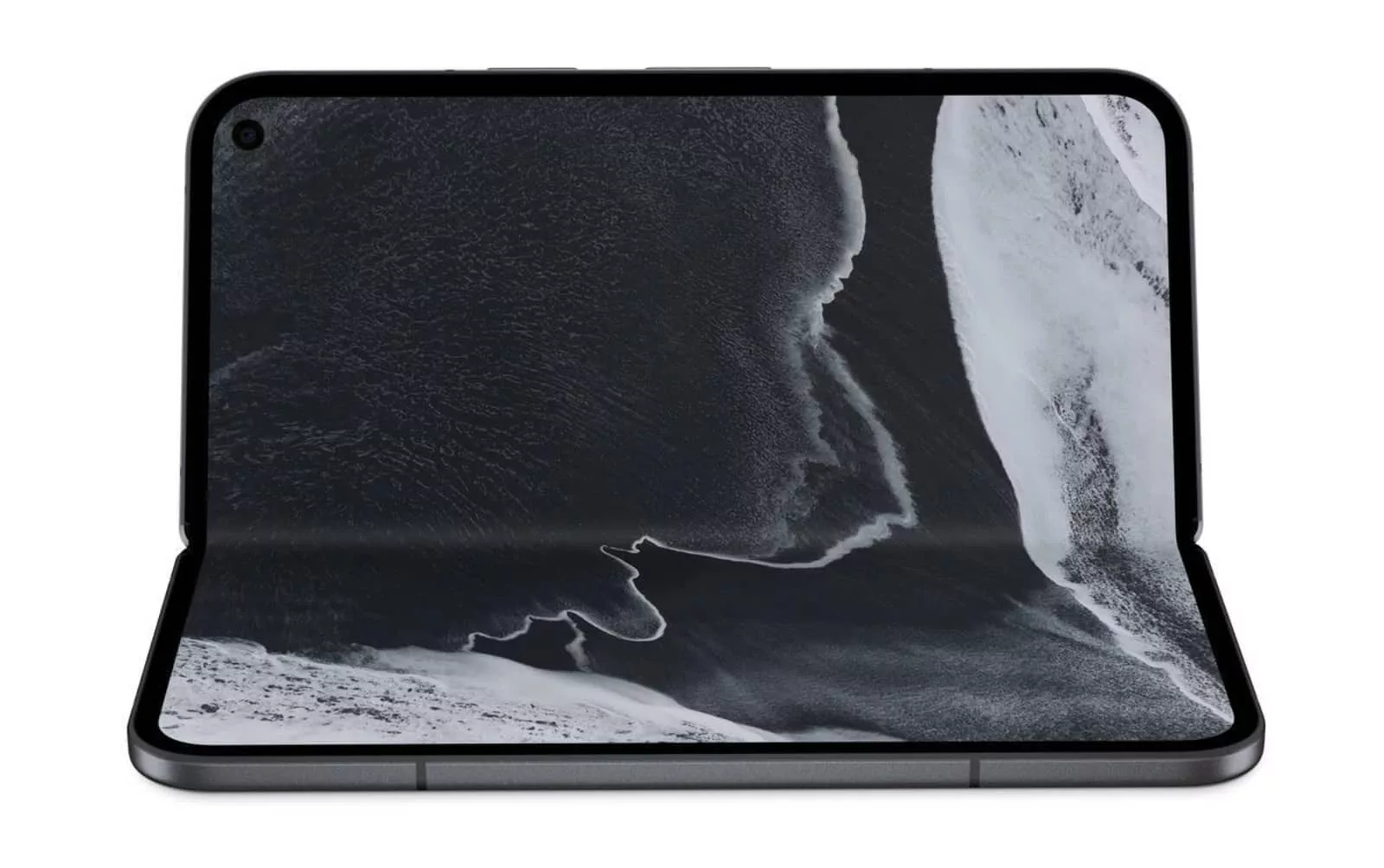
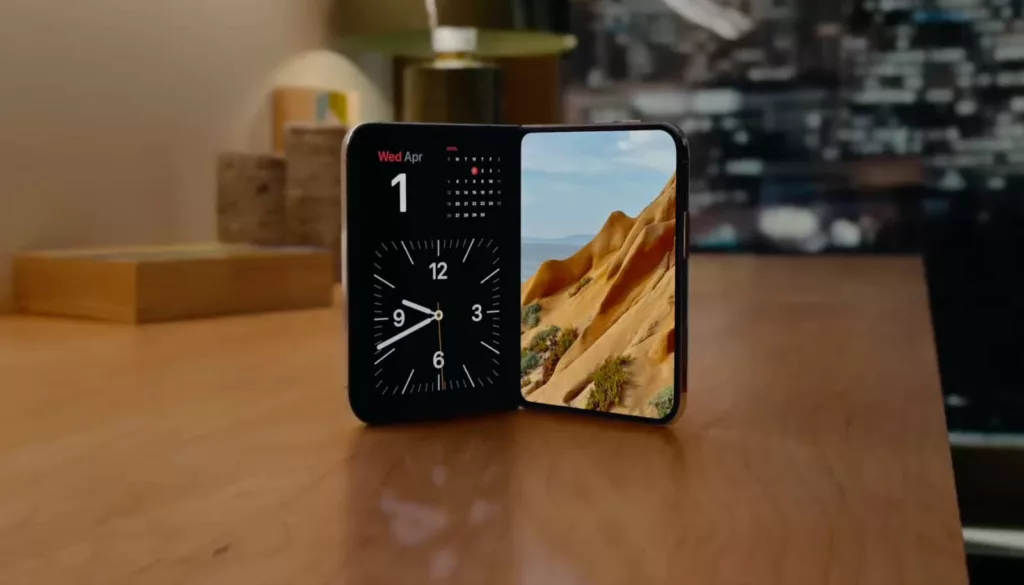
Similar to the Pro line is the Pro Fold, with the main difference being an external screen and internal foldable screen, and this is largely like last yeat’s Fold 10, but made a little better again.
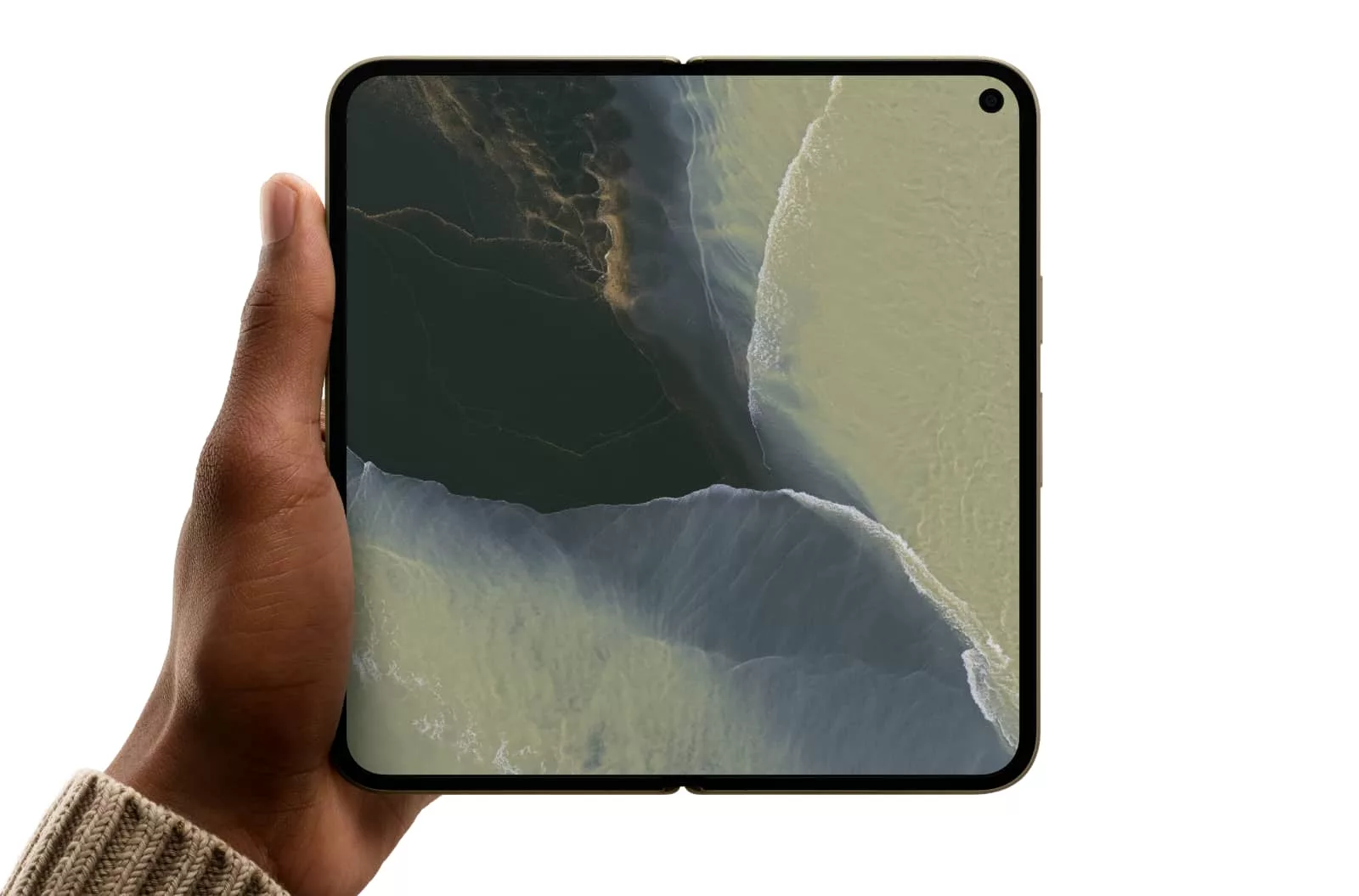
Wedged somewhere between the 6.3 inch Pixel 11 Pro and the 6.8 inch Pixel 11 Pro XL, the 6.5 inch Pixel 11 Pro Fold offers that mid-point screen on the outside and an 8 inch flexible and foldable screen on the inside.
It will be a little thicker, measuring 5mm thick when unfolded and 10.1mm when folded, making it a good 1.6mm thicker than the 8.5mm Pixel 11 Pro XL, but only seven grams heavier (239g). However, it will also arrive with 16GB RAM regardless of whether you get a 256GB, 512GB, or 1TB phone.
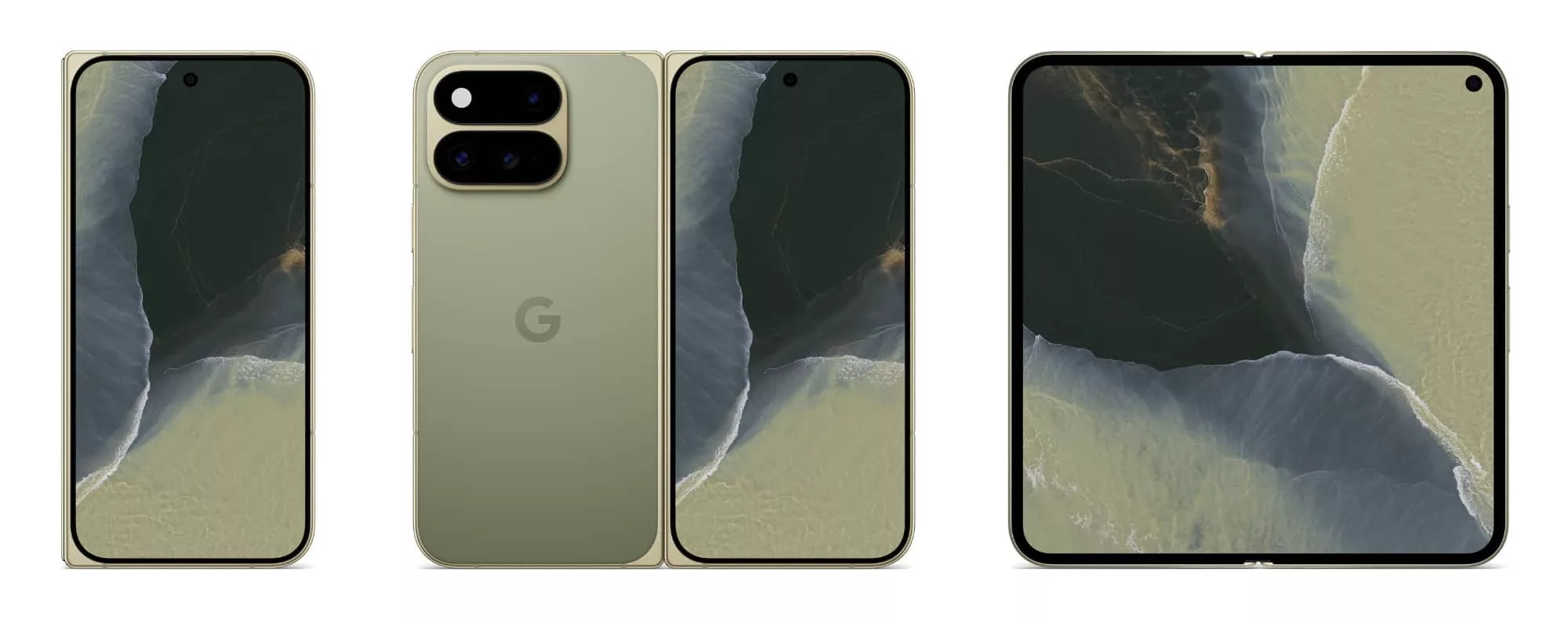
Curiously, the camera system isn’t the same as the Pixel 11 Pro range, despite the name. Rather, it’s more like the Pixel 11 standard, offering the same 48 megapixel F1.7 wide camera, the same 10.8 megapixel F3.1 5X telephoto, and a distinct 10.5 megapixel F2.2 ultra-wide.
It will also get the new HiLight notification light, at least extending one of the Pro-line’s features.
The Pixel 11 Pro Fold is otherwise quite similar, using the new Tensor G6 chip, Android 17, and an IP68 water resistance, among other features. It is also the only phone in Google’s 2026 lineup to support mmWave 5G, while the rest simply use the more common sub-6 5G standard found everywhere.
A new Pixel Watch 5 and co
It’s not just phones, as a new watch arrives, as well.
Upgrading last year’s Pixel Watch 4 to the unsurprisingly named Pixel Watch 5, the device still sports a big circular view and a lot more AI integration, a trend Google has more or less stuck with across its devices.
But the biggest changes may come from just how much is focused on fitness.
For instance, algorithms and machine learning will help track blood pressure and eventually insulin resistance, while fitness tracking via exercises and sports will also be found here, plus upgrades to the GPS system.
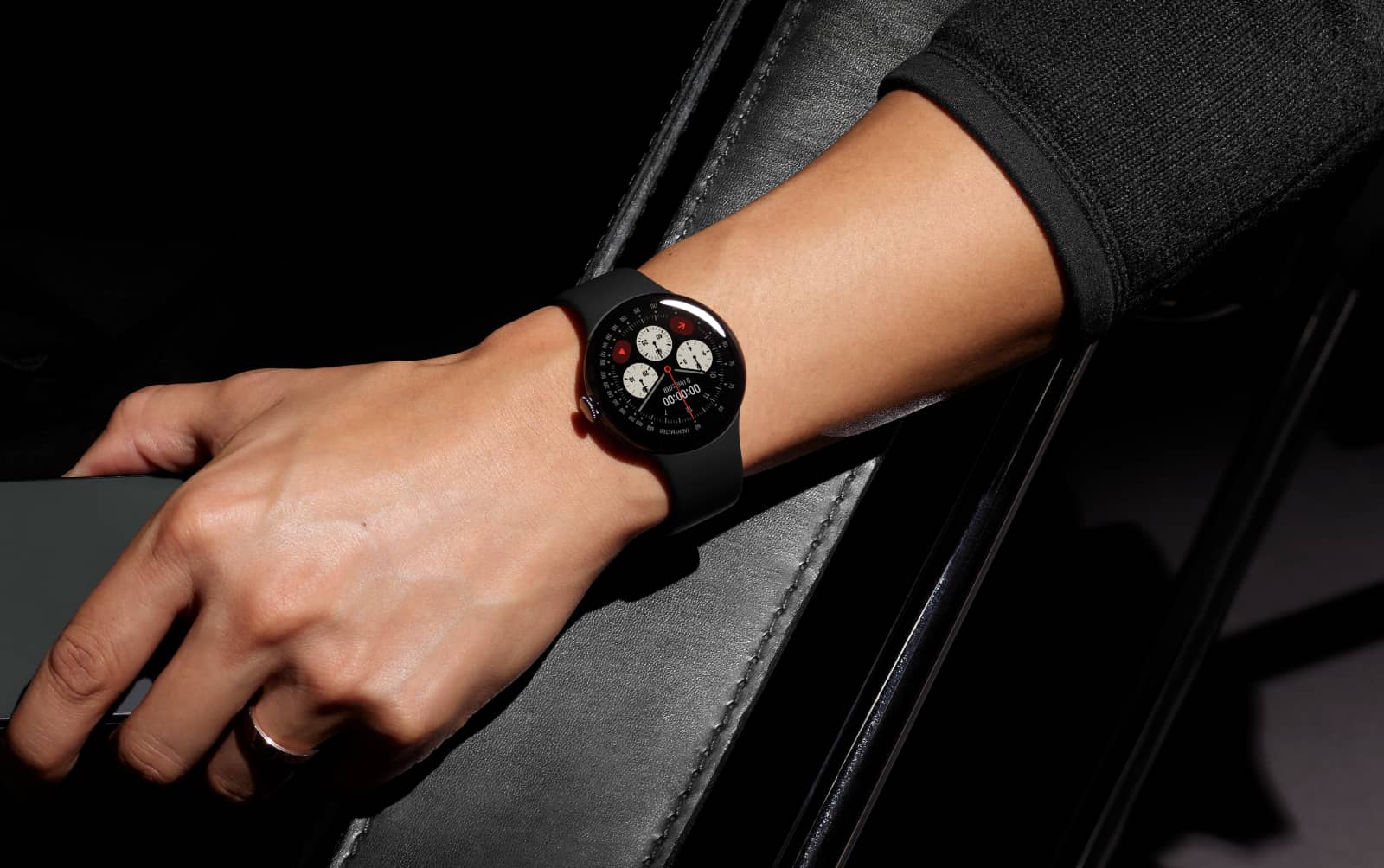
Sleep tracking will cover breathing quality later this year, analysing the variations in how you breathe wile you sleep, and automations will kick in around bedtime to get you ready for sleep by switching off notifications and turning off music.
Google also has its AI-based health coach in the mix, personalised with Gemini and essentially bringing everything together for analysis in one place.
It’s a very fitness-focused Pixel Watch, it seems.
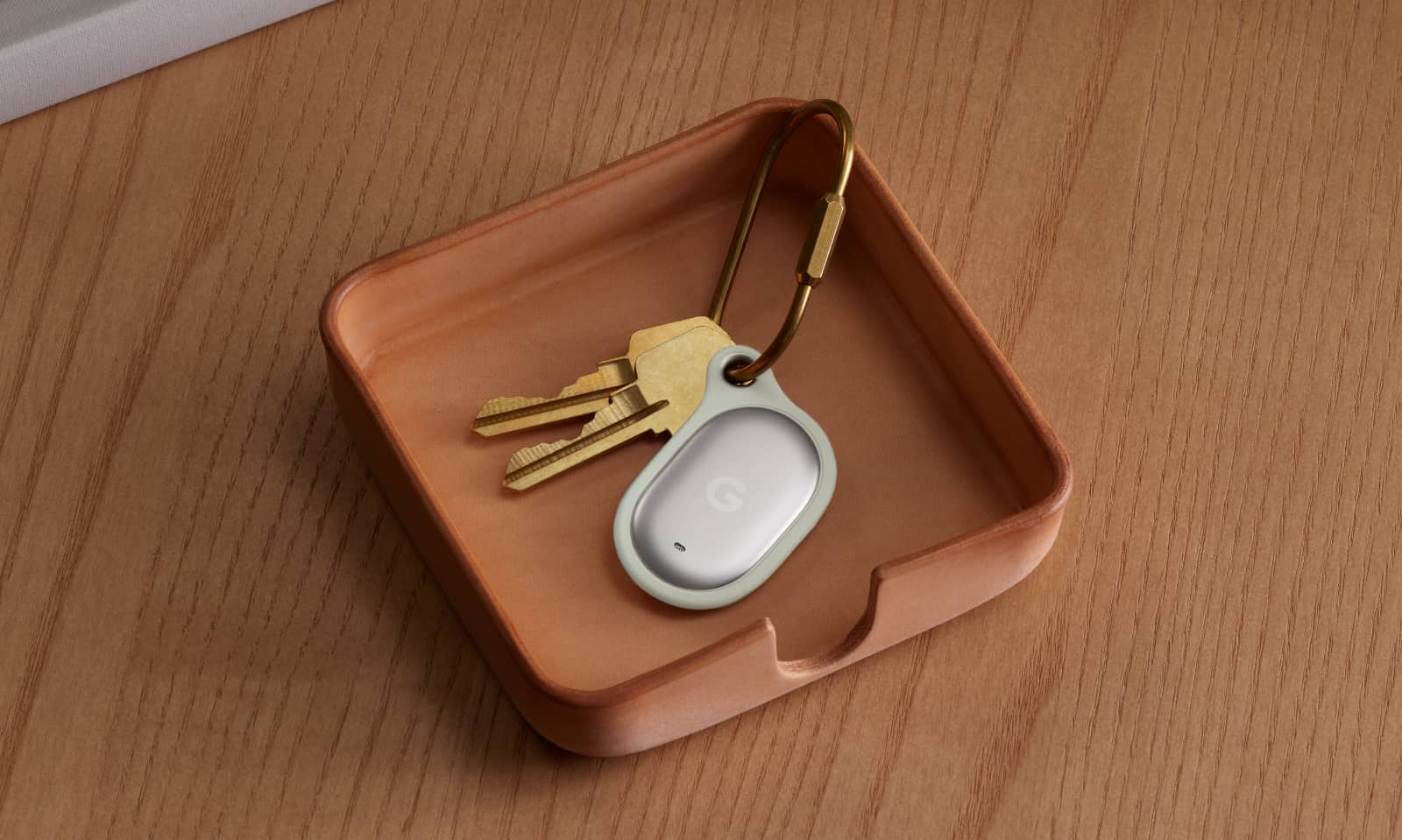
And it won’t be alone, as a Pixel Tag also arrives for people keen to keep track of anything that isn’t the Pixel in their lives.
Think of the Pixel Tag as Google’s alternative to the Apple AirTag, because that is largely what it is.
Australian pricing and availability
Australians won’t have long to wait for the lineup, either, with all earmarked for release in the next few weeks.
In the world of phones, the Pixel 11 will start from $1499 in Australia, while the Pixel 11 Pro sees pricing from $1849, while its big brother in the 11 Pro XL will start from $2099. And if you prefer a folding variation, the Pixel 11 Pro Fold will start at $2799, not far from Samsung’s Galaxy Fold 8, albeit in a slightly different aspect ratio.
The Pixel Watch 5 will be differently priced again, starting from $649 in the 41mm WiFi or $699 in the 45mm Wifi, while the 4G versions will cost $829 and $879 respectively.
And finally, the Pixel Tag will be priced not far from other smart tag trackers, set to $49 per one Tag, or $169 for a four pack.