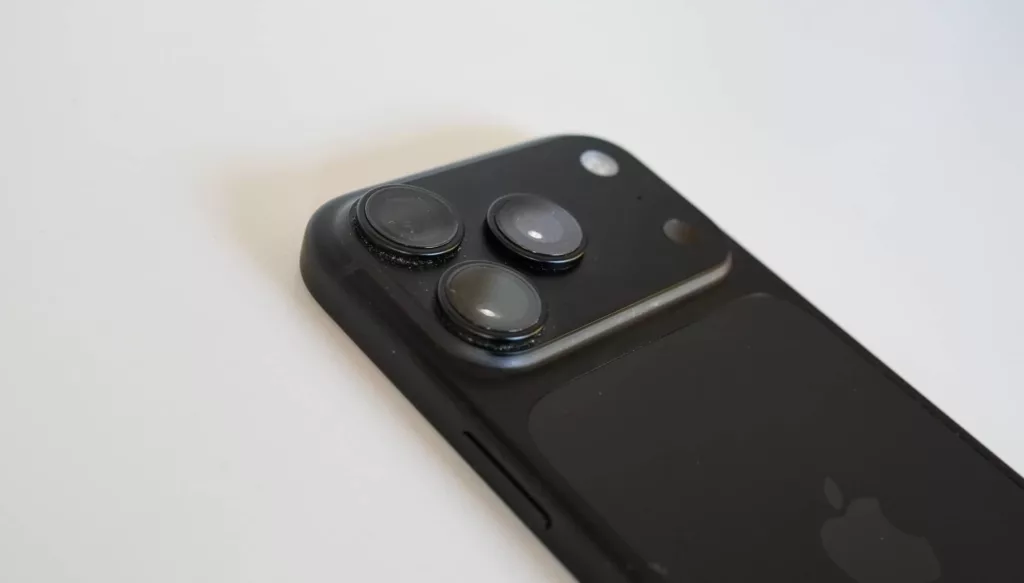

Apple has spent the better part of 20 years telling the world touch belonged on a tablet rather than a laptop, and delivered what is arguably still the best tablet in the iPad. Steve Jobs even famously pointed out that touch doesn’t work on a laptop, lamenting it by noting that “touch surfaces don’t want to be vertical”.
That was 16 years ago, and a lot can change. The phone is now bigger than it’s ever been, able to unfold into tablet-size properties, and the tablet has become a surprisingly useful post-PC device, though one that still can’t quite equal the laptops we all use.
You can write. You can draw. You can edit photos and videos. You can create, and the iPad has really led the way. But while the iPad’s state as mainly a content consumption device has clearly been challenged, it still can’t do a lot of the things its laptop siblings can.
It can code, but it can’t code and control developer systems in quite the same way. It has AI, but it can’t run the sheer level of AI needed to actually develop machine learning systems that run on tablets and phones.
And an iPad can edit photos and videos, but a MacBook Pro will give you a lot more power for both, and possibly more speed, too. It’s also probably easier to use a combination of keyboard and mouse to edit than simply touch.
But what if a Mac did have touch? And what if it came together to make the normally mouse-and-keyboard apps do a little more?
That may be what has led Apple to go back on the words of Steve Jobs from 2010, or at least evolve past them.
After being rumoured for so long, the MacBook Pro touch is here, and it comes packing a bunch of new features.
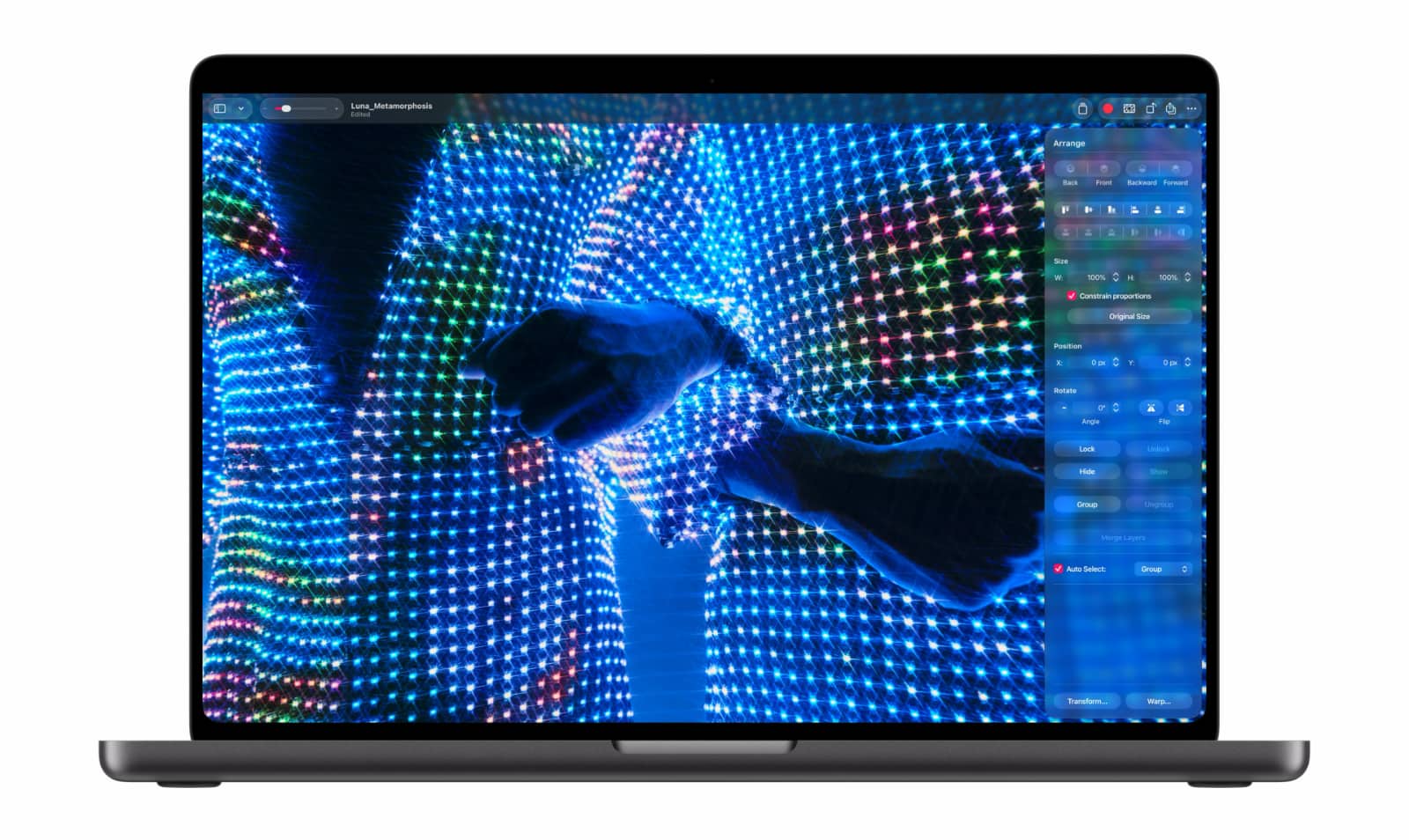
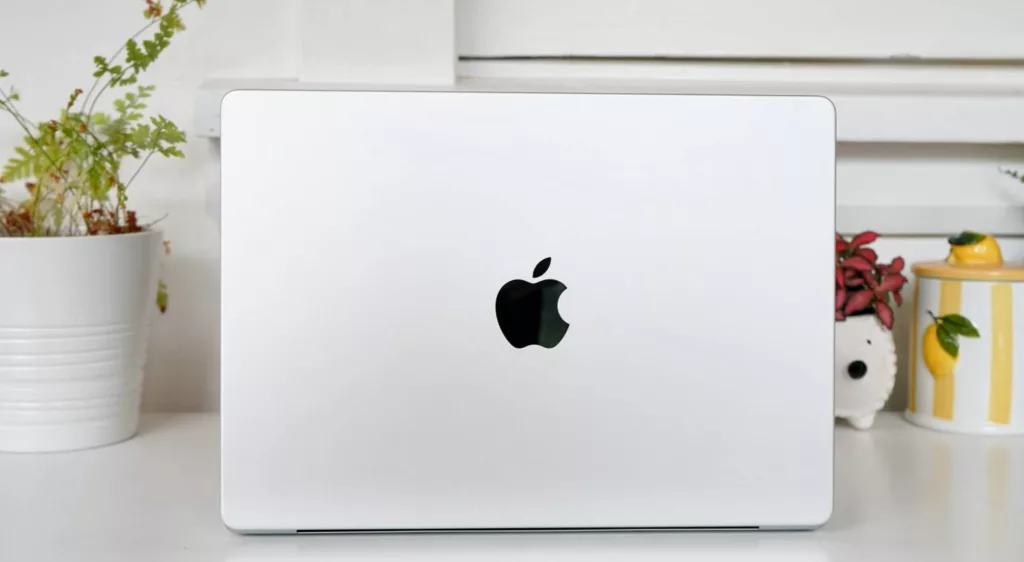
It’s a model that joins the standard MacBook Pro, and even the pro-level MacBook Pro. The standard MBP is now a 14 inch laptop starting from $3199, but it can be pushed to be meaty and powerful without needing to add the touchscreen, a laptop we reviewed earlier this year and is arguably one of the best laptops around.
Now, however, there’s a model above that.
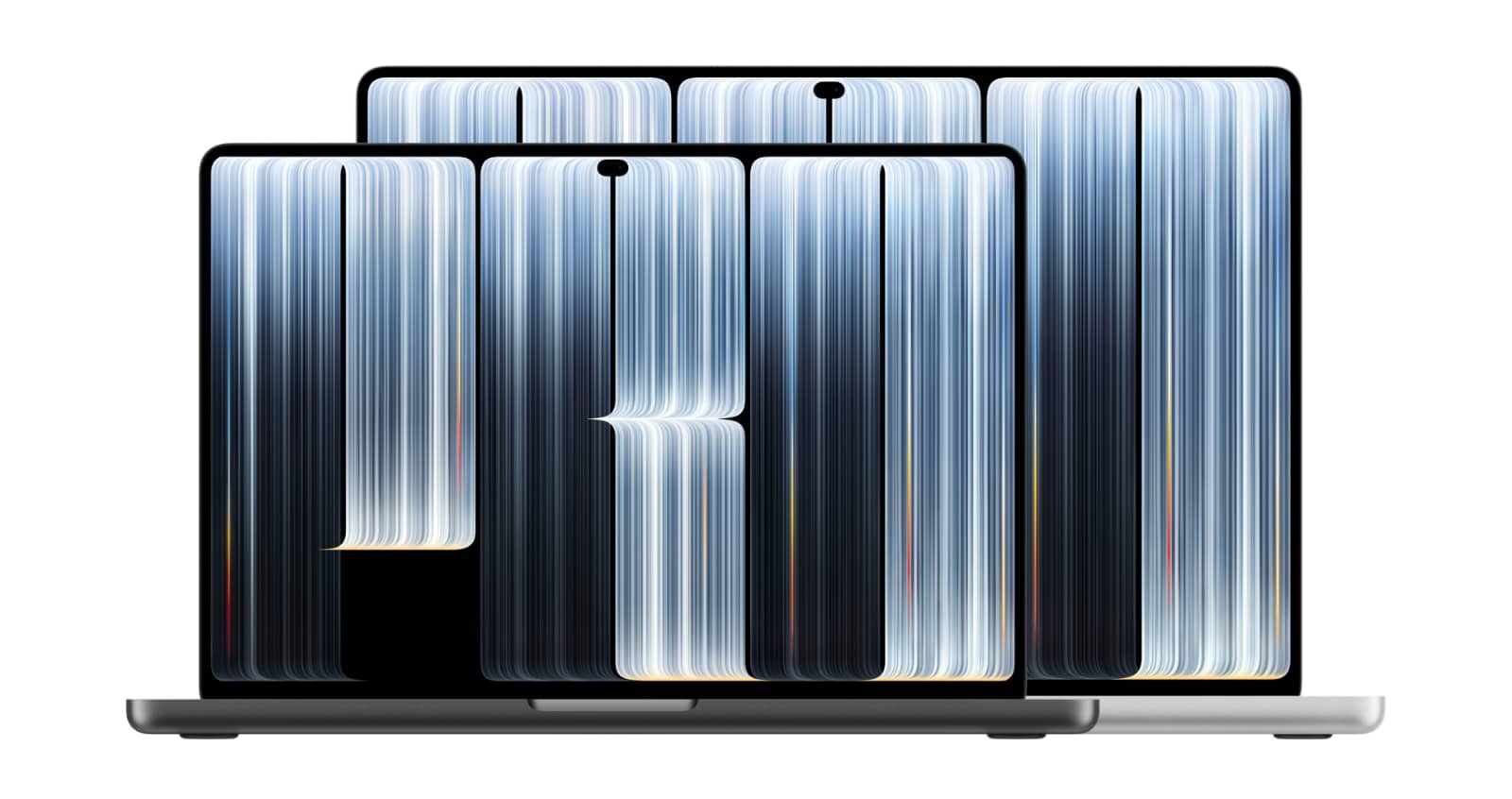
The MacBook Pro with ProLED XDR uses an OLED screen made from the tech Apple used on its iPad Pro a few years ago: two sets of OLED panels stacked together, a technology called “tandem OLED”. It’s the first time OLED has graced the MacBook Pro line, and will give it more brightness and contrast, plus a wide colour gamut able to cover both the P3 and Adobe RGB gamuts.

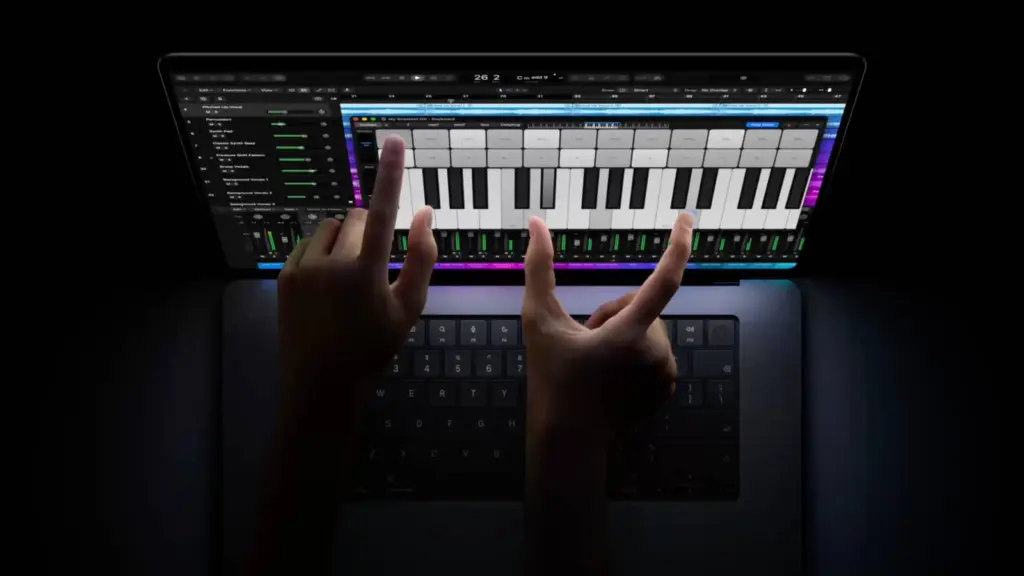
While OLED is nice and definitely premium, the other inclusion is that of touch, with the screen supporting touch and gestures, allowing you to connect with apps using a little more than mouse and keyboard. Play instruments onscreen in apps, or use the entire screen to draw on. Think of the work Apple has done with the iPad, and now apply it to the MacBook screen, and you’ll largely get the idea.
While we’re not sure if it will work to replace mouse and keyboard, it could definitely make life easier for content creators. Artists and animators may not need a separate graphics tablet, while video editors and compositors could use more tactile gestures to edit and animate their work.
And to help accommodate this, Apple has improved the hinge on the laptop, making it stronger so the screen doesn’t shake as much.
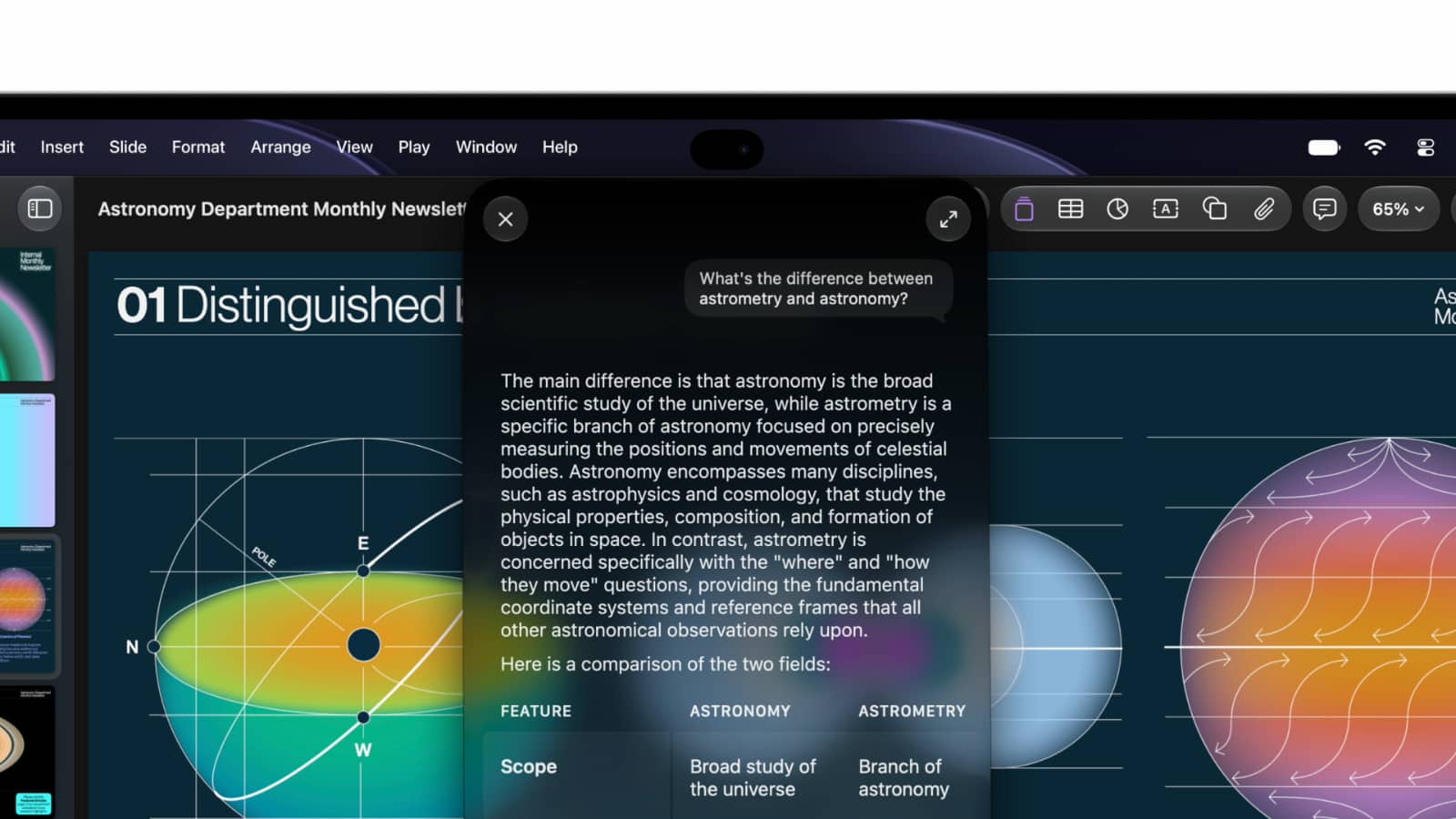
The screen design has also changed slightly, as Apple moves to integrate the Dynamic Island seen on the iPhone into the MacBook line. That big change means your 14 and 16 inch screens gain a few extra pixels, while still being the same 14.2 and 16.3 inch screens.
Like the iPhone models, the little spot for where the camera goes will open up into on-screen animations, and let you touch and prod it for notifications. Just like an iPhone.
With a big change to the screen, Apple has looked to other changes that will matter: weight. It’s not that the MacBook Pro was bulky or heavy, but apparently Apple can go lighter.
A little lighter, the MBP ProLED XDR will start at 1.38 kilograms compared to the 1.6kg of its MBP sibling, and will be a fraction slimmer, too. The new models lose about a smidgeon in size, going from 1.55 cm to 1.50 cm. It’s not much, but it’s clearly something.
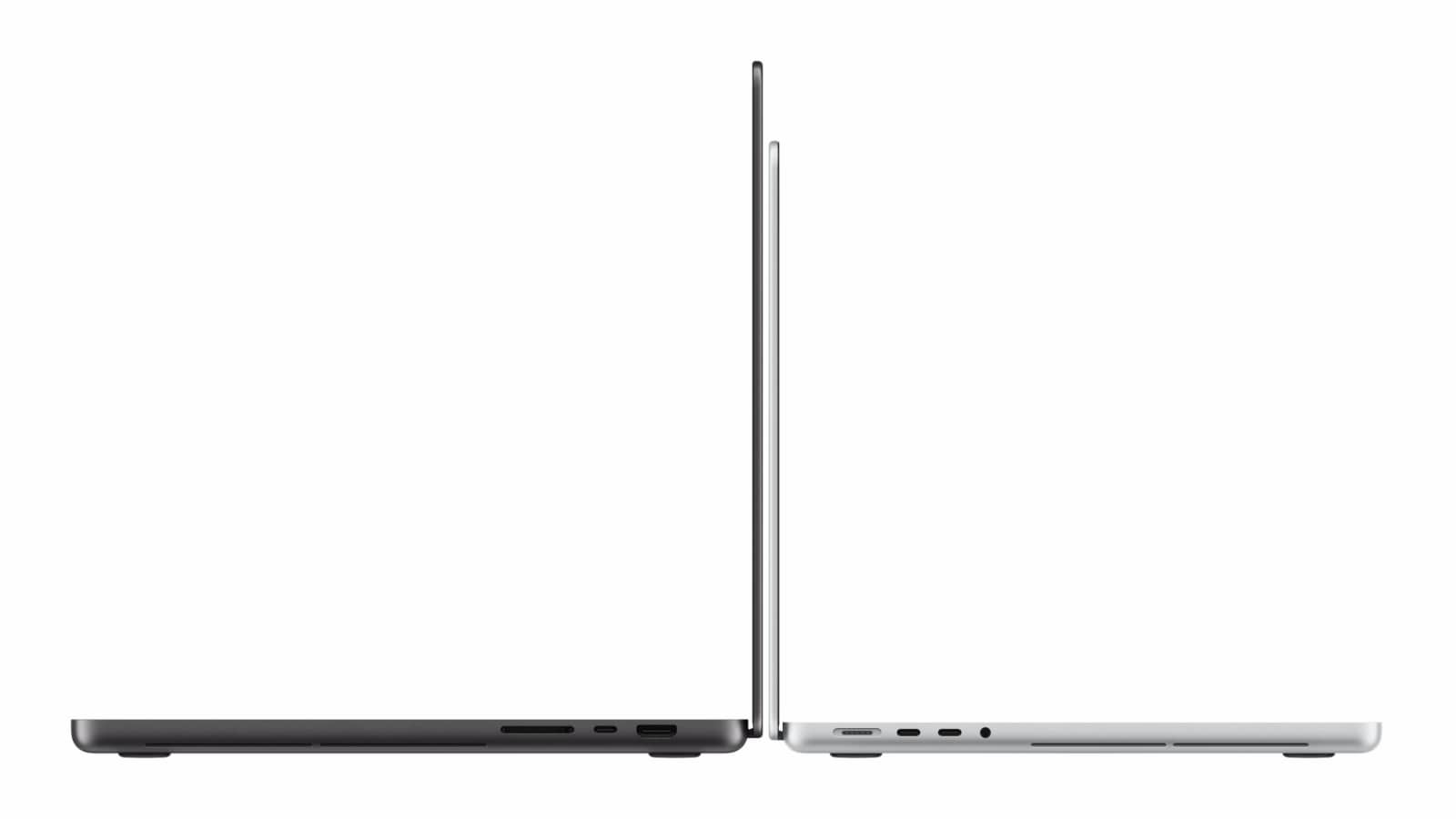
Nothing really changes inside, however. You’ll still find a choice between the M5 Pro and M5 Max chips, just like appeared earlier this year, except now you get it with less weight, less thickness, and more from the screen.
You also get meatier speakers, too, while the ports cover Thunderbolt 5, HDMI, a 3.5mm headset jack, and an SDXC card slot. Those last two are becoming less common across the industry, but at clearly very important for content creators.
Unsurprisingly, it also costs more.
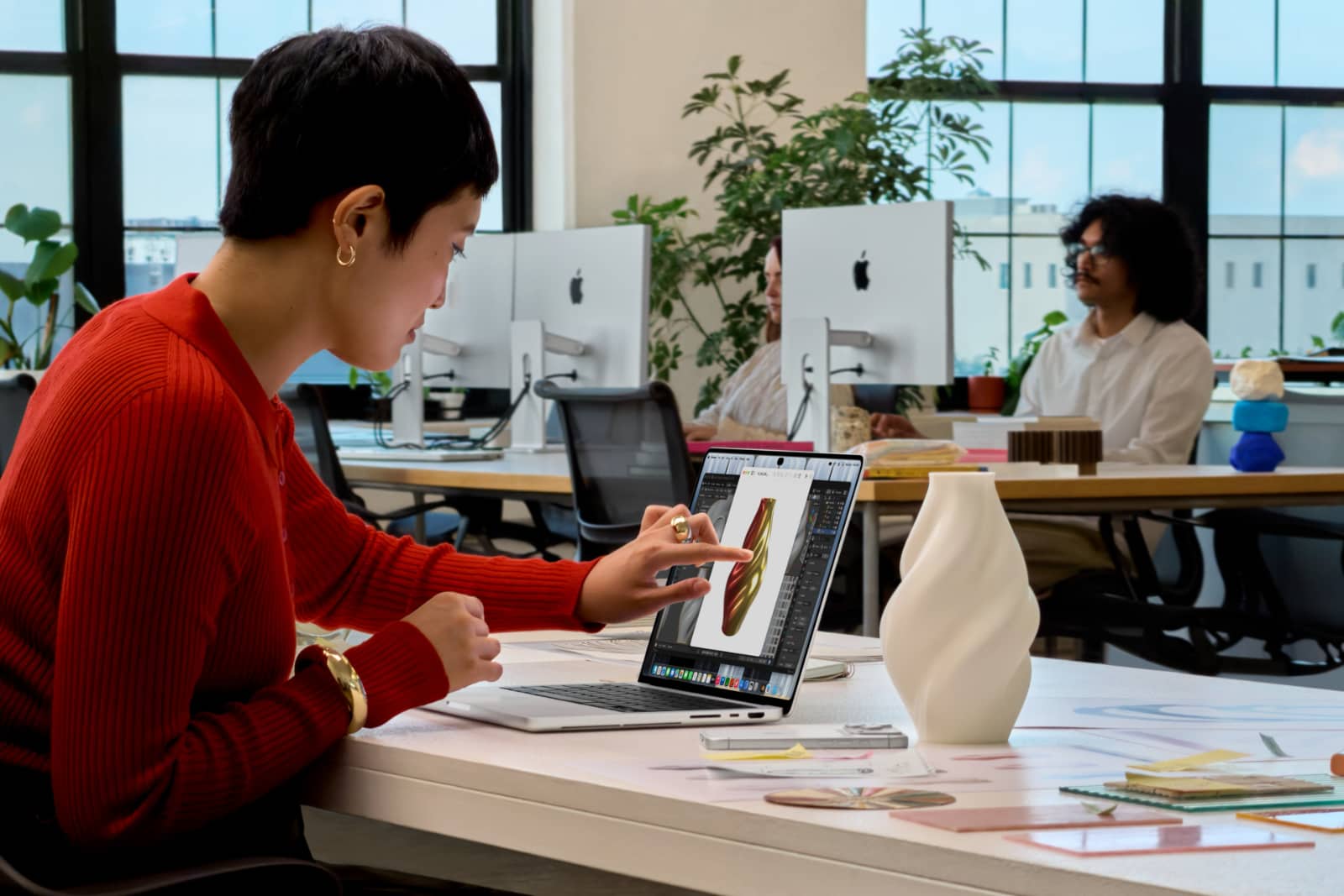
The new more-Pro MacBook Pro ProLED XDR not only has more uses of the word “pro” in its name than ever before (we added one extra), it will also start from $4599 in Australia.
While that price is high — and the MacBook Pro can clearly be pushed even higher with tweaks to an order, supporting as much as 16TB of storage in an era where AI makes small amounts expensive enough to — the line is possibly now more interesting, and stepped in a way where it basically encourages you to upgrade if you can.
To put it into perspective, while the price of a 14 inch MacBook Pro feels out of kilter for a somewhat basic-ish model, the $3999 upgrade gives you more power and capability. And now the $600 upgrade on that provides less weight, less thickness, a better screen, and more from its sound. If anything, it can feel like Apple is on the verge of making its touch-less option less of a thing, and may see that drop out in the next few years.
If you’ve been craving exactly this (except maybe the price) and you’ve held off from buying a laptop because of the rumours, the good news is the new machine is literally around the corner, set to arrive on November 6, alongside some of those other computers announced this week.