
The week might have been big on Apple news, but there’s more on the way, and a brand all about transparency is showing what it has in store.
In case the hint in the opening paragraph wasn’t big enough, that brand is Nothing, a company famed for unique designs, many of which include see-through elements and interesting approaches to product design that stand out.
Recessed spots that act as fidget spinners on headphone cases. Tiny screens that light up on phones. Custom tuning by audio companies that have a heritage in sound. These are some of the things Nothing is known for, and what you can often find on their flagship models.
But here in March 2026, we’re not seeing a flagship anything. In fact, the approach is a little more modest by comparison.
Rather, the mid-range’s “a” team is back, and not just with Google’s own A-series in the Pixel 10a, though that is clearly a thing.
Instead, Nothing is also there with an “a” moniker, and one it showed for the past couple of years. We first saw it in the Phone (2a), and then last year, Australians saw it in the Phone (3a) and Phone (3a) Pro, models that separated themselves from the crowd with transparency and lights.
They were devices that stood out, and even managed to provide a different take on Android, complete with support for Apple AirPods. Now that’s something you don’t see on Android normally.
And here in 2026, we’re set to see three more “a” devices: two phones and a pair of headphones.
Two (4a) phones for 2026
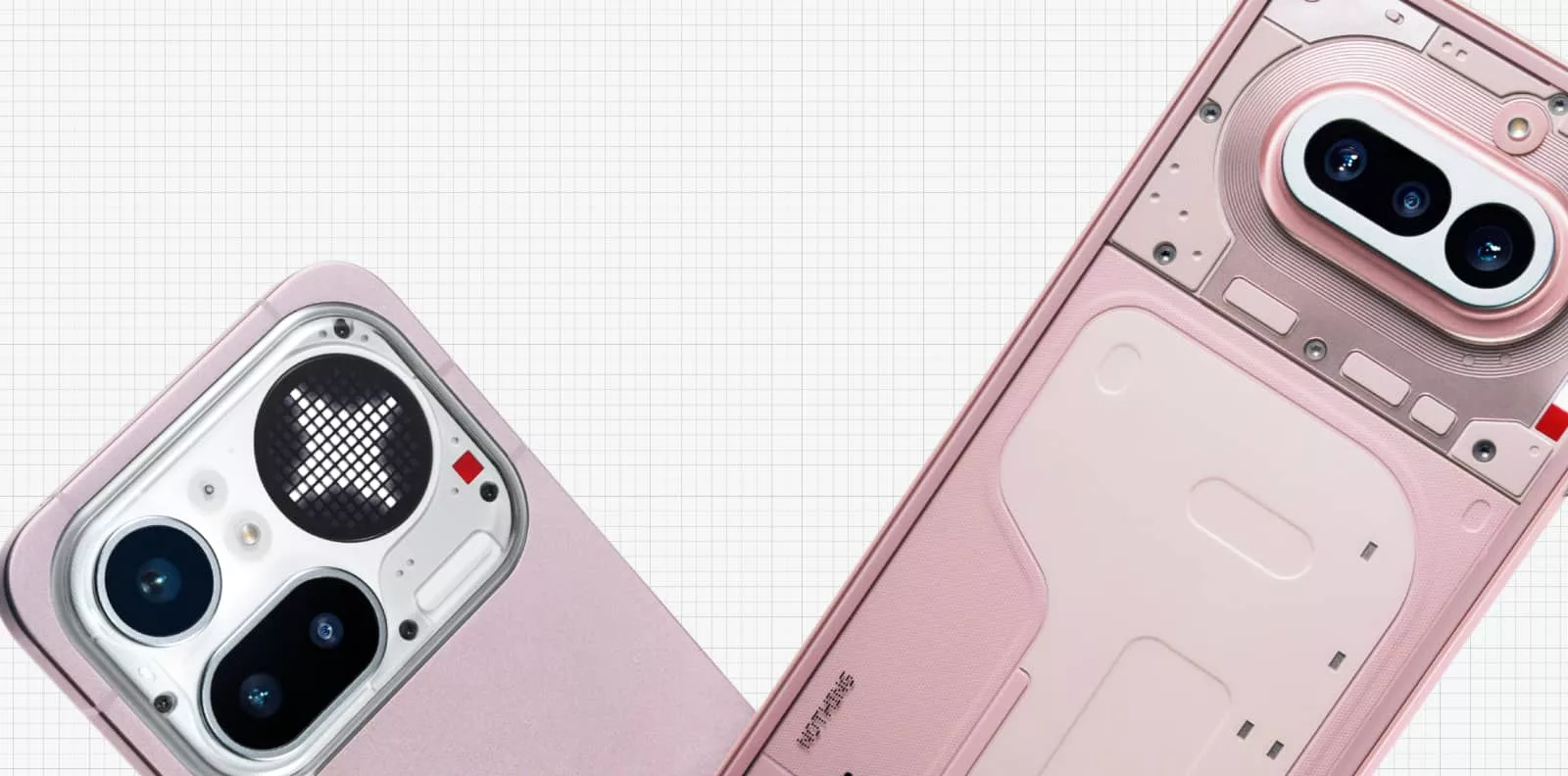
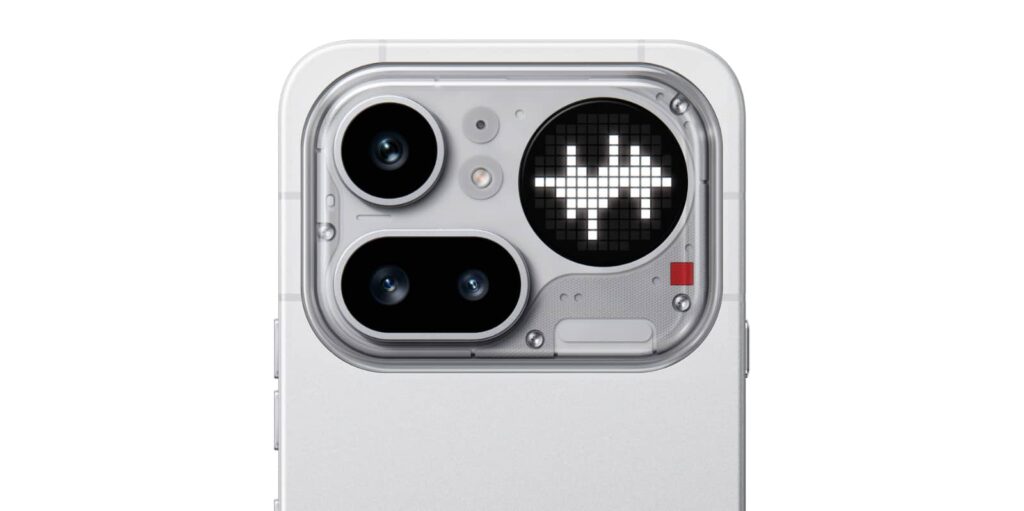
First up are those phones, with the (4a) and (4a) Pro, similar models in spec, but totally different when it comes to style and the extra “glyph” feature Nothing likes to offer.
They’ll both get the transparent look, each with colours if you opt for them, and they’ll also sport a fairly slim design, with the 4a Pro offering a unibody design made of metal inside the 7.95mm thin frame.
The Phone 4a standard isn’t quite as solid, but still looks to impress with its own looks, and both get similar chips, too. In the Phone (4a), you’ll find a Qualcomm Snapdragon 7s Gen 4, while the Phone (4a) Pro upgrades to a Snapdragon 7 Gen 4. Believe it or not, the “s” can make a bit of a difference, it seems.
They’ll both get big AMOLED screens, with the Phone 4a seeing a 6.78 inch AMOLED, while the 4a Pro upgrades to a marginally larger 6.83 inch AMOLED, both offering 120Hz and higher screen refresh rates (120 Hz on the 4a, 144 Hz on the 4a Pro).
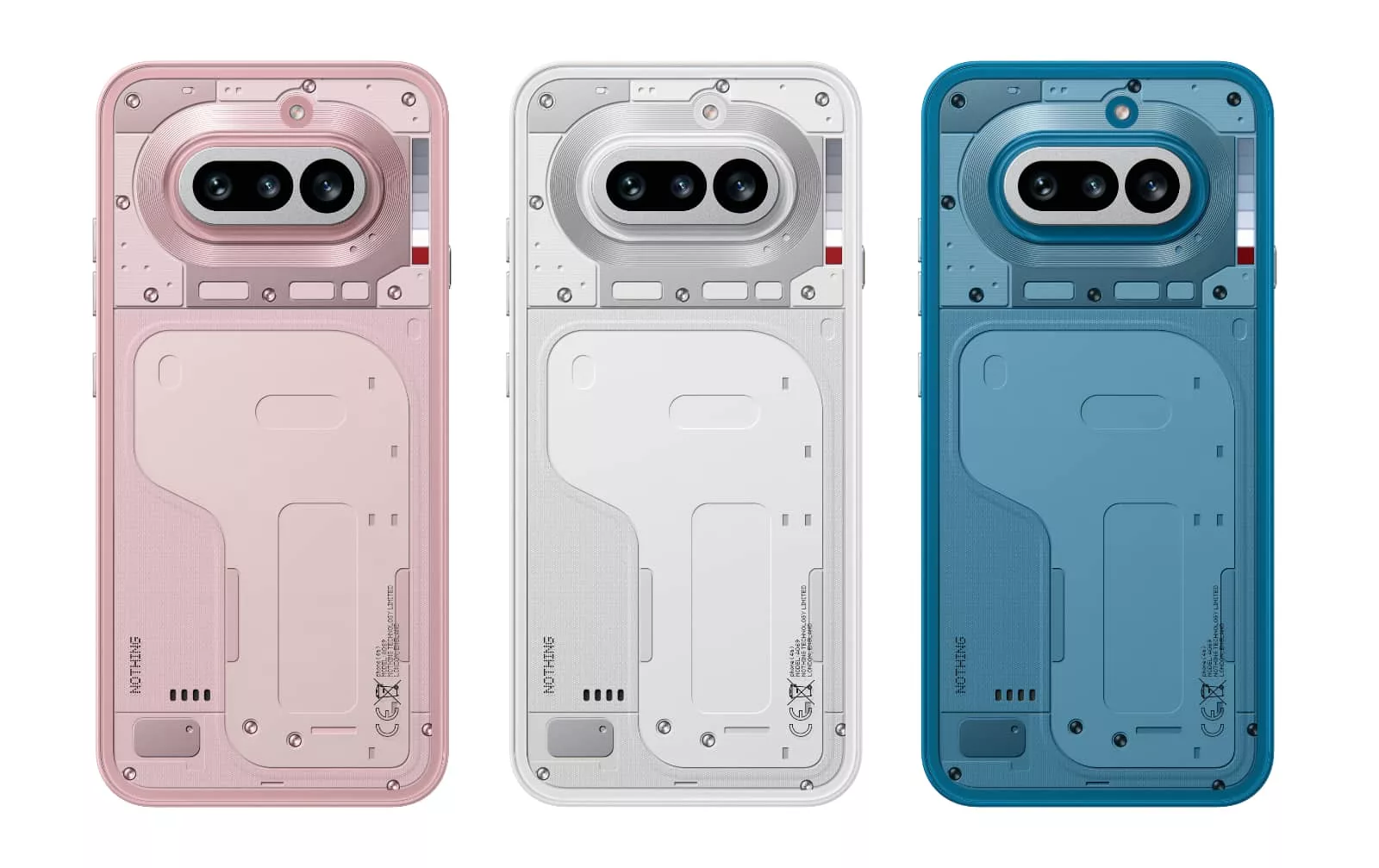
It’s in the camera design where you can see the obvious differences.
Nothing is keeping the three camera system in the middle on the Phone (4a), offering a 50 megapixel wide camera, 32 megapixel ultra-wide, and 50 megapixel 3.5X optical periscope on the mid-range 4a model.
Meanwhile, the Phone (4a) Pro includes a similar camera feature set, but a bigger sensor on its main camera, which might just take better photos overall.

Both are mid-range phones, though, and they’ll come with AI thanks to Nothing’s whole “Essential” software, which in Android 16 comes with customisation aplenty, personalised information in “Memories”, and even the ability to write no-code apps using AI. It’s a little like AI coding, but for micro apps on your phone.
Nothing’s whole extra feature that is the glyph is also back on each phone, albeit in different ways. On the Phone 4a Pro, you’ll find a similar Glyph Matrix mini-LED panel to the Phone (3), while the Phone 4a standard gets a tall bar made of mini-LEDs to light up various things.
And then Headphones (a)
We did mention three (a) devices were coming, and we meant it, with headphones taking up the final thing.
Similar to last year’s flagship Headphone (1), a pair we regularly accidentally call the “Headphones (1)”, Nothing is preparing a pair built more for budgets.
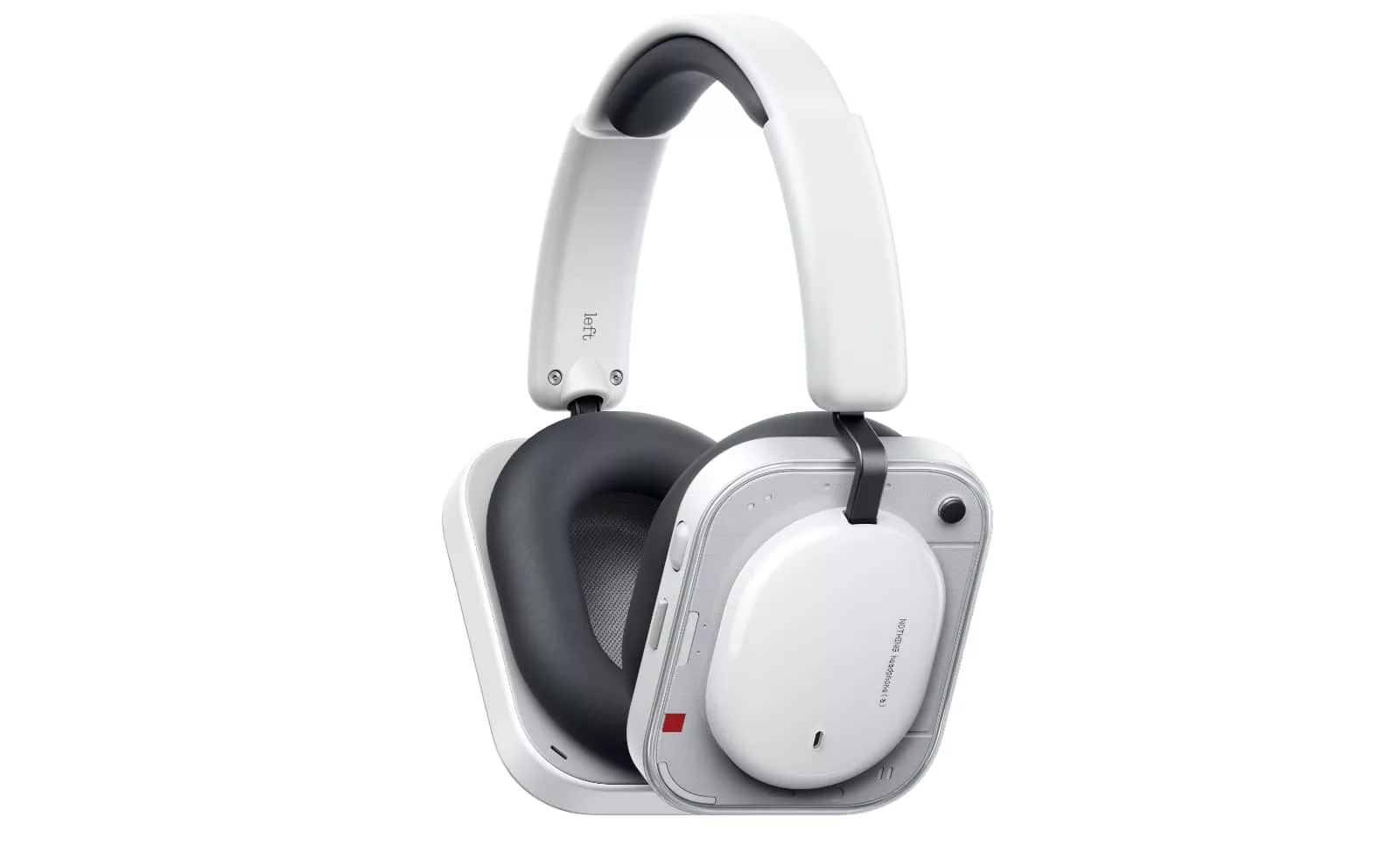
The style is mostly the same, with a transparent look, but less obvious innards and magnets and such. Rather, the Headphone (a) looks pared back by comparison, but simultaneously easier on the eyes.
And yet the feature set is familiar, offering active noise cancellation and wireless sound, using a 40mm driver, two microphones per ear, large spacious padding, and support for both wired and wireless sound.
Nothing’s analogue-style controls are also here, allowing you to roll a wheel and flip a paddle to control the volume or change a track, though there’s no automatic pause sensor.
The key differences appear to be battery life and price, with the battery able to go for as much as 75 hours with ANC on or up to 135 with ANC off, while the price is set for $329, lower than the $549 Headphone (1).
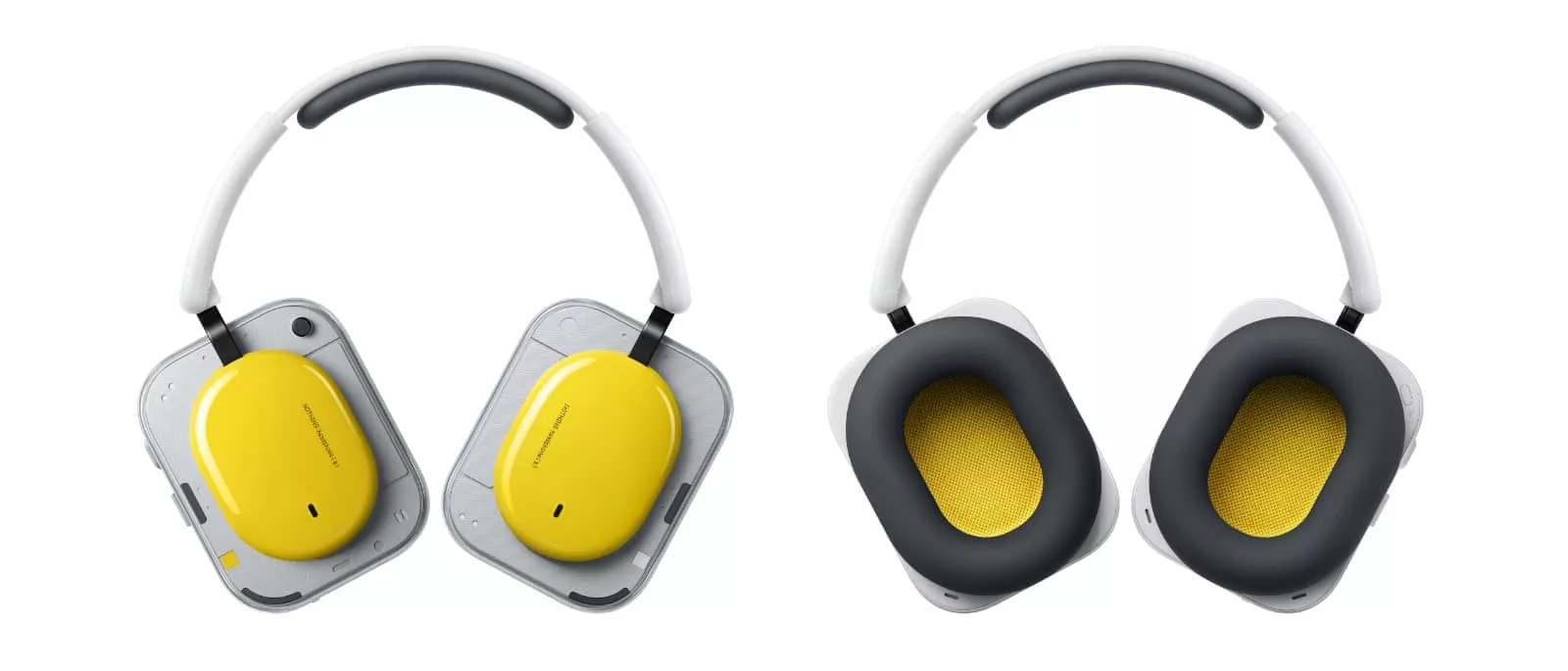
There will even be a nice special edition yellow colour. Snazzy.
Australian pricing and availability
The pricing is pretty clear, but availability differs based on what’s coming.
For the Headphone (a), Australians will be able to find the pairs in person at both JB HiFi and The Good Guys from March 17, while Amazon and Optus stick to online sales, and that yellow edition comes on April 6.
As for the phones, they’ll start at $649 in Australia for the Phone 4a, arriving in 128GB storage with 8GB RAM for that price, 256GB with 8GB RAM for $749, and 256GB storage with 12GB RAM for $849, providing some interesting competition for other mid-range mobiles when it launches on March 17 at the same stores.
If you feel the Phone (4a) Pro is more for you, that’ll set you back an additional $100, priced at $949 for the 256GB storage and 12GB RAM when it lands later in March.