
Quick review
The good
The not-so-good
At $3K, it can be difficult to spend on a brand you’ve probably never heard of. But the case for the Honor Magic V6 is about delivering a foldable as good as the competition, and with a few extra features thrown in.
It’s difficult to believe, but the idea of foldable phones isn’t actually that new. Even though everyone has a phone, most people probably haven’t seen a foldable beyond the ads, and certainly not played with them, and that might be because of how few have existed up until now.
Up to this point, foldables have been found from a handful of companies, particularly the foldable phones found in Australia. You’ve largely had a selection of Google and Samsung, with a little bit of Oppo thrown in for good measure.
But that was it. Foldable phones have not been hugely plentiful.
This year, that seems to be on the cards for change.
Motorola has two models on the way in the Razr range, Samsung is set to launch something in a new form-factor, and Apple’s iPhone fold looks to finally be something you’ll be able to see this year.
However, they’re not alone. One of the recent arrivals to Australia, Honor, is ready with another foldable variety, as the 2025 V5 is upgraded to a 2026 V6, and we’re not talking about engines.
The Honor Magic V6 aims to bring durable design to a thin and light foldable that screams premium, all while trying to find a use for AI in a phone. Is it a success?
Design
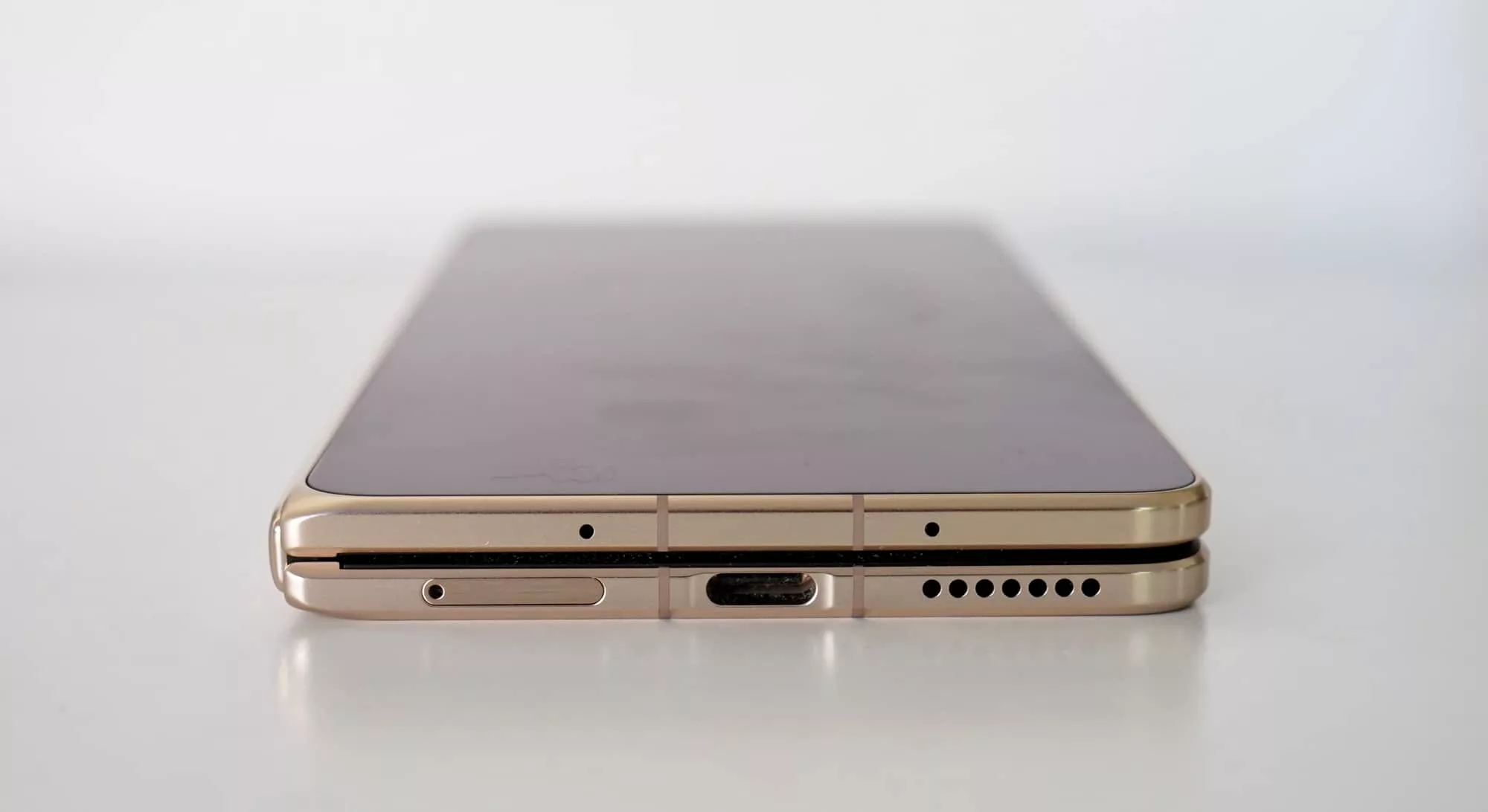
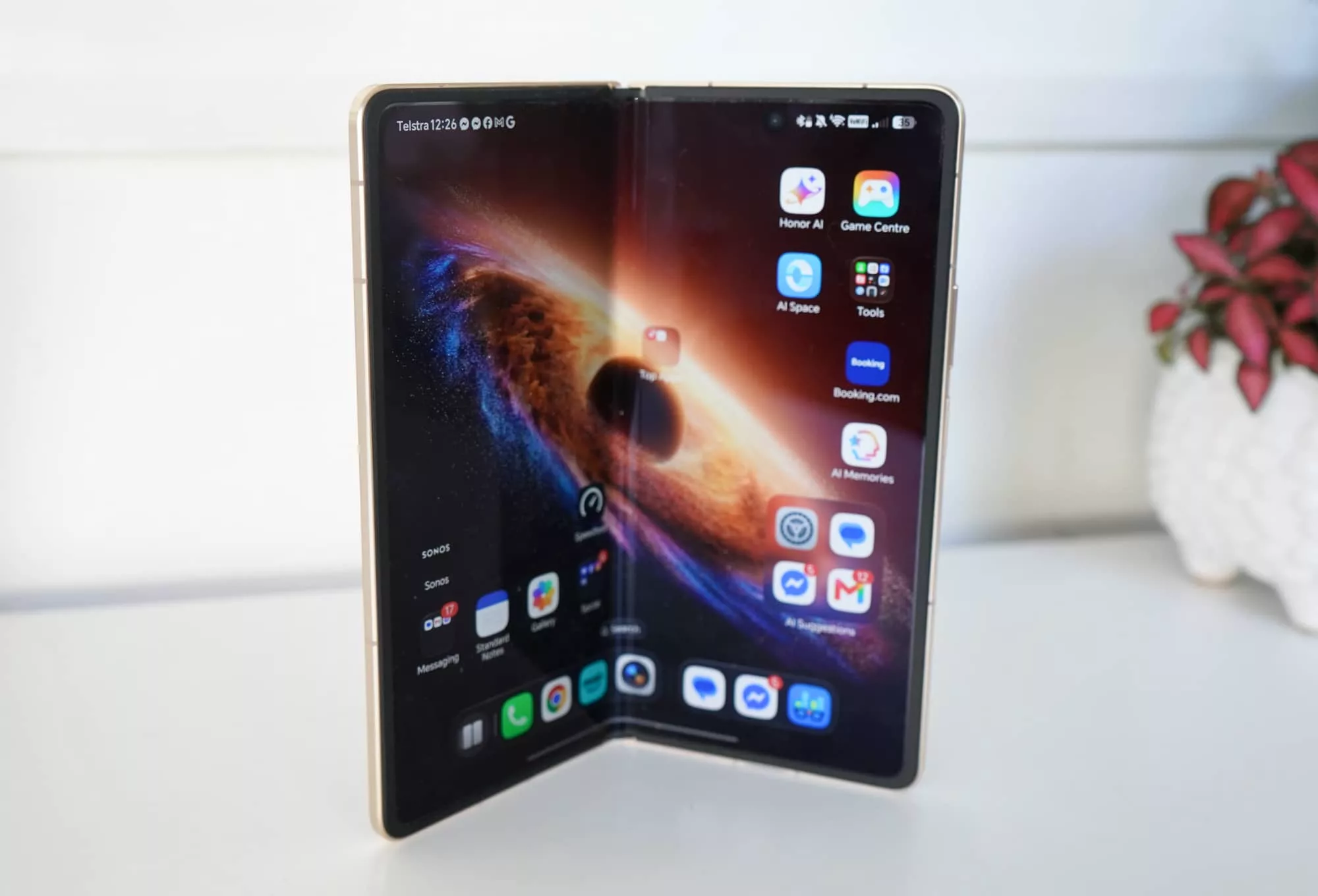
Built from a combination of metal and glass, with a little bit of plastic on the back depending on the variation of the Magic V6 you go for, Honor’s latest foldable is definitely built for the premium price tag is comes with.
The hinge sees steel in its structure, while the frame appears to be aluminium encasing glass on the screen and some plastic on the rear.
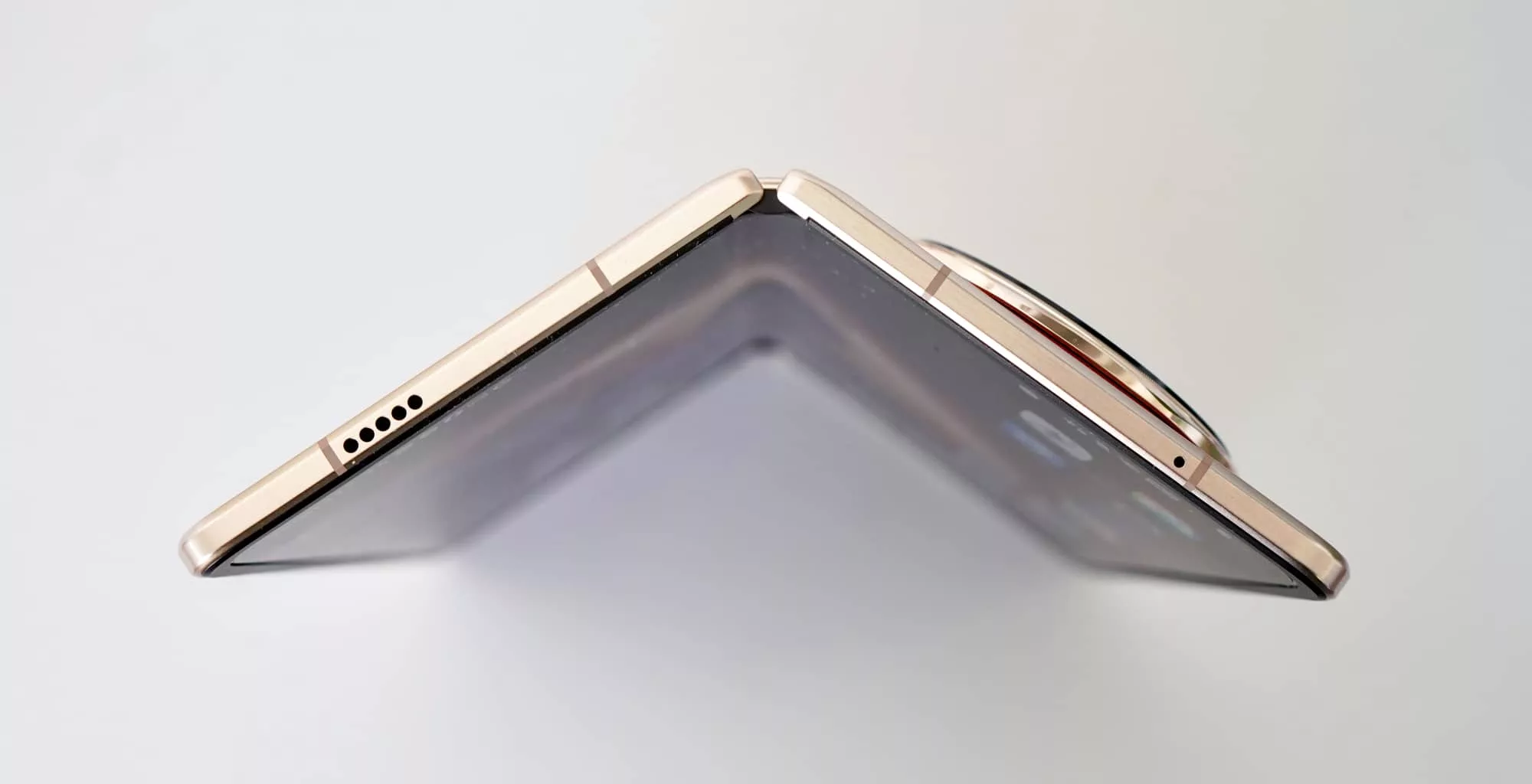
If you opt for the white version, you’ll actually find the slimmest variation and no obvious plastic, cover 4mm unfolded and an iPhone 17 Pro Max-matching 8.75mm, while the black and red variations are marginally bigger at 4.1mm unfolded and 9mm folded.
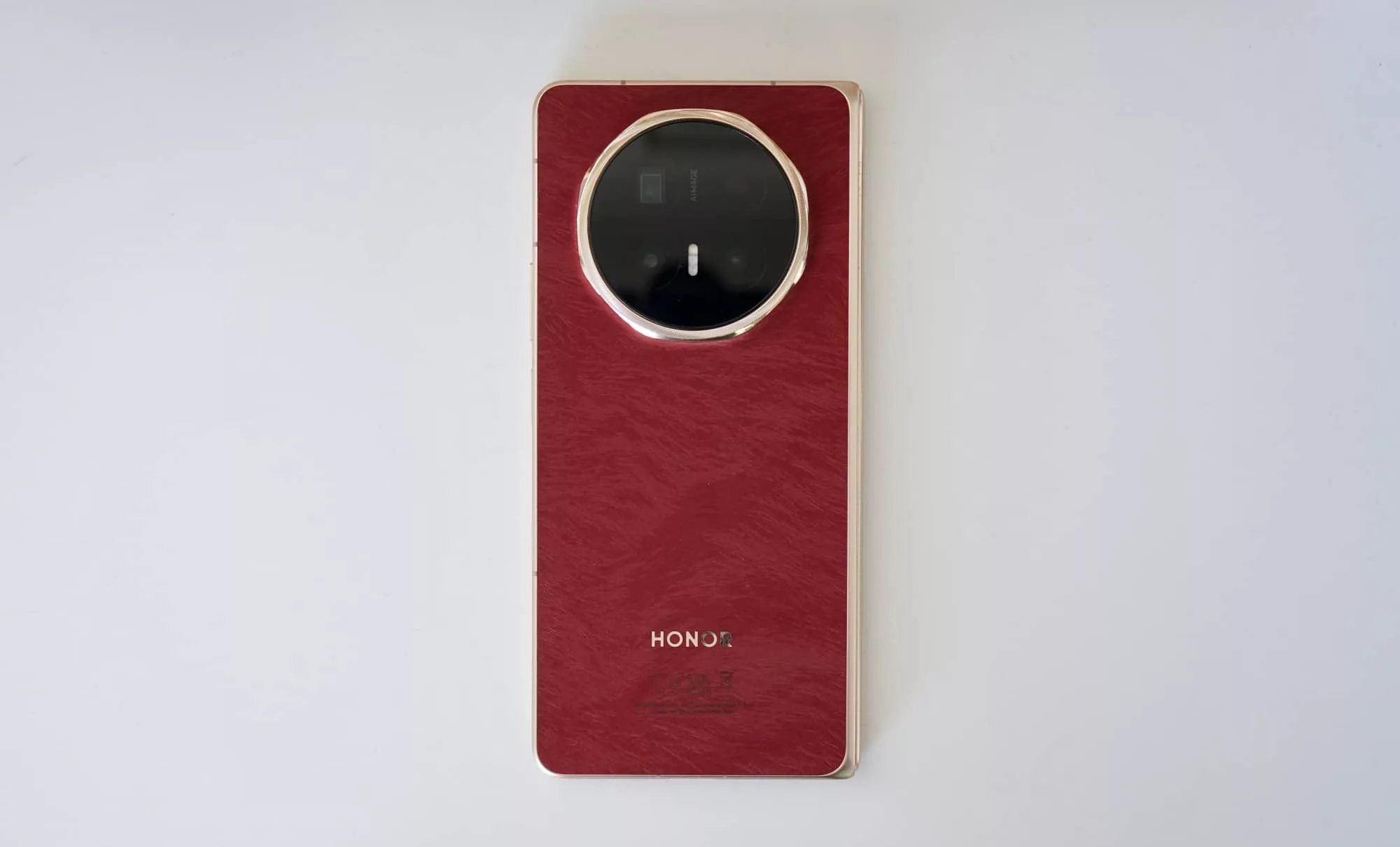
There’s also a difference in weight, with 219 grams for that slightly slimmer style in white, and 224 grams for either the black or the red. For the purposes of this review, we’re looking at the Honor Magic V6 in red.
Features
Whichever model you find your way to, the hardware is the same regardless.
Qualcomm’s Snapdragon 8 Elite Gen 5 appears under the hood, the same piece of hardware in the Leica Leitzphone, inside the clear competition that is the Oppo Find N6, and a variation of in the Samsung Galaxy S26 Ultra minus whatever tweaks Samsung does to its version.
It’s a chip matched with 16GB RAM and 512GB storage, the only configuration of the phone, and working with Android 16 and Honor’s overlay to it all, MagicOS 10.
The back sees three cameras, covering a 50 megapixel wide F1.6 camera, a 50 megapixel ultra-wide F2.2 camera, and a 64 megapixel 3X F2.5 telephoto, with only the wide and telephoto cameras supporting optical image stabilisation, should you need it. They will all support 4K video, but there are also two front cameras, both of which capture 20 megapixels at F2.2 and handle 4K video, as well.
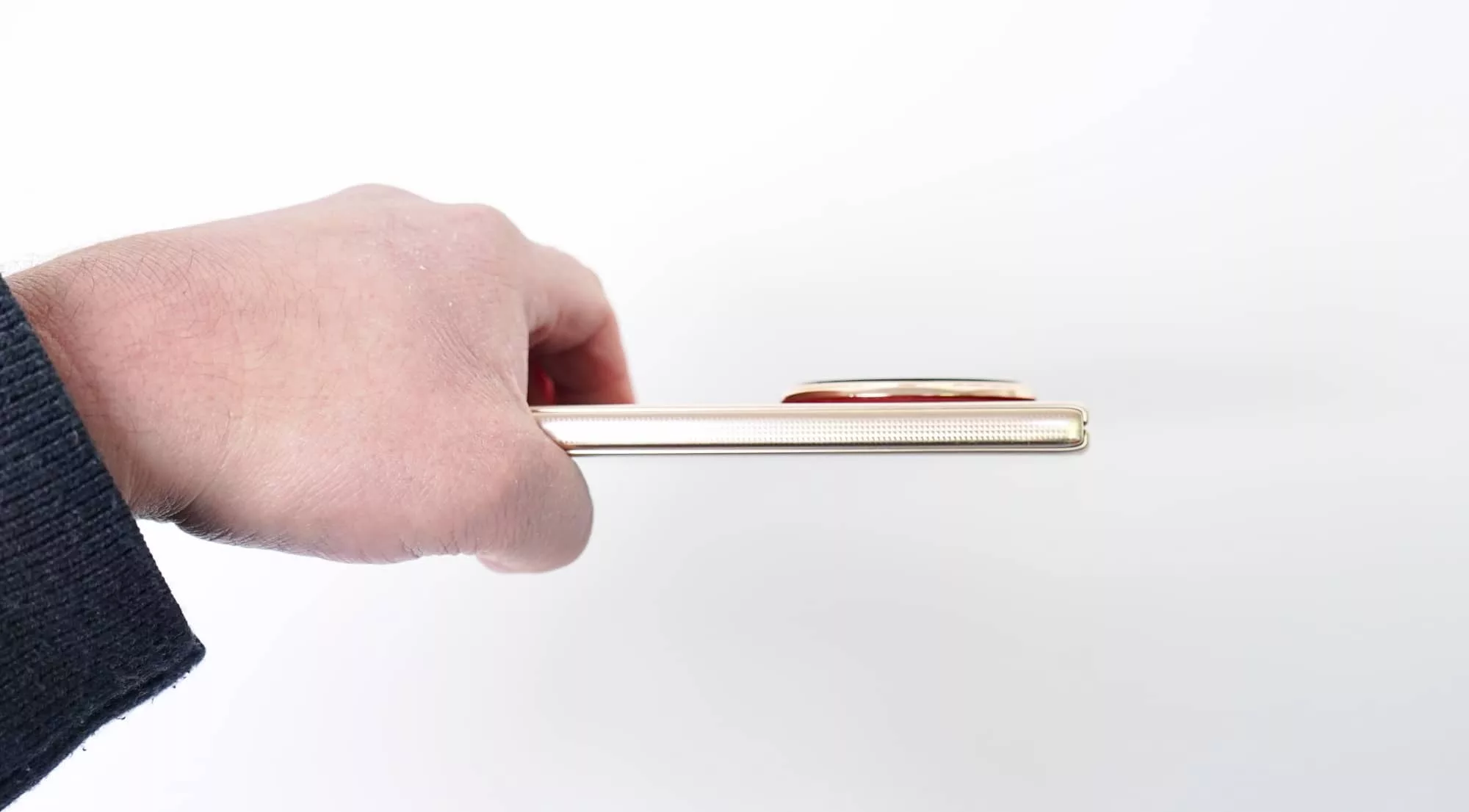
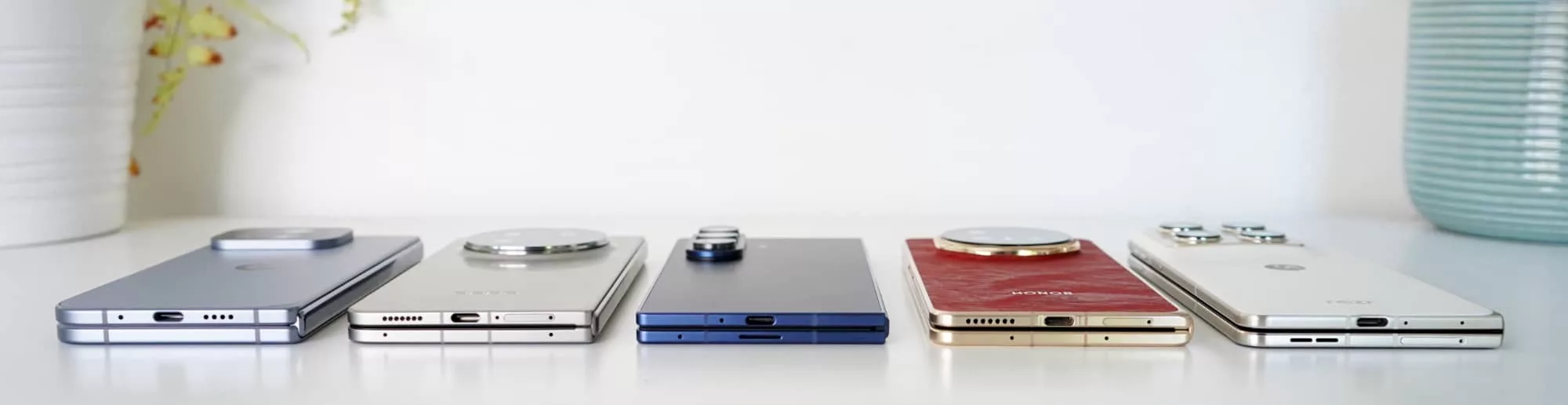
And then there are the connections, which sees a single wired data port via the USB-C port that’s almost the same thickness as the phone unfolded, while wireless is covered using 802.11a/b/g/n/ac/ax/be WiFi 7, Bluetooth 6, 4G and 5G, Near-Field Communication (NFC for Google Pay), GPS with GLONASS, and an infrared sensor if you want to turn that phone into a remote control for your TV or air conditioner.
The Honor Magic V6 also includes a 6660mAh battery with 80W wired fast charging and 66W wireless charging, but no official Qi2 support, it seems. The circular ring of magnets don’t seem to be a part of this design.
An IP68/69 water and dust resistance rating is, however, as is a fingerprint sensor, which is included under the power button on the right edge, just below the volume rocker.
Displays
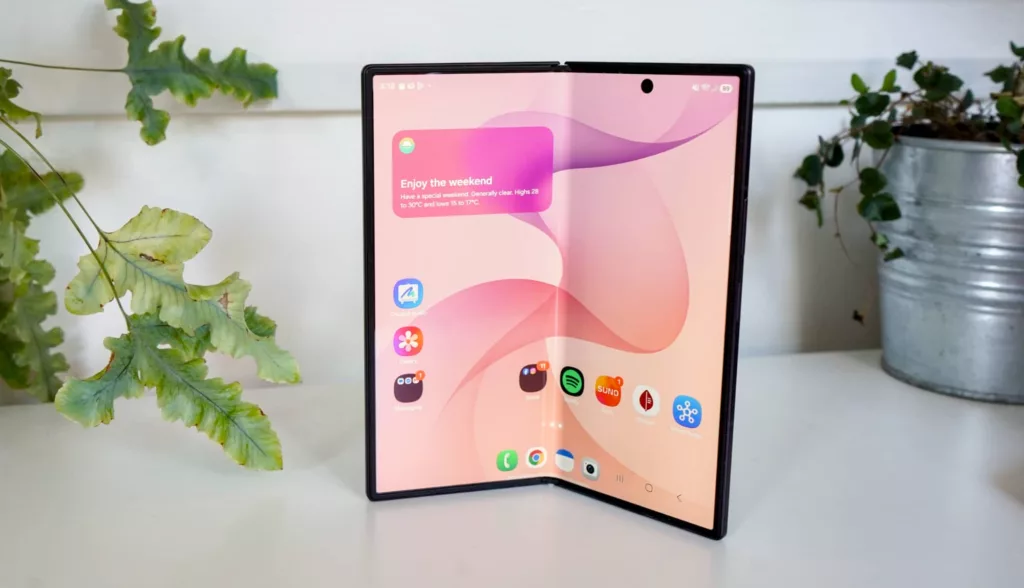
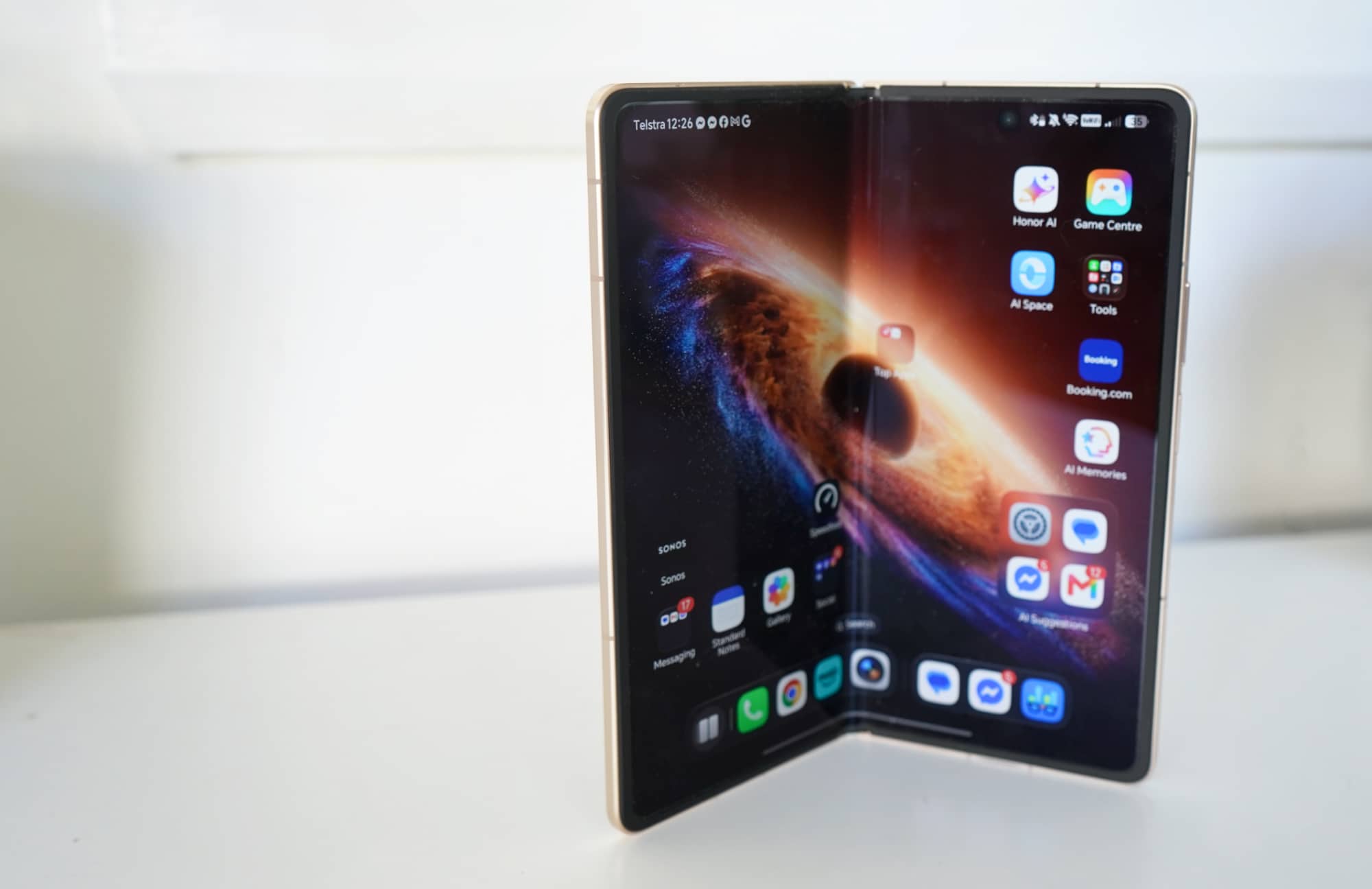
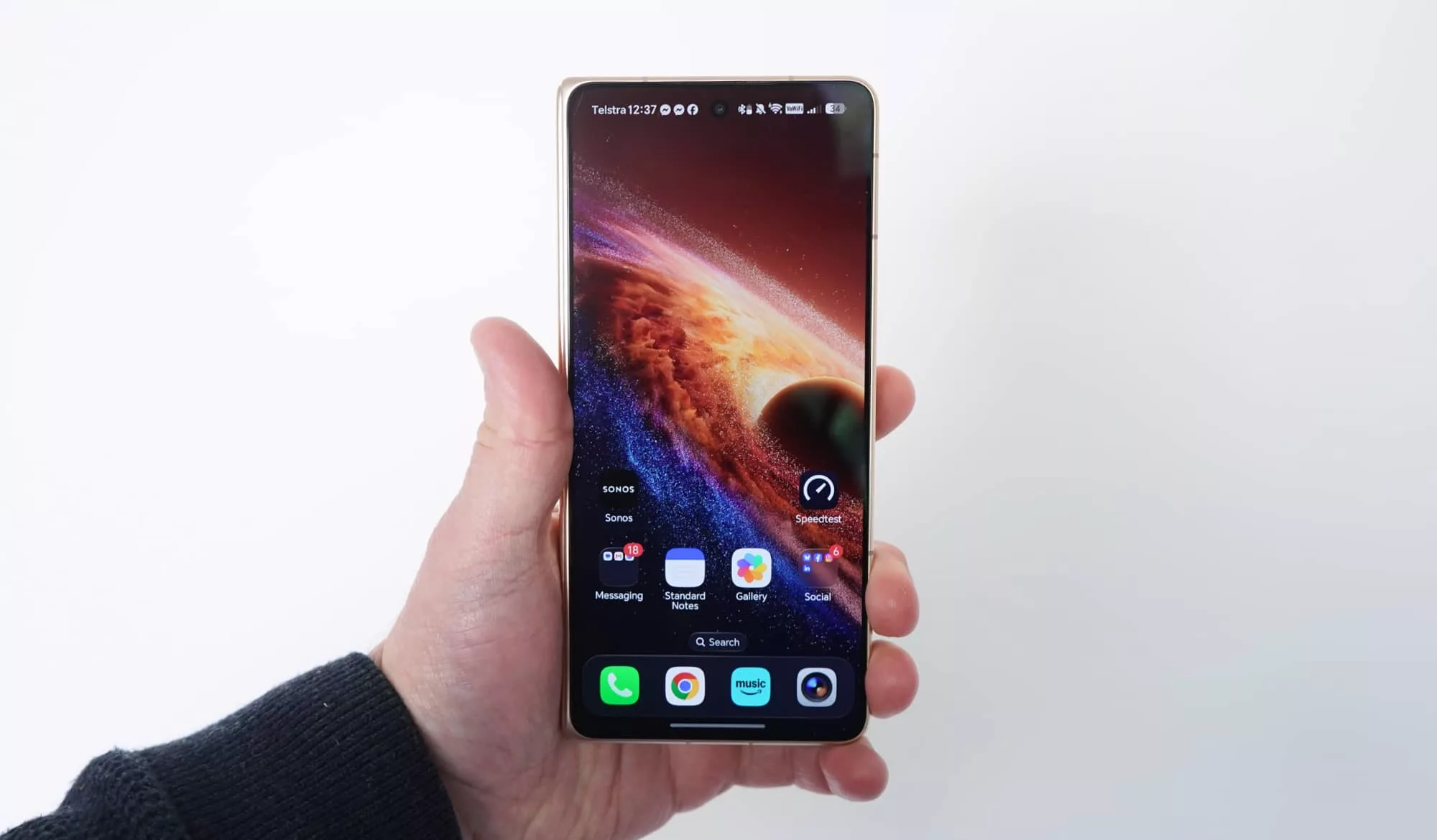
Like other foldable tablet hybrid variations, you’ll find two screens on the Magic V6, covering a 6.52 inch cover screen OLED running a resolution of 2402×1080, while the inside sees a foldable OLED of 2352×2172, making it an almost square display sized to 7.95 inches.
Essentially, the Honor Magic V6 offers a big phone experience with a nearly 8 inch tablet on the inside, albeit one without stylus support. It’s just your finger here, folks, like it is on the Google’s Pixel 10 Pro Fold.
Both screens feature a layer of anti-scratch, and they’re both easy on the eyes, with the inside screen looking particularly snazzy. It’s not quite as flat and crease-less as the Oppo Find N6, but it’s also not far off the mark.
You’d struggle to complain about the screens Honor is giving, that’s for sure.
In-use
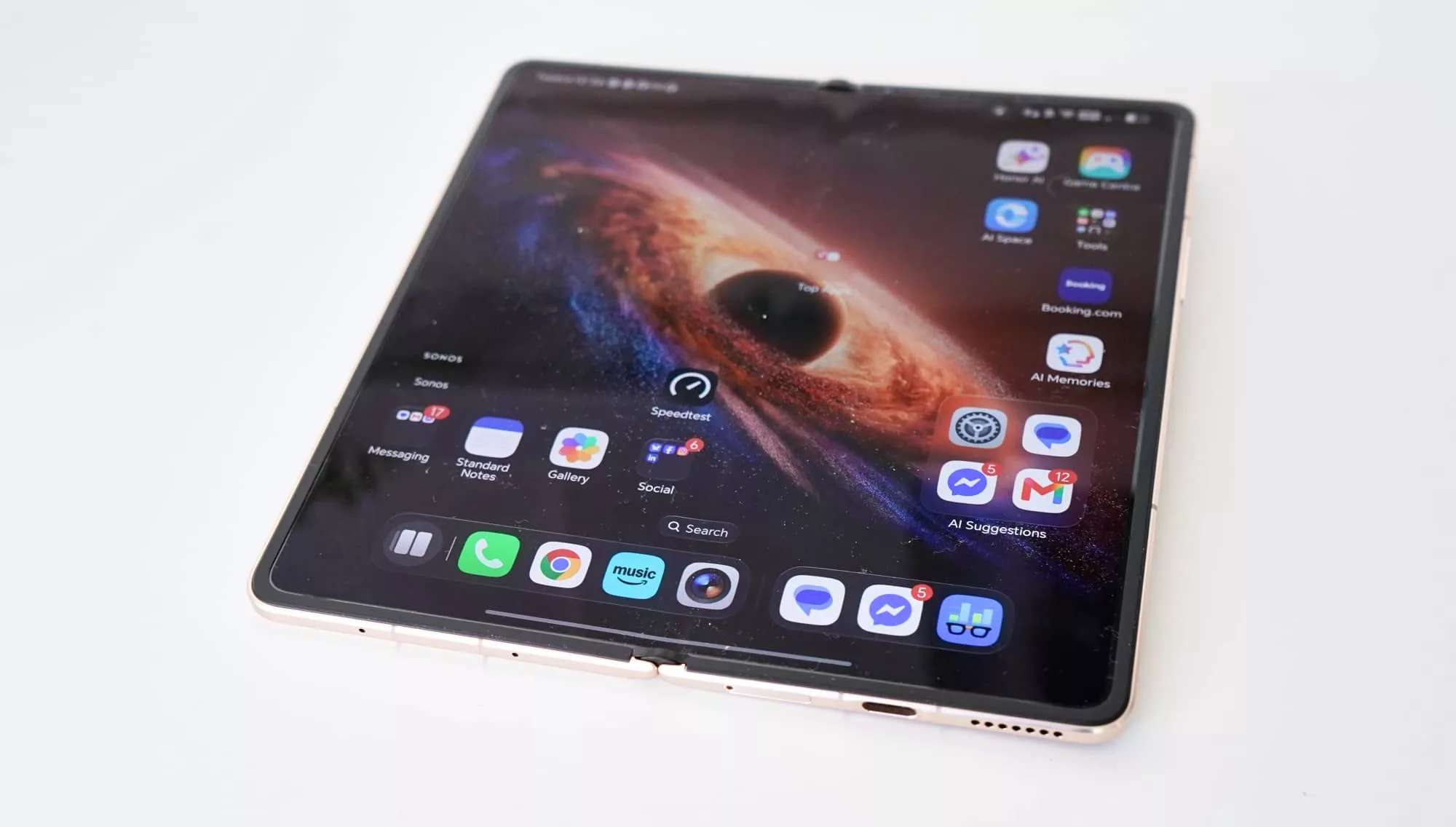
Grab the phone, switch it on, and one of two security features will let you in: either the front-facing camera on the outside or inside will scan your visage and take you in, or alternatively the fingerprint sensor hidden under the power button. They’re both speedy, and happen largely without thinking.
Once you’re in, MagicOS gives you a flavour of something similar to Google’s stock interpretation of Android, but with a few tweaks here and there.
There are tweaks to the style and card design of how widgets and shortcuts fit on the screen, AI app suggestions not out of kilter with what Apple does on iOS, and a quick layout feature to let you quickly set up split-screen app support.
AI features
Much like other devices released today, AI plays a part in what you get. Unlike other devices, however, Honor does seem like it is making a genuine attempt to find a way to make AI useful in a phone.
All of the features are optional, and arguably some don’t work as well as they should. But the attempt is there, and it is interesting.
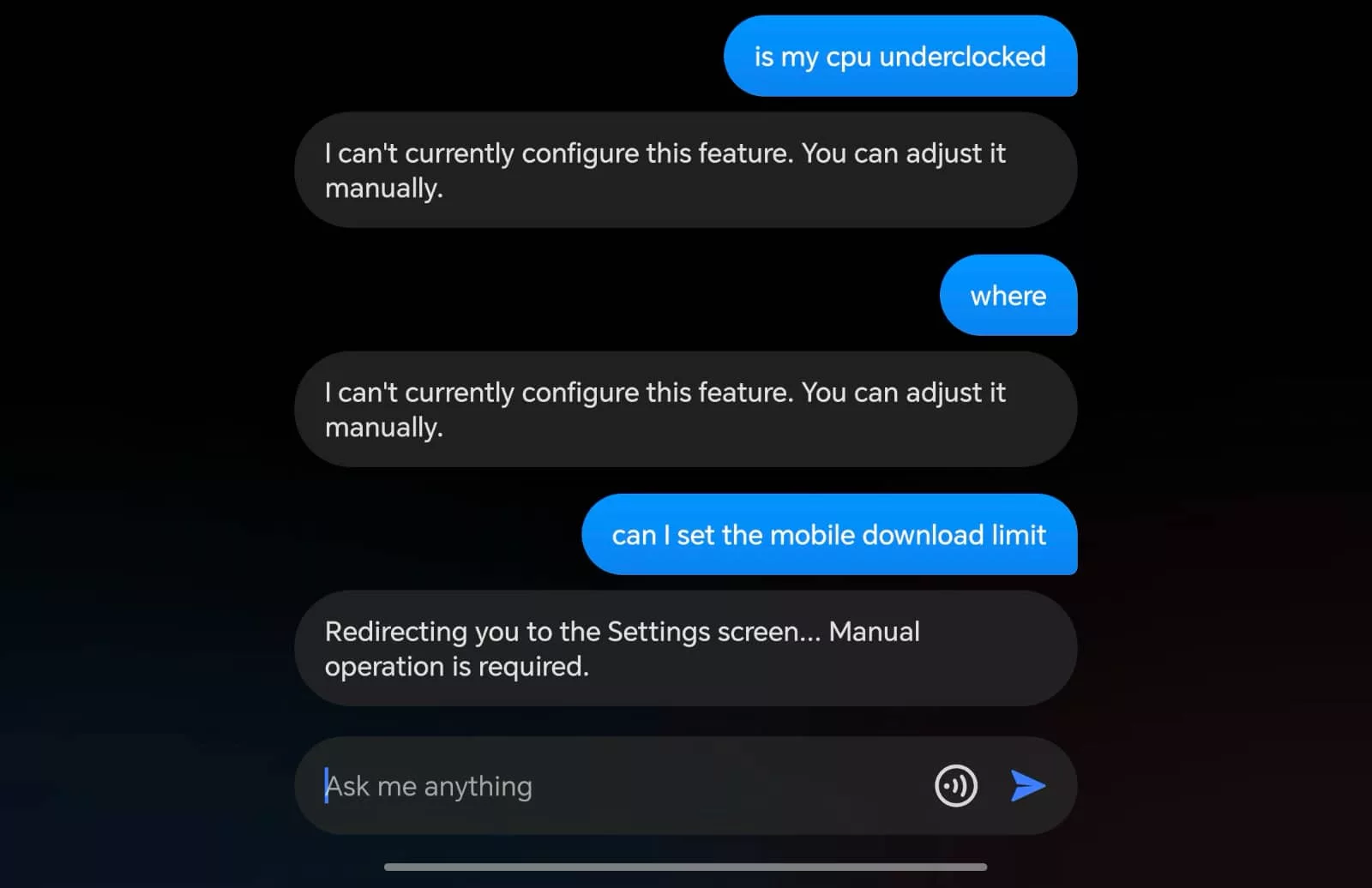
There are text edits and a security agent, the latter of which is built to help you make changes to the phone’s settings, but doesn’t have a lot of power. Ultimately, it feels like a gutless agent where you’d be faster working it out for yourself, finding quickly it doesn’t have a lot of features beyond the suggestions it makes.
You can also use an AI memories app to record moments, an app that feels as if Honor has taken a page out of Nothing’s AI Essential Space playbook, or pull up an AI-connected app sidebar (the “magic sidebar”) which can use AI to work out app shortcuts based on what you’re doing.
We found it doesn’t always come up when you try to bring it in, so it may not be that useful. Even the power button can become an AI button of sorts, triggering these apps with a double click.
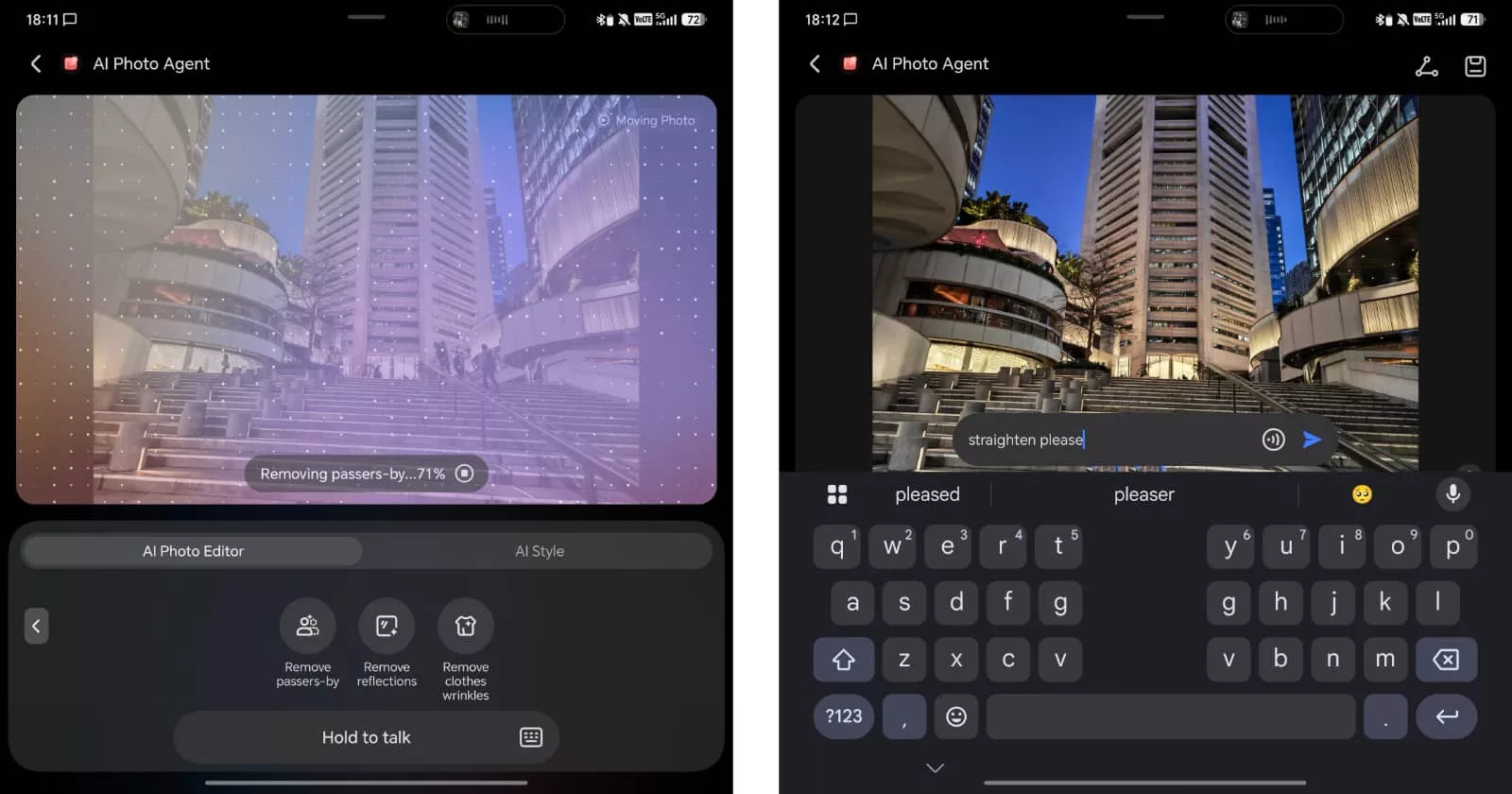
Most of the AI you’ll likely embrace comes from image edits, which will let you straighten a photo, automatically wipe people from scenes by cloning sections, change colour, styles, and upscale. It’s very much Honor’s take on Google’s Photos edits, only it some how feels like it’s been made a little easier at times on Honor’s end.
There’s also AI for subtitles, language translation, subtitles, and deepfake and voice cloning detection. There is a lot of AI functionality thrown into the Honor Magic V6 foldable.
If anything, it seems as though Honor has tried the “let’s make AI do as much as possible and let people decide” approach to AI, which is not terrible, even if it becomes another set of features you don’t necessarily care about.
Device integration
However, Honor does have some features you might care about. It’s not just going for a little bit of AI to impress. Rather, it’s also going for Mac-like integration, meaning if you have a MacBook or something like it, or even an iPad, the foldable maker wants to make it easy for you to join the dots.
It’s a change from the usual approach where Android and Mac doesn’t always play nicely. If you have one of each and you want the two to talk, you often need to have a degree in knowing what it is you should be doing,
Here on the Magic V6, Honor actually has a piece of software that can theoretically play nicely with the phone. Simply known as Honor WorkStation, it’s a small app to let you quickly send and receive files on your computer from the foldable phone, and supports iPad, as well, with options for a second screen.
If you ever wanted to know how a foldable could work beyond simply being a slightly bigger phone screen, turning it into an optional extra screen is sure handy.
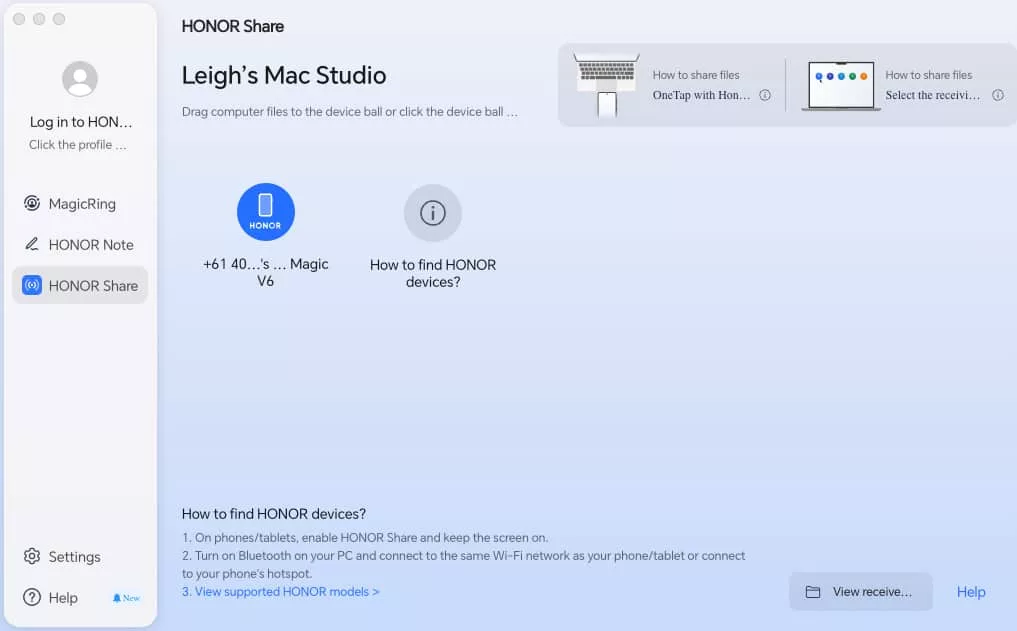
You can also easily send photos from one device to the other, a feature we suspect Honor has Qualcomm to thank, but works well with the computer software, too. It certainly makes for an easier integration than constantly uploading anything you want to Google Drive as a bit of a middle ground. A painful middle ground.
Having the software on-hand helps a lot, and is an interesting feature set we’ve not actually seen from most rivals.
Performance
Armed with the same chip as what we’ve seen in the Oppo Find N6 and Samsung S26 Ultra, the Honor Magic V6 should be as fast as the competition. It should really be as fast as every other Snapdragon 8 Elite Gen 5 chip.
The problem is it’s not. Benchmarks actually place the Magic V6 behind the competition using the same processor, and that’s kind of crazy.
| Device | CPU Single Core | CPU Multicore | GPU |
|---|---|---|---|
|
Honor Magic V6
Qualcomm Snapdragon 8 Elite Gen 5
|
1577
|
5968
|
20082
|
|
Leica Leitzphone
Qualcomm Snapdragon 8 Elite Gen 5
|
2943
|
7853
|
22317
|
|
Oppo Find N6
Qualcomm Snapdragon 8 Elite Gen 5
|
3590
|
9880
|
23066
|
|
Samsung Galaxy S26 Ultra
Qualcomm Snapdragon 8 Elite Gen 5
|
3660
|
11200
|
24842
|
It’s the same chip, but the speed isn’t the same at all. Everything is far lower, and we’ve asked why.
By the time this review went live, Honor hadn’t provided an answer, but the guess is that Honor has under-clocked the hardware intentionally. As to why, it might be possibly to inch a little battery life out of it, though the overall result is the phone is definitely slower, something we checked three times just to be sure.
Perhaps the good news from this test is that Honor’s Magic V6 doesn’t feel slower , or not significantly, anyway. While it is technically slower, you at least won’t feel like it’s getting you down. The Magic V6 just isn’t as fast.
That doesn’t mean the Magic V6 is a slouch, clearly applying pressure to older phones from the past year or two, even if it doesn’t have the chops to take on this year’s competition quite as clearly.
| Device | CPU Single Core | CPU Multicore | GPU |
|---|---|---|---|
|
Google Pixel 10 Pro XL
Google Tensor G5
|
2306
|
6280
|
3182
|
|
Samsung Galaxy S24 Ultra
Qualcomm Snapdragon 8 Gen 3
|
2200
|
6706
|
16491
|
|
Samsung Galaxy Z Fold 7
Qualcomm Snapdragon 8 Elite
|
3056
|
9621
|
19744
|
|
Honor Magic V6
Qualcomm Snapdragon 8 Elite Gen 5
|
1577
|
5968
|
20082
|
|
Oppo Find X8 Pro
MediaTek Dimensity 9400
|
2819
|
8444
|
20442
|
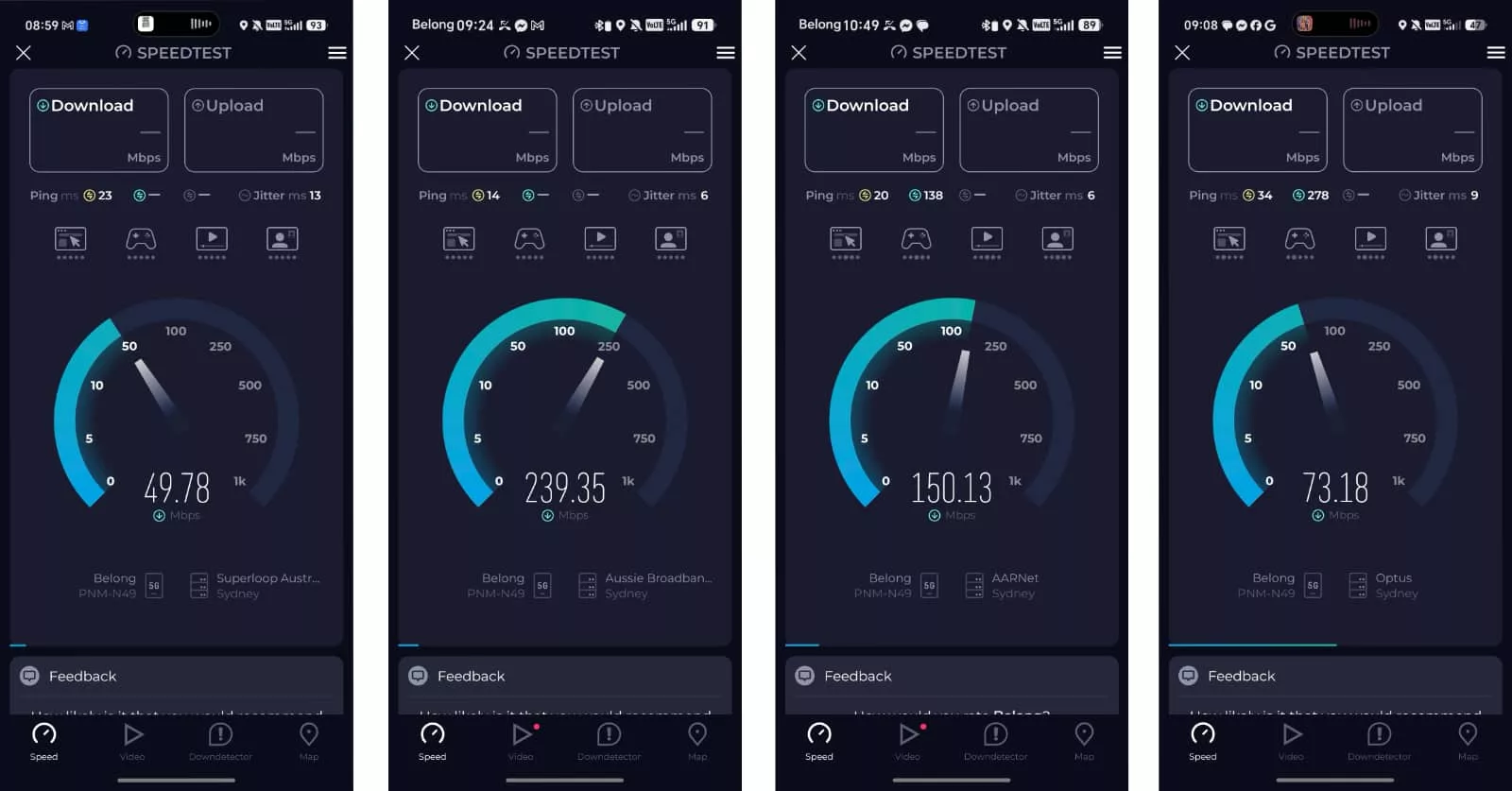
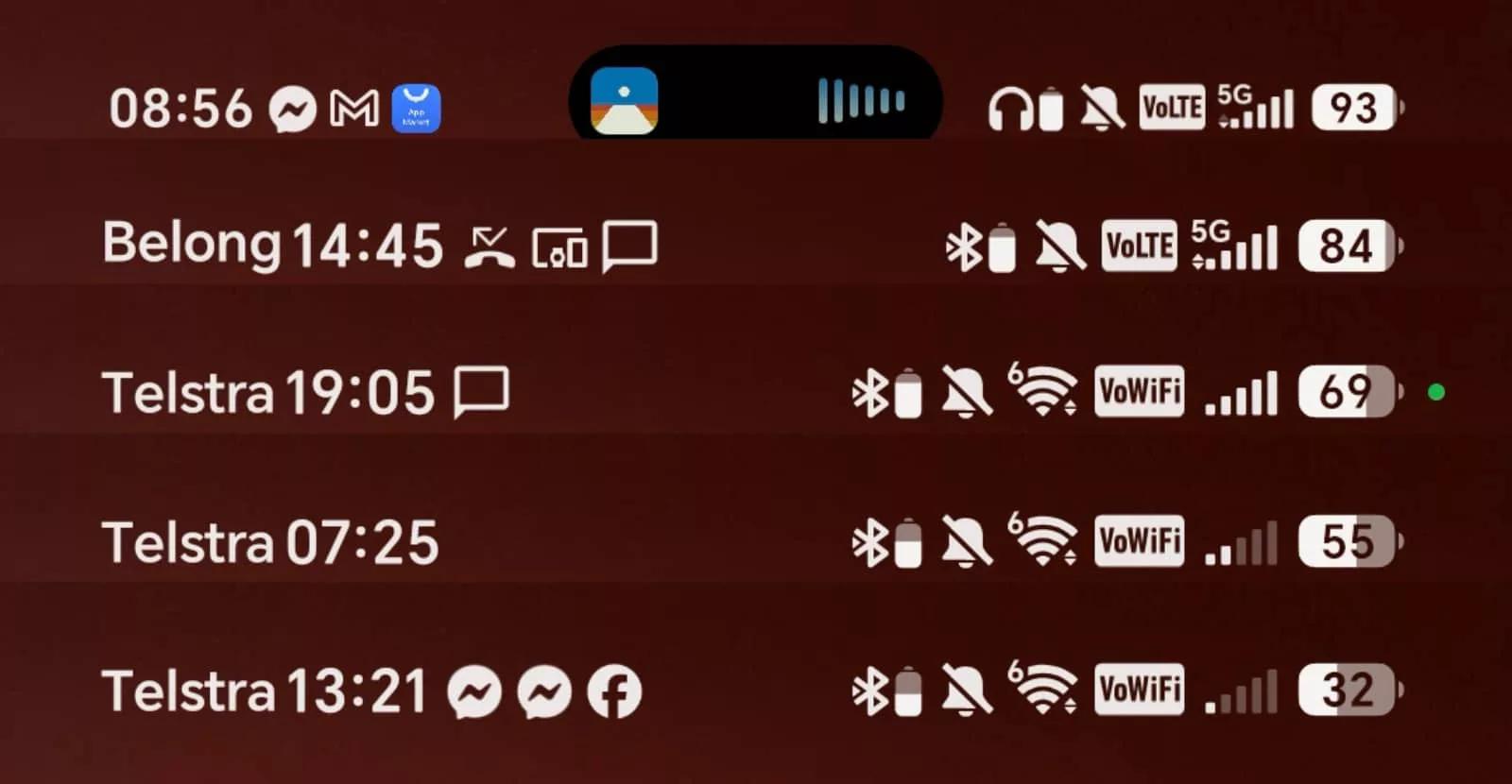
Over on the mobile side of things, there aren’t any obvious issues like there are with the chip performance. Mobile capability is pretty clear, seeing speeds as high as 466Mbps when we ran tests, using the extent of the Telstra 5G network by way of Belong.
Sufficed to say, at least the mobile side of things delivers the speed you crave, even if the main processor seems to struggle in comparison to other phones out there.
Camera
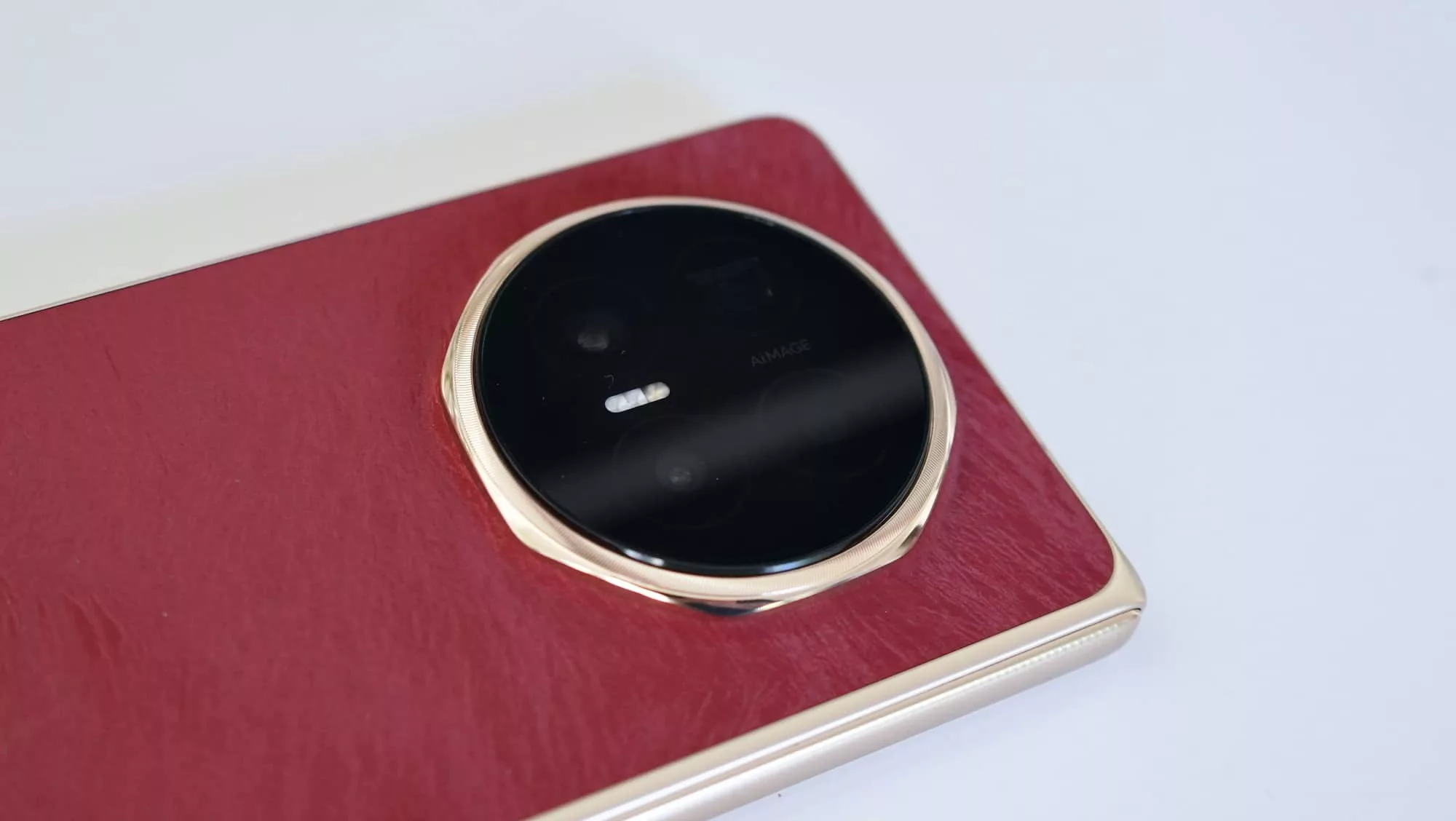
Flip the phone to the back and you’ll find three cameras covering three specific focal ranges: a wide 50 megapixel at F1.6, an ultra-wide 50 megapixel at F2.2, and a 3X telephoto 64 megapixel camera at F2.5. It’s a fairly decent assortment of megapixels and length, not that either tells you the whole story.
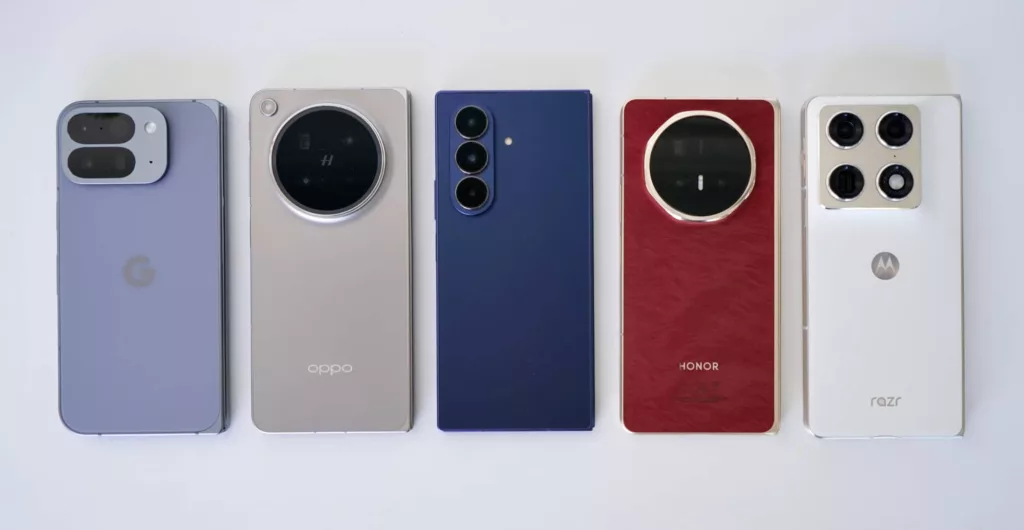
However, you can see judging by the back of the camera that AI will play a part, because this is an “AI camera” without any extra help from heritage camera brands. While Oppo uses Hasselblad and Xiaomi uses Leica, and we’ve seen Zeiss pop up on other brands, Honor is keeping things in-house with zero extra branding and solely some AI.
So what does it do? Possibly not as much as you might think.
For regular captures, images are clear in daylight, offering decent colours, though the clarity does feel at times it could be better. It’s a similar vibe when the lights lower, giving you a solid sense of colours from the scene, but not always nailing the sharpness from what you capture.
Edges don’t always seem as sharp as they should be, and can feel like the camera is doing some extra AI trickery possibly to get there.
One area that can surprise is moon photography, with the ability to lower the brightness on the camera and snag a moon shot. It’s a nice feature, though one that might also highlight the AI involved, as the moon becomes unnecessarily sharpened at times.





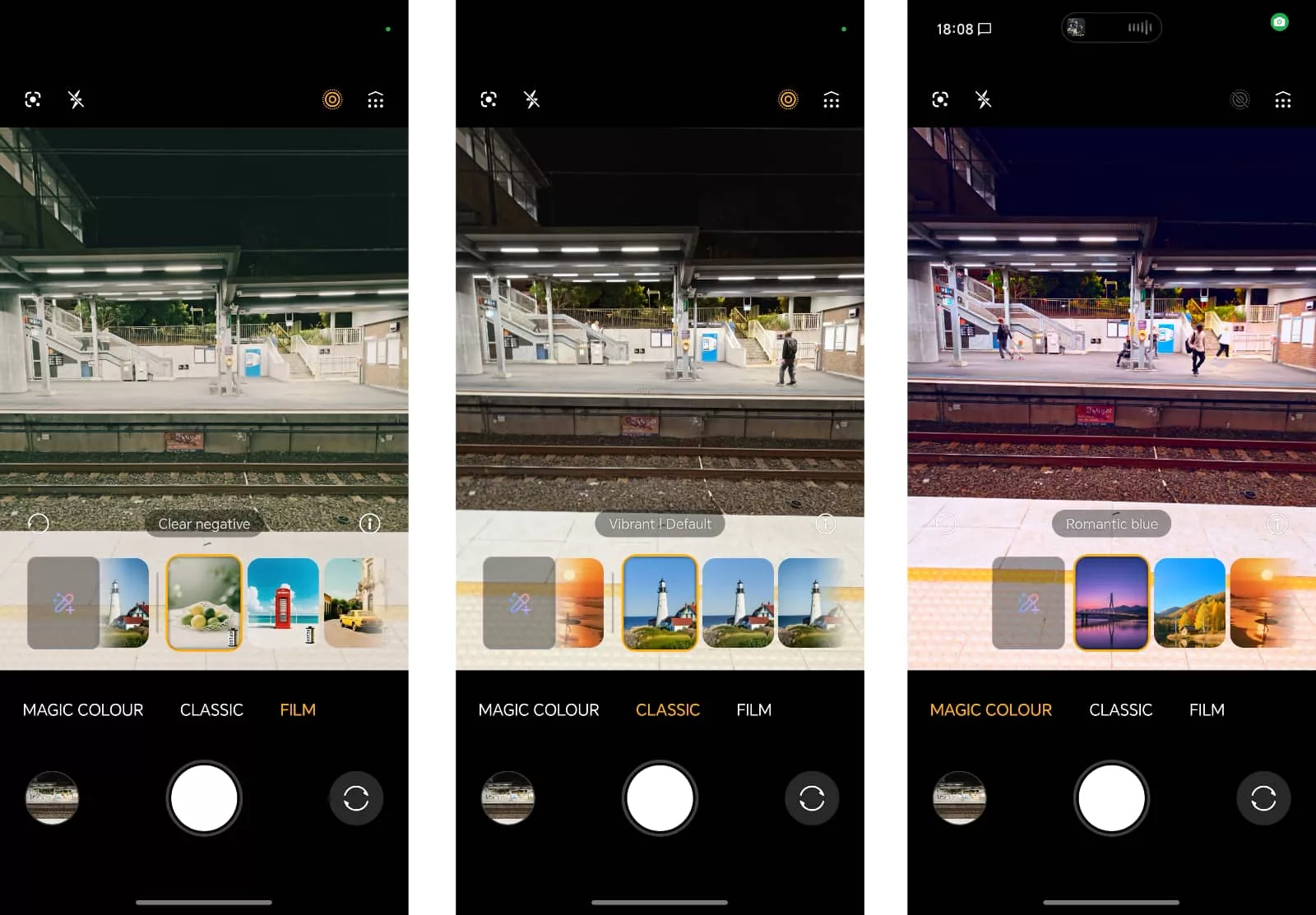
Overall, it’s a nice camera, though not necessarily an amazing camera. That said, Honor has attempted to make the camera more interesting, using an AI-connected film-like mode to let you change the colour filtration applied to the images.
It’s not quite like the film approaches used in the Leica Leitzphone, but does appear an attempt to give you some of what competitors offer, and can feel a little like a nod to the approaches that came out of Huawei and Leica back in the day, given Honor did used to be owned by Huawei long ago.
Battery
Battery life is one area Honor has absolutely nailed, and an area foldable phones often struggle in.
Running with as our regular daily driver, we experienced a good day and a half to two days was possible from the phone, provided you used the handset with around 5 to 6 hours of screen time alongside your regular activities.
That being said, our Battery Bench rundown also showed the Magic V6 had the chops to keep going if all you did was watch the screen for hours on end. In that test, the phone delivered over a day straight of just on-screen activity, outpacing pretty much every foldable we have seen prior.
Granted, that test was performed with the external 6.52 inch screen, and we suspect pitting it against the internal 7.95 inch display would probably give you much less. But sufficed to say, the result from the battery in this phone was stellar.
Between the 6660mAh silicon carbon battery and what we assume is an under-clocked CPU, Honor is getting more battery out of the phone than you’d otherwise expect.
| Device | Battery |
|---|---|
| Honor Magic V6 |
28:08
|
| Oppo Find N6 |
22:58
|
| Google Pixel 10 Pro Fold (cover screen) |
22:50
|
| Samsung Galaxy Z Fold 7 (cover screen) |
21:06
|
Value
The price even manage to feel a little more compelling than other foldables in its class, thanks in part to a sub-$3K price point. Granted, a whole dollar isn’t much under three thousand, but when foldable phones typically start north of that price, especially with 512GB storage, you can see that Honor is really trying to prove it has the strength to take on the competition.
In terms of sheer value, foldables don’t play that card easily, largely because anything approaching $3000 is difficult to account for. You are getting a phone and a tablet in the one device, with still fairly new foldable screen technology thrown in. This sort of tech commands a higher price as it is, and that’s difficult to argue against.
While the value is technically sound, we’d suggest that the omission of stylus support should make the Magic V6 cost a little less, but it’s a minor point.
Essentially, Honor has built something near enough to Samsung’s own Galaxy Z Fold 7, so the price is justifiable, albeit expensive all the same.
What needs work?
The price may ring alarm bells, but that’s typically par for the course in the world of foldables, so there’s no real concern here. But the processor speed difference is definitely impossible to ignore, as you are getting something clearly less powerful in testing.
We have asked Honor why the chip reads slower in our tests, and by the time the review was published, the phone company hadn’t provided a response or answer. Given the sheer difference in battery life between other foldables with the same processor, our guess is an underclocked processor is compromising the experience slightly.
Lower processor speeds in exchange for better battery life, a result many would probably take, though one that should also be optional. The fact that it’s not is confusing, and means you’re not quite getting the same high-end phone as others in its class.
| Device | CPU Single Core | CPU Multicore | GPU |
|---|---|---|---|
|
Honor Magic V6
|
1577
|
5968
|
20082
|
|
Oppo Find N6
|
3590
|
9880
|
23066
|
|
Honor Magic V6 (performance mode)
|
3016
|
9998
|
24007
|
|
Samsung Galaxy S26 Ultra
|
3660
|
11200
|
24842
|
Perhaps most interesting is that you can get the performance deserving of that chips back provided you’re fine with sacrificing the slightly better battery life, which is why we think Honor has taken this action.
By default, the phone is in “balanced” mode for battery life, but if you shift it into “performance”, the overall system and graphics performance goes up to where it should be, and where it is for other phones using the same hardware.
And interestingly, your battery life is exactly where we’d expect it compared to other similar models using the phone in performance mode. You can still get over a day with the battery in performance mode, but the life is a good four hours lower when the system’s processor is running the way it’s supposed to.
| Device | Battery |
|---|---|
| Honor Magic V6 |
28:08
|
| Honor Magic V6 (performance mode) |
23:27
|
| Oppo Find N6 |
22:58
|
It’s one of those decisions we clearly don’t agree with, and sits up there with the decision by Honor to include bloatware. Travel bloatware, at that.
Almost every phone has a degree of bloatware preinstalled, like when you get Facebook, LinkedIn, and Spotify on the phone out of the box. Annoying, but you’ll possibly use these apps.
But having Agoda and Booking, as well as a video app ReelShort preinstalled to begin with? That’s just crazy. Installing these kind of apps sits more in the category of your choice, and yet these come with the Magic V6. It’s just a taste of something so unnecessary, you have to wonder why Honor did, beyond clearly have a commercial arrangement and getting paid for it. No thank you.
We’d have preferred if Honor had spent the time getting aspects of the software right, rather than sell pre-installed bloatware, small as it is.

For instance, you need to set up the Honor ID if you want to link a computer with your phone, but the Honor ID system told us twice trying to link our Google account with Honor would be a security risk, even though it suggested it to us, and when an SMS code was sent, it neither came in and we could only “submit an appeal”.
It’s a combination of bugs and poor English translations that make the phone feel a little first-gen, despite its “V6” name. Honor has clearly been around a while, and yet these are the sorts of errors that shouldn’t be so obvious at this point.
They may even prevent you from using that integration, which is what happened in our case. We pushed on — we’re reviewers, and it’s largely the job — but it took over 30 minutes to make everything work, and frankly most people would give up by then.
When features take this much work, they largely become worthless.
Beyond this, the only other obvious quibbles are on a lack of magnetic Qi 2 support, and on look, as the colours of the Magic V6 have the potential to really divide.
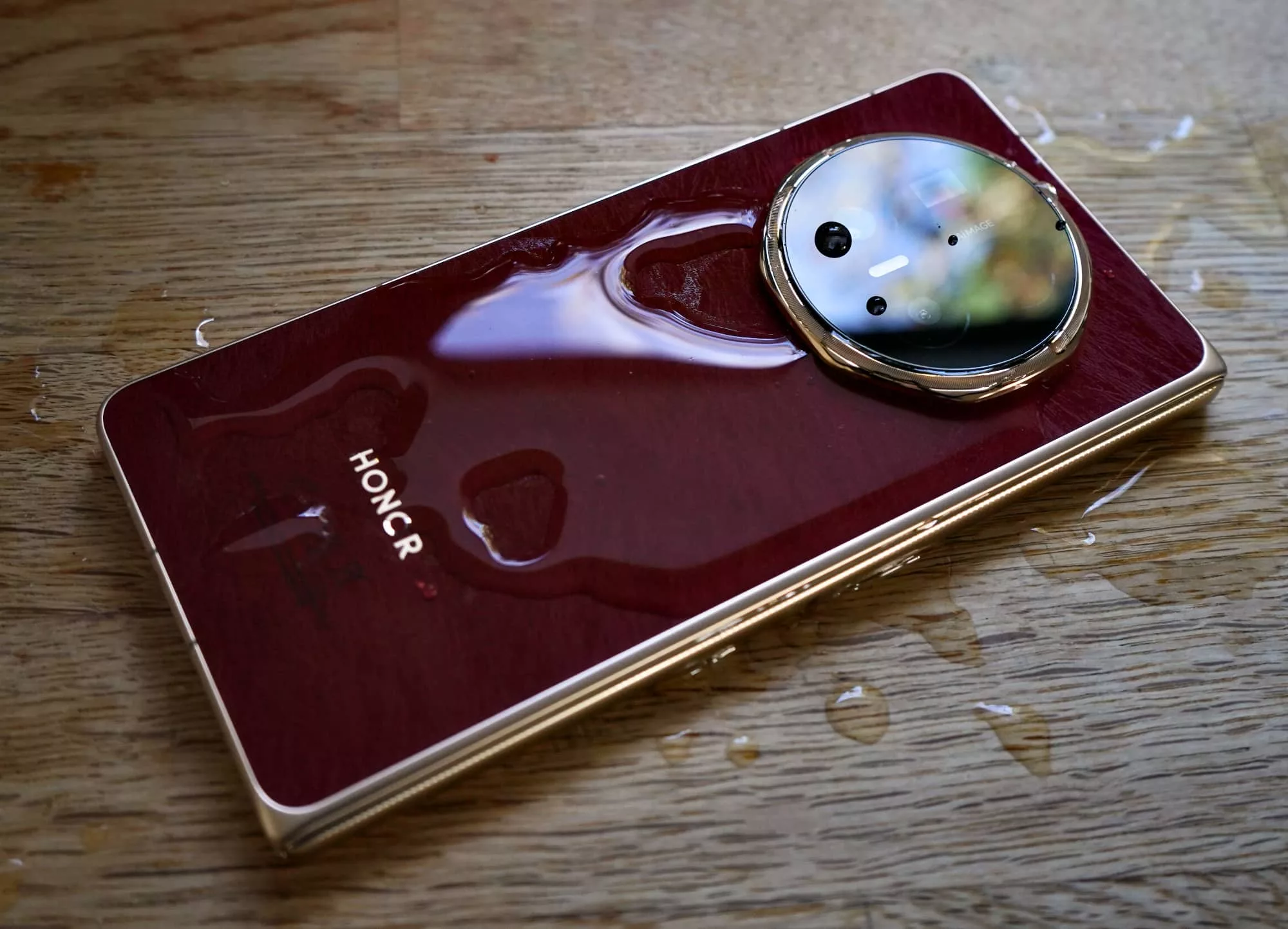
For our Magic V6 review, we were sent the gold-framed red-textured back, and it’s a look we didn’t really connect with. The rear was grippier than other foldables, making it easier to hold, but the look wasn’t something we really got into.
Fortunately, Honor also makes black and white variations on that theme. That’s a good thing; you get choice. They may even be a touch slimmer than the red textured variety we reviewed.
What we love
While the niggles are definitely there, and the omission of Qi2 is a little annoying, especially for such a high-end device, there are a lot of reasons to admire what Honor has delivered here.
For one, it’s relatively thin and light, and feels largely premium. Even that plastic back on the red version Honor provided makes the hardware grippy, meaning you’re less likely to drop it because it’s not slippery at all.
It’s a shame the style will easily divide; we’re not super-fans of the look, but we can see others who might dig it. Honor even includes an extra case in the back, complete with a fold-out kickstand that doubles as a camera ring guard of sorts, though it actually makes the balance on a flat surface even worse. It’s a bonus, sure, just not a thoroughly useful one.
What we really like, however, is just how much Honor is challenging the status quo here. As it is foldables are in a rather unique position of being both really high-end tech, and equally too expensive for most people. An iPhone Fold won’t probably change that, and the AI cost crunch clearly isn’t helping drop the prices fast enough.
So Honor’s challenge appears to be more like this: as big of a feature set as the company can offer to show itself as being different.
That means a fairly creaseless screen, more takes on trying to make AI useful, a design built to be both thin and durable, and even a bonus case. It’s not a perfect combination, but it’s definitely intriguing.
It’s surprisingly compelling.
Final thoughts (TLDR)
This surprisingly compelling package makes for one of the more interesting high-end phones of the year. It’s a great combination from a brand you probably don’t know about in a challenger fold.
While not perfect, the Honor Magic V6 can turn heads with an intriguing take on the big foldable that tries to do everything, except maybe bring the stylus to the table.
It’s almost everything bar the kitchen sink, but in a phone and tablet you can keep in your pocket. Definitely worth checking out, especially when the sales kick in, and maybe some of the patches and updates to fix the teething issues.
UPDATE (July 21): This review was updated with more detail about getting a faster performance out of the system, and what it does to the battery life, complete with new benchmarks. As such, we’ve updated the score rating to reflect the information, which has gone from 4 to 4.2.