
There’s a big event this week, and no, it’s not this writer’s. While winning the award for Best Consumer Technology Media this week definitely counts, it’s hardly quite as big as Apple’s big event: its 50th birthday.
Yes, the maker of the iPhone and iPad and arguably any computer with the word “Mac” in the title has turned 50. They’ve been making technology that long, and the company is celebrating it.
You probably remember the obvious Apple inventions and ideas that have changed the world of consumer electronics, such as the Apple II in 1973, the Apple Macintosh from 1984, the dawn of portable computing and the precursor to the iPhone that was 1993’s Apple Newtown, eventually followed up by 1998’s all-in-one desktop that was the iMac, and 1999’s obvious follow-up in the iBook.
There was also the iPod in 2001, a media player that forever changed media players, even though they existed before it, and 2008’s MacBook Air, the first properly successful ultra-thin laptop.
And of course, there’s the device that changed it all for Apple, 2007’s iPhone, arguably one of the most successful phones, and one that forced other manufacturers to respond. The world is now largely divided in two, with Android and iPhone making up most of the mobile world, something Apple clearly played a big part in.
But there are also the other less obvious but important Apple inventions and ideas you mightn’t think about, and chances are, you’ve used them without realising it. Not everything has been a huge success — recessed earphone jack and touch bar, we’re looking at you — but some are hugely important, and continue to make a difference today.
1. Unibody design
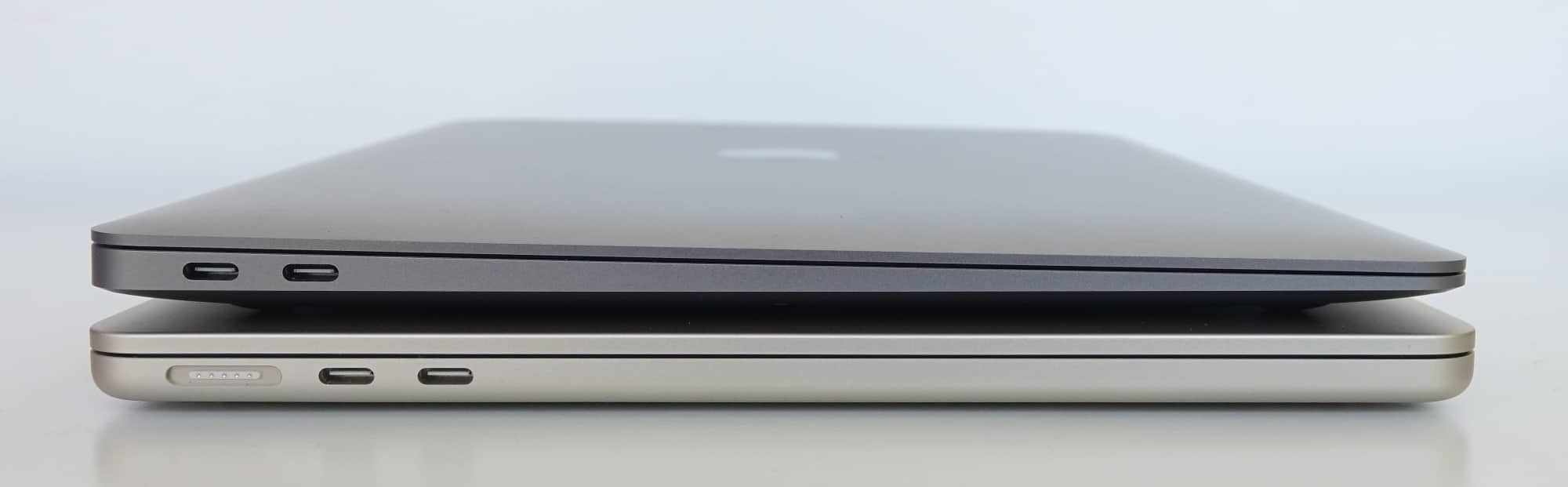
Remember when computers were assembled in pieces? Most still art, but at one point, Apple decided that wasn’t the way it wanted to be, and started making its laptops from aluminium.
And not just aluminium parts layered and wielded together, but rather a block of aluminium carved into the right casing. It could be used for a laptop or a phone, or even a tablet, with Apple’s use of unibody design basically being used for aluminium laptops in the MacBook Pro and polycarbonate (plastic) MacBooks, allowing them to be more durable because of that single block design.
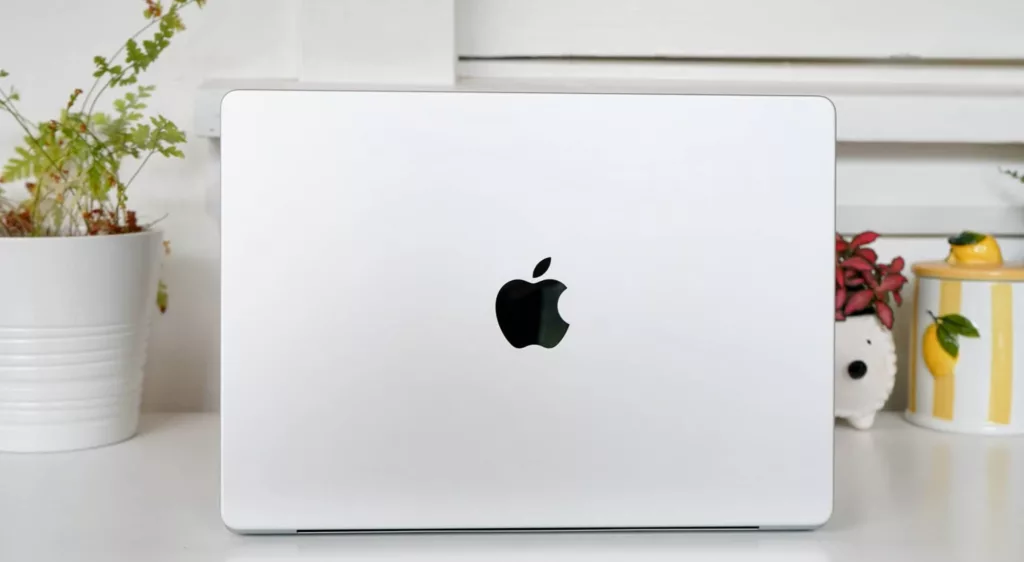
Even today’s MacBooks can be considered unibody, a design you can see when you look at the hardware, which lacks obvious joins, beyond the bottom screwed into place and holding all the parts, and the screen which is attached at the hinge.
2. The App Store

The iPhone may well have been the gadget that felt like it made Apple, but the App Store could be the one that changed everything. It didn’t even arrive with the first iPhone.
An online store where anyone could develop apps and sell them (or release them free) to owners of an iPhone and eventually an iPad, the App Store came after a bit of backlash. Originally, then-CEO Steve Jobs reportedly had no intention to let third-party developers build and release apps for iPhone, a move which forced developers to jailbreak the device and let them install apps (Cydia, anyone?).
But for the release of the second iPhone, the iPhone 3G, Apple has an App Store ready, and it has changed how we get our apps.
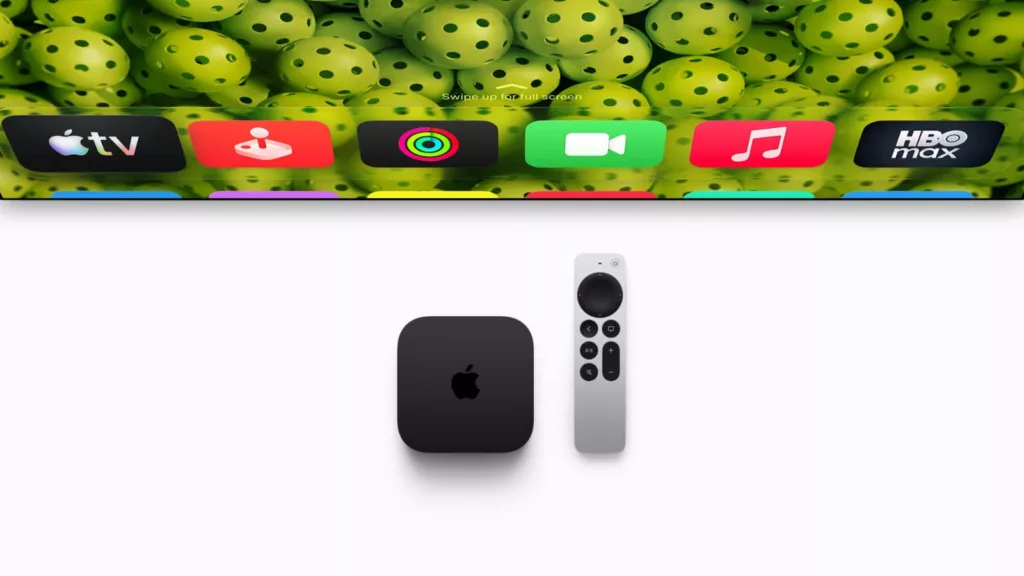
Now every platform has an “App Store”, whether it’s the Google Play Store for Android or the Windows Marketplace for Windows PCs. These days, the App Store serves the iPhone, iPad, Apple Watch, Apple TV, and Macs, and can see developers release their apps for the assortment of gadgets Apple makes.
3. USB-C
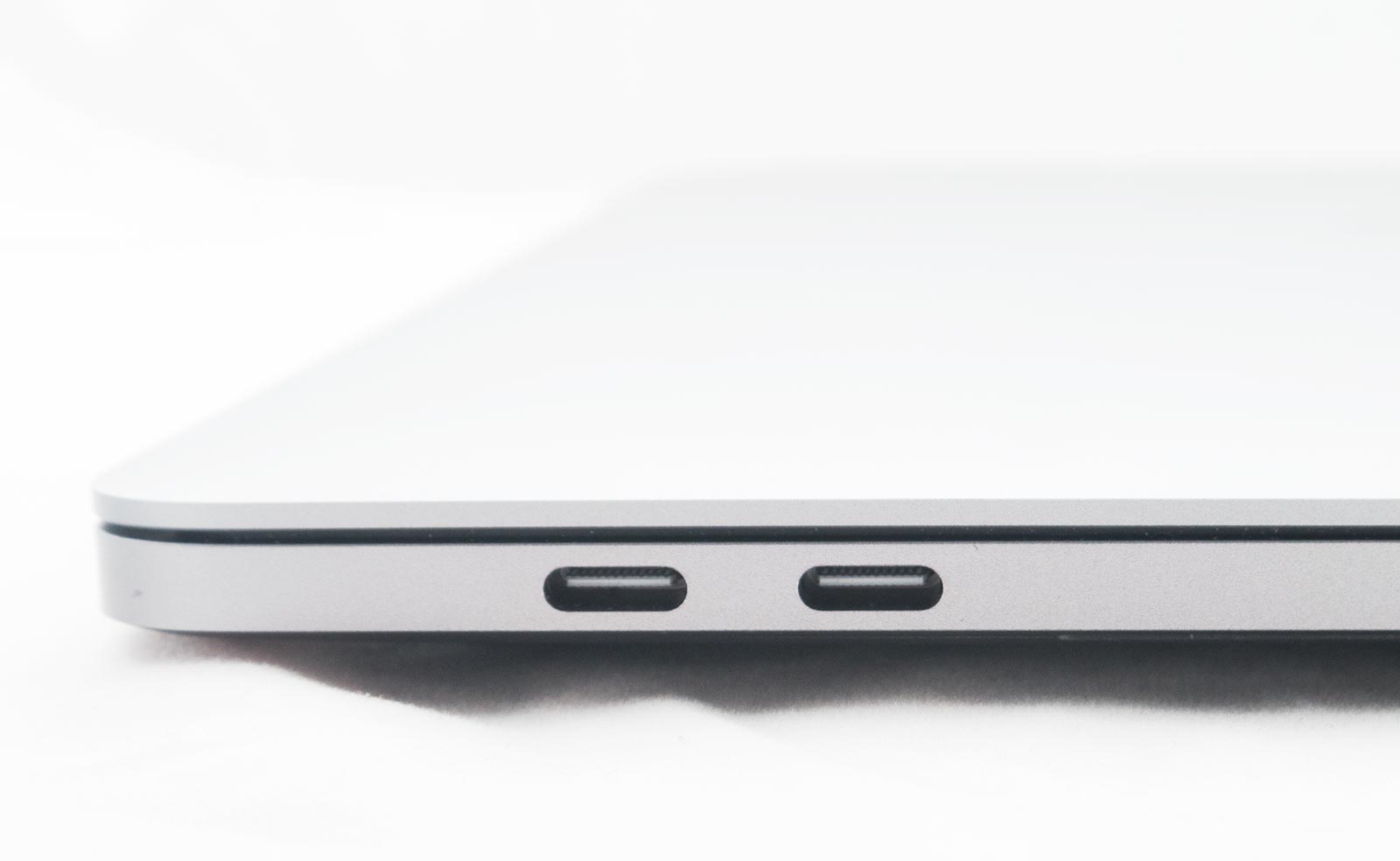
Apple has had a long history with ports, and while some have been loved, others less so. We’re not sure know of anyone who actually remembers the variations of Firewire ports fondly, but fortunately Apple’s efforts with the USB Implementer’s Forum (USB-IF) to build out the current generation of the technology has fared a little better.
In 2012, a group of companies belonging to the USB-IF started working on the format, including Apple, as well as Intel and Microsoft, which saw support for the plug port in Thunderbolt 3, as well.
Apple was already using Thunderbolt technologies in its gear, but behind the Mini DisplayPort connector. Together with the USB-C port, it meant Apple’s laptops could include video output, data, and charging in the one port, finding its way into the 2015 MacBook, before gradually expanding to other MacBooks, iPads, and eventually the iPhone.
USB Type-C isn’t entirely Apple’s, but the company had a big hand in making it happen.
4. Magnetic charging
That’s distinct to magnetic wireless charging, which is very much an Apple thing.
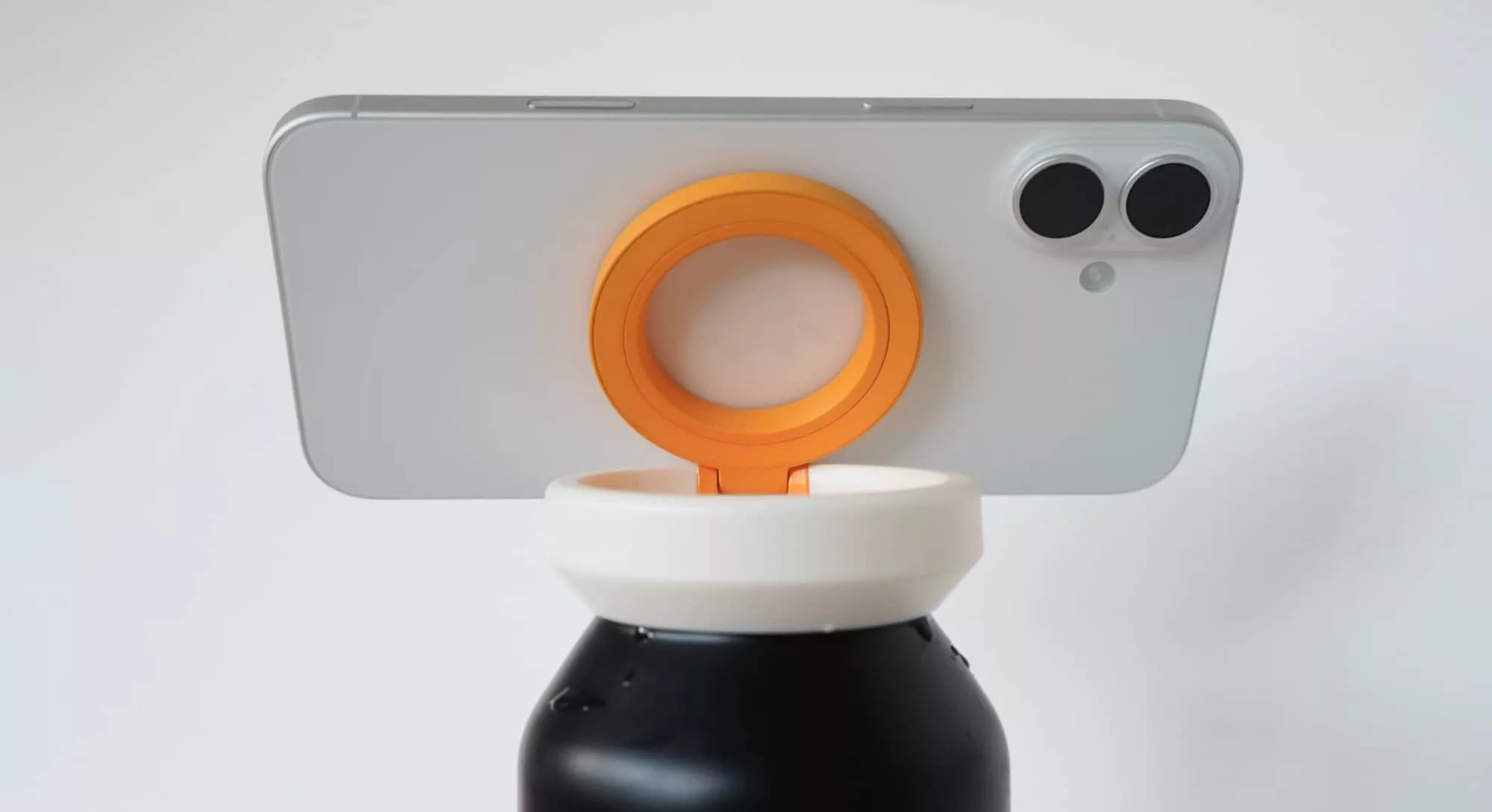
If you’re a fan of wireless charging, you have a lot of people to thank. But if you love charging using magnets, or more specifically, holding your phone in the right place and forcing the wireless charging to do its job better, you basically have Apple to thank.
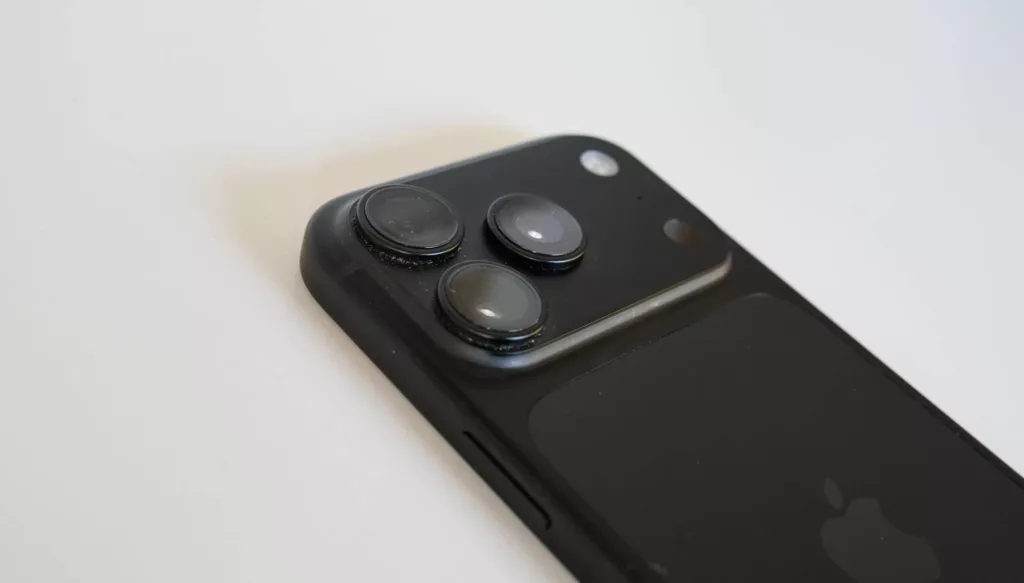
The idea behind magnetic charging is now cross-platform thanks to the introduction of Qi2, but the MagSafe format — which was named after one of Apple’s previous magnetic power connectors — used magnetic rings around a wireless charger, holding the wireless charger exactly where it needed to be.
Apple launched the technology on the iPhone 12, and it can now be found on the current iPhone range. The expansion of the concept to Qi2 means Android devices also get the technology, albeit in small numbers, as support is limited but growing.
5. AI-ready Apple Silicon
One final invention worth celebrating is Apple Silicon, also known as the chips inside the Macs, iPhones, and iPads today.
There’s a reason why we’re suggesting these, though. It’s not because the chips are great (they are), nor is it because they tend to be faster than what else is out there (they’re that, too).
No, it’s because they’ve included support for AI, machine learning, and neural processing for over five years, with Apple identifying the need for this technology very early on.
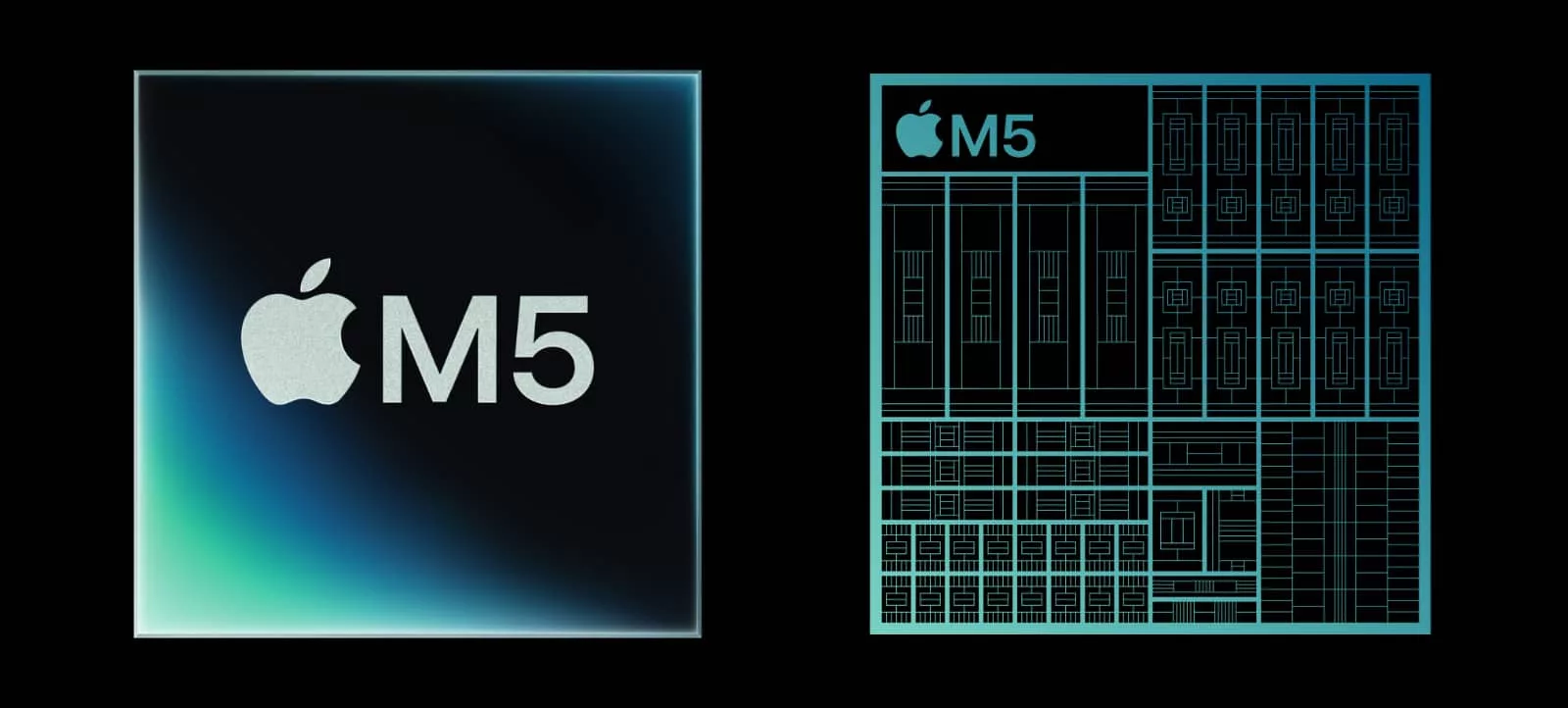
We don’t really think about Apple in the world of AI, largely because OpenAI’s ChatGPT, Google’s Gemini, and Anthropic’s Claude tend to occupy the conversations about that technology. But Apple’s processors on phone, tablet, laptop, and desktop have included neural processing power for years, and that means they’re technically able to run AI applications without access to the internet.
Most apps aren’t really there yet, but the feature has been built into laptops like the 2020 edition of the M1 MacBook Air, and plenty of phones and tablets in the past six years.
So while Apple may not be the brand you think of when the term “AI” pops up, it does support the technology, and has been making AI computers long before the whole “AI PC” term came out in late 2023.