
The world of 8K TVs might not have caught on yet thanks to the lack of 8K media, but that doesn’t mean it doesn’t have to exist, either. Movies can film and edit at higher resolutions than 4K Ultra HD and then be downsampled to match our tellies, while cinemas might run at higher resolutions than simply 4K.
You may not believe it, but there are bigger resolutions than 4K and 8K, and we are slowly, gradually marching towards them, though the content needs to exist, too.
Right now, if you have one of the handfuls of 8K TVs, your content is all upscaled to match. AI processors inside the TV work a little harder to bring content up to the 8K resolution, because there is virtually nothing out there available in 8K to watch. Not right now, anyway, but that could change… eventually.
If you’re someone who wants to change that, or maybe you want to capture in 8K so you have more flexibility in making something, you of course need a hefty camera to do your bidding. They exist, too, though their numbers are almost as small as the TVs.
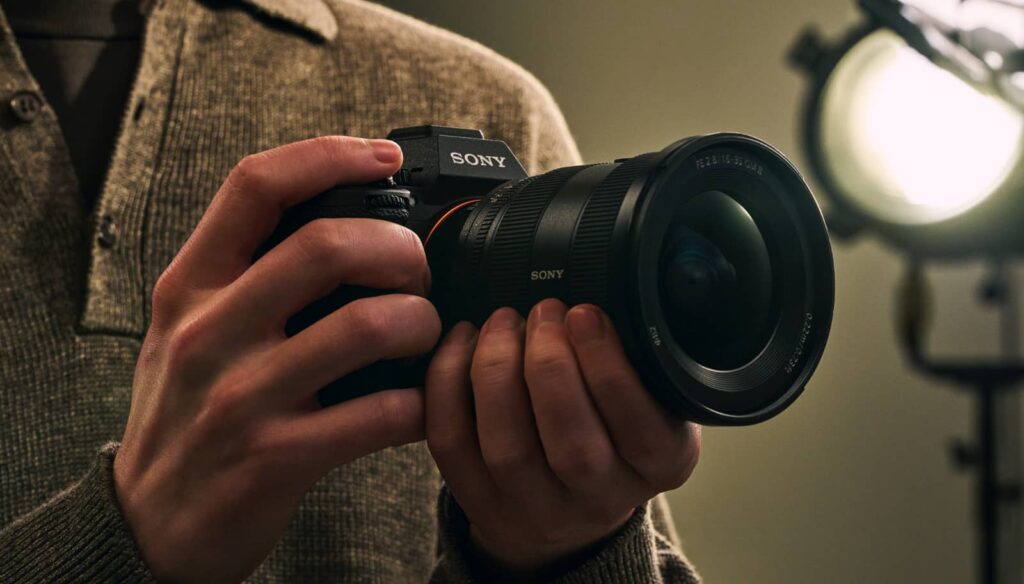
Sony is adding a new one shortly, as the sixth-generation of its A7R range looks set to bring 8K recording and a massive amount of megapixels to the Sony E-mount lenses.
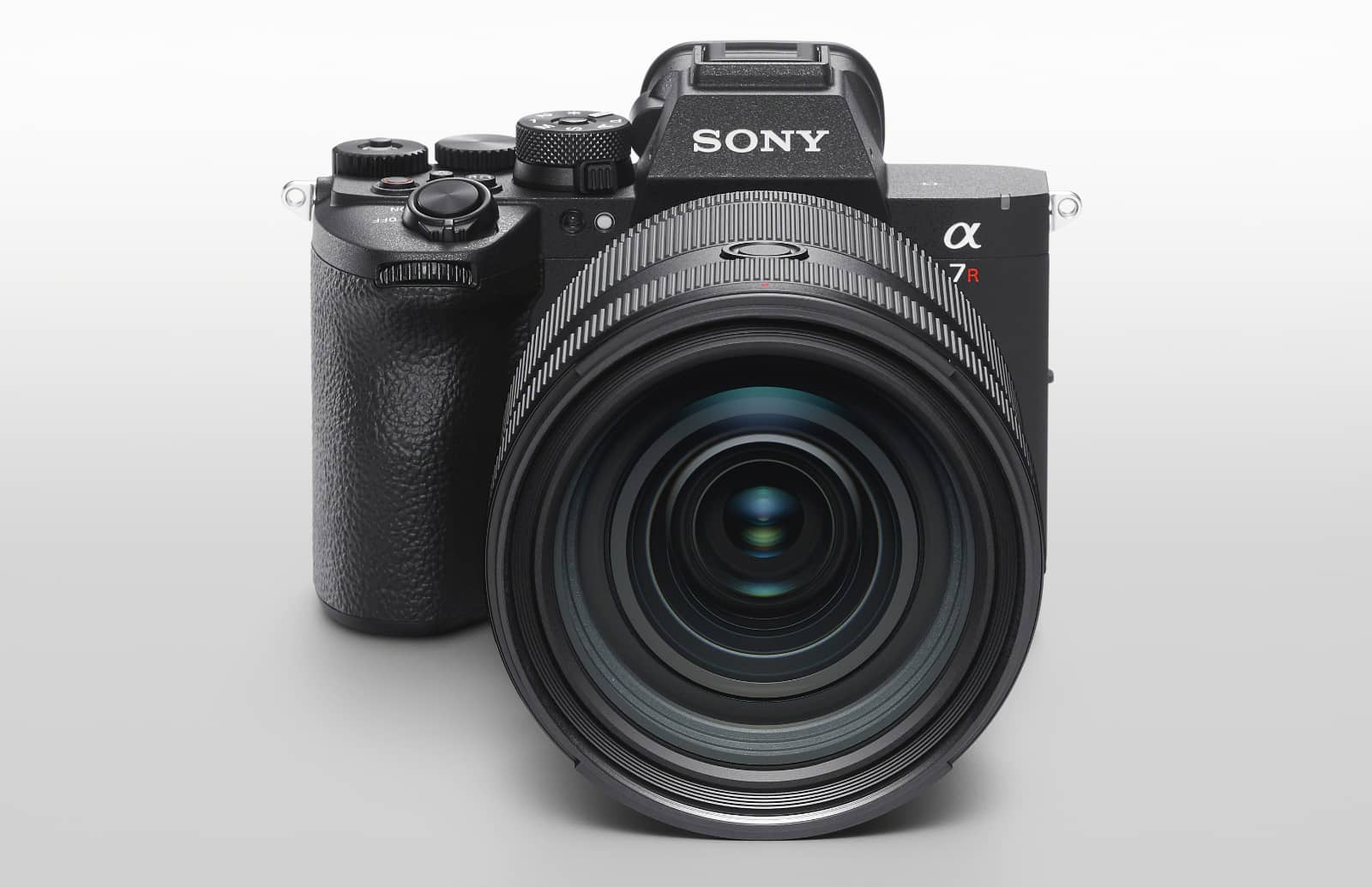
The latest model is the Sony Alpha 7R VI, another of Sony’s full-frame mirrorless cameras that this time comes with a staggering 66.8 megapixels and up to 16 stops of dynamic range, as well as a new processing unit in the Bionz XR2, an AI system that helps the sensor capture more quickly and with faster auto-focus.
Officially, the XR2 can handle up to 30 frames per second, with up to 60 autofocus and exposure calculations per second, essentially ensuring clarity as you capture.
Getting these shots will see a new battery able to capture up to 710 images per recharge, and there’s a compact-yet-sharp 9.44 million dot OLED viewfinder, as well.
Of particular note is what happens on the video side of things. Since all mirrorless cameras handle imagery and video, Sony’s A7R VI can capture 8K video using an 8.2K sensor oversampling to get a little more quality in. If you don’t need 8K, you can also bring the capture down to 4K running at both 60p and 120p for smooth motion, providing options.
Depending on the battery setup, you can capture up to 120 minutes of uninterrupted recording at 8K, though you may need to bring a better battery, or even plug in a power bank as you capture. There’s good news, though: the A7R 6 also includes two USB-C ports, so you can use one for power and one for data, handy if you need to keep it charged while doing something else.
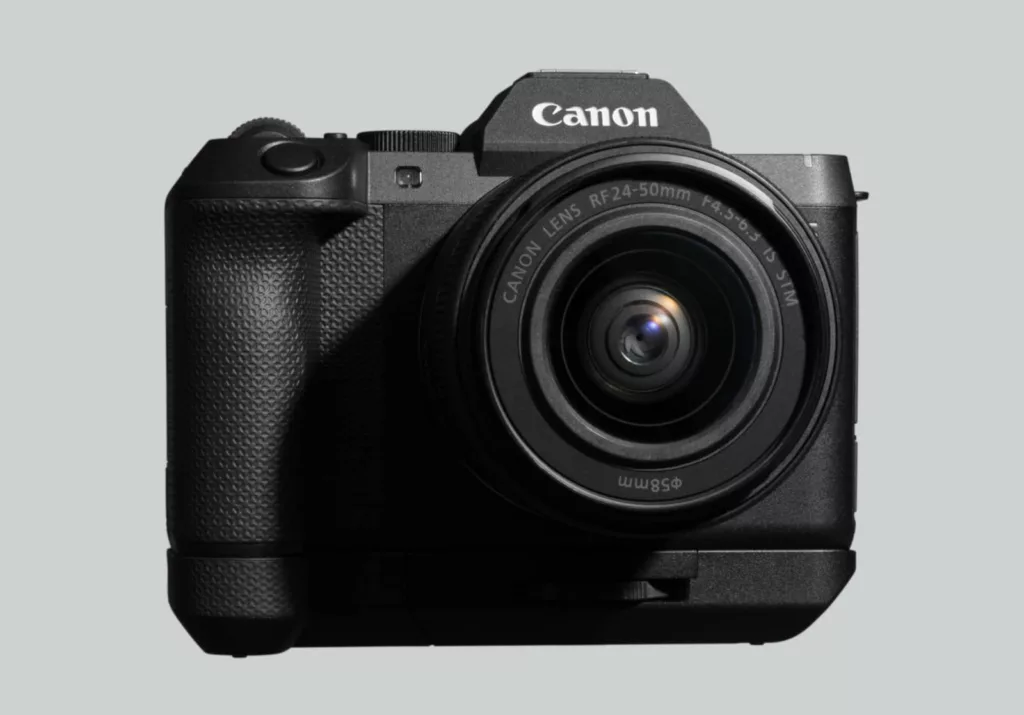
Unlike Canon’s recently announced R6 V video-focused mirrorless, the A7R VI doesn’t appear to have its own included wireless microphone in the box. However, its sixth-gen A7R will have 32-bit 96kHz recording in the camera when paired with an optional XLR adaptor, the XLR-A4, which allows you to plug in as many as four microphones, covering XLR and 3.5mm jacks.
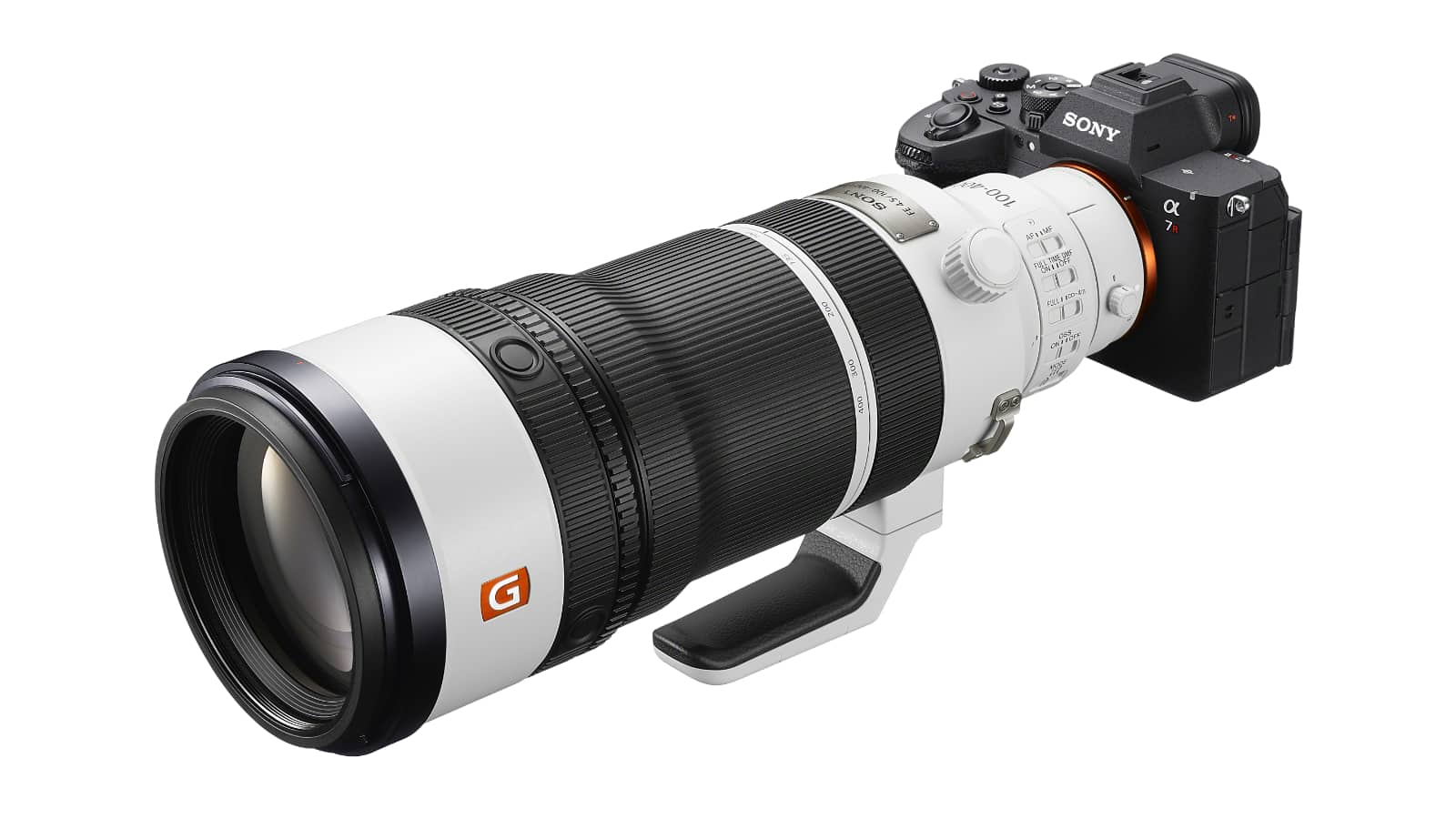
Built in magnesium, the Sony Alpha 7R VI looks like a serious contender for one of the year’s best cameras, and is set to arrive alongside a new lens, a far reaching 100-400mm F4.5 addition to Sony’s G Master lenses.
The new lens weighs almost two kilograms, tipping the scale at 1.84kg, yet reaching beyond the typical 200mm end you typically see on a typical 70-200mm pro lens, one of the more versatile lenses in the professional lens kit. Given the type of sports events coming up this year, there’s a good chance the timing of this release is fitting, and you might see some white Sony lenses in FIFA matches shortly, or even in the stands.
Neither lens nor camera is set to be inexpensive, however, with the Alpha 7R VI arriving this month for $6999 in Australia, while the new FE 100-400mm F4.5 lens will be a little more by itself, priced at $7399 locally.