
Quick review
The good
The not-so-good

Armed with three cameras, a bigger battery, and a better screen, it’s easy to call the Fold 8 Ultra the better of Samsung’s 2026 folds. But it also could be more of the same. Is it?
Roughly eight years after Samsung introduced the world to foldable screen technology, the concept of the folding screen is now finally becoming something that ventures beyond the mere early adopter. The people who was its use and took a punt on the concept will no longer be the minority, because more people are buying in.
In 2026, there are more players with screens that fold shut and closed, and with Apple joining, the foldable game has clearly begun.
Every major phone maker has at least one phone that folds, but Samsung clearly has the most. It has tried every style of foldable we know about, and this year, it also has each of those styles for offer. You can choose between compact flip-fold, passport-style fold, and the more common tall phone square-fold.
But while all eyes will likely be on the passport fold in the Galaxy Z Fold 8 standard, the Ultra is pitched as the foldable for people who want more of a pro-folding-phone. For people who can recognise the Z Fold 8’s limitations in only getting two cameras, and who might yearn for a bigger battery.
If that’s you, the Fold 8 Ultra has a little more in its spec sheet and arsenal. Is it enough, and is the Fold 8 Ultra the model to consider if you want the best foldable Samsung has to offer this year?
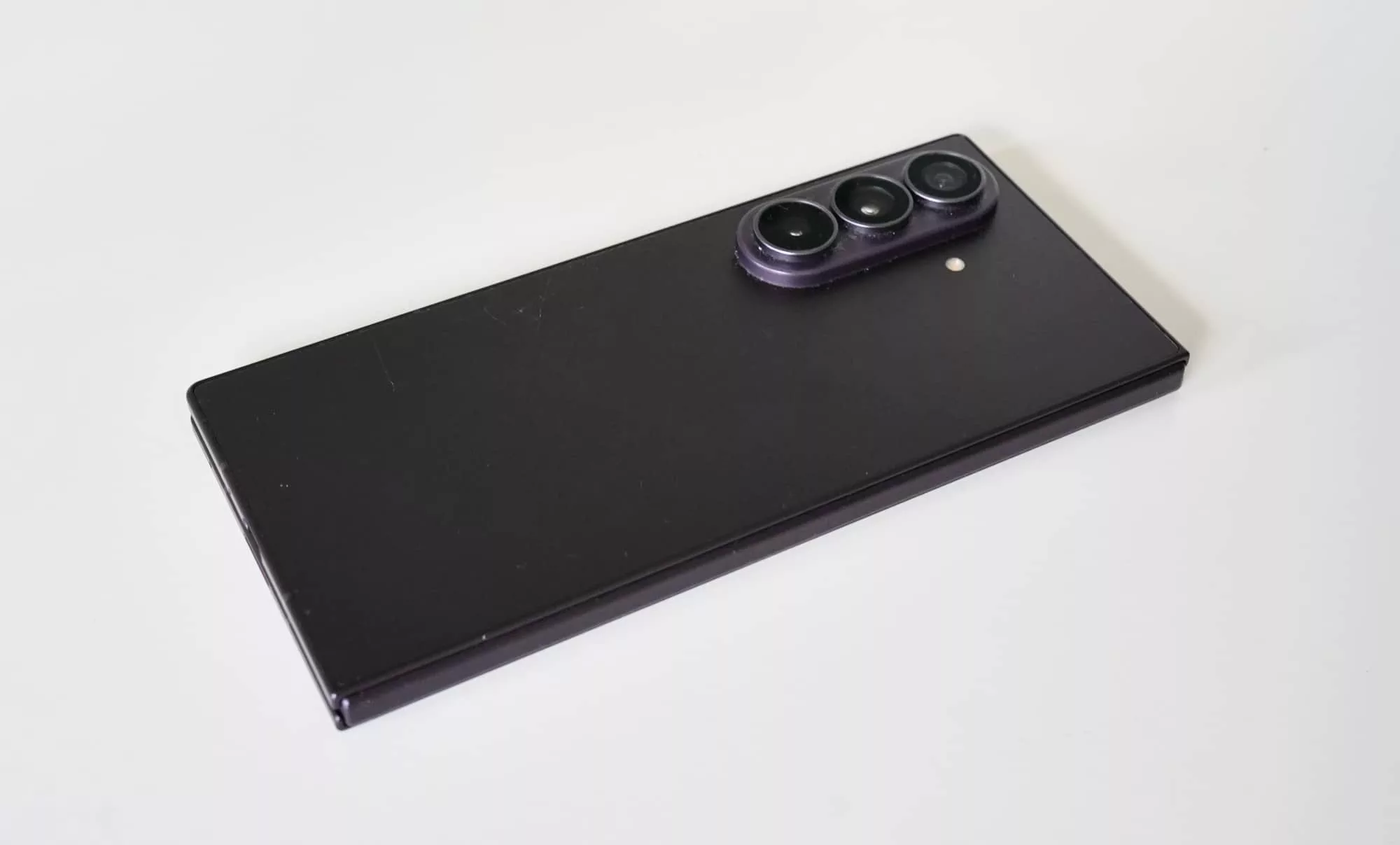
Design
Apple’s intro to the world of the foldable may well be new, but Samsung has travelled the road several times, and several years later, has developed an approach to the design to make its “ultra” model sleek and thin. That’s important, because based on some of the other foldable phones coming out, that last one is largely optional.
This design is definitely that, however, and takes last year’s excellent Fold 7 design to give it a similar nod for today.
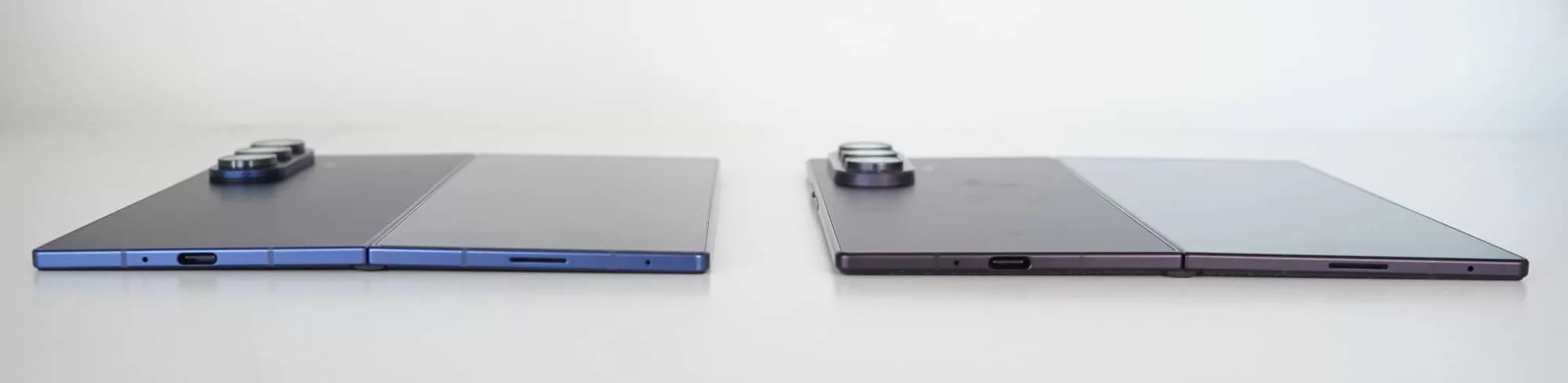
A thin phone rather like the 2025 effort, very little has actually changed in design. It’s still 8.9mm folded, but somehow Samsung has managed to shave off a whole 0.1mm when unfolded, making it a 4.1mm phone when you’re looking at the bigger screen on the inside (or both the back and front of the phone).
You can see it when you open the phone, when it’s unfolded and the bare minimum of thickness is found around the USB port. It’s next to impossible to imagine just how Samsung will make it slimmer next time. The edges already seem impossibly slim.
Features
Inside, the spec sheet will seem familiar because aspects of it are right out of the Z Fold 8 standard’s playbook, and they’re also out of Samsung’s other flagships. The company does tend to reuse aspects, and so unsurprisingly bits and pieces are definitely being used once again.
That includes the Qualcomm Snapdragon 8 Elite Gen 5, 2026’s chip of choice, at least until the next rolls around. Depending on how much you spend, there’s a minimum of 12GB RAM and as much as 16GB, ranging between 256GB and 512GB storage for the 12GB RAM, and up to 16GB for the 1TB storage option.
Google’s Android 17 arrives on the phone out of the box, set for up to seven years of updates, with Samsung’s One UI over the top.
You’ll find an assortment of wireless connections, covering WiFi 6e and WiFi 7 (still and supporting previous generations), plus Bluetooth 6, GPS, Near-Field Communication for both Samsung Pay and Google Pay, and also Ultra-Wideband Radio support for the Samsung smart things and tags you might yearn to track.
There are three main cameras including a 200 megapixel main wide camera, a 50 megapixel ultra-wide, and 10 megapixel 3X telephoto, while each screen includes a 10 megapixel selfie camera, as well.
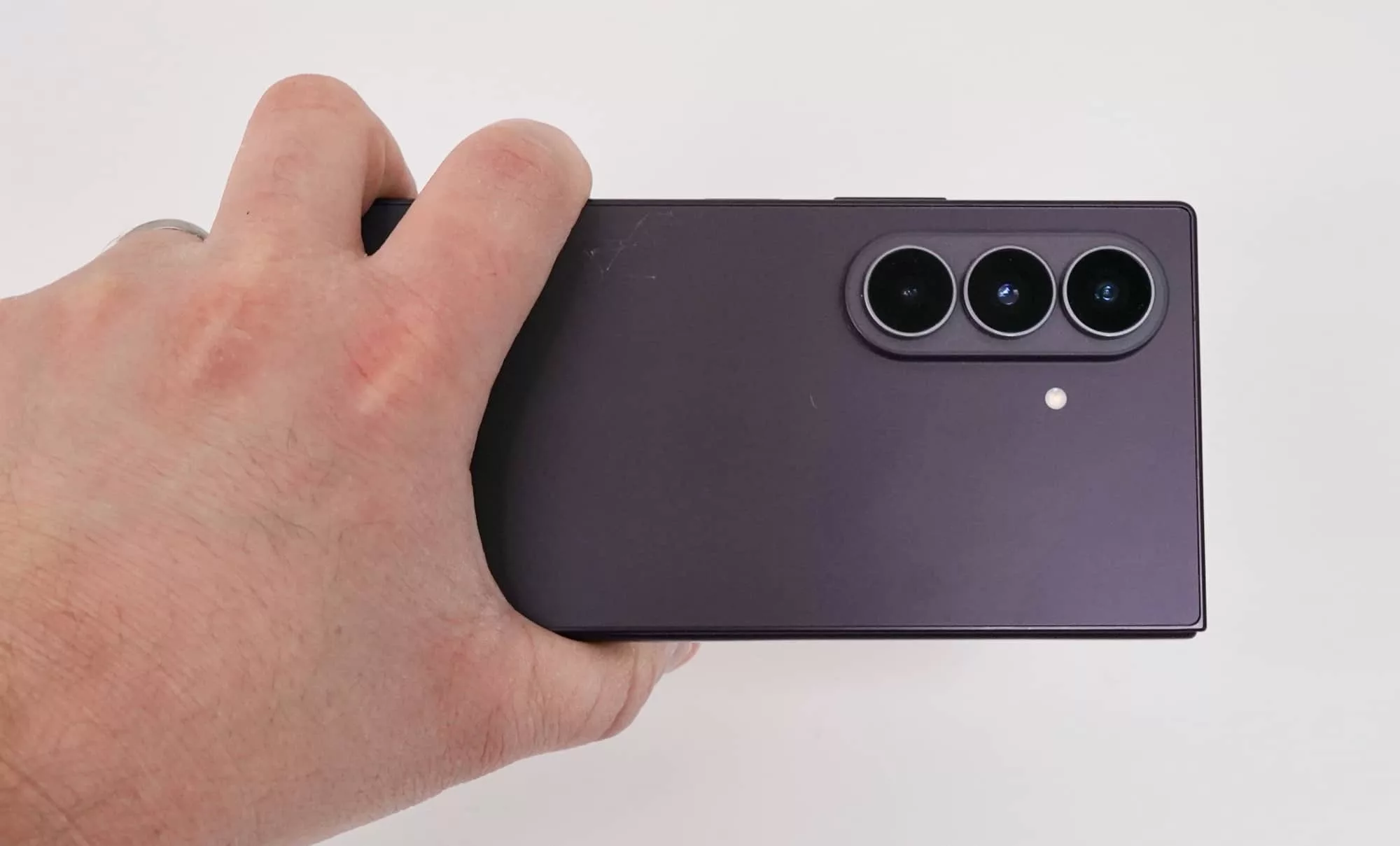
You will find wireless charging here, but you won’t find magnetic Qi2 in the setup. Qi2 is technically here, just without the magnets, though a case will add the magnetic ring, and the few changes made to the design means the Fold 7 magnetic case works on the Fold 8 Ultra (we checked).
Expect a hint of water resistance in the form of IP48, with the fingerprint sensor built into the power button on the right side.
A 5000mAh battery can be found in the design, and not just any battery, but one that apparently includes silicon-carbon, allowing Samsung to use the same 5000mAh size as its biggest phones, but also keep the size super slim.
Displays
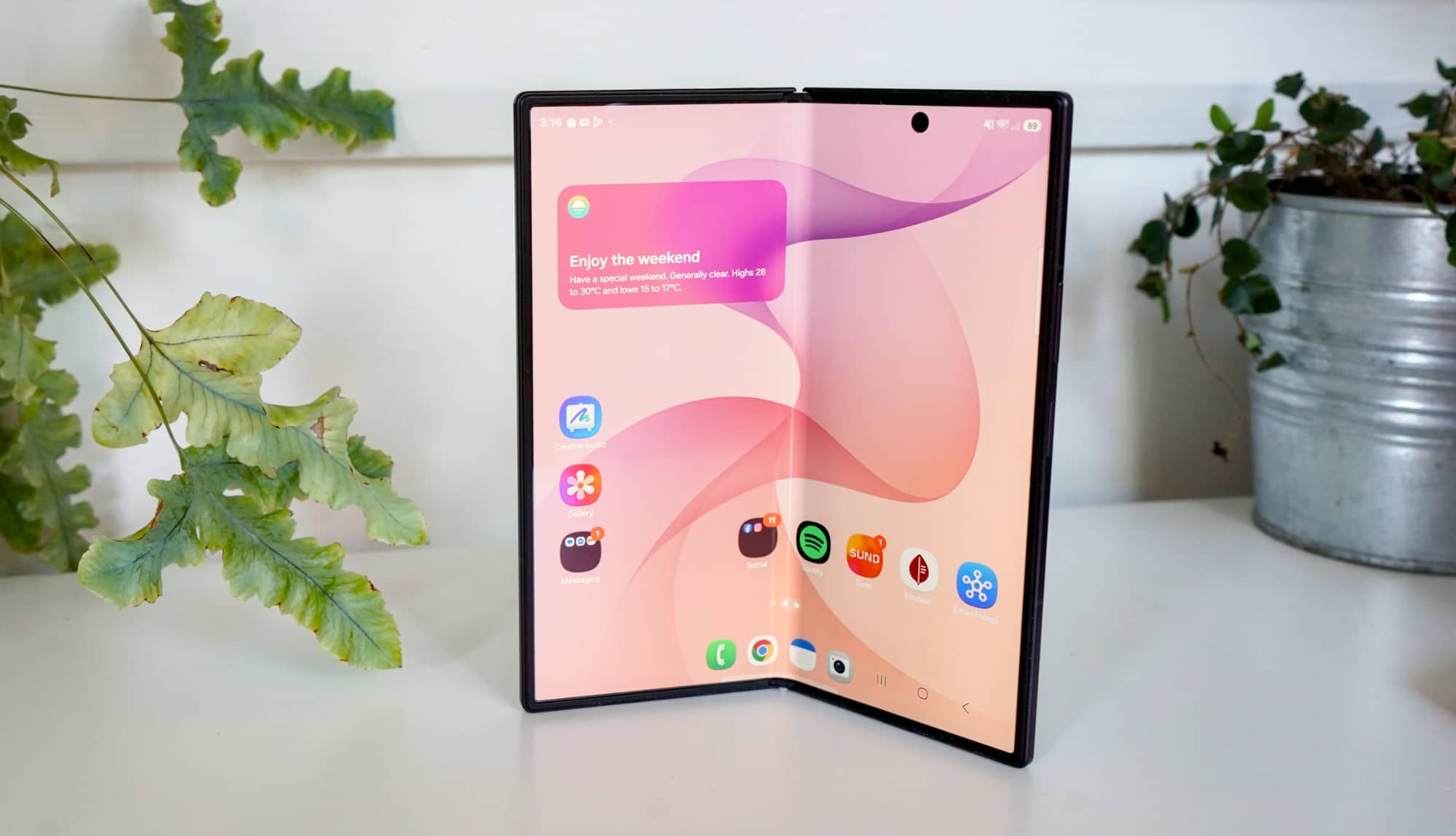
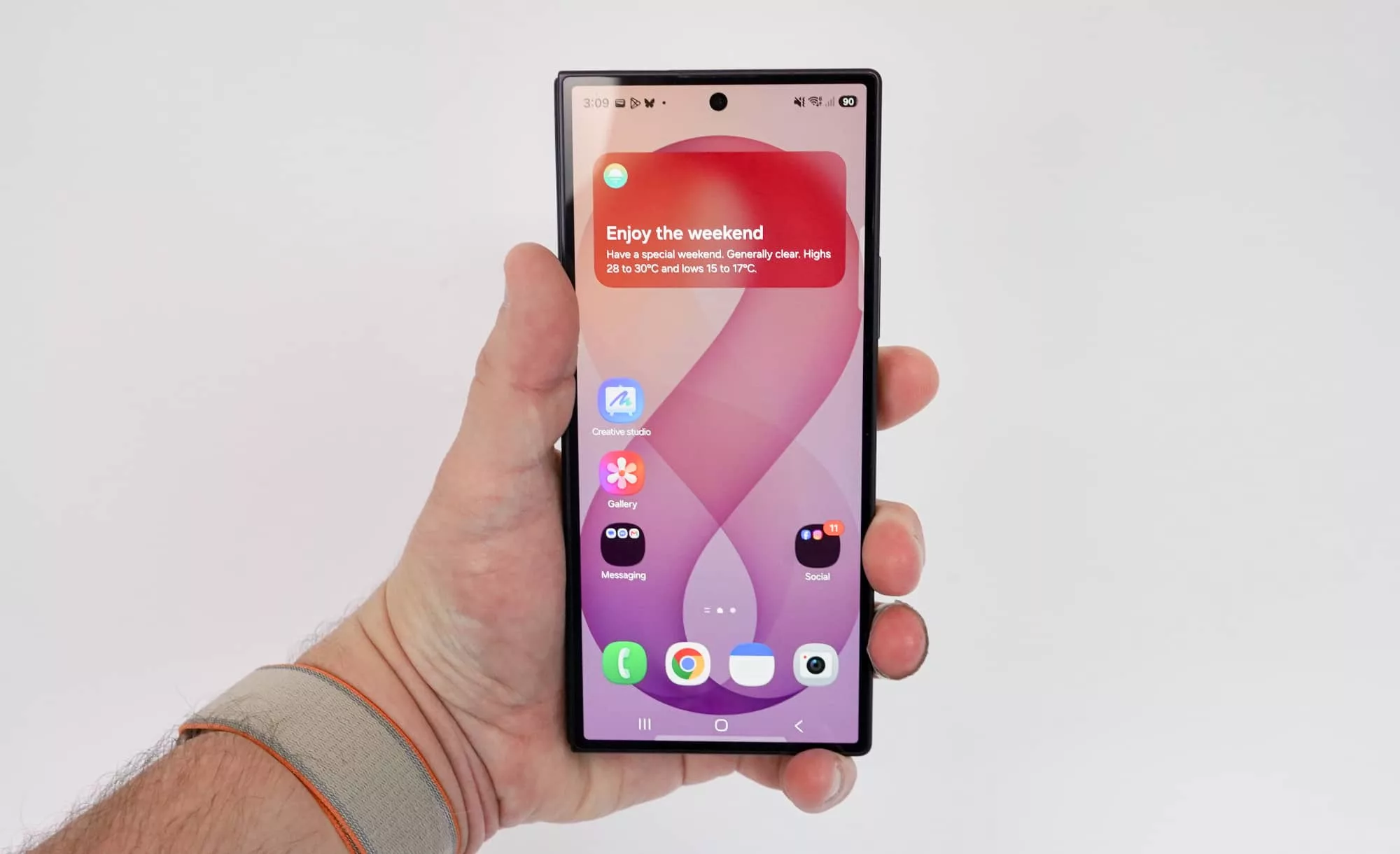
On the outside is a 6.5 inch AMOLED display running 1080×2520, while the inside sees an 8 inch AMOLED display running 2256×2504, something that you may not realise has changed from its predecessor. It’s the same size, sure, but that inside screen is a little different.
This time around, the resolution is sharper: 2256 x 2504 is a significant upgrade on the 1968×2184 resolution of its predecessor, which is enough to say Samsung is now rocking an inside screen as sharp as its external screen.
The point worth talking about here is that the screens are now as sharp as each other. That’s no minor difference, and your eyes and content will thank you for it.
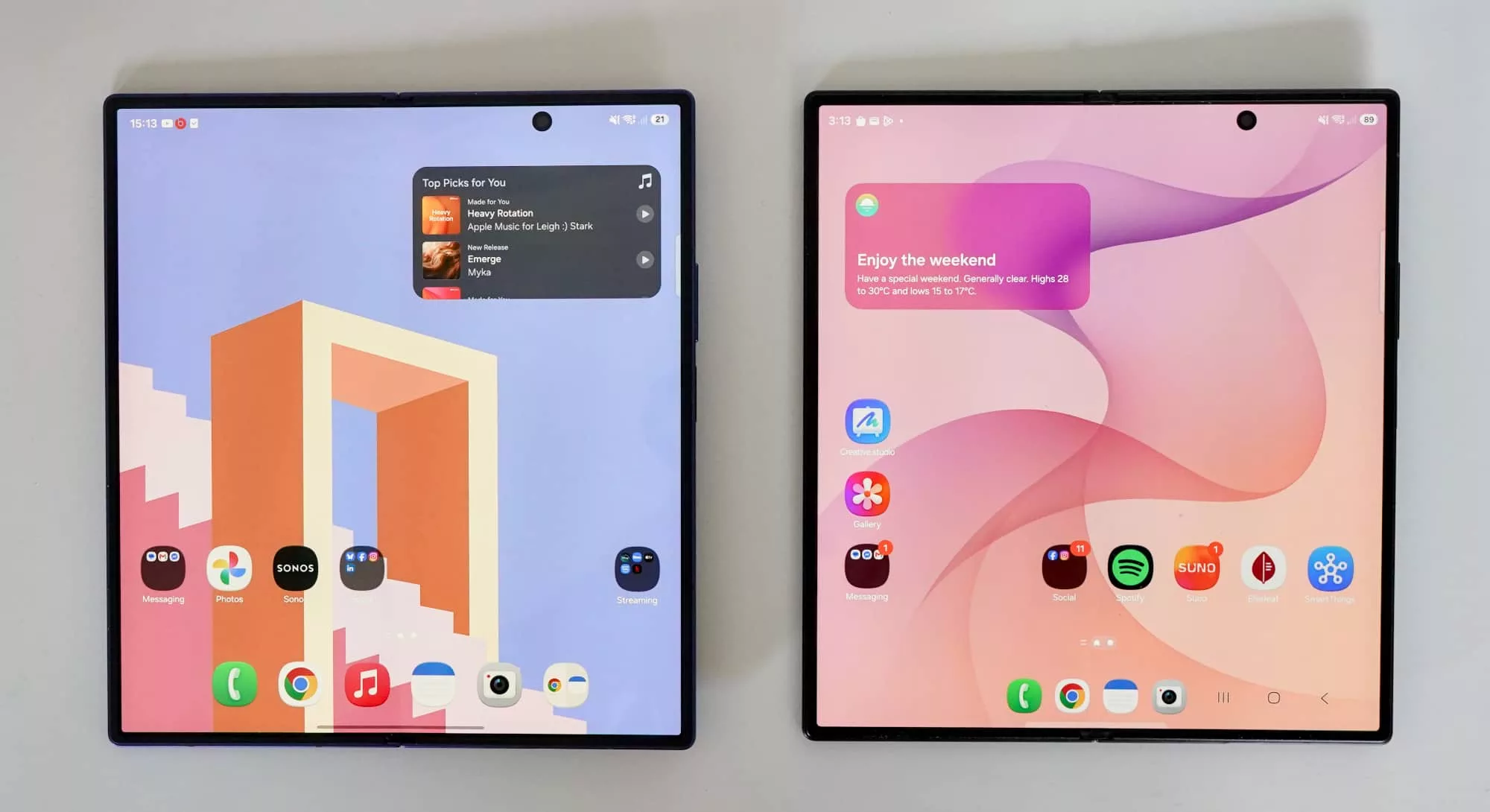
There is also a little more protection on the outside screen, as the Gorilla Glass goes up a grade, from Ceramic 2 to Ceramic 3, and gives you a hint more scratch resistance than before. Apple is a fan of ceramic glass improvements, and it’s clear so too is Samsung.
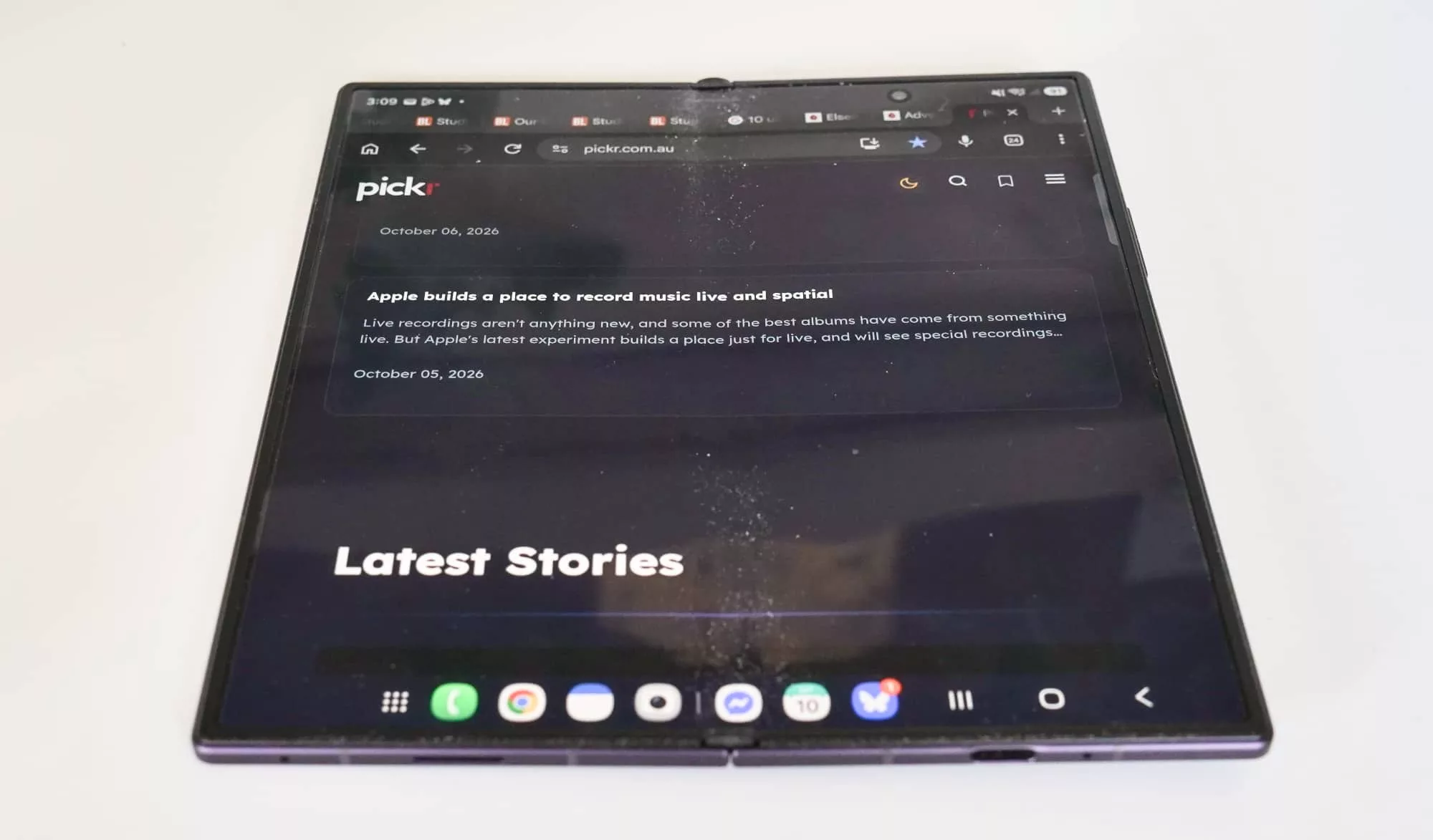
We also need to talk about the crease. Or rather the lack of a crease.
The crease
Understandably, the foldable crease is something Samsung has been working on since foldable came into their own nearly a decade ago. It was there in the beginning, and while it’s still there now, it is much less there now than ever.
That’s thanks in part to a new approach Samsung has come up with to cut the crease, or at least iron it back. There is now a five-layer system which includes a titanium-alloy film underneath the flexible screen, with the materials bonding in a way to help cut back on the crease considerably and keep the whole thing strong.
While that is clearly a lot of technical jargon, the result is what matters and things are better than they’ve ever been. The crease is there if you look for it, but you’ll probably see it more than feel it, though only if you look for it.
Since foldables turned up, the crease has been a point of contention with people arguing against them, especially for the whole point of view about whether it would be distracting. Truth be told, you get over it quickly, much like you do with the iPhone Dynamic Island. It’s just a part of the design.
And yet here in the Fold 8 Ultra, the crease is playing less of a part than ever before. It is barely there, so barely that you won’t need to think about it. Instead, think of the ways you plan on using the phone when it’s a tablet, or just close it down and use it solely as a phone.
In-use
Using the Fold 8 Ultra as either is fairly simple, and Android hasn’t really changed much. You can use this phone as a 6.5 inch phone in the phone mode, or you can open it up and get an 8 inch mostly-square tablet in the tablet mode. You have choices.
Both work in much the same way, and there’s no S-Pen support like on the Galaxy S Ultra variations, so it’s more like having a phone and tablet together, but working like a standard phone and standard tablet.
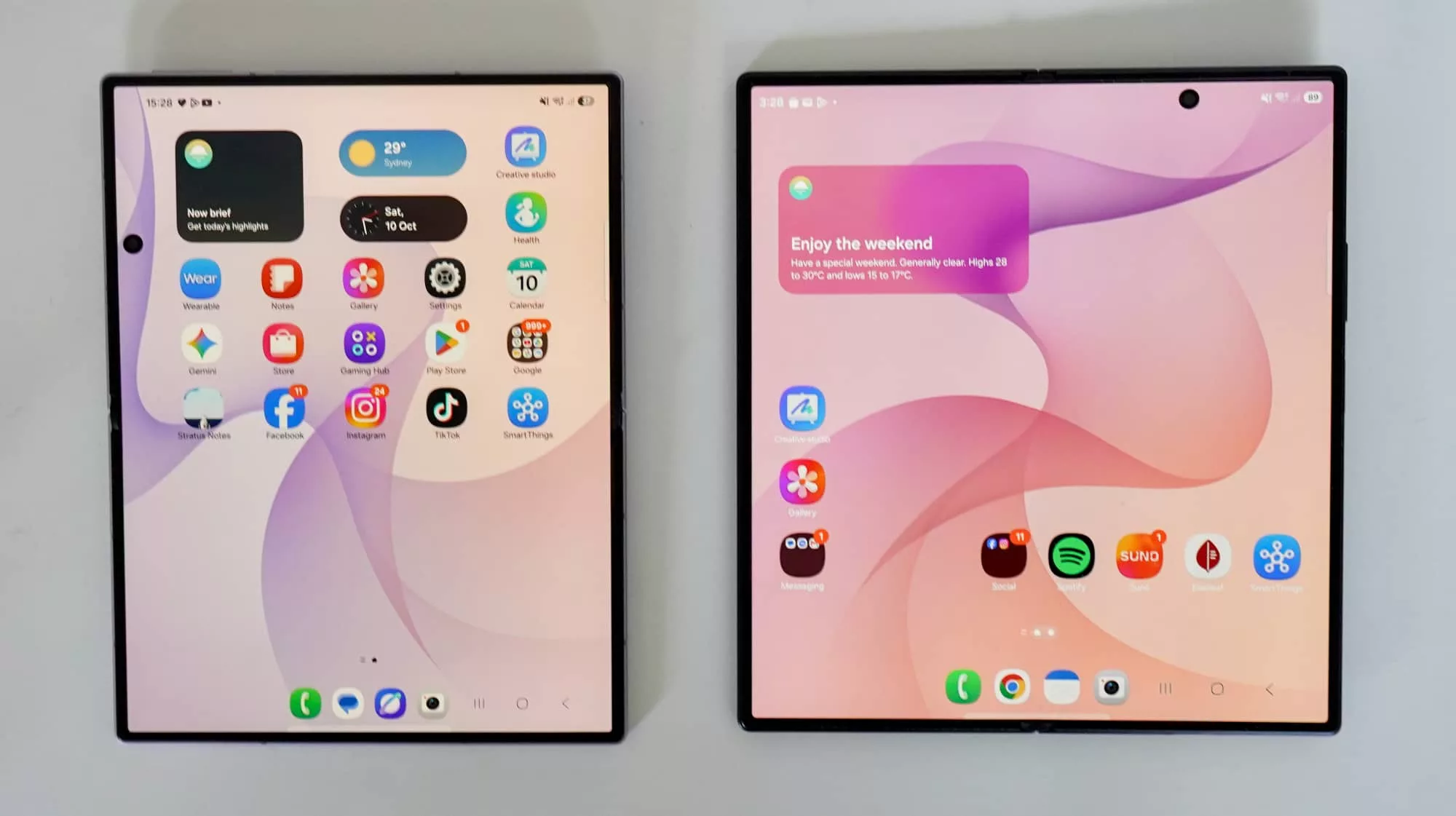
Interestingly, the mostly square shape of the unfolded 8 inch tablet means watching a movie on the screen isn’t much bigger than watching it on the 6.5 inch front screen. That’s because of the widescreen bars, and the fact that an ultra-wide rectangle doesn’t translate well to a square.
Unless you plan on watching a lot of older TV content where it was in the 4:3 aspect ratio, almost nothing will, truth be told.
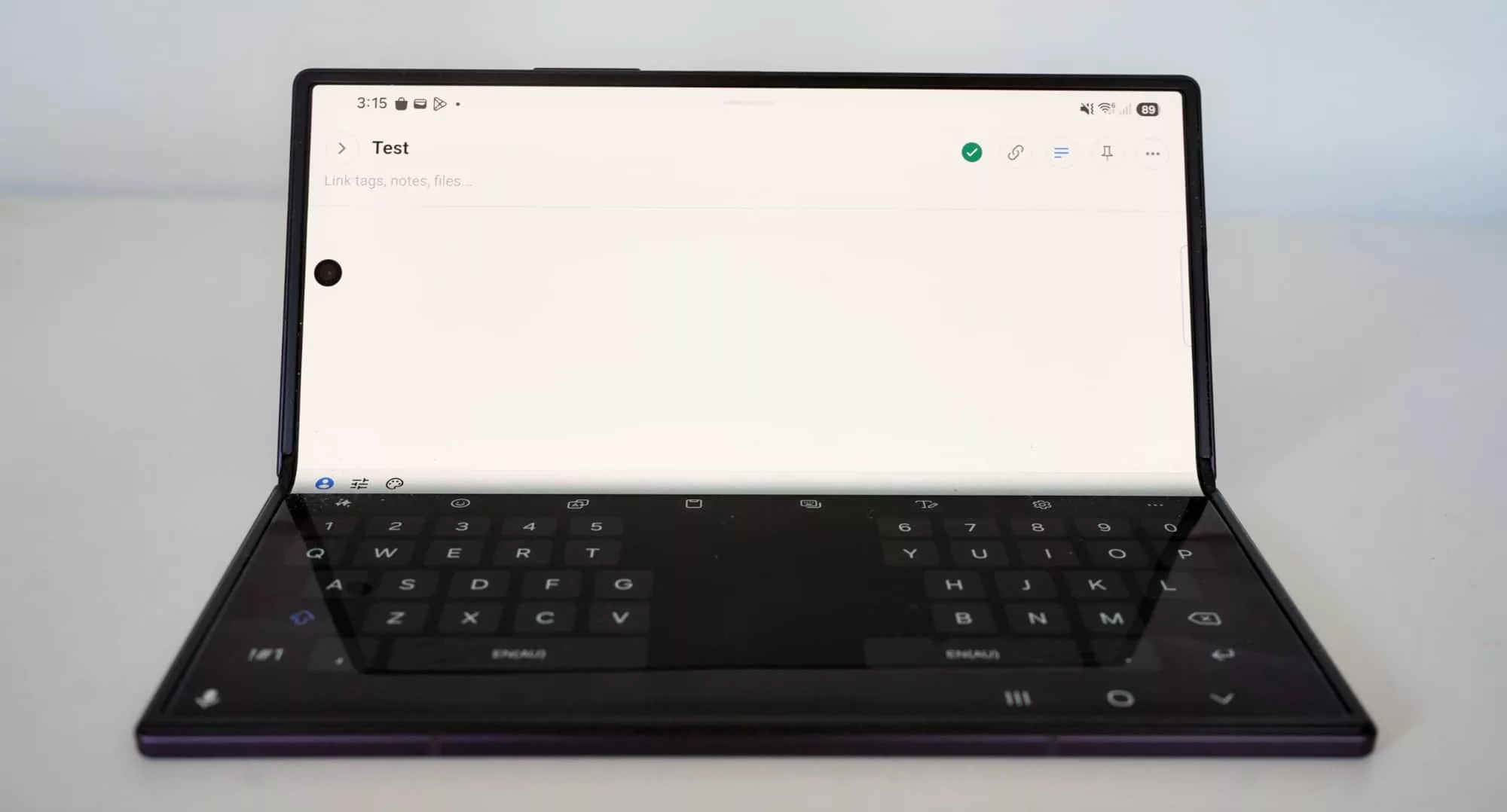
Beyond shows and films, however, it is like having two phone screens hinged together in the middle, which can be handy. Or more specifically, like having a keyboard on one side and a top screen on the other, like using a small laptop of sorts, but with touchscreens only.
We’ve seen those before in actual laptops, and the Fold 8 Ultra can do that neat trick, too.
Performance
Another phone featuring Qualcomm’s main chip for 2026, the Fold 8 Ultra uses the same hardware from the other Samsung flagships, giving you another burst of speed and power that really won’t let up.
Curiously, our tests ran a little slower than other flagship Galaxy models from this year, but not so slow that they would ever cause an issue.
Those differences are so minor that they’re not worth concerning yourself over, with the hardware clearly up there in what it can do for phones in general, though definitely faster than your previous phone.
| Device | CPU Single Core | CPU Multicore | GPU |
|---|---|---|---|
|
Samsung Galaxy Z Fold 3 (2021)
Qualcomm Snapdragon 888
|
1054
|
3520
|
4616
|
|
Samsung Galaxy Z Fold 5 (2023)
Qualcomm Snapdragon 8 Gen 2
|
2064
|
5506
|
9528
|
|
Samsung Galaxy Z Fold 6 (2024)
Qualcomm Snapdragon 8 Gen 3
|
2300
|
7017
|
15108
|
|
Samsung Galaxy Z Fold 8 Ultra (2026)
Qualcomm Snapdragon 8 Elite Gen 5
|
3025
|
8626
|
16297
|
|
Samsung Galaxy Z Fold 7 (2025)
Qualcomm Snapdragon 8 Elite
|
3056
|
9621
|
19744
|
For anyone upgrading from the Fold 4 or Fold 5, there’s a suitably fast piece of hardware here. And for everyone, else, it’s a mobile that should stand the test of time, or at least the seven years of updates Samsung and Qualcomm plan on equipping this thing with.
Crazily, it didn’t beat the performance of the Fold 7, which seems to still have a little more power to work with. That could also be a shift in the testing, but it does suggest that both this year’s and last year’s efforts are among the best in the biz.
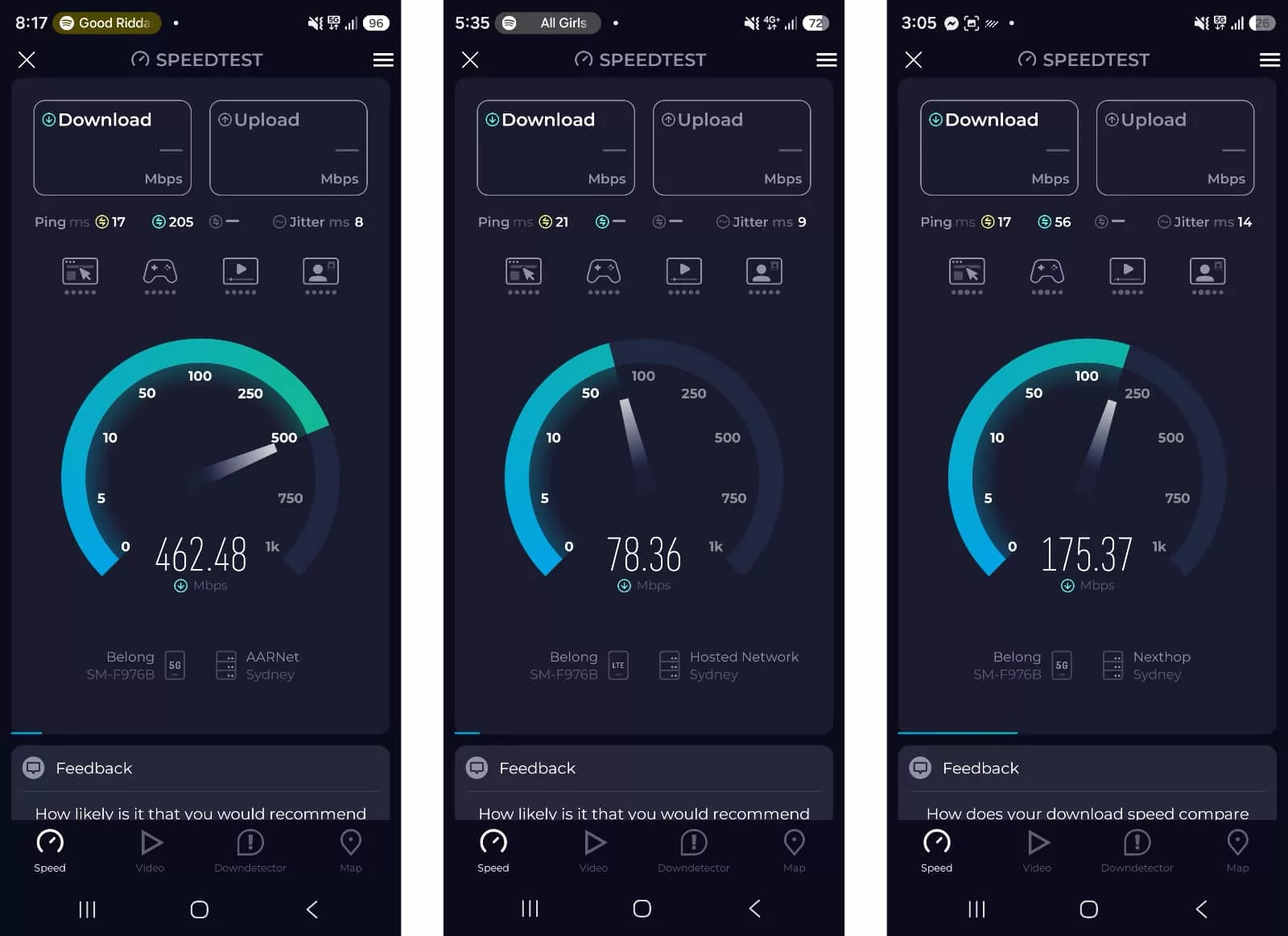
It’s much the same in the world of 5G, where Australian users can expect fast performance provided their network allows it. Testing on Belong by way of the Telstra 5G network saw speeds as high as 436Mbps, though your network and where you are will ultimately determine how fast your phone can reach.
Camera
Borrowing a page of the Fold 7 before it and the S26 Ultra, you’ll find some of the cameras from that other “Ultra” model, but not the entire thing. Two of them appear identical, one is close, and the other is missing in action.
You’ll find a 200 megapixel wide camera just like the model on the S26 Ultra, but it gets a less impressive F1.7 aperture lens versus the more-low-light-friendly F1.4 on the Ultra. Similar, not quite rhetorical same.
Compare that to the 10 megapixel F2.4 3X optical zoom and the 50 megapixel F1.9 ultrawide camera, which both models share. However, the Z Fold8 Ultra misses out on the closer 5X camera, which is only found in the S26 Ultra.
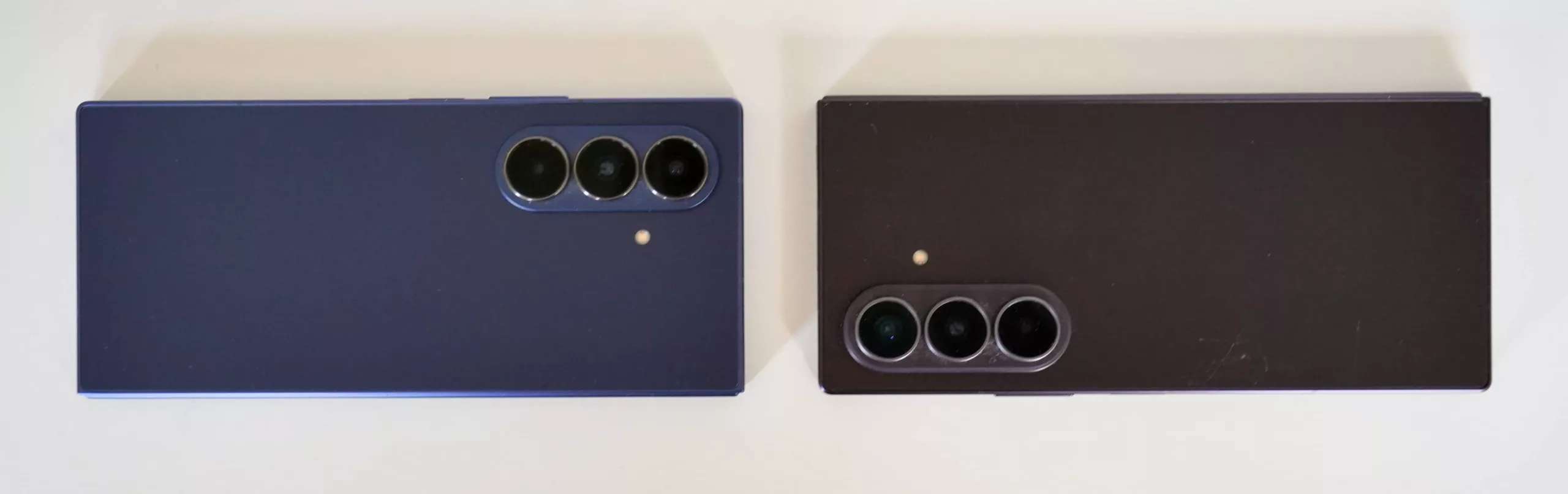
In short, it’s a similar stack, albeit not the same. In fact, the F1.7 200 megapixel camera reads more like the camera from the Z Fold 7 before it, which was very, very similar.
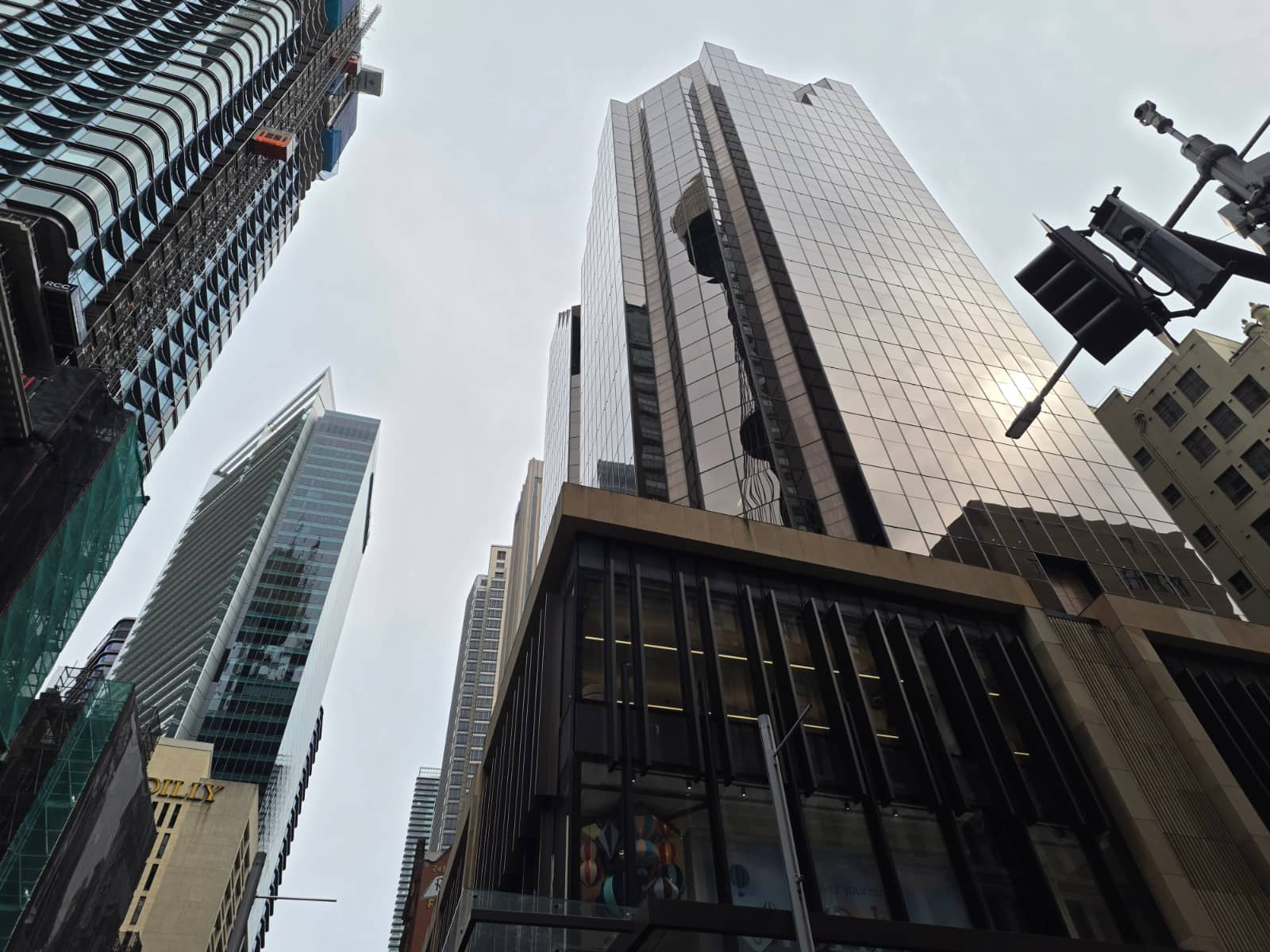
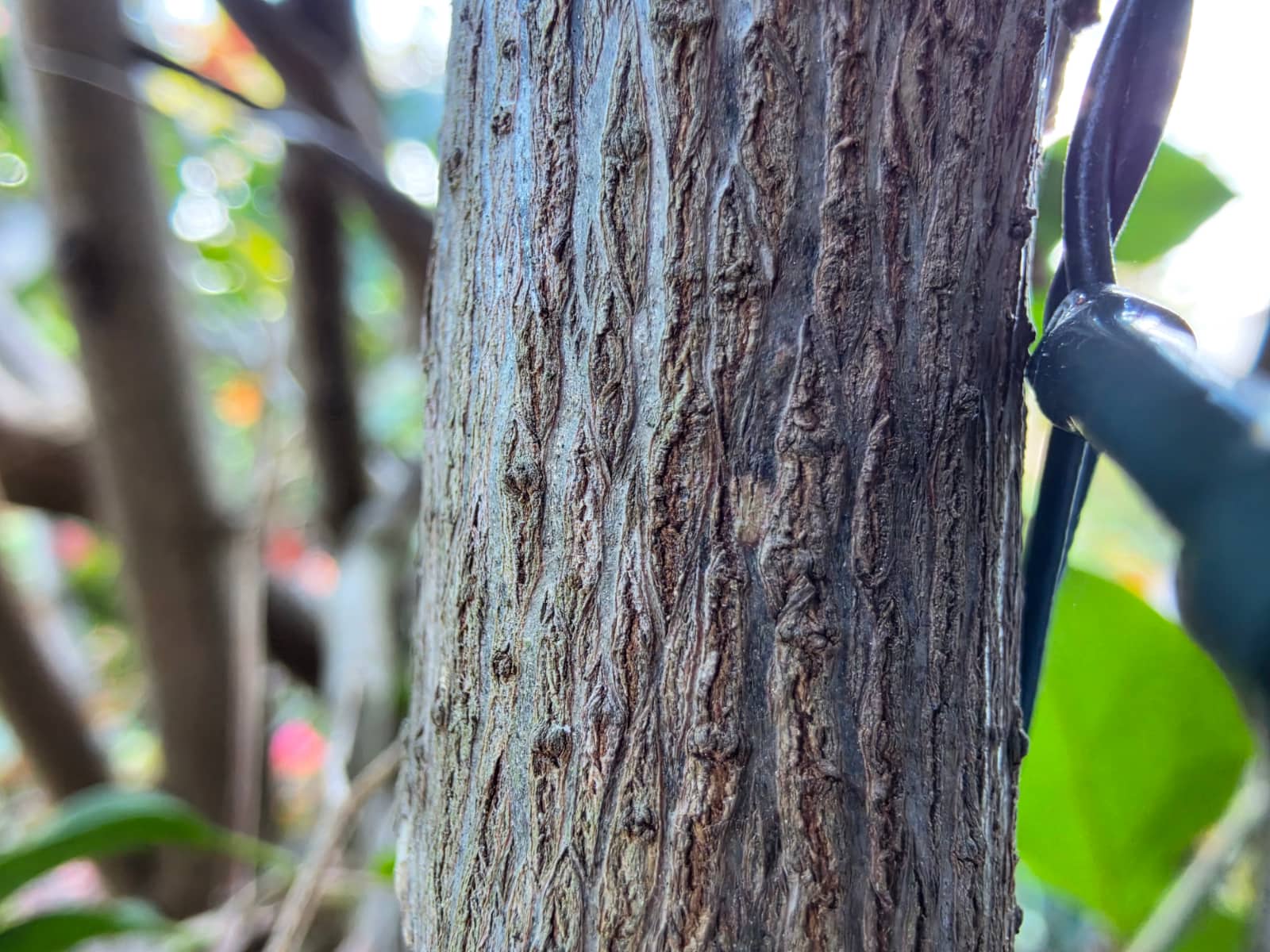
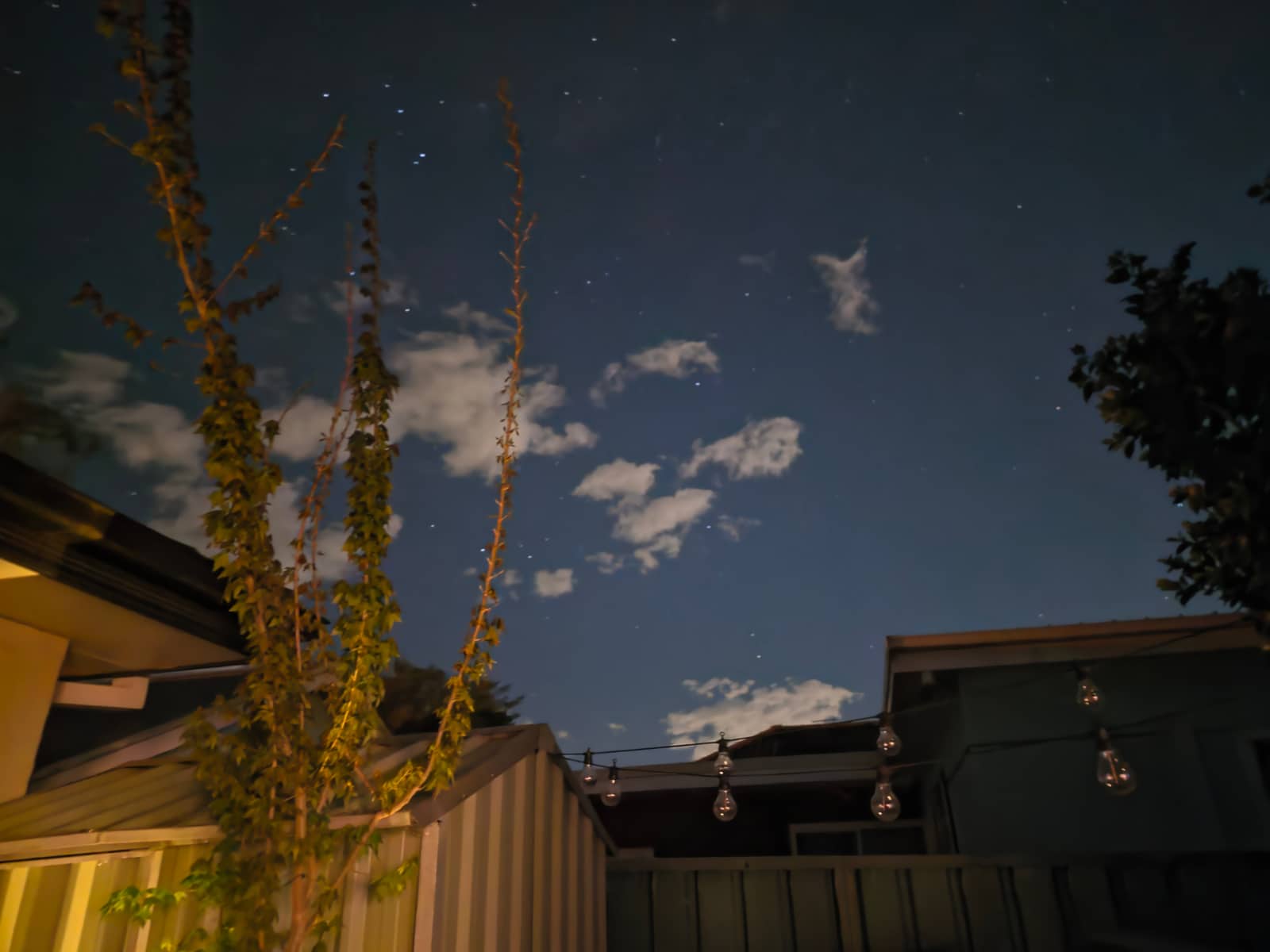
Specs aside, the results of the camera do the job better than much of what’s out there, letting you get wide, a little close, but clearly giving you the most room to move in that wide camera.
Images are sharp enough, colours are crisp, and while daylight is clearly the best place for the Z Fold 8 Ultra camera system to operate, the low-light stacking mode also hands its own, as well.
Just like its predecessors, you’ll be delighted to know those rear cameras can do double duty in a selfie mode, flipping on the external cover screen and letting you snap pictures, handy because each selfie camera is only 10 megapixels. Why have 10 when you can have more?

Battery
More megapixels is one thing, but more battery is another, and there is a slightly bigger battery in the Fold 8 Ultra, too. At least compared to its predecessor. A slightly bigger battery means slightly better runtime, evident both from our tests and using the phone as our daily driver, though each performed a little bit differently.
For the former, we found battery life of around 23 hours of constant use, beating the 21 hours of its predecessor in the Fold 7 (no Ultra name, as that’s this year’s addition).
The real-world test managed slightly better, too, hitting a little over a day and a half of life. You’d definitely need to charge it on the second day, and likely before you get home from work, but the improvements make a dent where it counts.
| Device | Battery |
|---|---|
| Samsung Galaxy Z Fold 8 Ultra |
23:35
|
| Samsung Galaxy Z Fold8 |
23:11
|
| Samsung Galaxy S26 Ultra |
22:09
|
| Samsung Galaxy Z Fold 7 (cover screen) |
21:06
|
Given the new model sports a difference of about 600mAh, jumping from 4400mAh to 5000mAh, the increase in life isn’t that much of a surprise, but it’s welcome all the same. It means the Z Fold 8 Ultra will keep on keepin’ on for a little longer, which is a welcome situation.
The thickness is also kept thanks to the use of silicon carbon. Just imagine how Samsung will make that work in the next Ultra model, in the 2027 S27 Ultra.
What’s less welcome is the lack of Qi2 support, or at least the version that normally includes magnets. That’s likely a result of the thickness, with Samsung focusing on minute size over magnetic charging, and means you’ll need to keep this thing wired unless you want to slip on a case.
Value
Given the price, though, you may want to slip on a case anyway. This is not an inexpensive phone. Not at all.
Priced from $2999, the Fold 8 Ultra isn’t the most expensive folding phone around, but it’s definitely up there. A buck under $3K will only get you a 256GB phone, which was the model we reviewed. While that’s definitely fine, it’s not a lot of storage, and that is a costly phone.
It’s difficult to judge this as value, and folding phones rarely feel like you’re getting value per se. You’re getting a great phone with a mixed use for being a tablet. You even get a camera system that nears what the Galaxy S flagship in the S26 Ultra can do.
But the problem is for the price, there may also be better options.
What needs work?
For instance there’s no support for a stylus, even though other foldables near the $3K price point can do that, such as the Oppo Find N6.
The 256GB storage is small compared to the 512GB you can get on the Google Pixel 11 Pro Fold for near the same price. And both the Honor Magic V6 and Motorola Razr Fold 5G can get you similar specs for a little less.
While there’s certainly a lot to get excited for in the Z Fold 8 Ultra, provided you like this more square approach for foldables, there is competition… and some of it comes from within.
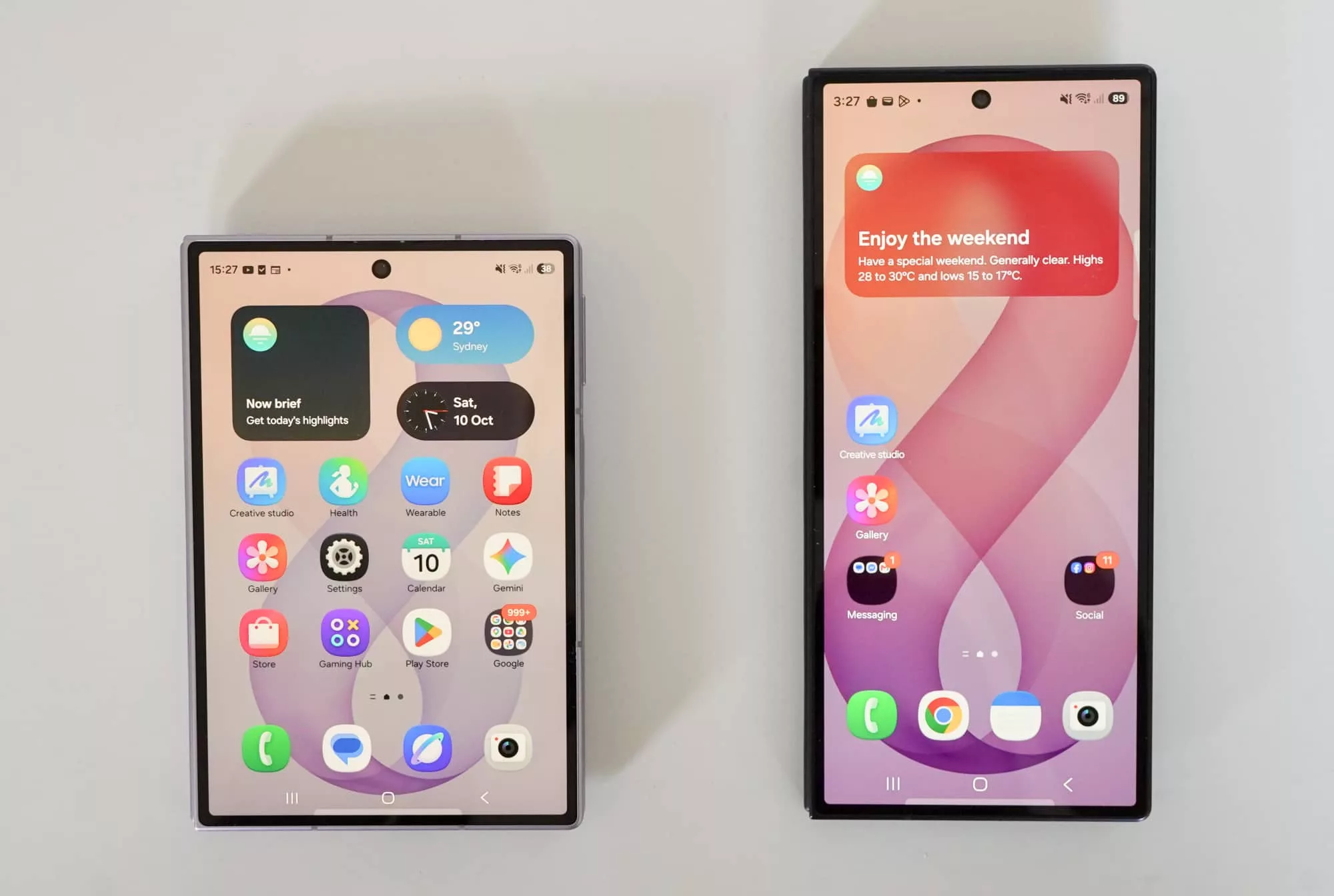
This year’s Fold 8 standard model isn’t identical to Apple’s iPhone Duo, but it is close, and curiously, it’s a more interesting tablet because of that unusual new size and aspect ratio.
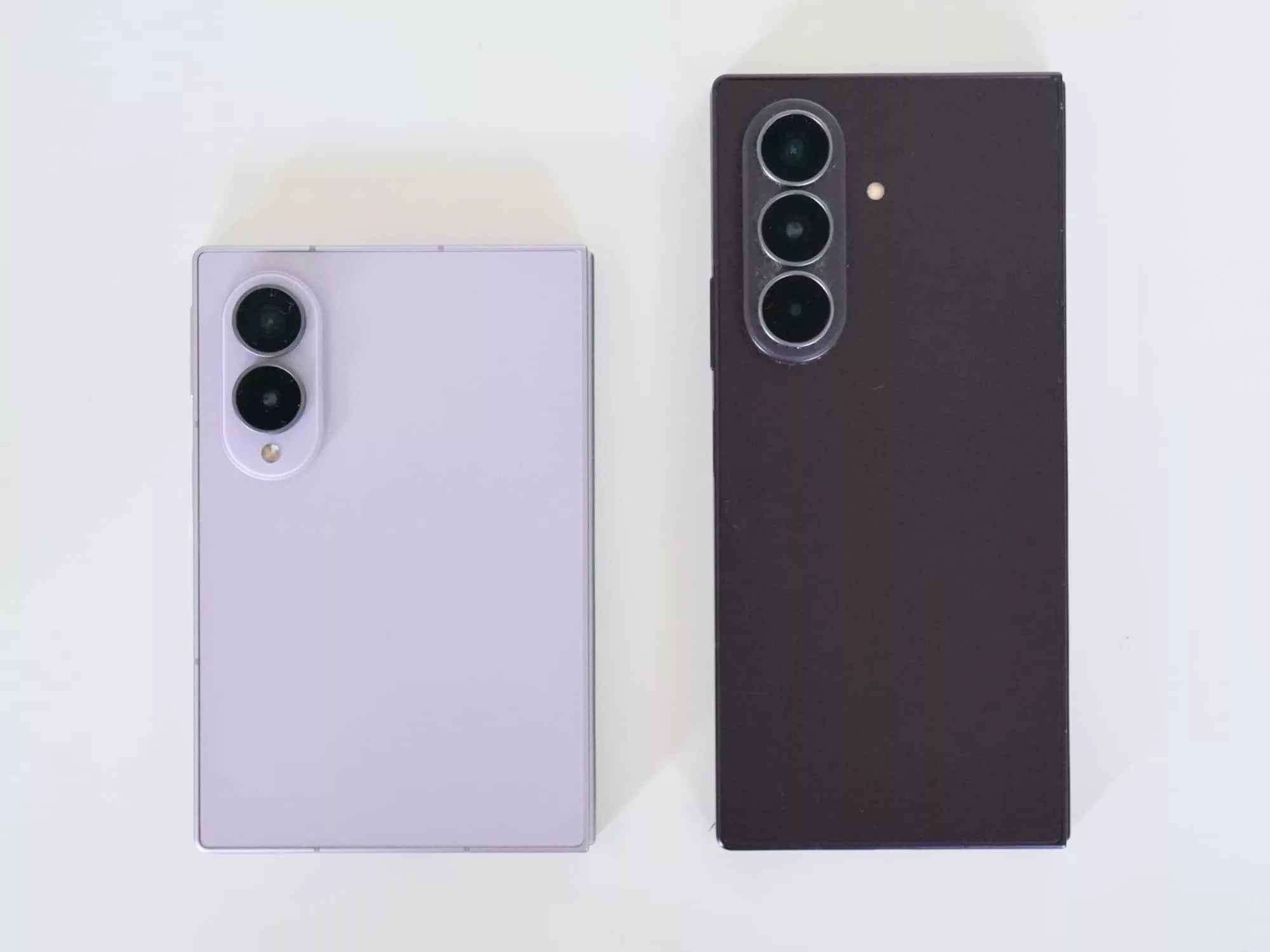
Is the Fold 8 Ultra technically better? Sure. But is the Fold 8 standard more interesting and better for content on the go? Absolutely.
Whereas the Fold 8 Ultra still feels like two phone screens wedged together, the Fold 8’s shape feels like it’s made more for content, as if you’re holding a proper tablet or eReader. That makes all the difference.
And it means the Fold 8 Ultra isn’t actually as compelling as its less expensive sibling.
Combine that with the knowledge that not much has changed, and the Fold 8 Ultra doesn’t feel quite as special. It just needs something more. Anything more. You can use it like a laptop or a pro device, which is a bit of an edge, but frankly, we’d just prefer to get out the actual laptop. That’s way more useful.
What we love
Despite that, the Fold 8 Ultra is still an interesting device, albeit one that feels like a marginally improved Fold 7.
Need the best fold that isn’t an iPhone? Samsung’s Fold 8 Ultra is it. You get the size, a better screen, and a more improved lack of a crease. It’s basically one of the more polished foldables you can find today.
But we think the passport-sized Fold 8 is much more compelling and more successful as a hybrid phone-tablet fold.
Final thoughts (TLDR)
In many ways, the Fold 8 Ultra actually feels like the end of the big fold road, at least in this square form-factor. It’s polished and delivers on the promise Samsung started in the first fold nearly a decade ago, providing a great camera setup with an excellent combination of screens and little in the way of compromise.
Sure, you don’t get the S-Pen or fourth rear camera, but you may not care. This is as close to the high-end as a polished foldable phone can get.
But it does come off feeling like the end of this style, or at least the penultimate take.
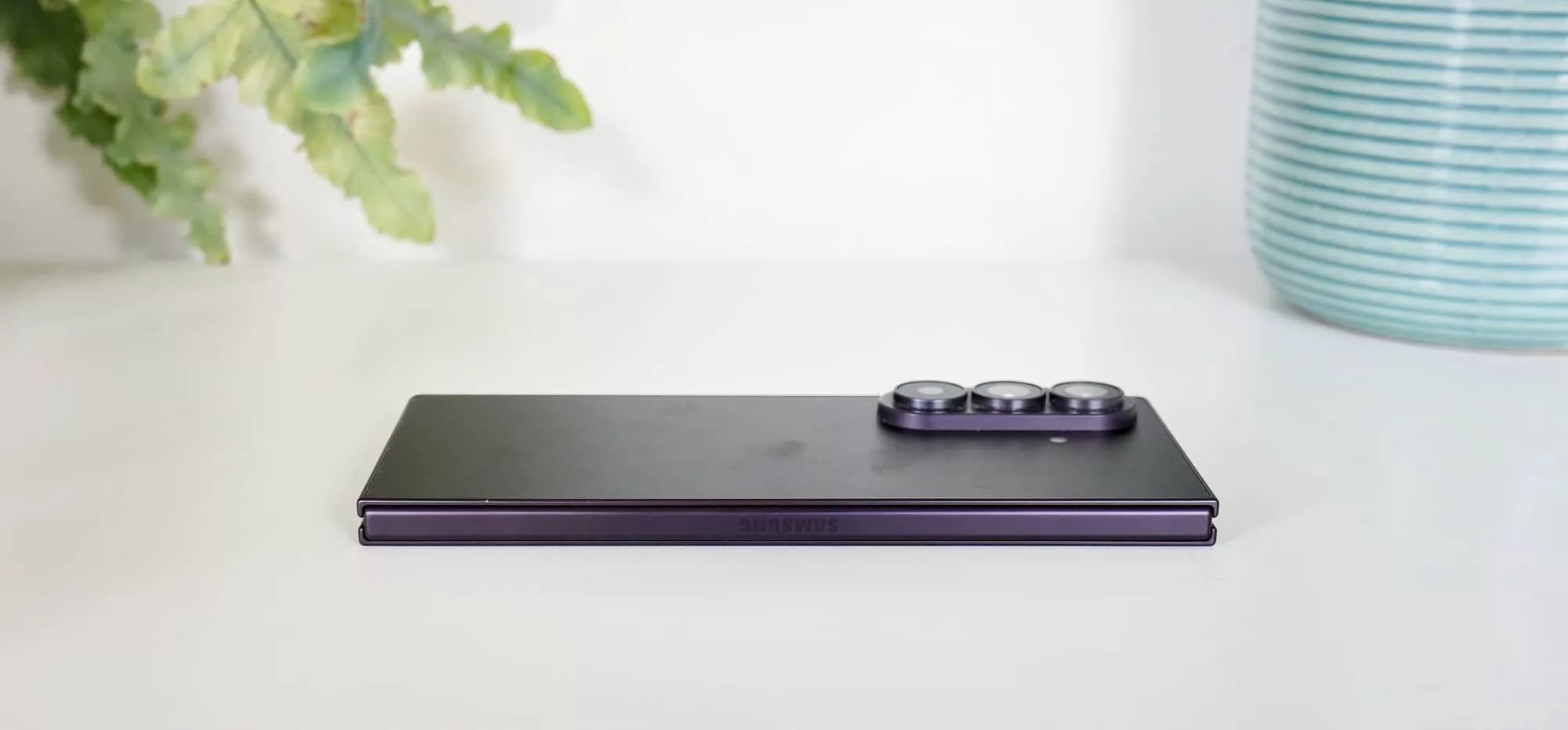
Whereas the new passport-style Fold 8 has legs and can only get better, the Fold 8 Ultra’s shape feels like it has hit its end-point. It feels like a series finale, with the only major change likely being a flatter camera. It can only get a fraction smaller, the screen can only get so much better, and the next point is just the camera. There is only so much Samsung can do for its next steps.
It would hardly surprise if the Fold 8 Ultra was the penultimate big fold. It delivers so much, but also feels like an end to the style.
That’s not a bad thing, either. You can see the minimal changes in this year’s model: a better screen, a faster chip, and what little that can be slimmed in the thickness. There’s not a lot of wiggle room here.
It’s a great big phone and a sizeable addition to your life. Recommended, but there’s another fold we like more, and Samsung makes it, too.