
Quick review
The good
The not-so-good
There are always new phones, but they don’t always feel like anything has changed. With the Pixel 11 Pro XL, that vibe is clear. So what has changed and is it worth upgrading?
It’s near the end of 2026, and the most mobile makers have released what they needed for the year. There are new Samsungs and new iPhones, and plenty of phones that fold, too.
We’ve seen releases from a variety of manufacturers, each with their own special features. Passport-style screens and big cameras and long battery life, as phone makers of all kinds look to find ways to keep buyers interested, giving them yet more reasons to consider trading money for an upgrade.
This year, those reasons can seem like less of a big deal. They’re a new camera, an AI feature, or “because you need one”, with no major reasons beyond to pull the trigger and spend up. Everything is admittedly more expensive, so these days you might just hold off on a new phone if there’s no major reason to change.
That won’t stop any manufacturer from releasing a new phone, though, and this year, Google has four: the regular Pixel 11, the foldable Pixel 11 Pro Fold, and then the normal and larger models of Pixel 11 Pro and 11 Pro XL. After checking out two, we’re finally on the Pro models, eyeing the biggest of the bunch. Is the Pixel 11 Pro XL worth owning, or is it simply more of the same?
Design
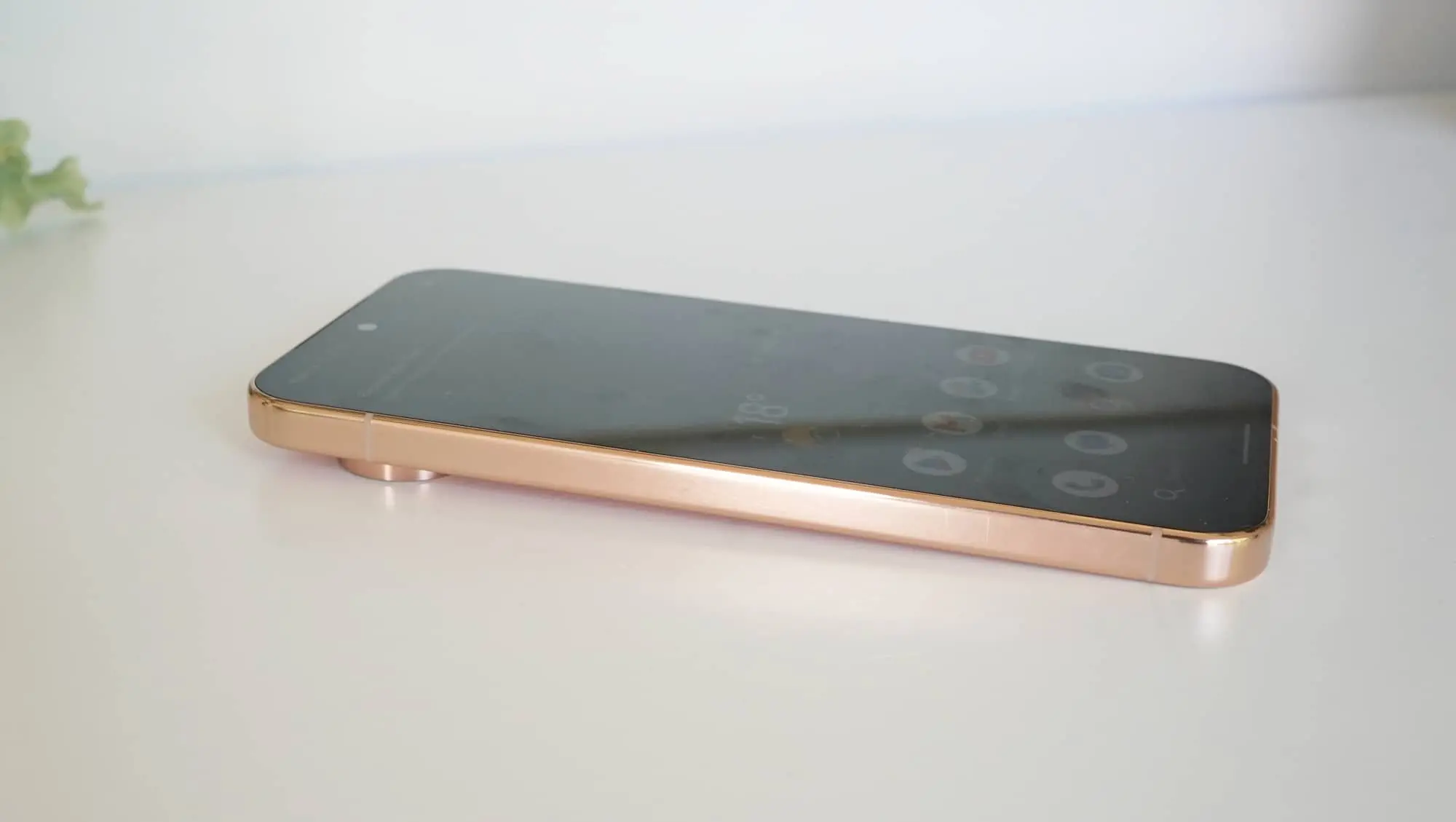
In its 11th generation of the Pixel range, Google isn’t reinventing anything. At least not from the past few years, anyway. Rather, the design is about firming things up, and taking what previously worked and making it that little bit more polished.
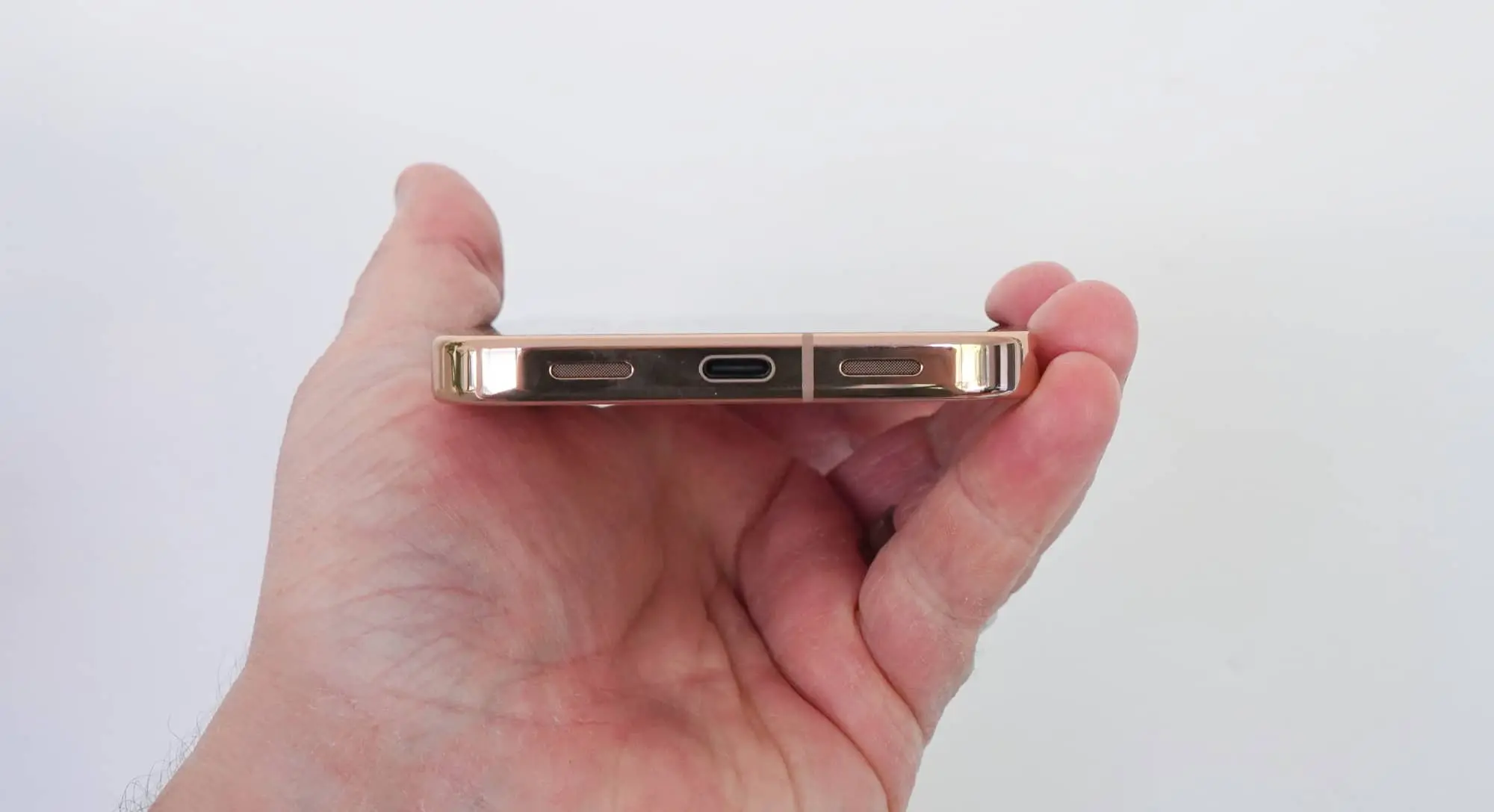
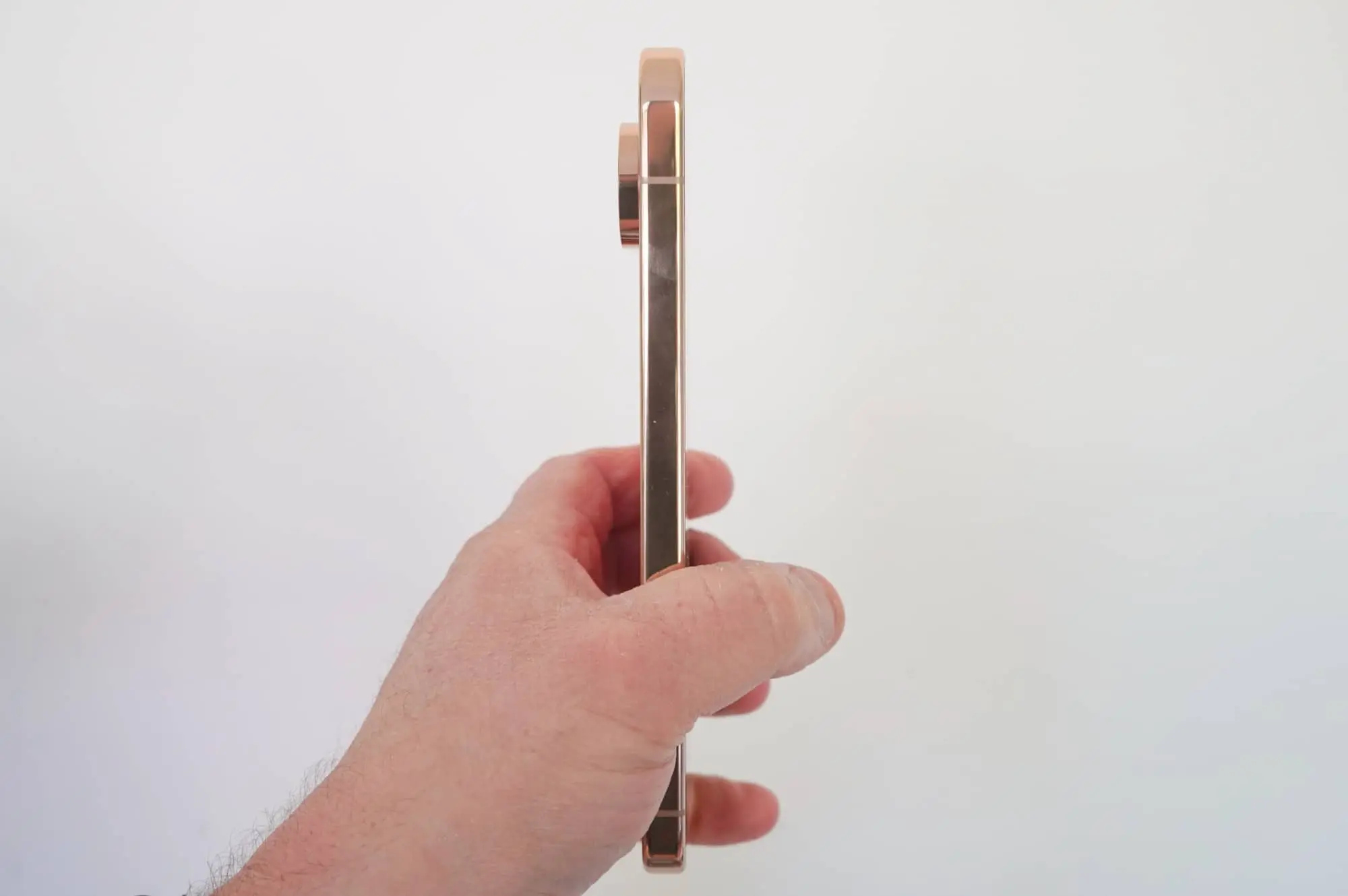
You can’t see it in the frame, which is a polished metal that shines, nor can you really feel it in the heft. The phone is a few grams lighter than the Pixel 10 Pro XL before it, but not enough that you’ll feel it in either the hand or the pocket. There’s Gorilla Glass on the front and back, and that aluminium frame does happen to look more like stainless steel.
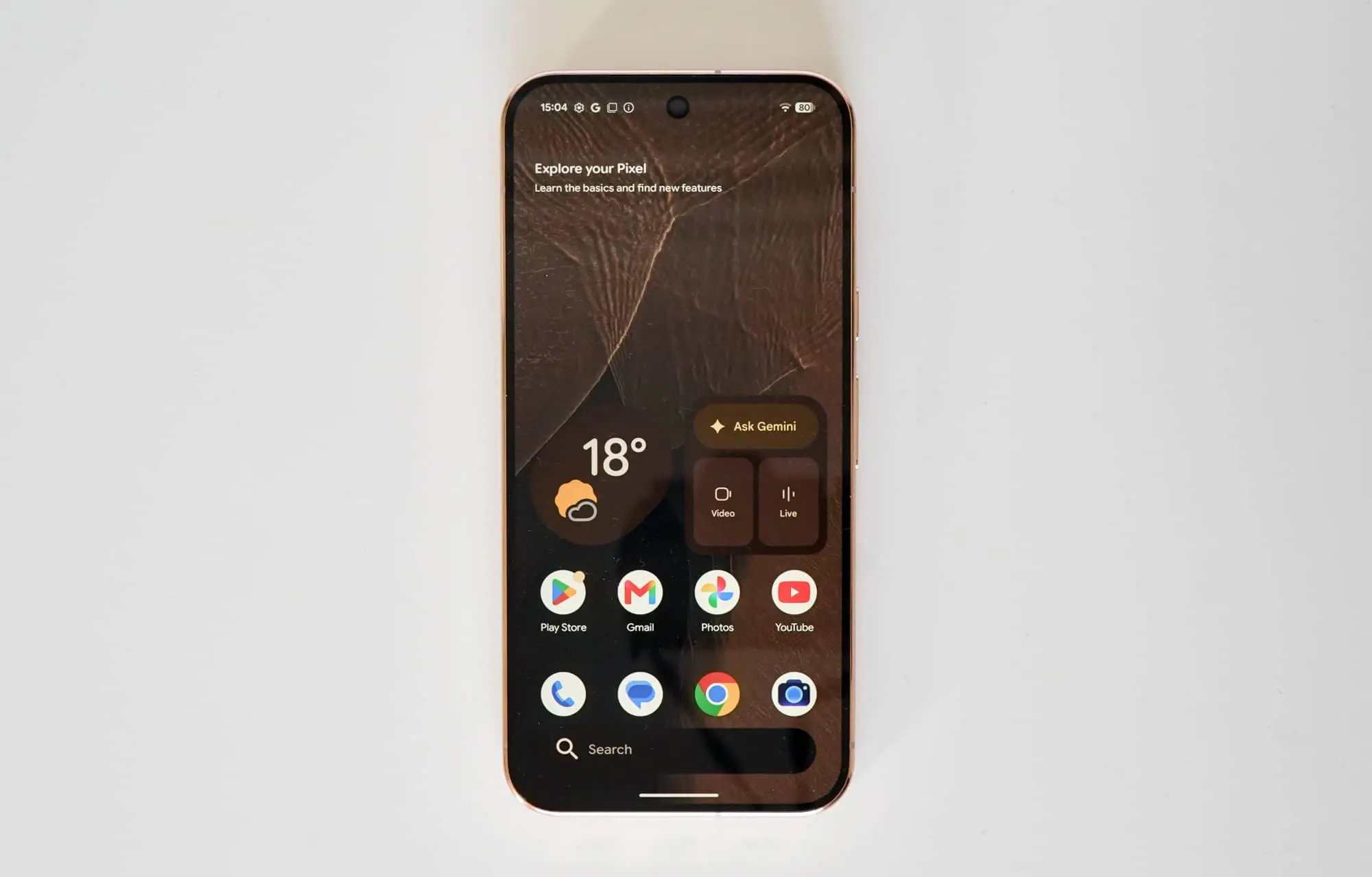
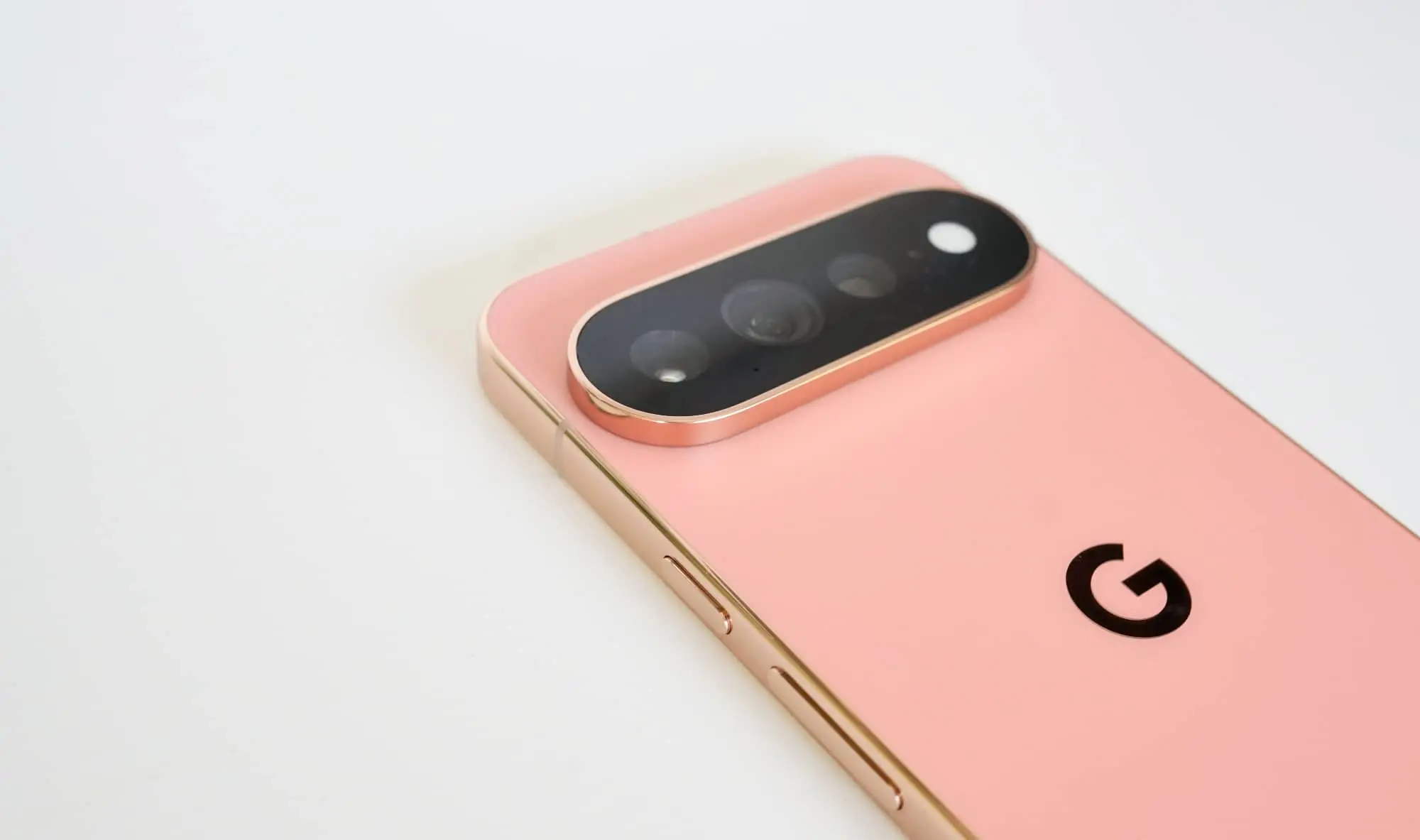
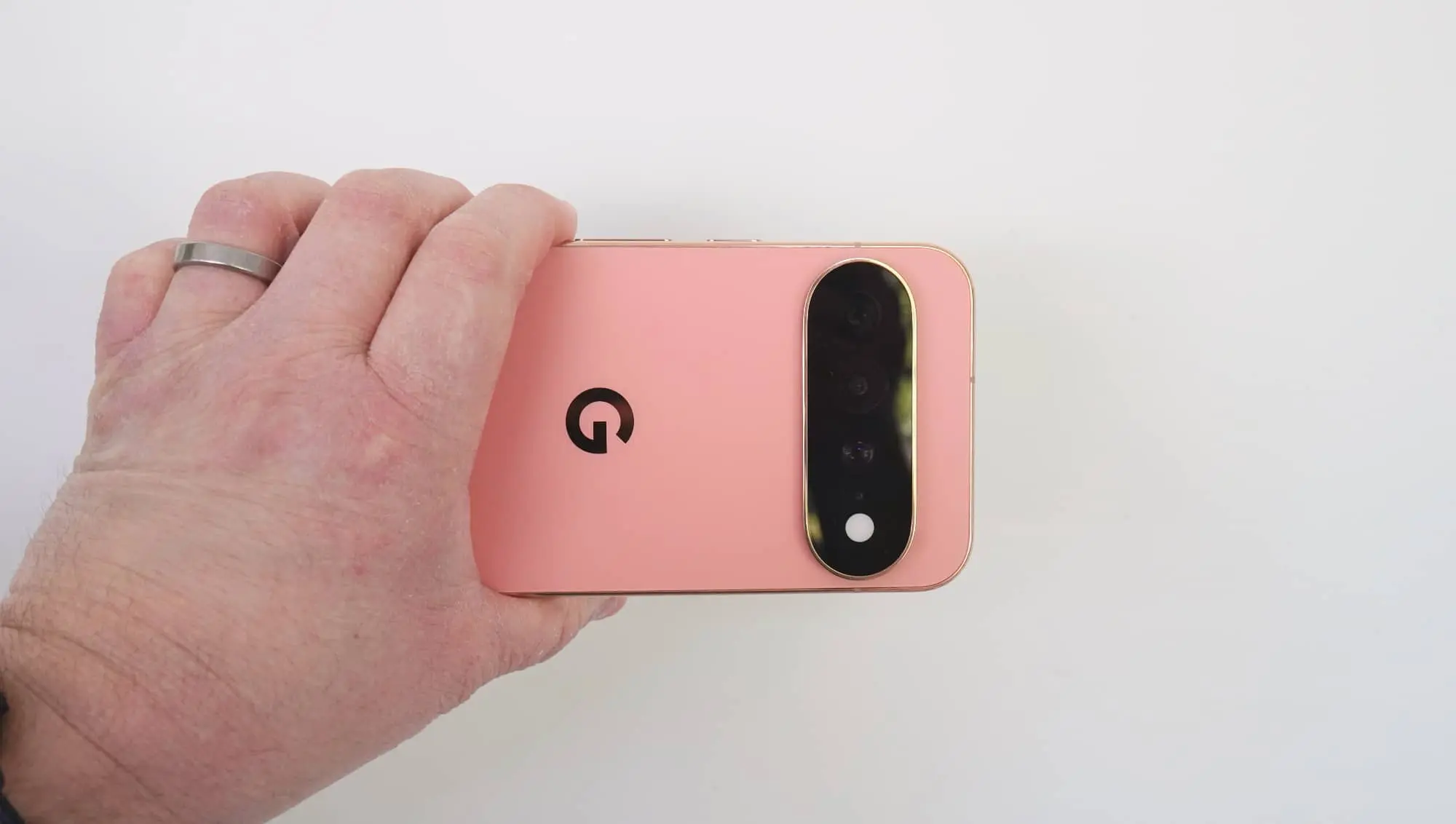
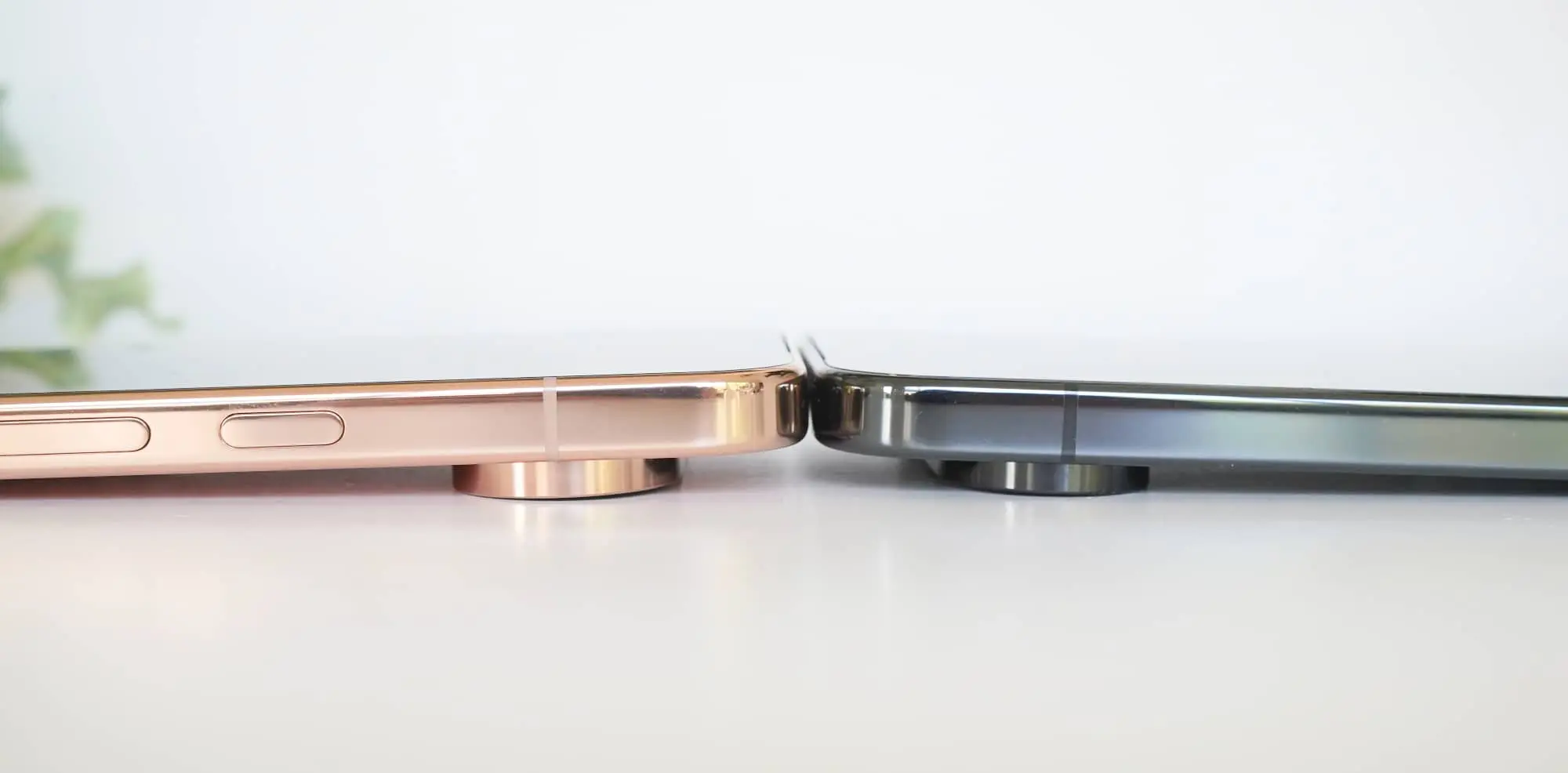
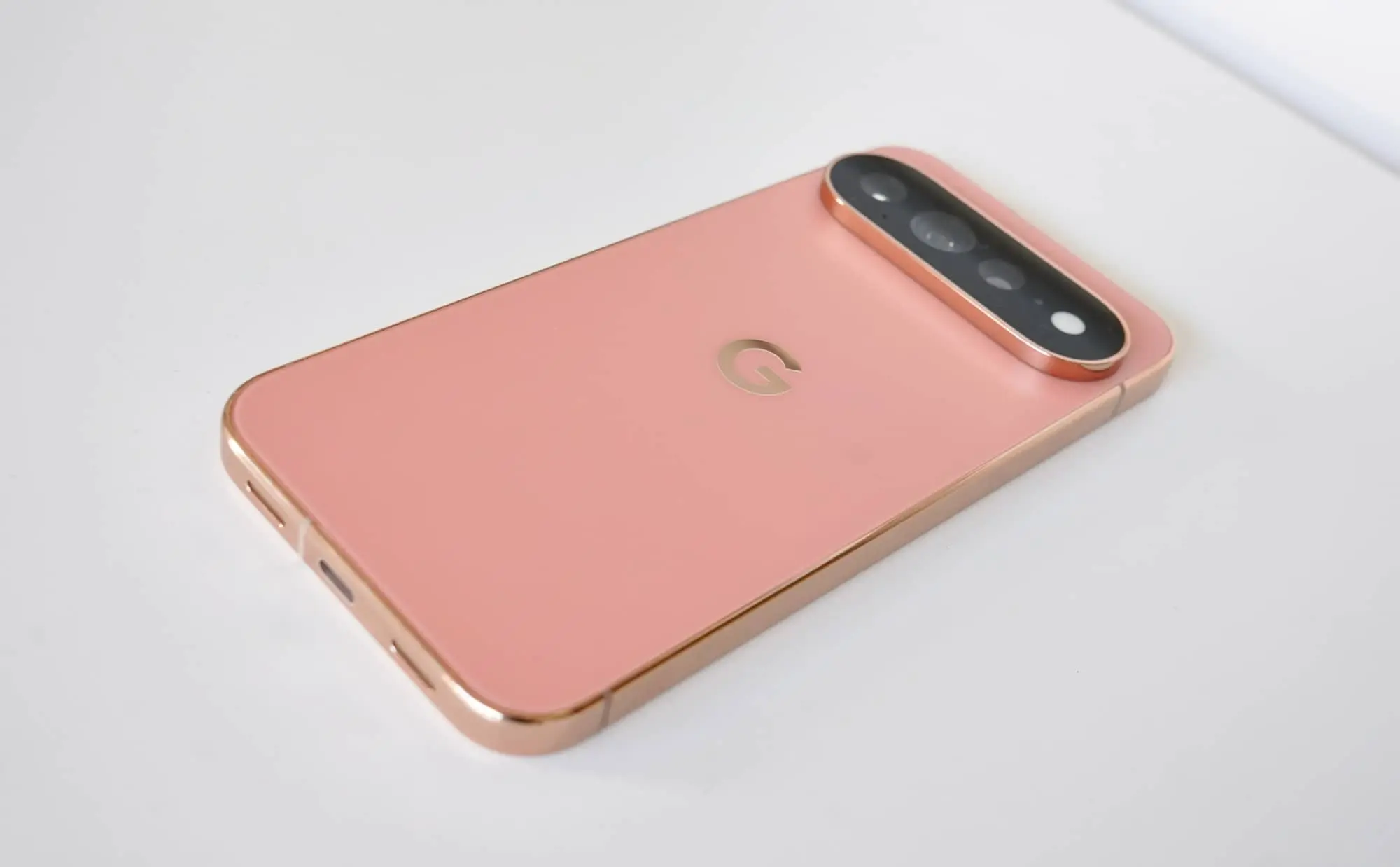
Indeed, it will seem like nothing has changed. That is until you look at the camera, where the raised camera no longer has its own flash and temperature sensor section, and now looks fully blended with the camera component.
This reviewer thinks it looks better, but it’s not a serious enough difference that everyone will care. It’s just a slightly improved look, as if Google was more about bringing everything together that little bit more.
Features
Inside, that whole vibe of marginal improvements shows up again with minimal changes of sorts. New owners will see plenty of new, but comparing the 11 Pro/Pro XL to the 10 models before it, you might get lost in similar details.
There’s a new chip, as the Google-made Tensor G5 becomes the Tensor G6, and there’s also Android 17 out of the box with seven years of operating system and security updates.
You’ll also find a choice of 256GB, 512GB, and 1TB storage, pairing it either with 12GB or 16GB RAM depending on how much you spend, though this is largely the same as the 10 Pro XL before it. As is the support of Bluetooth 6, Wi-Fi 7, GPS, Near-Field Communication (NFC), Ultra-Wideband (UWB), satellite SOS, and the one wired data port of USB-C at the bottom.
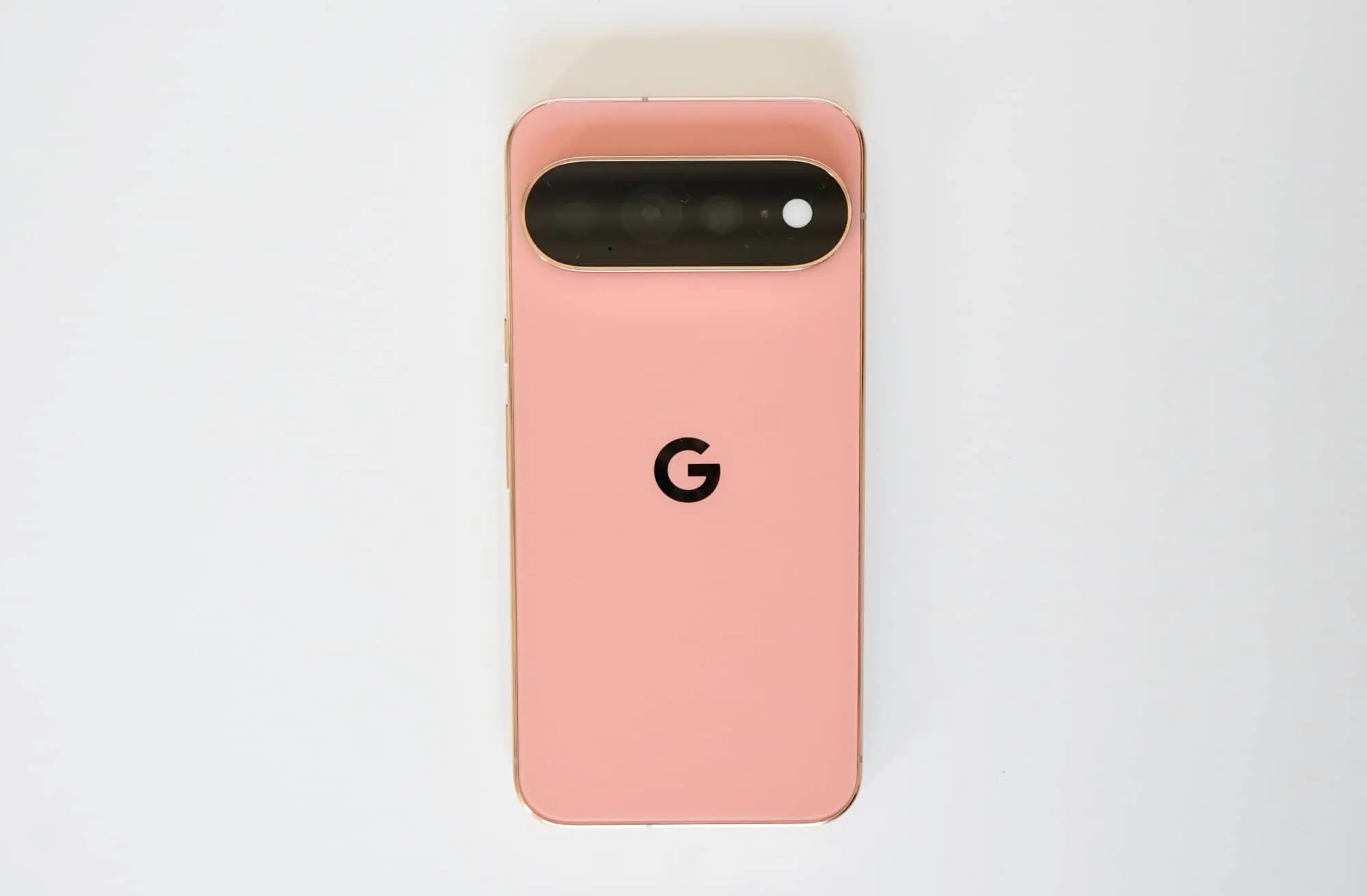
Three cameras are found at the back, one of which has a properly new sensor. You’ll find a 50 megapixel F1.7 wide, a 48 megapixel F1.7 ultra-wide, and a 48 megapixel F2.8 5X telephoto, the latter of which includes a new larger sensor comparatively to its old model. Meanwhile, there’s a 42 megapixel F2.2 selfie camera up front.
A fingerprint sensor is built into this phone, as is wireless charging, the latter of which powers up a 5115mAh battery (which can also be charged using the Type C connection). The Pixel 11 Pro XL is also IP-rated for water resistance, certified for IP68, though, shouldn’t be used when the phone is charging.
Display
Even the screen can feel a bit of a rehash at times. This isn’t necessarily a bad thing, but the changes are minor.
You’ll find a 6.8 inch 120Hz OLED screen protected by Corning’s Gorilla Glass Victus 2, offering the same 1344×2922 resolution as its predecessor, and a fraction more brightness, covering 3600 nits peak brightness in the 11 Pro XL versus the 3300nits in the 10 Pro XL a year before it.
Try not to get bogged down in the technical aspects, though. The screen is bright, clear, and easy to look at, making it a marginal improvement to an otherwise decent screen.
In-use
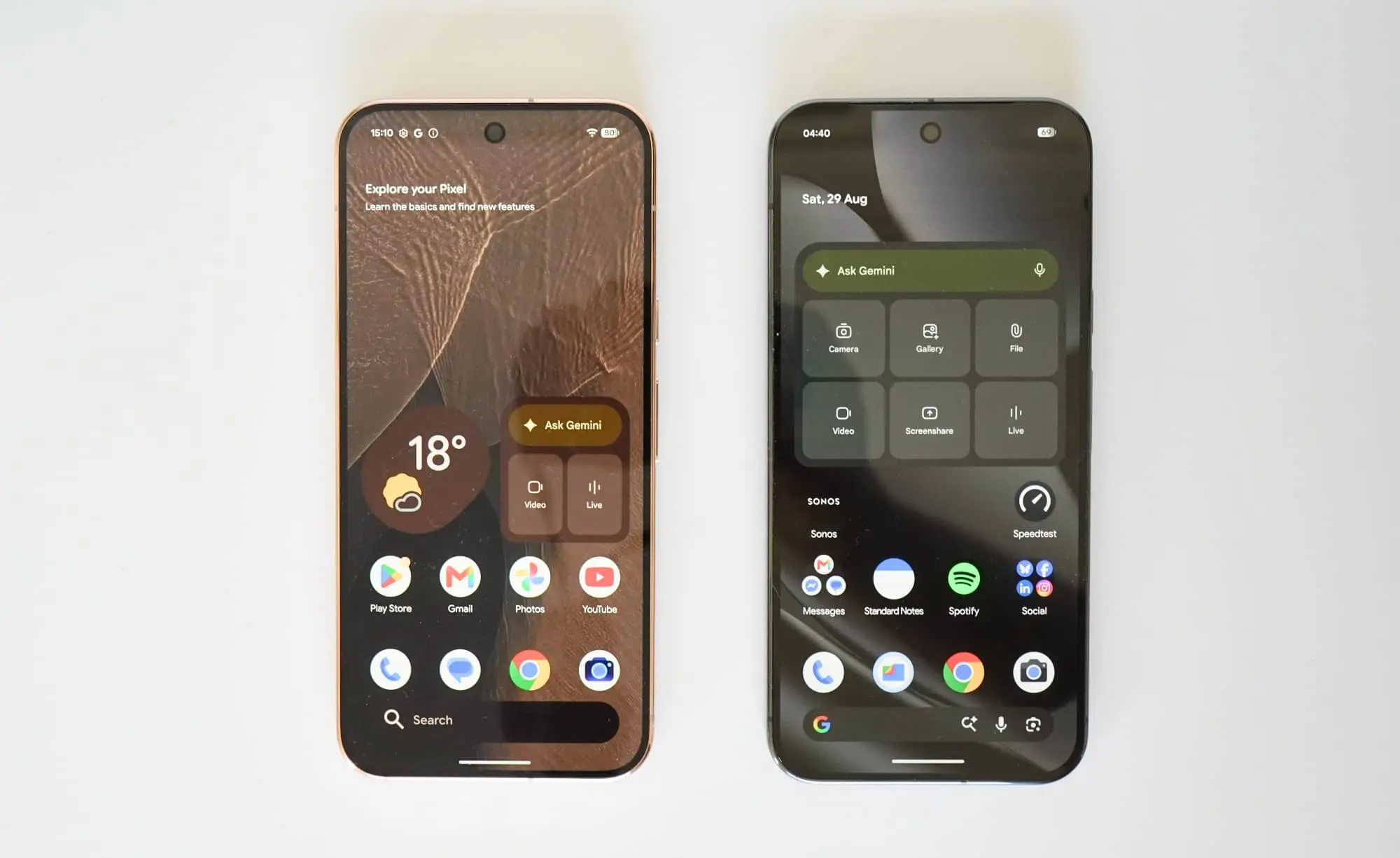
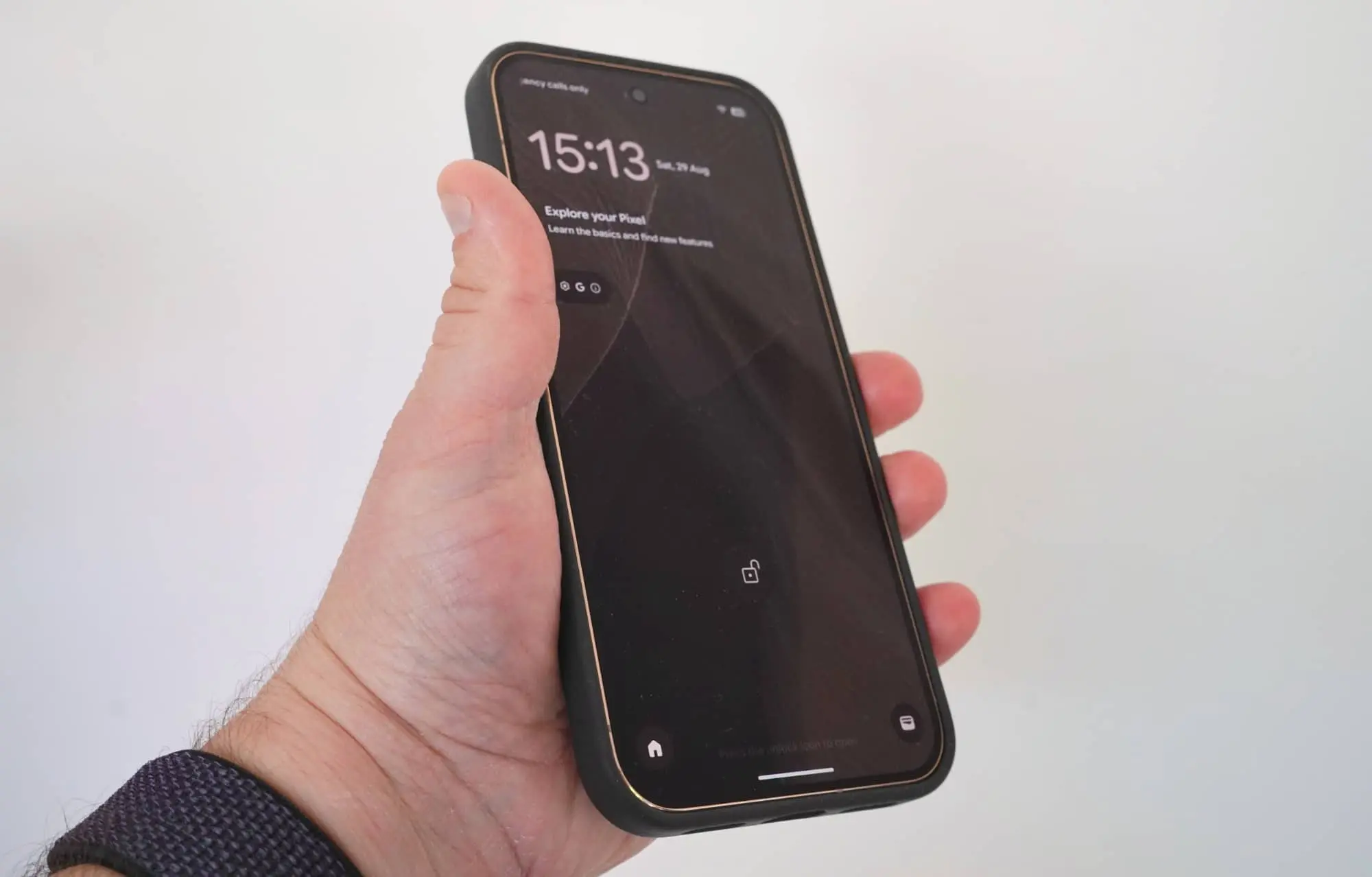
And using the Pixel 11 Pro XL is rather like using any other phone you can find together, though the experience is definitely more like handling another Pixel. No real surprise there.
This is Android somewhat stock, so using the phone means an assortment of widgetised home screens, AI integration, and an approach not unlike most Android phones, particularly the Pixel 11.
We’re not going to spend too much time delving into that, largely because it’s also like a single-screen Pixel 11 Pro Fold. Sufficed to say, the experience is fairly normal, easy to work with, and gives you some AI which you may struggle to find a reason to use.
Performance
Armed with Google’s latest Tensor processor inside, your initial expectations should be that this phone will be fast. “Should” is clearly the operative word.
The problem is that like the Pixel 11 and the Pixel 11 Pro Fold, the Tensor G6 in the Pixel 11 Pro XL doesn’t quite achieve what you might want for it, barely managing to keep up with some of the other high-end chips found in this year’s set of flagship phones.
Ultimately, it appears a problem of raw capability. The technology for AI is definitely there, and no one is disputing Google’s expertise. Curiously, the handset handles most apps without any problems, and while games clearly aren’t the forte of the phone, it’s not a bad experience.
| Device | CPU Single Core | CPU Multicore | GPU |
|---|---|---|---|
|
Google Pixel 11
Google Tensor G6
|
2310
|
7186
|
3238
|
|
Google Pixel 11 Pro XL
Google Tensor G6
|
2289
|
7013
|
3249
|
|
Leica Leitzphone
Qualcomm Snapdragon 8 Elite Gen 5
|
2943
|
7853
|
22317
|
|
Oppo Find N6
Qualcomm Snapdragon 8 Elite Gen 5
|
3590
|
9880
|
23066
|
|
Samsung Galaxy S26 Ultra
Qualcomm Snapdragon 8 Elite Gen 5
|
3660
|
11200
|
24842
|
The problem, however, is that it doesn’t match up to what’s out there.
Other handsets released this year appear to have much more of an edge performance-wise, a statistic that doesn’t necessarily bode well for future apps and such.
Officially, the Pixels last a good seven years of updates, both from operating systems and security updates. That’s great, but if you buy a phone and it doesn’t run the apps or games you want it to — or worse, they run but manage a poor result — those seven years won’t really matter in the grand scheme of things. You’ll want to upgrade quickly.
That’s potentially a problem for this pro-grade hardware, because it doesn’t manage to match the expectations of other pro-grade phones.
| Device | CPU Single Core | CPU Multicore | GPU |
|---|---|---|---|
|
Google Pixel 10 Pro XL (2025)
Google Tensor G5
|
2306
|
6280
|
3182
|
|
Google Pixel 11 Pro XL (2026)
Google Tensor G6
|
2289
|
7013
|
3249
|
|
Google Pixel 7 Pro (2022)
Google Tensor G2
|
1454
|
3581
|
4800
|
|
Google Pixel 8 Pro (2023)
Google Tensor G3
|
1768
|
3786
|
5053
|
|
Google Pixel 9 Pro XL (2024)
Google Tensor G4
|
1990
|
4711
|
6580
|
Curiously, comparing the Tensor G6 to other Tensor models before it shows that while this is definitely faster, it just doesn’t seem as though the Google processors are matching their peers.
Hopefully it won’t affect you too dramatically. In our time with the Pixel 11 Pro XL, you certainly shouldn’t feel the lack of raw speed, and apps were totally fine. There was next to no lag doing everything you might use a phone for.
But the lack of performance in graphics does speak to something about portable entertainment, namely that the experience you get to go with the Pixel 11 Pro XL mightn’t be quite as on the level as with a Samsung Galaxy model, particularly the S26 Ultra.
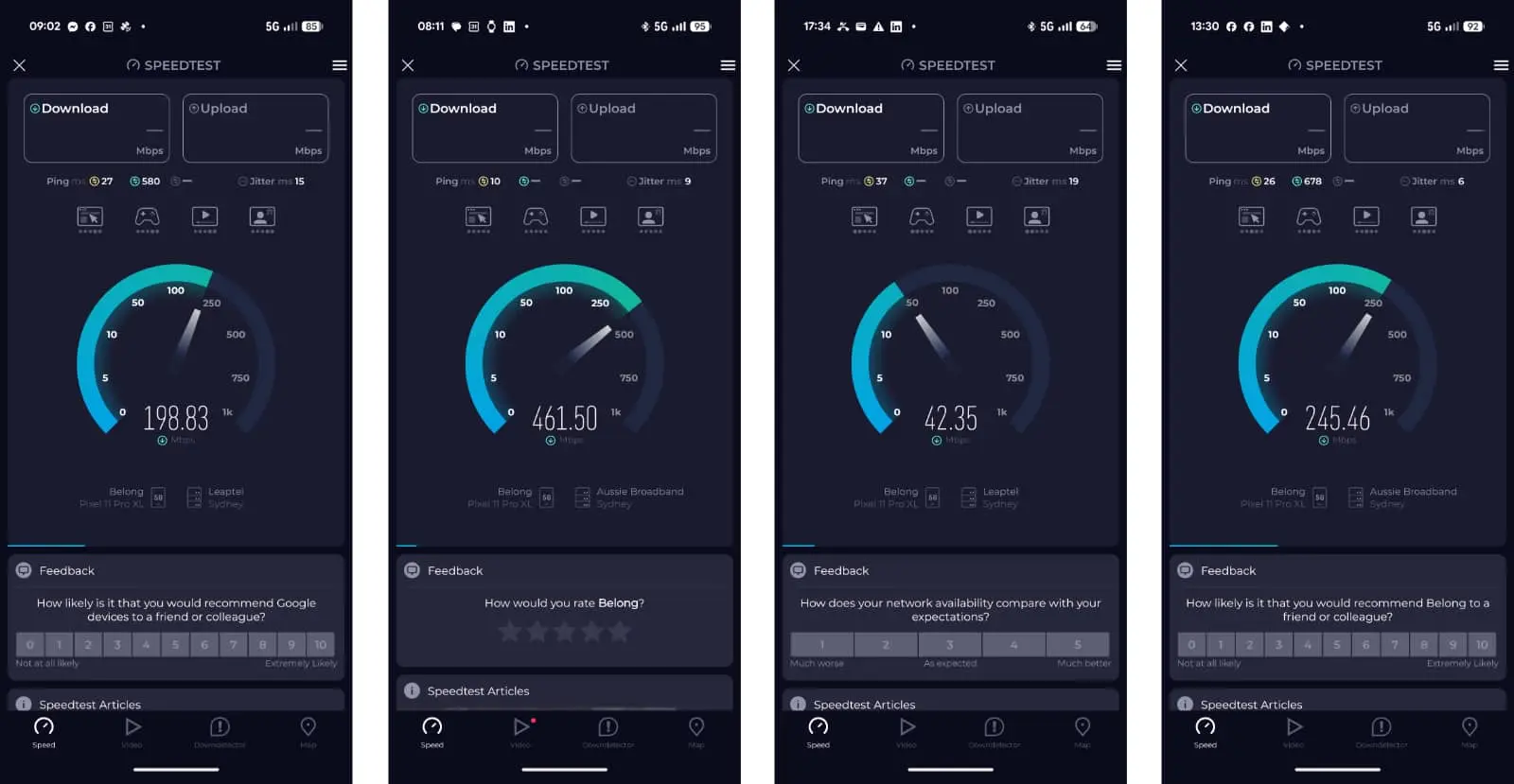
Mobile performance is much the same, with the 5G speeding along provided that you’re within reach of a speedy mobile connection.
For this review, we found speeds as high as 462Mbps using the Telstra 5G network in Sydney, Australia by way of Belong, before the telco’s bandwidth limits kicked in. that should bode well for most people, all things considered.
Camera
Next up is a look at the cameras, and with three cameras found on the back of this phone, Google is technically covering the same range as its predecessor. That’s not new.
What is, however, is that you are getting slightly different cameras to work with in at least one of them. The 50 megapixel wide camera seems similar to its predecessor, as does the 48 megapixel ultra-wide. But the 48 megapixel 5X telephoto gets a larger sensor, and that’s great for improving the quality.
For the most part, your images may not see as much of a difference. You’re probably not upgrading from the 10 to the 11, but folks moving either from much older or starting fresh will find a camera that could easily be the standout feature of the phone.
There’s a wide range of focal lengths here, covering ultra-wide to quite-close, going from 0.5X to 5X, and if you want a little closer, there’s a bit of cropping you can get from the telephoto plus Google’s software smarts.
Images look great in daylight with some lovely low-light shots, as well, and both portraits and macro photos can be great from the camera.
The camera has long been an area where Google has spent time making its phones one of the best to consider, and the Pixel 11 Pro XL continues that, even if the 42 megapixel selfie camera does seem like it has been left over from last year.




While the telephoto lets you get a little close to far off things, the macro feature built into the ultra-wide Is also fairly impressive, providing a camera for folks who love to get up, close, and personal with aspects of life.
The hair on a raspberry, the thread on clothes, or even just a sharp shot of a spider weaving a web while the background goes creamy. The capabilities of the camera show the Pixel 11 Pro XL (and 11 Pro) are more or less built with photography in mind.



Battery
Like other similarly sized phones, the Pixel 11 Pro XL’s battery is sizeable, and there is a good near two days of battery life possible from the phone in general use, but closer to 24 hours if you had to have the screen running all throughout.
Pickr’s Battery Bench recorded 24 hours of constant use from the phone, marking one of the best battery performances from a flagship phone this year, and practically matching the Pixel 11 Pro Fold equally.
| Device | Battery |
|---|---|
| Google Pixel 11 Pro XL |
24:40
|
| Google Pixel 11 Pro Fold |
24:40
|
| Leica Leitzphone |
22:56
|
| Samsung Galaxy S26 Ultra |
22:09
|
| Google Pixel 10 Pro XL |
20:51
|
Our graph tells the story, but the spreadsheet housing all the battery benchmarks tells a more directly equal story, with a grand total of eight seconds of difference, the Pixel 11 Pro Fold at 24:40:04 and the Pixel 11 Pro XL at 24:40:12. They are staggeringly close.
What this means will depend on how you use the biggest Pixel. Use that screen all the time and you’ll likely need a nightly charge, but use it more sparingly and closer to five hours a day, and you could hit into the second day with ease, needing a charge around lunch.
The long (and short) is that the Pixel 11 Pro XL battery hits over a day with minimal surprises, or even none. The problem is it’s not the increase we yearn for, not helped because Google hasn’t even opted for a silicon-carbon battery, which would have likely pushed the battery even more.
It definitely does the job, and you get a little more out of the whole thing, but it’s not a substantial increase. Maybe next year.
Value
The biggest question mark might be the price, which like most phones this year sees a more expensive price, albeit one that is marginally more. It’s not an increase of several hundred dollars like you might be expecting, but it’s still a hundred bucks more, priced from $2099 for a 256GB model, which just so happens to be the Pixel Pro XL we’re reviewing.
We’re not really concerned about the phone costing more, mind you. That’s par for the course for pretty much every mobile device in 2026. From laptops to phones, the increase in data centres is affecting prices in technology in the most frustrating ways.
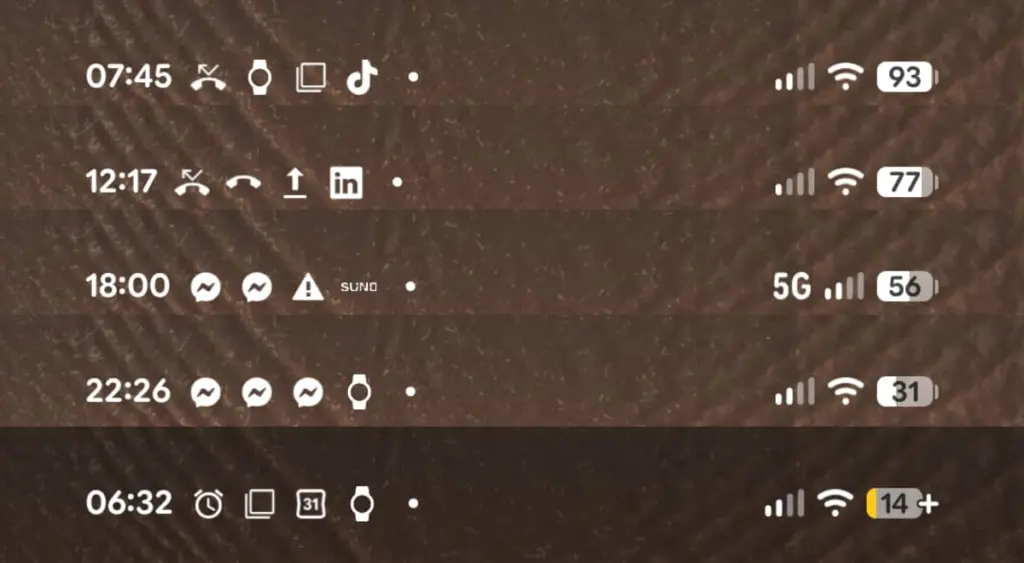
But the feeling that little has changed positively does make it more difficult to justify the increase in price. You get a great camera and you get a nicely built phone, but neither the HiLight notification feature on the back nor the AI features will blow your mind, and the performance of the phone leaves us concerned for a mobile designed to last seven years.
Given there are arguably better performing phones for near the same price points, Google’s phone is a little more difficult to argue for. It’s okay value, but it could be better.
What needs work?
Much of the Pixel 11 Pro XL is worth paying attention to, from the excellent camera system to the more than capable set of software. It’s a great phone for sure.
But aspects are a total bust and just don’t feel like they’ve progressed forward, or even really become useful as advertised.
Take the HiLight feature, which like it is on the Pixel 11 Pro Fold ends up being a bit of a waste. Developers are clearly optimising and improving it, but Google’s feature addition to let you map a handful of colours to a specific person is a missed opportunity, and can end up coming off like a derivative of a good idea Nothing had in the glyph concept.
Even the AI features may not necessarily improve how you use the phone. Sure, AI may well be a big part of what Google does in its phones, but every other Android phone is doing it, too.
Performance is also hit and miss, with the Tensor G6 just failing to match other big-brand models this year, devices that have gone with chips from MediaTek and Qualcomm.
There’s little doubt Google knows what to do when it comes to designing processors, but comparatively, the power just doesn’t seem like it’s there, and the concern is simply longevity.
While the Tensor processors may fine as far as AI functionality goes, and offer up to seven years of updates, anyone thinking of using their phone for games and high-performance apps may definitely want to consider looking beyond the Pixel 11 Pro and Pro XL. These chips just aren’t made for quite the same level of performance, and it’s a feeling that’s difficult to shake.
What we love
Despite the concerns, the cameras are easily one of the best reasons to consider the Pixel Pro range, and that remains consistent here.
Three capable cameras make the Pixel 11 Pro XL easily standout, and the inclusion of the magnetic Qi2 technology also makes Google a bit of an outlier. Virtually no Android maker has bothered to include wireless magnetic charging like Apple, and yet Google does.
Not everyone will care. Wireless charging is slower and can be a little more power wasteful, and everyone who owns a Samsung or another Android can also simply throw on a case with the rings in place. Little about this is new.
But if you prefer a phone to be naked on the variety of Qi2 charging stands, the Pixel 11 Pro XL has something going for it.
Final thoughts (TLDR)
There are definite positives to the Pixel 11 Pro XL, and the camera and design are big parts of it. This is a definite premium-feeling phone that stands out, but it doesn’t seem to stand out in all the ways you might be looking for.
Phones may be a little hit and miss this year, but while Google’s phones normally are some of the best, the upgraded Pixel Pro and Pro XL feels like marginal changes as opposed to major positive improvements. What little has been changed that’s worth paying attention to is somewhat let down by what hasn’t.
You’re still getting a lovely phone in the Pixel 11 Pro XL, but in 2026, it really does feel like you can do better. If anything, it shows just how strong the Pixel 10 Pro XL is throughout this, and possibly makes it the better purchase, if you can still find one. This is a marginal change at best.