

You can’t find a phone without support for the wireless radio communication technology we all know as Bluetooth, and there’s a great reason why: it’s a standard used for so much, it would be crazy not to include it.
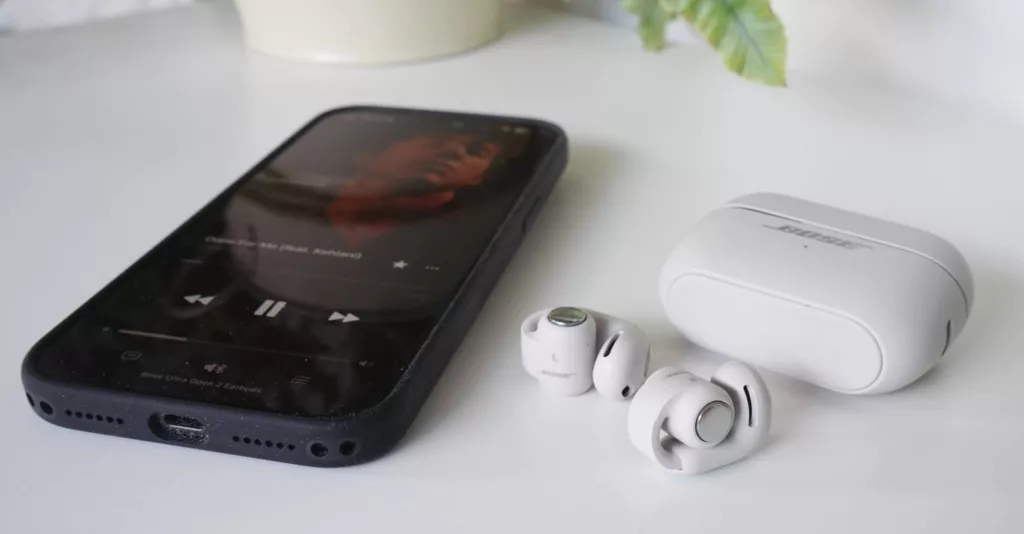
Wearables connect to phones using Bluetooth, and so do headphones, earbuds, earphones, and speakers. Your car connects to your phone using Bluetooth, and wireless keyboards and mice connect to computers using the same standard, too.
The point is that Bluetooth is used as much as Wi-Fi, though it’s used for different purposes. You might be using it right now, listening to something on your phone or tablet while reading this very article.
They serve different purposes, and in the future, Bluetooth will likely take some of the heavy lifting for more device-to-device communication, especially when we’re using more complex bits of technology on our person.
Devices like a visual headset could benefit from improved speeds, giving spatial computing a bit of a bandwidth boost, as could surround sound with multiple channels, allowing the home theatre and possibly even the bigger established cinema theatres to adopt wireless for improvements.
To do that, Bluetooth needs an update, and much like how Bluetooth 6 brought in extra capabilities, so too will version 7.
The Bluetooth group has now adopted an approach called “Bluetooth High Data Throughput” or simply “HDT”, and its name is literally an explainer into what the technology aims to offer: more bandwidth and increase capacity, as well as fast data transfer speeds and enhanced reliability overall.
The technology will use a physical layer that allows it to run Bluetooth LE devices as they are now, but increases the bitrate nearly four times, hitting a maximum of 7.5Mbps. That’s slower than Wi-Fi today, but faster than Bluetooth, meaning more quality from some applications, faster transfer rates, and potentially better results.
It may even deliver better energy efficiency because the system will need to spend less time transmitting, getting the job done faster in some instances.
Bluetooth 7.0 isn’t expected until next year, though, and so you probably won’t see devices supporting the technology until 2027. Phones and tablets are the obvious candidates, but given the support for surround sound, it’s entirely possible home theatre gear and soundbars will get the feature, as could smart glasses made more for spatial computing, too.