
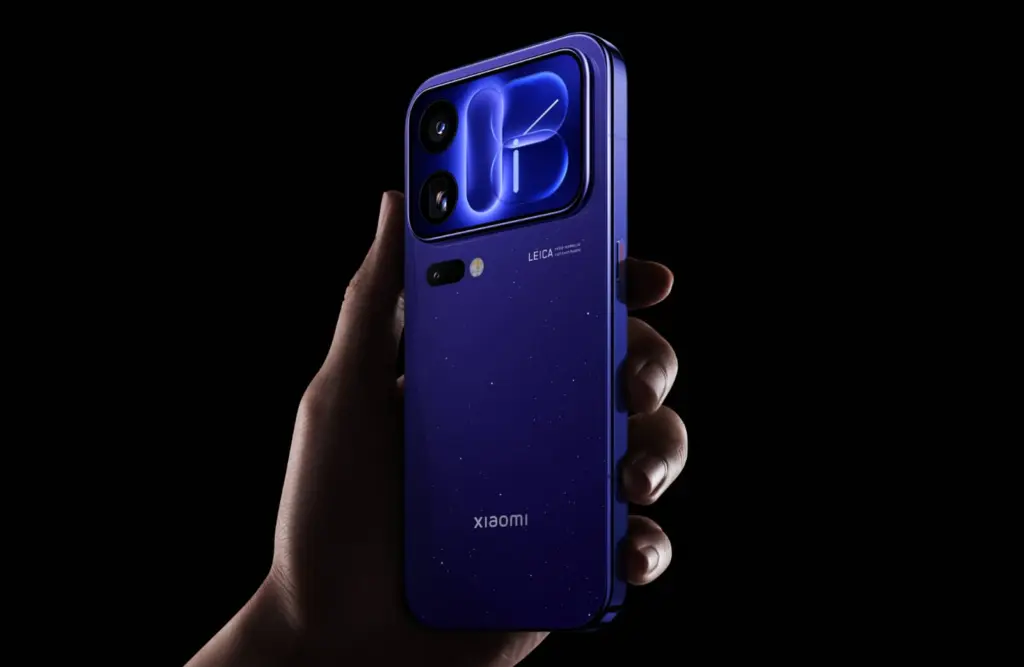
Not everyone wants a phone that folds over to reveal a new screen. Some people just want a phone that delivers all the benefits we’ve come to expect over the years, such as a big screen, big battery, big camera system, and the feeling that you have something that delivers a sense of convergence and convenience alike.
As intriguing as they are, foldable phones tend to sacrifice something to get that uniquely supersized form-factor. That might be the complex camera system complete with a telephoto lens, something only a handful of folds have managed to overcome, or even the better battery life. But then the lure of the fold’s extra screen can be handy, too.
Xiaomi might have a bit of a compromise in a new model to end the year, as it announces the 18 Pro series, its own response to Apple’s equivalent in that area.
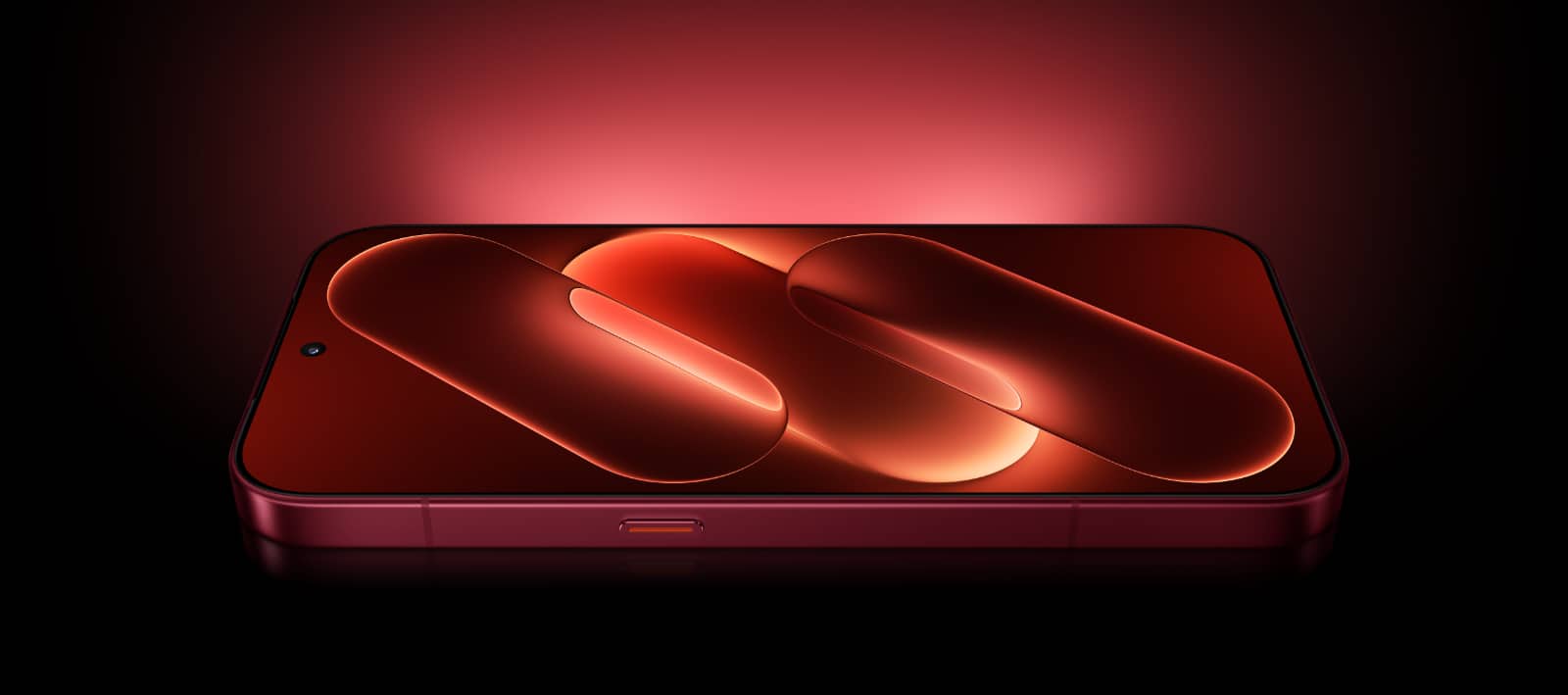
Like the iPhone, it will have a regular-sized and a big-sized variant, arriving in the unsurprisingly named Xiaomi 18 Pro and Xiaomi 18 Pro Max. The differences are basically a choice between a 6.4 inch 120Hz AMOLED screen in the 18 Pro and a 6.9 inch 120Hz AMOLED screen in the 18 Pro Max, both sharing largely identical specs.
In fact, little about the hardware is all that surprising. It could possibly be the first phone we’ll see to feature Qualcomm’s latest hardware, the Snapdragon 8 Elite Gen 6, paired with 12GB RAM and either 256GB or 512GB storage for both.
None of that is surprising. What is surprising, however, is on the back.
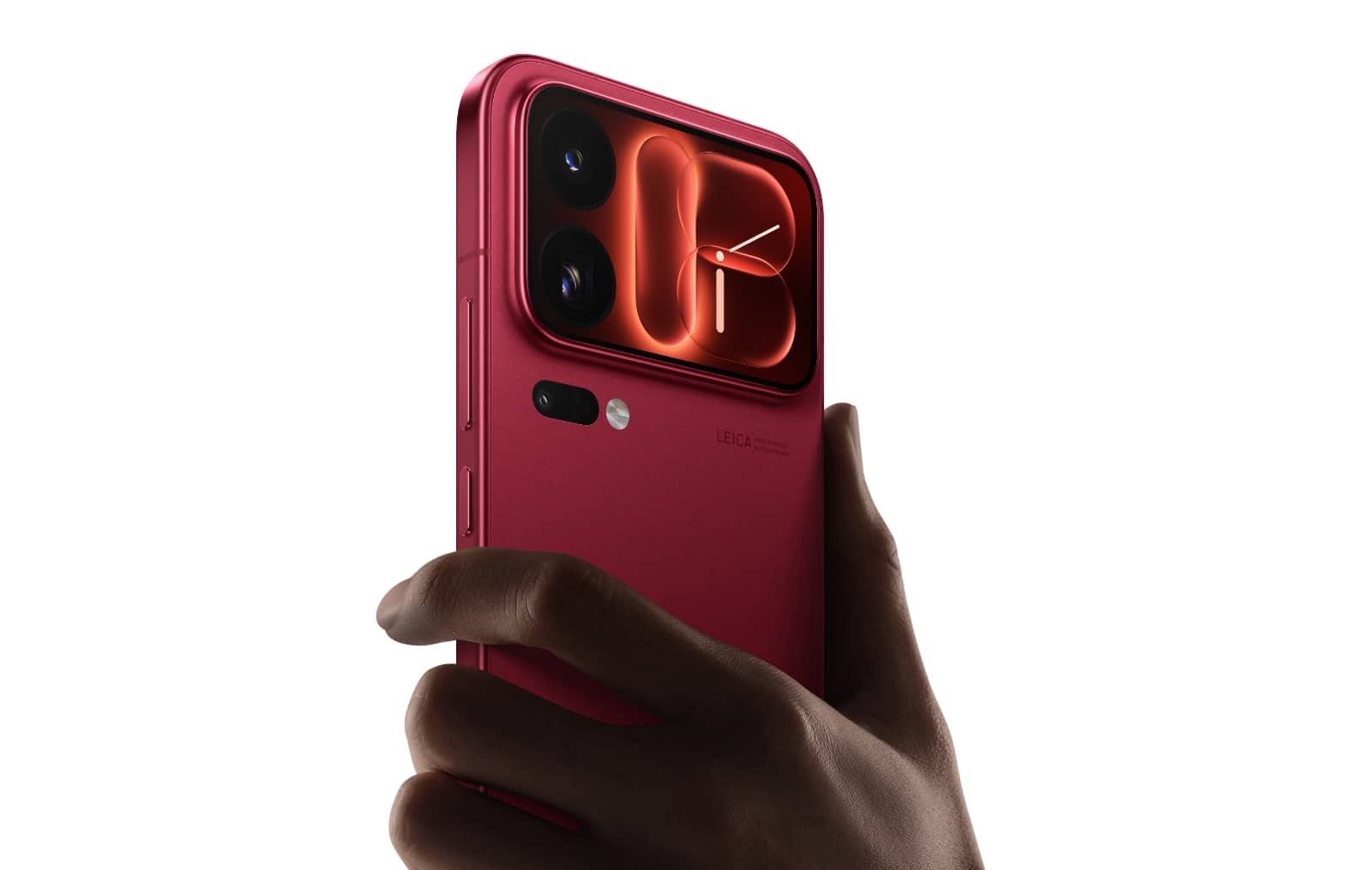
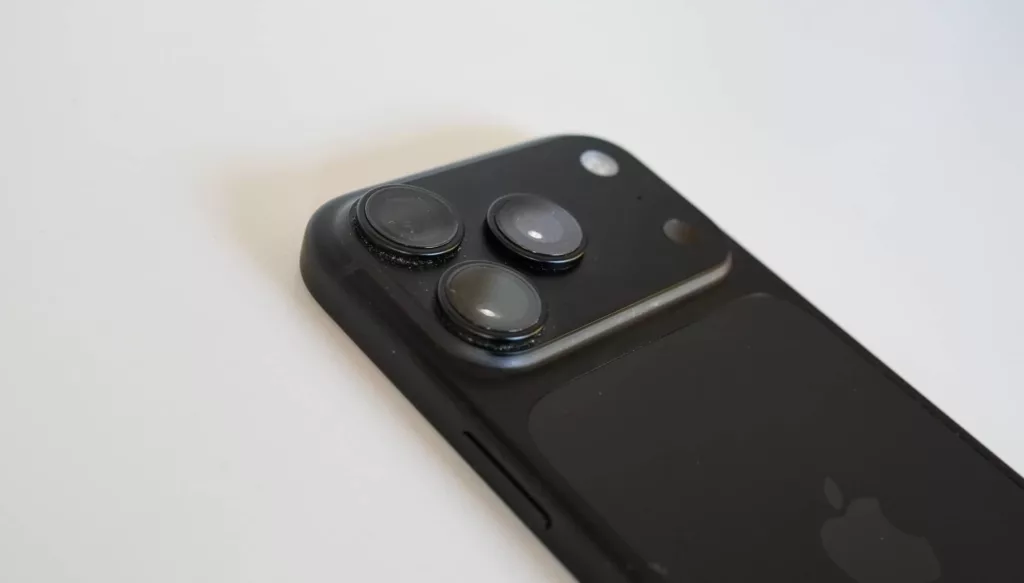
Next to the camera system (and seemingly built into the frame of the camera) is a surprise second screen, a concept Xiaomi calls the “Back Display” which can work as a rear viewfinder similar to an accessory Insta360 has made, while also working for other features, too.
The Back Display can show notifications and maps, it can work as a QR code or boarding pass when supported, and it might even serve show translated languages to people when you’re out and about.
Granted, the rear display is small — 2.7 inches for the Pro model and 2.9 inches for the Pro Max — but it’s a taste of a foldable inside a device that’s clearly not a folding phone.
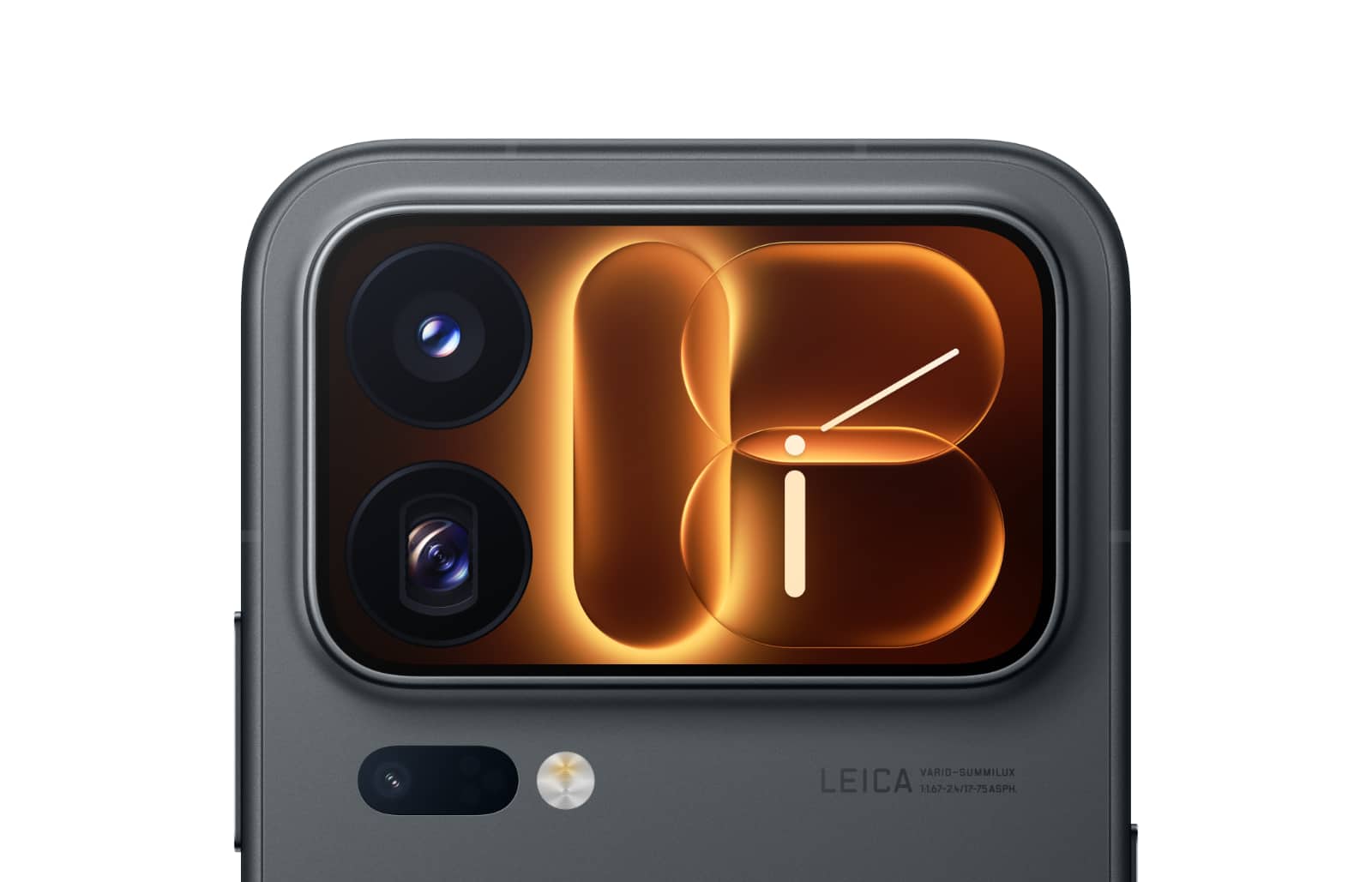
The camera is also interesting, with Xiaomi once again collaborating with camera and glass specialists Leica for a three camera system made of a 200 megapixel main wide F1.67 camera, a 200 megapixel 3X F2.4 telephoto, and a 50 megapixel F2.4 ultra-wide, while the front offers a 50 megapixel selfie camera, as well.
There is a slightly difference between the Pro and Pro Max variations, with the Xiaomi 18 Pro Max getting a slightly difference sensor with reportedly more dynamic range than the Pro model, but other than that, they appear quite similar. They will both support Leica film and camera simulations, and use Leica glass to get them there.
Interestingly, there won’t be a specific Leica-themed edition of the 18 range like there was the 17, with no new Leitzphone this time.
However, both phones also get the privacy screen feature Samsung first introduced in the Galaxy S26 Ultra, though may be able to trigger based on other settings, such as when the phone’s camera notice someone not you looking at the screen.
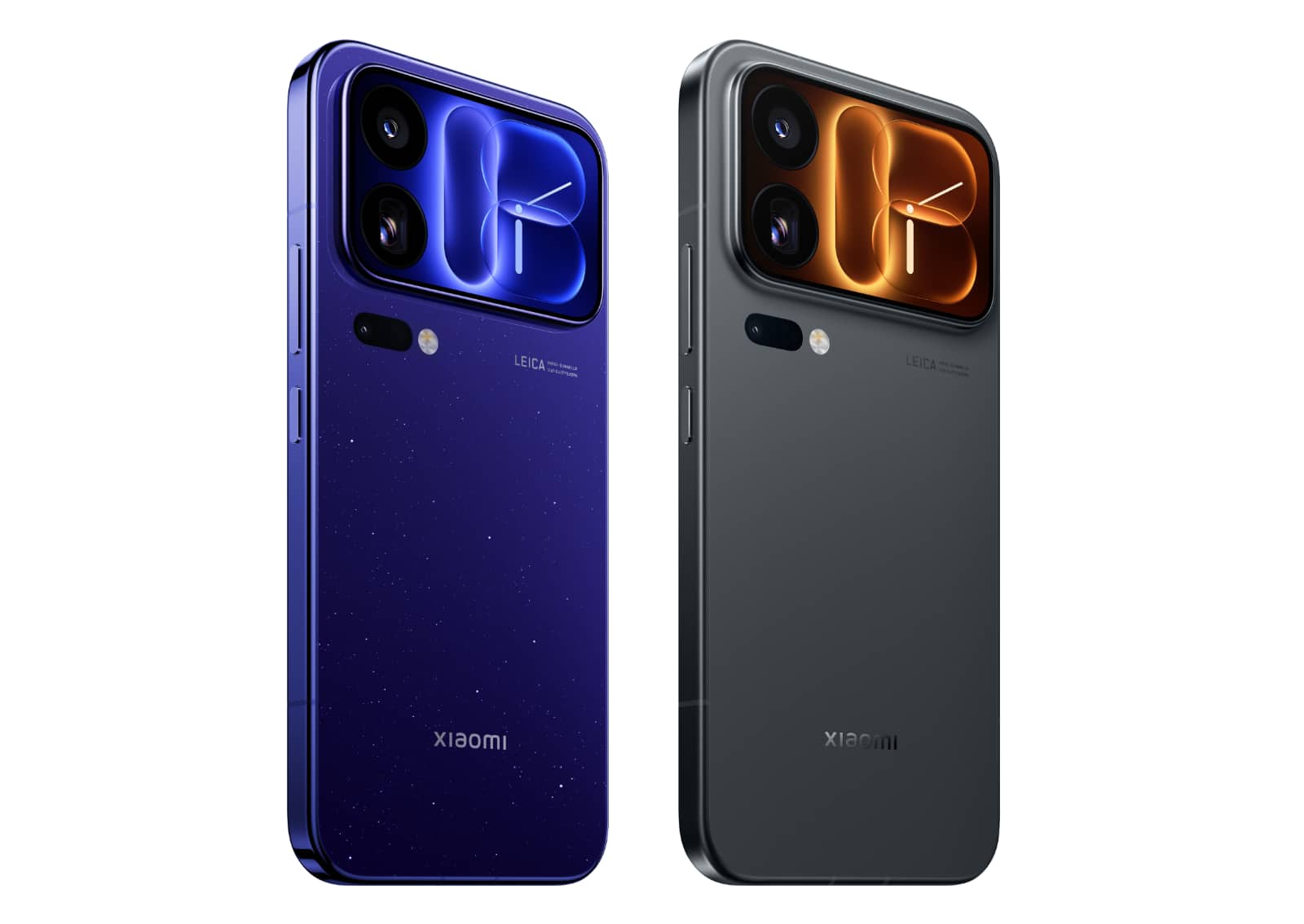
Looking at the phone, it’s pretty clear where Xiaomi pulled its inspiration from, but feature-wise, the Xiaomi 18 Pro and 18 Pro Max appear to be a blend of the big-deal features from other companies, while giving it a taste of something else. The back screen is definitely new, though does feel like the Xiaomi equivalent of Nothing’s Glyph concept, except viewed from the logic of why bother inventing a new language to show notifications of sorts.
While aspects of the 18 Pro and Pro Max are clearly a surprise, the price is not. It’s set high, though possibly not as high as others, with the 18 Pro priced from $1799 for the 256GB model and $2099 for the 512GB, while the Xiaomi 18 Pro Max will cost $1999 for the 256GB and $2299 for the 512GB, heading to online stores now.