
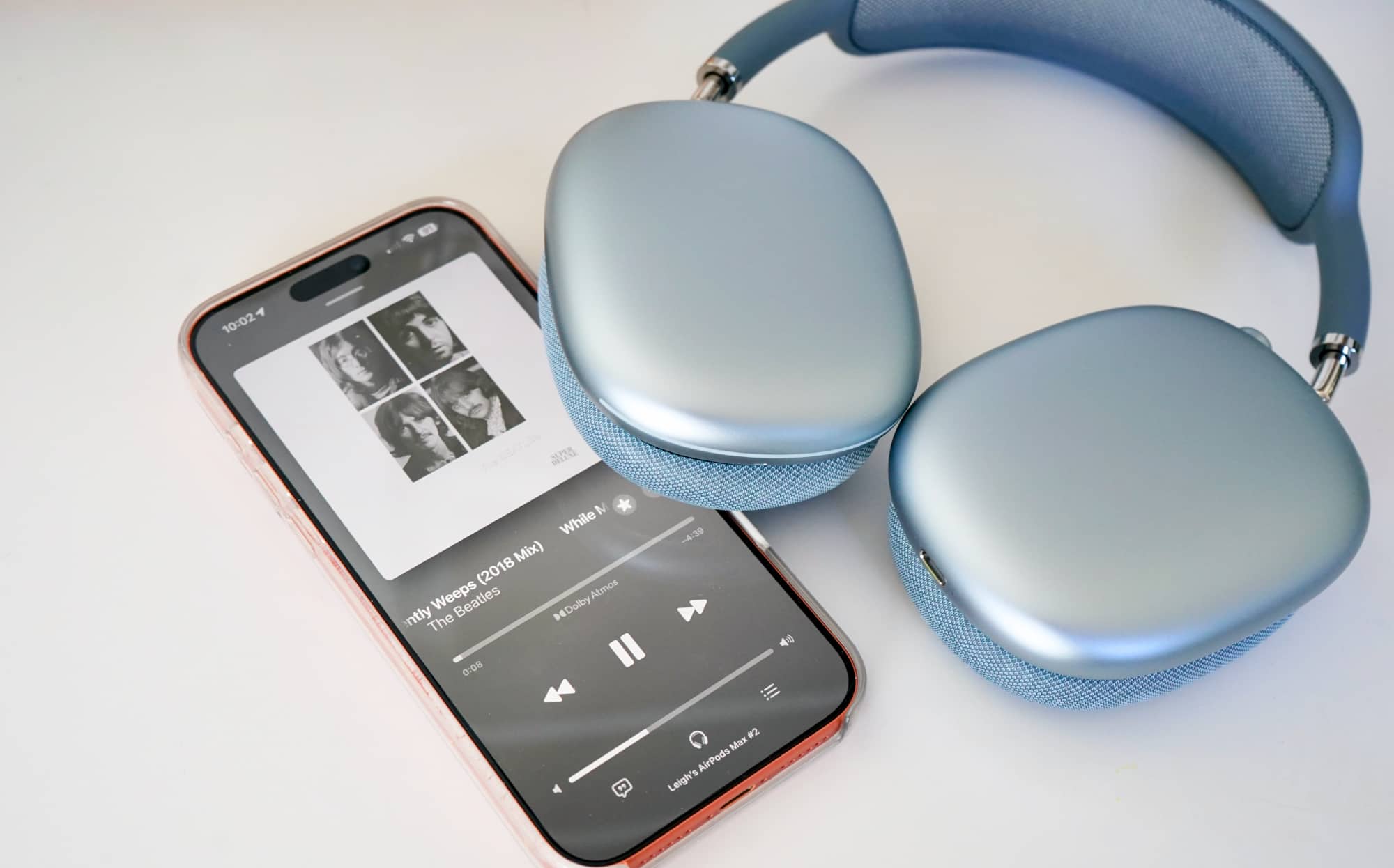
Quick review
The good
The not-so-good

Technically the third-generation, the AirPods Max 2 bring better sound and spatial to people with plenty of money and an iPhone.
One of the best things about the democratisation of technology is that great gear eventually trickles down to more price points. If you don’t need to spend seriously big dollars to get something amazing, we all win. Your wallet thanks you.
But what happens if you did want to spend up; what can you get for lots of money?
There’s the best-in-class tech for a best-in-class price, and that’s precisely what Apple is focused on with its AirPods Max line. While you can get a great sound from a smaller pair of earphones in the AirPods and AirPods Pro, the Max are for a bigger sound. What does $999 get you in Max 2?
Design and features
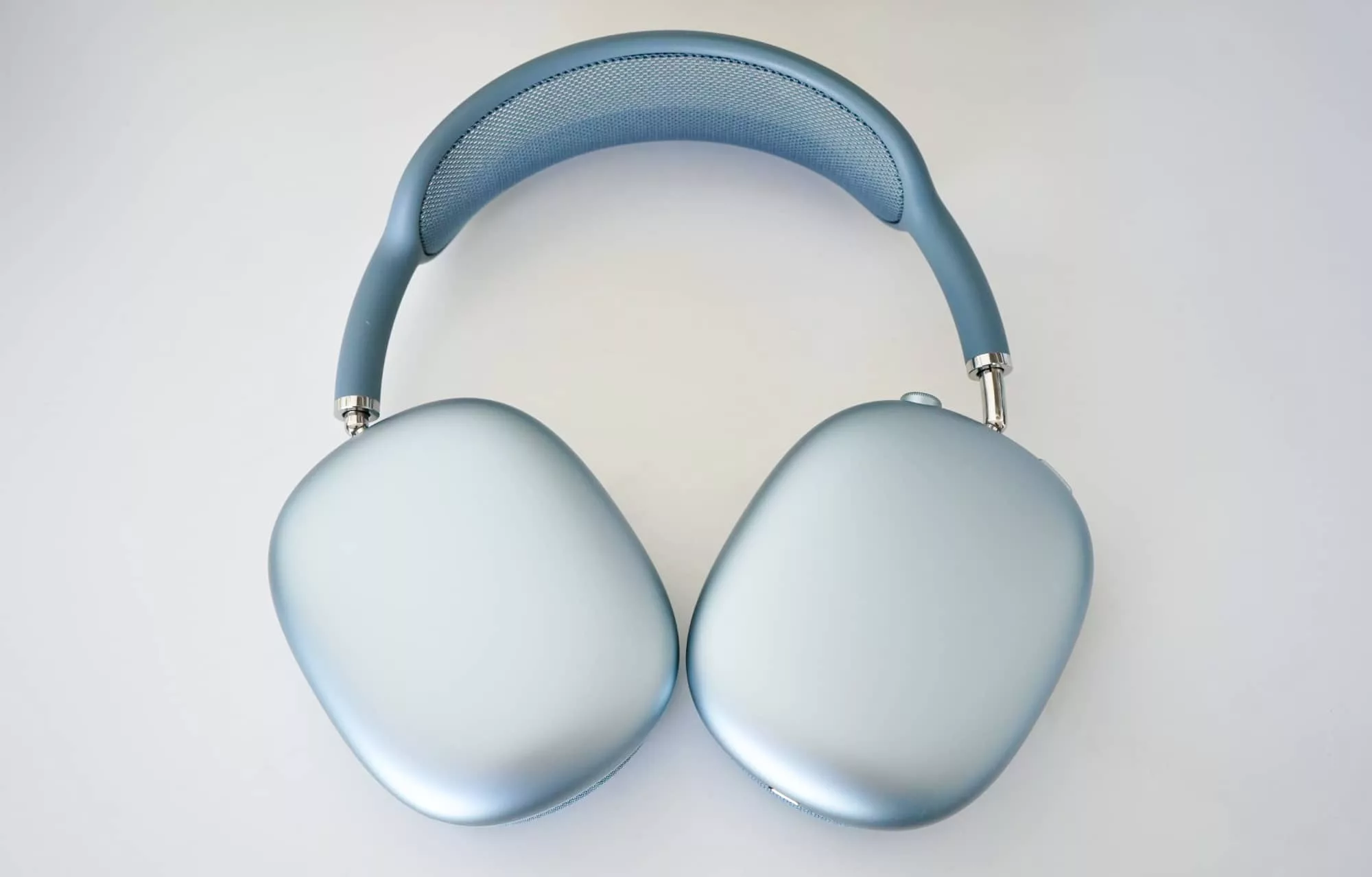
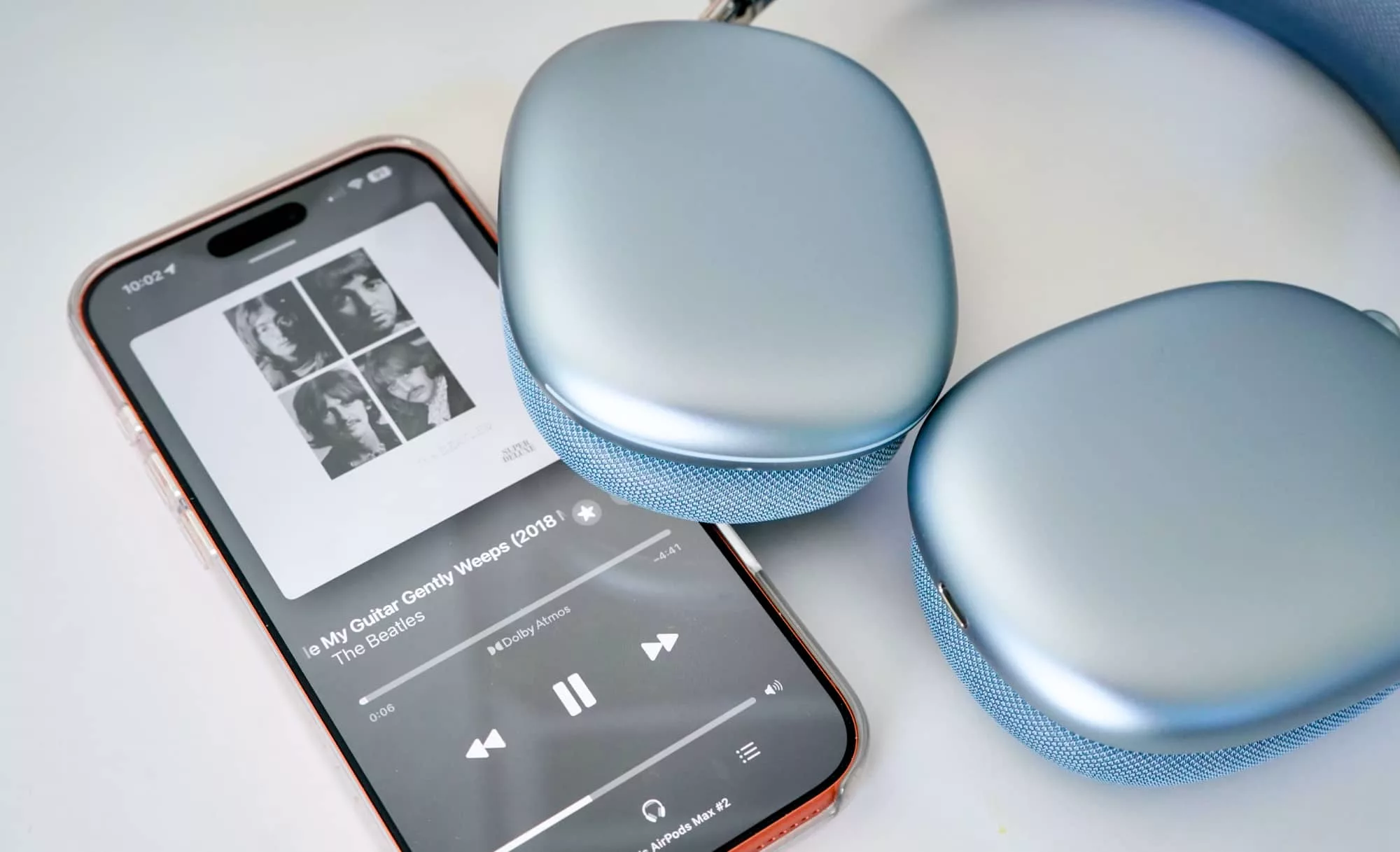
It may well be a new generation of AirPods Max, but don’t expect the design to change too much… or even at all. The latest model looks like both the original AirPods Max and their USB-C sibling, which was a minor touch up on the original, delivering a new port and some colour changes.
And that’s exactly what this pair looks like, too.
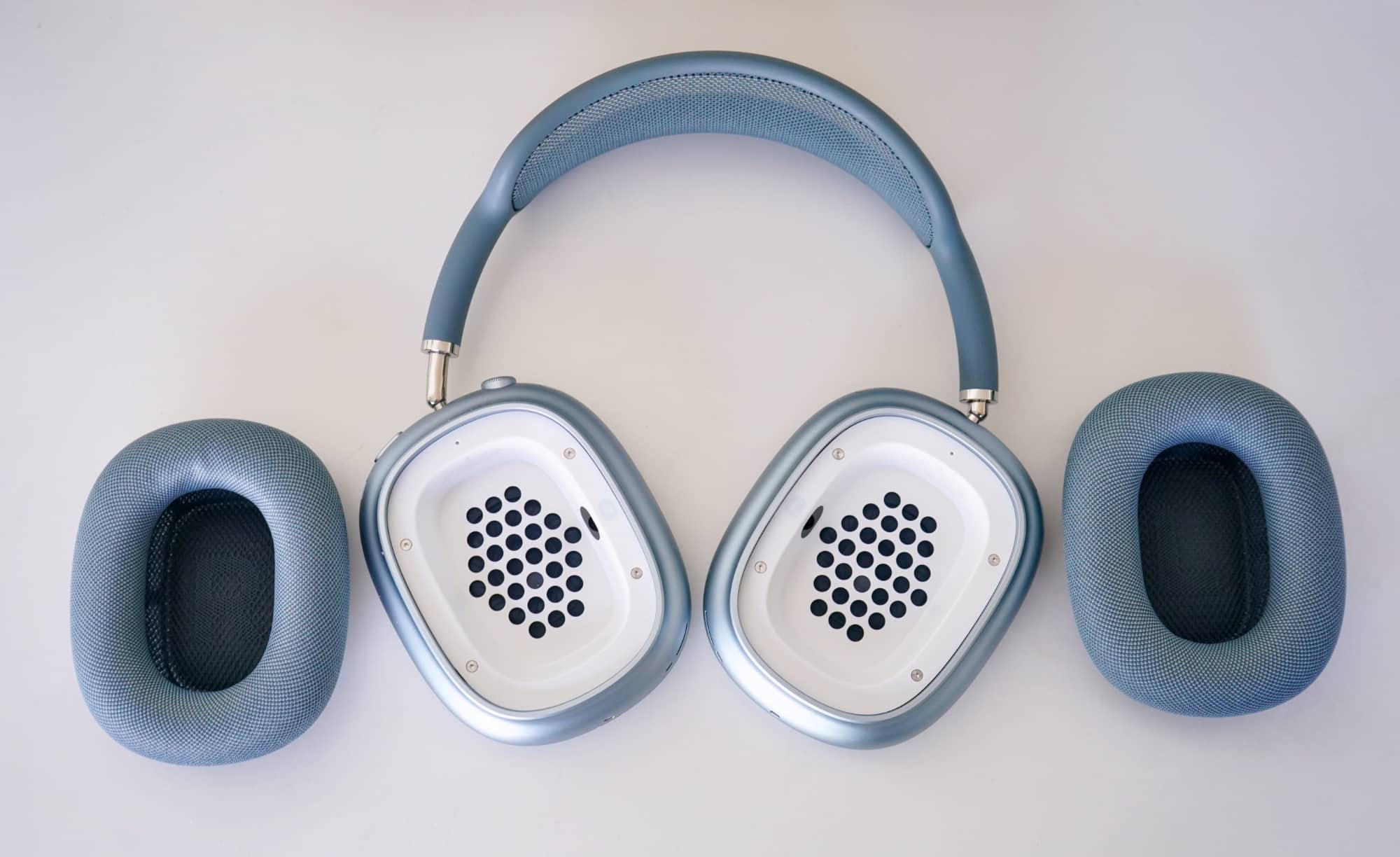
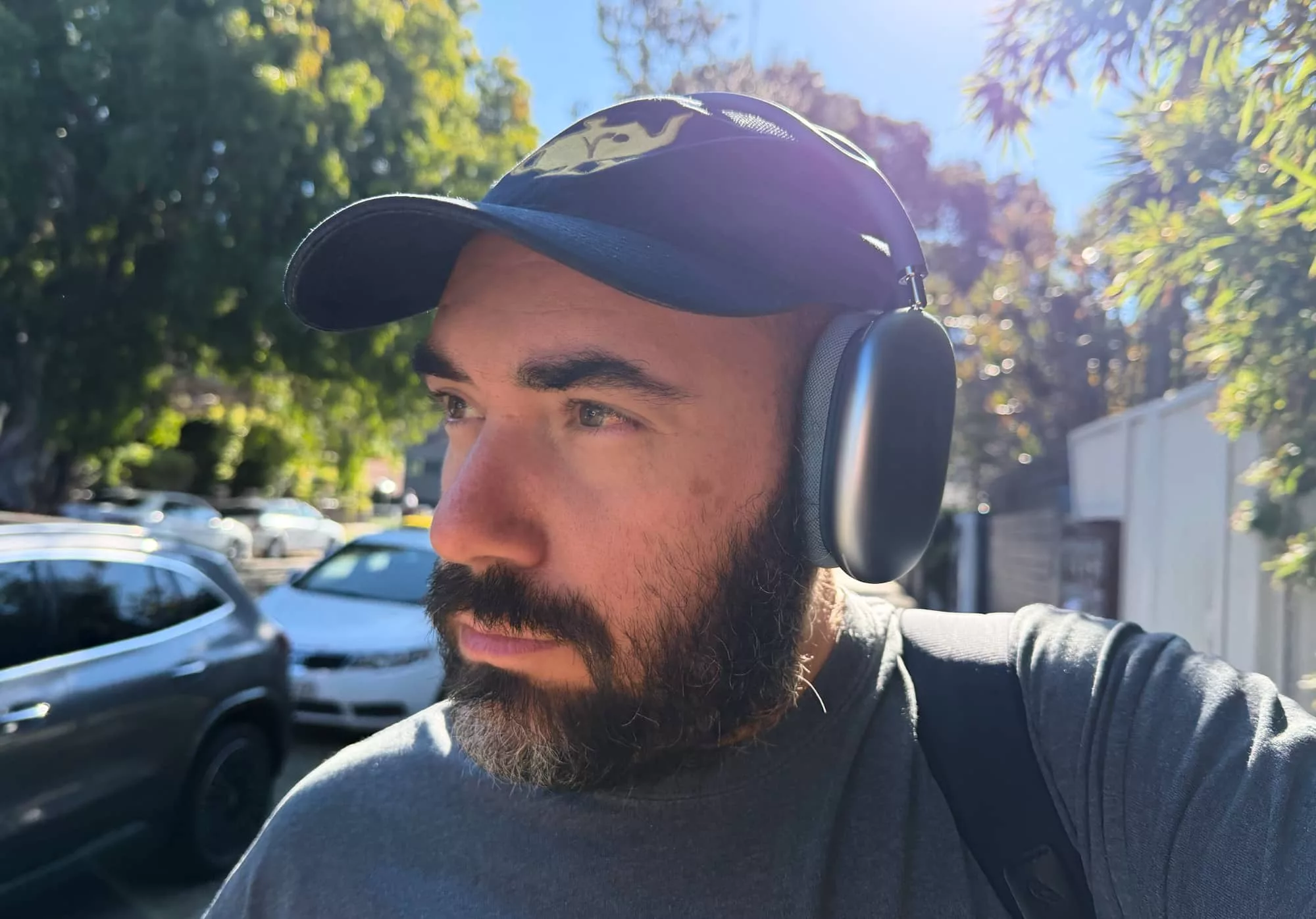
Just like the previous two models, there’s an aluminium shell, fabric and plastic encased metal band, and fabric pads for each ear, both of which can be detached easily using magnets found on the inside of the cup.
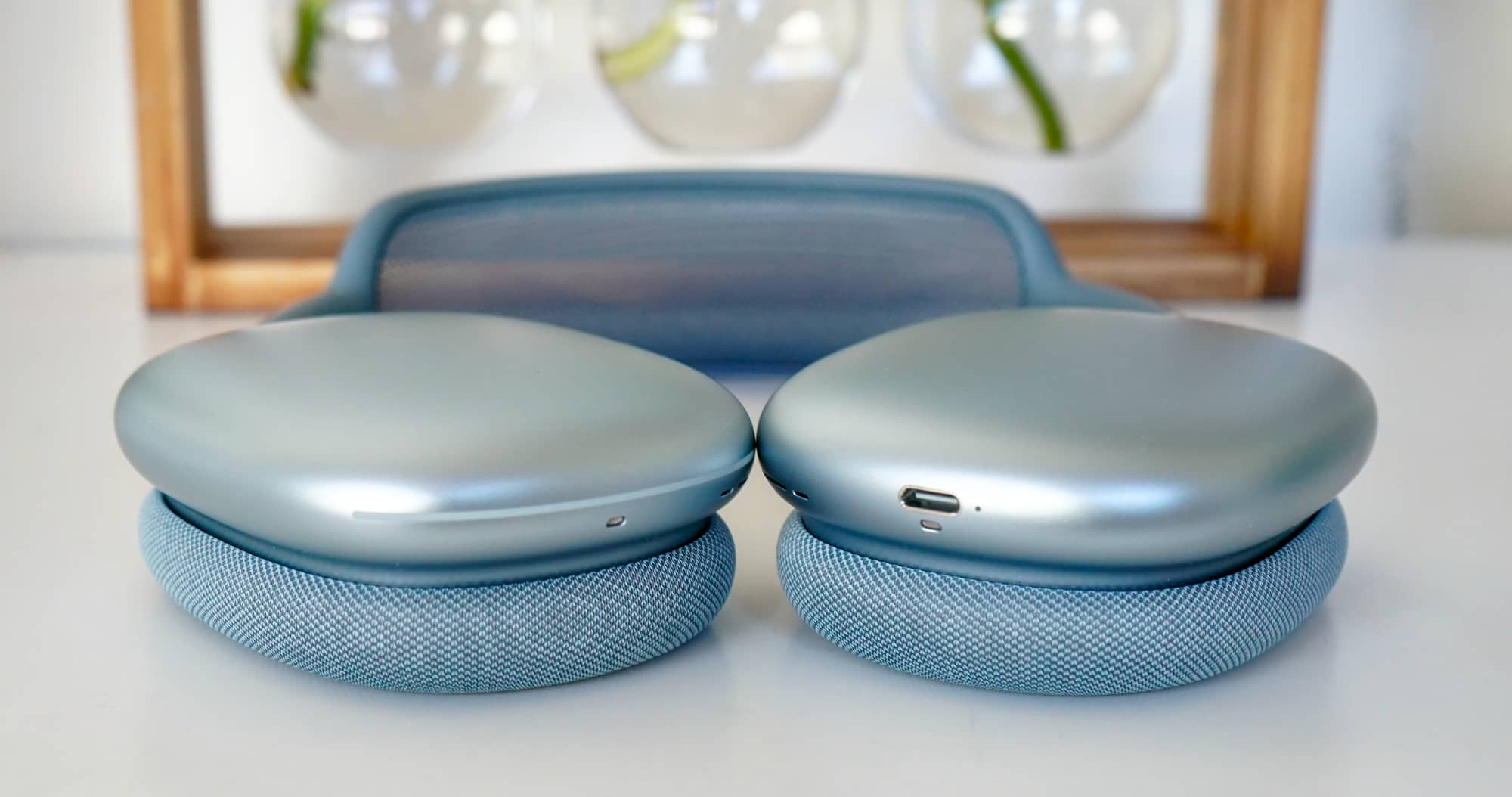
All of that is par for the course, as is the USB-C port at the bottom and two controls up top: a single button and Digital Crown, just like an Apple Watch.
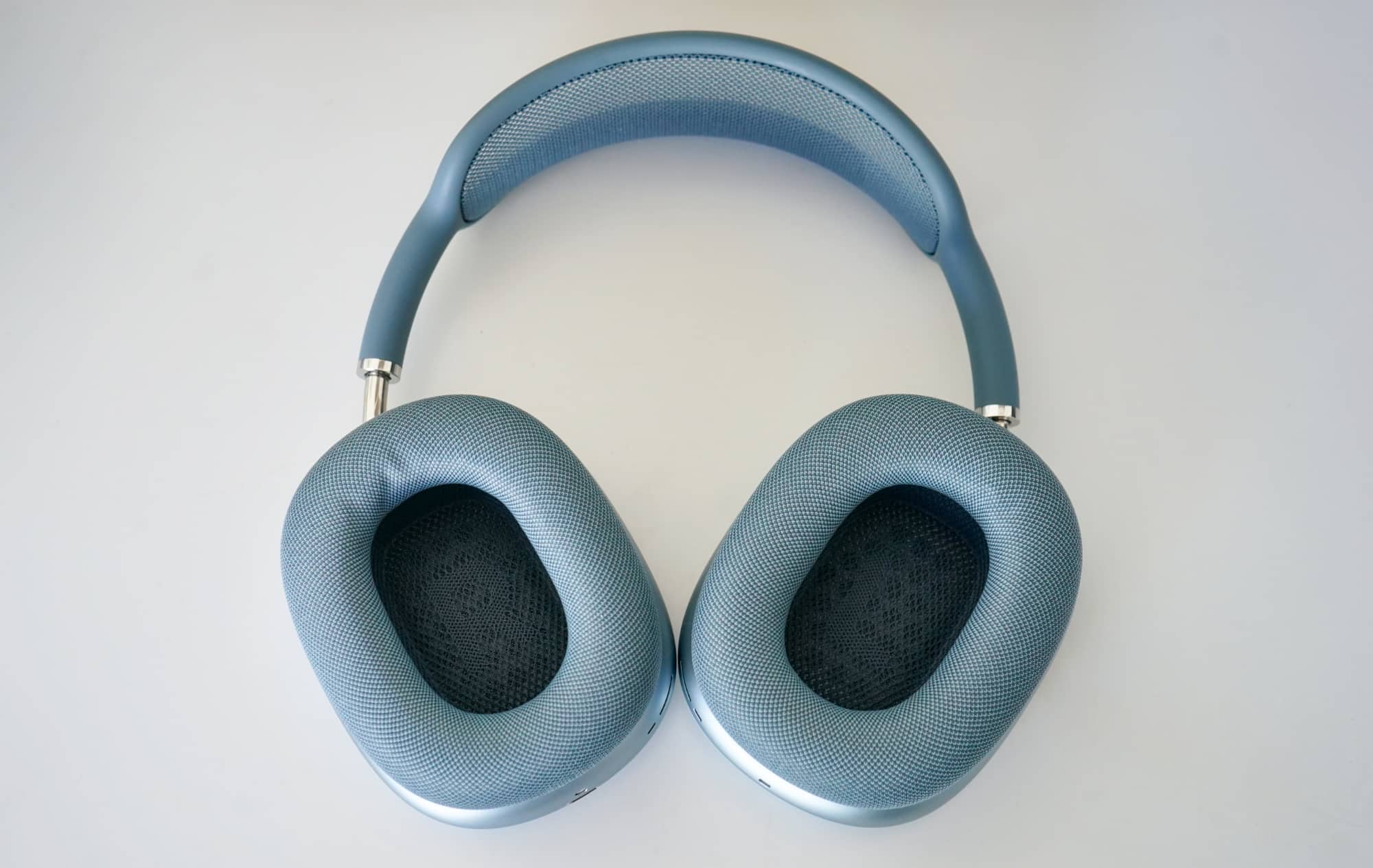
It all looks the same, and it all feels and weighs the same, measuring 386 grams and being a little heavy compared to other headphones out in the world.
Where the AirPods Max 2 differs from its predecessors is what you can’t see, and what’s under the hood. The H1 processor found in each cup has made its way to an H2, a more powerful processor, though there’s no ultra-wideband processor for finding things in this pair.
The H2 is the biggest change, adding support for adaptive audio, voice isolation, personalised volume, and conversation awareness. The other change is in the amplifying tech, which sees a custom high-dynamic range amp.
Outside of this, much remains the same, including the microphone tally which remains at nine all up, covering eight for noise cancellation and one extra for voice.
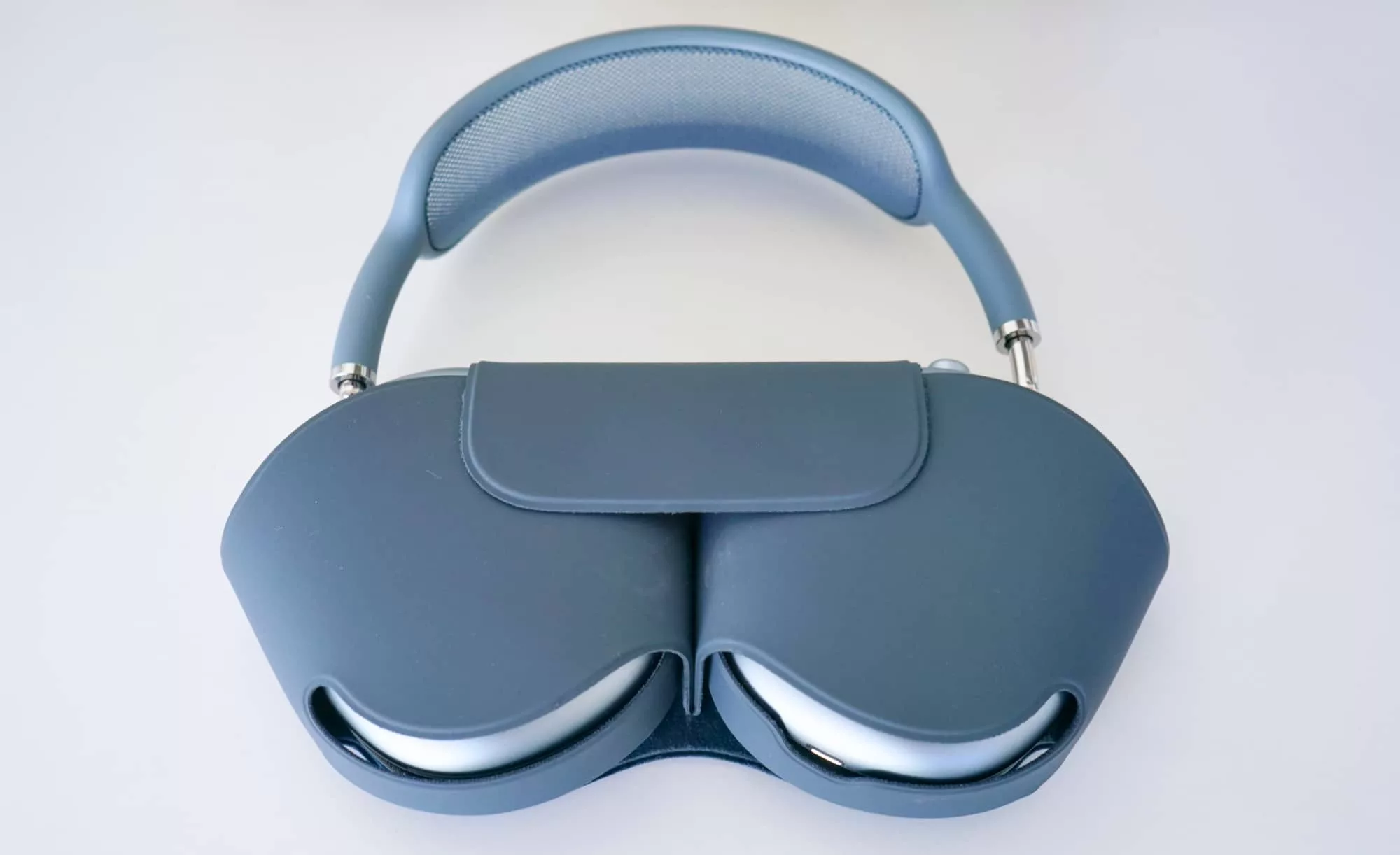
The case also remains the same, though its protection is still a touch questionable, being little more than a slip of fabric with magnets and a way of turning the headphones off.
In-use
Using the Max 2 is just as easy as it ever was: take them out of the case and they power on, ready to pair with an iDevice or Mac. Once they’re paired, they’ll work with any other Apple device in your library, thanks to hand-off.
From there, you have two controls: the Digital Crown and the button next to it. The latter of these (the button) is there for jumping between noise cancellation and transparency modes, while the crown is a little more versatile. Dial it forwards and backwards for volume control, or press it once for pause and play, twice to skip a track, and three times to go backwards.
There’s not a lot you really need to remember for the AirPods Max 2 — it’s designed to be easy — but you can make tweaks and changes in iOS settings.
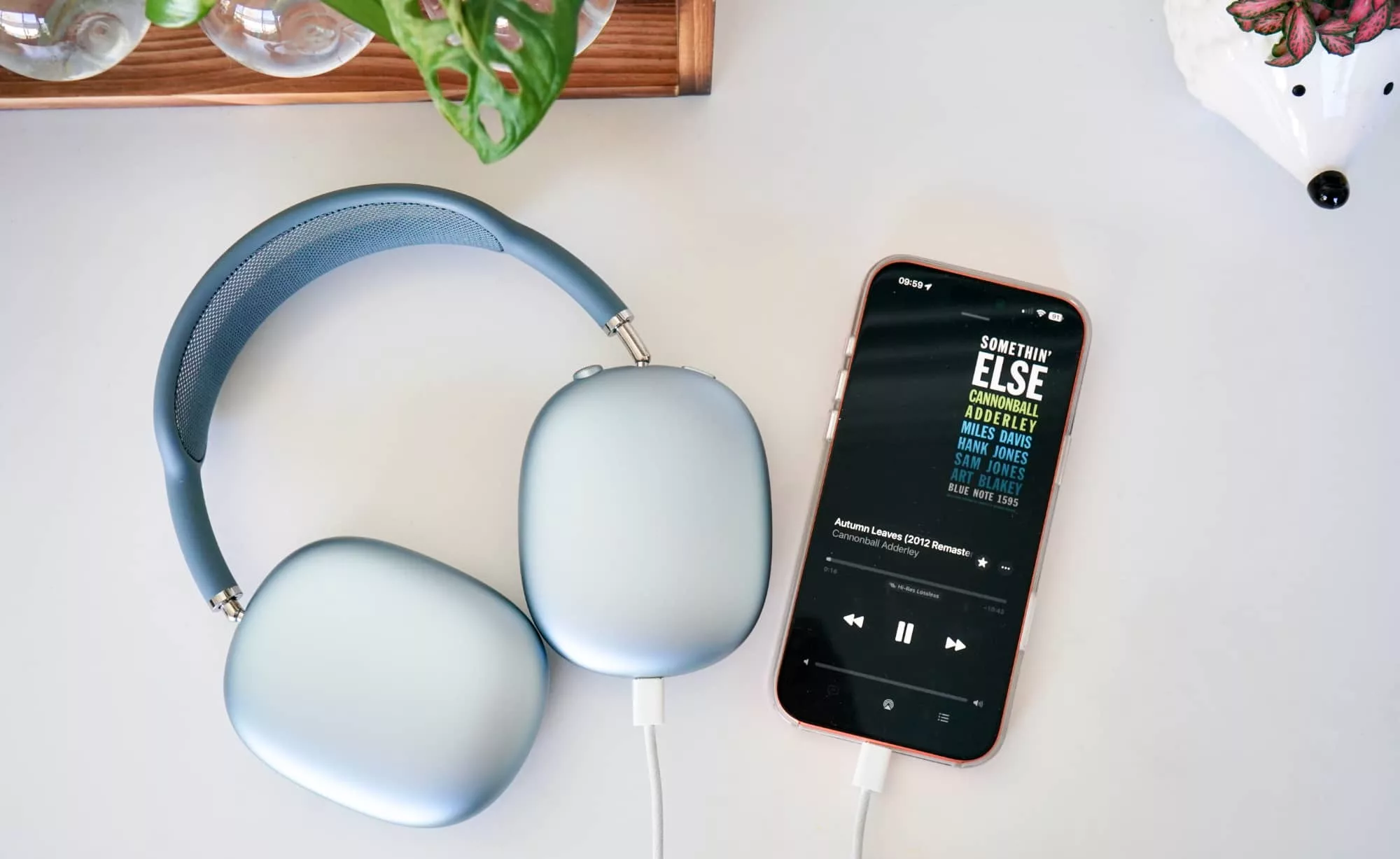
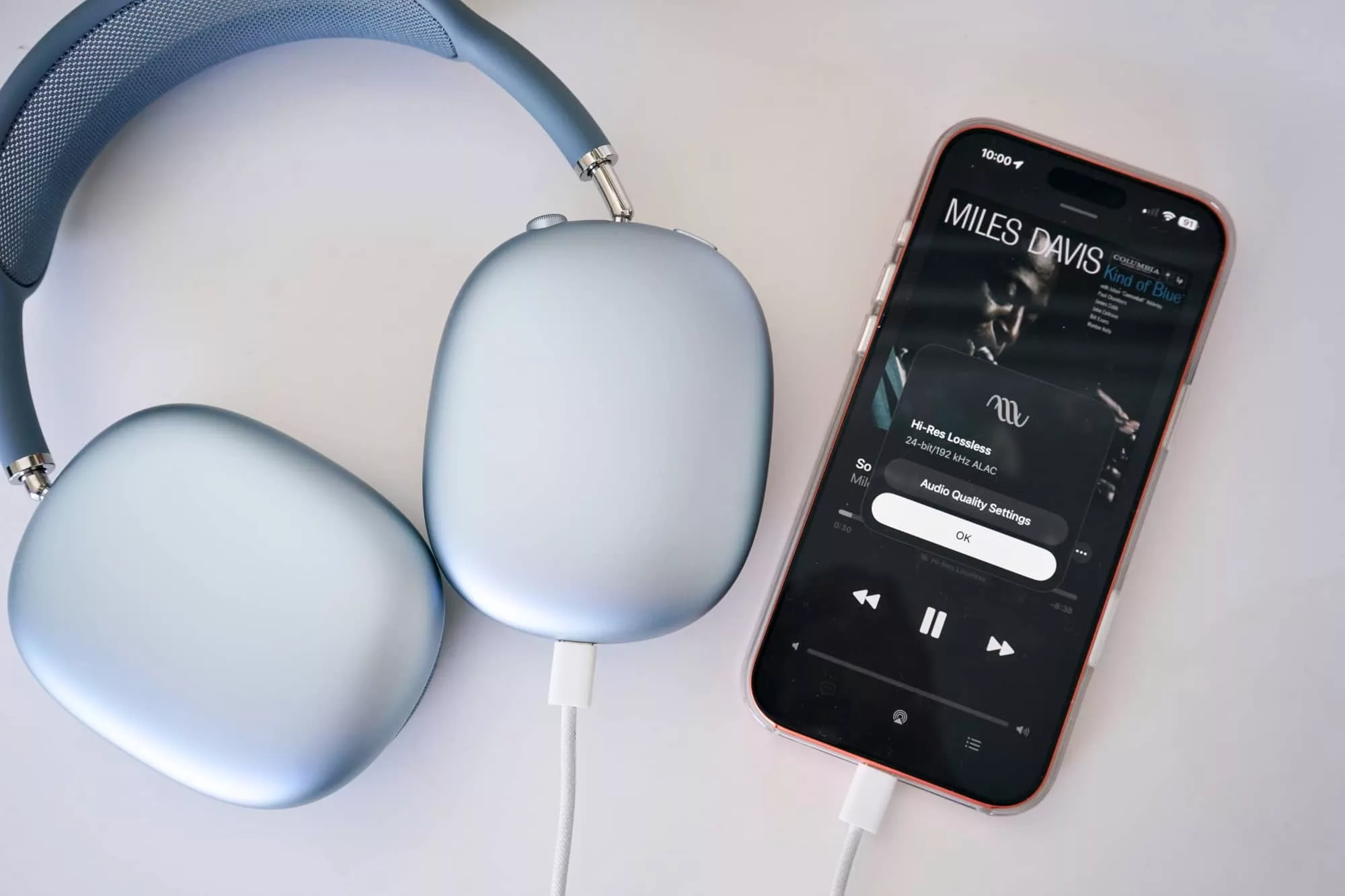
You can also technically listen to audio with a cable, using one of two options: if you have an Apple USB-C to 3.5mm cable, you can go old school, while the same USB-C cable you charge the AirPods with can be used to listen on a phone. It essentially means high resolution lossless audio is possible using a cable, something Apple offers through its music service, though Apple does limit things to a maximum of 24-bit 48kHz, so it’s not that high-res.
Cable is an option, but for most people, it’ll be cordless and free. Why rock cords when you don’t have to? That’s certainly the case with the AirPods Max 2, which just like its predecessor(s) is almost entirely goes sans-cable.
Performance
Regardless of how you listen, what you listen to is the most important. Music, movie, podcast, and so on, every pair of headphones is made to listen.
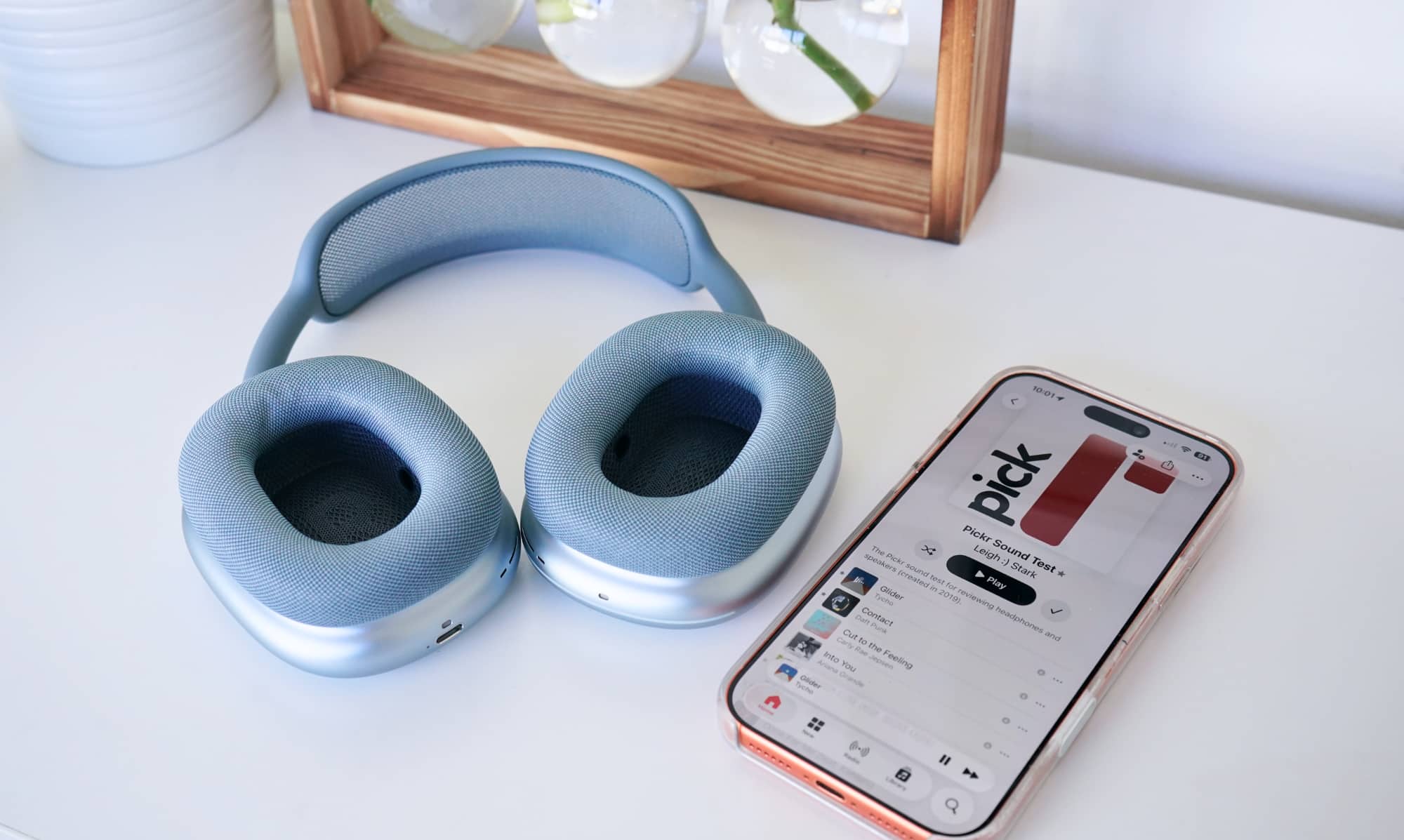
For every test, we turn to the Pickr Sound Test, something you can try for yourself, which always starts with electronica.
That starts with Tycho, where we’re treated to a great balance and a little more bass than we expected, which is the same experience from Daft Punk’s “Contact”. The punch is a little heavier than expected, but isn’t overkill, and may depend on the mix.
Both of those tracks are stereo and lossless, but when we jump into Ariana Grande’s “Into You”, the mix shifts to a Dolby Atmos incarnation, which can feel overly vibrant thanks to the newer spatial mix.
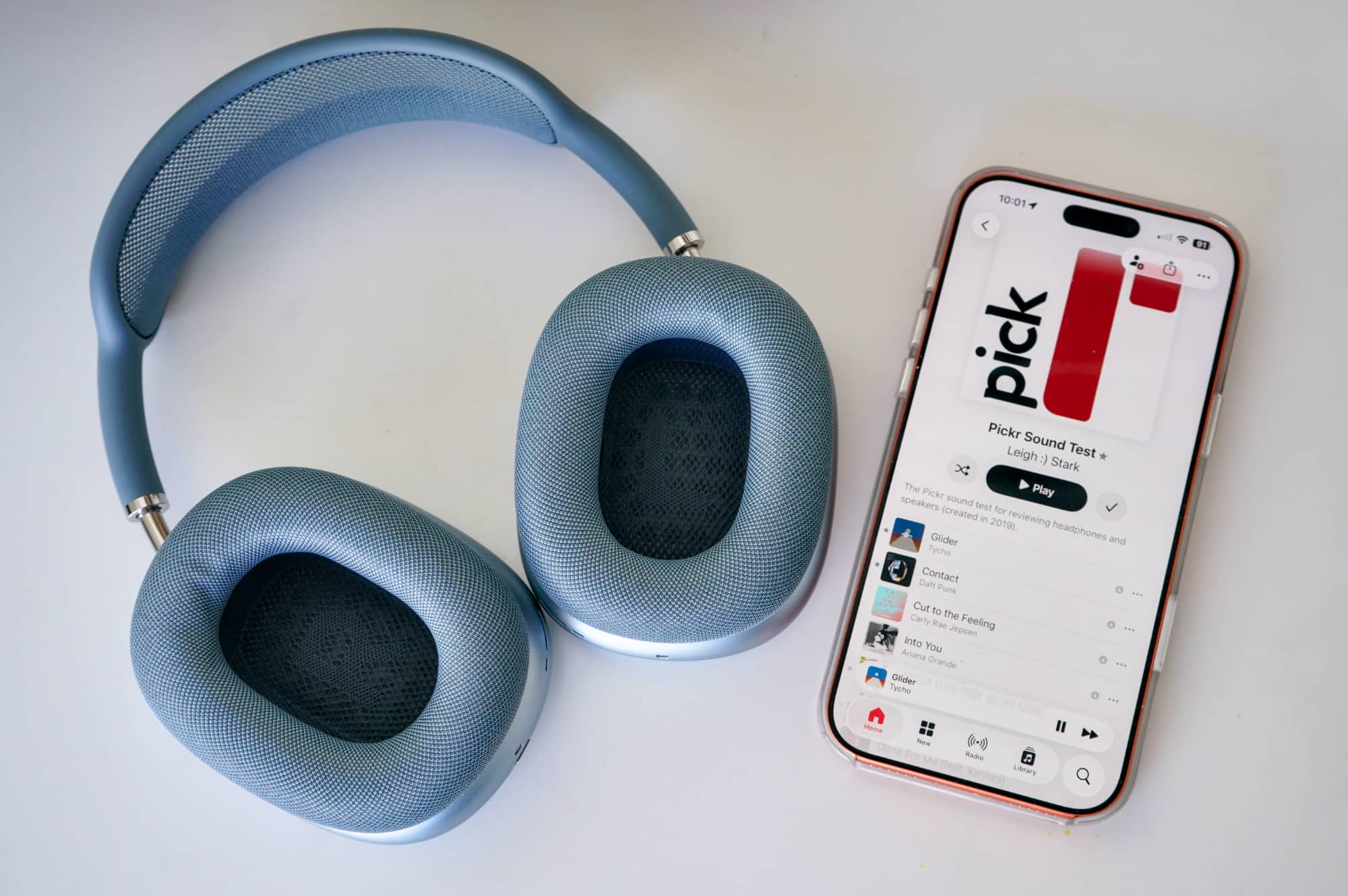
Regardless of the style of sound, the bass offers a little more impact than we expected, but it doesn’t drown out any other part of the sound.
In fact, in Mark Ronson’s “Uptown Funk”, the headphones redeem themselves with a nice, thick punch bass oozing over the mids and highs, which present themselves clearly, as they do in other tracks. The guttural bass is even there in FKA Twigs’ “Two Weeks” while feeling restrained.
The bass hits hard where it needs to in modern music, but manages to feel tight on everything else, offering warmth where needed. The rock of Muse was balanced and warm, while the Deftones delivered a slightly restrained by excellent stereo track.
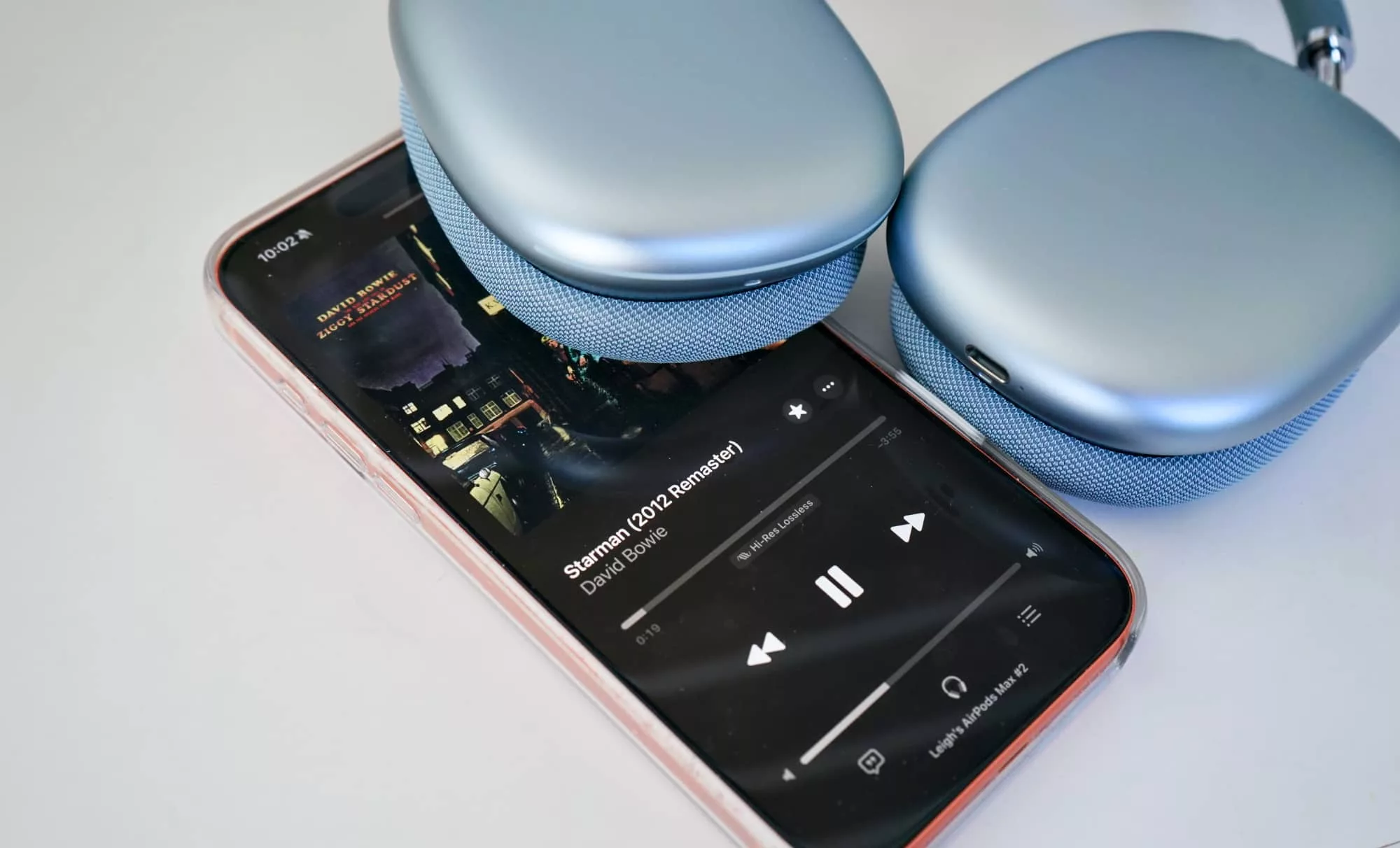
Older tracks shone through, too, with the stereo separation of Bowie offering quality galore, as well as in music from Paul Simon and The Beatles (respectively). It’s the same sort of great sound in jazz and classic, with Miles Davis and Dave Brubeck shining alongside Christian McBridge and Nigel Kennedy.
No complaints here, really.
Noise cancellation
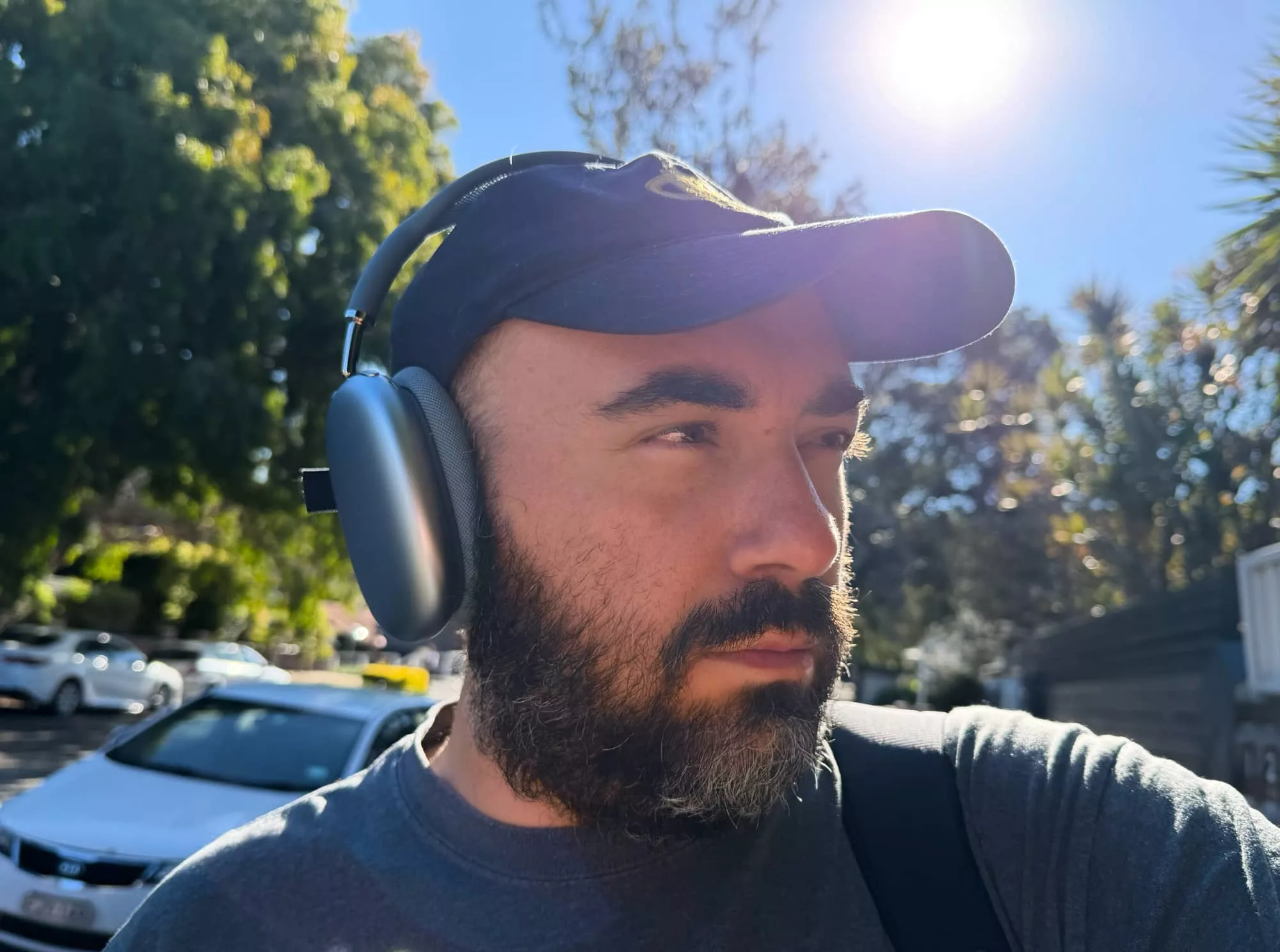
A big part of the package is the practically always on active noise cancellation, which is to say it’s only off when you switch transparency on or turn the headphones well and truly off.
That’s probably not as big a deal as you think; while noise cancelling cans often measure battery life without cancellation switched on, the reality is most people wearing them probably leave ANC on. Having Apple leave it on unless you’re intentionally in transparency to listen around you isn’t a bad thing.
That’s positive for another reason, because the cancellation in the AirPods Max 2 is strong.
It’s “put them on in a train and everything else fades away” strong. It’s “wear them at home and you can melt into your soundtrack” strong.
Most importantly, it’s on the level as the noise cancellation in the AirPods Pro 3, another pair made by Apple. The cancellation is technically adaptive and does a fine job. It won’t remove everything, but it gets really close.
Spatial audio
The other big deal feature is one Apple talks up, but only if you happen to live inside the Apple ecosystem. That’s to say if you use Apple Music on an iPhone, iPad, Mac, or even if you watch a bunch of films on one of these aforementioned gadgets.
Spatial audio is the simulation of dimensional audio that goes beyond stereo, basically recreating 5.1, 7.1, and the idea of sound fired up and around. It’s often connected to Dolby Atmos, since that’s the main spatial format used for movies and music, and Apple’s earbuds and headphones support a head-tracked variant of that where you’re head’s position changes how you experience sound.
Apple Music delivers that on the iPhone, iPad, and with Macs, but you need a device ecosystem by Apple: device (iPhone, iPad, or Mac), AirPod variant, and Apple Music subscription if you want the music.
It’s not a new concept, having launched back in 2021, but we’ve seen evolutions, and the latest is the most promising and realistic yet. Roughly five years in, Apple’s track and album listing is bigger, and artists are embracing the spatial mixing technology now built into Logic Pro, among other digital audio workstation platforms.
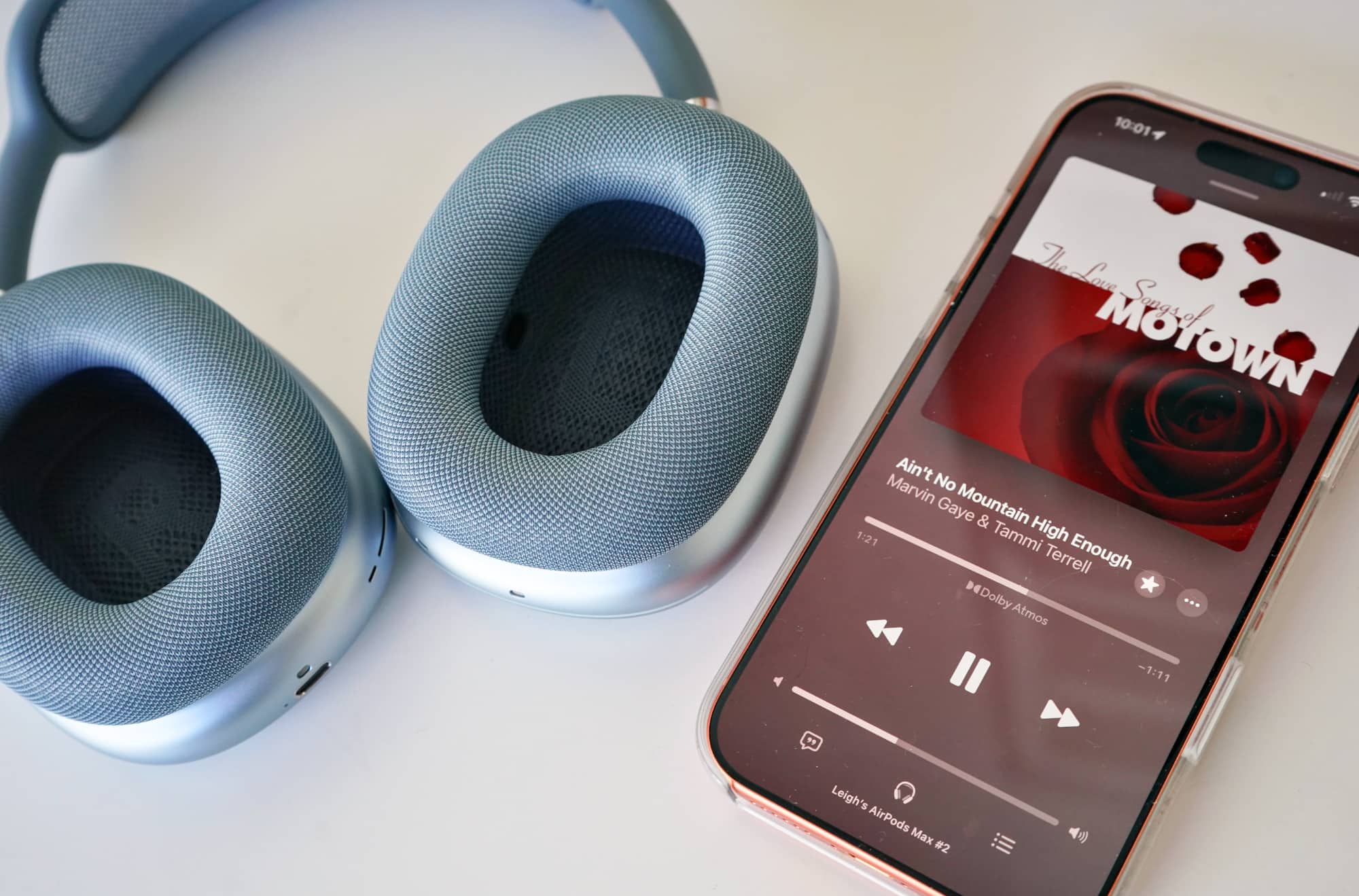
In fact, one of the most knowledgeable sound specialists in Australia, Jez Ford, has written about how the headphones have shifted him to Atmos music, and it’s easy to see why: the delivery of Atmos in the AirPods Max 2 is big, open, and highly immersive.
They’re like listening to a bigger soundstage, emulating the openness and space of a larger room where there are multiple speakers, plenty of distance, and a sound that’s more than simply stereo.
The tech is clearly helped by the improvements to active noise cancellation in this generation, and the overall effect does make you feel like what it should do: encapsulate you within a bubble of sound.
It’s like a world of your own, a microcosm of music, and it can be breathtaking. It’s auditory awesomesauce when you have the right tracks.
The other factor worth considering is the spatial audio in films, which also sounds fantastic. We know that watching movies and shows on your phone is probably a little weird, but Dolby Atmos support on programmes is clearly there, so you can get this going on iPhone, iPad, Mac, and even Apple TV.
Simply put, you can sit there watching screens big and small, and get the same big spatial experience a full surround system can deliver, but just for your ears. It’s great.
Battery
One area that hasn’t changed is the battery life, which measures a fairly mediocre 20 hours just like last time. Part of what keeps this low is that you can only run the AirPods Max 2 with the mics on — either for noise cancellation or transparency — but even so, it can feel a little lacking.
We’ve reached a time when noise cancelling headphones can hit 50 hours without trying, something Sennheiser’s range covers. For the AirPods Max 2 to simply hold the line with the same battery as its sibling is surprising, at least on the surface. Compare it against what’s out there, and it’s not awful, but not amazing, either.
Take the Bose Quiet Comfort 2nd-gen Ultra headphones, which can do 24 hours with noise cancellation, and up to 18 with spatial audio, lower than the spatial-enabled AirPods. Sony’s WH-1000XM6 can manage 30 hours of life sans-spatial but with ANC switched on, which is better, but you also don’t get spatial on unless you opt for Sony 360 Reality Audio, something only a handful of services support (Amazon Music and Tidal, basically). On the other hand, Sennheiser’s Momentum 4 wireless handles 50 hours, while the more premium HDB 630 delivers up to 60 with ANC.
In short, Apple’s AirPods Max 2 battery performance isn’t terrible, but could easily be better.
Value
The price is the other sticky part, because at $999 the AirPods Max 2 are seriously expensive. The sound experience is excellent, and owners won’t be disappointed, but they’re not a pair for everyone.
To get the most out of these headphones, you need such a combination that Apple is really focused on the folks living in the Apple ecosystem. Specifically, you’ll want either an iPhone or iPad, Apple Music subscription, and AirPods Max 2.
That’s a specific crowd of people who live in the Apple world and love their Apple ecosystem. It is not “most people”.
But it also doesn’t need to be.
For iPhone owners with a love for music, there’s ample reason to consider the AirPods Max 2, though likewise there’s also great reason to look at the AirPods Pro 3, as well. And that’s because outside of a few key features, they’re the same.
The Max 2 are clearly bigger due to their over-ear circumaural design, and share automatic volume control and conversation awareness, as well as loud sound reduction, live translation, and personalised volume. Comparatively, the AirPods Pro 3 are in-ear variations that add heart-rate sensing, hearing aid features and a hearing test, IP57 water resistance, and cost roughly half the price.
Both are great, but both are also different. Yet they sound very similar, and offer similar noise cancelling profiles, as well.
We’d argue the AirPods Pro 3, however, are worth what you pay, found for $429 in Australia at their recommended retail price. At $999, the AirPods Max 2 are a little more difficult to argue for. The value isn’t quite as sound, even if it feels like it should be.
What needs work?
That’s not all Apple needed to improve. Now technically in its third generation (because Apple had a USB-C version of the first-gen only recently), the AirPods Max 2 get a lot more right, but still miss out on some things that it should do better in.
Like the pads.
From the beginning, the AirPods Max have been a pair of headphones made for a more premium buyer. After all, the folks that want to spend top dollar on the best iPhone models around clearly need a pair of headphones to match.
That prompted Apple to design a lovely fabric pad for its AirPods Max headphones that uses magnets to make them replaceable. That’s great. Less great is the fact that they lack sweat resistance and don’t feel like they’d survive a chance encounter with rain, or anything else where liquid is involved.
Now you can replace the AirPods Max pads — Apple calls them cushions — priced at $99 each in Australia, while knockoff variants can be found for between $10 and $30, as well. It’s just surprising that for a pair of flagship headphones, Apple doesn’t deliver them with a choice of fabric and something more water resistant, like vegan leather or the sort.
Honestly, the fact that Apple doesn’t sell a more resistant pad is surprising enough. It’s fabric or nothing. The fact that the headphones aren’t the least bit water resistant means sweat can absorb, and you may need to actually clean your cushions using Apple’s specific directions.
There’s a similar complaint on the case, which still is hardly a case. Barely protection and more just a way to turn the AirPods Max 2 off, it’s one of those features that could be a little better, and yet is identical in this version.
As is the lossless support, which maxes out at 24-bit and 48kHz. That’s not a major issue; we doubt it’ll bug most AirPods Max owners, given they need to go wired to even get this support in the first place. It’s just surprising as Apple’s own music service supports high-res lossless up to 192kHz, and yet its flagship headphones don’t.
What we love
The lack of really high-end high-res lossless is a thing, but it’s not something that stops the admiration in its tracks. Frankly, if we want Apple Music at above 48kHz, there are plenty of headphones to consider, from the Sennheiser HDB 630 to the Focal Bathys. Or you could simply bring a small DAC to the package and go analogue.
No, what we love about the AirPods Max 2 is the sound. That regardless of the state of lossless, the audio from the AirPods Max 2 sounds excellent.
Whether stereo or spatial, you get a fantastic soundstage with almost picture perfect isolation. There are no complaints here.
Apple AirPods Max 2 vs the competition
The competition for the AirPods Max 2 is obviously pretty high, what with headphones well near or above the thousand dollar mark, such as the aforementioned Sennheiser HDB 630 and the Focal Bathys, not to mention the assortment of audiophile-grade headphones from rival audio companies, such as Bowers & Wilkins and Bang & Olufsen, to name a few.
But there’s also the premium tech found below the high price point Apple charges, with between $500 and $700 getting you excellence in the form of the Sonos Ace, Sony WH-1000XM6, Bose Quiet Comfort Ultra 2nd-gen, and Nothing’s Headphone (1), to name a few.
In terms of best-in-class cancellation, Apple is really only competing with Sony and Bose here, while balanced sound is something every single one of these headphones priced lower or the same can do. Only the Sennheiser HDB 630 can best Apple’s lossless attempts, while Bose’s headphones deliver an emulated spatial audio.
The problem with competition, however, is that not a single one of the Apple’s competitors wraps up what the AirPods Max 2 can do the same way. The cancellation is best-in-class, the spatial audio is real and connected with Dolby Atmos audio on Apple Music and films (on Apple devices), and the style is specific to Apple’s headphones.
So while there’s plenty of competition, it’s not necessarily in the same league. You might pay more or less, but you won’t get a pair to necessarily rival the AirPods Max 2, more one that’s different.
Since the AirPods Max 2 are mostly made for owners of an iPhone and won’t play nicely with any other mobile, we’d suggest either the Sennheiser HDB 630 or Bose QC Ultra 2nd-gen as the most obvious competitors. Maybe the Beats Studio Pro if you wanted to save some cash, because there are some similarities, such as support for lossless and spatial audio. Android owners need not apply, however.
Should you upgrade from old AirPods Max?
The other critical question for previous owners is whether they should upgrade, and that can be a complex one.
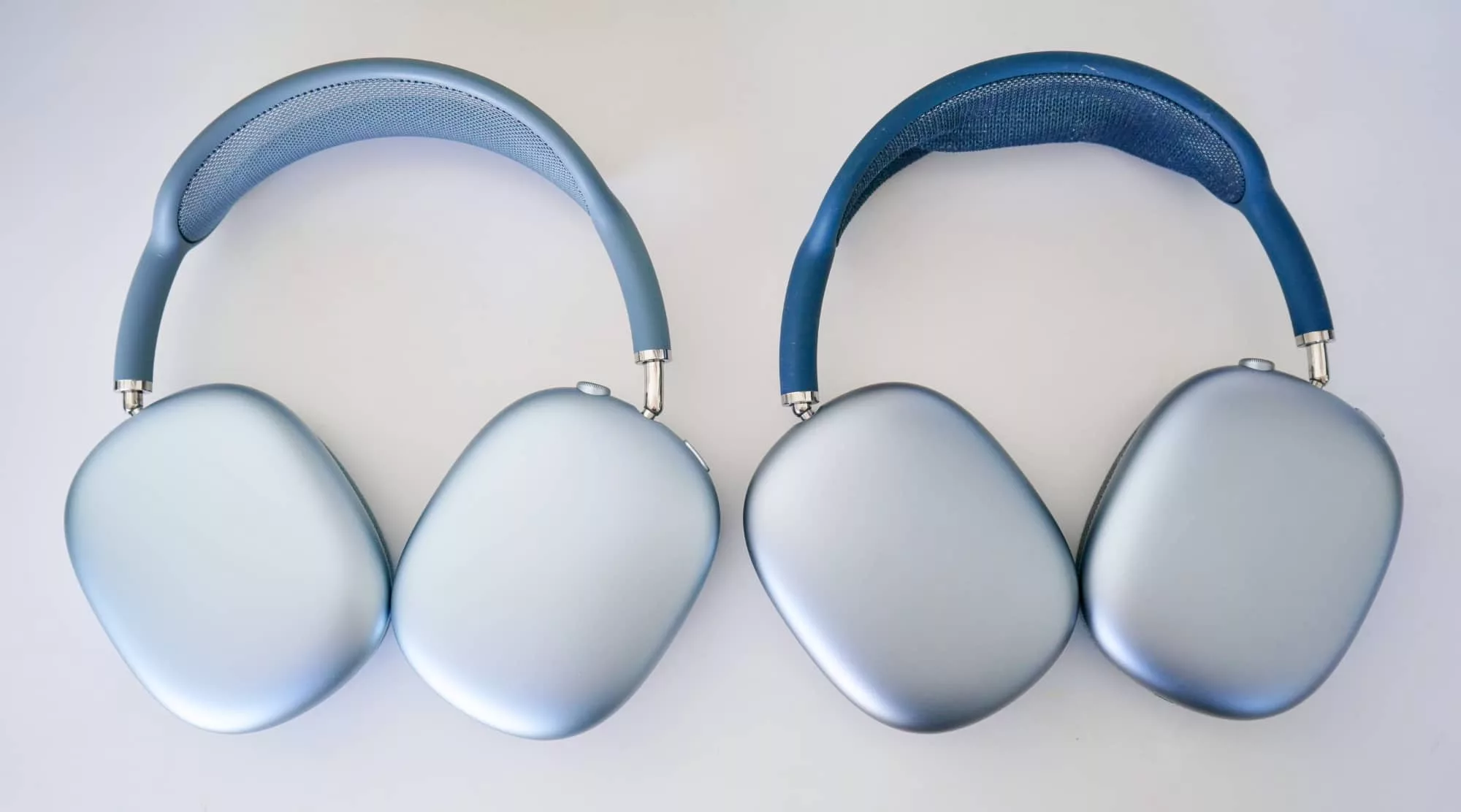
For owners of the USB-C edition, probably not. That minor update only arrived in the past couple of years, and while the changes are major between them, it’d be a pretty big cost to swallow to upgrade.
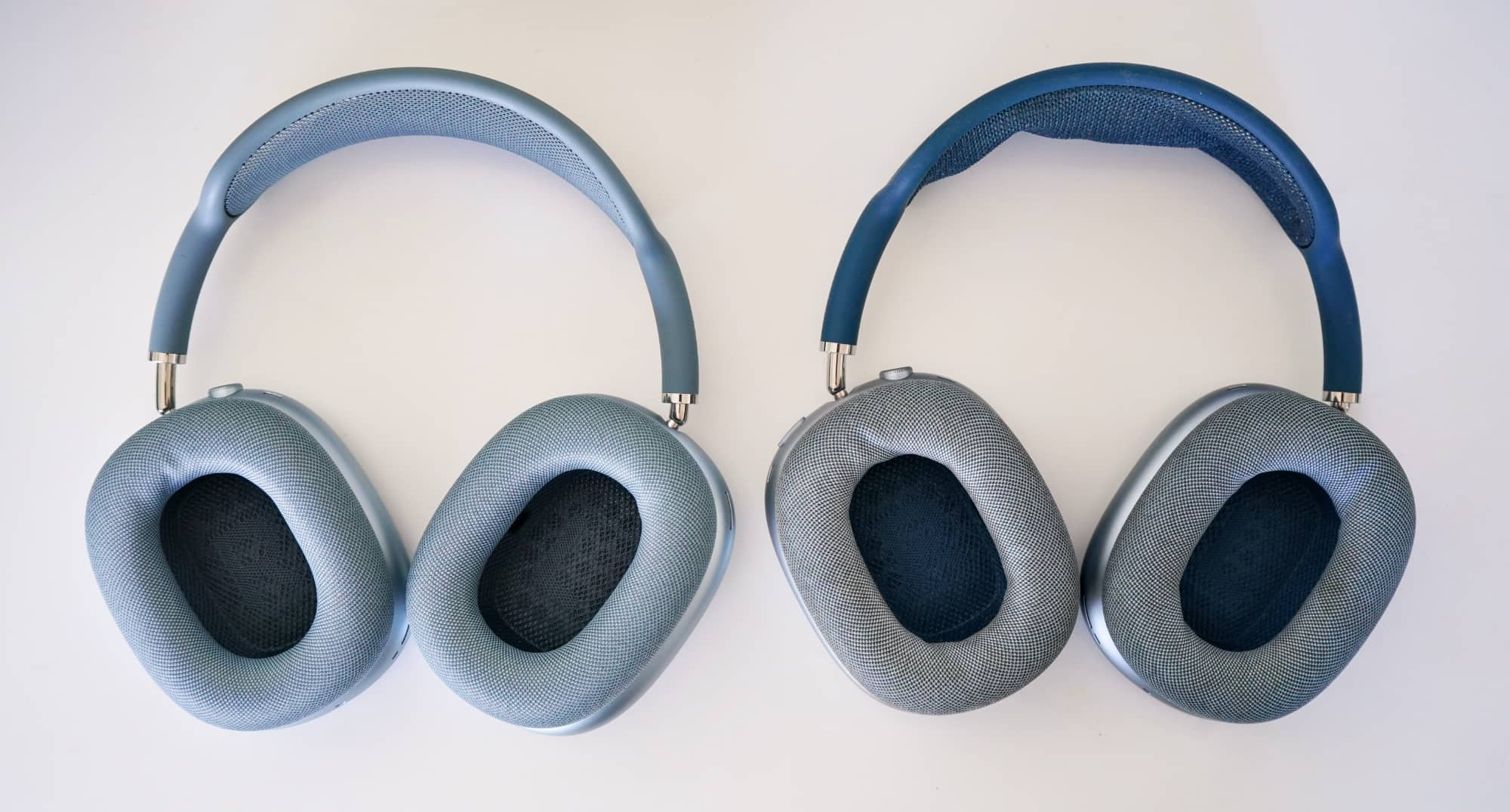
There’s not a lot of difference between them, a note that’s obvious when you compare them side by side. It more just feels like you have a nicer looking version of the first generation.
However, if you’ve owned a pair of the first generation, not only have the colours changed, but the features and the Lightning port. If you loved your AirPods Max first-gen pair and couldn’t live without them, an upgrade to the next generation will give you a little more awesomeness, though the AirPods Pro 3 could save you money on much the same.
Frankly, we’d be surprised if the Lightning port on your first-gen AirPods Max still works.
Final thoughts (TLDR)
We’ve been looking forward to an actual AirPods Max update for ages, partially because five years is a long time in headphones. Speakers don’t see updates that often, but headphones do, and it’s because technology tends to move fast.
These days, headphones are more than just two speakers near your ears connected by an neck- or head-band. They’re wireless transmitters and receivers, and sound processors, and noise cancellation systems, and microphones, all of which can be tweaked or changed with updates. You can’t do that with a properly passive pair of anything, speakers or headphones.
Apple’s first update was as ho-hum as it gets, but did fix the port which was an upside. This generation is far better. Far, far better.
The AirPods Max 2 are a whole new headphone in the guise of an old one. They’re more than a minor update; it’s a big deal for audio, delivering scores of sound. And most importantly, they’re fun. This is a genuinely fun pair of headphones when you have Apple Music ready and rearing to go. You just really need to pay for the entire ecosystem: phone, headphones, and music service.
If you have the money and live inside that ecosystem, you won’t be able to do better than Apple’s big cans. The AirPods Max 2 are winners, even if the price might give you pause longer than you can pause any other track. Recommended.