
There are lots of crazy ideas in science fiction that don’t exist yet, but here are five sci-fi concepts and how close we are right now.
Star Wars might take place a long time ago, in a galaxy far far away, but in this time and this galaxy, the tech of long ago seems crazily far off still.
Of course, the Lucas classic trilogy and eventual nine-film-and-then-some box set is just a spot of fiction rather than real life, painting a space drama where technology is clearly ahead of ours.
But how far ahead of ours is the technology in the vast assortment of the Star Wars universe?
Lightspeed

We neither have X-Wings nor A-Wings nor TIE Fighters nor the Millennium Falcon, and so clearly we don’t have the film’s take on faster-than-light travel that is lightspeed. Much like how we don’t have Star Trek‘s warp drive technology, we also don’t have the hyperdrive technology characters often talk about for kicking into that high-speed travel.
Technically, “lightspeed” is the term used to travel through “hyperspace”, a term which means travelling at roughly 300,000 kilometres per second in a vacuum, which we’re not exactly close to reaching. Having this technology would make interstellar travel possible in a fraction of the time it might take today, making it hours and days versus years.
In the films, however, there are also “sublight” engines for travelling below the speed of light, and we are definitely below lightspeed and hyperspace travel today.
But there are ideas in development, albeit the sort you might want to take with a grain of salt. For instance a propulsion company wants to build a nuclear fusion system that would be able to travel quickly and enable interstellar travel, while other ideas are largely theoretical, such as the Alcubeirre drive which lacks the science to build it, while the Helical engine may be incompatible with the laws of physics.
Things are improving in space ship movement, but this one will take time.
Lightsabers
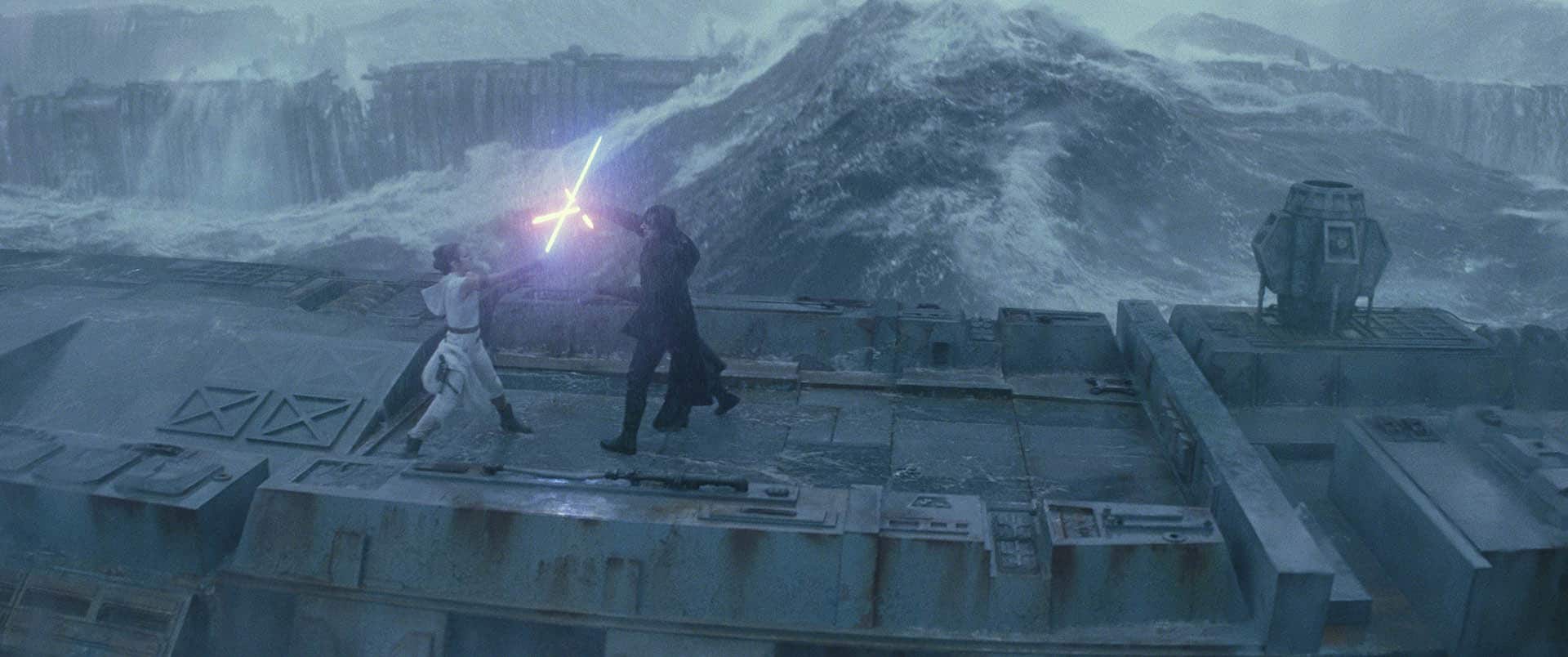
One area that might not ever happen is the Jedi weapon of choice: a lightsaber.
Whether spelled “lightsaber” or “lightsabre”, this concept is basically plasma insight of a magnetic field, with a crystal in the weapon’s hilt essentially changing the colour, according to the film’s lore.
We don’t really lean on swords anymore, so this one is largely a bit of fantasy, providing a fun way to make swords more futuristic.
In terms of real-world incarnations, people have definitely tried to make the lightsaber’s design a reality, with a simple button lighting the toys up and swinging the tech around to make the humming sound the action sequences are known for.
To date, only Disney has managed to get close, with a version of the lightsaber left for actors and crew at Disney parks and properties, and a video capture at SXSW in 2023 that really shows the idea in action.
For now, you’ll just have to settle for something a little more fake. Disney doesn’t sell its official retractable lightsabers, but there are other options, not to mention a special edition solid-state drive that kind of works with the lightsaber vibe.
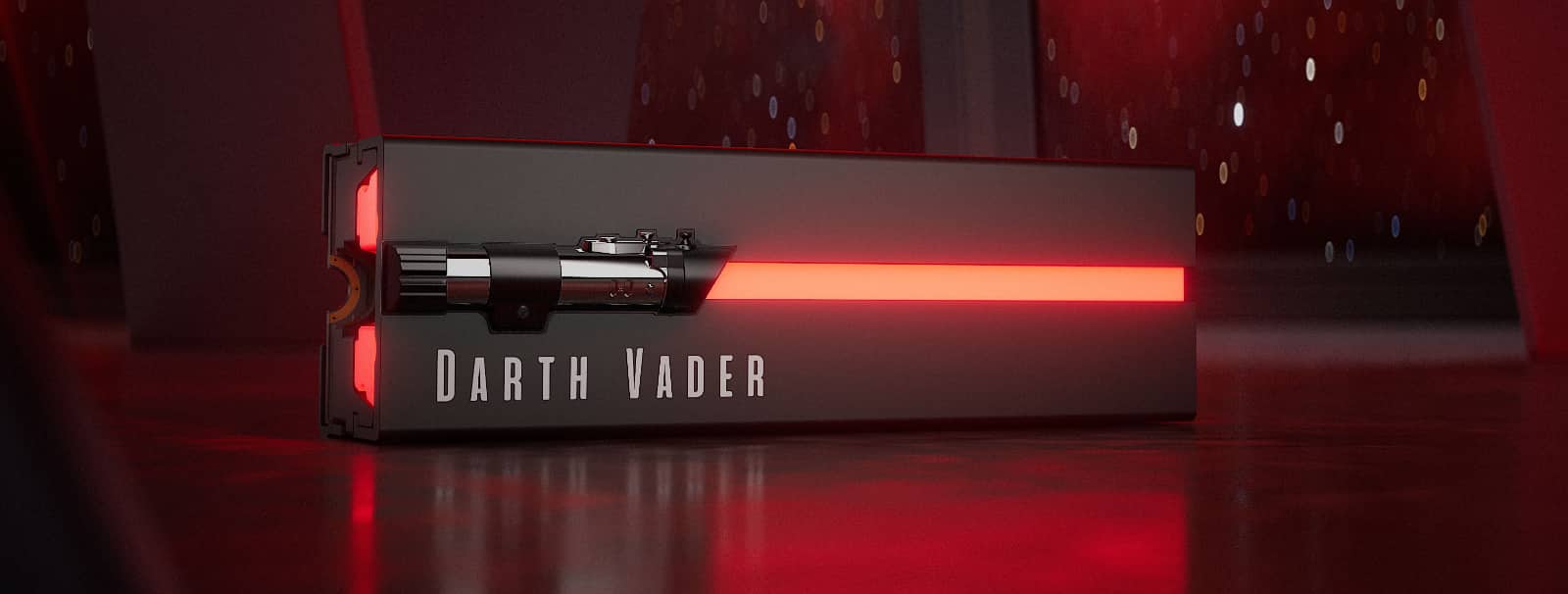
Anti-gravity speeders
While the lightsaber will probably never happen (and also probably doesn’t have a reason to exist), the landspeeder from A New Hope and snowspeeder from The Empire Strikes Back are a little closer to a reality, even if they’re still quite far off.
We’re not at the point where we have a hover car racer as Australia’s Matthew Reilly wrote, but humanity has technologies which can feel some of the way there, even if there’s a lot more work to go.
Take a technology like “maglev”, also known as magnetic levitation. This take on hovering uses a concept known as electromagnetic propulsion to allow a vehicle such as a train to hover thanks to magnets that repel, causing the vehicle to levitate. Think of it as two magnets pushing each other back, and almost floating as a result.
The problem with maglev is that it’s not really a free-form style of transport. You have to have the track and the specialist vehicle, so any travel made with maglev is specific to the routes where both the expensive track and train are going. There’s no maglev from home to school, or from anywhere but stations.
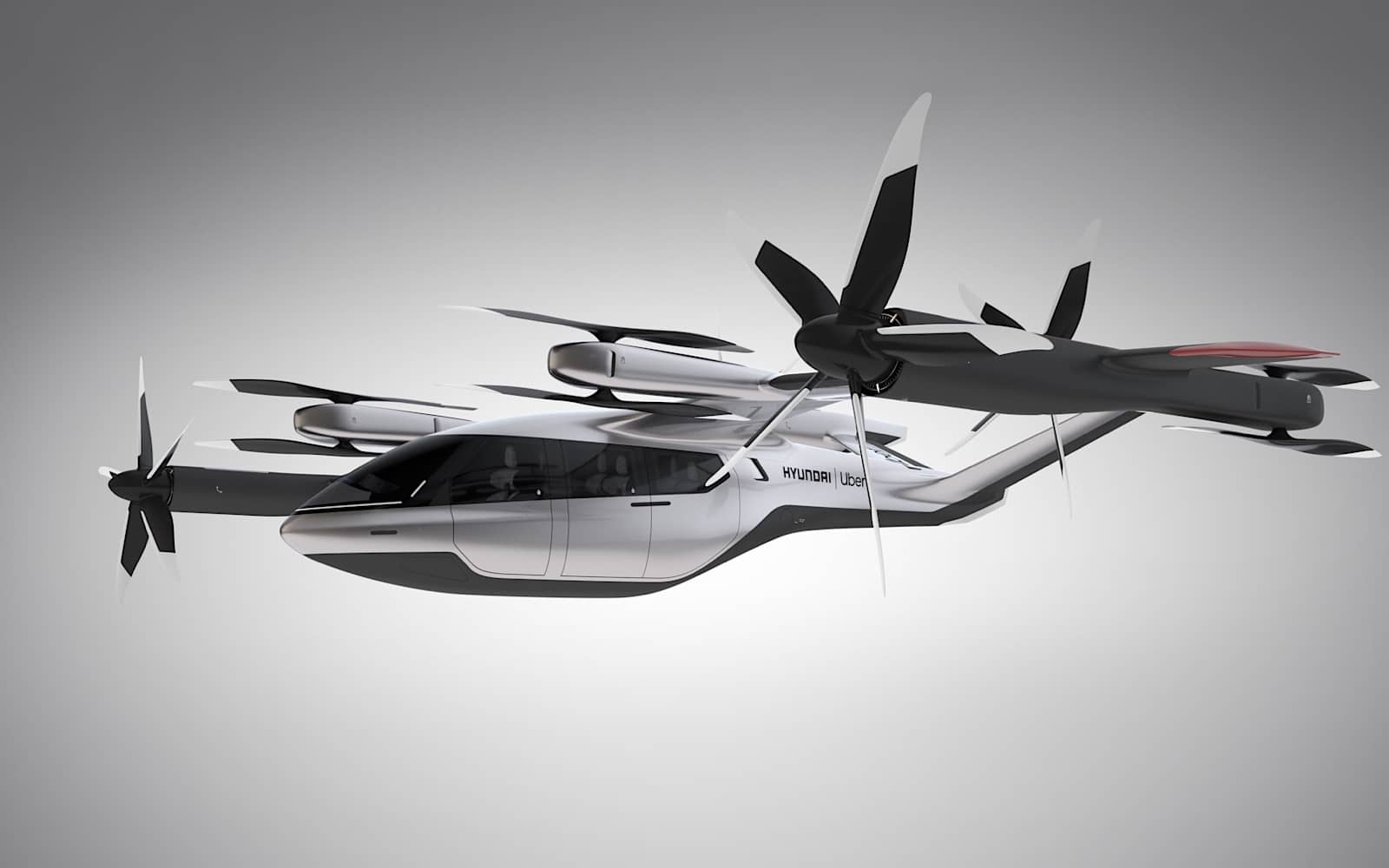
Another possibly close option is that of drones, which right now are largely for photos and videos, and transporting small shipments, but will eventually grow into a more hardy source for travel called an Electric Vertical Takeoff and Landing vehicle, also known as an eVTOL.
This concept takes the idea of a drone and essentially supersizes it, making it an electric form of transport you could take from somewhere like the airport to the city, bypassing traffic.
In the future, eVTOL vehicles could end up being the new style of taxi, or even something like an Uber. A few years ago, in fact, Uber did have an eVTOL service in development, with Melbourne one of the locations set to receive the test.
That has since changed, but eVTOL vehicles are still in development, and may well be the closest tech to a “landspeeder” in our life time.
Holographic chess
One of the gadgets and ideas we don’t often talk about is that of holography, an idea that science fiction has painted in different ways.
In Star Trek, holography is three-dimensional and tactile. You can feel it, walk in a room with it, and wear lie down on it. The idea of turning a room into tangible projections using holography and force fields is nowhere near reality, the holographic version of chess played on the Millennium Falcon may actually be closer. Kinda sorta.
Aboard the Falcon in A New Hope a game of holochess plays out, also known as “dejarik” in the films, which is basically an animated alien version of the classic game. It’s a little like Battle Chess, but played in a holographic style.
We clearly don’t have holograms like this year, but arcade games like it have existed.
Back in the 90s, Sega even produced a specialty arcade called the Holosseum which drew this journalist in when he was young (there might have been one in Manly back in the day).
The concept used a special curved mirror and a screen that created the feeling of a hologram, turning a small fighting game into something that felt close to what science fiction was painting. The technology never really took off, and this was Sega’s second attempt after another holographic title, Time Traveler, but it was a beginning for the idea.
A few years ago, however, another company, Voxon, tried to give holography a shot in the arm with a volumetric display, a concept that uses projections and LEDs to create the visual look of a 3D display.
In the past few years, Voxon’s volumetric displays have arrived in two versions, one of which can be found in Australia. Granted, its over-$10K cost does manage to make it impossible for pretty much everyone to experience, but it does technically exist.
Right now, your phone, TV, laptop, and any other screen are probably going to be as close as you get to a virtual game of chess, though if you have the funds, you might want to consider a spatial screen, a technology that uses cameras and a specialty display to trick your eyes into seeing 3D visuals pop right off the screen.
Whoever you play, one piece of advice: let the wookie win. It’s just safer that way.
Droids
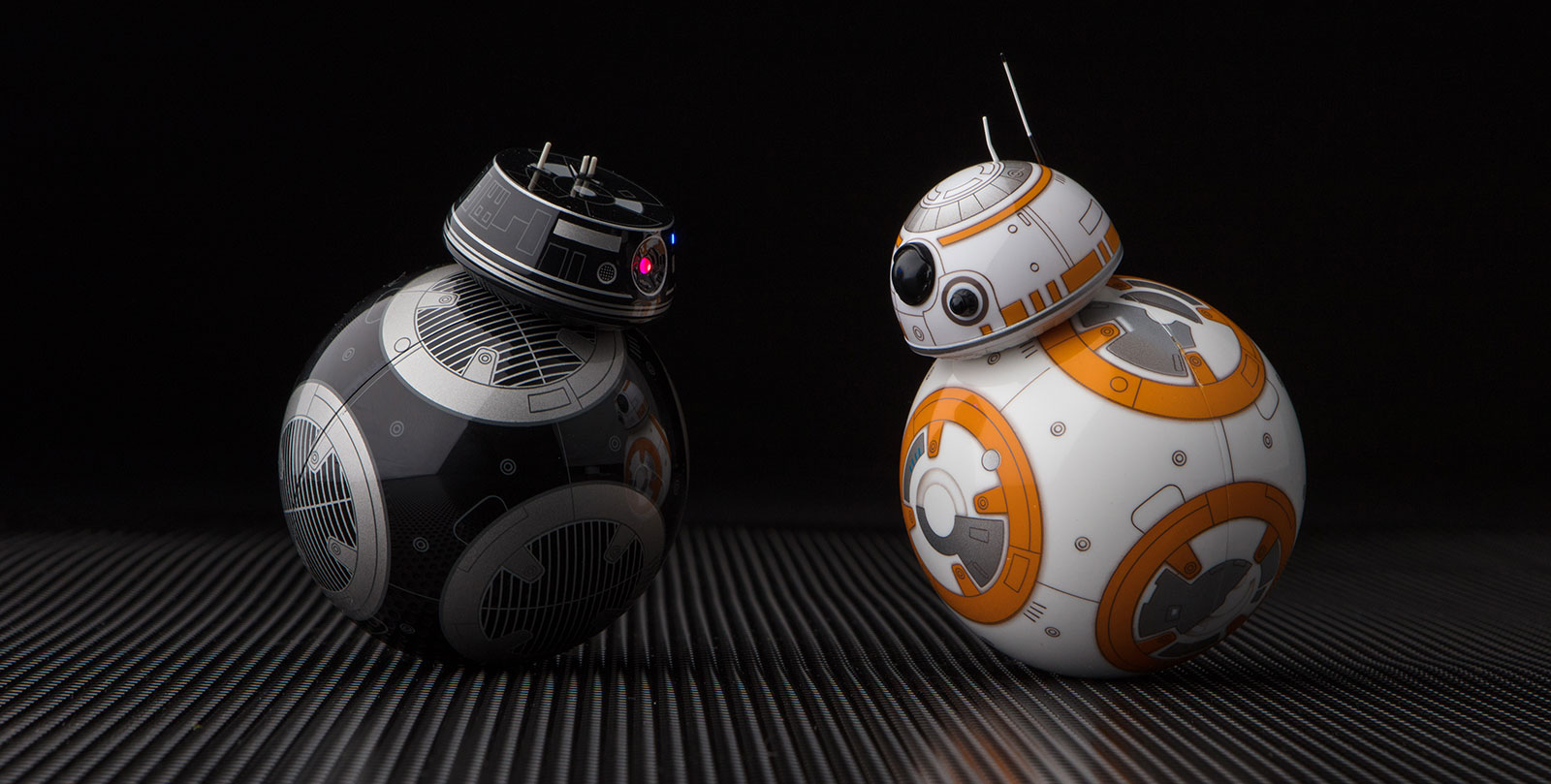
About the only spot of technology we are actually close to creating are droids, and there is a lot of development happening in those areas.
Courtesy of the story that keeps on giving, AI, droids are closer to reality than anything else technologically superior in the Star Wars universe, though they don’t quite have the degree of movement seen in the stories.
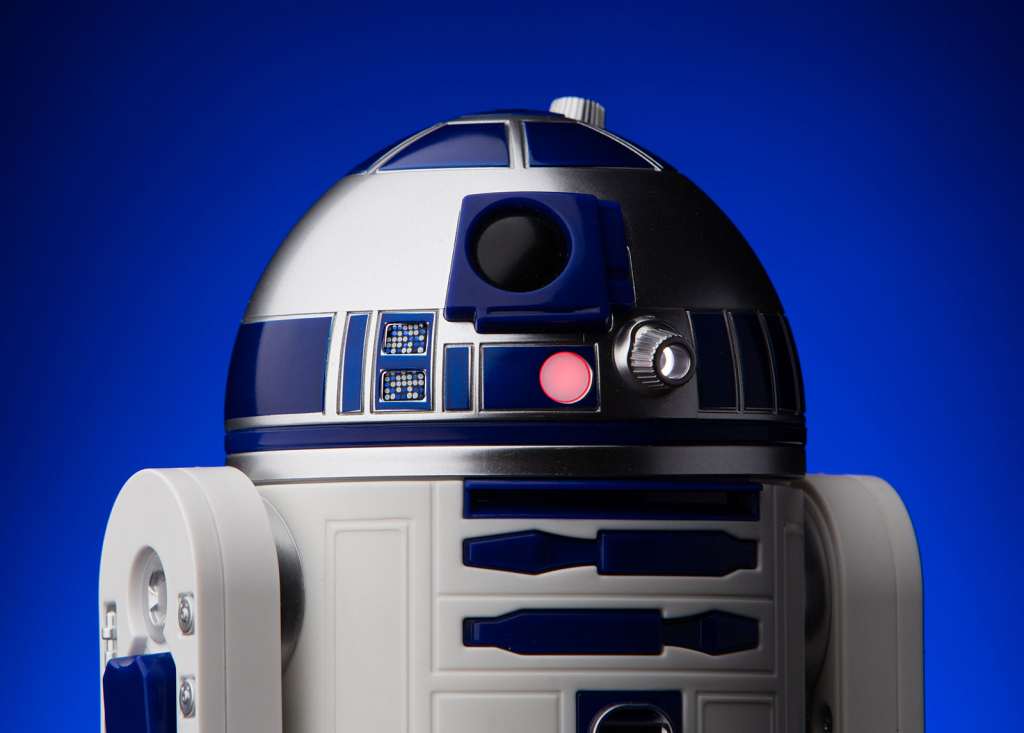
Sphero showed how its robot toys could work exactly like a BB-8 model back when it produced the circle robot a few years ago, but it was basically just a remote control droid. We don’t have automated astromech droids like BB-8, or even R2D2. At least not yet.
We do have a concept that could be similar, with robotic dogs that can be used for industrial purposes, a concept from Boston Dynamics’ “Spot”, also known as the robot dog.
You only have to look at the assortment of motion that thing can do and be impressed.
Something like C3PO (human cyborg relations) does seem to be further off again, but it is something that is coming, and coming fast.
Tesla is working on a concept robot, while LG recently showed off its own take on a robot that could help around the house in Cloid, even though it uses wheels instead of proper biped motion with moving legs. That said, it’s a lot more than what the current definition of robotics the home looks like, coming in the form of robotic vacuum cleaners.
Meanwhile, a variety of companies are working on robots that will be able to walk around the house or factory floor, and could be used to do things humans don’t want to do.
In all of these situations, artificial intelligence and various models will drive how they work, how they see the world, how they compute information, and walk and talk and handle themselves, essentially acting a little better than simply being an instance of ChatGPT or the like.
While not really available for most people, especially not at a commercially friendly price point, these robots are beginning to exist, and may end up being the start of the droids you are looking for.