
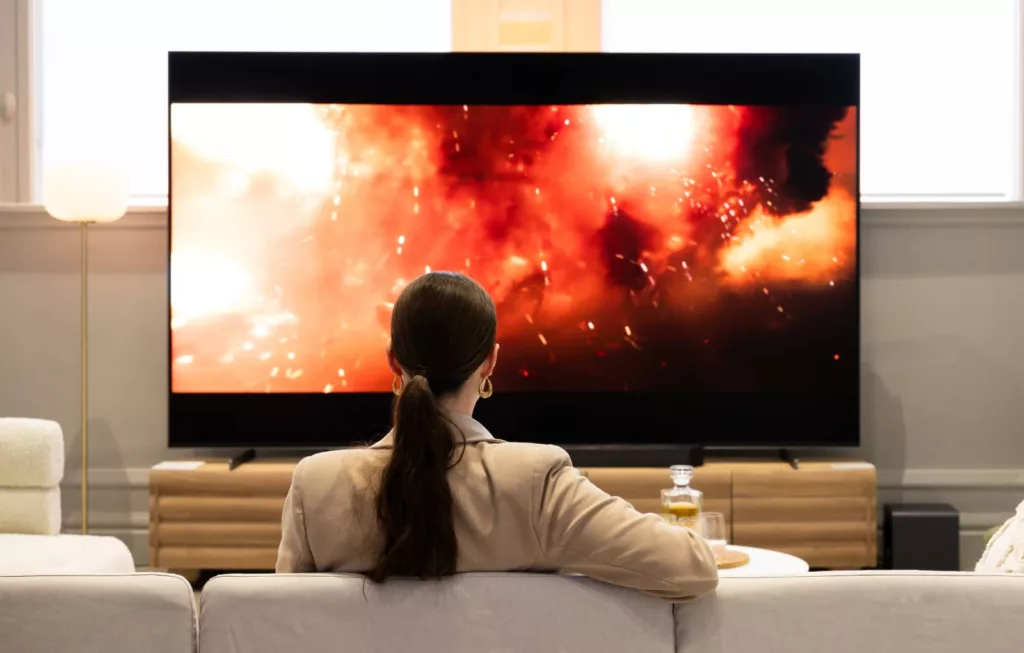
Switching on a TV over the past few years has sure managed to get bigger, as screens have practically become walls in so many homes.
While the living room may not be the focal point of the home that it once was, the reality now is that when you’re watching a TV, chances are the experience is going to be both sizeable and stylish, the two areas married for modern day watching.
We’ve seen them get simultaneously bigger and thinner, while the technologies sitting under the hood also get sharper and clearer, as well. And with the addition of AI, the TV is being asked to do even more.
This year’s TV range from Samsung may well be solid proof of that, with the assortment of screens covering new. technologies aplenty, as the company that once championed 8K as the future now tapers back its approaches to the Ultra HD world of 4K, but boosts the tech considerably in different ways.
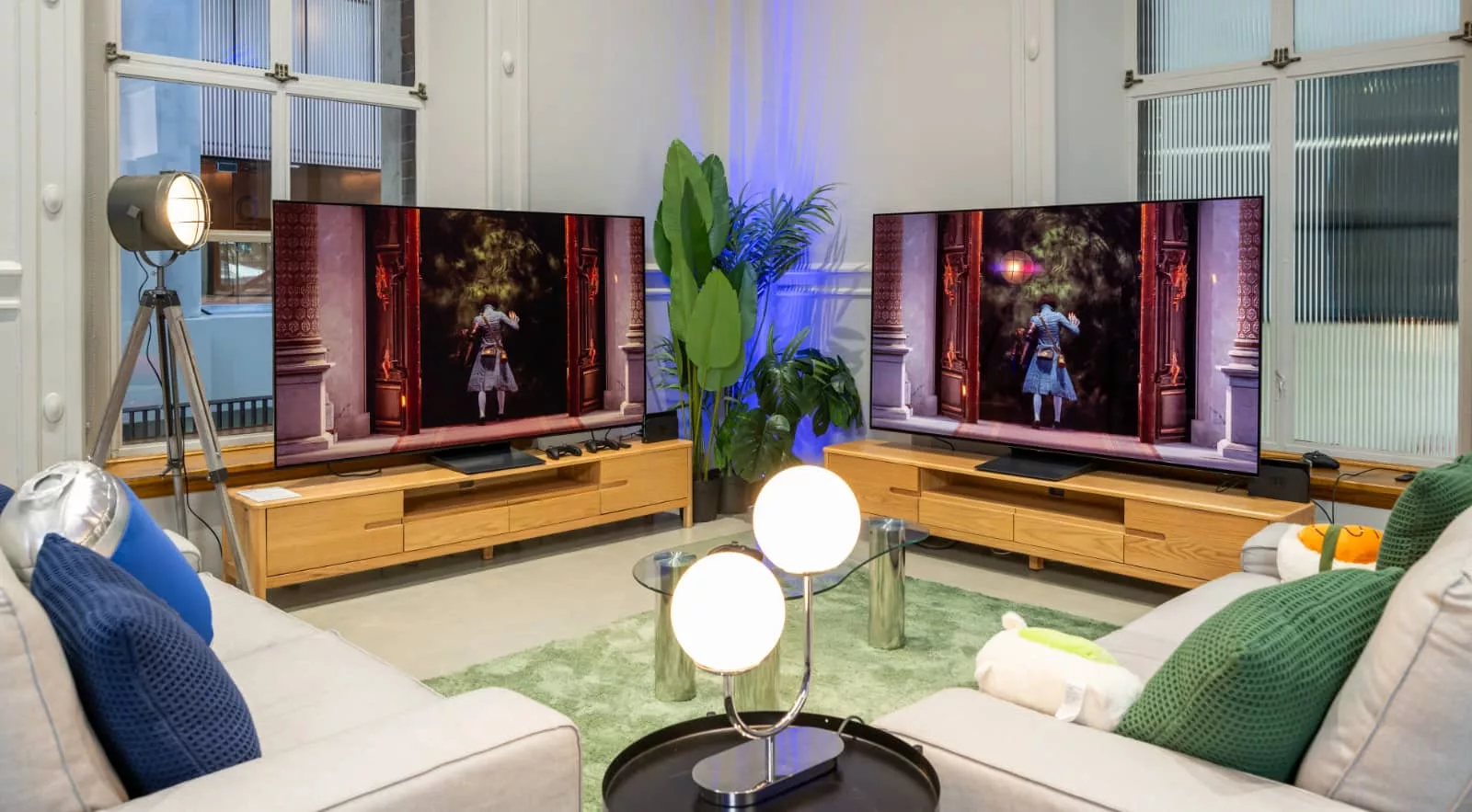
Choices, choices, choices
The range will cover three technologies primarily, covering QLED and Neo QLED with the quantum-dot LED-backlit screens and Mini-LED backlit varieties, as well as the organic LED panels that are OLED, and finally the latest technology, Micro RGB.
One of the big buzzwords of 2026, Micro RGB provides tiny blocks of red, green, and blue pixels clustered together as each pixel to provide more precise lighting control on a screen. It’s a little like how an OLED should work, but without the organic technology, and it’s one that has expanded from its original launch last year in only big sizes to cover screens big and small.
Micro RGB
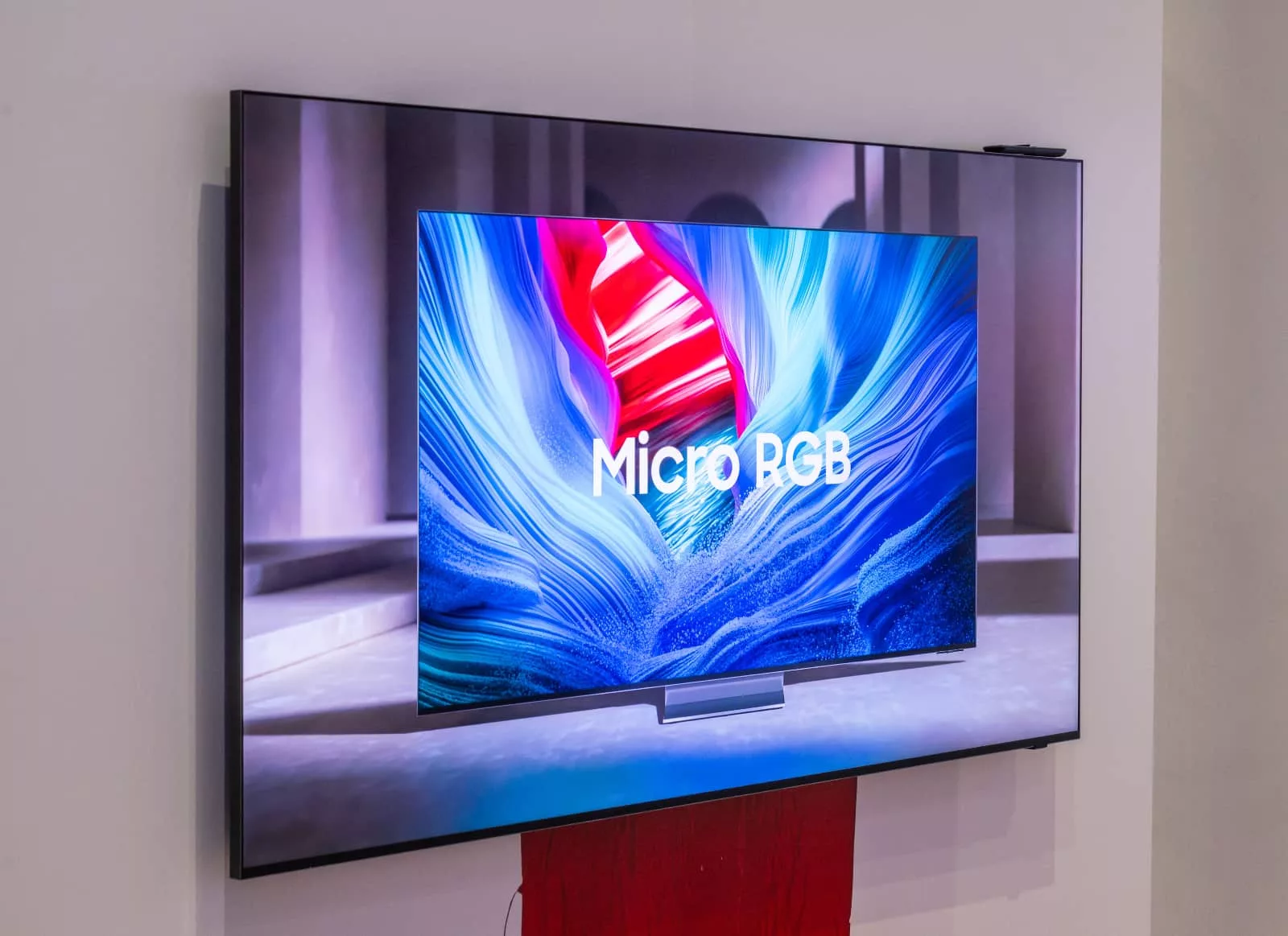
The more premium technology of the bunch, Samsung’s Micro RGB range will come in the R85H and R95H, models that runs from 55 to 115 inches, and arrive in glare-free options, handy if there’s a lot of light entering your living room.
Micro RGB screens rely on colour enhancement technology to optimise the colour and contrast, while the glare keeps the reflections down, the result being high-end visuals for folks who want the latest.
The Micro RGB range won’t be inexpensive in the flagship, attracting prices from $5299 for the 65 inch model and up to a staggering $42K for the 115 inch R95F, but the R85H will be a little friendlier, priced from $2499 for a 55 inch Micro RGB screen and up to $13K for the 100 inch equivalent. An 85 inch R85H will cost just under $5K, while the R95H equivalent will be closer to twice the price at $10K.
OLED

OLED is the next in line for screen technology, and while Samsung was initially late to the release party, now there are three models in the 2026 Samsung OLED range: the S85H, S90H, and S95H.
The S95H is clearly the flagship, using a wireless box to connect to the TV, and a special design that basically makes the TV appear as if it’s floating. Rather than use a traditional frame, the Samsung S95H is pressed against a mounting plate of sorts, which replaces the frame, giving the TV the floating look.
Floating TVs aren’t exactly out of kilter for flagship screens this year, what with LG’s W-series OLED offering a similar look in its release earlier in the year.
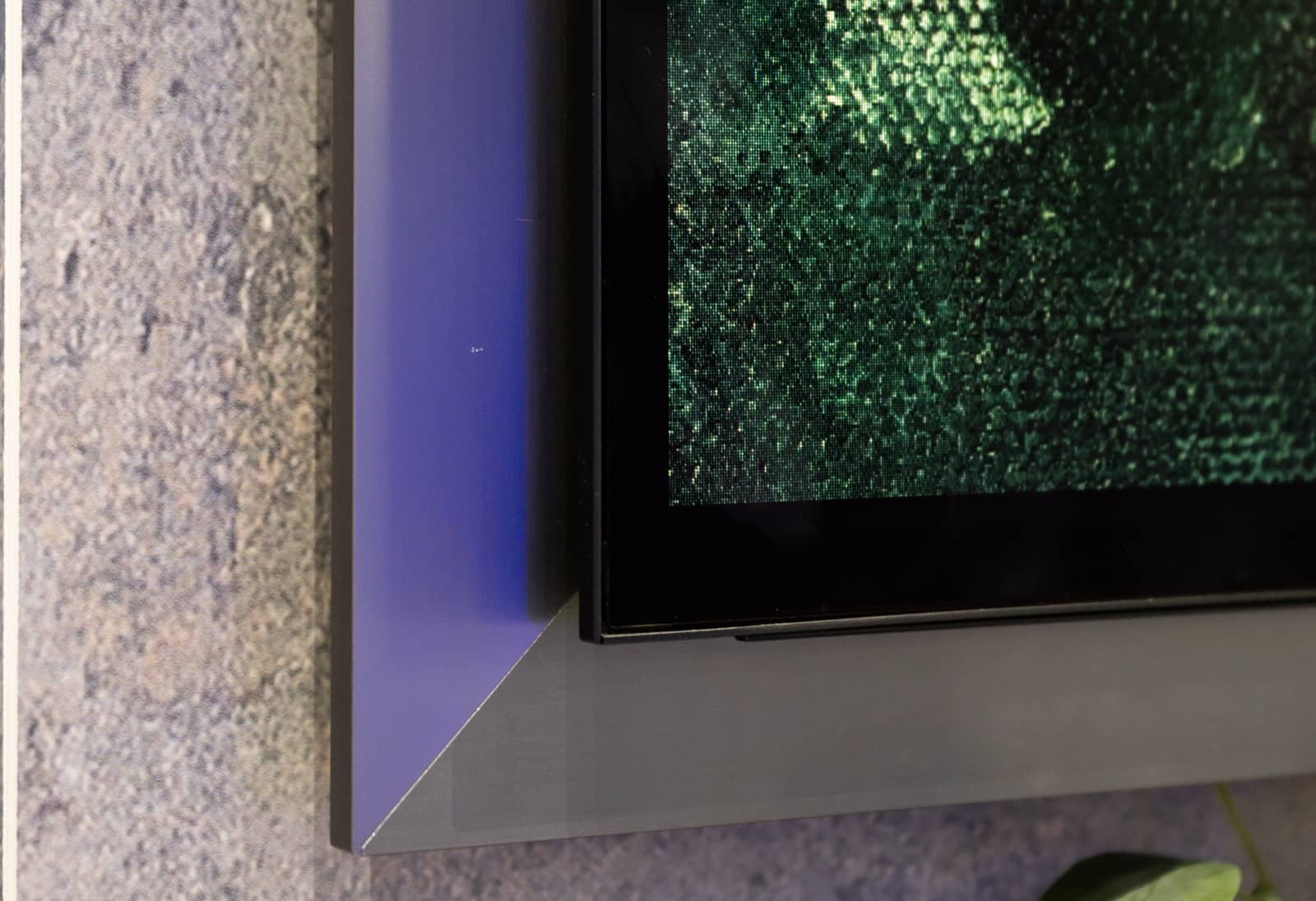
Elsewhere, the TV uses an AI processor with neural networks to boost visuals, while the OLED panels are designed to be faster to improve gaming, as well.
These screens will start at $1999 for a 48 inch model in the S85H and $1999 for a 43 inch in the S90H, with the range going up to an 83 inch option in every series, priced from $6499.
The Frame art TVs
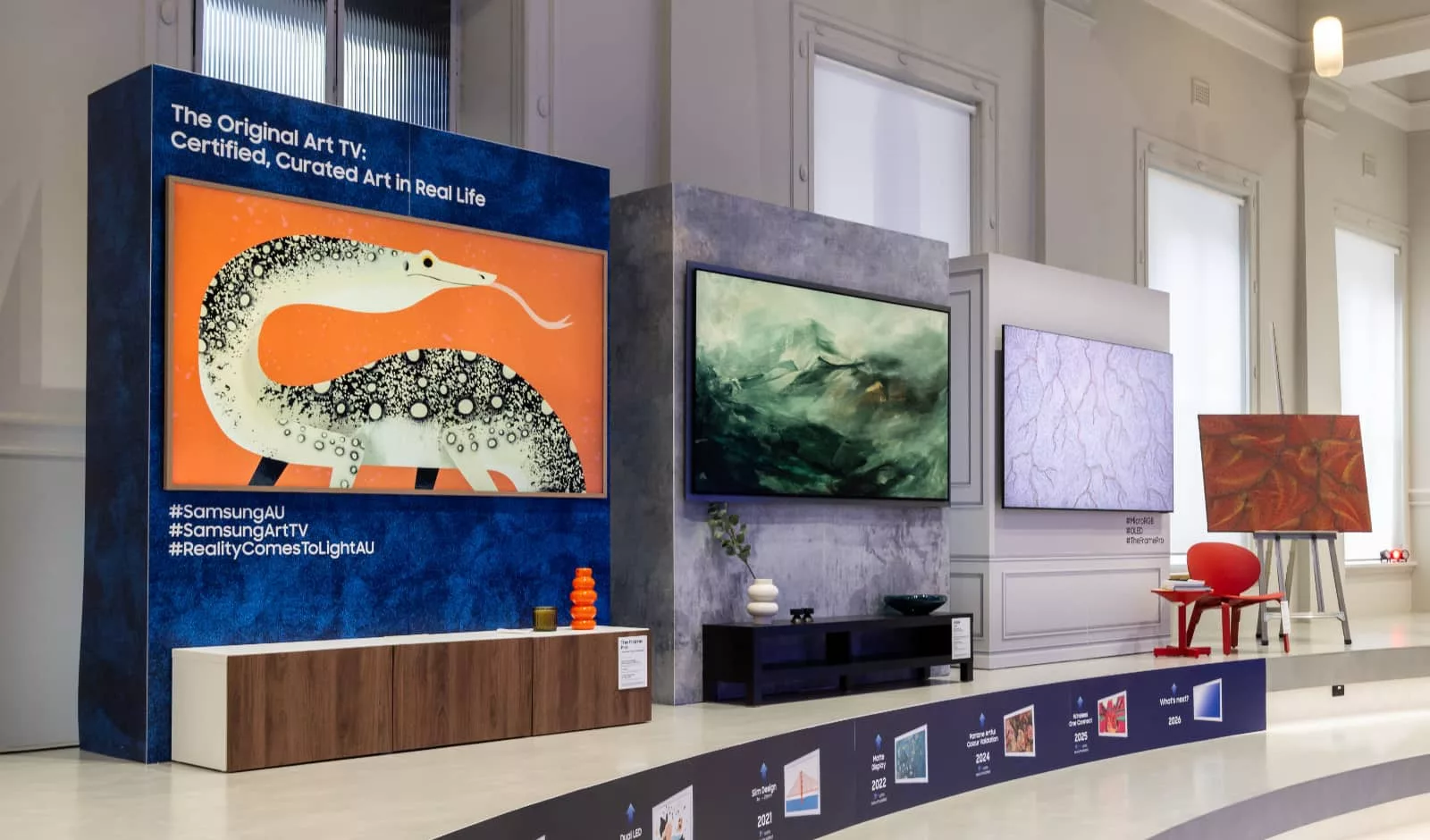
Finally, there’s the lifestyle assortment of TVs, an area that has seen unique screens from Samsung in the past, including a rotating TV, The Sero.
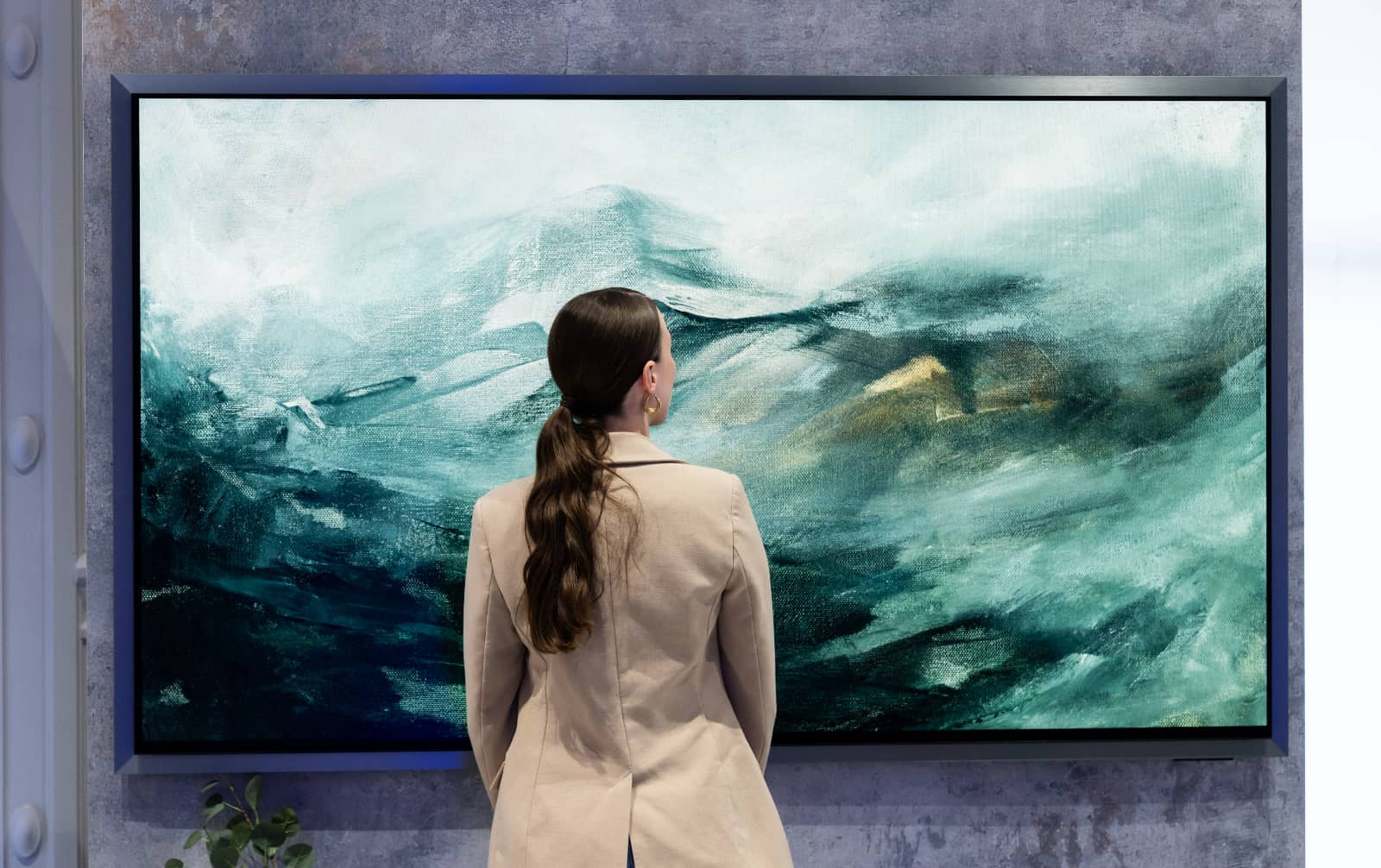
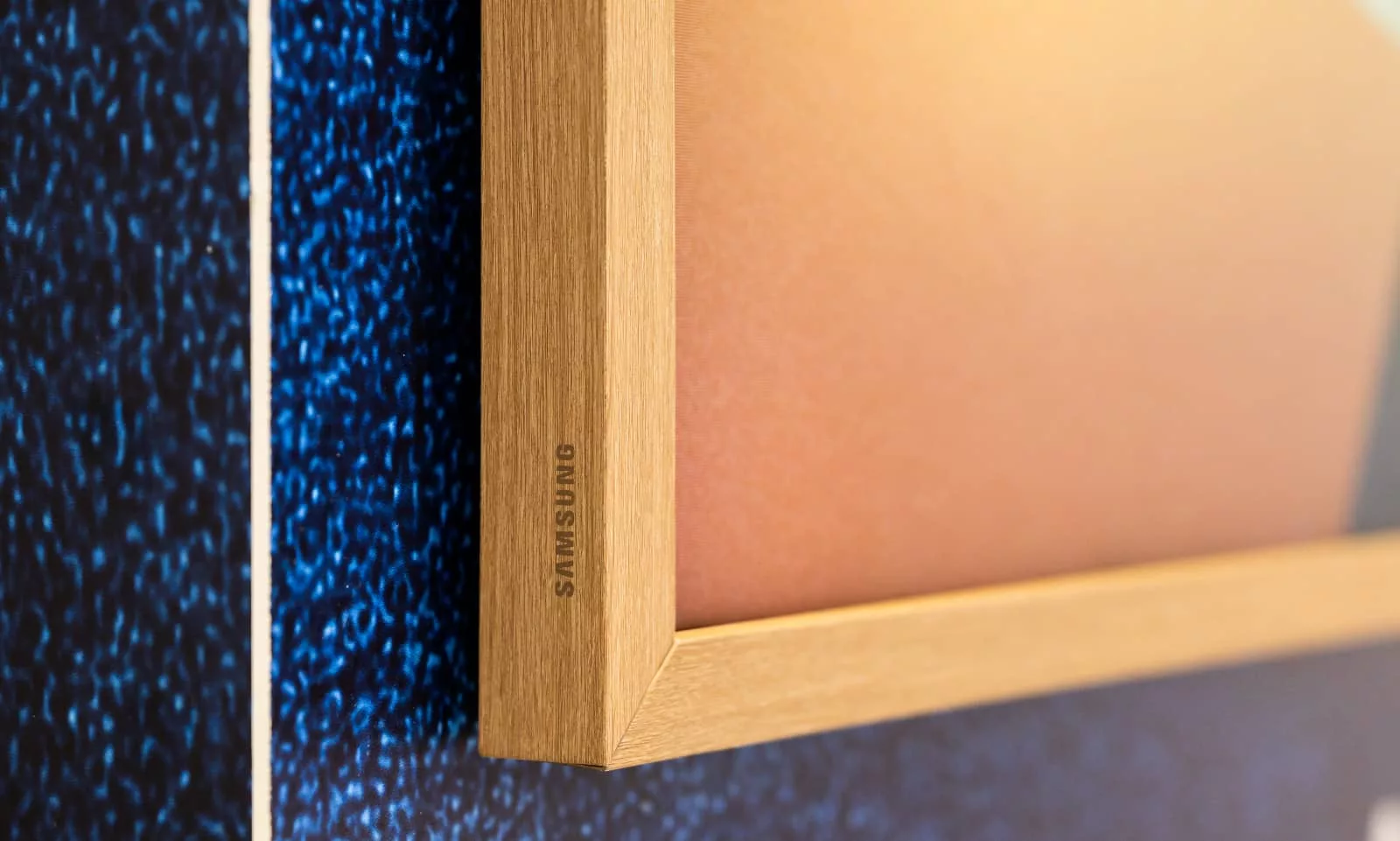
This year, those crazy screens are tapered back to being about art, as The Frame and The Frame Pro launch for this year, distinct models that use either QLED or Neo QLED screen technologies (respectively), and with glare-free screens designed to make the TV look more like a piece of art rather than a simple screen.
It can do both, but when left off, The Frame TVs double as a piece of art, grabbing visuals from an art store subscription.
Both models are designed like pictures, complete with more art-styled frames, but The Frame Pro this year supports Samsung’s wireless connect box like the flagship Micro RGB TV.
Frame TVs are a little more economical this year, covering a 55 inch for $1799 and an 85 inch for $3999, while the more premium The Frame Pro starts at $2499 for a 55 inch and costs as much as $5K for an 85 inch digital piece of art.
TVs for everyone else
There will be TVs that match more price points, with both Neo QLED and Mini LED made for more sizes and price points, covering as low as 43 inches and as high as 84 inches, with the Mini LED options starting from under a thousand for 55 inches (and well under for 43), while an 85 inch Mini LED 4K TV will cost $2500.
Neo QLED’s QN80H will boost prices again, starting at $1599 for a 50 inch and costing up to $7K for a 100 inch take on the tech.
But if both of these are just too expensive and you’d prefer to keep costs down, Samsung will have a standard 4K LCD TV priced similarly to the Mini LED option, but manages to offer a 98 inch model for $3799. Yes, that’s nearly 100 inches of screen for under $4000.
Frankly, the prices between the Mini LED M70H and the Crystal UHD U9000H TVs are so similar, there’s virtually no reason why you’d consider the U9000 over the Mini-LED unless you wanted that massive 98 inch screen.
AI aplenty
Across the entire range is an assortment of AI solutions, with Samsung no longer just turning to machine learning to improve image and frame quality, but also to make your experience that much more interesting, as well.
Much of the AI technology is focused on the technical experience, using an AI Upscaling Pro system to boost lower resolution visuals for the bigger, sharper screen, and an AI Soccer Mode to optimise the picture for high speed Matilda and Socceroo action (and potentially any other time you may or may not support).
And then there’s the “companion” AI, the one that’s designed to accompany you while you watch.
Samsung’s AI Vision Companion looks to be one of those features you’ll use, possibly without thinking. Much like how Amazon uses “X-Ray” on its Prime Video streaming service to highlight cast and details about films and shows as you watch, Samsung’s Vision Companion will use AI models to give you more details about what you’re tuning into, and it won’t have to be just on the one service.
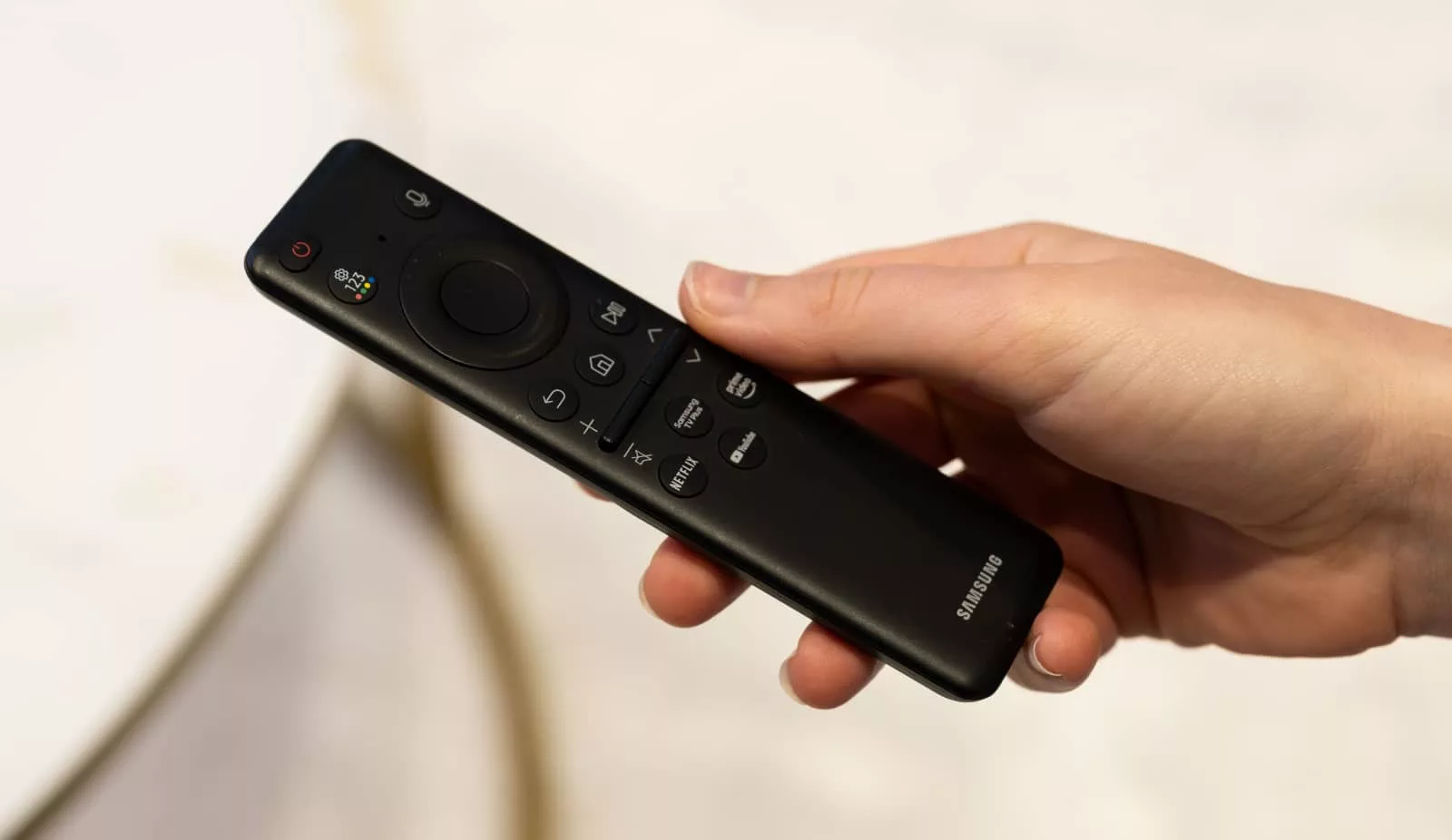
That includes related recommendations and the ability to ask questions about the content, with a dedicated button on the remote triggering this, and using AI tools such as Microsoft Copilot, Samsung’s Bixby assistant, and Perplexity AI to deliver the answers.
While providing details on viewing is part of what the system can do, it may even be able to provide suggestions of related content, such as music, and even suggest food you might want to have while watching.
We’ve not checked whether it suggests fava beans and a nice chianti while watching The Silence of the Lambs, but that’ll be the first stop on the test, for sure.