
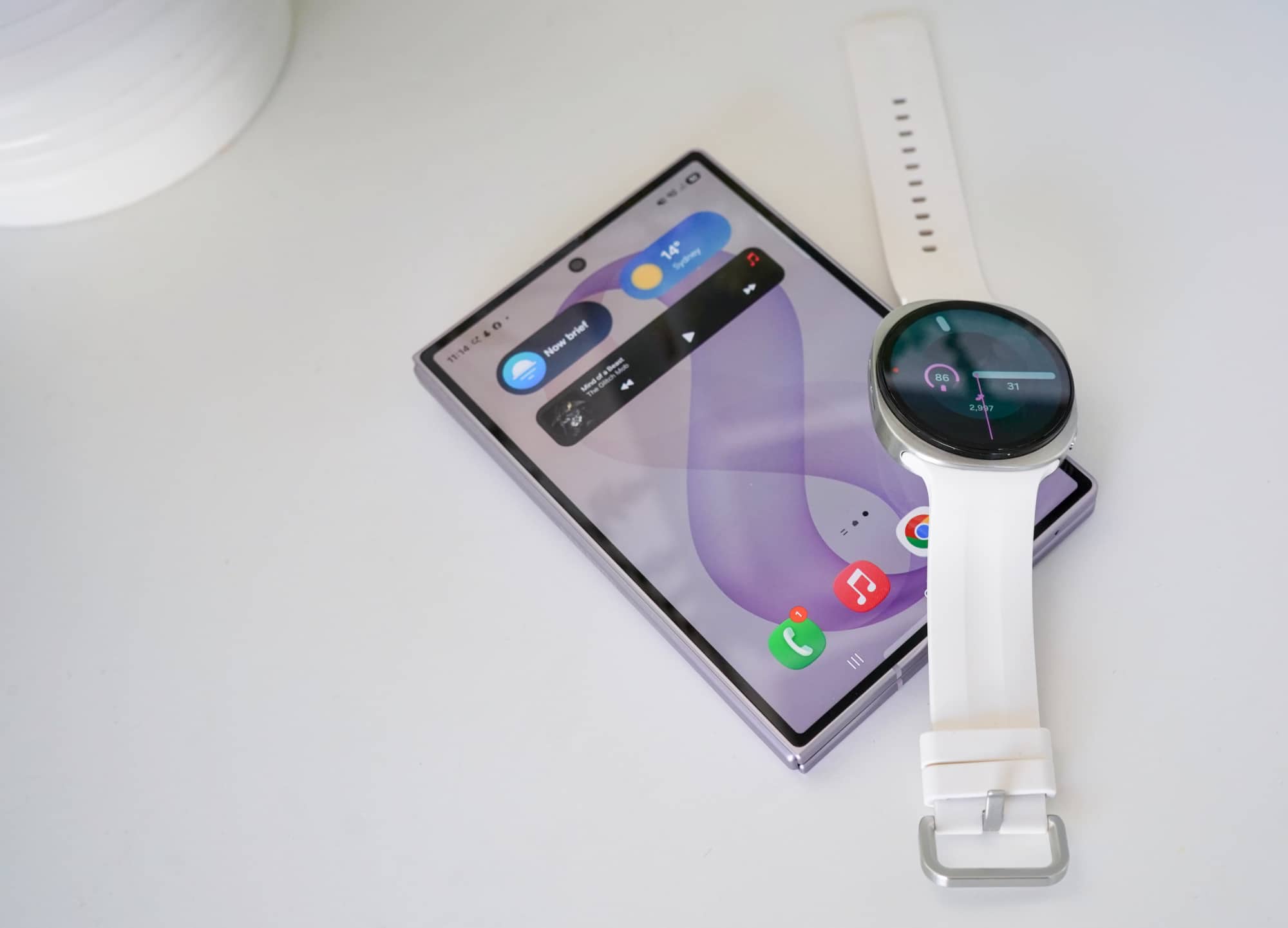
Quick review
The good
The not-so-good
There’s a new wearable every year, but in the latest watch from Samsung, the Galaxy Watch 9 just ends up feeling like yesterday’s news.
We’re living in an era where everyone has a phone, and everyone brings it where ever they go because it is probably the most important gadget in their life. It covers everything.
Your phone is your gateway to the world. It is your ticket and contact mechanism all bundled up into the one device, covering your life with a connection to the outside with apps aplenty for convergence central.
But there’s one thing your phone doesn’t necessarily work as a cover-all for, and that’s your health. For that, you typically want a device on your wrist, or even somewhere on your person.
Tracking your health tends to come inside a watch or band, and it will also come with call and message notifications, as well, as the wrist-worn wearables become the second screen for that main display in your life.
At nearly a decade’s worth of models in, not to mention a few outside of that, the Galaxy Watch 9 aims to keep the tech and feature set modern. Is the Galaxy Watch 9 the must have device for Galaxy phone owners, or are there other options?
Design and features
It’s 2026 and smartwatches are hardly new. They’re so “hardly new” that if you can believe it, the Apple Watch will cross over into a Series 12 this year, and the Galaxy Watch is in version 9.
While we are clearly checking that out in this review, it might surprising you to know Samsung is technically in its 13th year of making watches, kicking it off with the “Galaxy Gear” line of devices, which eventually became just the “Gear”, and now simply the “Galaxy Watch”, which is where we are today.
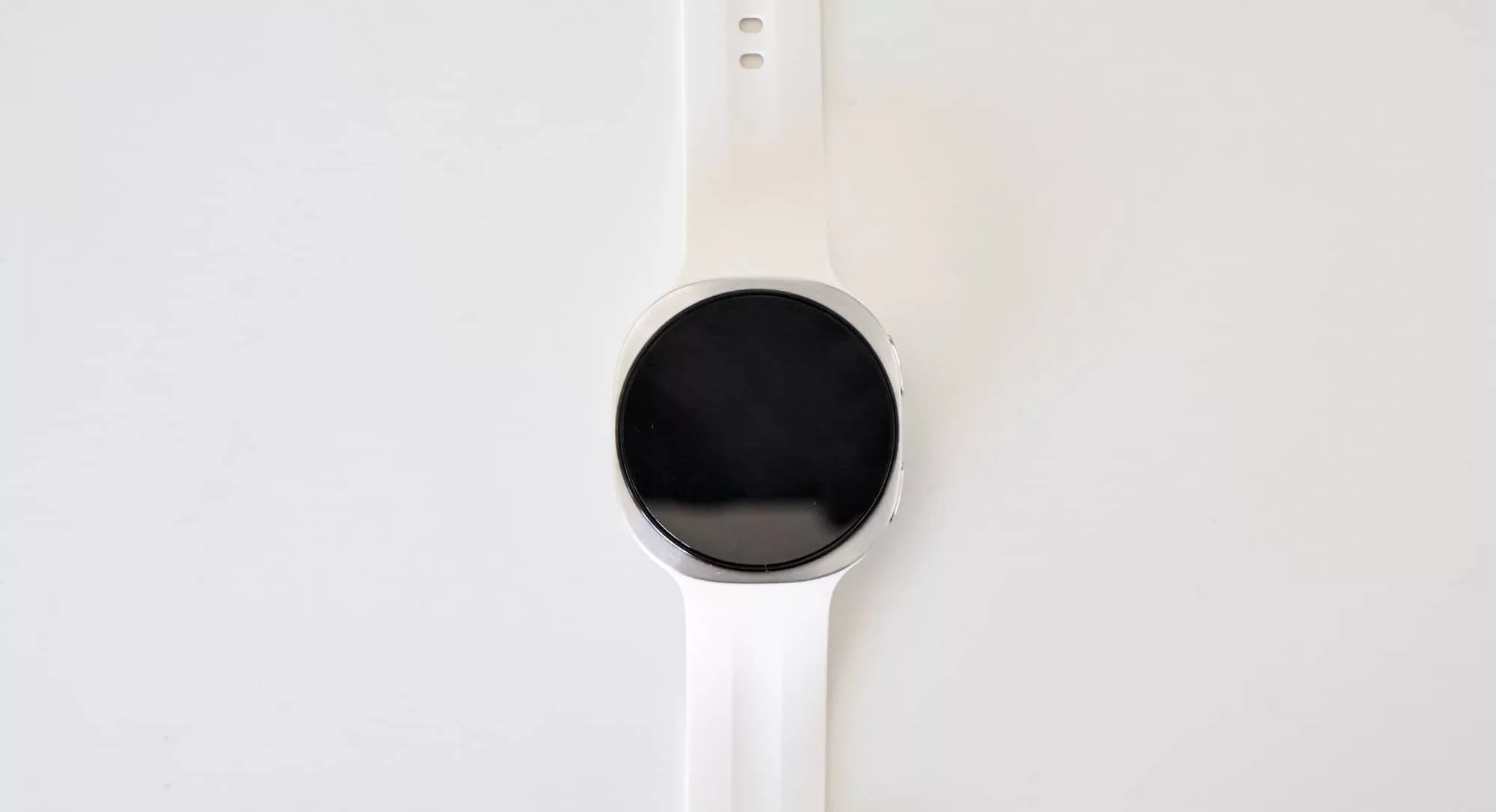
Samsung has seen numerous evolutions of its wearable, going from square to circle, and its recent efforts are a combination of the two, almost like the company eschews the idea that it has to be one, and so just goes with both.
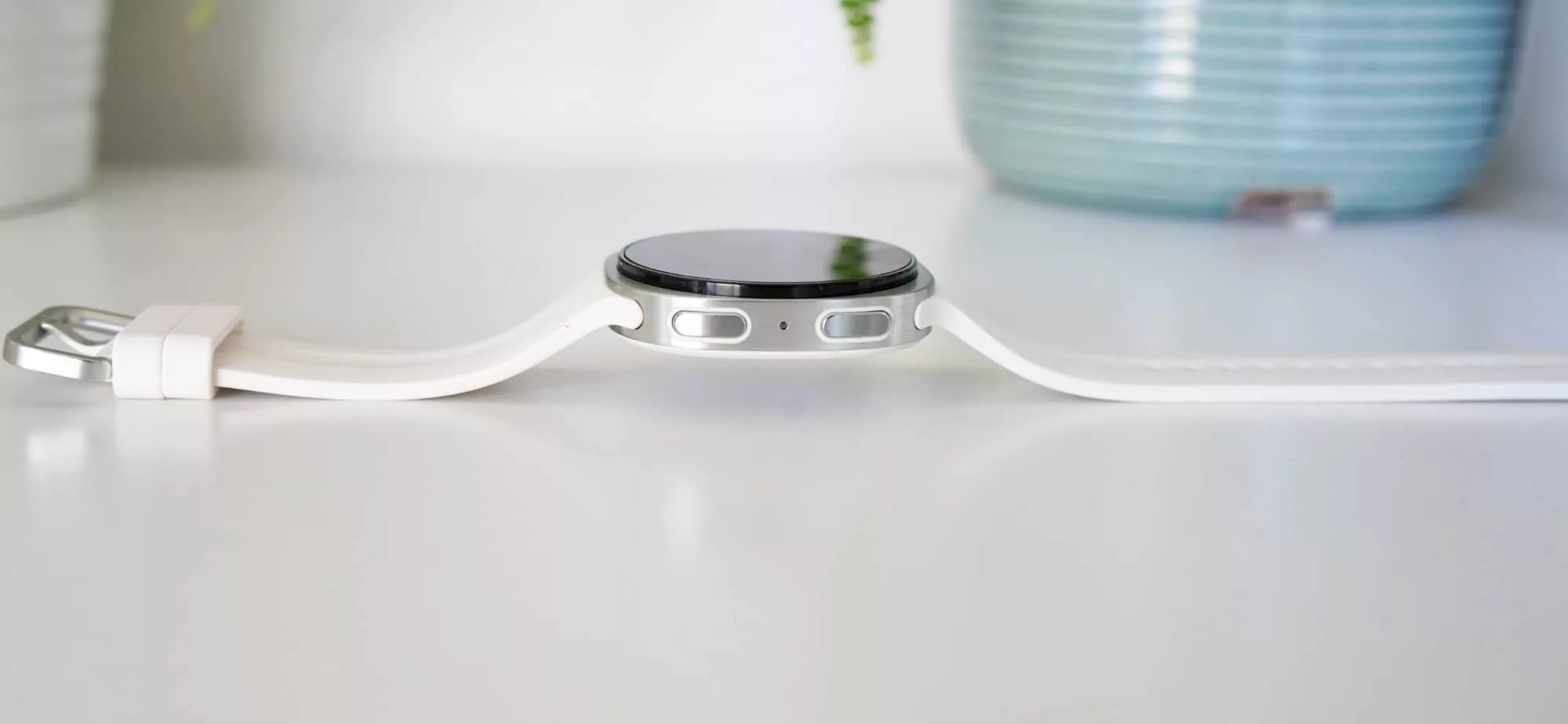
In the Galaxy Watch 9, it is more of that: a softened square body with a circular screen, a style that is best described as “individual yet simultaneously divisive”.
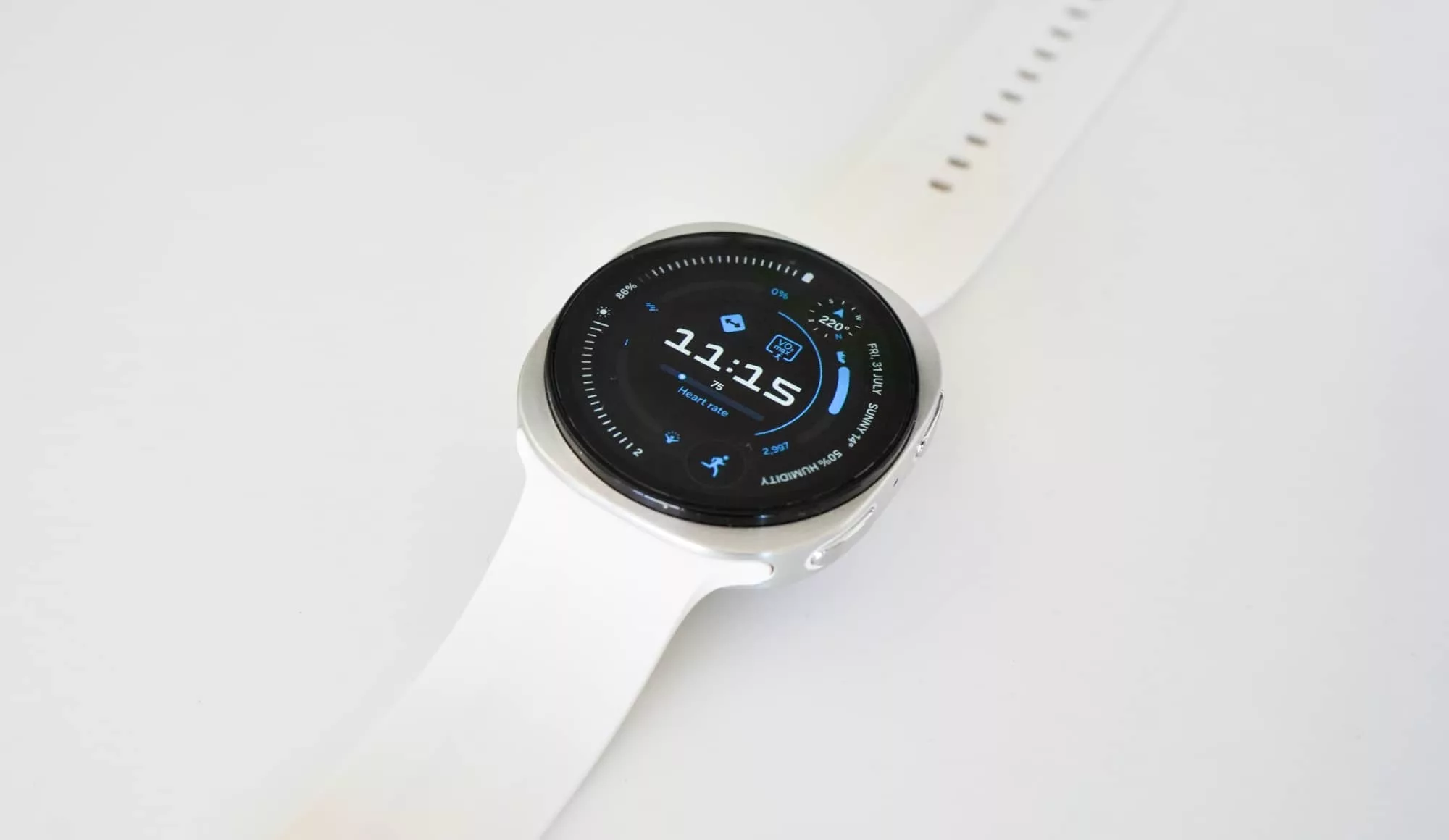
In short, you’ll either love it or hate it. It’s not for everyone, but folks who want to stand out from the circles and squares on wrists of all kinds will definitely vibe with it. It is both.
Inside, the differences are modest and minor compared to the last version, but might be more significant depending on where you’re upgrading from, if you are upgrading at all.
It includes a Qualcomm Snapdragon Wear Elite processor over the Samsung-made Exynos of the previous generations, while keeping the same 2GB RAM and 32GB storage. Google’s Android-based Wear OS appears again, complete with tweaks by Samsung on top, and Google’s Gemini AI also appears in the watch.
There is a slightly bigger battery too, with our 40mm Galaxy Watch9 review model sporting a 390mAh battery inside. Two buttons can be found on side, and a speaker and microphone, as well.
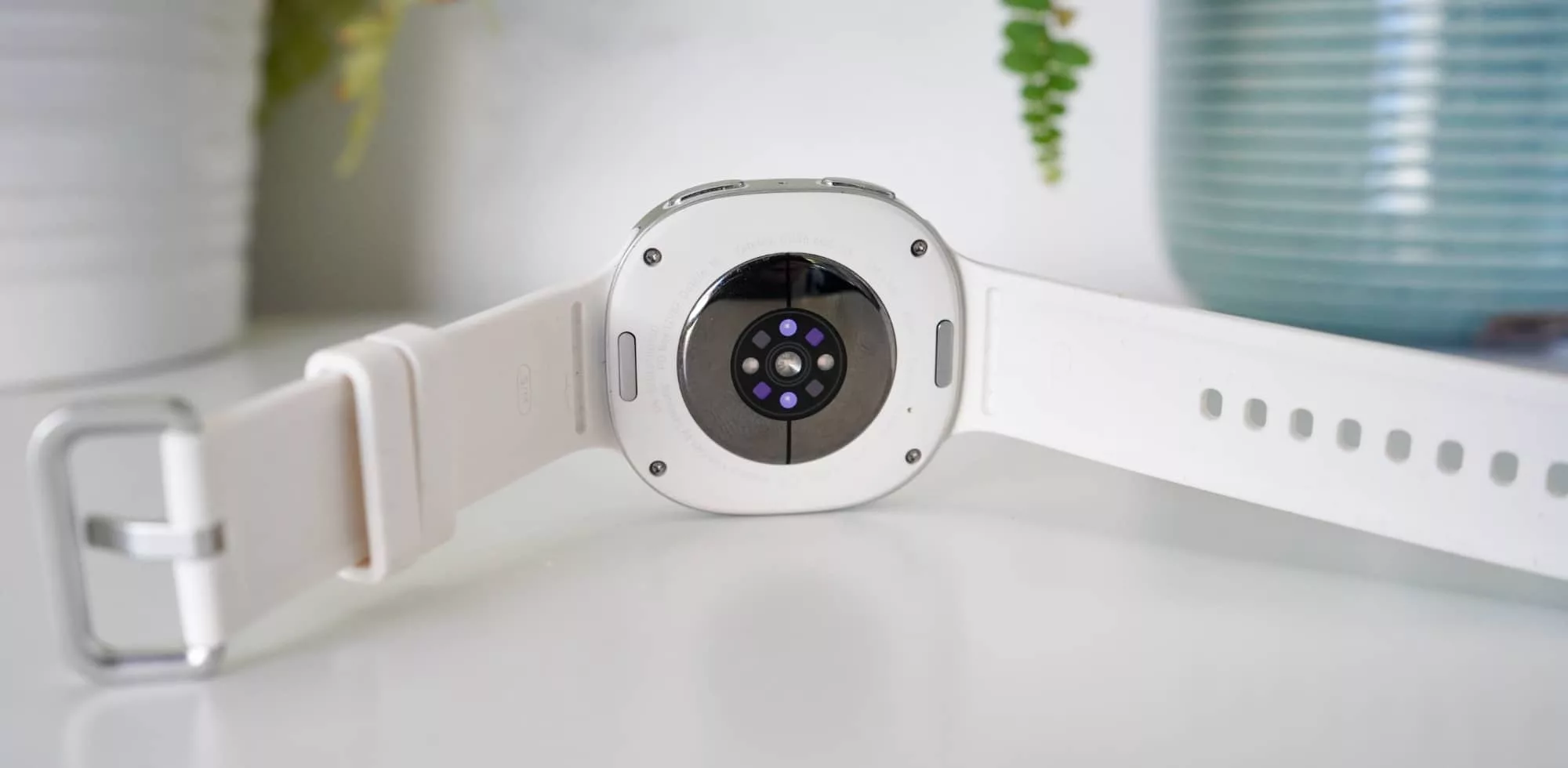
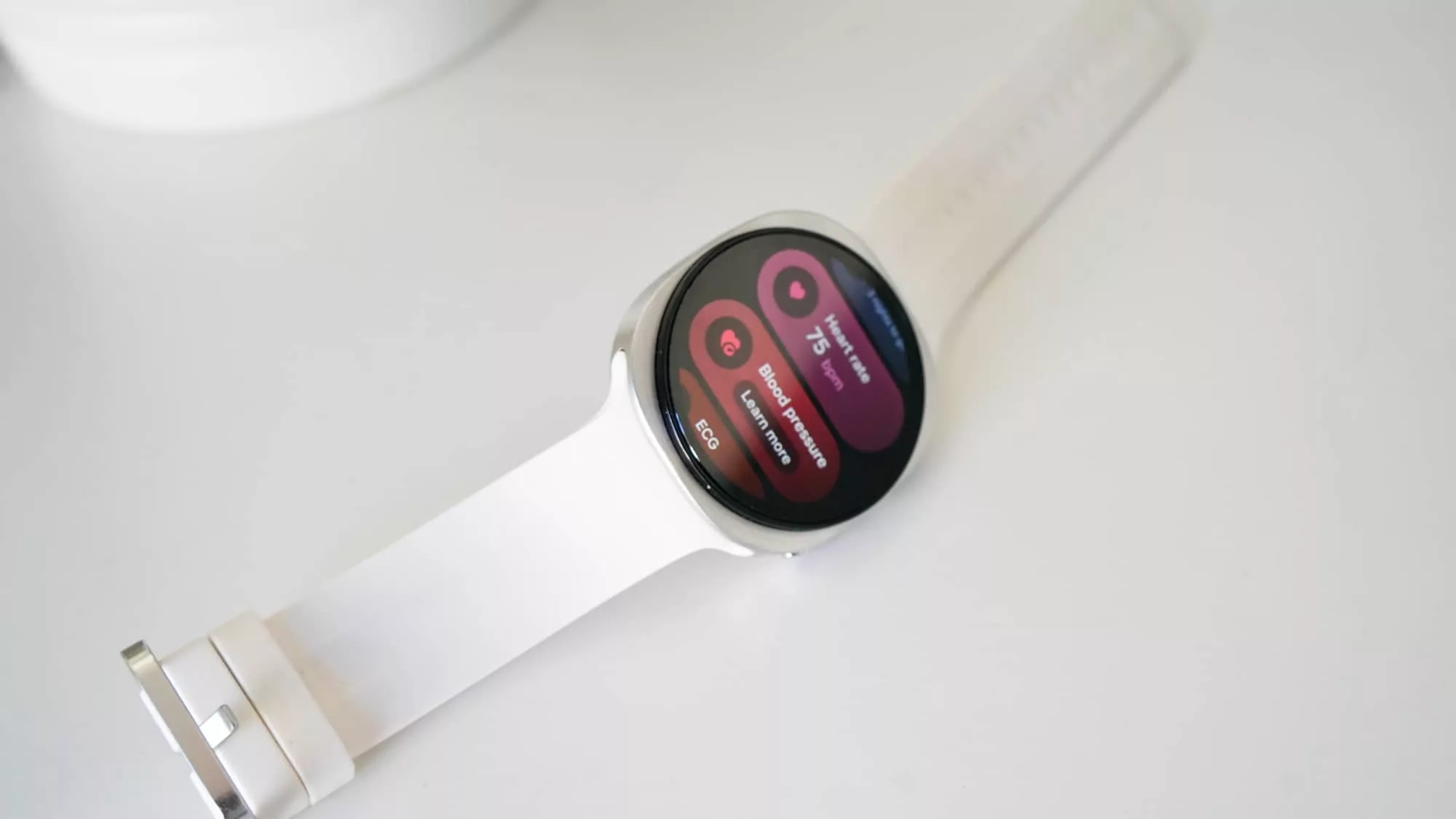
Most of the sensor technology on the under-side is much for muchness, including an all-in-one health sensor covering an assortment of capabilities, including heart rate, ECG, temperature, and fat and muscle mass using bioelectrical impedance analysis, to name a few. You’ll also find other more common sensors for wearables, such as an accelerometer and barometer, plus the somewhat recent addition of a temperature sensor, too.
You can expect some other features, including durability rated for IP68 and MIL-STD-810H, as well as sapphire crystal glass, something that usually costs extra on wearables. The only thing that seems to cost extra here is 4G LTE support, which does cost extra, and will typically set you back a hundred bucks more from whichever model you might be considering.
In-use
Regardless of whether you pick Bluetooth or 4G-capable, the watch experience is largely the same. That’s more of a question of whether you can go for a run without the phone.
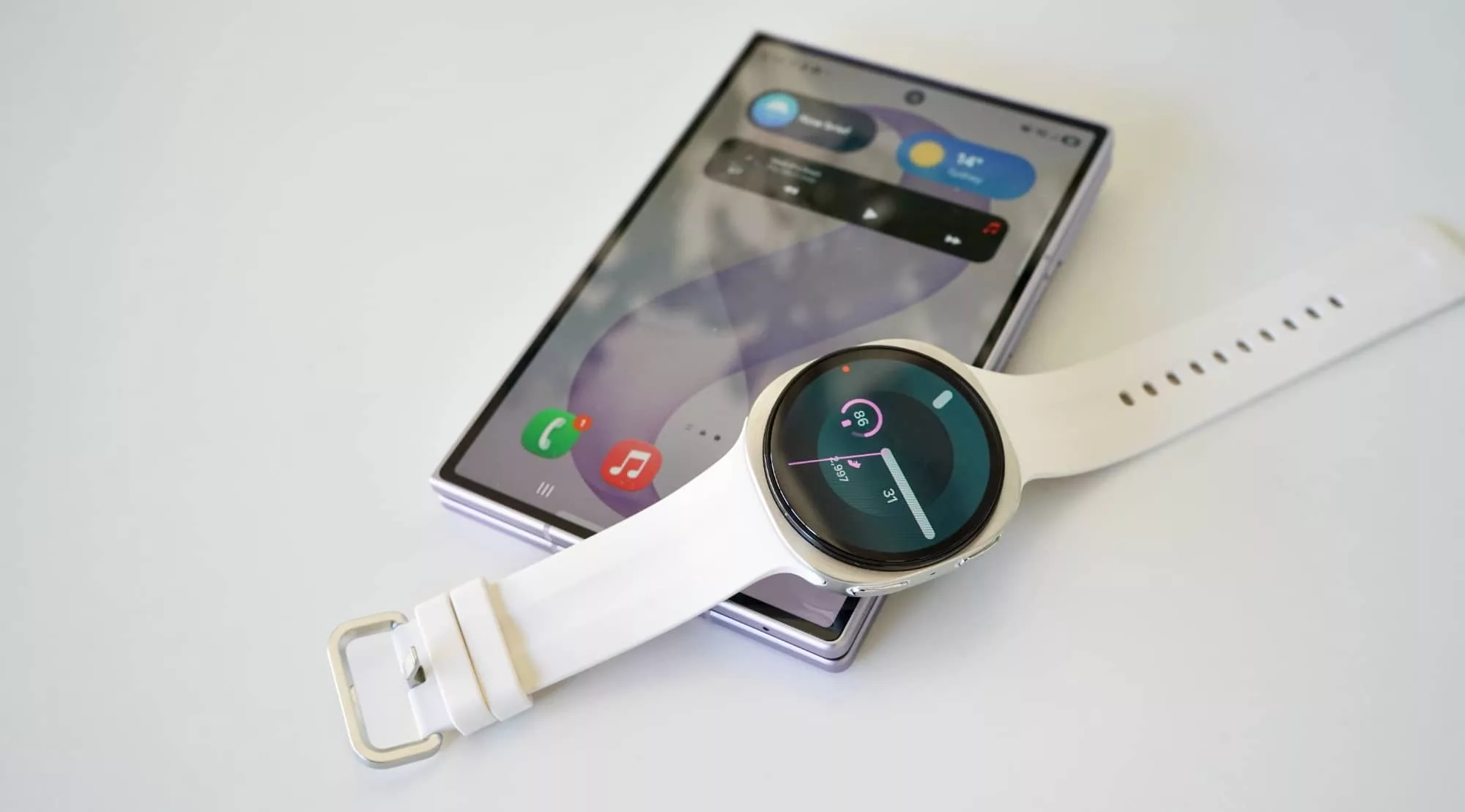
However, you will need Android to make the Watch 9 work, and ideally, you’ll also want a Samsung Galaxy phone, largely because the features are just designed to play more cohesively with Samsung’s models. Some of the health metrics may lean on Samsung’s specific apps that run only on its phones, and do things like Samsung Pay, though the watch supports Google Wallet, so you can easily sneak by that.
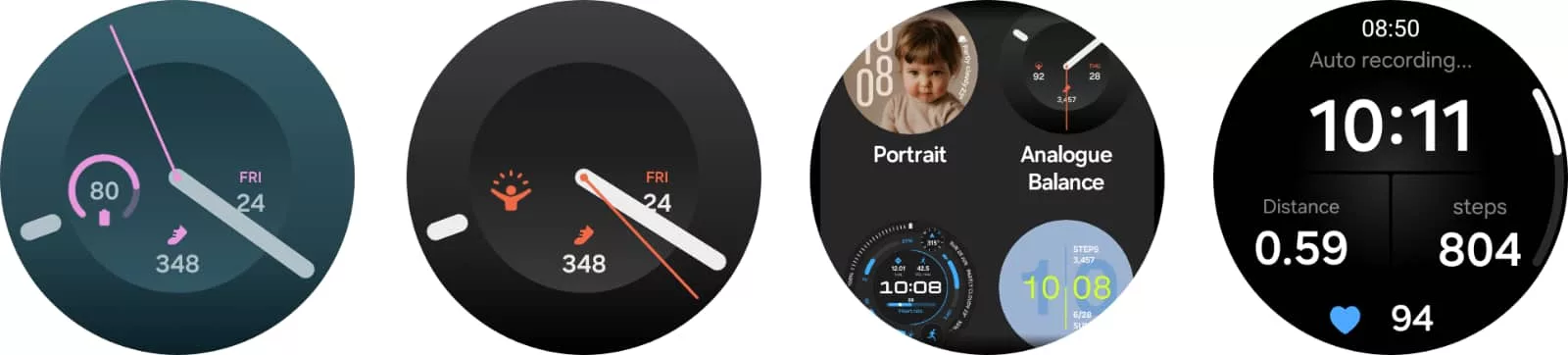
For most things, using the watch is basically a combination of swiping across and or vertically, with a swipe down giving you the power controls, a swipe up the menu of apps, and swiping left and right for notifications and little widgets. Most of this is actually normal, and goes back to devices like the Gear S3 which did all of this with a physical dial piece of hardware that you can still find on the “Classic” models.
There’s no “classic” variation of the Watch 9, though, so it’s all touchscreen for you, save for the buttons on the side.
You’ll find two of these, the first giving you a long press into Google Gemini, while the bottom is a shortcut button that can also work as a back button. You have options.
Performance
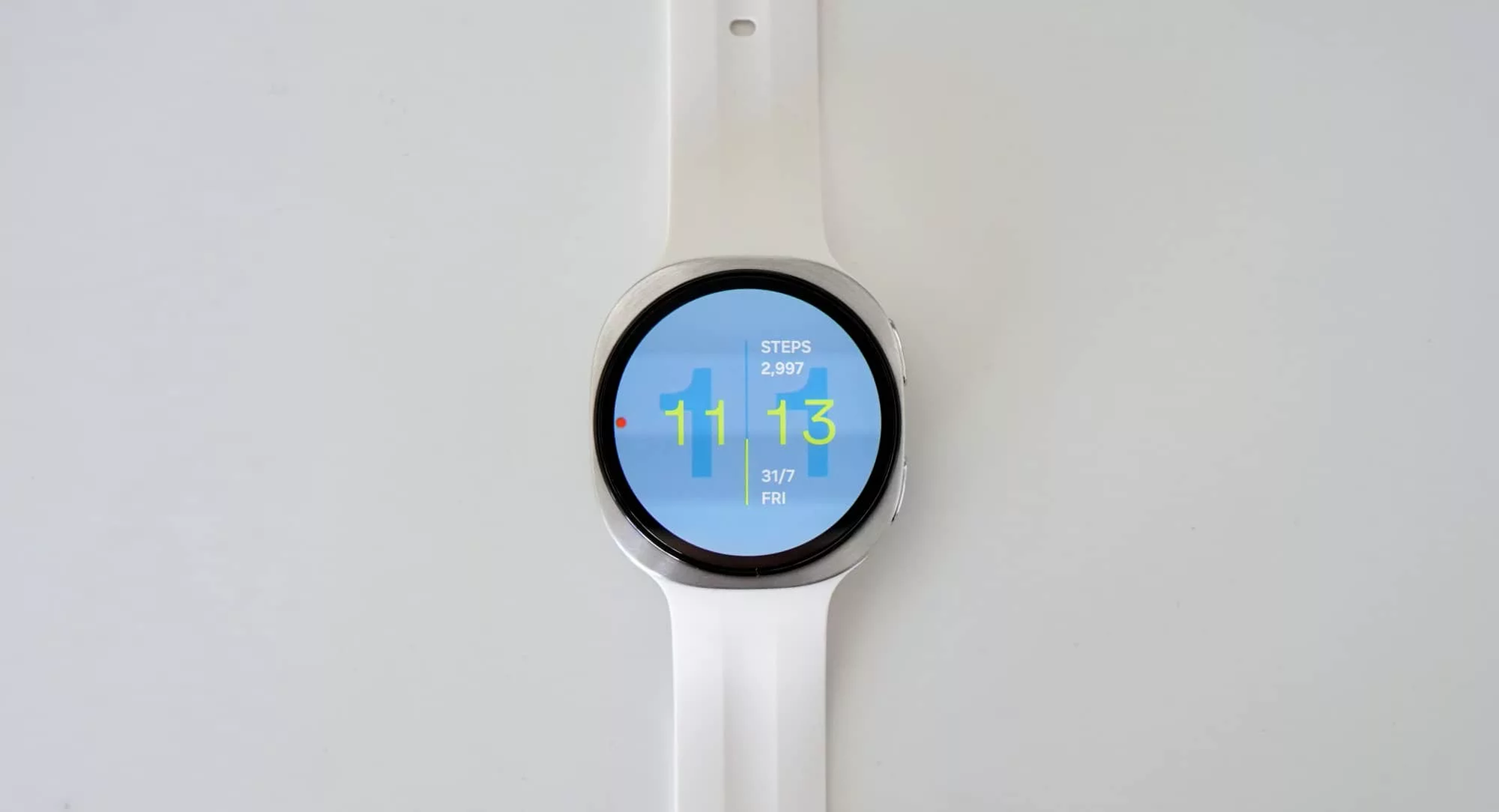
The good news is the performance of the Watch 9 is quite good and reliable. Clock faces are snappy, and the assortment of apps you’ll choose to run on the watch work well, too.
Qualcomm’s chip is plenty fast for what’s on offer, and regardless of what you use the Galaxy Watch9 for, the hardware seems to handle everything well.
Battery
The performance is just as strong as it ever was, with no obvious changes, which is a good thing.
Less good is the consistency in the battery, which sees the Galaxy Watch9 struggle to hit two days, and typically won’t no matter how much you want it to. Granted, the model we tested for this review was the smaller of the two in the 40mm variation. But even so, barely two days isn’t much when you’re talking about wearables.
Is it better than the Apple Watch’s regular nightly charge? Yes. Is it better enough to count? Not really.
We’ve seen Pixel Watch models hit three days, and other brands go for much longer battery life. For Samsung’s latest and greatest to struggle to get two days is not a great outcome for the 2026 iteration of its wearable.
It’s better than the Watch8’s struggle to hit beyond a day, but it’s not going that much better. And it desperately needs to be so much better.
Value
The battery doesn’t impress, and the value isn’t terribly exciting, either.
Credit to Samsung where possible: the price has at least stayed the same. Like last year’s Galaxy Watch 8, the wearable starts at $649 in Australia for the 40mm Bluetooth model, jumping to $749 if you want it with 4G, while the 44mm Bluetooth Watch9 is $699 and an extra hundred ($799) for the 44mm LTE model.
Samsung has kept the prices the same, even though AI has helped push the prices for phones up. That is at least a welcome note, rather than the sour one we’ve come to be skeptical about this year.
The problem is the price makes sense, just not for the reason you might think.
While the battery life has marginally improved, it hasn’t managed to get revolutionary better, and this version of the Galaxy Watch feels like last year’s model, but she’s got a new hat.
On the one hand, at least the continued price keeps the value much the same, and suggests the Watch 9 should hold its resale value even as the wearable ages.
But it just doesn’t feel like anything had really changed, and if you were considering the Galaxy Watch 9, you may as well consider its predecessor instead. Depending on where you find it, the watch might just end up being better value.
What needs work?
It’s that lack of really anything new or substantial that rings true for the Galaxy Watch 9, and really delivers a ho-hum and unexciting wearable.
There’s an argument that every watch is pretty much like that these days, and it’s largely true. The Apple Watch Ultra 3 is a modest update on the Ultra 2 before it, and even jumping between iPad and MacBook models will get you to similar realisations.
The point is largely the formula is nailed. There’s not much more companies need to do.
In the case of a watch, the sensors are doing everything they can for monitoring right now, the screen is doing everything it needs to, and short of extra R&D to improve it all plus maybe some AI enhancements to monitor your health and provide commentary, this is what a watch does.
Except for one clear point: the battery life is still less than stellar.
The problem with “more of the same” is it doesn’t address the failings that still occur now. When the Pixel Watch 4 can hit two days without problems, and other wearables can go for a lot longer, Samsung’s focus really should be there.
If the watch template is mostly figured, it’s time to go back and fix the things that haven’t been properly realised or finalised. And that would be battery life.
What we love
While the look of the combination of circles and squares (which sounds like a song) isn’t one that grabs this reviewer, the attempt to make the watch durable from the outset definitely is.
It’s something you just don’t see manufacturers caring about, expecting you pay more for the privilege almost every time. Apple’s wearables don’t come with sapphire glass unless you spend extra, with an outset of at least a thousand dollars for it.
Samsung’s watch durability gives others a bit of a bad time, simply because it provides that little bit more.
Galaxy Watch 9 vs the competition
Of course, Android owners still have an assortment of devices to consider, and they may end up being better value all things considered.
Google’s Pixel Watch 4 makes sense as an option, and given the timing of an upcoming Google event, will likely have a Pixel Watch 5 shortly, too. And that’s before mentioning the sheer number of wearables that work across platforms, meaning they work on iOS and Android.
Wearables like the two-week capable Withings ScanWatch hybrid analogue combo, or models from Huawei or Garmin, or models from Nothing’s CMF brand, and so on and so on.
There is no shortage of wearable offerings out there, and some may offer more of an upgrade or design quality that you just don’t get from the Galaxy Watch 9.
It’s such a ho-hum update that one has to ask the question: why did Samsung bother to release a new watch this year, anyway?
Final thoughts (TLDR)
We all know what that reason is, though: it’s an update, and updates typically go alongside new mobile purchases. Samsung clearly has a bunch of those this year, one of which is really worth checking out.
Yearly updates to watches also have this problem: a staleness that can be difficult to shake.
When nothing really changes, the gadget doesn’t feel like it’s worth much of a write-up. Worse, a reviewer could just say “consider an older model”.
In an age where AI is affecting hardware prices, that is becoming painfully more common. The Pixel 10a was basically the Pixel 9a made marginally flatter and for a little more in price, and the consistency between other devices is pretty, well, consistent, too. Good luck spotting the difference between Apple Watch models over the past few years, for that matter.
Whether a problem of memory costs or minor feature differentiation, how do you make something exciting when its update is iterative at the best, and at worst a literal incarnation of “more of the same”?
That is the burden of the Galaxy Watch 9 this year, an utterly fine smartwatch that’s stuck to the limitation of simply being that: fine. It does the job of tracking your health and telling you the time, and it can even provide calls and notifications, and offer a few extra features.
But it’s not an amazing device. It doesn’t change the game for anything or anyone. It’s just another totally fine Galaxy wearable.
If that’s what you want, this year’s Galaxy Watch 9 is just fine, just also unexciting. It’s simply more of the same. There’s nothing wrong with any of that, but if you want something more, you may want to look around. Or it might even be worth waiting to see what’s coming from the other players.