
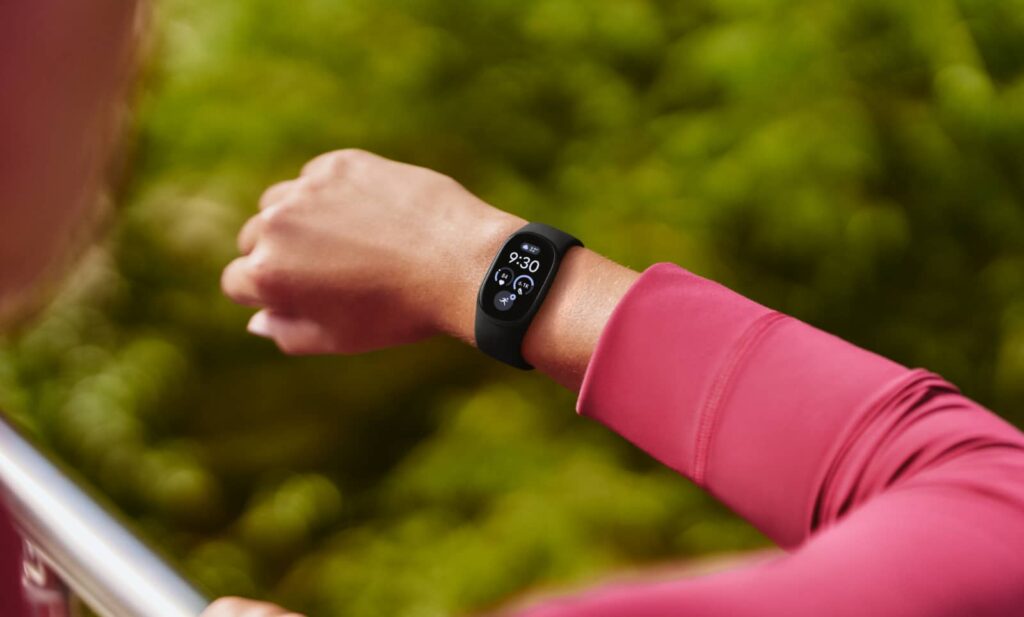
Your phone may well be the one gadget you can’t live without, but if you had a second or third, it could be something you end up wearing. That’s probably a pair of headphones or earbuds, and a watch or other wearable, with each replacing the other in levels of importance for every user.
Some people can’t live without music, and others can’t live without the ability to tell the time. Each to their own.
Both tend to come with the same negative point, and it’s typically battery life. Earphones are improving, but depending on how old your model is, you may find the battery life difficult to deal with, giving you reason to upgrade.
Over in smartwatches, battery life is an ongoing problem that even the latest models can’t always solve. A max of two or three days for an Apple Watch (depending on the version), while Android wearables tend to go for the same. Opt for a device that uses a smaller screen and you should get a little more, but it can come to the detriment of features.
The best smartwatch tech is found in the flagship models from the maker of each phone, but that doesn’t always mean the battery life is there with it.
Google might have a solution in the form of a wearable that fits below its flagship Pixel Watch 5, but still offers similar technology and for less. If you can skip the app compatibility and just go with Google’s interpretation of what you need, the revival of the Fitbit brand could have it in the Edge.
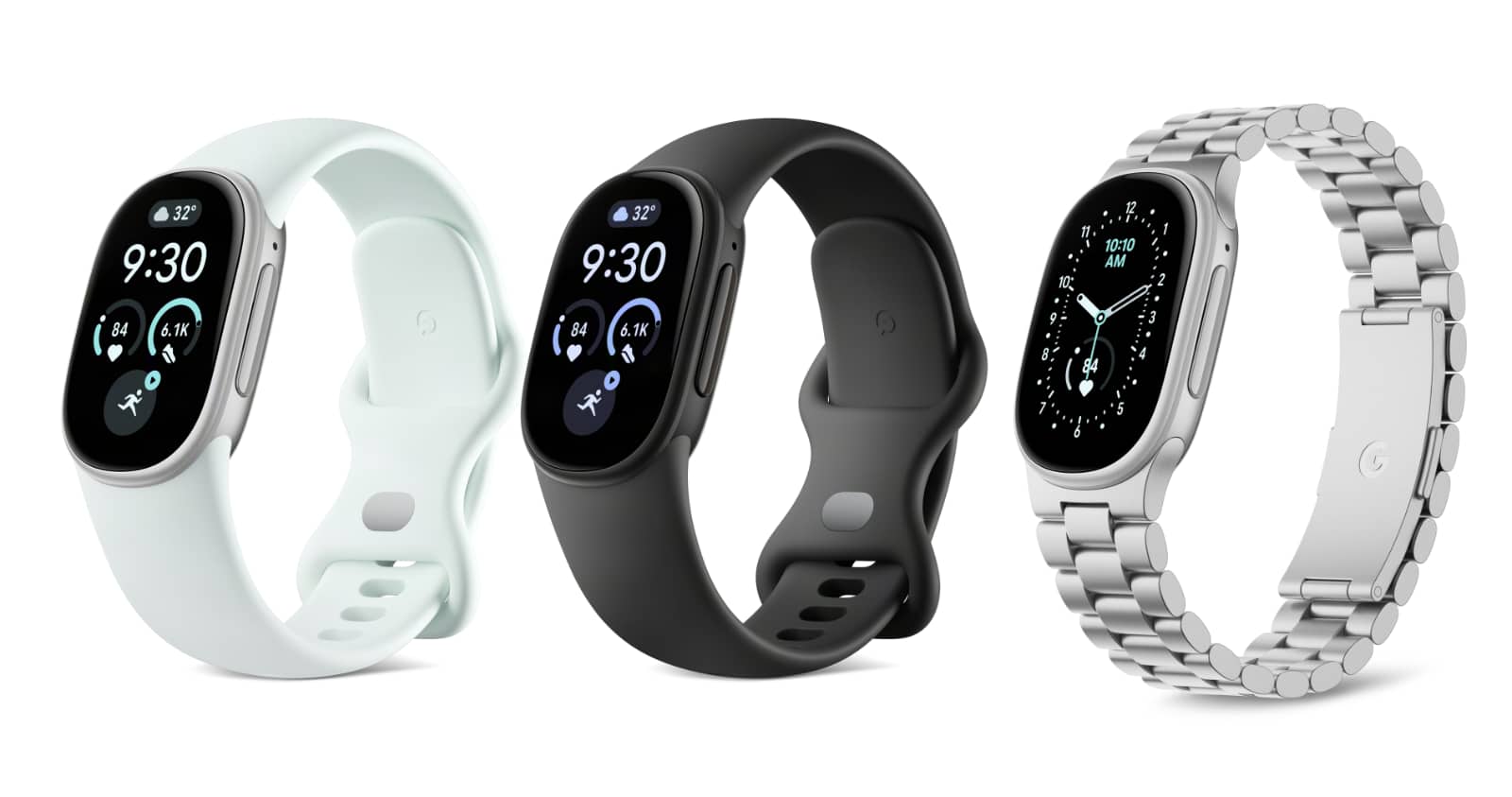
It’s different from the other Fitbit model Google makes, the Air, which lacks a screen. By comparison, the Edge definitely has one, opting for a tall 1.3 inch AMOLED screen with an always-on display, but making the Edge all about health and time, as opposed to being a general purpose smartwatch.
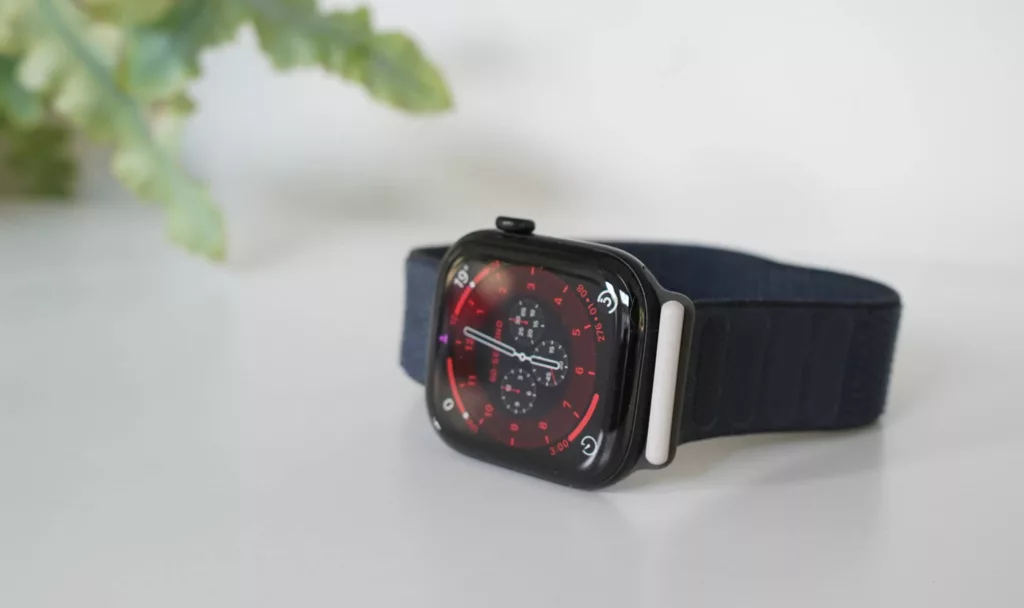
Encased in aluminium, the Edge’s 11.5mm thickness is obviously larger than the Apple Watch Series 12’s 9.7mm thickness, but it’s also a little bit lighter.
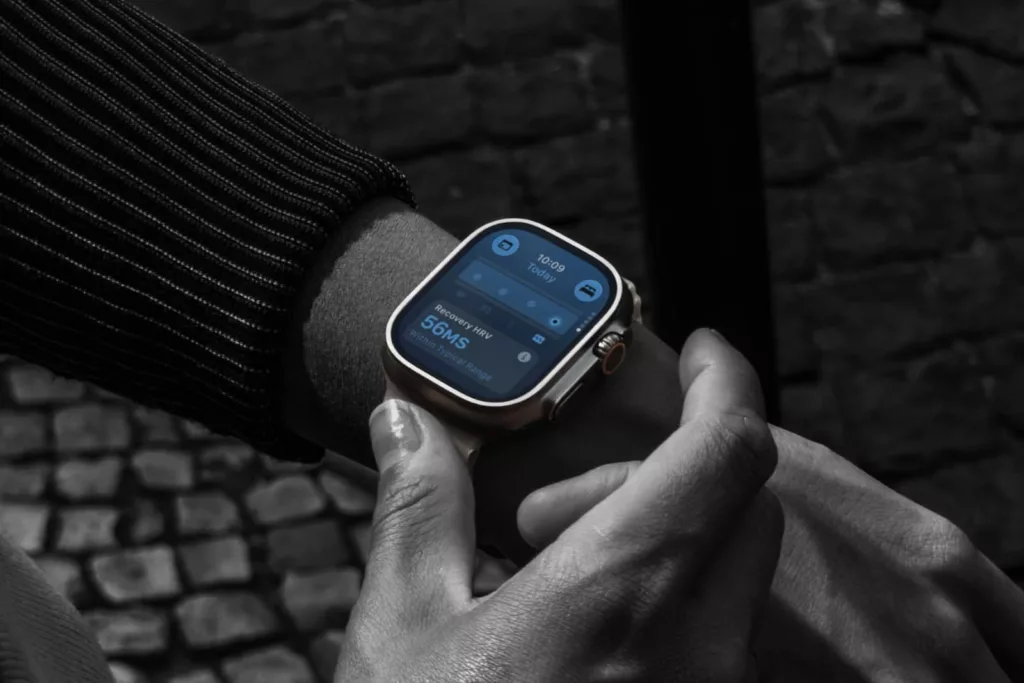
It will include an assortment of sensors, with a stack covering heart-rate, SpO2 blood oxygen, electrocardiograph (ECG), two temperature sensors, a light sensor, and the regular assortment of altimeter, gyroscope, and accelerometer. Clearly all the things a health-focused smartwatch would want today, including sleep tracking, insulin resistance, and cycle tracking, among others.
But it also misses out on payment technology like other smartwatches.
What you get instead is mobile notifications, media controls for music, alarms, Google Maps, and support across both iOS and Android, something that really makes it more of a Fitbit rather than a “Google” device. Fitbit has long been platform agnostic, but Google wearables tend to be made for one mobile platform over the other, and it’s usually the one Google makes operating systems for, as well.
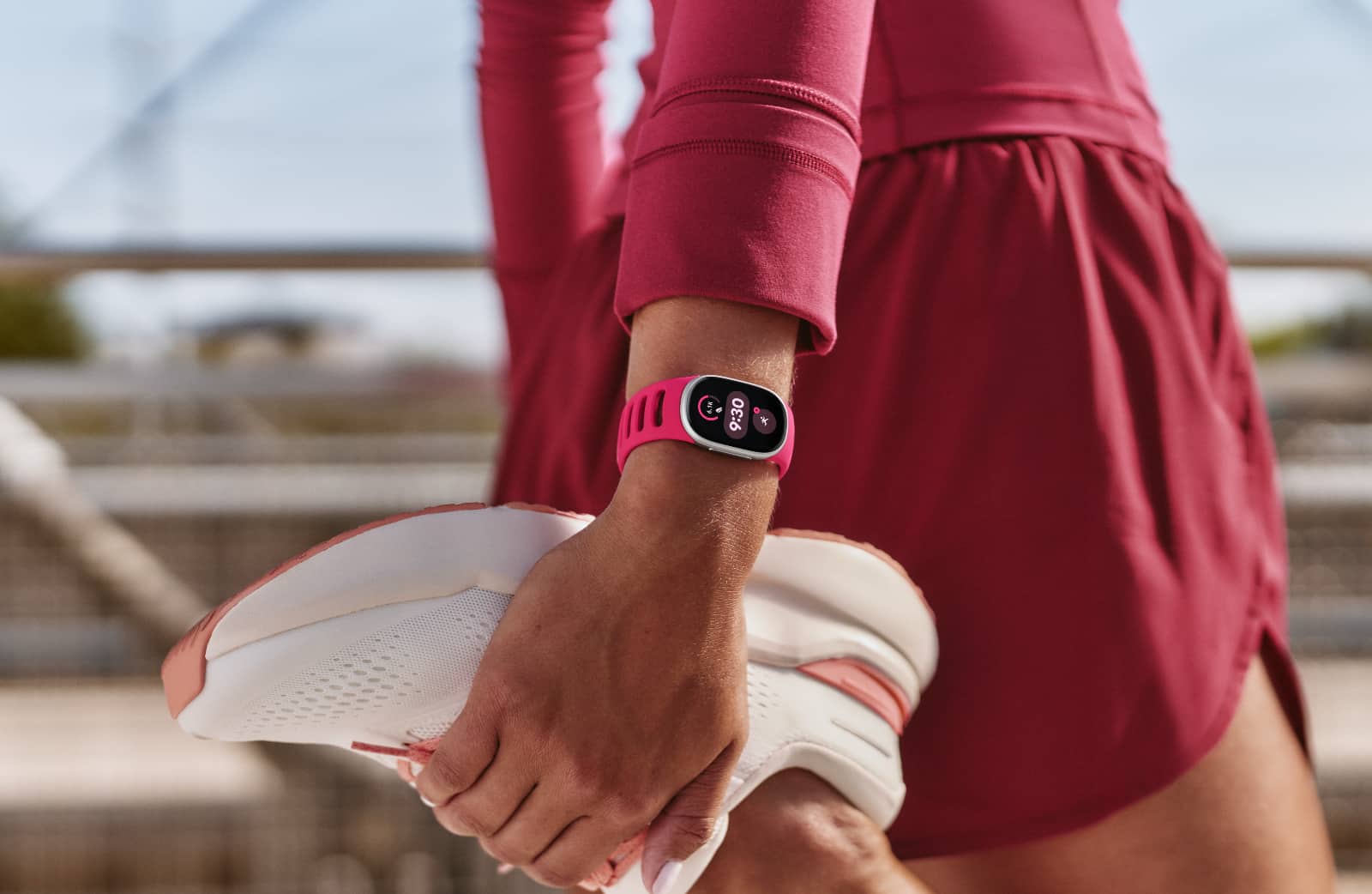
The focus for either operating system is therefore health, but with a side of battery life, because it has that going for it, too.
Simply put, the Fitbit Edge will offer up to seven days of battery life from its small battery, and can charge quickly, too. Roughly five minutes of charge will offer up to one day of battery life, while a full 100 percent charge will apparently take under two hours (90 minutes).
While Google wouldn’t say whether the Edge ran on Google’s WearOS, our guess is no given what it can and can’t do, namely that it can run on iOS (which WearOS doesn’t do) and that it can’t be used for mobile payments (which WearOS devices typically support).
That makes the Fitbit Edge more like a health-focused Fitbit than a smartwatch, which for the $269 price might be plenty fine for people.