
Quick review
The good
The not-so-good

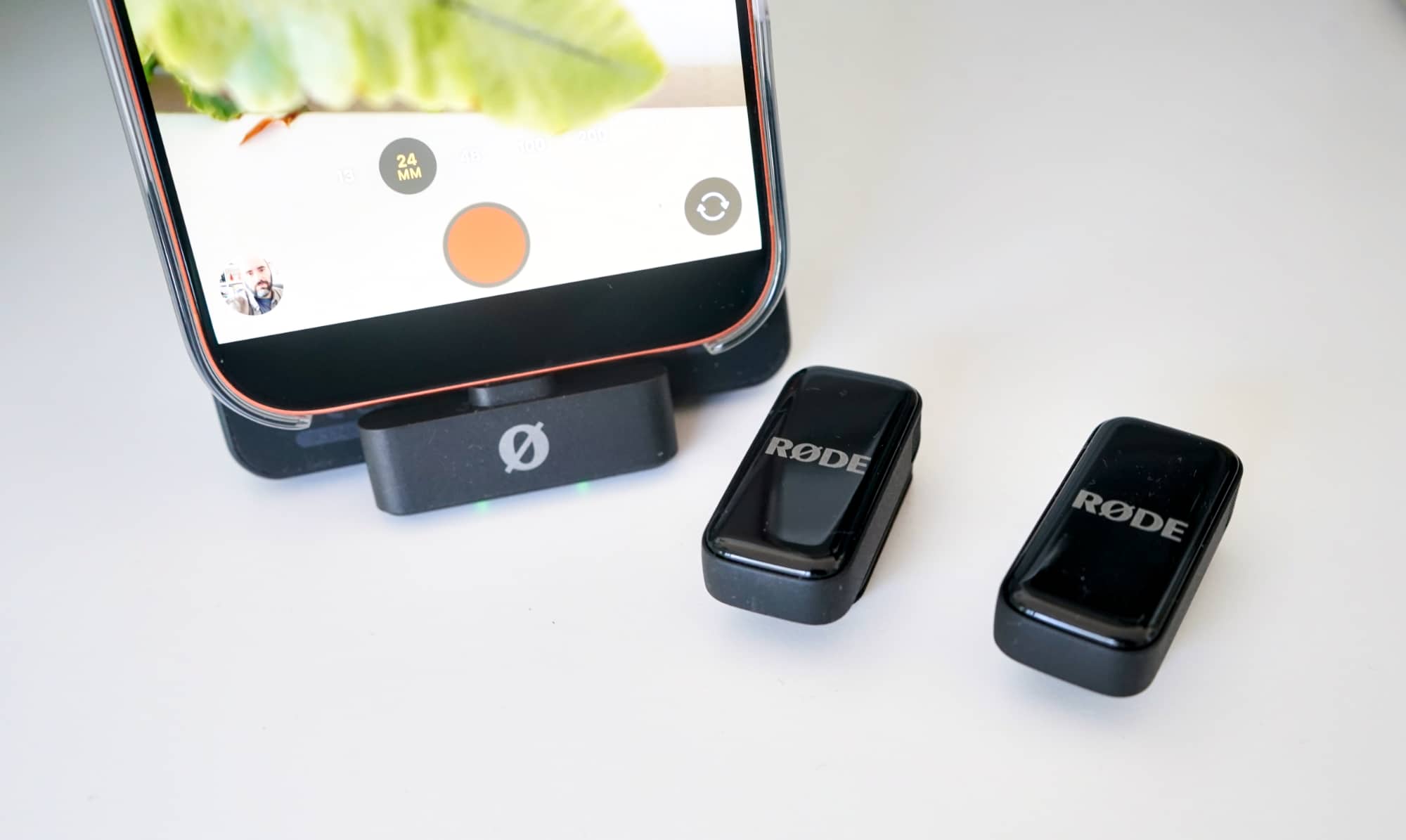
Recording videos for TikTok and the like often needs a microphone, but using one shouldn’t be expensive or difficult. The Rode Wireless Micro is neither, and is brilliant all the same.
Your phone might include a great camera, but if you’ve ever recorded video on the thing, you probably know it might need a better microphone. Particularly when you’re recording people, a dedicated microphone can make all the difference, which is why even regular cameras mic up, as well.
Almost as if Barney Stinson was saying “suit up”, we look to “mic up” whenever we can, because it guarantees your video will at least have one solid part: great sound.
There’s clearly no shortage of mic offerings these days, but what if you’re after something that’s easy, no-nonsense, and just does a great job?
One of Rode’s latest could just fit the bill. Is the Rode Wireless Micro the mic we’ve been looking for?
What is the Rode Wireless Micro?
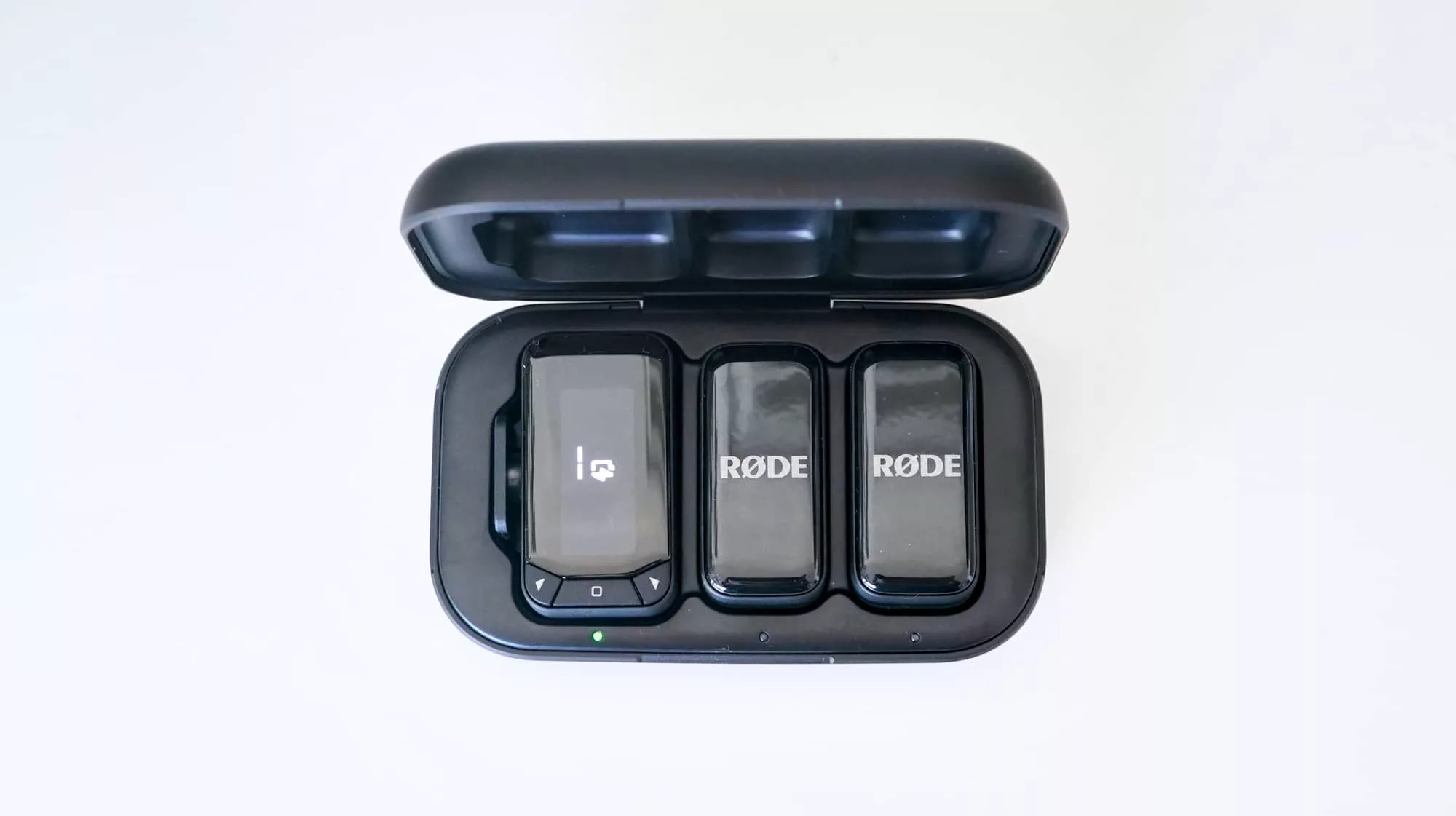
Another of Rode’s compact wireless microphone systems, the Wireless Micro is a pretty guess when you glance at what it is: clearly, it’s a microphone made to be small and compact, and able to be used with ease.
Slightly different from the square mics of the Wireless Go and Wireless Pro, those microphones tend to offer a little more audio quality should you need it, plus a connector for a corded lavalier microphone. If you don’t need one of those and just yearn for a small mic to wear for productions big and small, the Wireless Micro is what the name suggests: a micro take on Rode’s wireless mics.
What does it do?
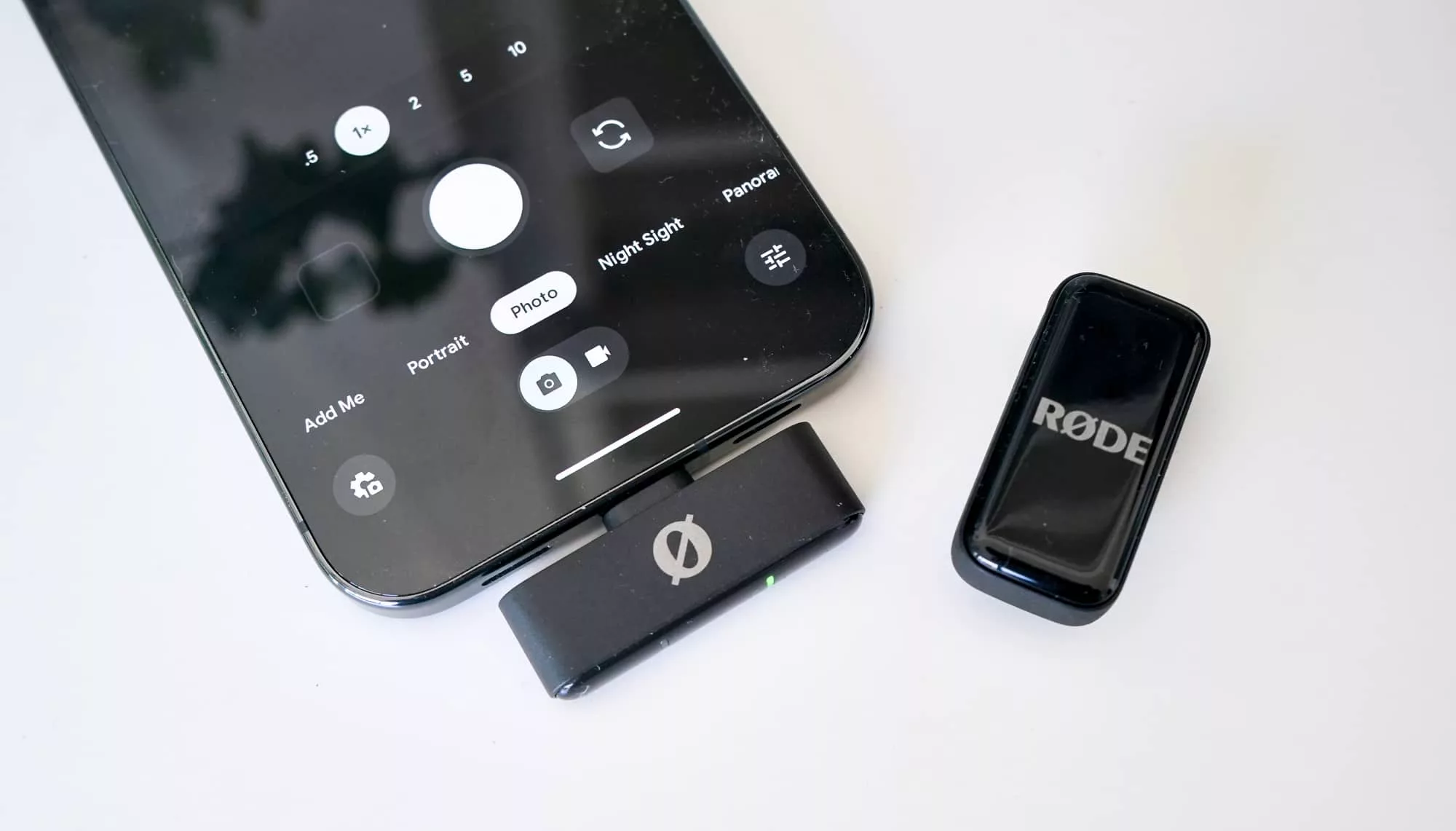
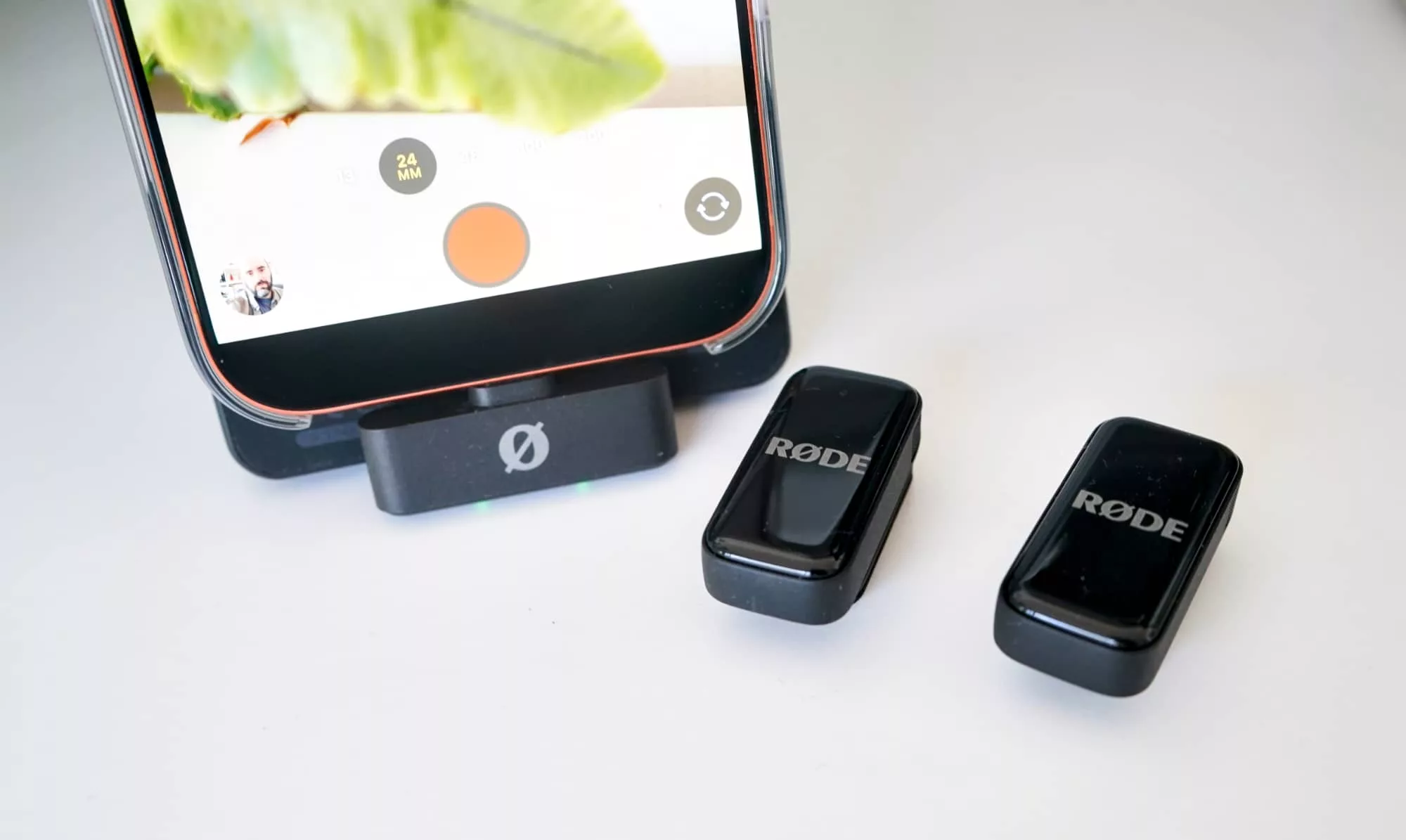
Two Wireless Micro microphones are included in the kit, each configured to 24-bit 48kHz which is more than enough for clarity. The mics aren’t much bigger than two joins of a finger, or even one depending on how tall your digits are, and they can get attached using either a clip or a magnetic bar, making it easy to mount a mic to your person.
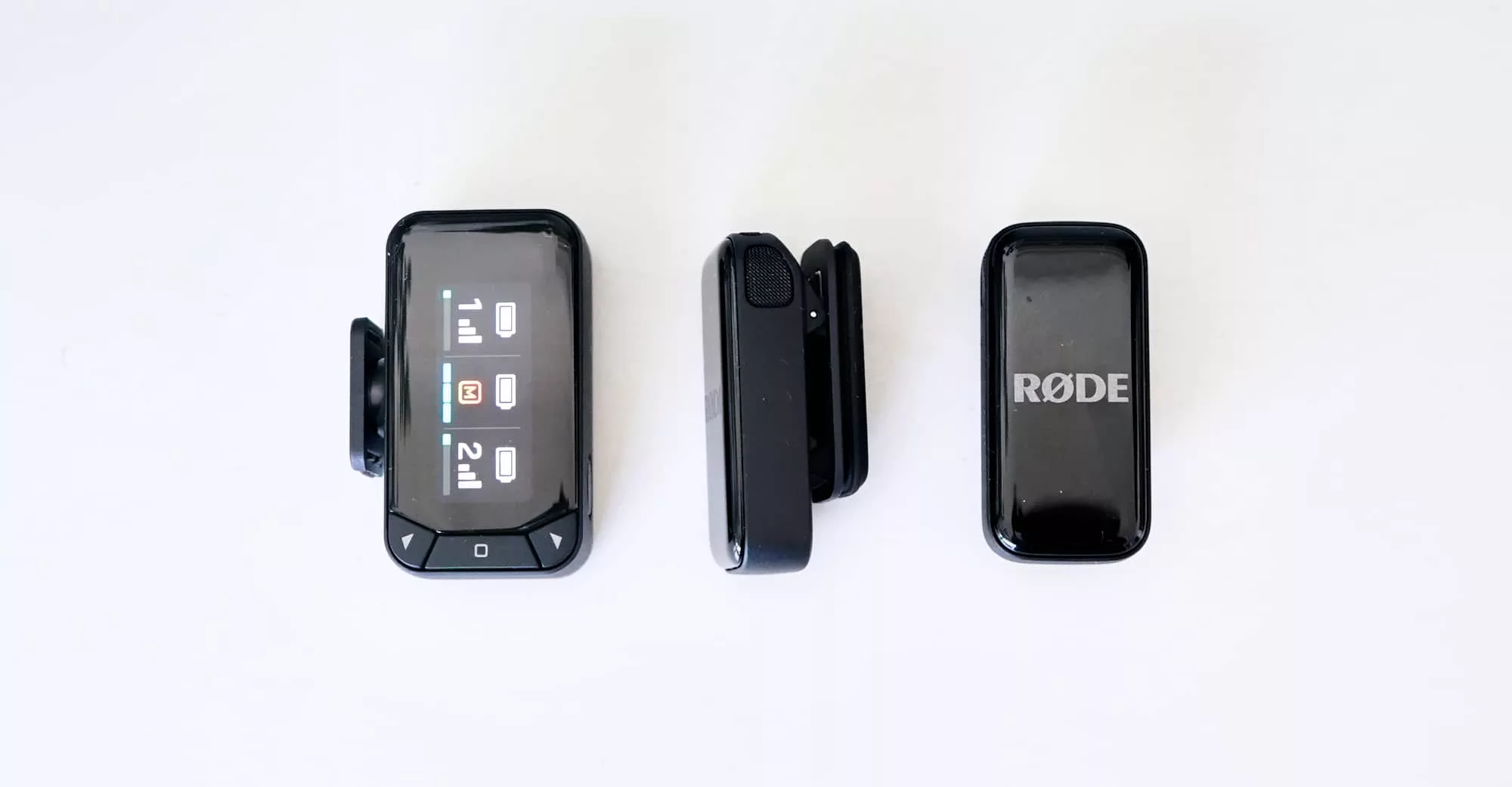
Their size makes them even smaller than the square Wireless Go models, which is great, but the easy of use is really the fact that they need no setup.
You take them from the case and they power on, looking for the device to connect to. Whether that’s the cold shoe TX transmitter or the USB-C connector, it’ll find it, light up and LED, and you are good to go.
Record away, human, knowing the Wireless Micro is doing its job. Easy as.
Does it do the job?
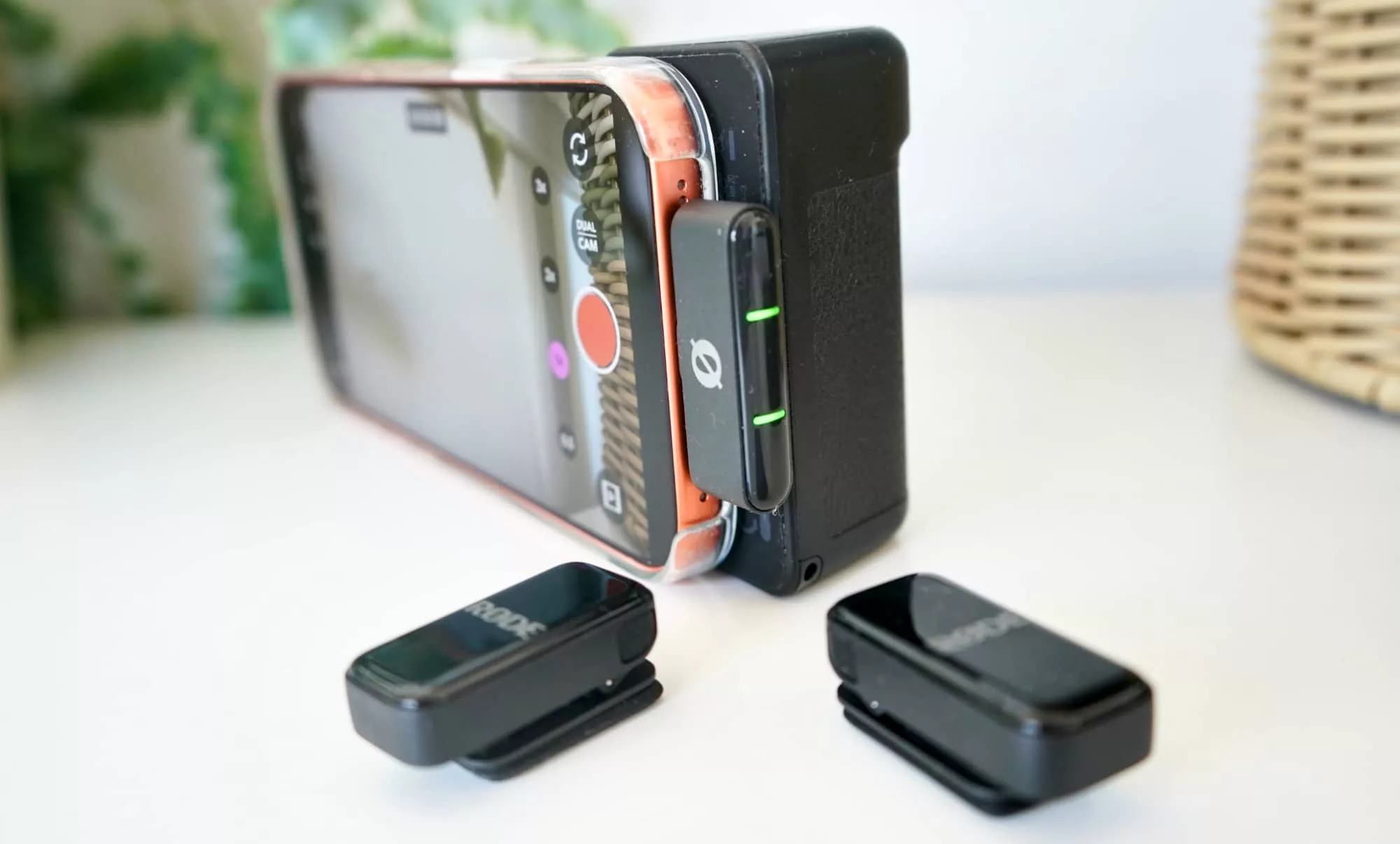
A cinch to set up and just get straight into recording, the Rode Wireless Micro is a no-fuss piece of gear. Compact and easy to slip into a pocket or pack, you can easily clip it to a shirt using either clip or magnet, and it just goes to work.
Possibly the best part is just how easy it is to work. It’s ready to go the moment you get it out, giving it a second or two to sync up with whatever transmitter you happen to be using.
The TX transmitter for cameras gives you a little more control, tweaking the output gain and whether the channels are merged, as well as the brightness on its compact screen. But over on the Type C adaptor for phones, you can simply rely on the app, and Rode has a decent one of those for iOS in Rode Capture.
Testing the Rode Wireless Micro, we found you could totally get by without the Rode app, using both Final Cut Camera and the regular camera app on iOS, as well as the stock camera native to Android in our tests.
Jumping between the Google Pixel 10 Pro XL and Samsung Galaxy Z Fold 7, we did find that the Samsung pushed the volume from the mic higher than we expected, but between the Pixel and iPhone, the volume appeared consistent. Both iPhone and Pixel owners alike would be happy using the Rode Wireless Micro for interviews, video blogs, and the like.
The good news is the Rode Wireless Micro will really just keep on keepin’ on, working without really skipping a beat and needing a charge.
Technically, there’s a maximum of 21 hours of charge using the rechargeable box, and between 5 and 7 hours of charge for the microphones themselves.
But you’re probably not going to churn through the hours using the microphones, so it just ends up continually working for you, keeping those mics topped up with glorious battery life and seeming like they never run out.
The case includes a battery and magnetic charging points, so you really just snap in the mics and keep the case with you. While there’s no wireless charger (which would be a welcome addition, but feels entirely unnecessary), the USB-C on the back makes the whole thing easy to work with.
What does it need?
It is surprising that the Rode Wireless Micro Camera Kit includes the USB-C dongle in the box, but not a place to store it, which is one of the confusing aspects.
If you alternate between capturing on a dedicated camera with cold shoe and cable, and between your phone, the fact that the Rode Wireless Micro charge box can’t store both the USB-C connector and the Tx transmitter is just surprising. We’d take a little more length in the case to do both.
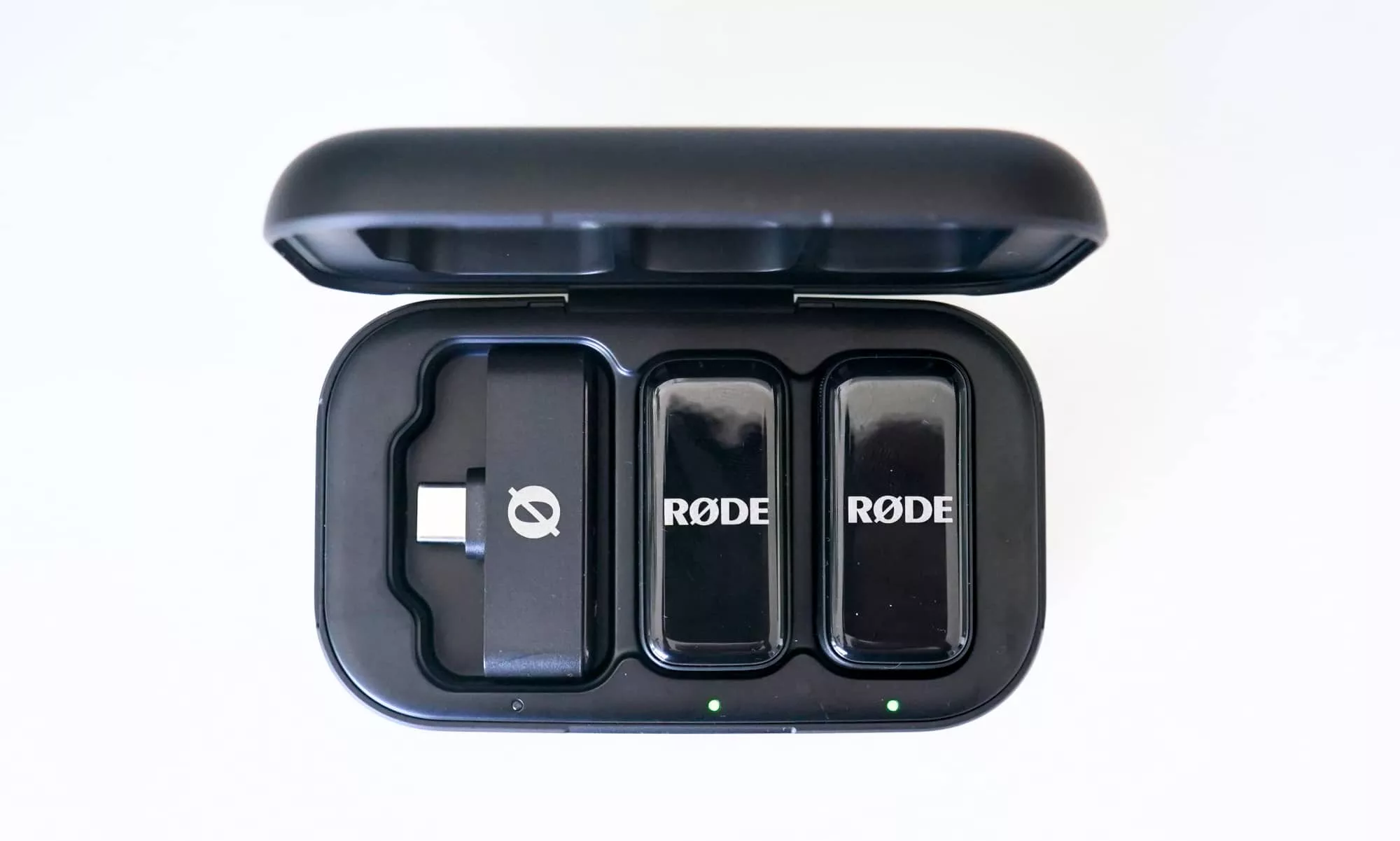
Weirdly, you can actually keep it in the case, provided you take the cold shoe Tx transmitter out. There, you can fit the USB-C receiver, but still only loosely.
Rode does make a version of the case with just the USB-C dongle (no transmitter for regular cameras), and it has a moulded section where you can just safely store the USB-C dongle, but not this one. Hmm.
Is it worth your money?
Despite that quibble, the Rode Wireless Micro is easily one of t’s a near perfect experience with a price tag to suit.
If you need the camera transmitter, the $250 price tag isn’t bad, but if you can go without and just use the tech for your phone, the $170 for two microphones and a USB-C dongle makes for incredible value.
Rode is technically competing with DJI’s Mic Mini here, priced similarly, and clearly on the cards for us to try next, but it’ll likely be a case of brands you prefer, with each offering quality. Belkin also offers an option that comes with a tripod and mount, so there are clearly choices here.
At $170, we’d say the Rode Wireless Micro hits the marks it needs to, and offers a solid choice for its sub-$200 price point. And if you need the camera transmitter, the $250 mark isn’t much more, either.
Yay or nay?
Rode’s addition to the compact content creation space is an absolute winner, giving you everything you need and nothing you don’t.
Small and solid, it’s an obvious go-to for anyone who needs better sound than their phone and camera can offer, and easy as to integrate in your life. Highly recommended.