
Your phone is already your window to the world, and a convergence tool like no other, but what else could it be doing differently? Based on what Samsung has been cooking up, the answer may surprise you.
This week, largely as expected, Samsung pulled open the box of what it intended to unpack, showcasing what the world can expect from its Galaxy range this year.
But while a new phone or three was expected, the answer is a mixture of surprising and unsurprising. Yes, it’s a new phone (three, even). But there are features you probably won’t see coming.
The most obvious addition comes in the form of two capital letters: AI. Yes, AI is back for another round, and it’s not just circling to search, though that’s here, as well.
In the Galaxy S26 range, there are upgrades to the AI-based Photo Assist feature so you can remake a photo be different, changing it using AI, while Creative Studio will let you use AI to interpret an image in different ways, such as comic and cartoon.
Samsung will also use AI to let you scan a photo by simply taking an image, an approach to document scanning that can even clean up creases and remove fingers holding down the page.
If that’s not enough AI, Samsung’s Now Brief will be more personal, learning from your events and emails, while Now Nudge will do something similar, and suggest things as you write texts or respond on message apps.
It’s an attempt to make AI better connect with your phone, though it’s a feature set you may not necessarily connect with.
Fortunately, there are also features that increase what you can do with your phone, which are the sort of things you may really actually want.
Three models, led by the S26 Ultra
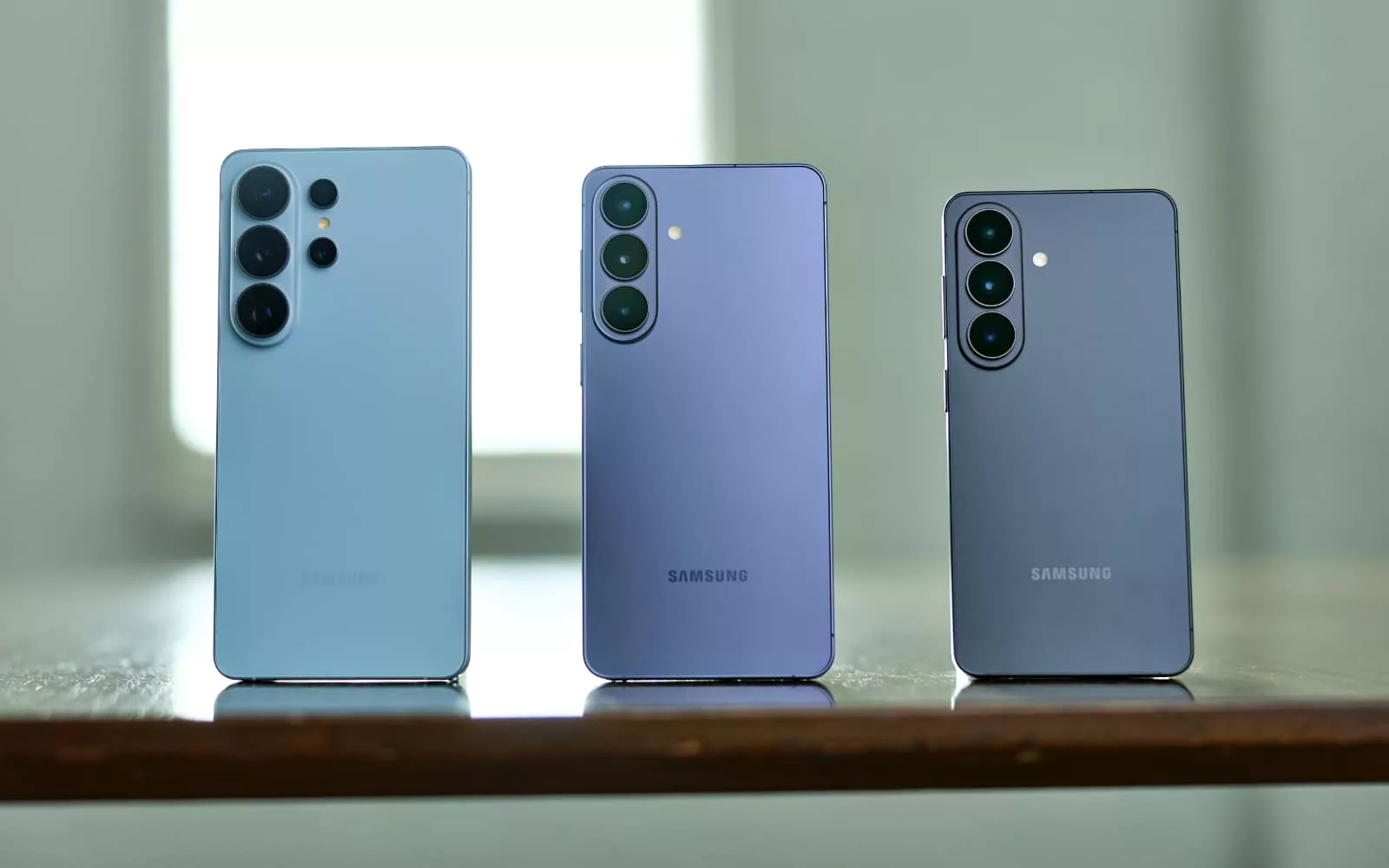
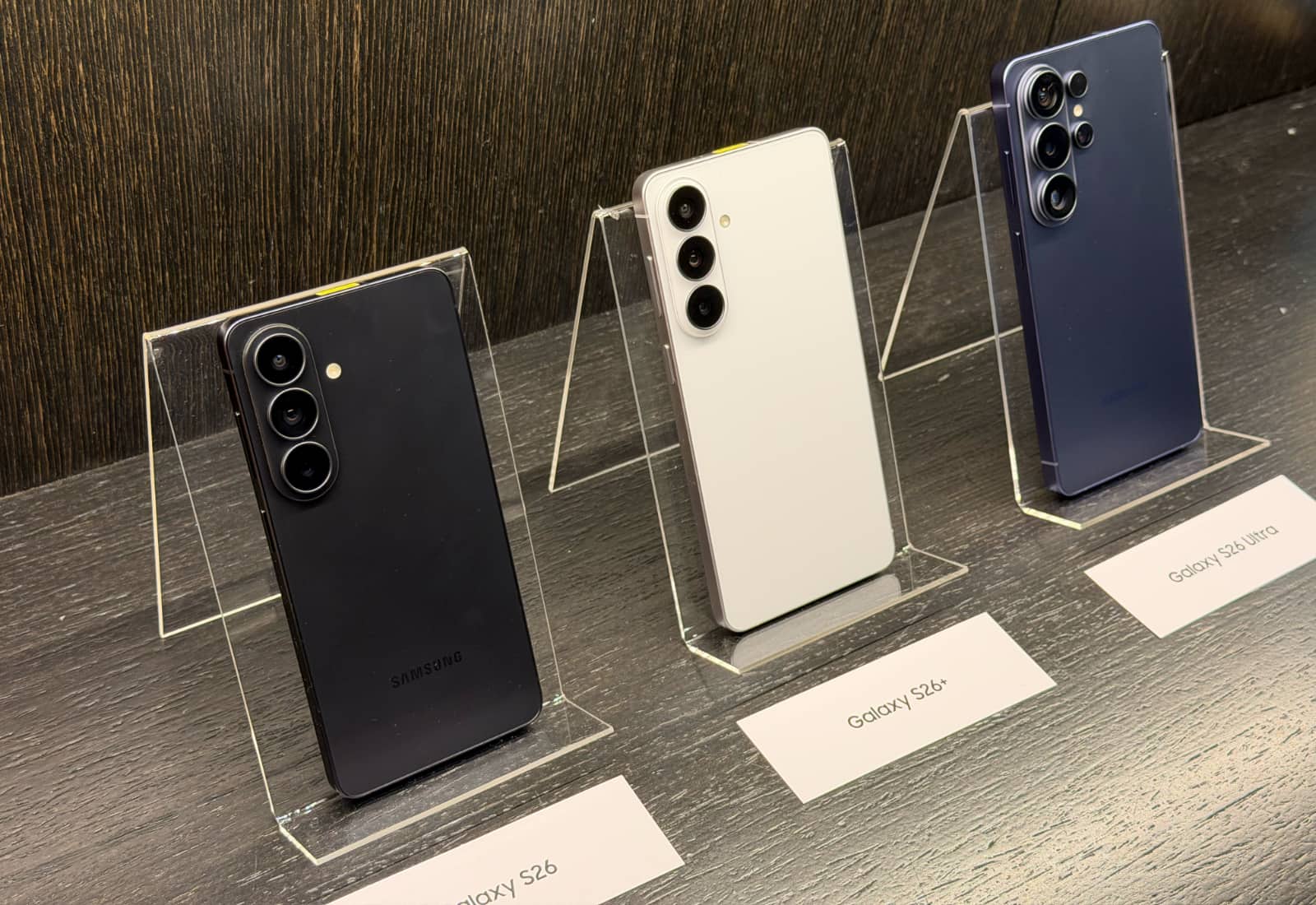
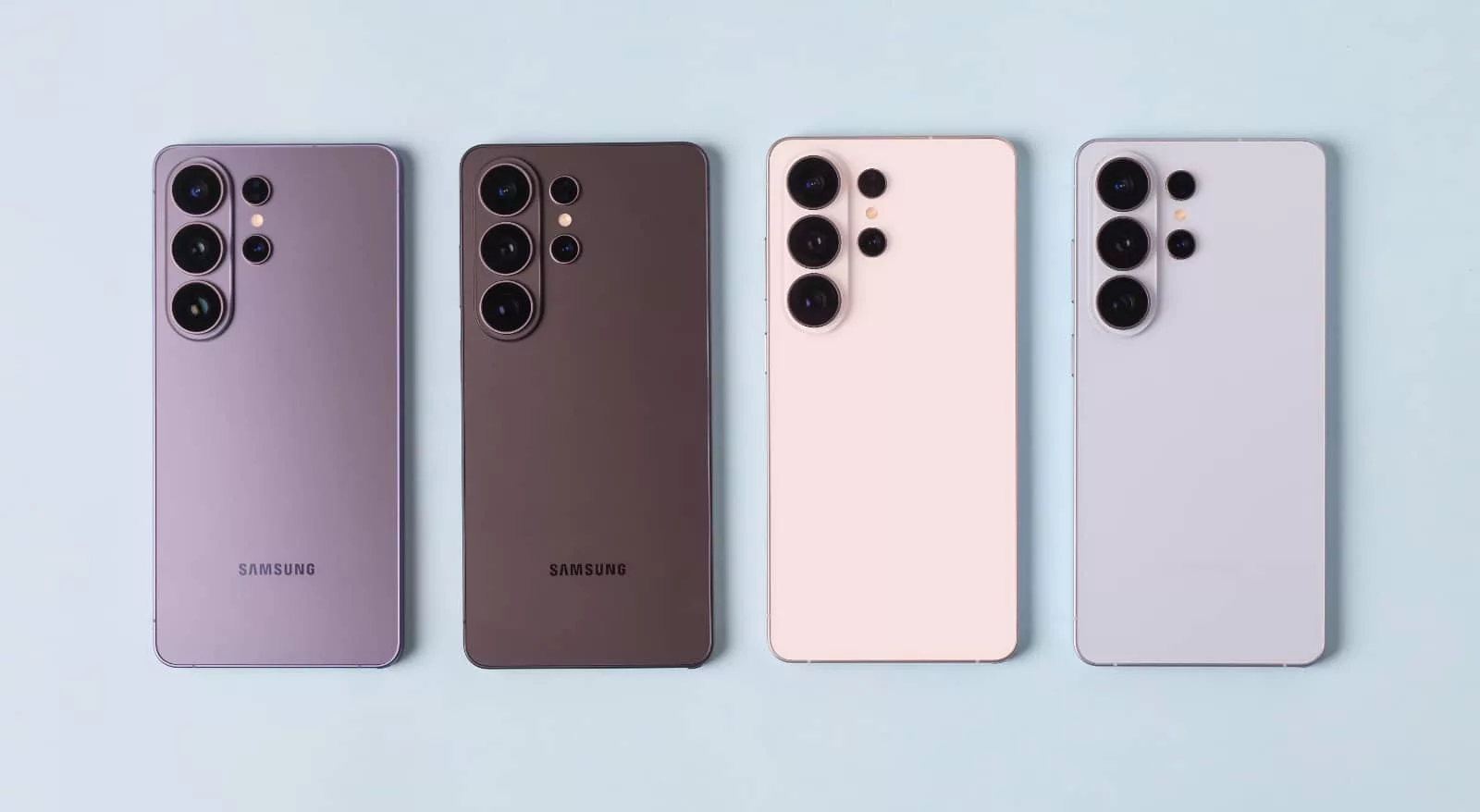
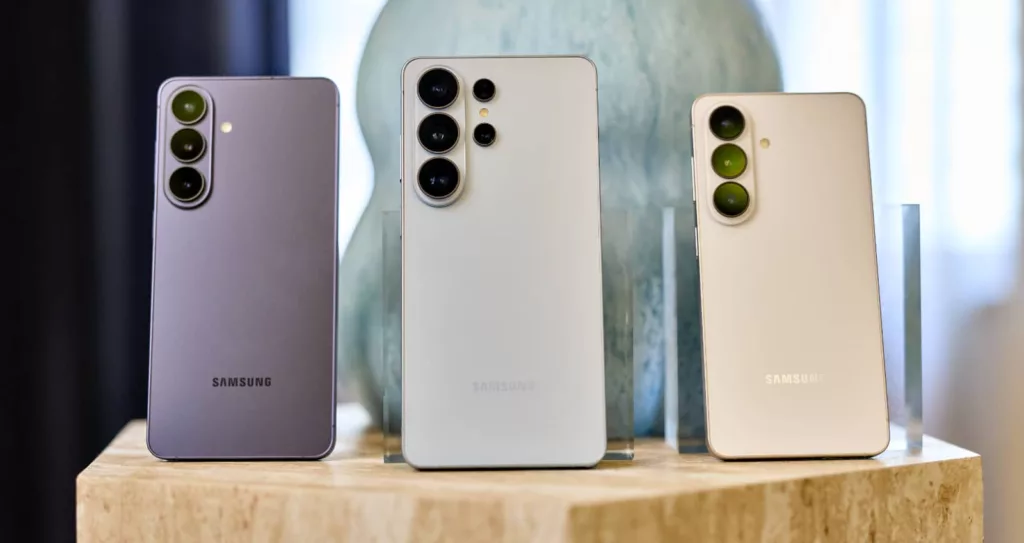
Unsurprisingly, there are three models to choose from this year, offering the standard generation in the Galaxy S26 and S26+, and then the one you’ll actually want to consider, the Galaxy S26 Ultra.
While they all sport similar looks, the Ultra is the clear leader, not just in design, but also spec and feature set.
In the S26 standard and plus models, you can expect either a 6.3 inch Full HD+ pr 6.7 inch Quad HD+ AMOLED display (respectively), and the Samsung Exynos 2600 processor. We don’t think that’s a nod to the classic Atari, but take it as you will.
The cameras on this model don’t seem like huge leaps, however, offering much the same as previous generations, covering an F1.8 50 megapixel wide camera, 12 megapixel F2.2 ultra wide, and a 3X 10 megapixel F2.4 telephoto. The batteries are likely all-day but not much more, covering 4300 mAh on the Galaxy S26 and 4900 on the S26 Plus.
But the Ultra is where the action really is.
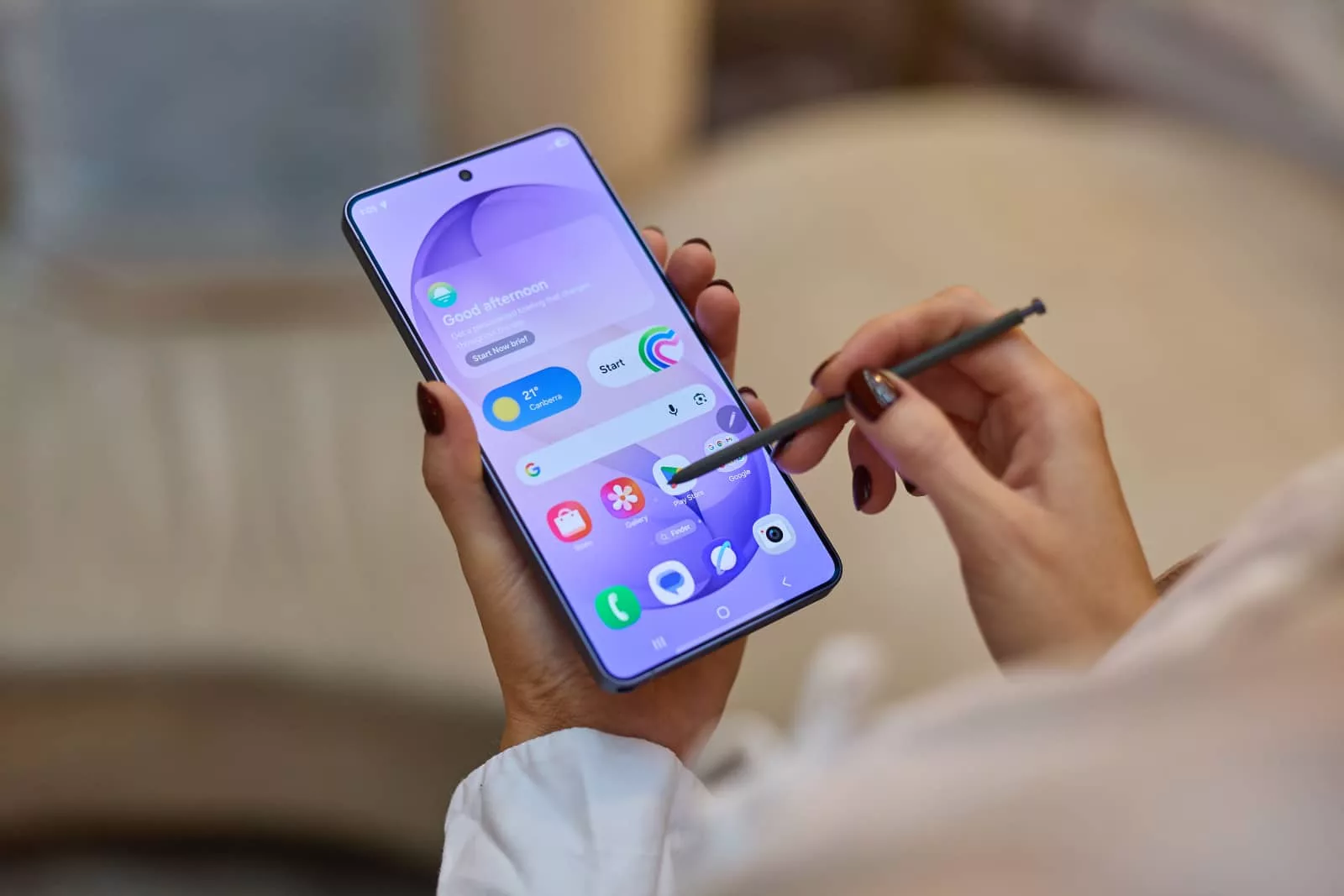
Slightly bigger again, the Galaxy S26 Ultra delivers a 6.9 inch Quad HD+ AMOLED phone with the even more impressive Qualcomm Snapdragon 8 Elite Gen 5 inside, and some custom tweaks from Samsung. That includes a new cooling system with a redesigned vapour chamber, plus some proprietary image upscaling and noise reduction technology.
The S-Pen is also back for another round, handy for people who love to jot down some notes, and the design has been tweaked slightly while the durability improved.
An IP68 water resistance rating is still a part of the package, but Samsung has made it four grams lighter than last year’s Galaxy S25 Ultra, while also bringing a newly improved version of Corning’s Gorilla Glass for scratch and drop resistance.
And then there are some of the other features.
A privacy screen
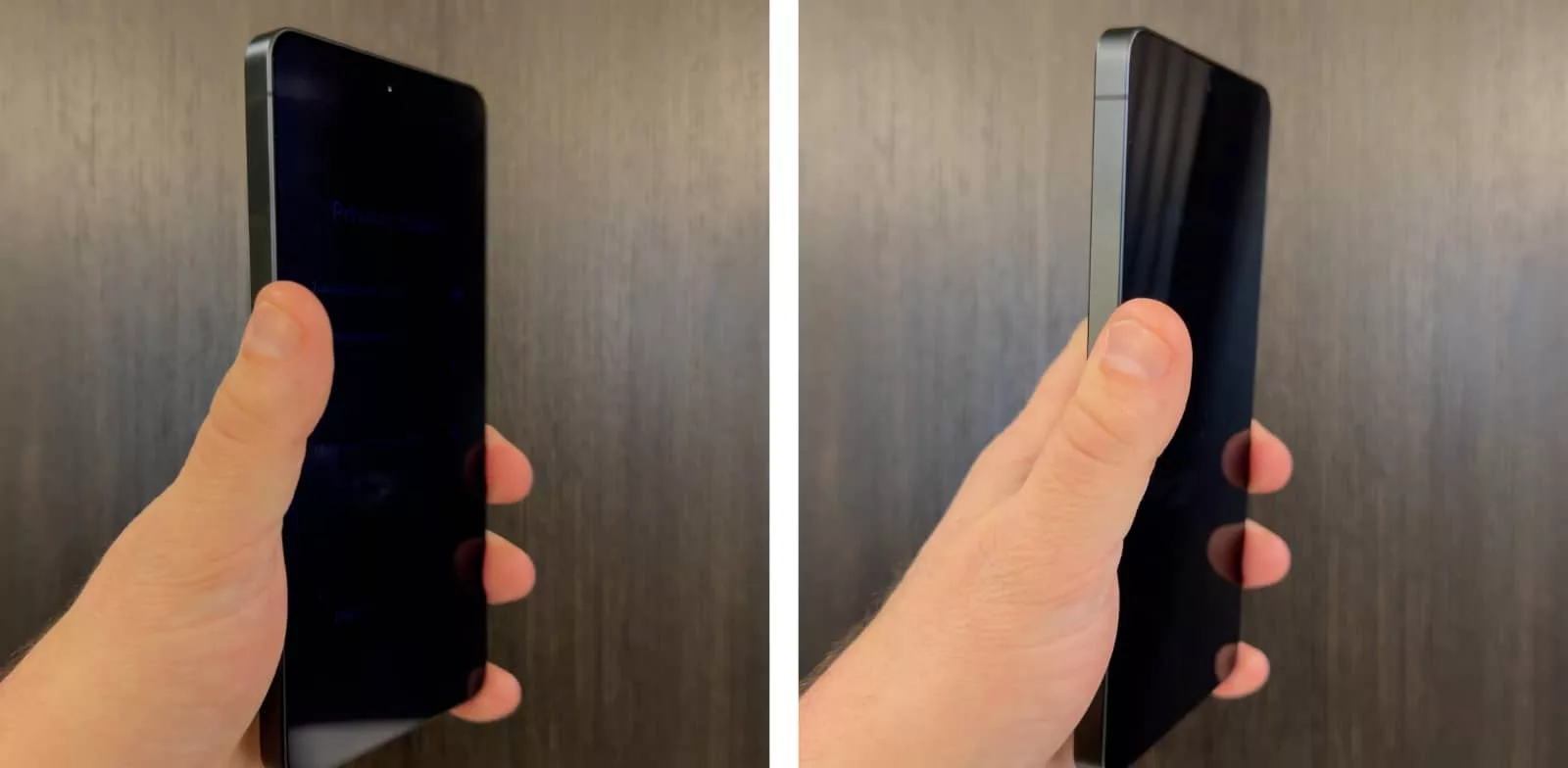
Such as the screen, which includes a clever feature we’ve never seen on any other device: a built-in privacy screen.
This is a little like the privacy screen protectors you can attach to phones, only it comes as part of the screen.
To do this, Samsung is actually turning off a line of pixels on its AMOLED display, essentially closing up the field of view slightly. The look is reminiscent of older screens that can’t be viewed from the sides, giving you the feeling of “privacy”.
It means if you’re sitting on a bus or train, and doing some banking, you can turn on the privacy screen and make it difficult for anyone to peer over your shoulder and see what you’re doing.
And then you can turn the privacy screen off and go back to what you’re doing. It can even kick in automatically on an app level.
“We continually push the boundaries of display innovation, and with that legacy are pleased to introduce the all-new Privacy Display,” said Nathan Rigger, Head of Product for the Mobile Experience at Samsung Australia.
“With many Australians always on the go, it’s part of our day-to-day to do online banking, review work-related correspondence, or consume content in public spaces,” he said.
“The dynamic Privacy Display provides a new layer of security, as well as greater peace of mind around data protection. Most excitingly, the blend of hardware and software engineering preserves the full viewing quality, while maintaining control over when and where it is used.”
Letting more light in
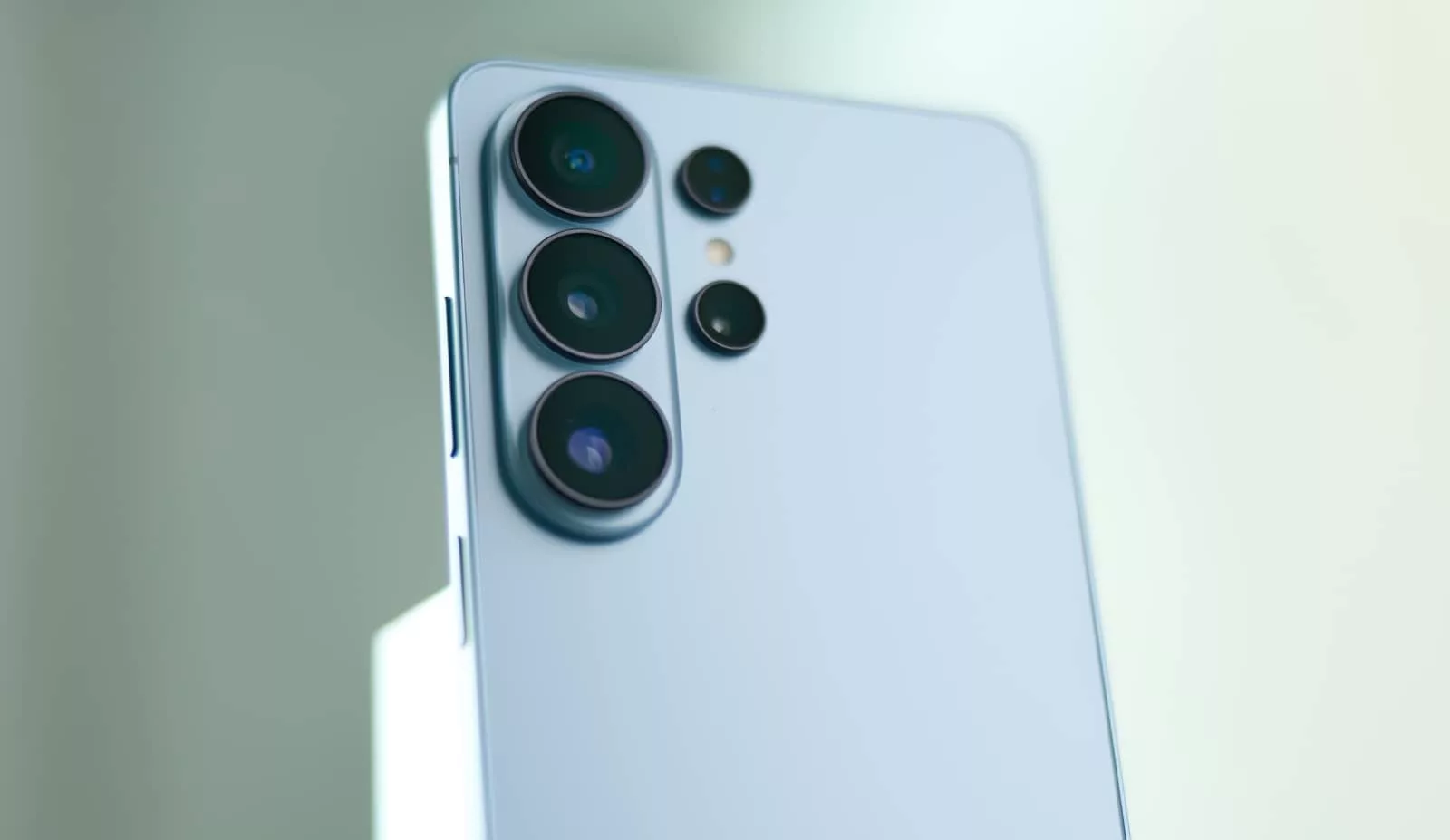
The camera also sees upgrades, though not necessarily from the sensor. The big 200 megapixels sensor is still very much here for the wide camera, as is the 50 megapixel ultra-wide, 10 megapixel 3X zoom, and 50 megapixel 5X optical zoom that can deliver 10X, too.
But the real star on that 200 megapixel wide camera isn’t the sensor. It’s the lens.
The new lens now runs at F1.4, meaning it lets more light in, which is good.
Clever gimbal-like tracking
What’s also good is a feature you may not expect: an addition to Samsung’s “Super Steady Shot” and basically provides such a steady shot, it may as well be an automatic built-in gimbal.
For those playing along at home who read that and simply saw a new piece of jargon, a gimbal is a gadget that basically allows a camera to hold its position and not shake. Think of it as a crucial addition to a drone, otherwise every video would look like Sir Shakycam.
Samsung’s Galaxy S26 Ultra isn’t using a gimbal in the traditional sense. Rather, it’ll use some clever software and the 4K sensor to downsize the video to something a little bit smaller (but still larger than Full HD), and use the readout of the sensor to hold position using smarts.
It’s a clever approach that basically means you can move the phone, either intentionally or from someone nudging you, and the camera will mostly hold its position and keep the shot. That’s a feature we can really get behind.
…and yet no magnets for Qi2
However, behind the glass something is definitely missing from the package: the magnets of Qi2.
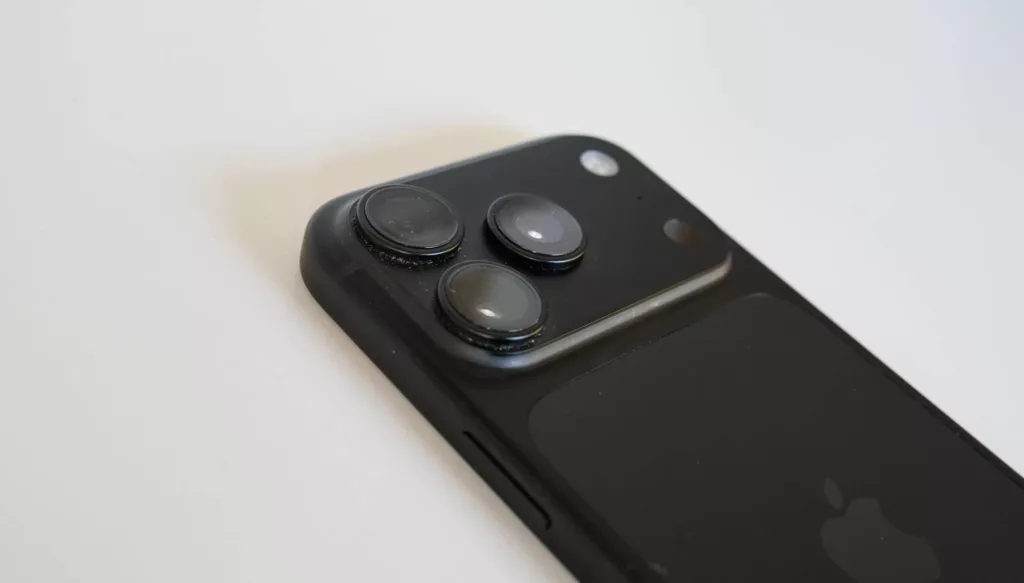
If you’ve seen almost every iPhone from the past five years, you’ve seen MagSafe, which later grew into Qi2. Magnetic wireless charging is the easy way to describe it, and it’s something Google’s PixelSnap-compatible Pixel 10 range also supports.
Simply put, you can snap wireless chargers, power banks, and special cases and accessories directly to a magnetically-charged device. Easy.
And yet here in the Samsung Galaxy S26 range, there’s none of that. At least not without a case.
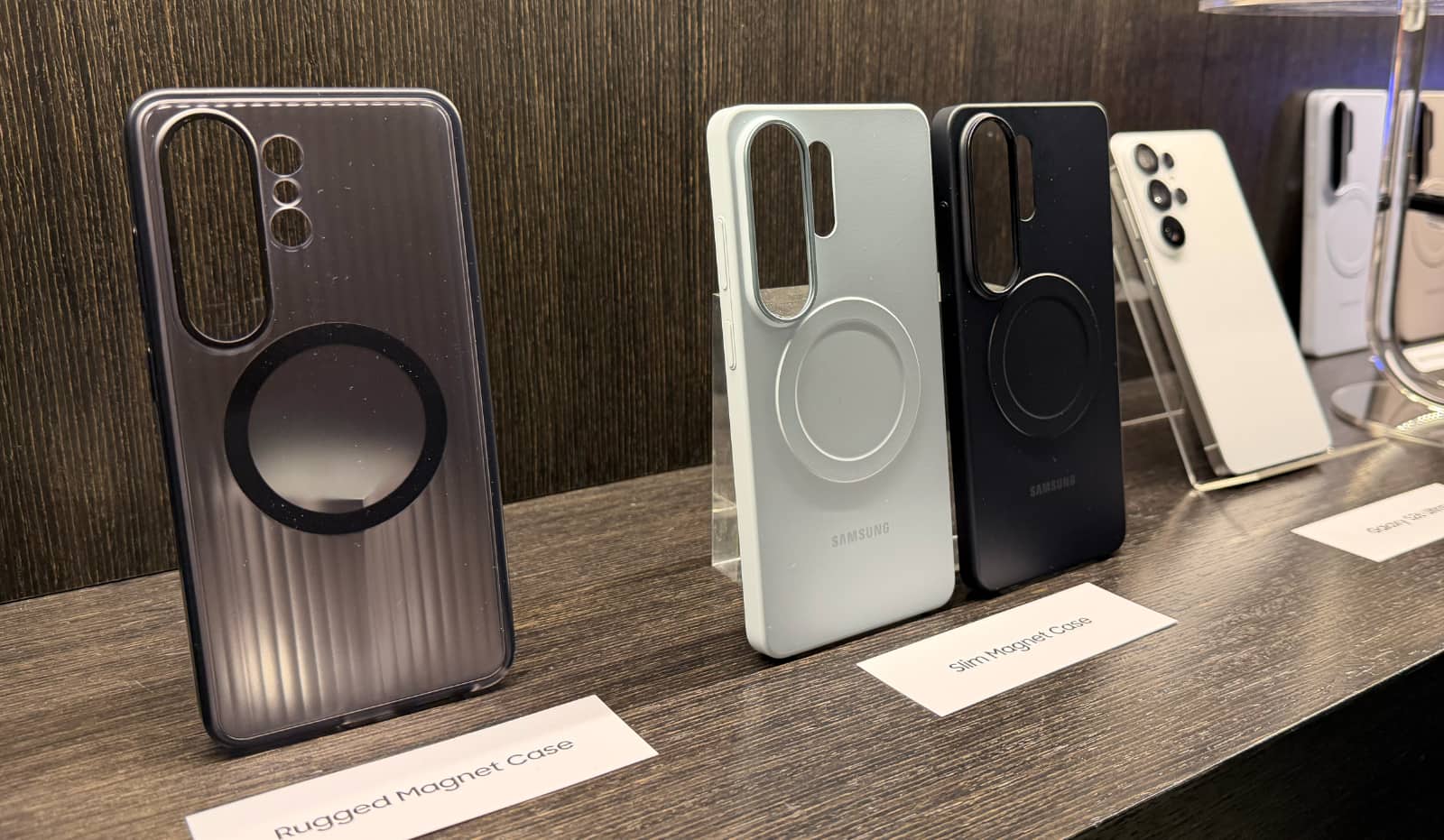
The main reason appears to be size, with the omission of the magnetic ring apparently crucial to get the size and thickness of its S26 phones down. However, it is a surprise given that other manufacturers support it, and Samsung does not.
Samsung does support Qi2 with one of its cases, and these can also be found for the previous S25 range and Z Fold 7, too. But if you want to go naked and sans-case, there’s no magnetic Qi2 support here.
Bixby isn’t dead
It seems as though news of Bixby’s demise has been greatly exaggerated, with Samsung’s original voice assistant, Bixby, still alive.
In 2026, Bixby is still a part of the Samsung assistant package, as the voice assistant moves from beyond Samsung’s home appliances and TVs using the Tizen operating system.
Pricing and availability
Whether you use Bixby or not, it’s pretty clear this year’s flagship S26 Ultra isn’t just a minor update. While it might look like that on the surface, there are features that go skin deep.
A simple glance will even show you Samsung is going for size, with a 7.9mm thickness for the S26 Ultra, nearly a full millimetre slimmer than the 8.75mm iPhone 17 Pro Max. Meanwhile, the S26 and S26+ measure 7.2mm and 7.3mm, lower than the 7.95mm of the iPhone 17.
The pricing, however, isn’t quite the same, with the standard S26 starting at $1549 for the 256GB option, while the S26+ will start from $1849 for the same storage option.
Meanwhile, the Galaxy S26 Ultra will run from $2199 for 256GB, $2499 for 512GB, or practically three thousand ($2949) for the 1TB S26 Ultra variation.
Australians can expect the three models in stores from March 11, with pre-orders kicking off from February 26.