
Siri first launched 14 years ago, but it hasn’t really ever felt as complete as it could. You could talk to the smart assistant, get it to read things out to you, and generally help you control parts of your phone, but it rarely felt “smart”.
Maybe because so many queries would simply end up in the thing saying “uh huh” as if it wasn’t really listening, and you were merely waiting for the time when it could be bothered. Like a teenager or a pre-teen, or as if you had uttered an optional dad joke hoping someone really was (listening).
In short, Siri never really felt smart, even when Apple promised it would get better a few years ago, baking the technology into practically every device as a cornerstone of the experience.
This year, though, that could finally be changing. Third time’s the charm (maybe).
Siri gets smart
To kick off Apple’s Worldwide Developers Conference, WWDC 2026, Apple has announced Siri AI, a version of the assistant that more completely matches what people’s expectations are of the concept, providing a new and more integrated smart assistant designed to be helpful and capable.
In fairness to Siri, the first version that launched simply took commands and predated this age of AI, though the last few years haven’t seen the AI change dramatically for the better, either.
Powering this new change will be improvements to Apple Intelligence, using new models allowing Siri to understand messages, emails, and photos, joining the dots across your ecosystem, and even being able to tap into the web. Instead of simply seeing Siri do a search for you, it will use that search to report on information, and may be used as a back-and-forth conversation.
If it sounds a little like how ChatGPT currently works on the web and what Google does with Gemini on Android, it’s because the approach is very similar.
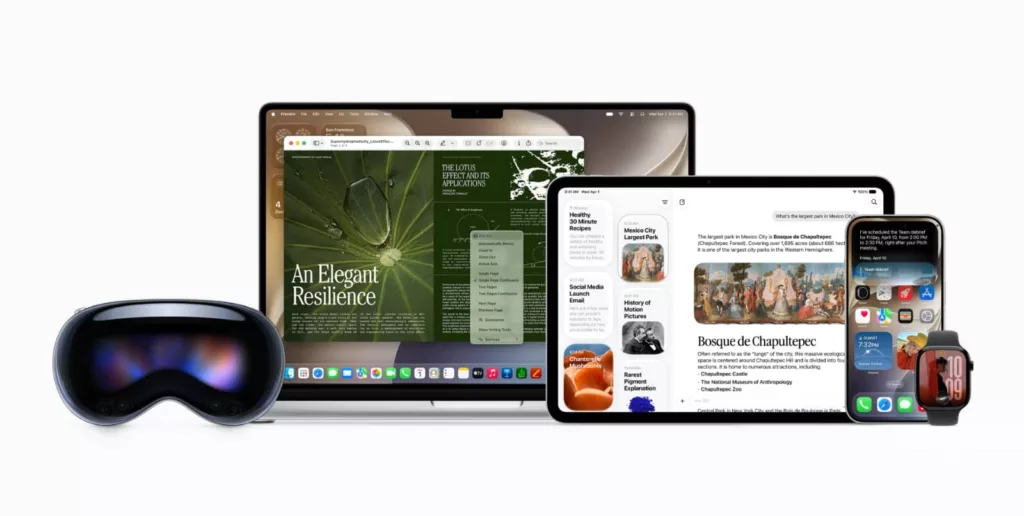
Siri AI is effectively Apple bridging the gap and making its on-device AI a little more connected than simply taking commands. Rather, this will become more of a conversation, and it will go beyond the iPhone.
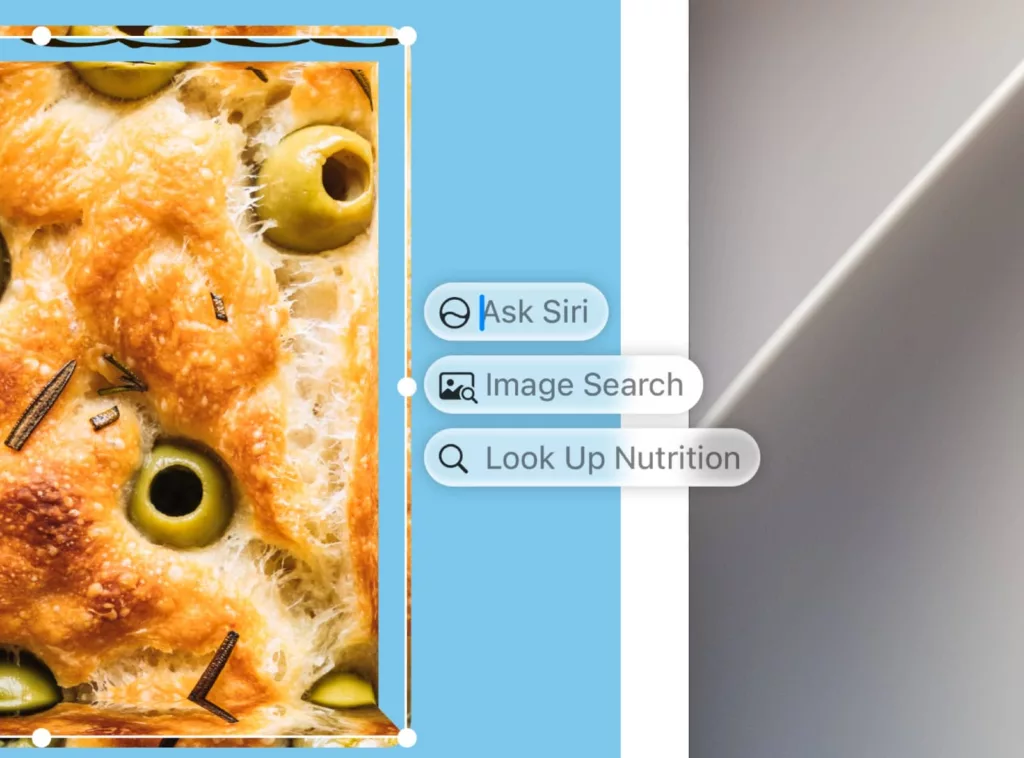
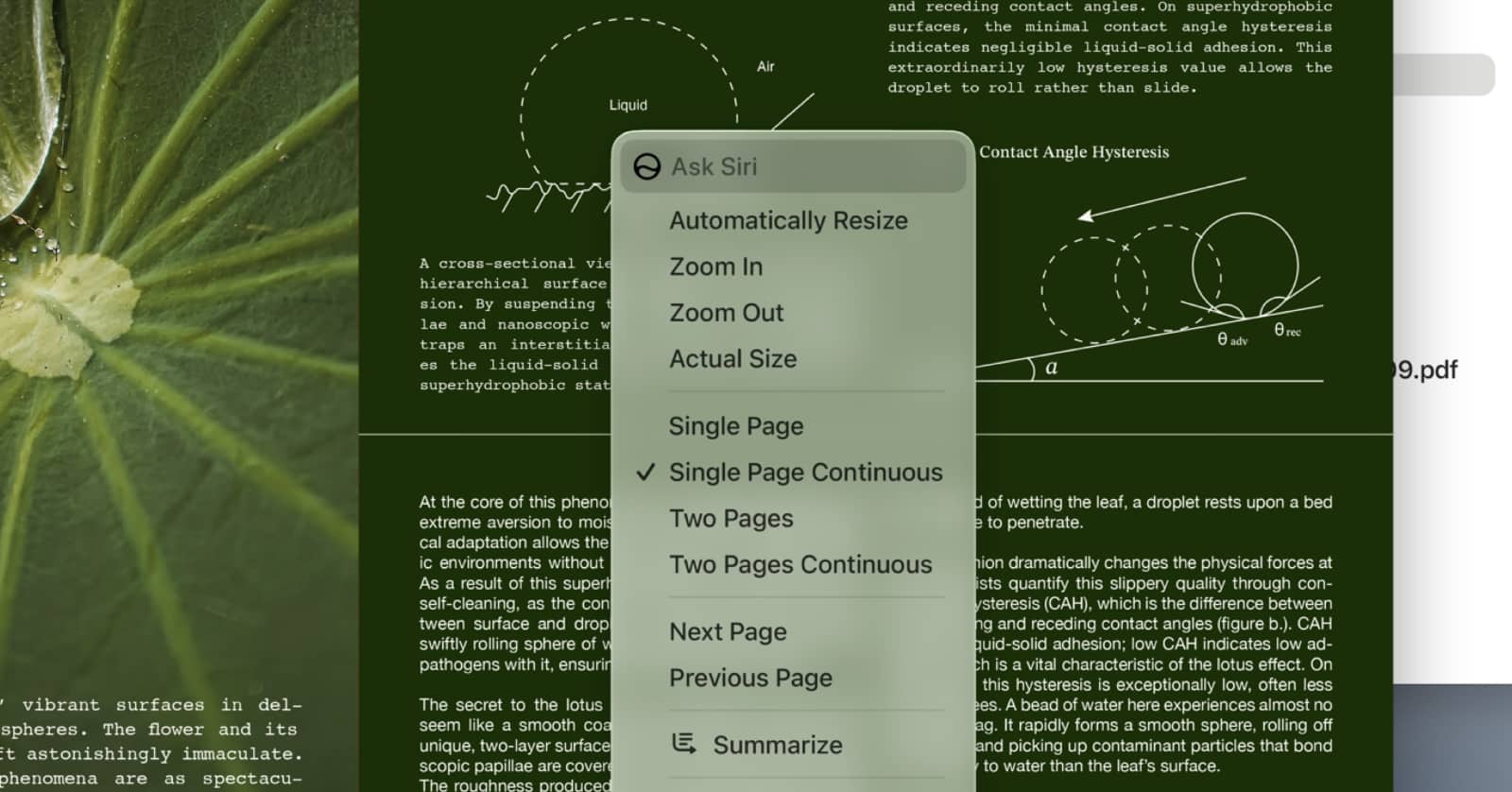
Siri on the Mac can use the Spotlight search tool to find answers beyond the computer, and it will be integrated into the right-click (control-click) menus allowing you to let Siri use its AI across what you’re using at the time. The idea is Siri’s AI becomes connected to everything you use if you want it to.
There will even be a Siri app to let you revisit those conversations whenever, and a way to use the camera and images with visual intelligence using AI, as well.
While aspects of this will need the cloud, Apple has said that Siri has been rebuilt to run both on device and using private cloud computing power that won’t store personal data, meaning it’s not used for training purposes or made available to others. Running on-device, however, allows the hardware to be used, something Apple has been supporting technically ever since the first Neural Engine rolled out on the Apple A11 processor, used in the iPhone 8 and the iPhone X back in 2017.
Nearly ten years of Apple neural processing units have seen the light of day, but most of our AI usage is online, dependent on the cloud for AI processes. While this won’t change all of that, it does mean that Siri will be able to do some local operations, handy if you’re on a flight or the internet goes down.
Availability on Australian devices
The features will be a part of Apple’s latest updates, the 2027 updates labelled as such, and needing fairly recent devices to make it work, including iPhone 15 Pro and 15 Pro Max, iPhone 16 range models and higher covering the current iPhone range, and iPad models with a M1 or higher, basically supporting iPad Air and iPad Pro models for the past few years.
It’s a similar story with Macs, with Siri AI needing an M1 or higher, which means the dawn of Apple Silicon kicking off with the M1 MacBook Air, and anything else since 2020. Sorry Intel Macs, but you won’t be seeing these features, and you won’t likely be getting another macOS update, either.
As for when you’ll see Siri AI on your iPhone, iPad, Mac, and a variety of other Apple-made gadgets, launch is expected later this year, with the beta arriving beforehand in the next few months, starting in English and expanding to other languages later on.