

If your Spidey-sense is tingling for new phones, there’s a good chance you’re tuned into whatever we’re tuned into, because lots of things are happening. Samsung has an Unpacked this week, Google’s equivalent with new Pixel models won’t be long after that, and we can expect a few new phones from Apple shortly, as well.
It sure is going to get busy in mobile phone world shortly, but even though there are lots of unknowns, we can more or less rely on one certainty: they’ll all be pretty expensive.
Whether it’s because of the AI crunching the cost of memory and storage, or simply because everything costs so much these days you can more than likely expect that whatever new that comes out, it won’t be inexpensive.
That could be what makes the mid-range so appealing, but even what constitutes that section can seem a little blurry these days. When high-end phones tend to cost over $1500, the mid range begins to shift with it, becoming between $600 and $1500. It’s a little like the smartphone squeeze from a few years ago, only it’s happening again.
While the mid-range takes a bit of a change from the $500 to $1000 it used to be, Oppo is chiming in with models that largely fit that vibe in its Reno16 series, a range that is fairly similar with differences in specs, price, and capability.
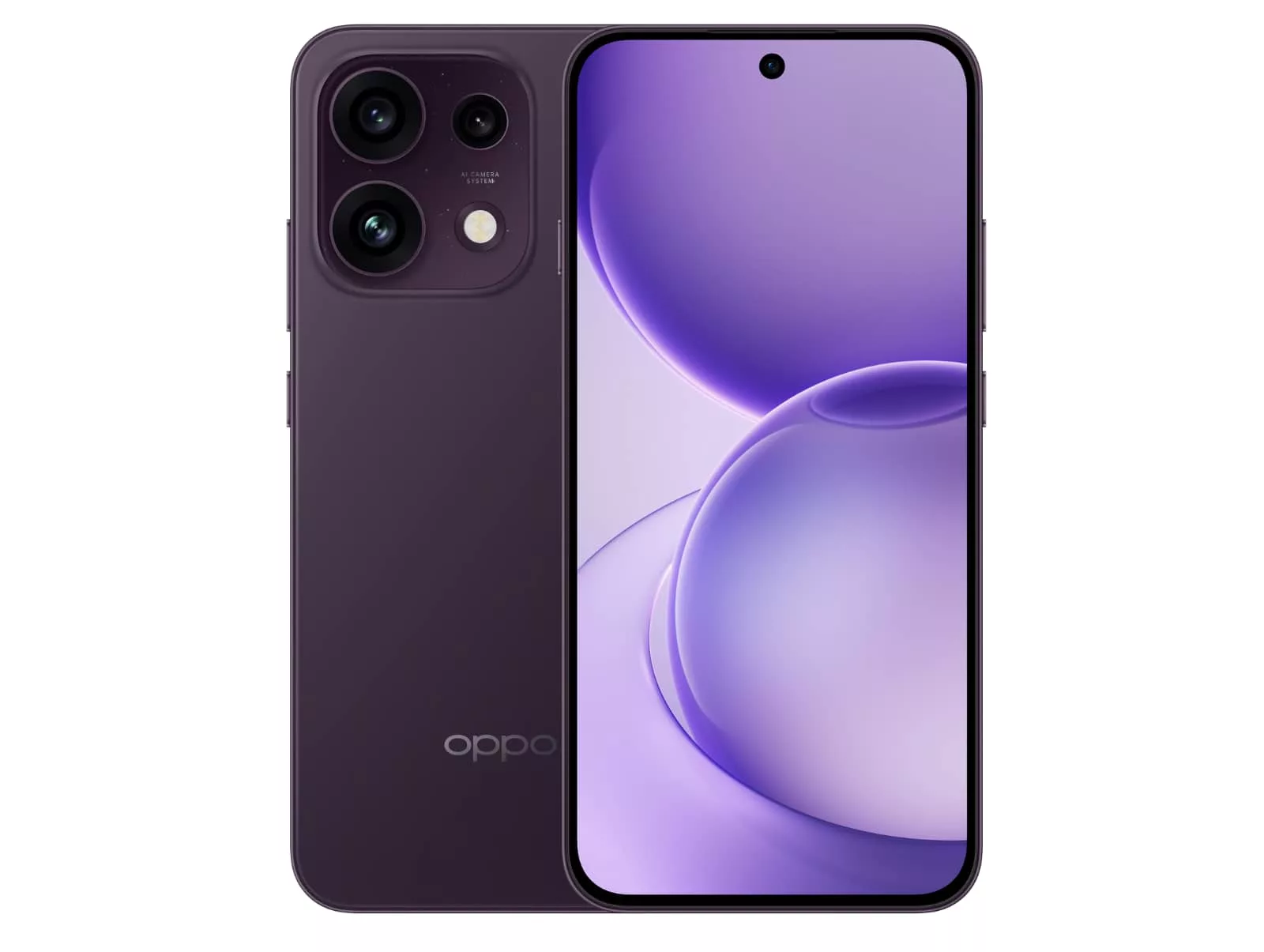
Both will come with several cameras, with the Reno 16F using three 50 megapixel cameras covering two on the back and one for selfies. On the back, that includes a 50 megapixel main wide camera and a 50 megapixel telephoto, accompanied by an extra 8 megapixel ultra-wide camera.
On the front, the Reno16 F is a 6.57 inch Full HD AMOLED phone with a sizeable 7000mAh battery inside, and a fairly mid-range Mediatek Dimensity 7300 processor. It’ll see 8GB RAM, 256GB storage, and Android in the Oppo ColorOS 16 flavour inside of an IP69K water resistant design.
Moving slightly up the ranks, the Reno 16 Pro uses a slightly smaller 6.32 inch AMOLED display, drops the battery down to 6000mAh, and keeps the water resistance, but apps the camera tech and performance to give owners a little bit more.
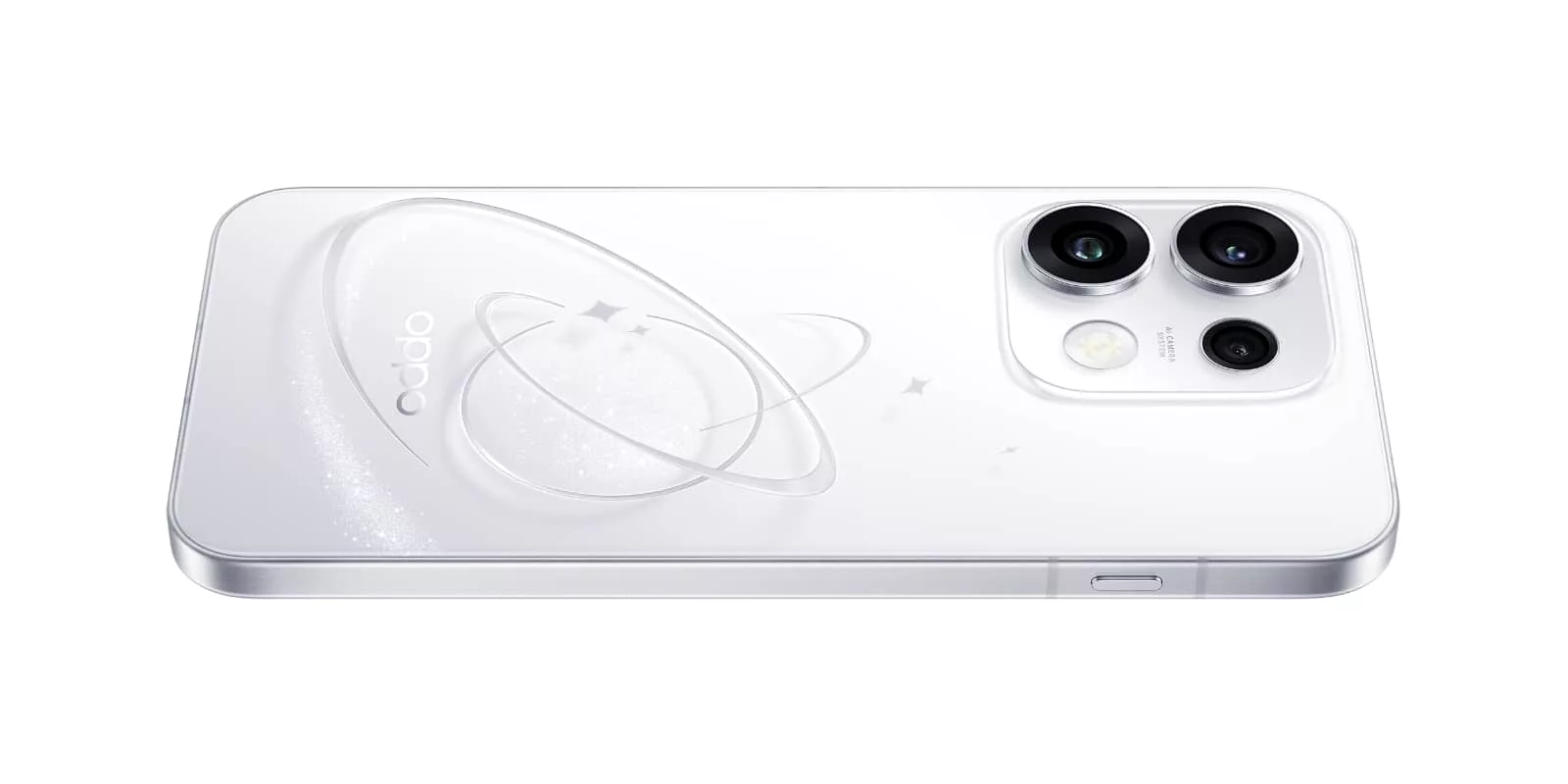
This variation on a theme will include the 50 megapixel selfie camera, the 50 megapixel telephoto, an upgraded 50 megapixel ultra-wide, and a massively upgraded 200 megapixel wide camera, providing more capability for folks who need it, plus an auto-straighten function for video shot in the phone.
Built from aluminium, it’s a slightly more premium take on the series, and comes with a shell that aims to look visually stunning thanks to something Oppo calls “HoloVerse”, and what is basically tiny lenses on top of a pattern to create a unique look.
This one will see more performance thanks to Mediatek’s Dimensity 8550 processor, matched with 12GB RAM and at least 256GB storage, plus all the regular bits and bobs you’ve come to expect.
They’ll both include some AI features because that’s par for the course for phones these days. Though it does appear that Oppo is trying to do something different with its AI, and is going beyond the mere image edits and text rewrites.
While we largely expect both will be there, Oppo’s additions include an “AI Mind Space” to store photos, messages, and anything else on-screen in a little journal, much like the “Essential Space” found on Nothing phones, something that can be triggered using the extra button found on the left edge, something Oppo calls the “AI Snap Key” (and if you don’t want it for that, you can customise it to be something else).

Perhaps more interestingly, the AI features will include a bill manager that can translate receipts into insights using your local currency, handy if you’re overseas, as well as a menu translation app that can translate menus in foreign languages to something you can understand, even referencing possible ingredients and generating an expected image.
There’s also an AI scan and extract feature to read off pages, plus an AI system called “Mind Pilot” that can use multiple AI services including ChatGPT, Perplexity, and Google’s Gemini to provide a chat system on your phone. It will still likely need internet access, but you can think of this as a combo AI found directly on your phone, which given it’s Android, will also be found alongside Gemini’s native app, too.
Oppo has included some other neat features, including a way to sync music to two pairs of wireless earphones at once, but hasn’t said whether this is specific to Oppo Bluetooth earphones or headphones yet.
However, they both also come with different price points, with the Reno16 F priced at $999, while the Reno16 Pro is a little higher at $1599, escaping mid-range and pushing into the high-end.
Both are set for release this week, with the regular assortment of retailers going the Oppo online store, including JB HiFi, Officeworks, and others.