
One of the more important things you can do with your computer is make sure the files are backed up, but that process is one that can seriously take time.
Never mind the fact that you’re paying more for storage (thanks AI), but there’s also the problem that external drives can come with: bigger drives can take longer to be filled dependent on just how much you’re backing up, and how big those files are that you need to transfer.
It’s difficult to underscore just how important backups are, because once they’re gone or corrupted or just simply found on a decaying drive, you will be wishing you had remembered to backup a time or two before. And yet those simple issues — speed and size — can be of the more obvious reasons why we put the action on the back burner.
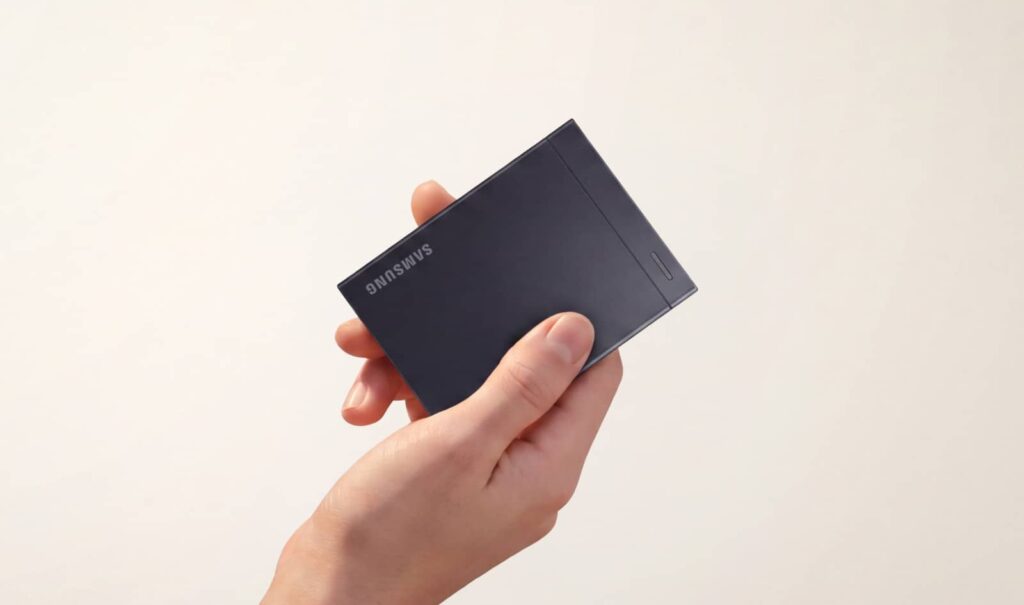
Samsung has announced two new drives are on the way, as it reveals new drives in its SSD range, offering up the “P series” for 2026. We expect it’s named solely for performance, and given its launch at Gamescom, that would make sense. The new drives boast speeds build for gamers and content creators alike, who often sit in the same category at times.
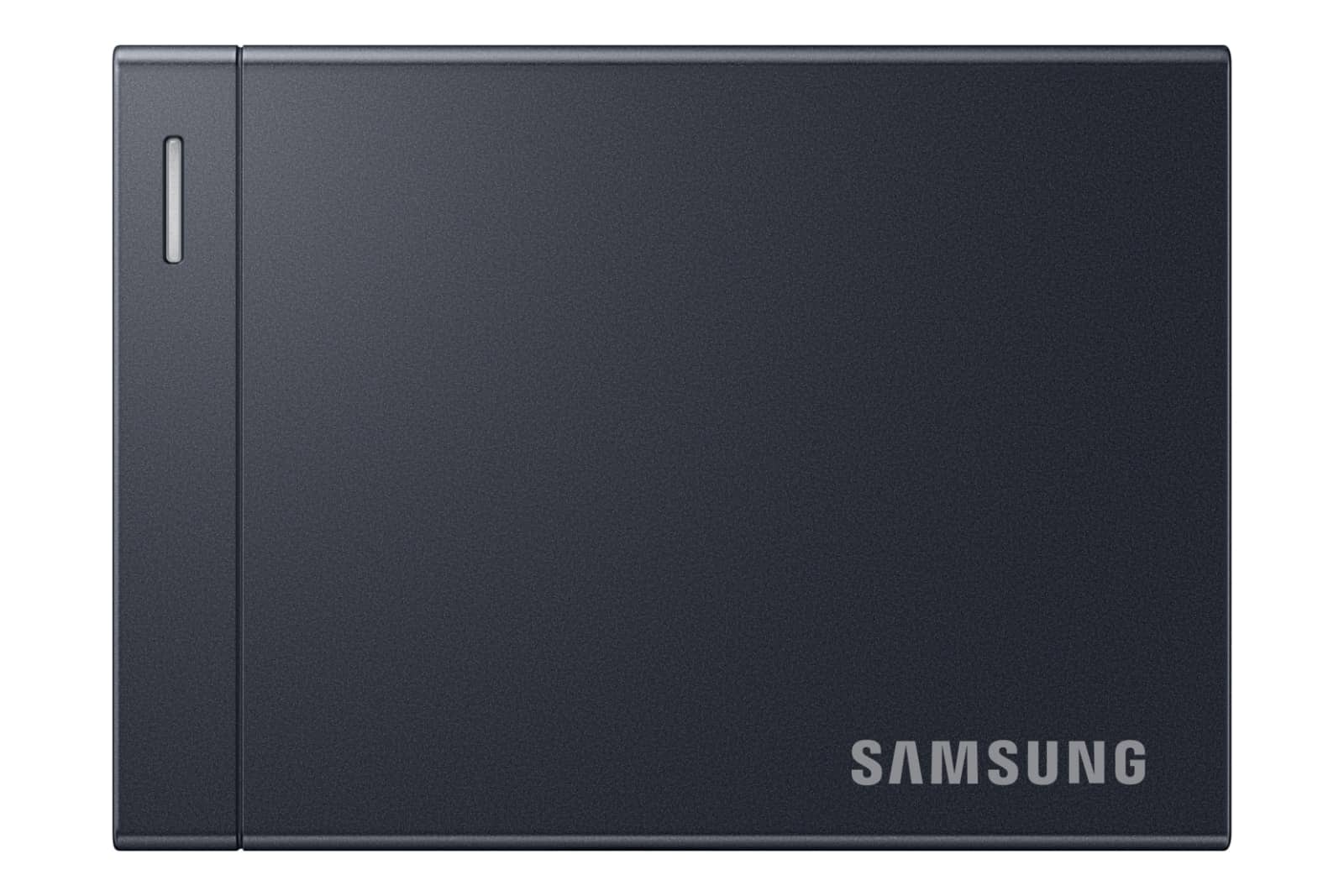
At the high-end, there will be the Samsung P9, a solid-state drive boasting. Up to 4000MB/s, just why of 4GB’s 4096 megabytes per second, but not far. Those are read times, with write times closer to a max of 3800MB/s, which is also quite fast in the grand scheme of things.
There will be differences across the range, with the biggest 8TB P9 boasting those near 4-GB/s speeds, while the 4TB P9 drive will get close to half of it, running at 2000MB per second for both read and write speeds, and using USB 3.2 compared to the USB 4 on the 8TB model.
It seems that the more you spend, the better the P9 experience will be. That said, Samsung’s P9 drives haven’t yet been priced for Australia, though there will be a less expensive range all the same.
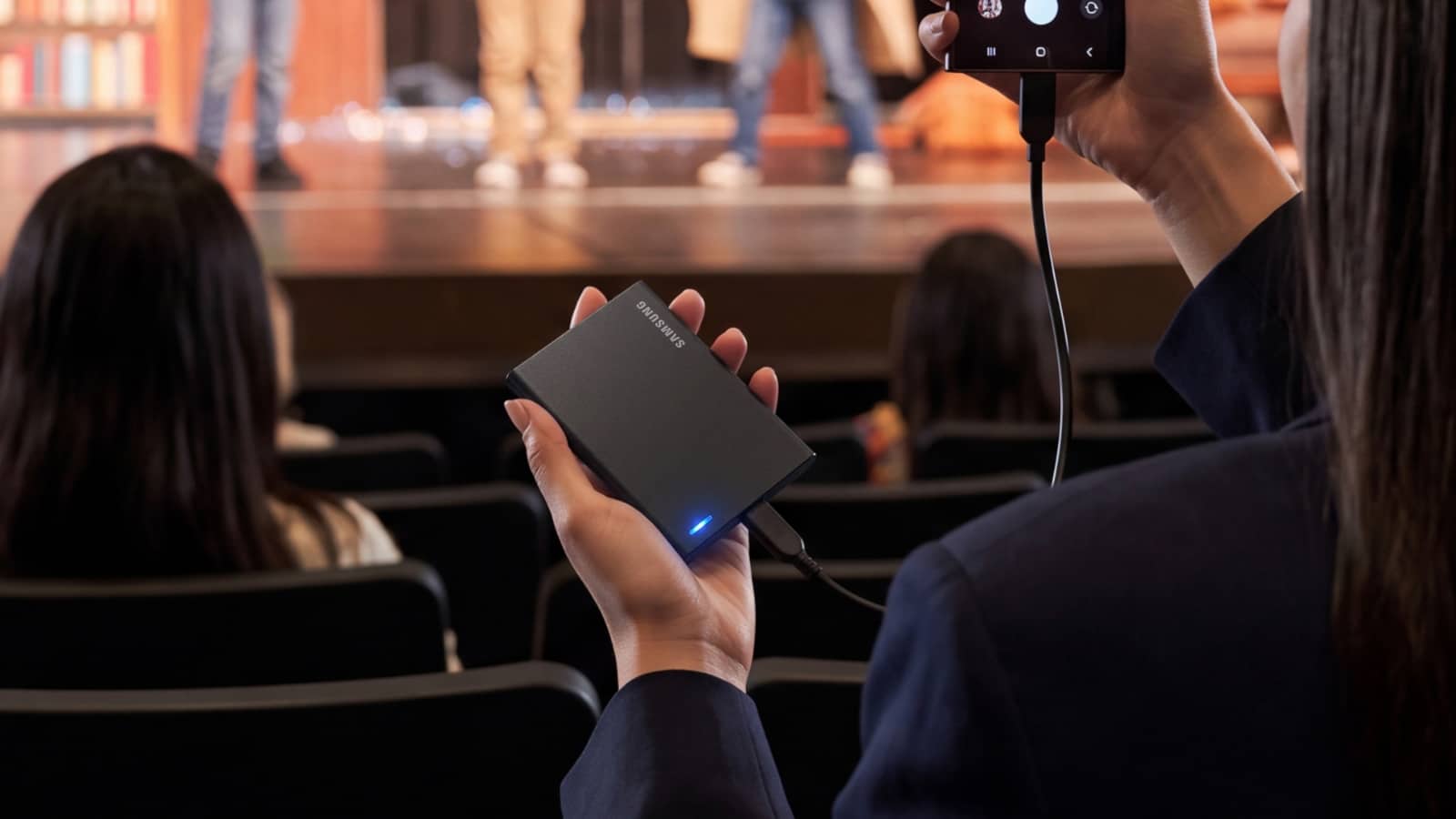
By comparison, the P7 is less about speed and more about the every day. A likely replacement for the T7 line launched a good six years ago, Samsung hasn’t specifically said what the speed of these new drives will be, but a guess would see them around the 1000MB/s mark given where the T7 drives perform like.
What the P7 will be built for, however, is levels of durability, supporting two-metres of drop testing with shock and vibration testing, too.
Pricing and availability in Australia hasn’t yet been determined, but expect the former to be a little more and the latter to be a little later, both likely thanks to AI making a dent on solid-state production and use in the world.