
Technology changes everything, and if you’re part of a household that still sits in front of a TV on a regular basis, the way you consume television could well and truly be changing.
Depending on how much technology you’ve embraced, you may have already changed. But for the 49 percent of Australians keeping to one screen, they are now possibly the exception. Just barely.
Research from Samsung suggests 51 percent of the country is using a second screen while watching TV, mostly reaching for their phone and using that instead. A further 26 percent of that group has opted for a laptop or tablet rather than staring at the big screen alone, potentially giving them something else to do at the same time. This writer is doing it writing this very article (while the kids watch something).
It’s a change suggestive of how homes are evolving, and how our relationships to the devices in our lives are changing with them.
For instance, while TVs are usually for movies and shows, they can also be used for workouts or gaming, with roughly 16 percent of Australians using it for the former and over 40 percent using it for the latter. One in four Australians appear to be using the TV for podcasts, flexing that gadget in yet more ways beyond movies and programmes.
That includes social video on the big screen, though there are special TVs that rotate, and TVs that can be placed in a briefcase and used as boardgames, or projectors made to be taken with you and used in other places, such as the kitchen or bedroom.
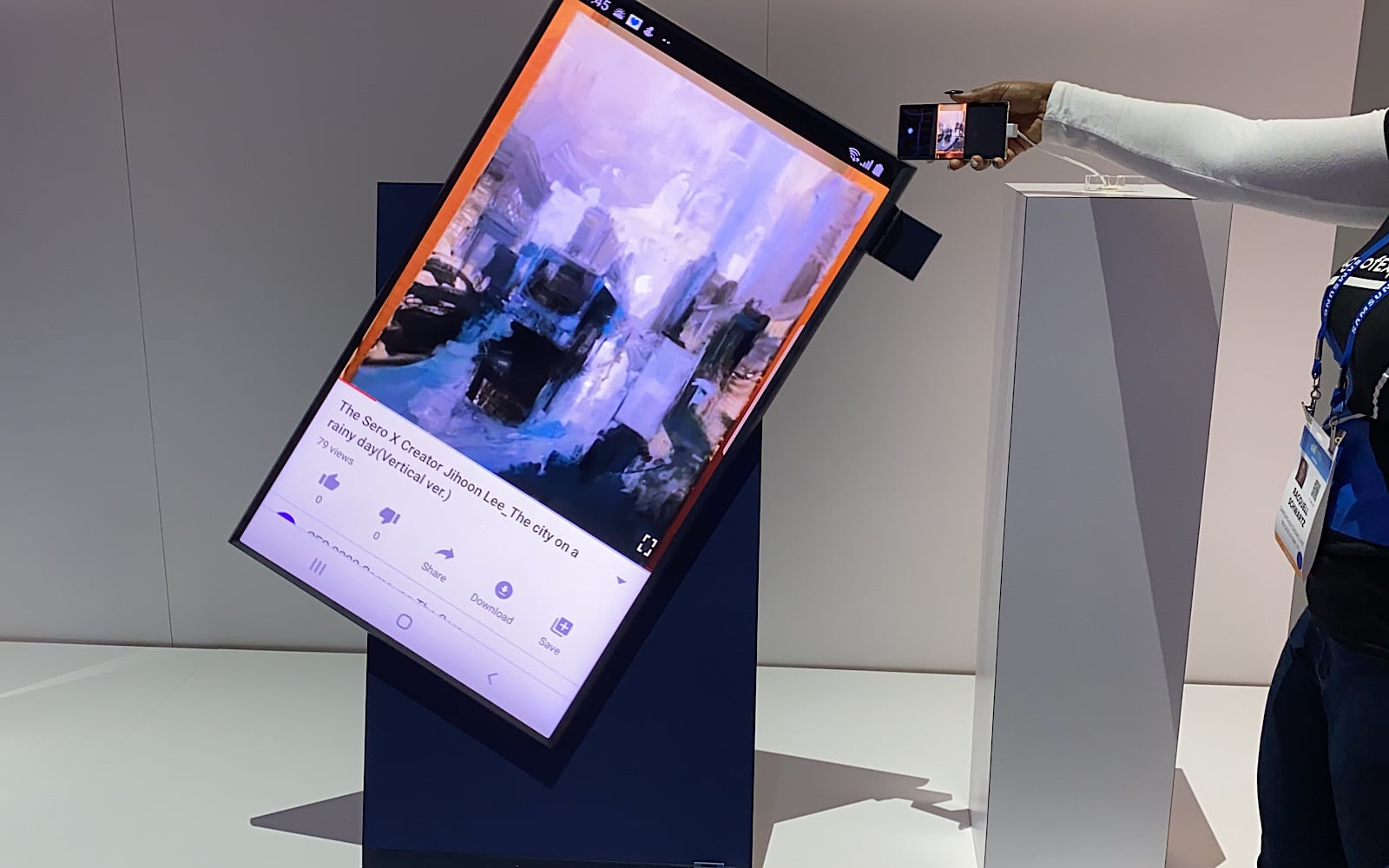
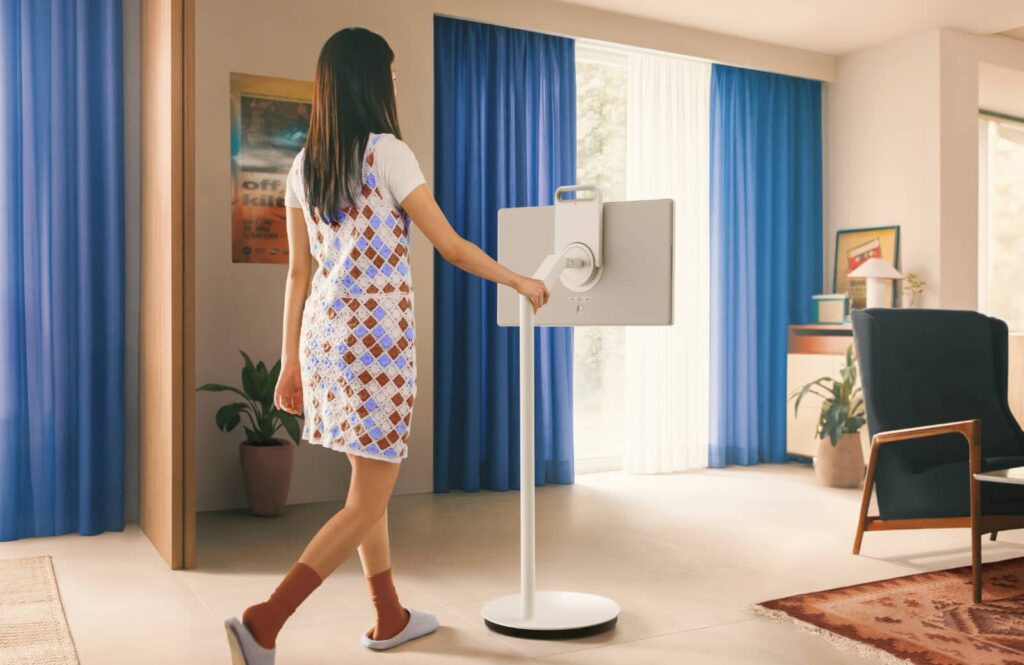
Depending on how you watch TV, it might even be a TV that moves from room to room on a stand.
It all takes the TV out of the living room and makes it portable, much like a phone or tablet can, but bigger.
The research isn’t out of kilter from what we’ve seen in the past, with IKEA painting a vision of homes in a modular way a good decade ago. It saw the kitchen becoming an entertainment space of sorts, and the living room being shared with working spaces.
In short, the TV was no longer the central entertainment spot and had moved, much as Samsung’s research is showing a good eleven years later.
“The TV has traditionally been designed around the room it sits in and has undergone various transformations over the years to help the TV elevate and optimise those spaces. But Australians aren’t living room by room anymore and the content they’re watching isn’t always shot in landscape formats,” said Simon Howe, Director of Visual Display at Samsung Australia.
“It’s time to rethink the assumption that a TV has to stay in one place or compromise full-screen experiences to support family life,” he said.