
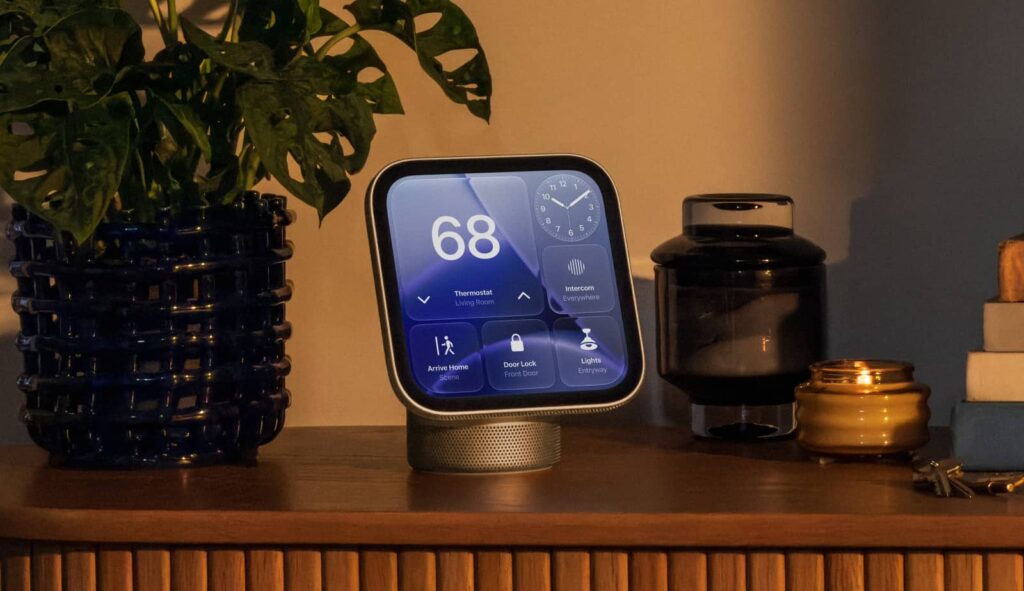
Depending on how modern your home is, you may have some smart speakers floating about the place.
They could be in your bedroom or kid’s room, working as alarm clocks to get them out of bed, while a smart display in the kitchen might be an ideal picture frame. You might even simply use smart speakers to have the news and weather read to you, or to book an Uber or something else.
The very reason a smart speakers is “smart” stems from its ability to connect to the internet, and to be used beyond your phone. You can talk to it, play music from it, hear about weather and current events from it, and trigger routines from it. A smart display does much the same, but adds a screen into the mix, though it’s a category not every player has entered in quite the same way.
Google makes a few smart speakers, but its smart displays have felt like they’re getting much, much worse, and are difficult to talk to. Upgrading to the AI in the latest Google speaker experience seems to have made the AI in the Google display hubs dumber and more frustrating to talk to.
Amazon’s approach to smart speakers and displays has been wide and varied, and while they need their own routines to do things — and still don’t talk to many photo gallery services in Australia — there are plenty of options.
But if you live in the Apple ecosystem, your options have been limited.
There’s the small HomePod Mini, the much larger HomePod (regular), and that has largely been it. A lack of a smart display has been more a direction to look at an iPad, with Apple’s tablets clearly able to do some of these things, or maybe even a docked phone.
It’s a concept that has been lurking around for a while, with rumours of an Apple smart display of sorts popping up because rivals were making them. And now it does exist, it seems, because the HomePod is adding a screen.
This week, Apple showed off what we can expect for the HomeView, while also updating the HomePod Mini, and showing off a little more for the home, as well.
What is HomeView?
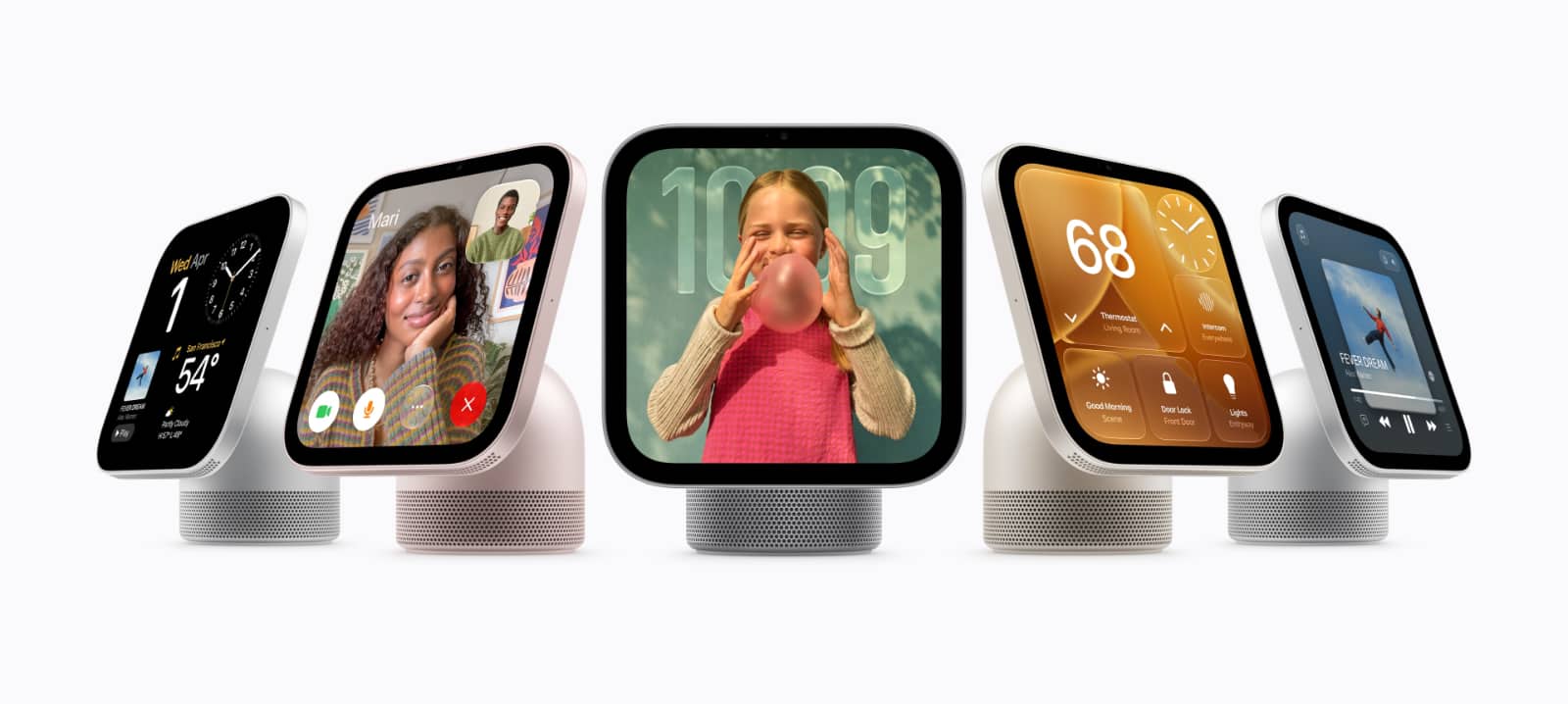
A little like a small HomePod made of metal with a screen attached, and clearly somewhat inspired by the G4 iMac, the HomeView is Apple’s attempt at bridging the gap between speaker and screen.
The gadget includes both things — speaker and display — with each very custom. This isn’t just a HomePod with a screen attached, though it does look a bit like that. It’s a custom 7 inch softened square screen, almost like a supersized Apple Watch attached to a speaker with a camera.
The combination can be used for FaceTime calls across iPhone and iPad (and even Apple TV or other HomeViews), and the camera can also be used to recognise the other users in the house.
An Apple family account supports up to six people, and so too does the HomeView, able to show them their messages and apps and widgets, and making it so only they can see it. No sharing of messages, because things stay private.
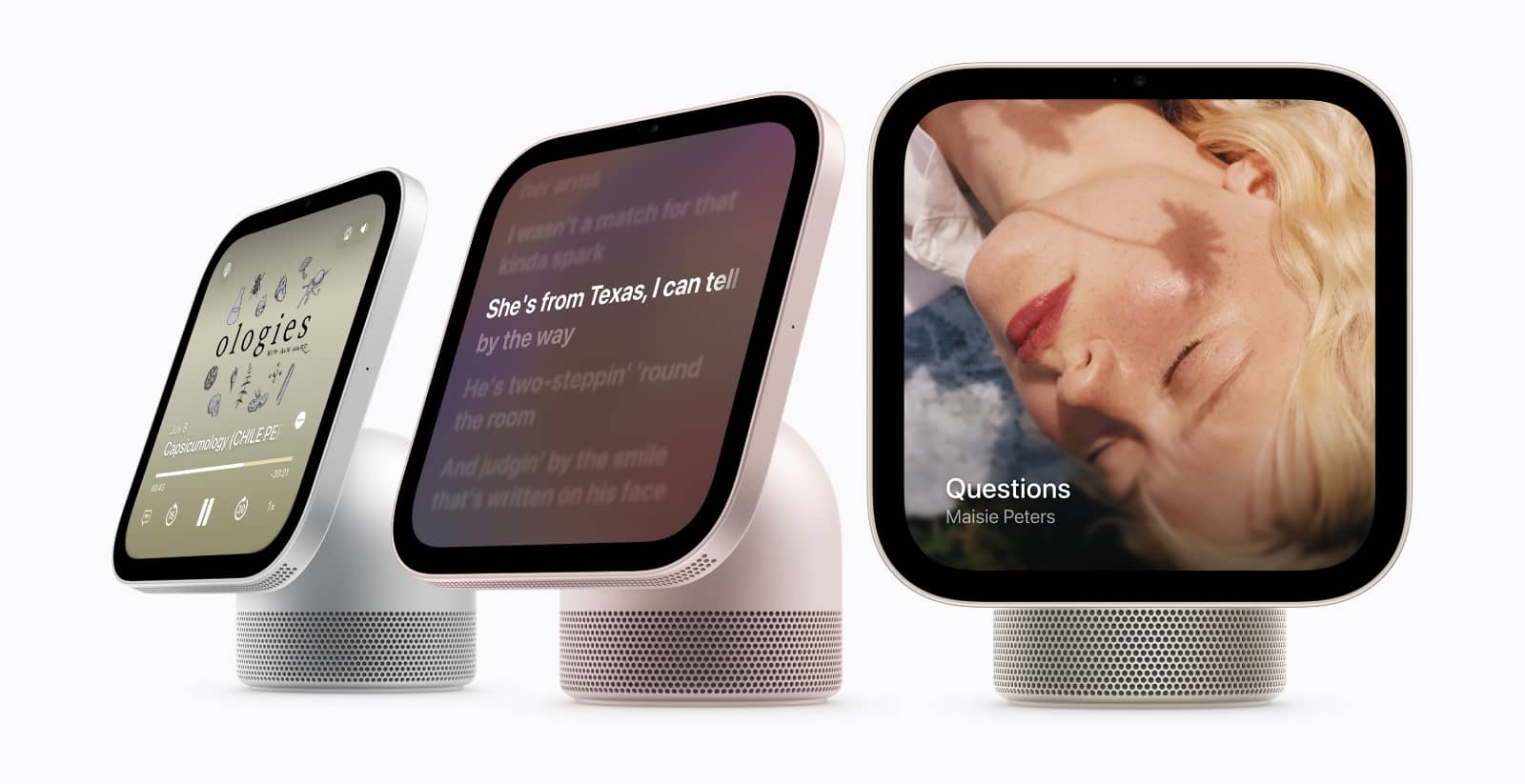
We’re definitely seeing vibes of an Amazon Echo Display in this, but that just might be our years of reviewing experience bleeding through, however Apple’s take on the smart display definitely feels like a reinvention of an old Mac made into something you could sit in the kitchen and make work for everyone.
It is actually kind of surprising how fixed the screen is on this one, rather than Apple using the smart pin connection it already has on its iPad, something we suggested years ago in a concept.
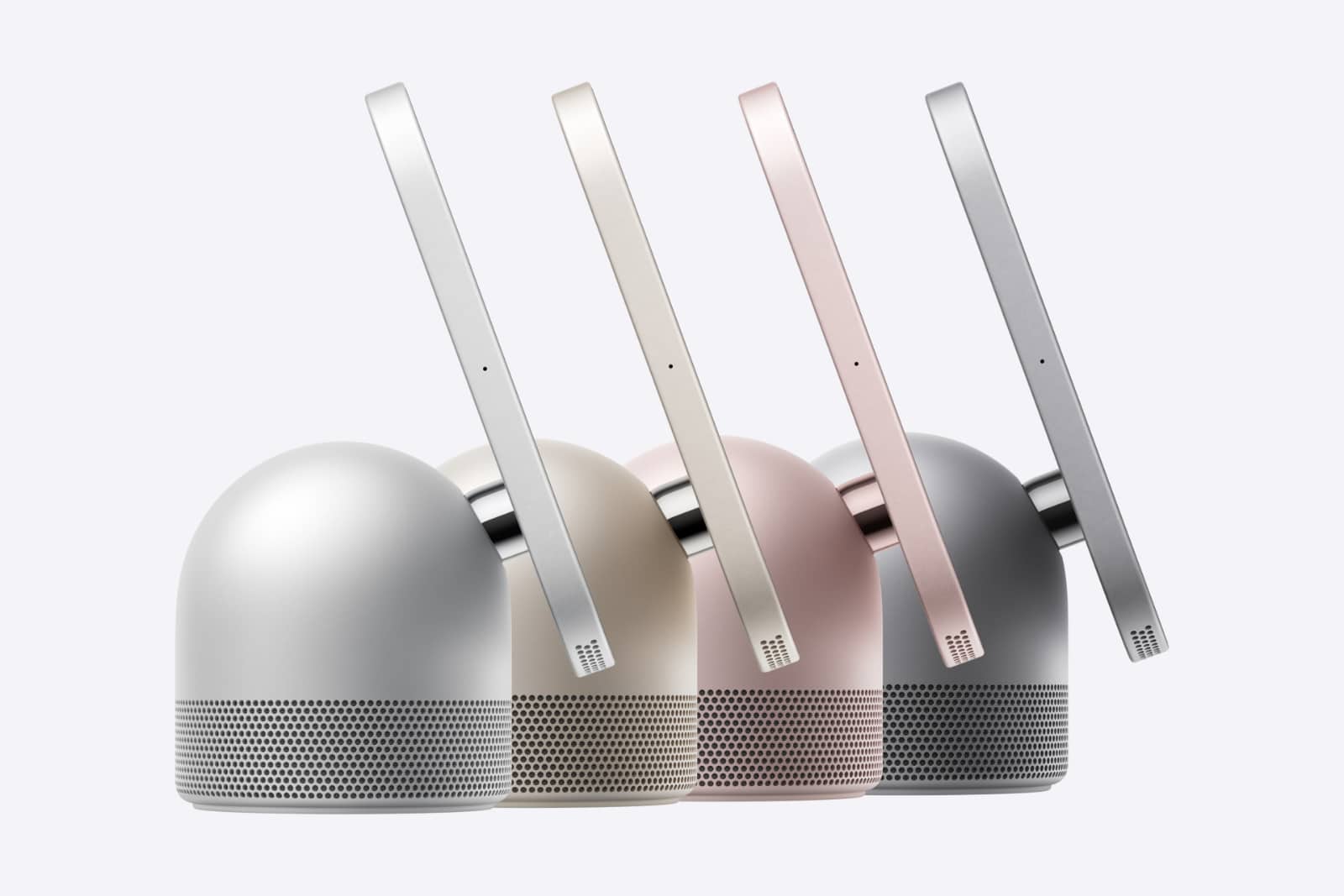
That said, Apple’s hardware is meant to be premium here, or more premium than other smart systems like it, with an aluminium 7-inch screen matched to a metal speaker with a stainless steel hinge.
It’s a combination that does read like a modern iMac G4, and the screen includes speakers, as well. In fact, you can choose whether you want a version that simply mounts to a wall or one that stays on the speaker stand.
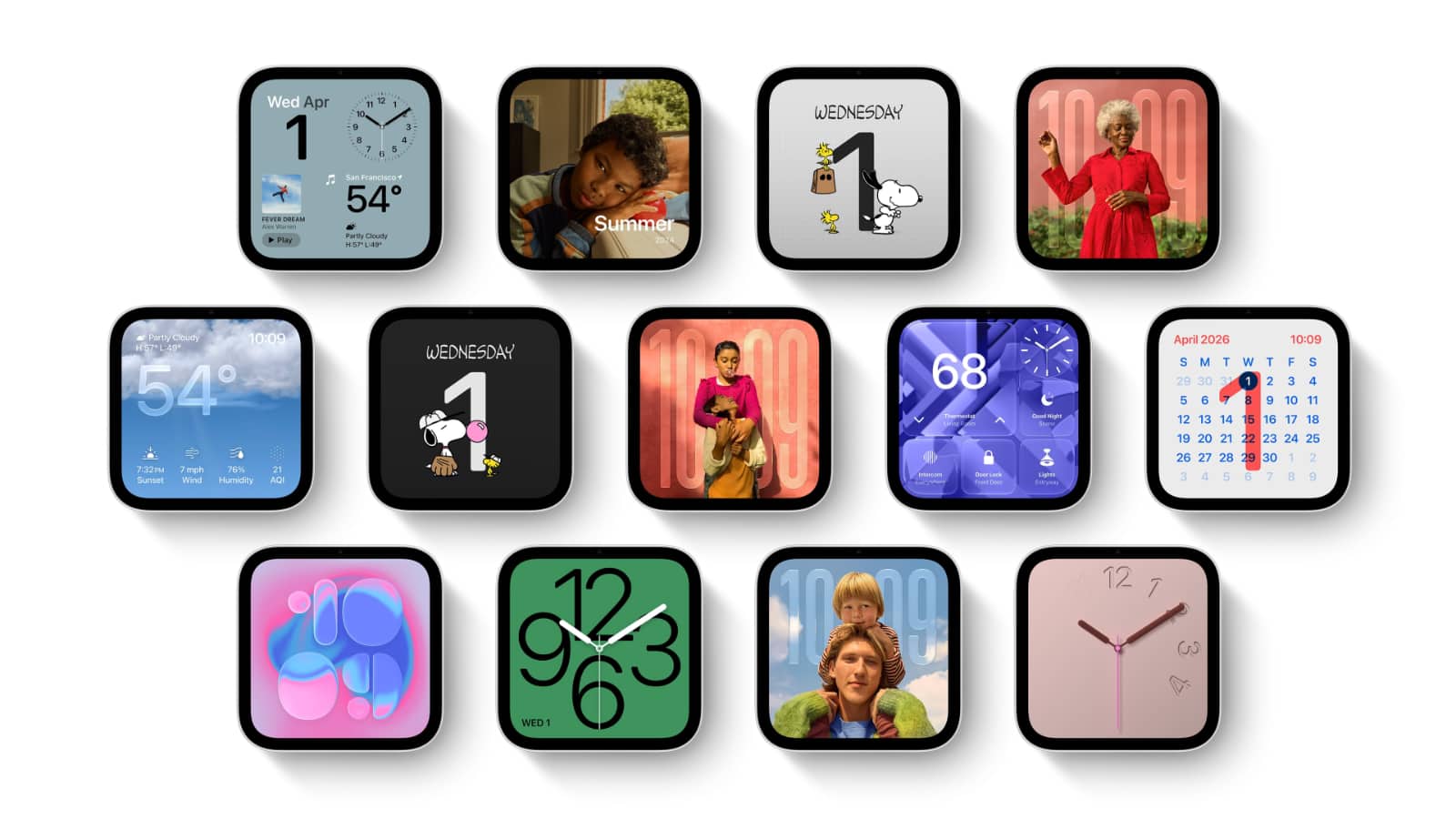
The vibe of the HomeView definitely feels more like something made for a central place, such as a speaker or even a smart picture frame, and so it has apps and widgets that run in a central way.
Clock faces, picture slideshows, and plenty of Siri AI, not to mention music that works with spatial audio on Apple Music, thanks on part to a combination of drivers and woofers spread throughout the speaker and the screen. The camera also supports Centre Stage just like iPhones, iPads, and Macs.
What’s new about the 2026 HomePod Mini?
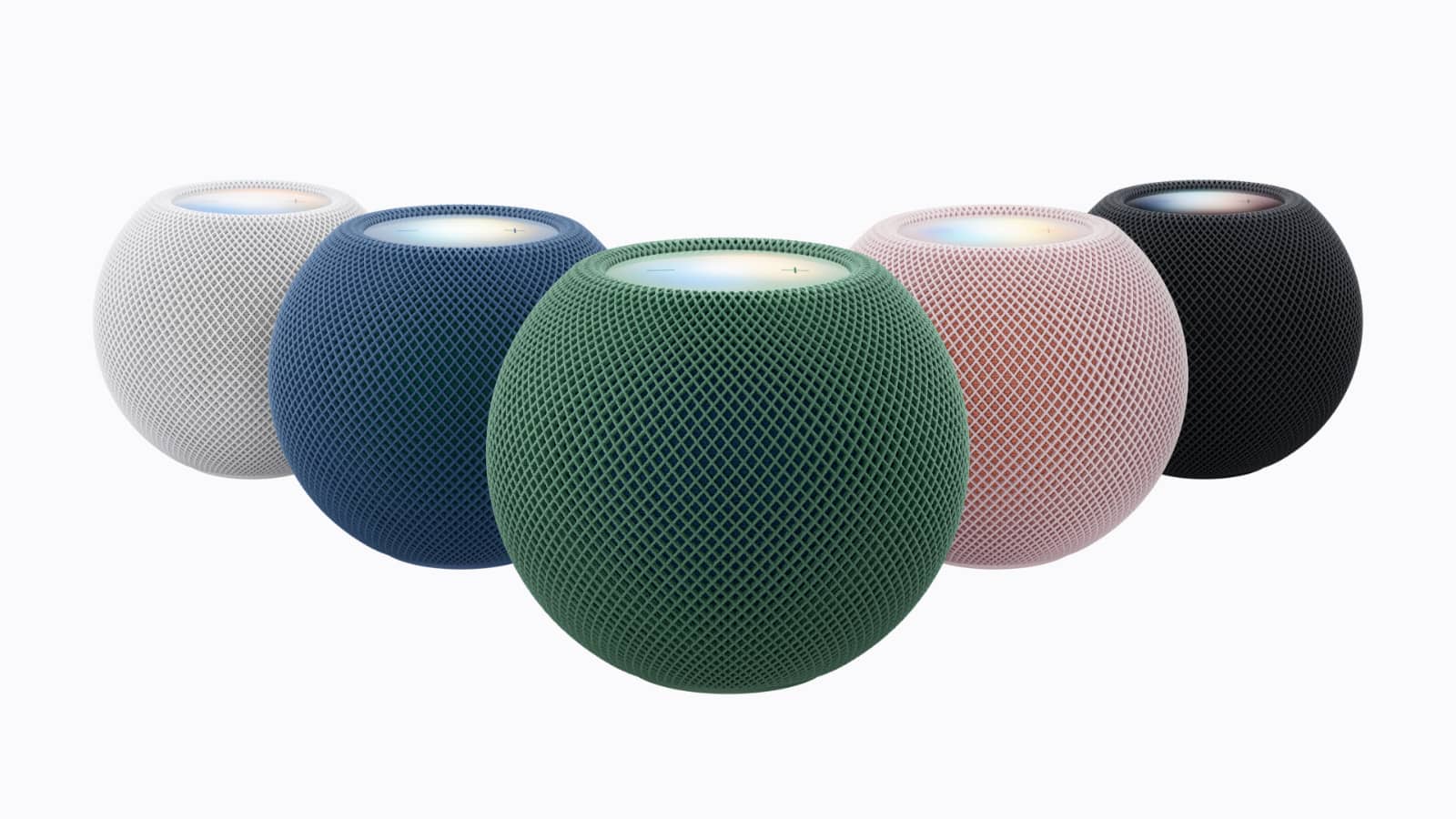
The HomeView isn’t the only new speaker in town, as Apple updates its compact speaker.
If you don’t need a stand but still want a taste of Apple’s HomePod in your life, the second-generation HomePod Mini brings that Siri AI feature later in the year, thanks in part to updated hardware, using the same S10 system-on-a-chip Apple used in both the Series 10 Apple Watch and the Series 11, but this is clearly no watch.
Instead, that processing power will be used for letting Siri do its thing and for audio to match the room, using computational audio to analyse the music, adjust the sound, and deliver a bigger sound from little speakers.
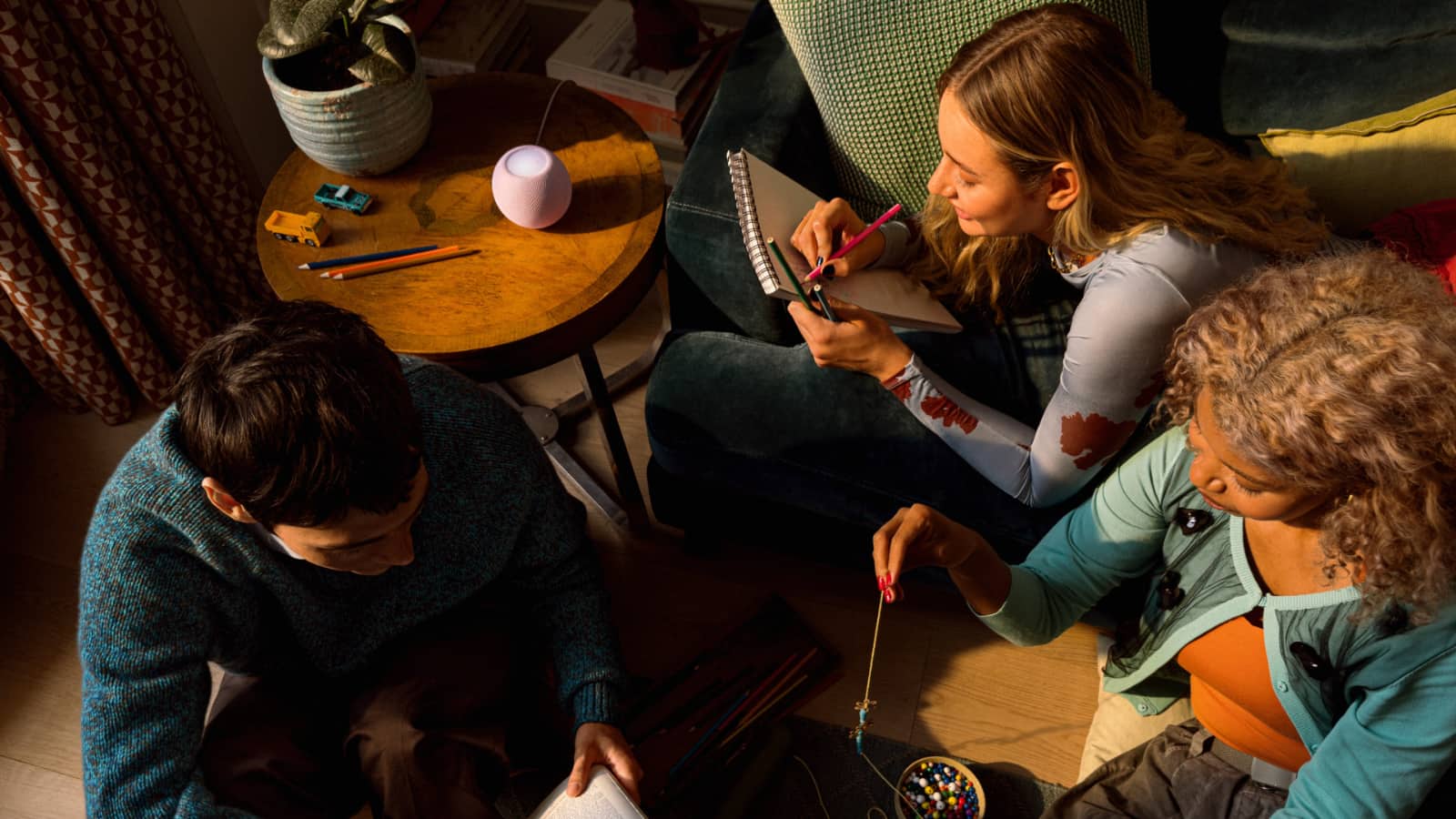
The top of the speaker also gets a feature called “Sound Glow” which basically animates the small screen up top to pulse and flash colours to match the audio almost like a smart speaker visualiser of sorts.
Interestingly, there doesn’t appear to be support for spatial audio on the HomePod Mini 2, though there is support when paired with another 2nd-gen Mini to work in stereo, and support to work as rear speakers for two HomePod 2nd-gen models when used with an Apple TV.
Smart home gadgets, too
Part of the push from the range is to cover the home in smart devices, something that isn’t entirely new for other brands, but definitely is for Apple.
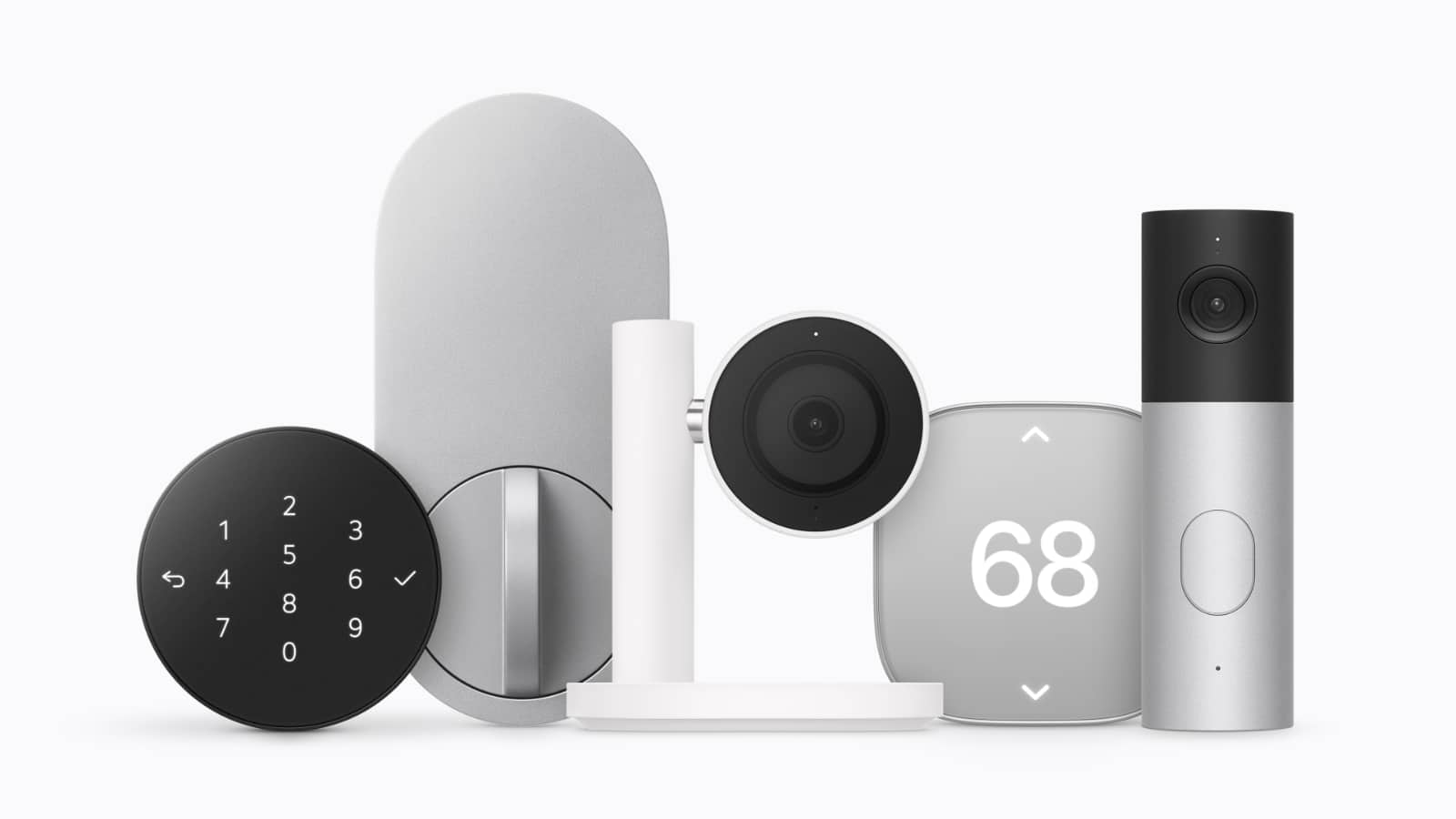
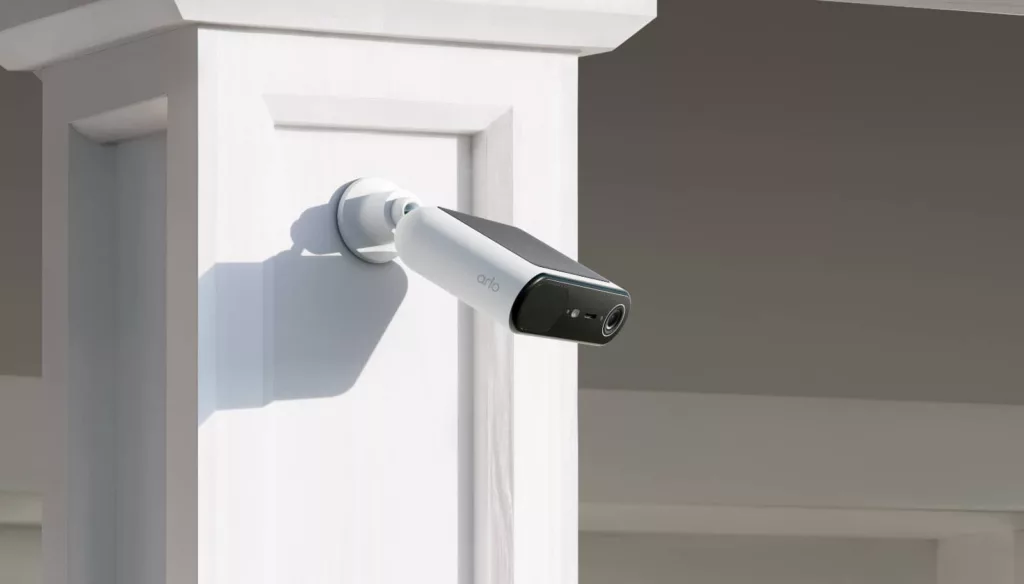
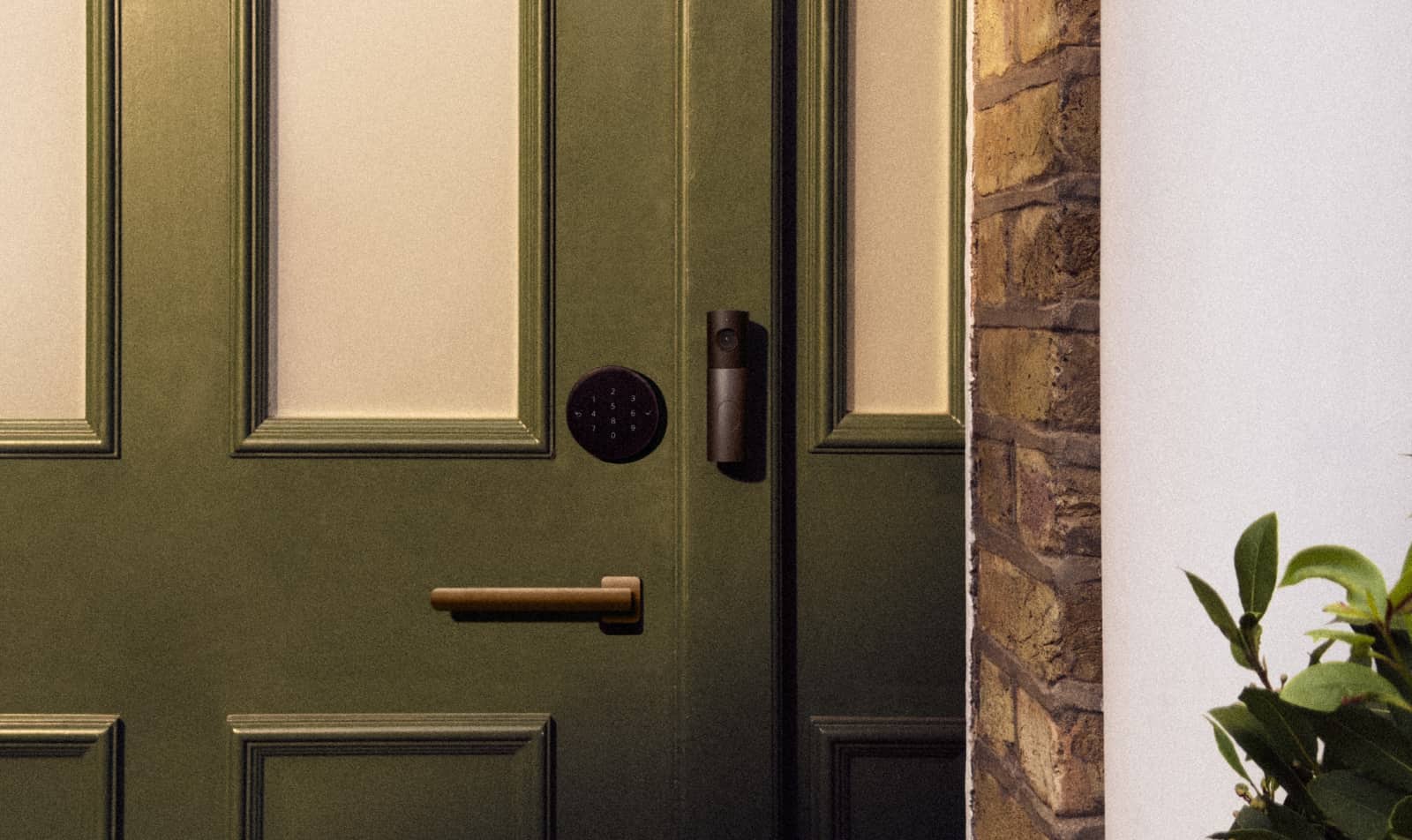
With that in mind, Apple has teamed up with LG and Schneider Electric for an assortment of additions named the “Apple Home Collection”, covering a video doorbell, a smart deadbolt lock, floodlight security camera, and indoor and outdoor cameras, all of which are made by LG.
Schneider’s contribution includes a smart thermostat, of which LG also will offer one, though this style of tech might be less common in Australia compared to other air conditioner panels.
These may not matter initially in Australia anyway, because none of the collection will be made available locally at launch, with the US, UK, and Canada seeing these gadgets first and foremost, but Australia not on the cards just yet.
Pricing and availability
We are on the cards for other things, though, with Australians set to be on the first release list for the HomeView, joining the US, UK, Canada, New Zealand, and India. Officially that means the HomeView will land from November 13 for $449 whether or not you want it connected to a speaker (just the standard HomeView) or ready to be wall-mounted. Optional wall-mount connectors start at $95.
Meanwhile, the HomePod Mini 2nd-gen (or just simply the HomePod mini 2) will land earlier, priced from $229 and arriving a day before Halloween on October 30 (though oddly isn’t orange like a pumpkin, arriving in pink, green, blue, white, and a black midnight).