
They might have been around for a few years now, but foldable phones are still fairly new across the masses.
Most people don’t have a phone that folds, opting instead for one that’s basically all screen, or as close to that logic as can be. Meanwhile, a foldable allows you to either fold a phone into a small size, or unfold a phone into a small tablet. It’s an assortment of ideas that applies the concept of folding screens to two sizes, and may be enough of a choice.
But what if you still wanted something else? What if the tall phone that unfolds into an 8 inch tablet is too big, while the tall phone that folds into a smaller square phone is too small. What then?
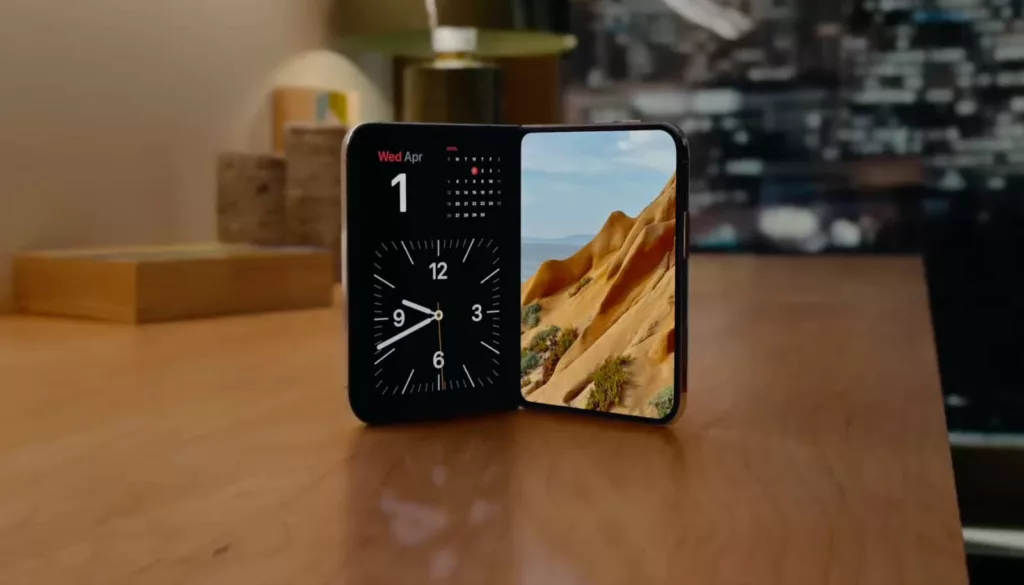
Samsung might have the answer in a size and form-factor that’s new for the category, and what we suspect will be similar to what Apple is doing for its first folding phones.
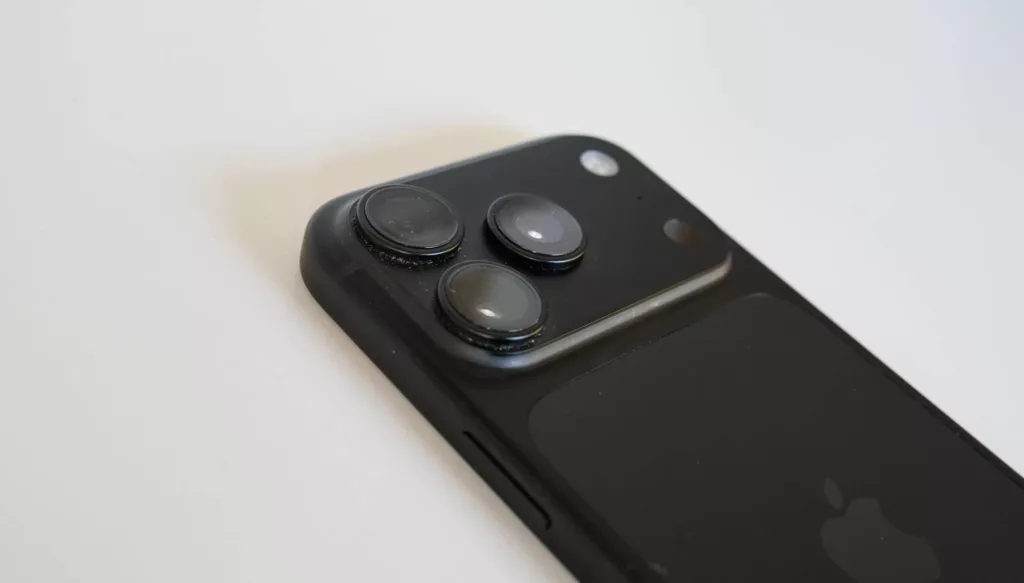
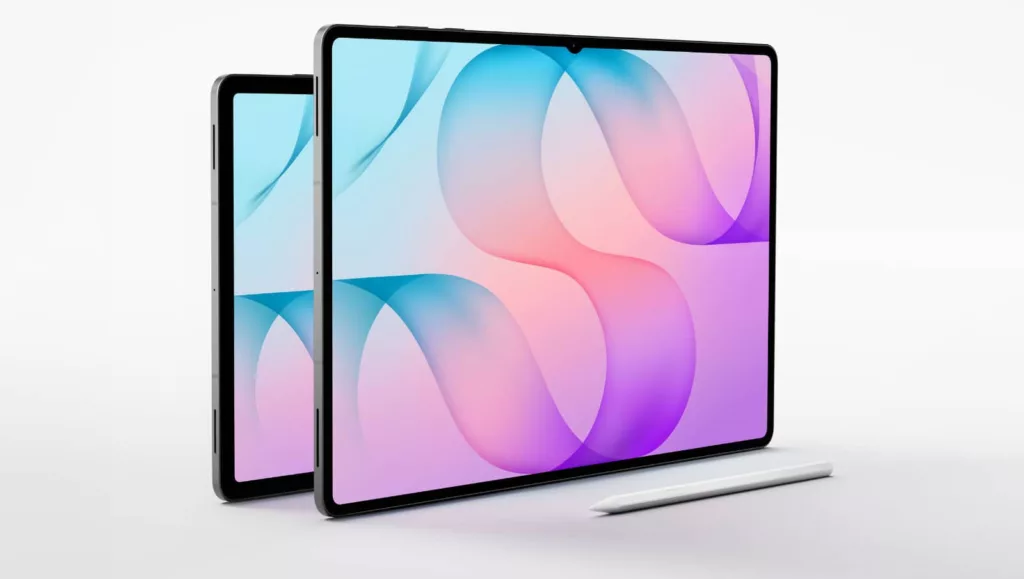
Expected in September, the Apple iPhone Fold (which will likely be called the iPhone Ultra) could end up with a differently shaped design, built more to match the 2:3 aspect ratio used in the iPad Mini, or even the 4:3 used in the iPad.
To do this, Apple would need a slightly different external screen, and if Samsung wanted to try it, so too would the maker of the Galaxy Fold.
Which leads us to this week’s “Unpacked” event, which hinted at a new design and form-factor from the get-go, and now appears to be there.
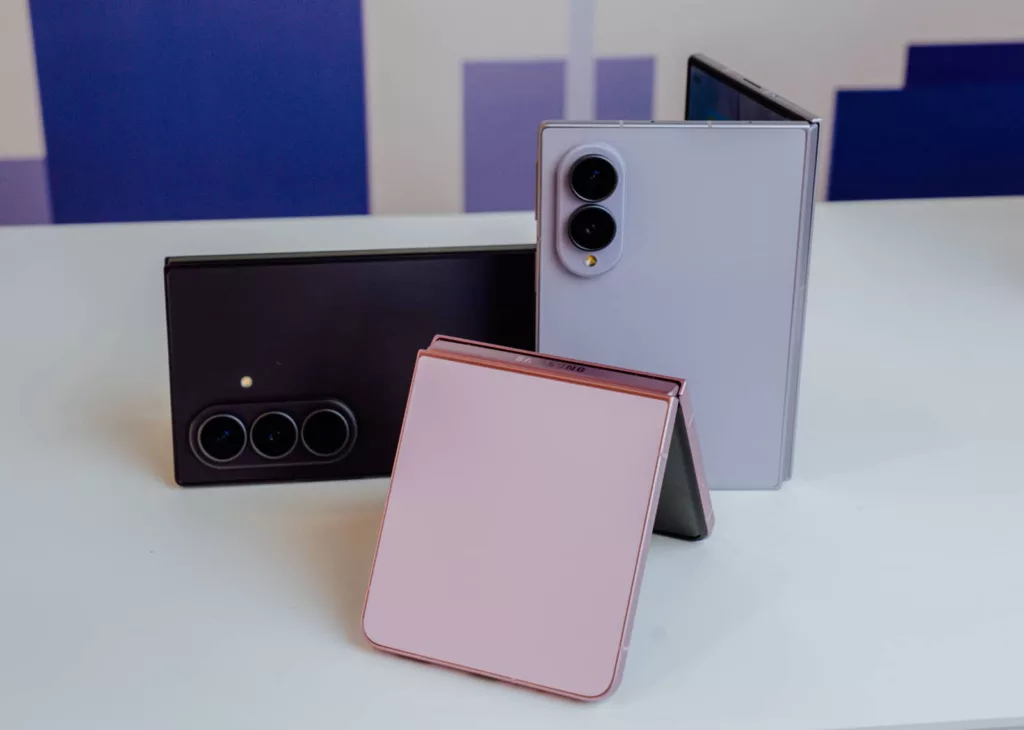
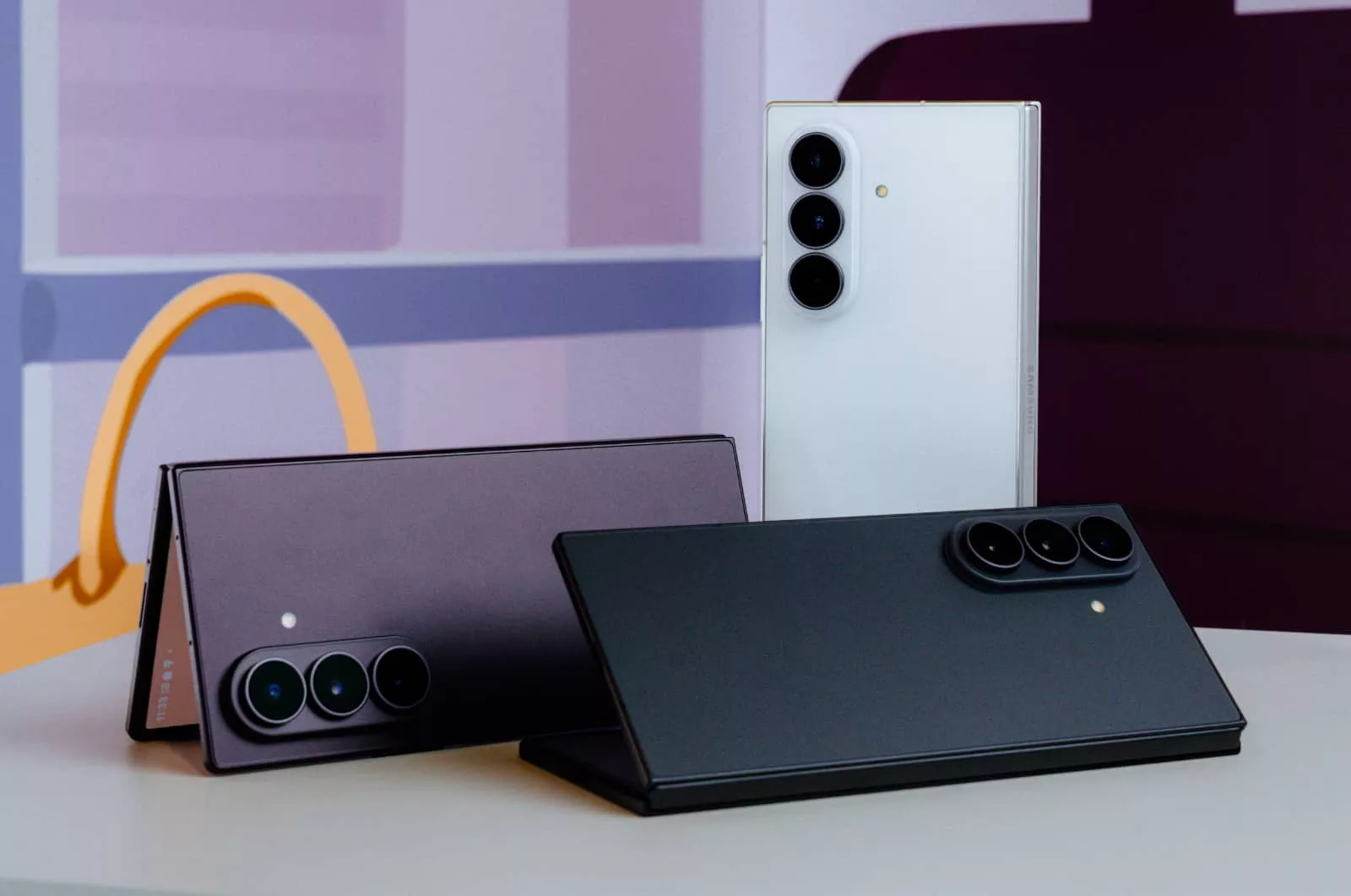
There are now three folding Samsung phones, stretching from the two in previous years, as Samsung finds a new spot for a fold, smack dab between the flip-phone style in the Galaxy Z Flip and the tall Galaxy Z Fold, which is now the Z Fold Ultra.
In the middle, however, is the standard “Fold” model, which this year kicks things off with the Fold8, easily one of the more curious phones in the market, because it’s the middle child, but possibly the most intriguing.
A new take in the Fold8
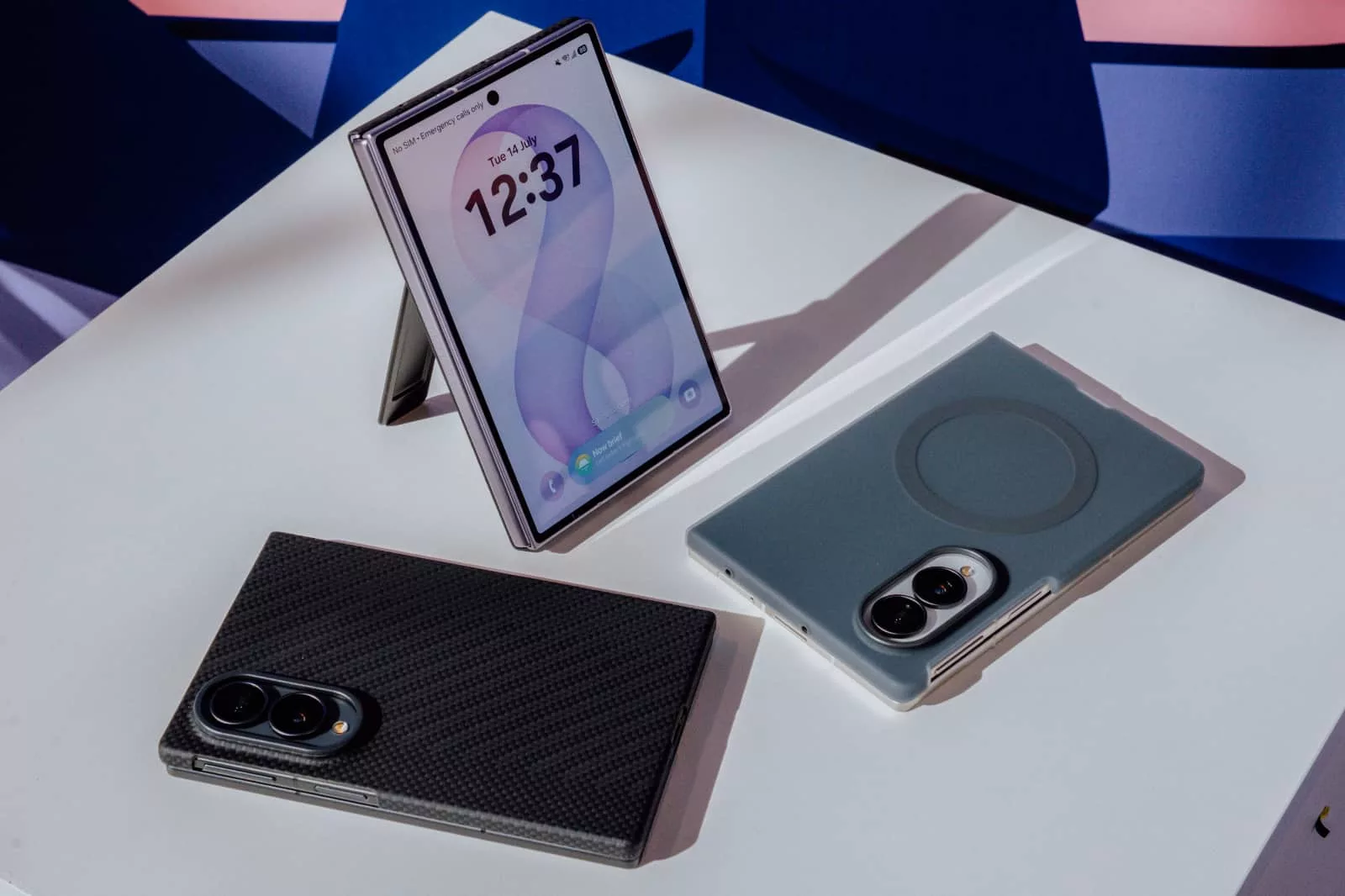
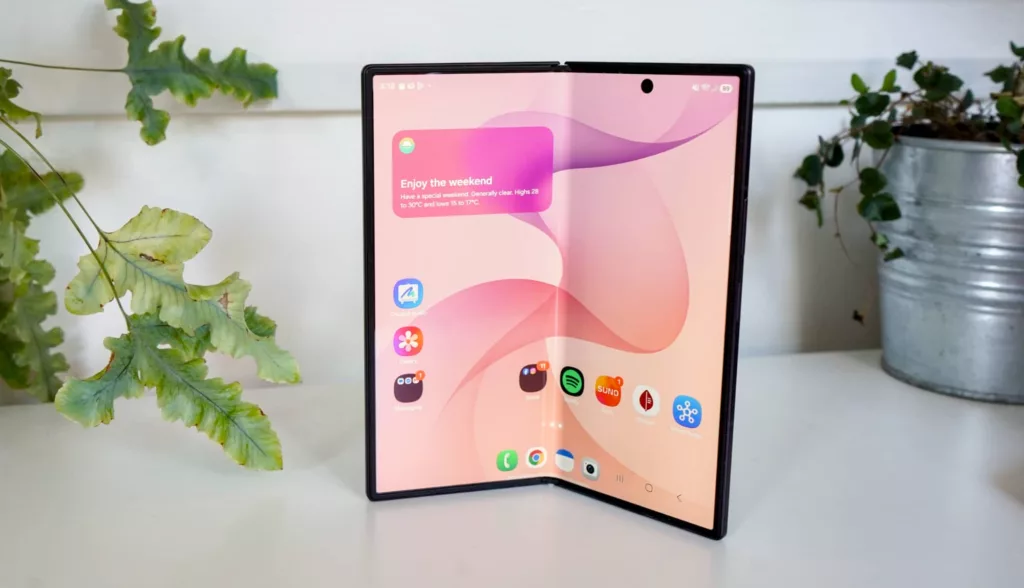
The newbie of the bunch, the Fold8 (as it’s known) is essentially a mid-range take on the Fold in a new form-factor: passport-inspired.
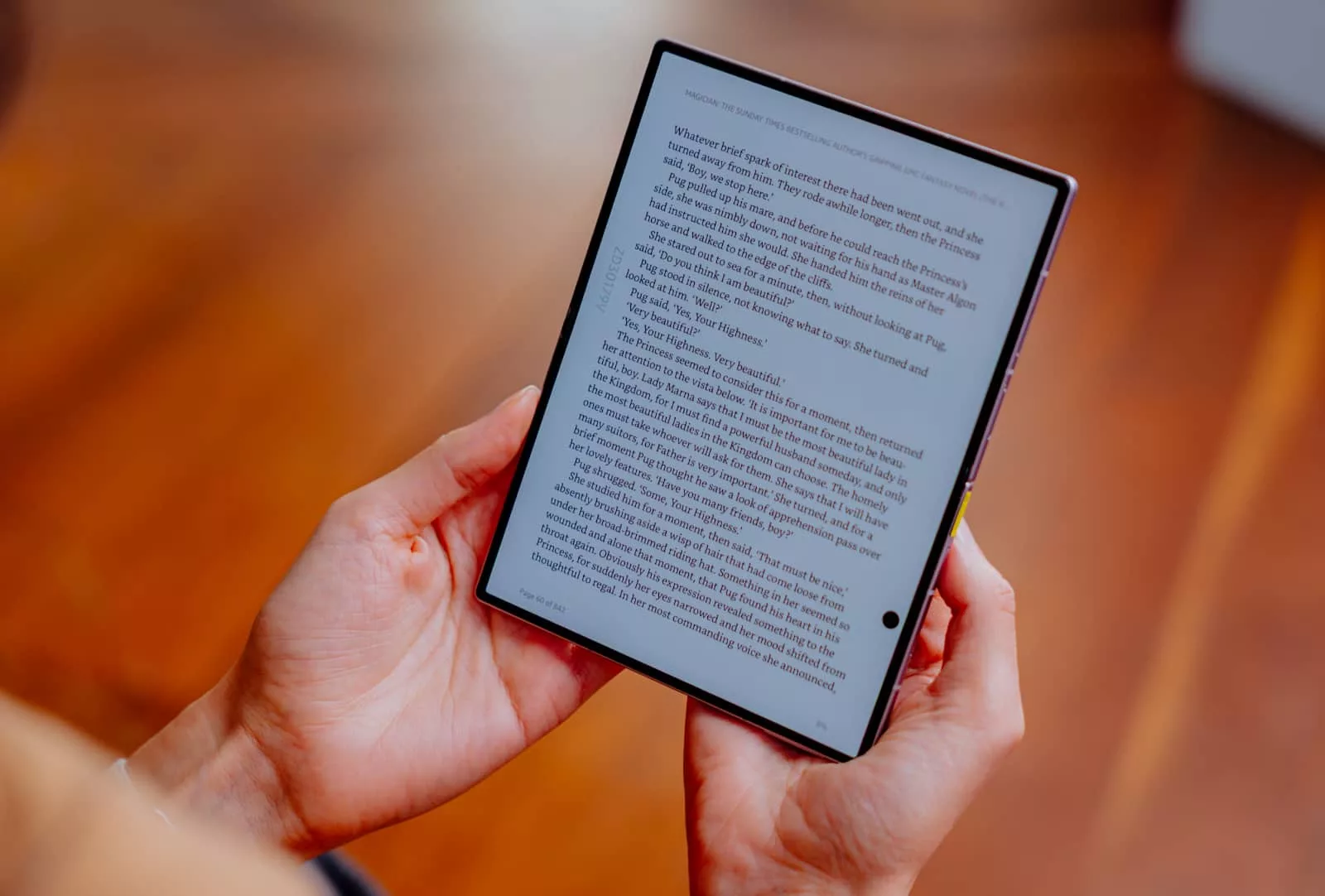
Like other foldable phone-tablet hybrids, this one is a phone that unfolds into a tablet. Where it differs, however, is by using a chunky 10:16 aspect ratio for the cover screen compared other the 21:9 on the taller models. When unfolded, that becomes a 4:3 tablet, making it more like the iPad Air and other iPad models, but in a smaller size.
Essentially, it’s a compact albeit wide 5.5 inch phone on the outside, while the inside sees a 7.6 inch display, working to a 4.5mm thickness unfolded and a 9.7mm thickness folded, making it more a reversal of the S26 Ultra’s 7.9mm thickness. Chunkier on width and on thickness, it seems.
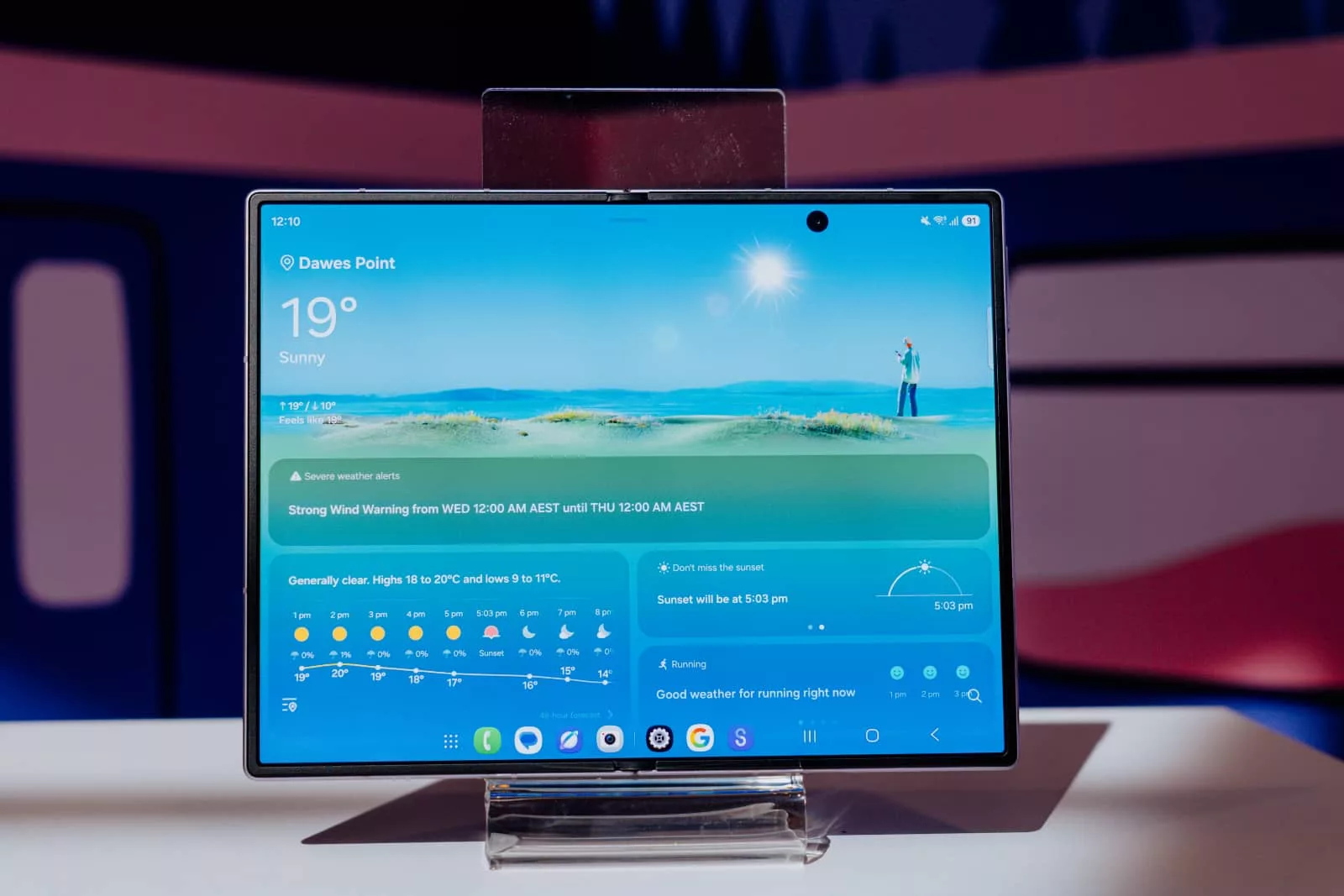
The change in design will mean fitting more on the screen when talking about width, however, and that could be good news for watching or reading, particularly as 4:3 could feel more like a single-page reading experience like that of a Kobo or Kindle.
Inside, the hardware is quite similar to the flagship Galaxy models, supporting Qualcomm’s Snapdragon 8 Elite Gen 5 processor, while the cameras aren’t quite as high: two 50 megapixel cameras for wide and ultra-wide, with no telephoto, while two 10 megapixel selfie cameras sit on the front of each, well, front. There are two fronts, after all.
The battery is also smaller than we’re used to, with. the 4800mAh likely hitting a day, though we’re not sure how much longer it will handle.

Easily one of the more unique phone models so far, Samsung’s Galaxy Z Fold8 is a different take on the foldable, and possibly a preview of what’s to come from Apple given the unusual approach to screen sizes.
A familiar phone in the Fold8 Ultra
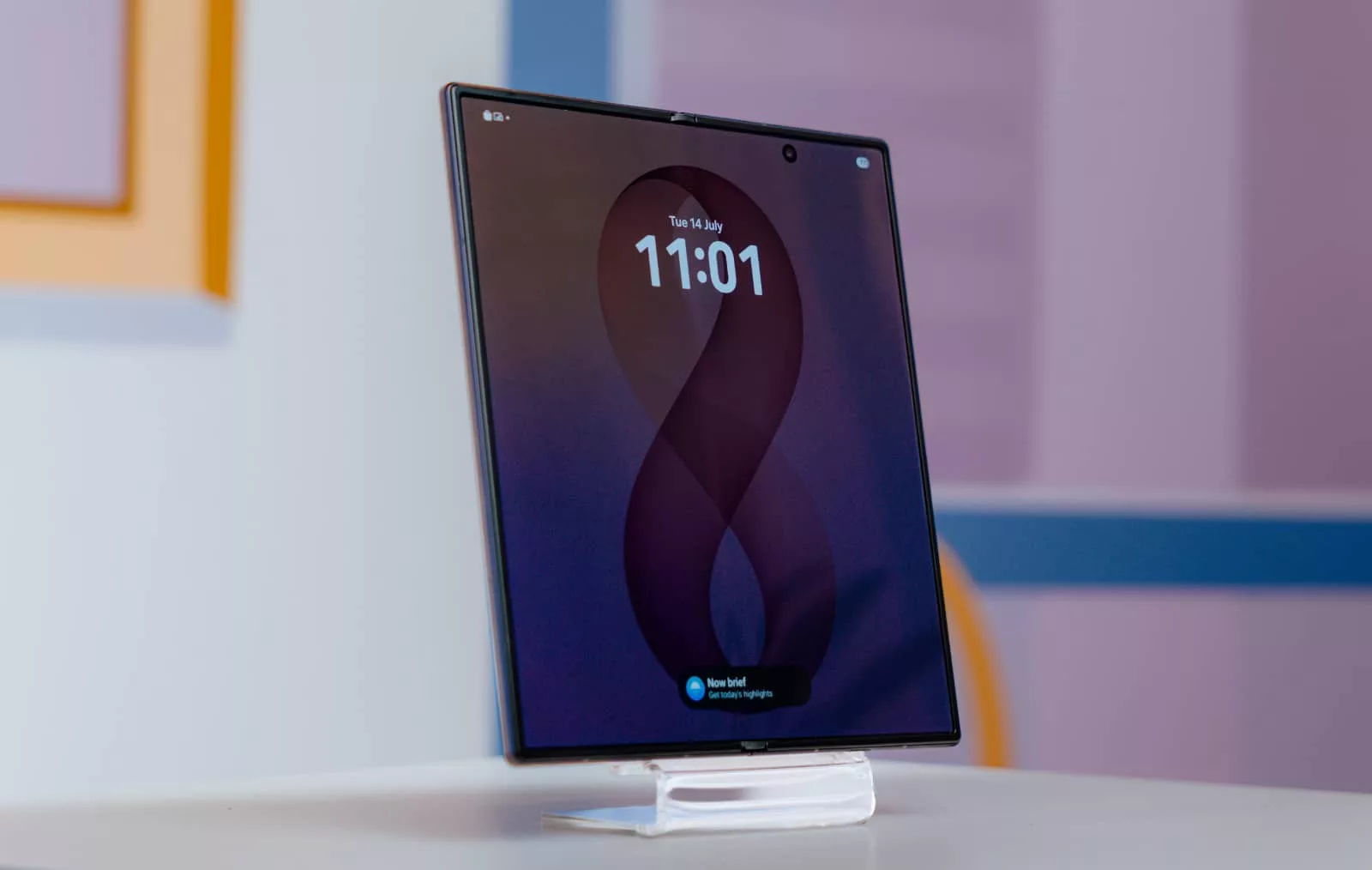
A less unusual approach to foldable screen sizes stays in the Fold8 Ultra, the model which feels like a direct follow-up to last year’s Galaxy Z Fold7.
In this incarnation, the design is similar even if the new “flex titanium” material is under the hood. However, what’s also under the hood is that same Snapdragon processor, a bigger battery (5000mAh), a new charging architecture to keep the system reliably charged throughout the day, and the same tall screen design that unfolds into a tablet.
That means the Fold 8 Ultra gets two 6.5 inch screens that unfold into an 8 inch tablet, sized to 4.1mm at the thinnest and 8.9mm at the thickest, a little thicker than the iPhone 17 Pro Max’s 8.75mm thickness.
The cameras are more impressive, though, boasting the 200 megapixel wide camera used in the flagship models alongside a 50 megapixel ultra-wide and a 10 megapixel telephoto. Meanwhile, there are two 10 megapixel selfie cameras, too.
A familiar flip in the Flip8
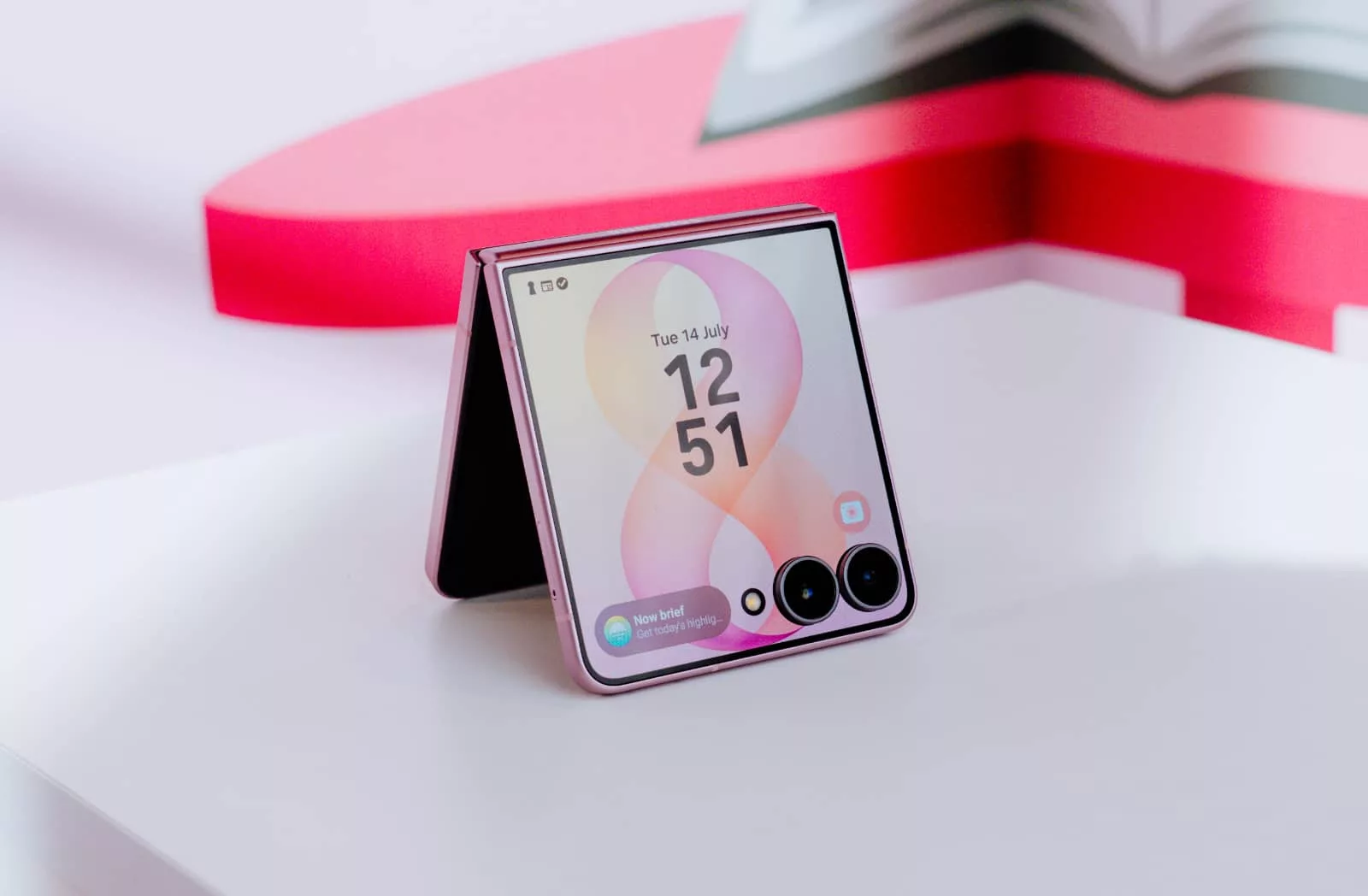
Finally, there’s the Flip8, and this is one that doesn’t feel like it has seen a heap of changes.
Like its Flip7 predecessor, it will sport the same type of screens, with a 4.1 inch outside cover screen and a 6.9 inch internal foldable screen, and even the cameras appear to have largely stayed the same, offering a 50 megapixel wide and 10 megapixel ultra-wide.
The major change appears to be on the design and processor, dropping in size down to 6.1mm unfolded (down from 6.5mm) while the folded thickness sits at 13.1mm down from the 13.7mm of its predecessor.
There’s also a new processor along for the ride, but very little seems like it has changed in this variation.
Pricing and availability
However, thanks to the fact that there are now three folding phones, prices might be a little more compelling, even in this era of AI making everything more expensive.
Granted, the models definitely read as more expensive this year, and you can likely thank AI for that, but it is what it is. At least there are a few price points to work with.
Samsung’s Galaxy Flip8 will kick things off from $1949 with 256GB, while a 512GB model will cost $2249. In the passport-sized Z Fold8, the phone starts from $2699 for a 256GB model, hitting as high as $3599 for 1TB.
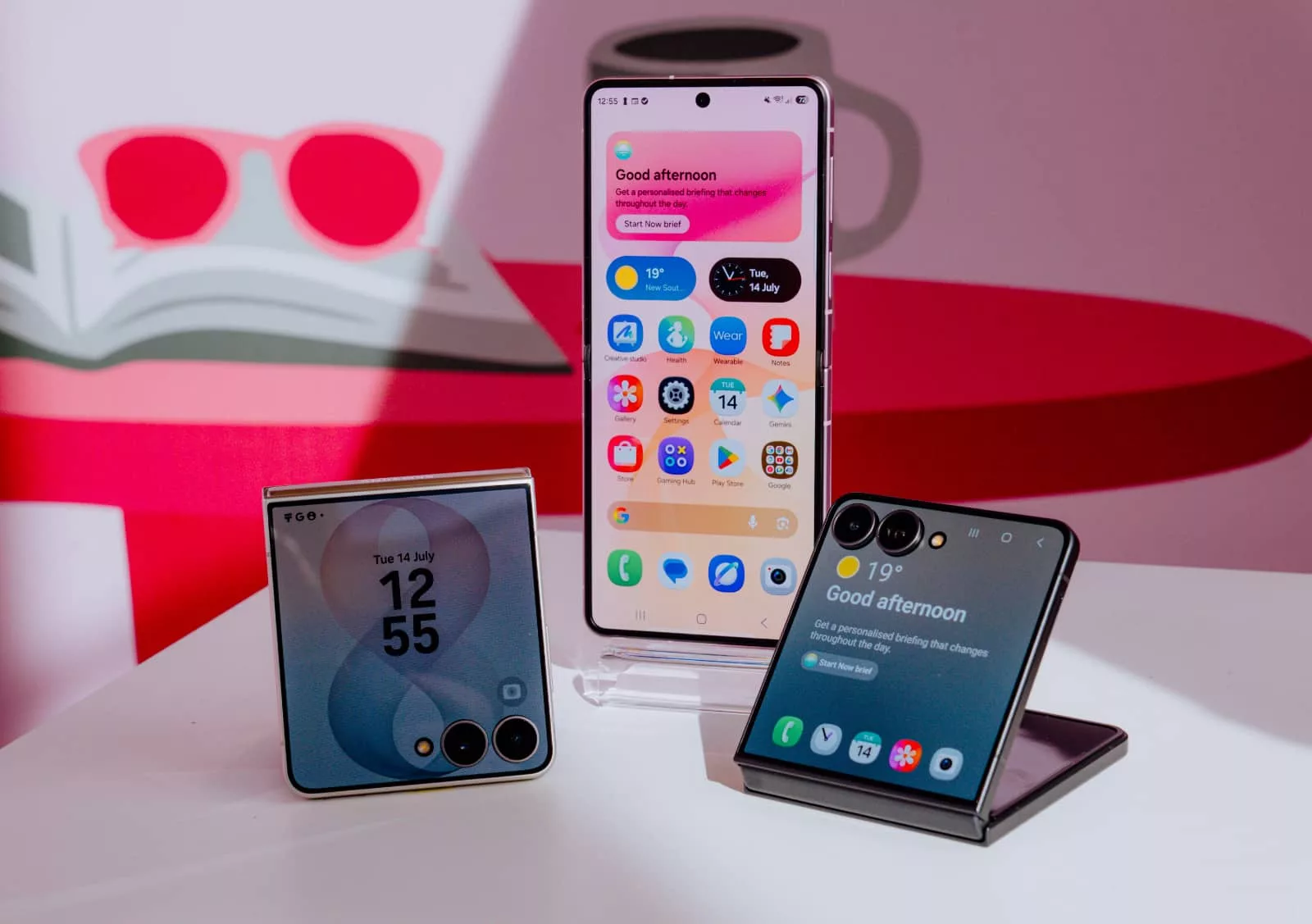
And if you feel like spending on the Ultra model, that will start at $2999 for a 256GB variation, while the 1TB option will cost as much as $3899. Yep, we appear to be almost at the 4K phones, and not in the screen quality (though Sony did have a 4K screen in phones a while ago).
“Eight generations ago, we introduced a new category that challenged conventional smartphone design,” said Eric Chou, Vice President of the Mobile Experience at Samsung Australia.
“Today, we’re continuing to push the boundaries and prove that there is no compromise when it comes to the foldable smartphone experience,” he said. “With the Galaxy Z series, we’re delivering our most complete foldable lineup yet and setting a new benchmark for productivity, entertainment and everyday convenience.”
Australians can expect the line-up from August onwards, with all three models likely heading to telco and store, online and offline.