
Quick review
The good
The not-so-good

It’s not easy to tell the Sonos Ace from the Sonos Ace Ultra, but you may not need to. The latest headphones deliver a lot of good reasons to consider, and some that also still might need work.
Spending top dollar on headphones typically means knowing you’re going to get the best sound and the best noise cancellation, but what else can headphones do for you?
Can they change how you experience the music you live? Can they make the music travel with you, working at home without them and then seemingly taking it with you to go?
Both of these are ideas that Sonos has talked about with its first take on headphones in the 2024 Ace, headphones that promised a lot, but didn’t quite deliver on the full picture.
Two years on, Sonos is back with a pair sporting upgrades and an “ultra” name. Can the Sonos Ace Ultra live up to the dream, or does the company need to wake up and fix things?
Design and features
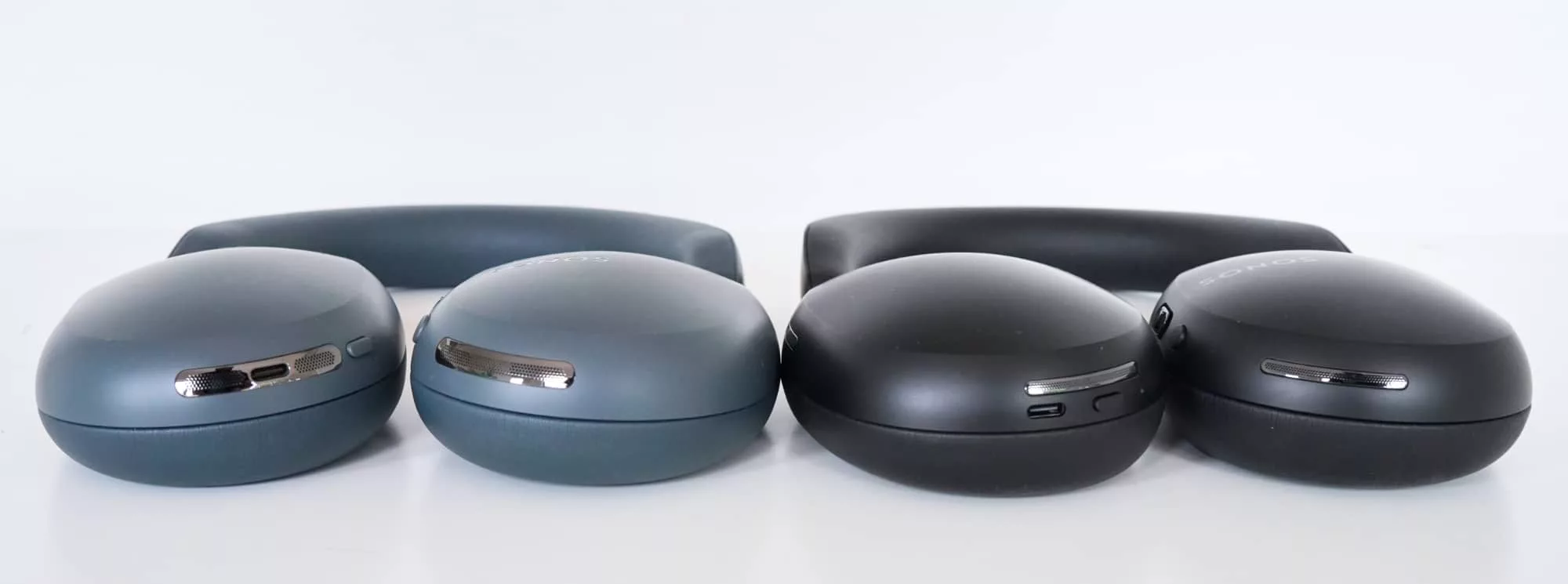
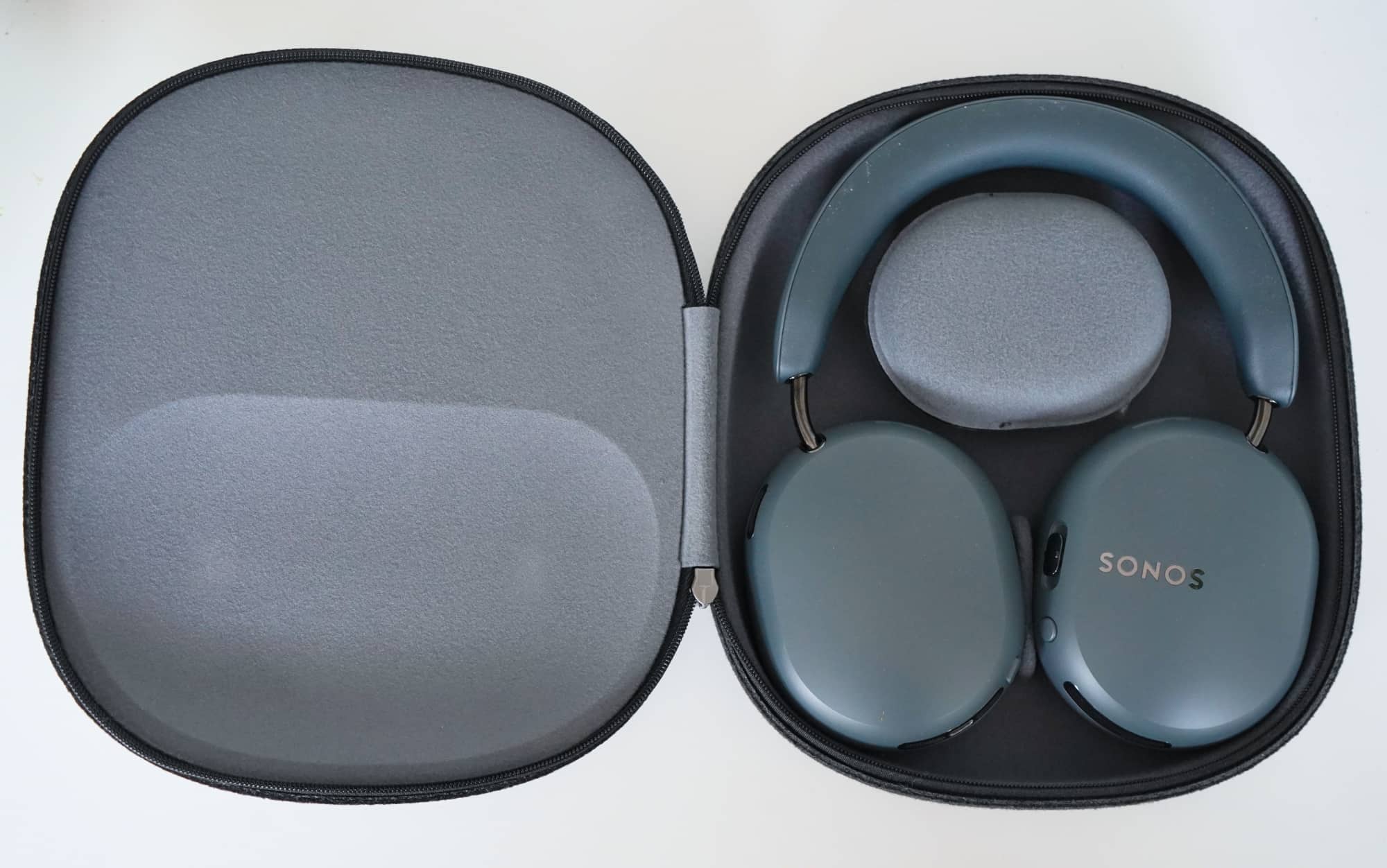
Appearing as almost the identical clone of its Ace sibling, good luck telling the difference between these two. They look exactly the same. Almost, anyway.
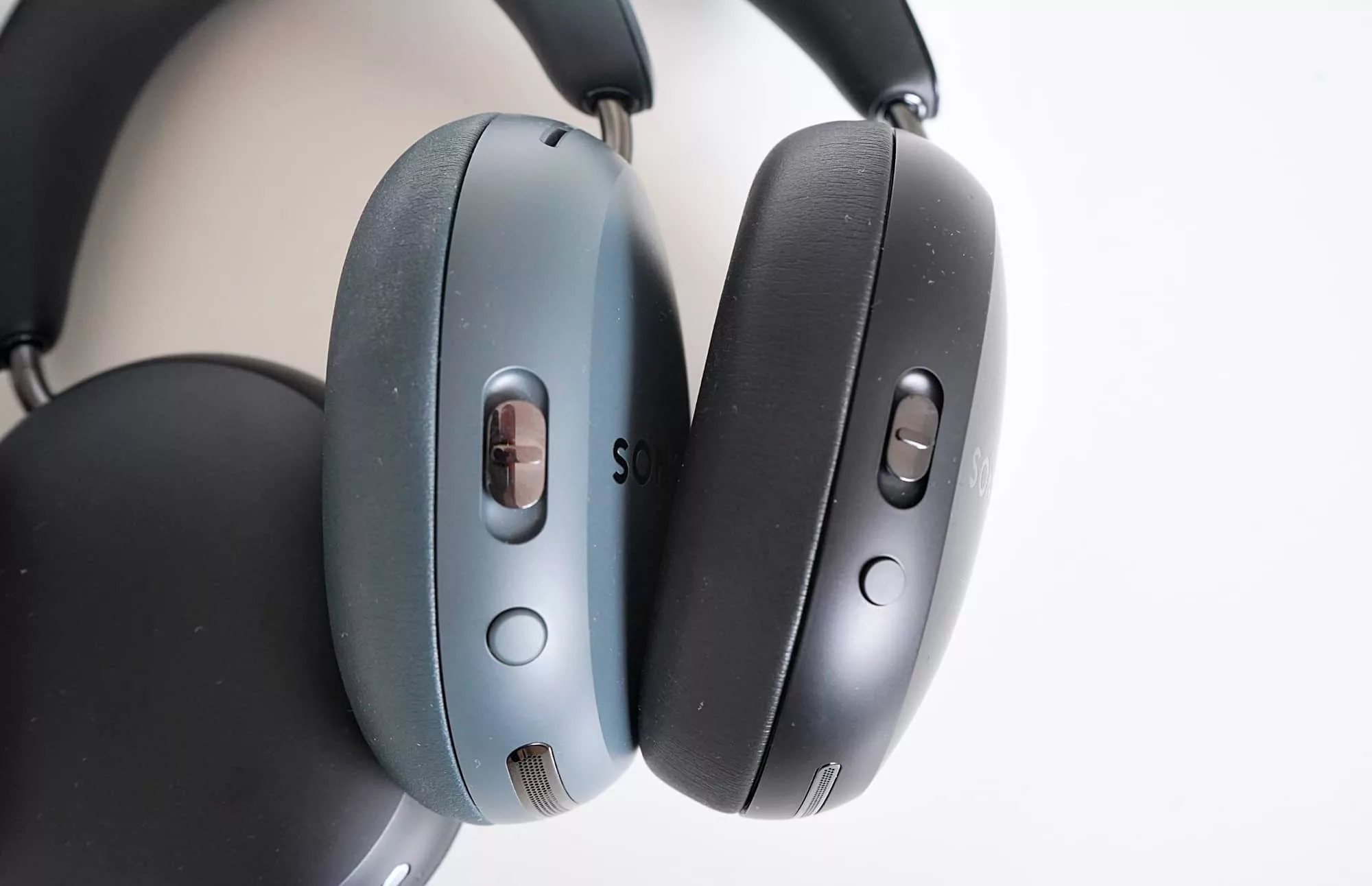
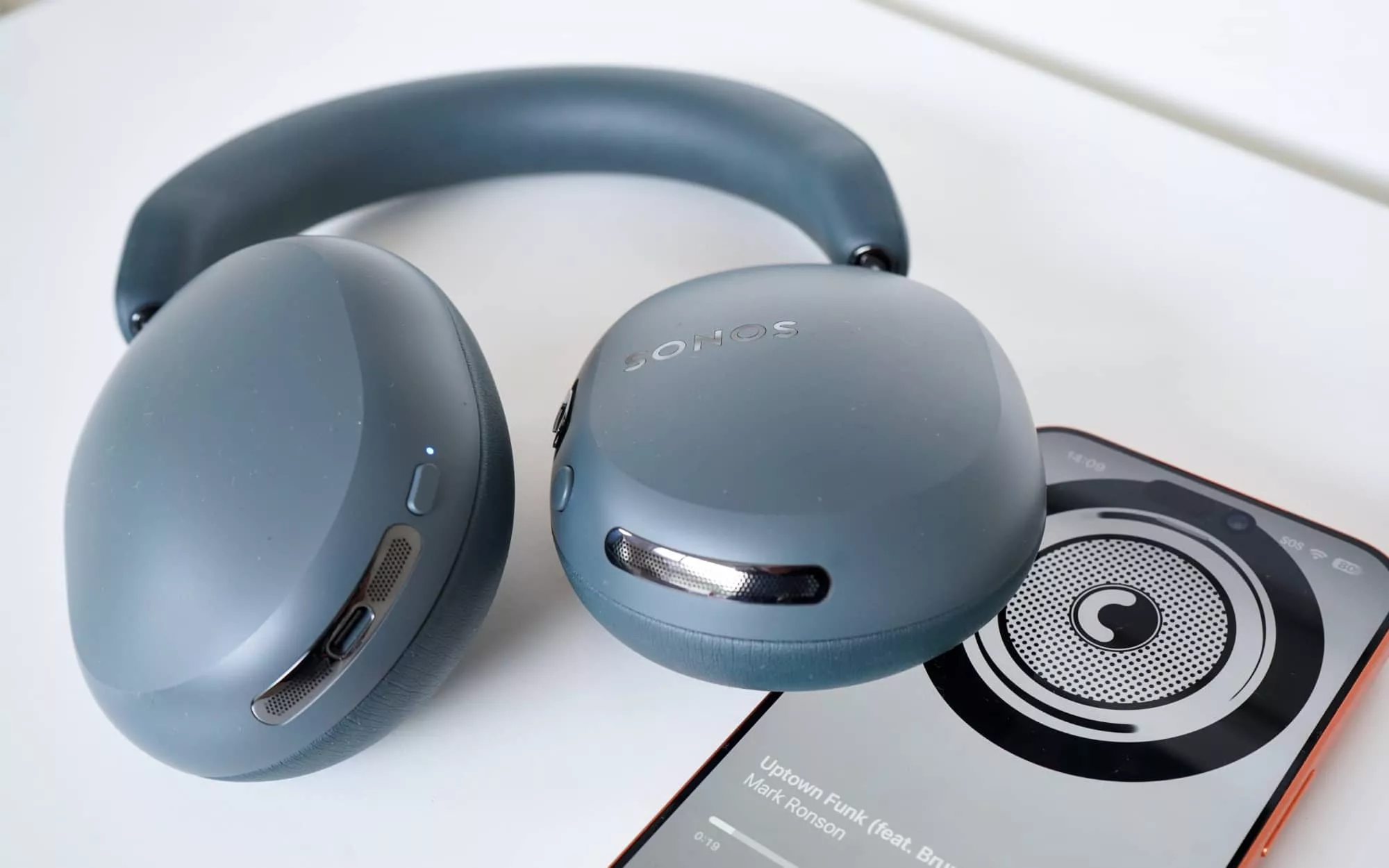
Upon first glance, it would be very easy to just assume the Ace Ultra is the Ace. That’s not actually the case. The bottom grill looks a little different, and the buttons and volume switch-slider are actually slightly bigger.
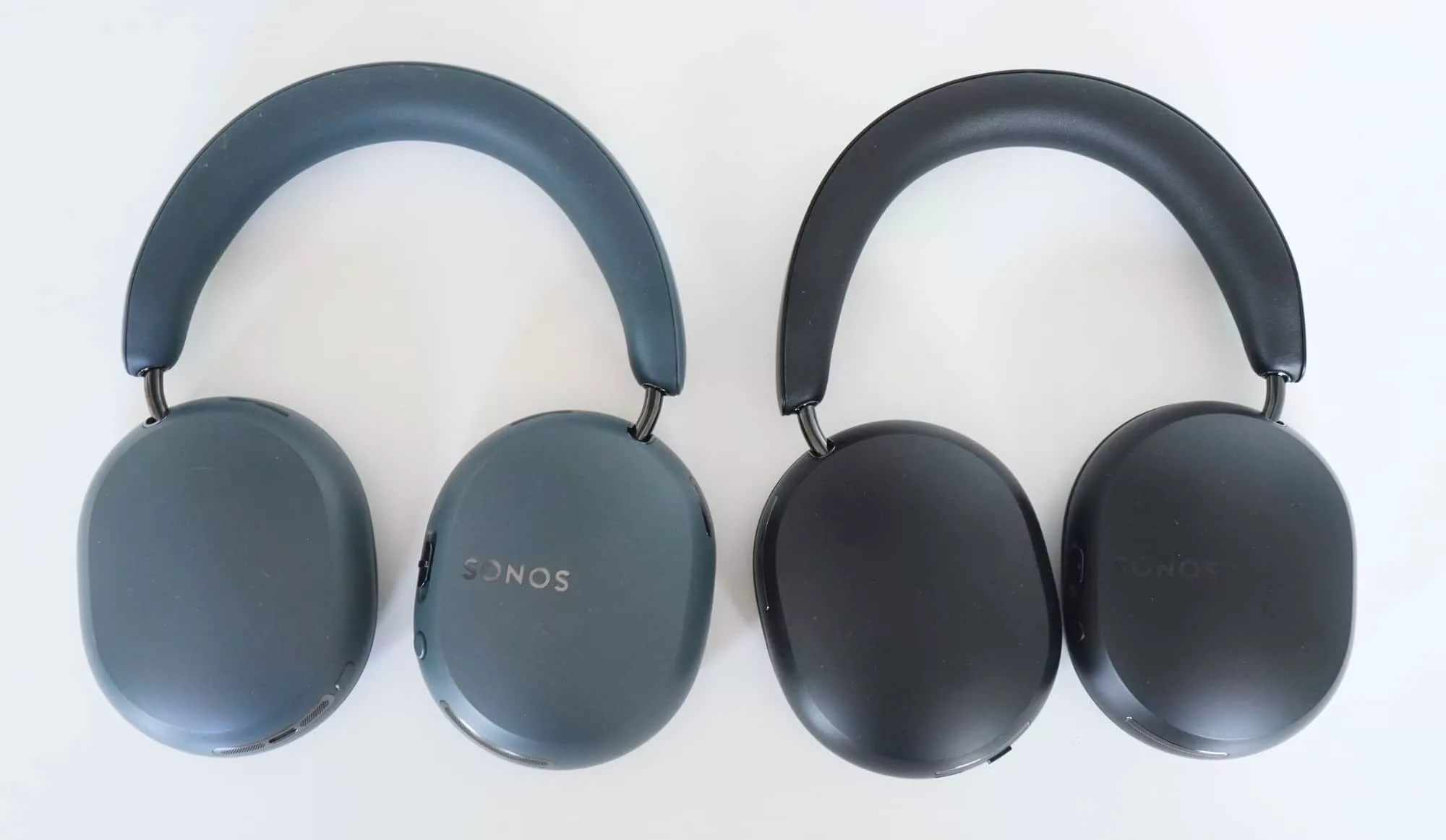
Even though the Ace Ultra headphones look the same as their predecessor, there are still subtle changes that aim to make using it that little bit easier.
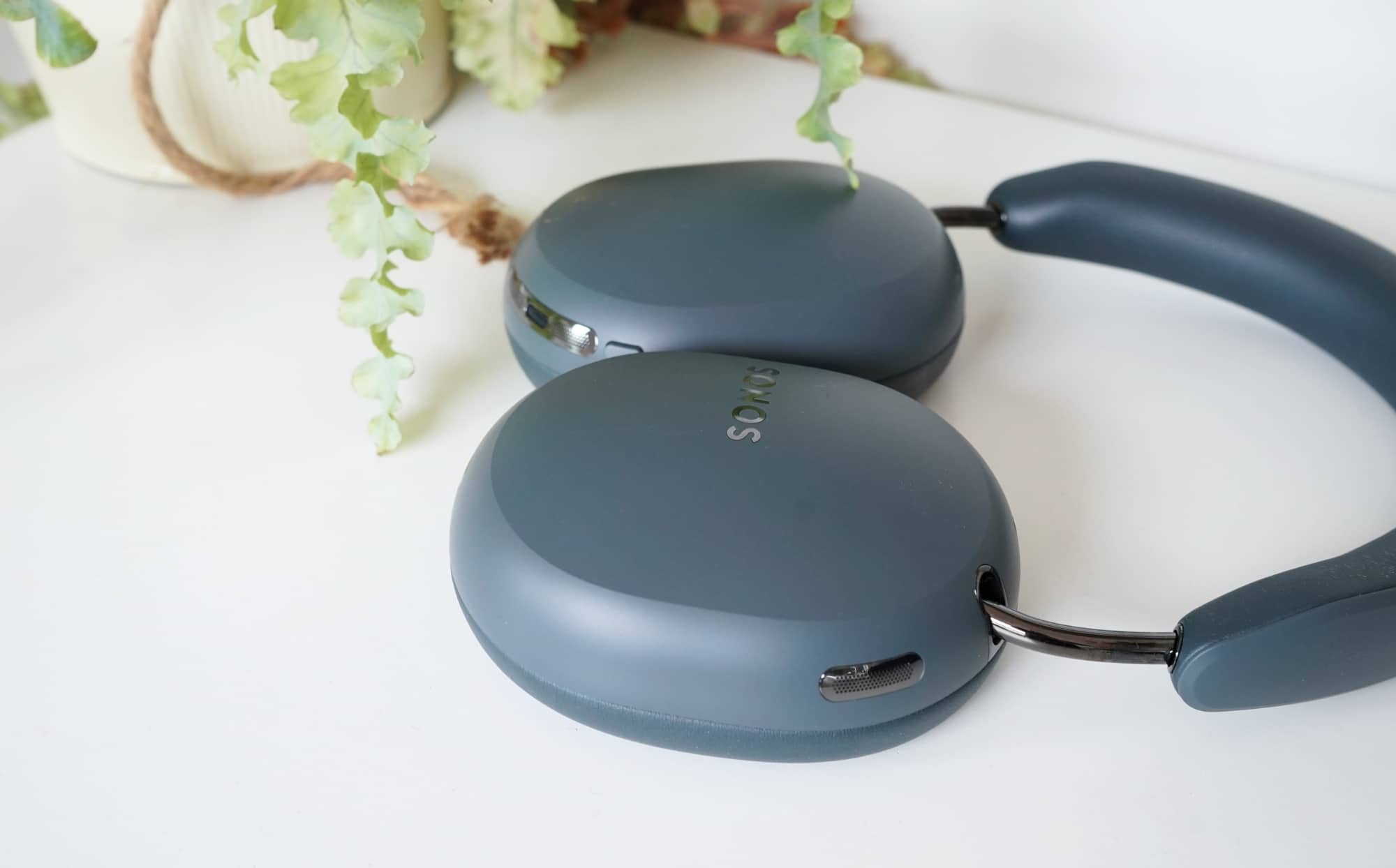
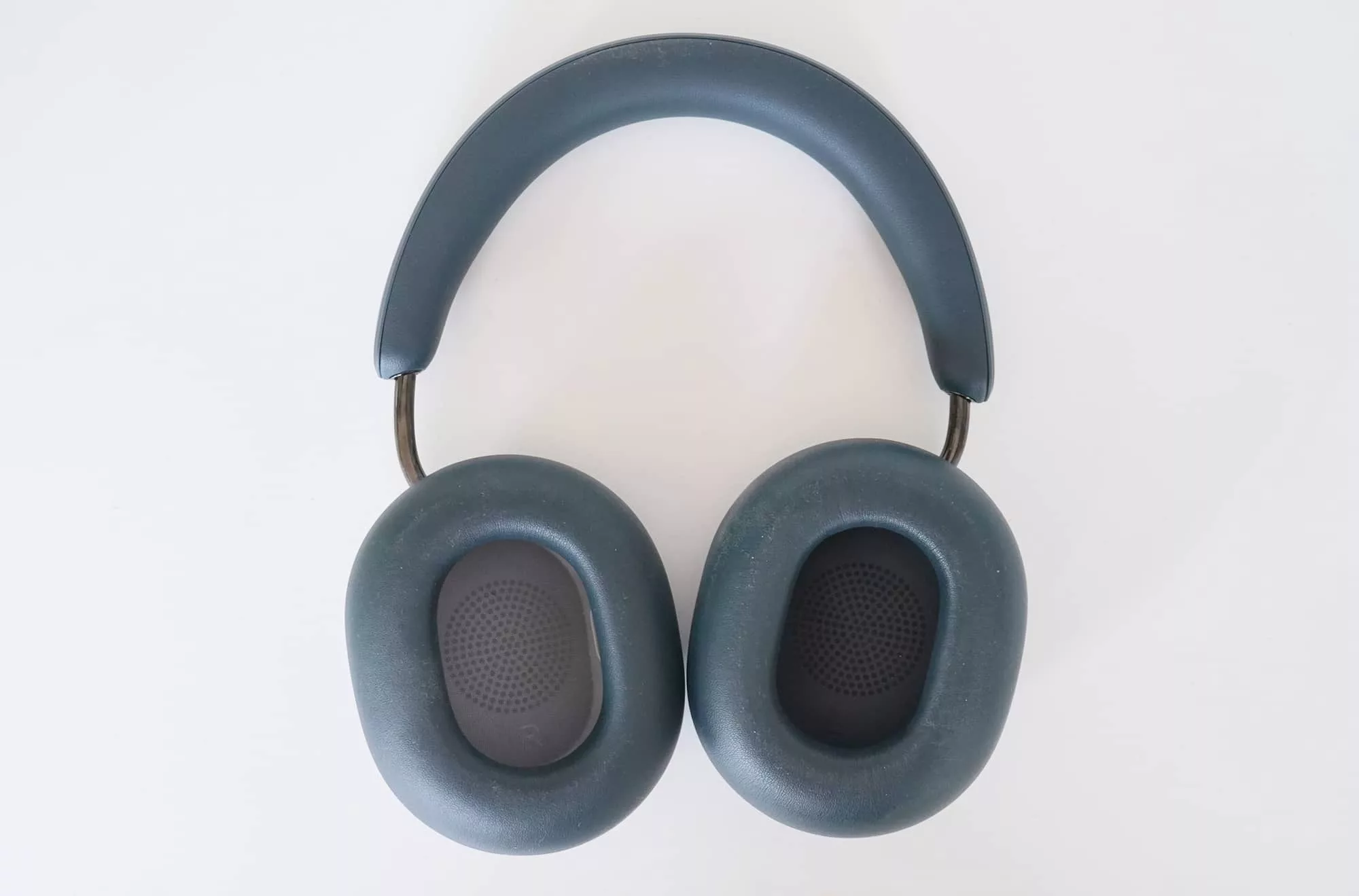
You’ll also find more colours, with just the black and white shades of the Ace expanded to include a dark “agave” green and a more beige “sand”. We opted for agave and loved the aesthetic, which is an almost warm blue green that stands out.
No other headphones offer this colour, and given the headphones are one-tone accented by an almost platinum metal, it’s a lot of that blue and green that we’re here for. It’s quite nice, actually.
Under the hood is a custom 40mm driver for each side, designed by Sonos specifically for the Ace Ultra, and working with processing but to let the headphones not only work over Bluetooth 6, but also talk over WiFi and link to a Sonos system.
Ten microphones in total can be found on the Ace Ultra, five on each ear and split across capability, covering noise cancellation, the “aware” transparency mode, and even those things known as “calls”, handy if you still actually talk to people.
In-use
Wear the headphones and you’ll quickly find the pads are welcoming, surrounding the ears with comfort, which is absolutely great. This reviewer wore the Ace Ultra for over three hours before he really started noticing they were there, and it hardly bothered him, leaving them on for even longer past that.
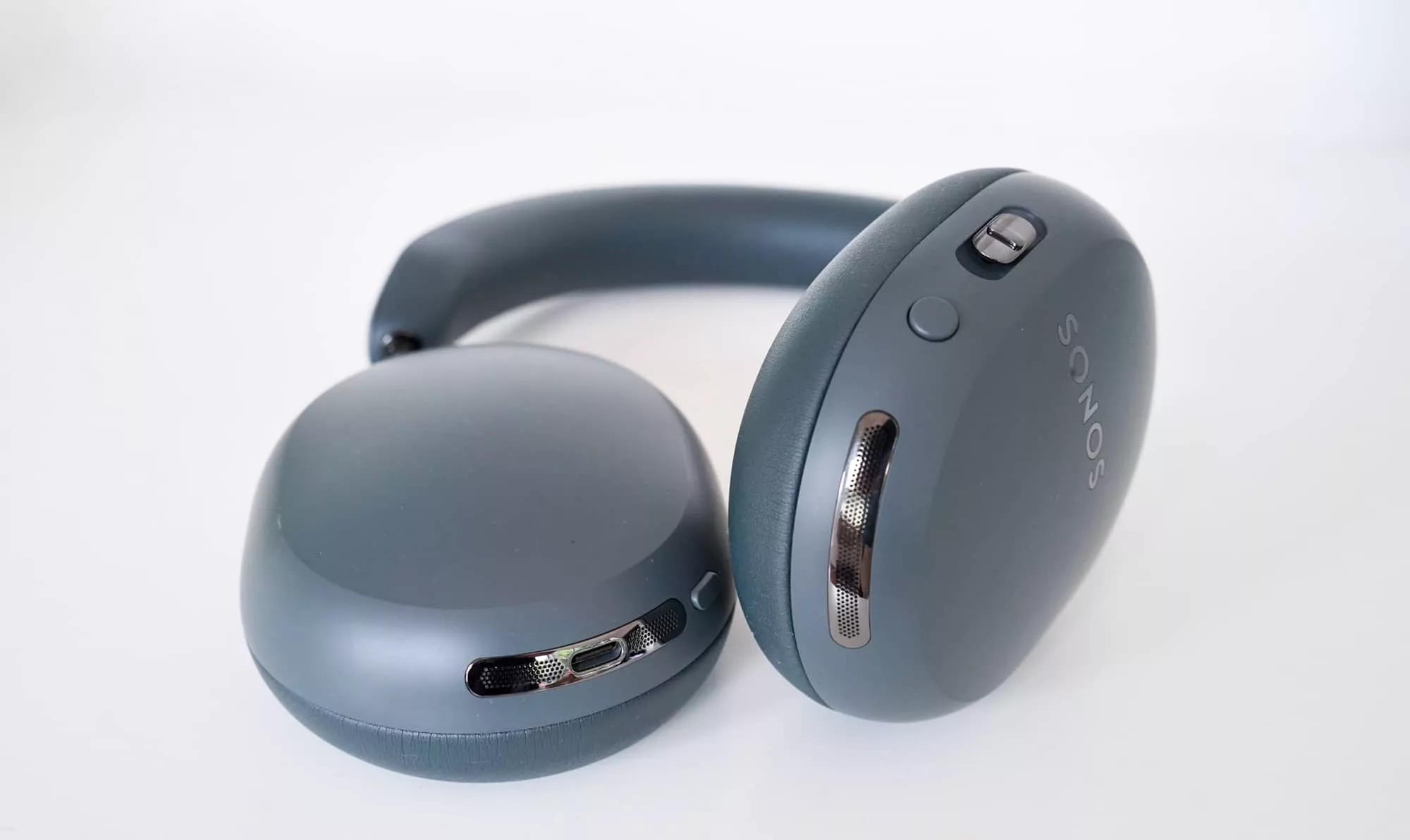
You will want to memorise the controls, though, and fortunately there aren’t many you need to commit to memory. Three sets of buttons are found here, offering a bit of a minimalist set of controls.
On the left is the power and Bluetooth button, which basically works to power up the headphones and switch devices, while the right sports a slider-style of switch known as the “Content Key”.
This slider works for volume up and down, which also works pause, play, and skip songs when pressed in. Once for pause and play, twice for forward, and three times for going backwards, which is about par for the course for Bluetooth headphones.
Under the Content Key slide controller is a circular button, which just like its predecessor acts as a noise control mode, switching you between active noise cancellation and the aware transparency mode.
From headphones to speakers (and back)
The Sonos Content Key also has another trick, though it’s one that’s more of a beta feature, allowing you to throw content between Sonos speakers and your headphones.
That’s the idea, anyway. We couldn’t get it working during the Ace Ultra review period, but from what we’ve found, it may not simply work to let you jam to the same tunes coming home from work. To throw music, you need to have it start from the Sonos app, which goes against how most people play music from their phones.
If you do decide to play music starting from the Sonos app, you’ll find that it will only offer music control when you’re connected to WiFi, and even then your choice of controls isn’t great. All you can do is skip a track. It’s less than fantastic and not what you’d expect today.
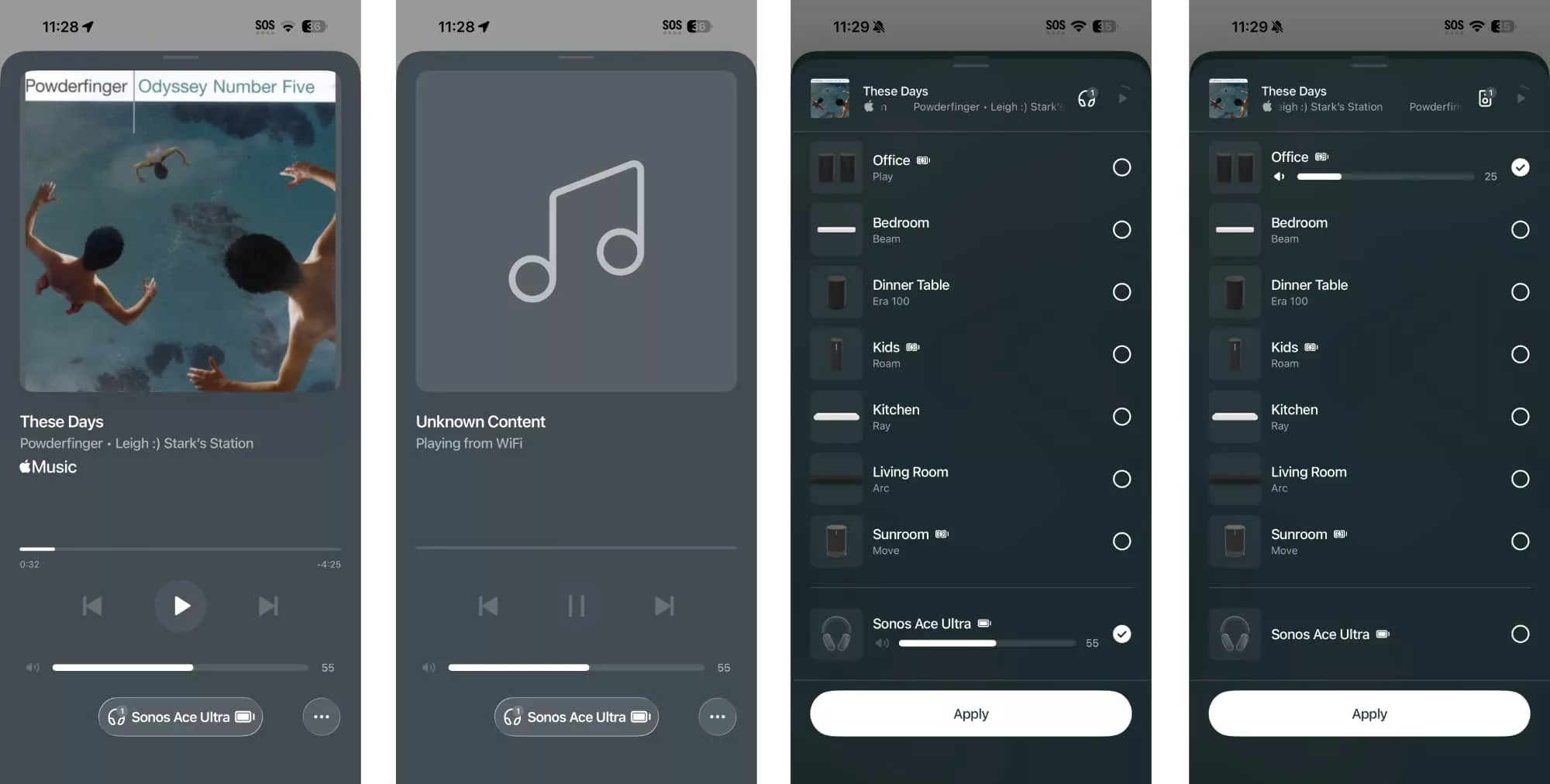
Disconnect from WiFi and the app experience somehow gets worse. Crazily, it still plays music, and the app keeps on working despite showing nothing more than “Unknown Content”, something we tested by turning WiFi off and running tunes solely on 5G.
For fifteen minutes, our tracks downloaded over mobile, but the app didn’t change. It’s crazy.
Connect to WiFi again, and the app returns to life. Suddenly the album art returns, you have your minimum set of controls, and can throw back to the Sonos speakers in your world. Pick your headphones or a selection of speakers. That’s the choice.
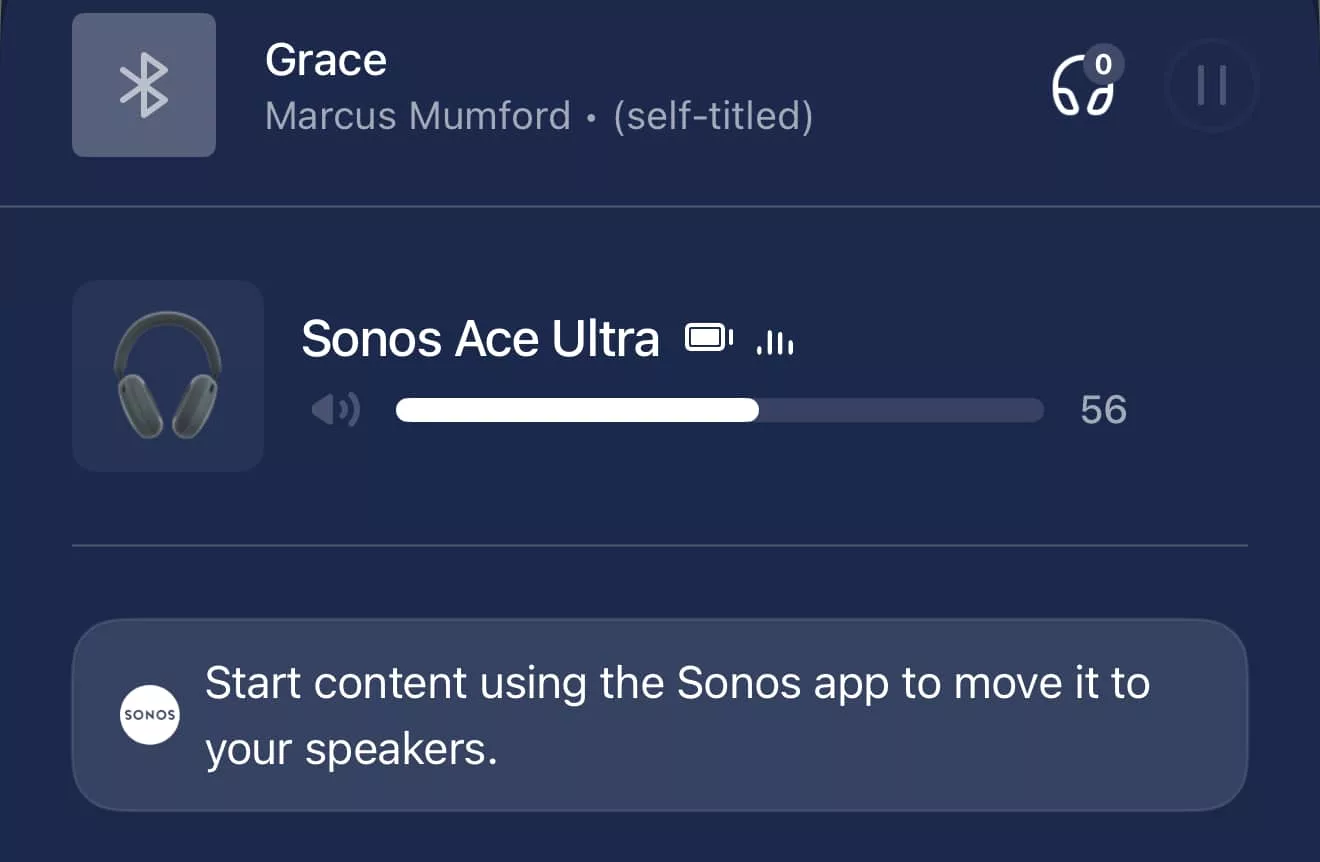
But if you think you’re going to come back after a long day listening to tunes and simply move the music from your headphones to your Sonos speaker system, you are out of luck. To do that, you need to use the Sonos app in a way where it’s broken for portability, and it’s just not convenient at all.
Sonos app
There are reasons why you mightn’t want to use the app in general.
While the controls of the Ace Ultra are somewhat minimalist, they’re still easy to get the hang of. And that’s good because while you also get the support of the Sonos app, you may not find you want to use it with the headphones.
Yes, it’s the same app used for Sonos speakers, so that’s a positive. You don’t need an extra app, and can just get stuck in, using the same design and interface to change the equaliser, to flip noise cancelling modes (ANC or transparency and aware), and even fiddle with spatial audio.
The problem is that Sonos’ app still doesn’t feel like it is made for headphones, and so if you already have Sonos gear in your life, switching into the app can feel like a delayed feature.
And when we say “delayed”, it’s meant in the literal sense.
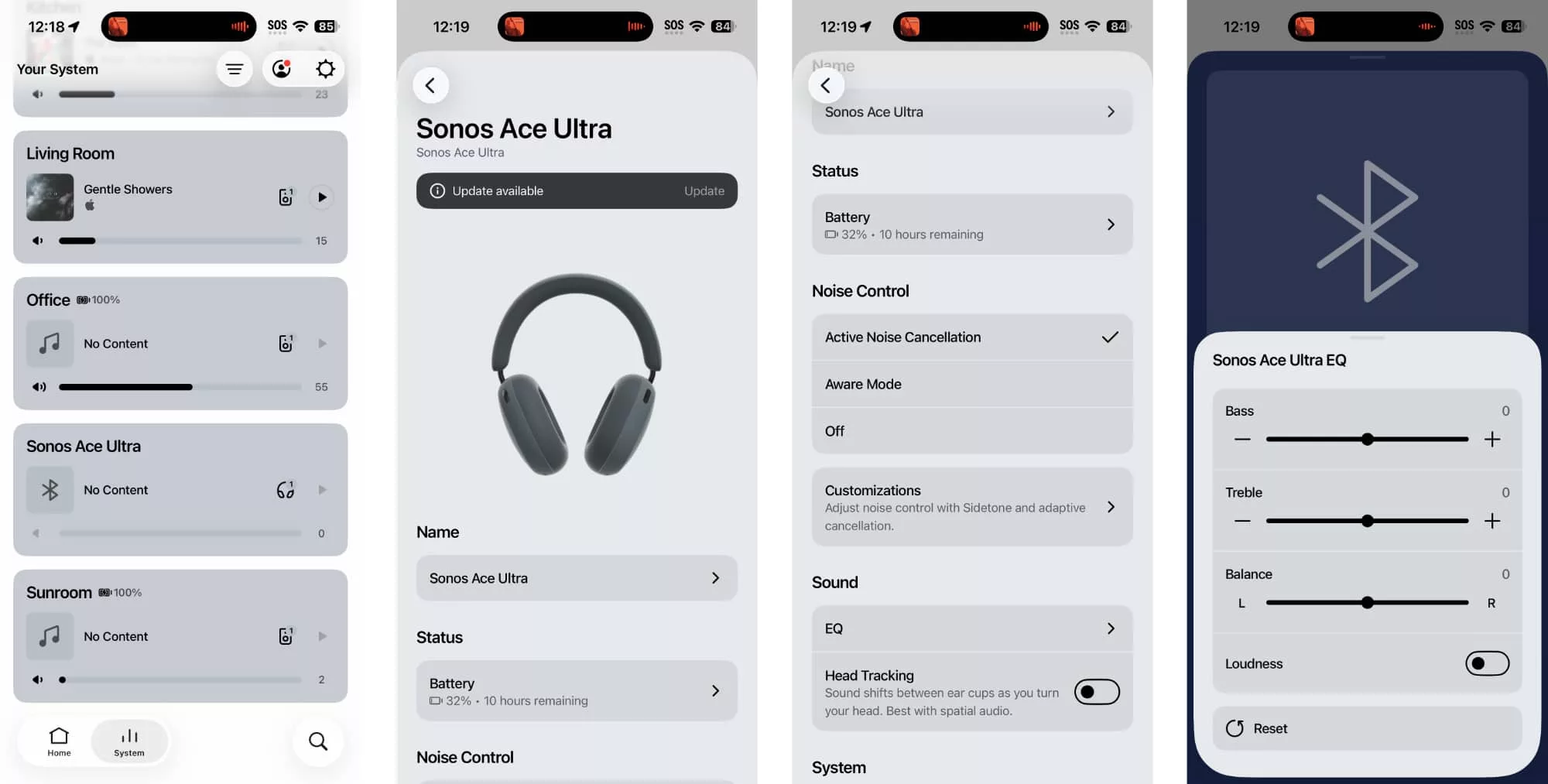
Opening the Sonos app at home with the headphones on, often means waiting until the app realises the Ace Ultra are a part of the entire system. There’s no AirPlay support here and the whole thing uses Bluetooth, but the networked speakers need a little bit of time to talk. Weirdly, it’s similar when you’re not at home.
When you’re out and about without your home network, the system should simply recognise the Sonos system isn’t here. That does happen, but it takes a few extra seconds.
Between that and the app feeling like it’s not really made with headphones in mind (and it technically isn’t), the Sonos app can leave you feeling as though the app has been forced to work with the headphones.
Like a belligerent child that just doesn’t want to be there but doesn’t have a choice, so too does the app work, almost begrudgingly.
You can actually live without using the app, or more specifically, going out of your way to use the Sonos app. You can’t with the speakers — the app is definitely needed to make the speakers and soundbars work — but the headphones only need the slightest bit of app support.
Get used to using the buttons. It might just be easier.
Performance
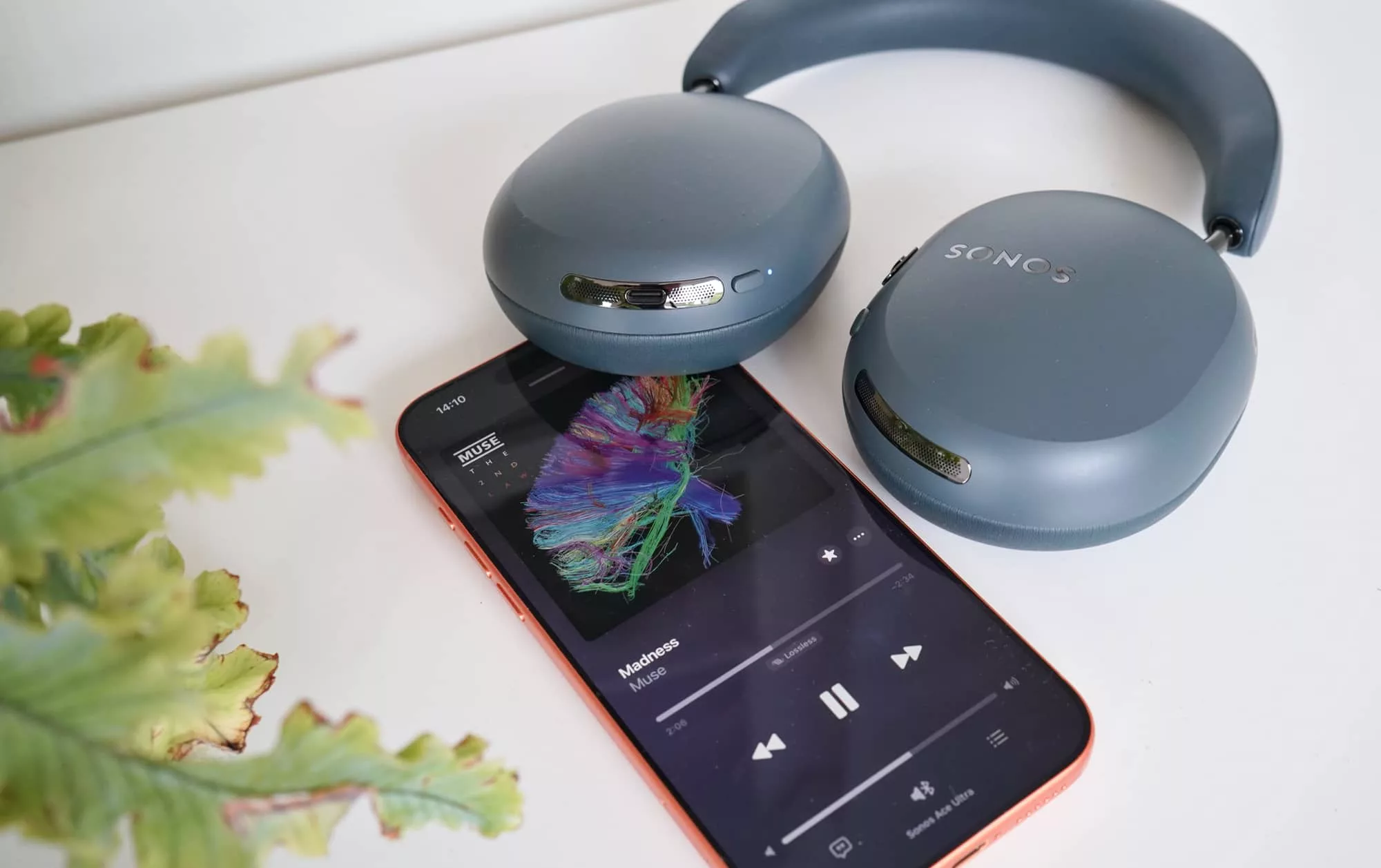
Whether cordless or corded, the most important part is how the headphones sound, and for that we turn to the Pickr Sound Test, which you can listen to for yourself.
As usual, that kicks off with electronic, where Tycho and Daft Punk deliver bass where it counts and a warm sound. The mids and lows are clearly where the action is, and the highs just behind it, a feeling you experience from track to track and genre to genre.
Take the vibe of Carly Rae Jepsen’s “Cut To The Feeling”, which is normally a bright punchy track with a deep hit of bass in the drums. Here in the Ace Ultra, the lows come off a little larger, with the balance mostly there, but more from the mids.
It’s the same in other modern tracks: Mark Ronson’s “Uptown Funk” sets a comfortable and warm tonality, while an older spot of soul in Marvin Gaye’s “Ain’t No Mountain” delivers the same warmth with great detail in rounded bass.
The sound was consistently like this, where the highs would take a slight backseat to the mids and lows, and superbly mastered tracks would just shine. Bowie and The Beatles and jazz and classical came off like a big speaker, delivering a wide and spacious sound with the right amount of grunt and detail.
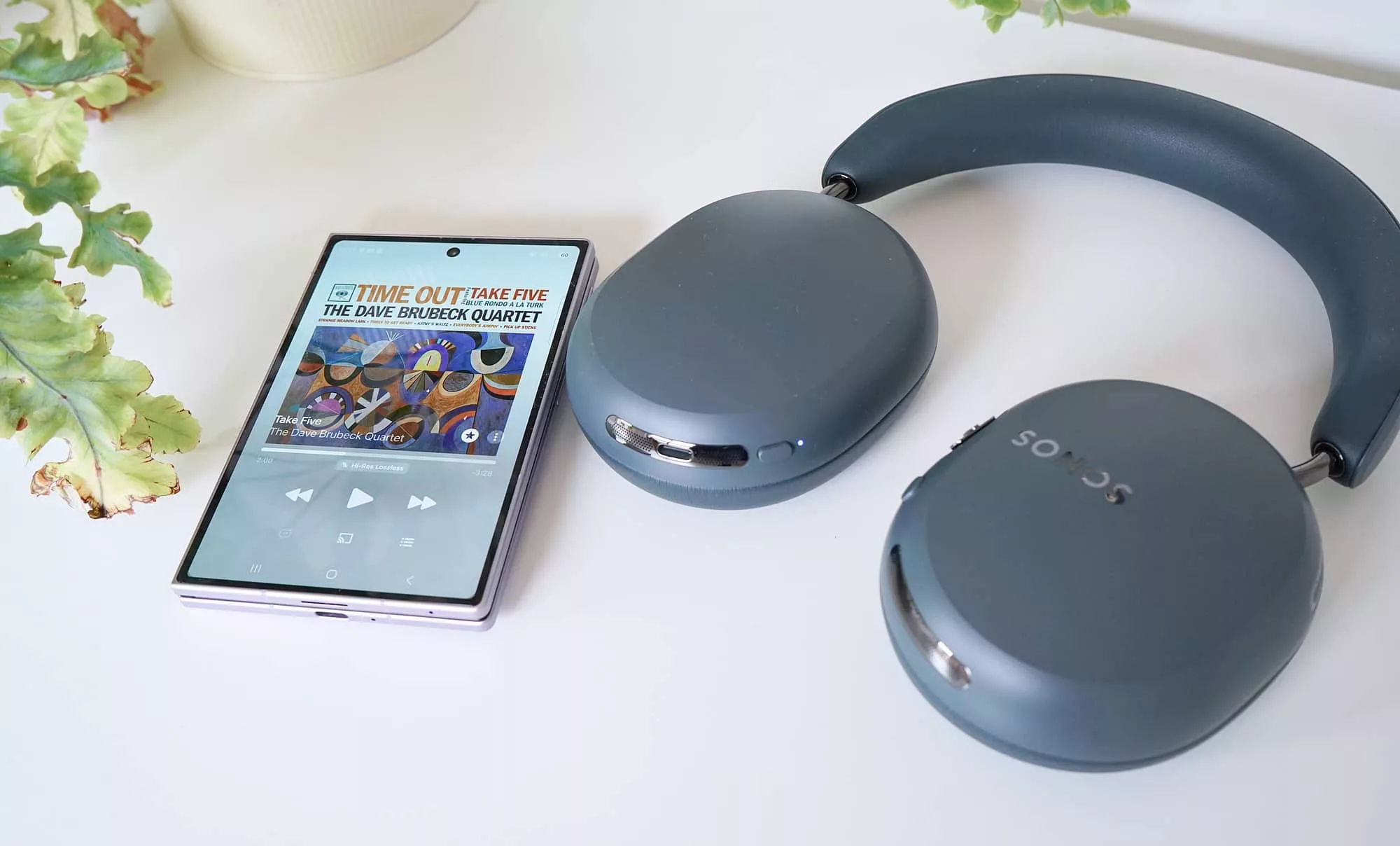
Noise cancellation
The delivery of sound is just as good as it ever has been, and so is the noise cancellation, which sees a slight improvement thanks to the addition of one more microphone per ear.
A total of ten all up sit on the Ace Ultra headphones, counting five per ear over the four per ear in the standard Ace.
Most people probably won’t notice the difference, but coming into the Sonos Ace Ultra fresh, you’ll find solid noise cancellation that deals with the background sounds of life. The hum of transport, the choir of humans all talking in unison, even the sound of nature largely disappears, though some still gets in.
Ten microphones are a lot, but it’s not quite where the best noise cancelling headphones land. But it’s also not far off, and you’d have little reason to complain. They’ll easily handle flight and the regular day-to-day, that’s for sure.

Spatial audio
Alongside the noise cancellation is another one of those premium features we love to see in high-end headphones: support for spatial audio, also known as immersive audio.
For those playing along at home, spatial audio is essentially an expanded version of the stereo sound you know and love, and probably best describe as surround sound for your tunes and films. You already know what surround is for movies, now imagine that for your music.
Using a combination of sound virtualisation and head-tracking, manufacturers can make this a reality by having your head move inside the bubble of sound, providing you a more immersive take on music.
Over in the world of Apple (using an iPhone or iPad and an Apple- or Beats-made pair), you’ll find an actual Dolby Atmos soundtrack available to you. But not with Spotify on iPhone, or Tidal on iPhone, and not with headphones on iPhone not made by Apple or Beats. It’s a bit of a mess.
That means the Sonos Ace Ultra can’t play a standard spatial track on an iPhone, and it won’t do it using Apple Music on Android, either. We checked.
But neither can the Bose QuietComfort Ultra models, and so this does what the Bose headphones does: fakes it. That’s not strictly true, because you’re not getting a fake version of spatial audio, but you are getting an emulated sense of Atmos’ spatial surround using the Sonos Ace Ultra, at least in music.
Switch to the cinematic mode and listen to a film sent your way via a Sonos soundbar, and the spatial appears to be surround. That’s definitely closer to what we want, and it’s about all you can hope for until Apple lets go of its hold for Apple Music on the iPhone and the like.
Battery
The lack of a true spatial mode isn’t a Sonos problem, but it does a job. Fortunately, so does the battery, getting a little more than much of the competition, except for possibly Sennheiser which achieves nearly twice the battery life.
Officially, Sonos paints the Ace Ultra’s battery life at roughly 35 hours, which appears to be a maximum when stereo is on without spatial audio. Depending on how you use the headphones, you’re likely to see between 15 and 30 hours, at least based on our tests.
However, you will want to make sure to turn off the headphones. We found the battery could still drain in the background when you didn’t (which makes sense) largely because the headphones didn’t appear to automatically turn off (which made less sense).
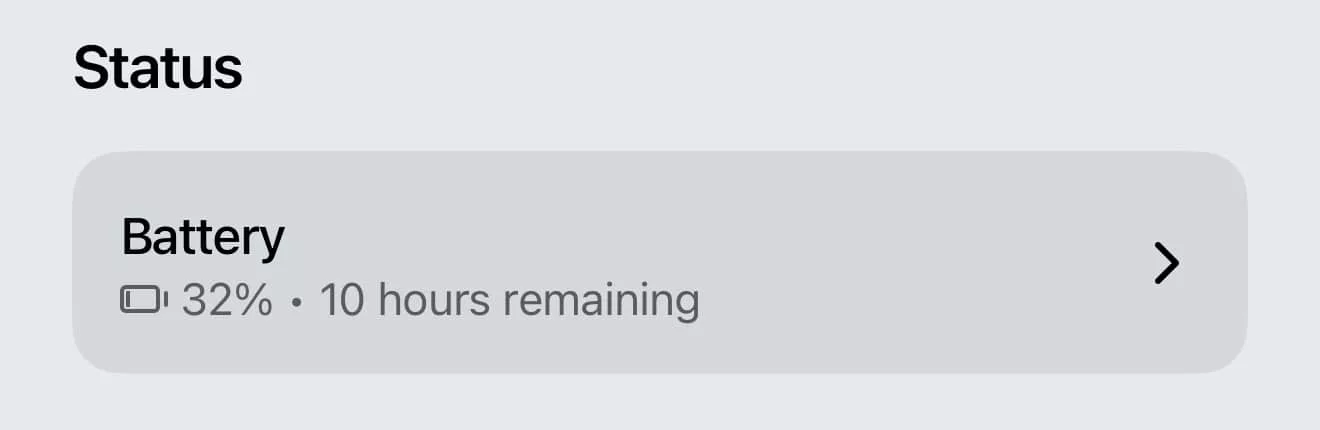
That said, with 30-odd percent remaining, our Ace Ultra review unit noted 10 hours, and that is largely on brand for what we experienced. Going by that number, that is very close to the 35 hour maximum offered from Sonos, and there’s one extra tidbit: the battery is technically replaceable.
Sonos hasn’t quite revealed how easy this will be to do, but it has revealed the price: a replacement battery kit will cost $39 in Australia, while replacement ear cushions will cost $59. Those are fairly small prices to pay for maintenance on a pair of headphones designed to keep existing in your life, something that kind of works with the actual price.
Value
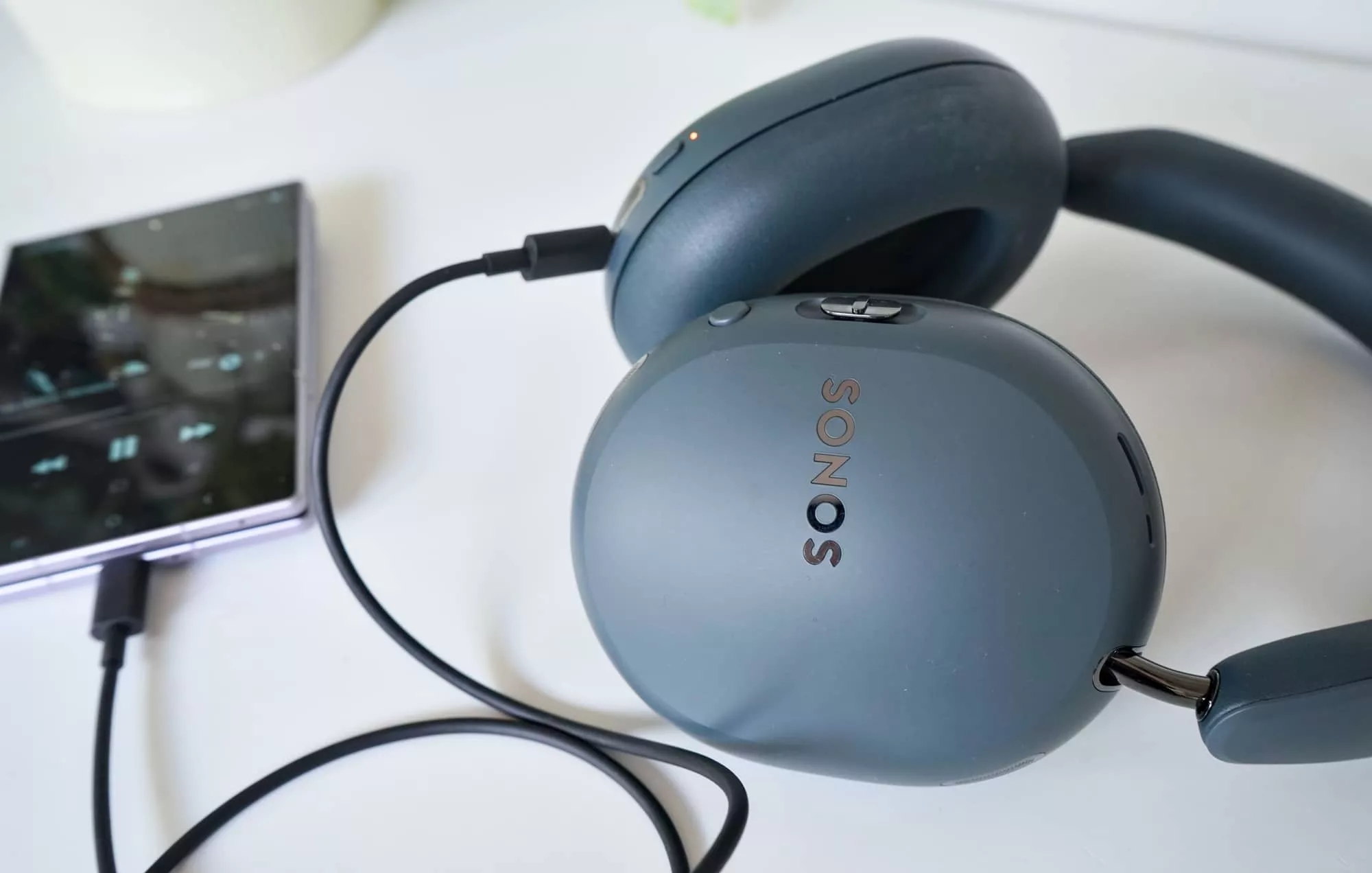
And curiously, the $699 price is actually quite solid for what you get: a great looking pair of headphones with premium sound, noise cancellation, spatial audio, USB-C audio, and support to take over your soundbar.
The $700 mark tends to be the spot most flagship noise cancelling headphones go, and some are pushing beyond it these days.
That makes the Sonos Ace Ultra a surprisingly good value pair of headphones.
While other players are looking past the $700 mark, with some edging closer to just under the thousand dollar mark, Sonos keeping the same price as the Ace’s predecessor makes the Ultra better value than you may expect.
What needs work?
The app and its approach to pushing music from headphone to speaker clearly has a problem. This may well be the second generation, but it doesn’t work.
No Sonos customer is going to use this app as a choice over their streaming service’s app, especially in this somewhat hobbled state. Being unable to control things when you’re not on WiFi is certainly a choice, but it’s not a good choice.
Not being able to share music from your phone back to the platform is also another of those less useful choices, especially when the Sonos app used to allow that years ago before the app saw its massive upgrade of sorts.
Things are better now than they used to be, but the Ace Ultra demonstrates that things clearly aren’t perfect yet.
Beyond this, the problem with the Ace Ultra is that despite its name, it’s not easy to see what makes the headphones “Ultra” at all, at least beyond the naming convention. And it’s a naming convention Sonos seems to like.
The better version of the Arc with a built-in subwoofer became the Arc Ultra, but the standard Sonos Arc stopped being made available shortly after the Ultra’s release. We’ve not yet heard whether the newly announced Beam Ultra will see the same fate applied to its standard Beam Gen 2 sibling, but there’s a pretty good guess that’ll be the case.
As it is, this model of headphones is the Ace Ultra, and is remarkably priced the same as the regular Ace from before, giving you a good idea what will probably happen. And if Sonos does replace the Ace with the Ace Ultra, it would at least make sense, if only because it seems like a direct replacement, albeit one with the most minor of changes.
Oh sure, there are new drivers and two more microphones, but beyond this, there isn’t a lot obvious difference. The controls are a little bit bigger and the design is touch different, and the headphones do more with the tech they’ve been given, but they’re not an upgrade for previous owners because of just how similar they are.
What we love
The thing is… there’s nothing actually wrong with that.
The Ace Ultra may not feel like an upgrade from the standard Sonos Ace, but that doesn’t matter terribly.
They are great headphones that crazily match the original price of the Ace, something that clearly matters in a time when gadgets are simply going up in price, not really going down or staying the same.
For the same $699 tag as the Sonos Ace, the Ace Ultra gets you two extra microphones for the noise cancellation technology, a little more battery, and the potential to replace that battery, something only one other pair of cordless headphones has attempted. The USB-C audio works as well as it previously did, and gives you another way to listen to great sound, too.
And while the connection to the Sonos ecosystem could admittedly be a lot better, it too has the makings of something excellent, provided Sonos can get the software working as well as everything else.
Is it all perfectly in place and nailed? Hardly, and the inability to share music as cleanly and simply between the speakers as the company suggests really doesn’t help.
Taken by themselves, the $699 price combined with the excellent comfort and sound helps the Ace Ultra deliver. Beyond the integration issues, they really are a lovely pair of headphones.
Sonos Ace Ultra vs the competition
If you live in the Sonos speaker ecosystem and want products built to match, there aren’t many options that compete. If you can find its predecessor, the original Sonos Ace, you might save some money on something that is very similar to this model. But you probably won’t be able to find the Ace for that much longer, so it’s hardly worth it.
For Sonos customers, the extra value is in the ability to have the Ace Ultra jump in and out of the music stream, though you will be stuck inside the app. It’s a little like a B-grade slasher flick, where it all happens from the inside.
That isn’t how most of us are going to listen to our music, and each streaming app — Spotify, Apple Music, etc — will end up being a better music picker than the Sonos app, which can feel convoluted at times. But it can work. Technically.
Movies make a lot more sense. If you want to watch a film while the kids are asleep, and definitely don’t want to wake them, you can use a Sonos soundbar to link to the headphones to play audio wirelessly.
Or if you have another medium plugged into a Sonos device, such as a record player plugged into a Sonos Port or Amp, you can stream records wirelessly to your headphones.
You have options to make your Sonos products somehow work a little better.
However, if you don’t own gadgets in the Sonos ecosystem, your choice of headphones opens up significantly.
By comparison, you’ll want to look at the Bose QuietComfort Ultra 2nd-gen which has largely led the pack up until the recent Sennheiser Momentum 5 turned up, the Bose going for around the $699 price point but can be found for a little less, while Sennheiser’s model tends to charge a little more.
If you don’t need the spatial audio, Sony’s WH-1000XM6 is technically $699, but can be found for a lot less, these days, sometimes as low as $200 more depending on where you buy it from.
Those are easily the best competitors Sonos has for its Ace Ultra, and if you don’t use Sonos gear and don’t plan to, they may be the better buy. The apps are easily better, and in some instances, the cancellation a little stronger, too.
But overall, the $699 price of the Ace Ultra actually keeps the headphones on good footing. They’re not perfect, but the value for flagship headphones isn’t far from where it should be, either.
Final thoughts (TLDR)
If there’s one thing Sonos has proven over the past 20 years, it’s that the company is great at sound. The company was founded on the idea of getting sound to any part of the home, so it’s little wonder why sound plays such an important role.
The software on the other hand? That’s something else altogether. You only need to look at the app drama in 2024 to see the problems Sonos has experienced with software. While things have improved, they’re clearly not perfect, showing up as issues even here in the latest product, the Ace Ultra.
In the 2026 revision of its headphones, the sound is the most important part, delivering a warm rendition not unlike its speakers, except made for your head. You can use it to listen to music, or even connect it to a Sonos soundbar and watch films without the sound turned up for everyone else to hear.
But the app is still a bit of a problem, and the ability to share content between headphones and speakers shows it. This isn’t you being able to continue your music experience from home to work and back again. The idea is there, but certainly not the practical nature of it all.
When Sonos gets that right and the app improves, it will have a pair of headphones that venture beyond simply being one of the best pairs you can find. Then it will be an all-round entertainment experience for home and back.
Right now, they’re simply just great headphones. Later on, they might even be more. Recommended, but they do need improvements.