
Quick review
The good
The not-so-good

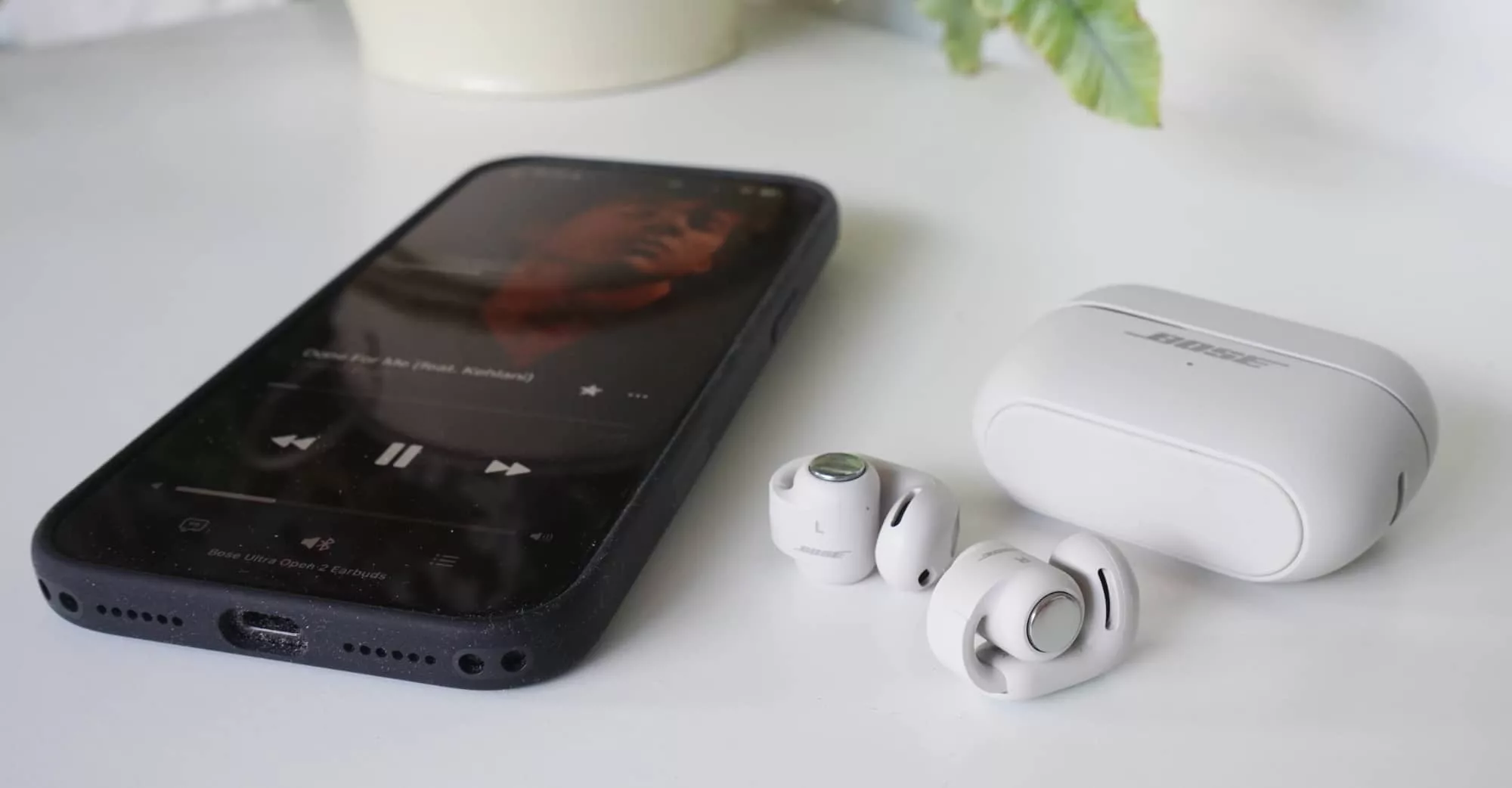
Open audio has never sounded this good. Bose brings the goods and little of the bads with the 2nd-gen Ultra Open Earbuds.
One of the downsides to wearing earphones all the time is that it can block out the world. While that is probably the point for most listeners, the reality is that sometimes you need to hear the world.
If you’re running. If you’re walking. If you’re working. If you’re around people and actually want to listen. You might even be in a lecture and need some music to focus.
Keeping your ears closed is definitely one style of listening, but in this day and age, you might also want to listen.
That’s where open-ear listening comes in. Also known as open audio, it’s a style where your ears are allowed to stay open and hear other things, not just the music. Doing this needs a different type of earbud, though noise cancelling options can get within spitting distance by turning on transparency mode.
Open-ear is like that, but there’s no isolation. You hear the outside world alongside your inside sound, be it music or podcast or simply the sounds of websites and any game you happen to be playing.
It’s ideal for running and walking and exercising and working, and for people who want to coexist with their music, though you do tend to make a sacrifice or two for the combination. Usually the sound isn’t quite as up there as other earbuds, earphones, and headphones.
But this year, Bose’s second-generation Ultra Open Earbuds is proving there’s another way, and while the $449 price is a big pill to swallow, the result may be well worth it.
Design and features
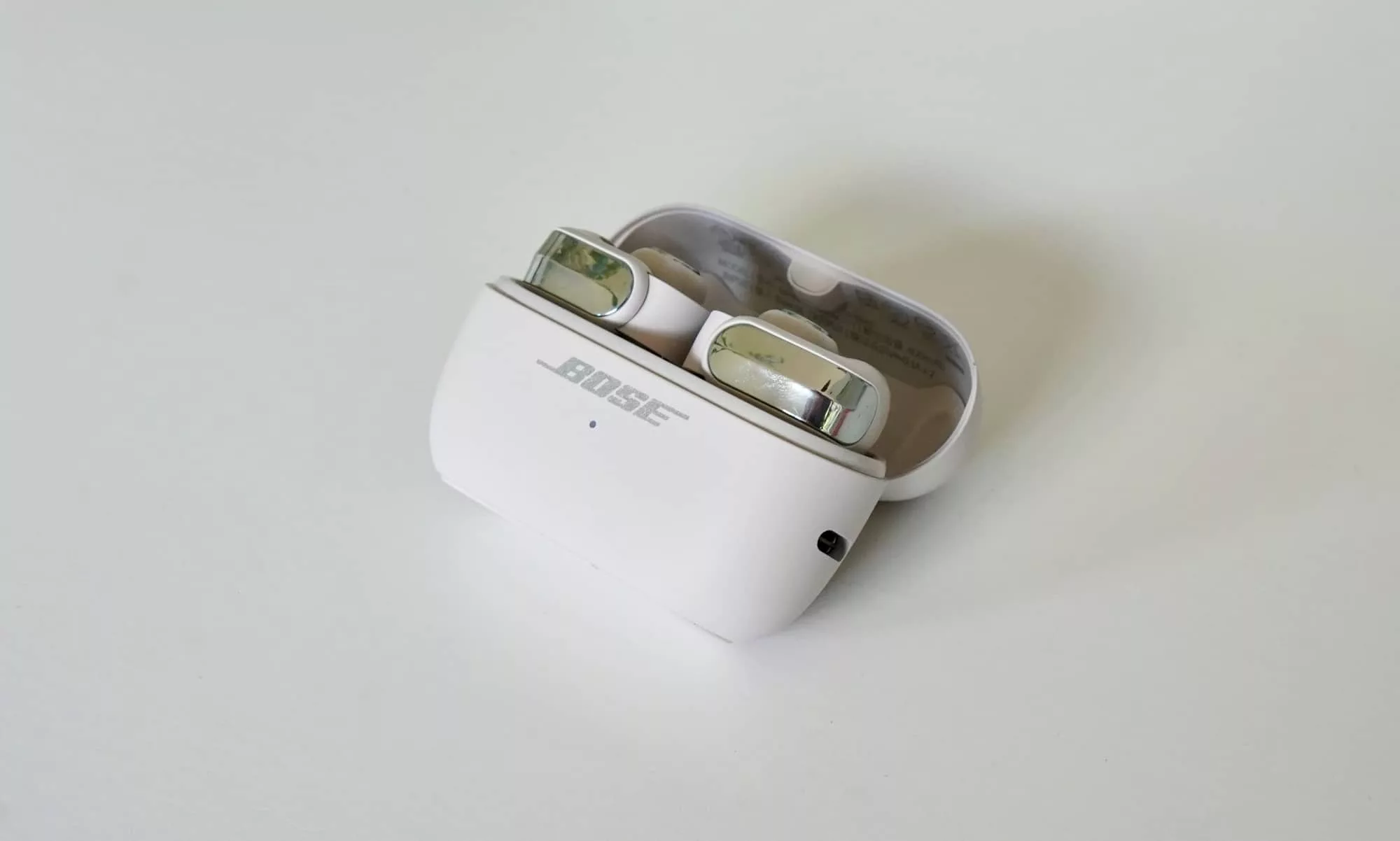
There have been two years between Bose’s original Ultra Open and this new pair, and the passage of time hasn’t changed much in the design.
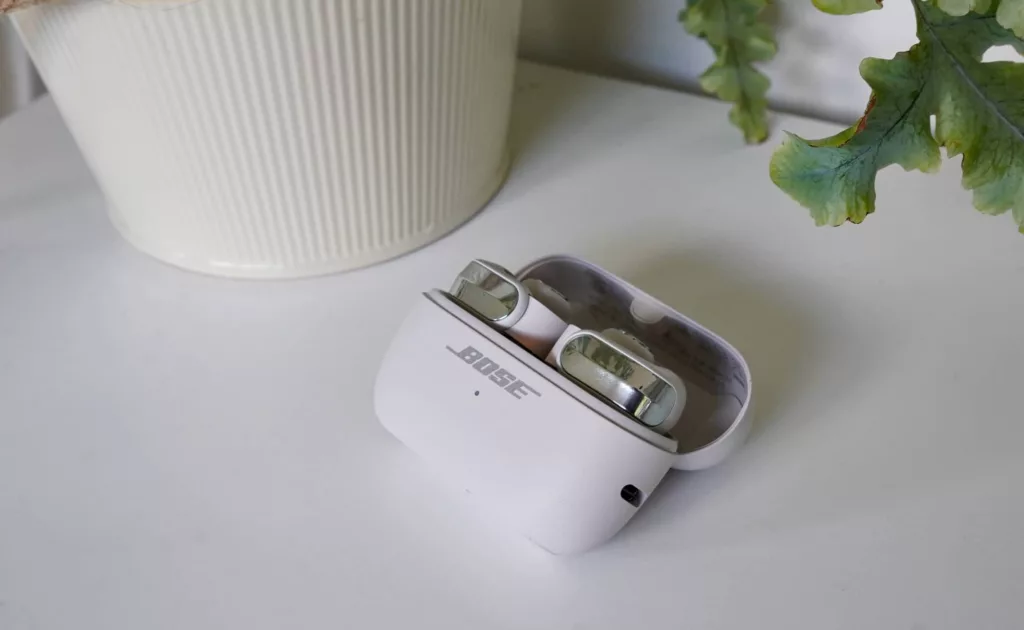
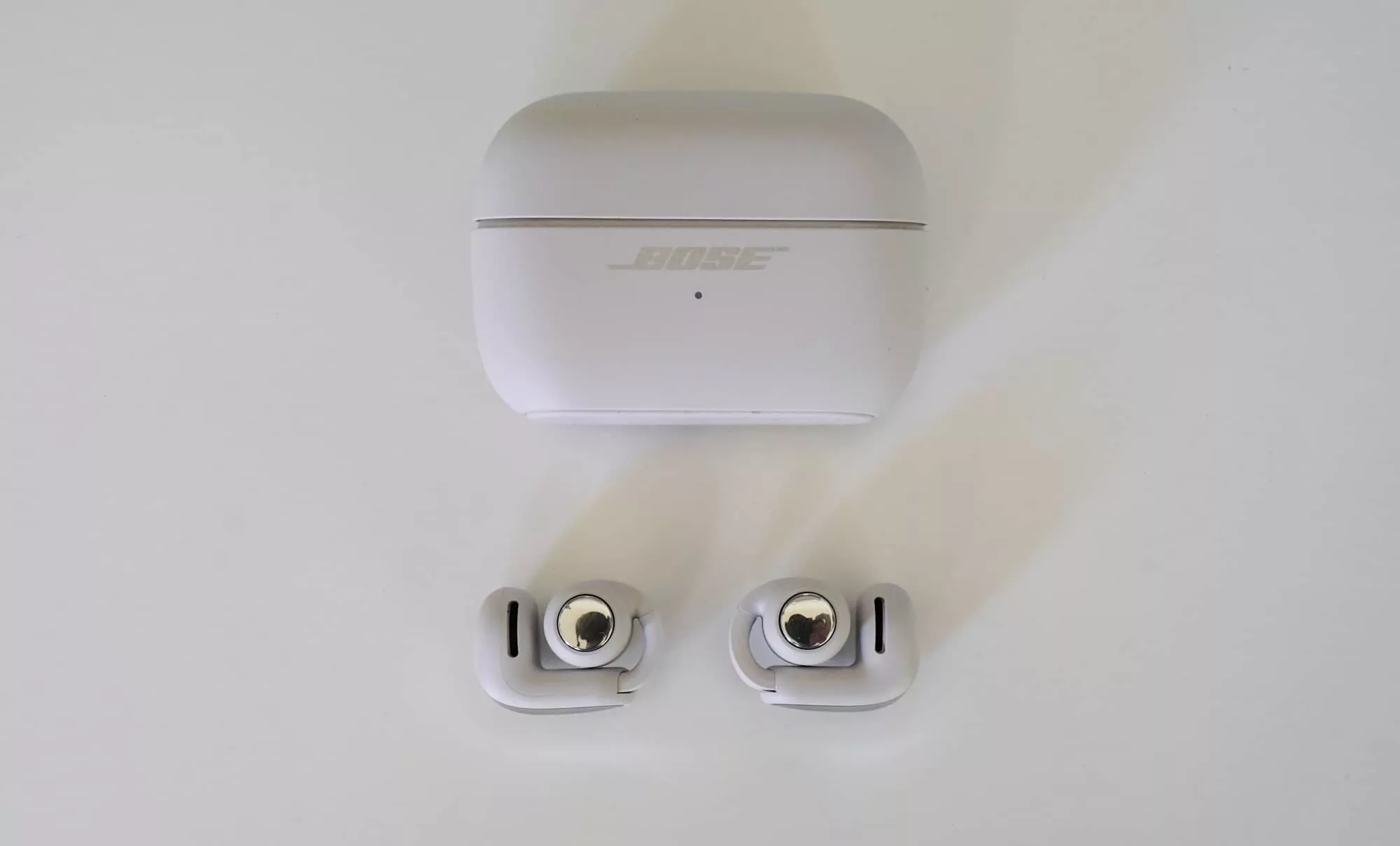
The obvious differences between the two aren’t quite so “obvious”, and if you glanced at either, you’d probably think they were the same: there’s a small speaker section in a flattened head connecting to a small barrel where the button and electronics go. These clearly aren’t the same style of clip-ons we see from other brands.
And yet the Bose Ultra Open 2nd-gen are clearly still jewellery-inspired clip-on earbuds, appearing almost like a vice for your ears, holding sound at your ears.
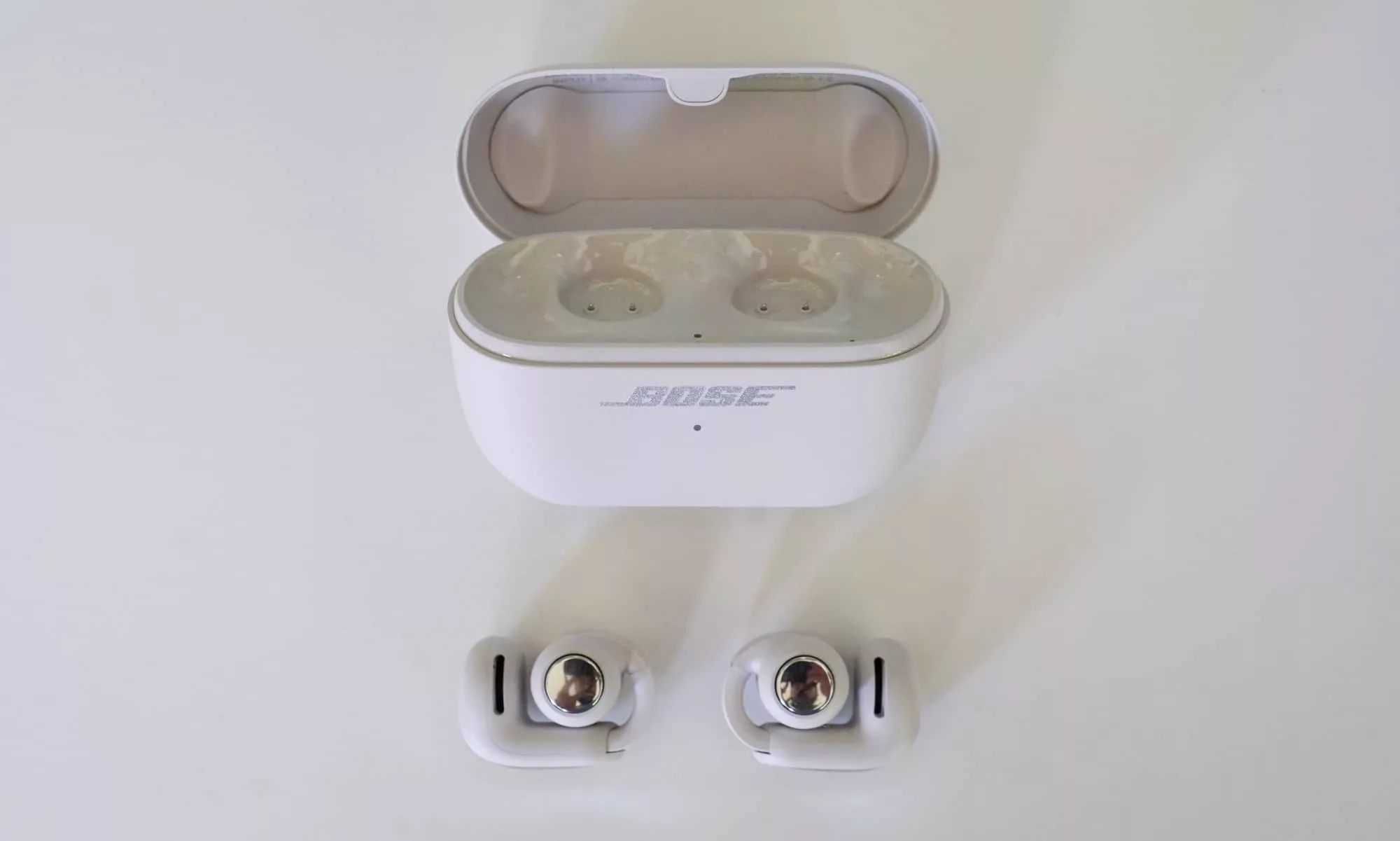
Bose hasn’t detailed how big the drivers are, but the chip definitely includes Qualcomm in the building, using Snapdragon Sound, two microphones, and a design made for polycarbonate plastic and silicone, the latter of which is obvious where the earpiece connects to the barrel, the part you’re supposed to roll around the back of your ears.
In-use
A button on the barrel is going to be the main way you control the earbuds, and like its predecessor, the controls are largely limited to pause and play, though the control has improved slightly.
You now get a customised shortcut by holding down each side, supporting a Spotify resume feature, triggering the voice assisting on your phone, or cycling through some of the modes Bose offers. It’s a little more choice, but the controls are still somewhat limited, so you may want to keep your phone nearby.
Wearing the Bose Ultra Open 2 is exactly the same as its predecessor, or if this is your first time with the pair, also totally new. And also easy.
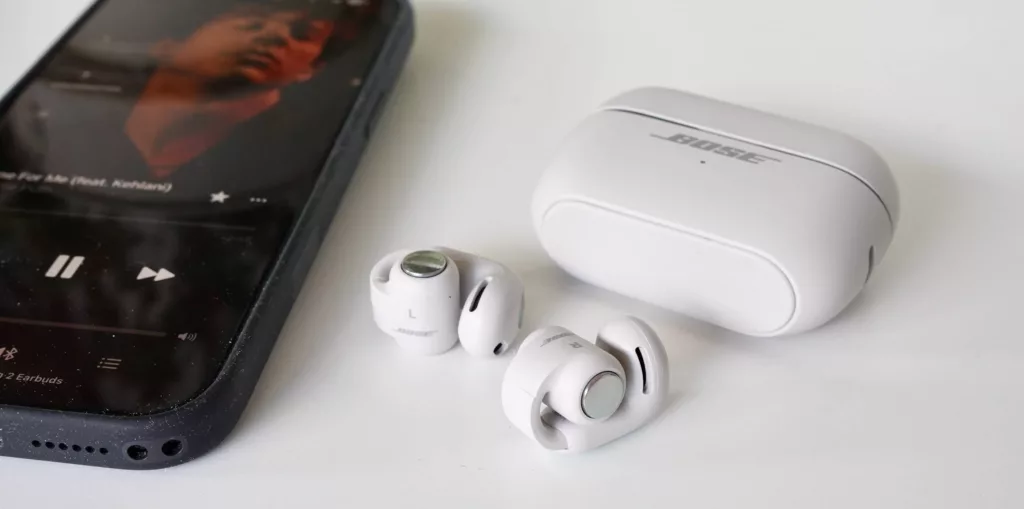
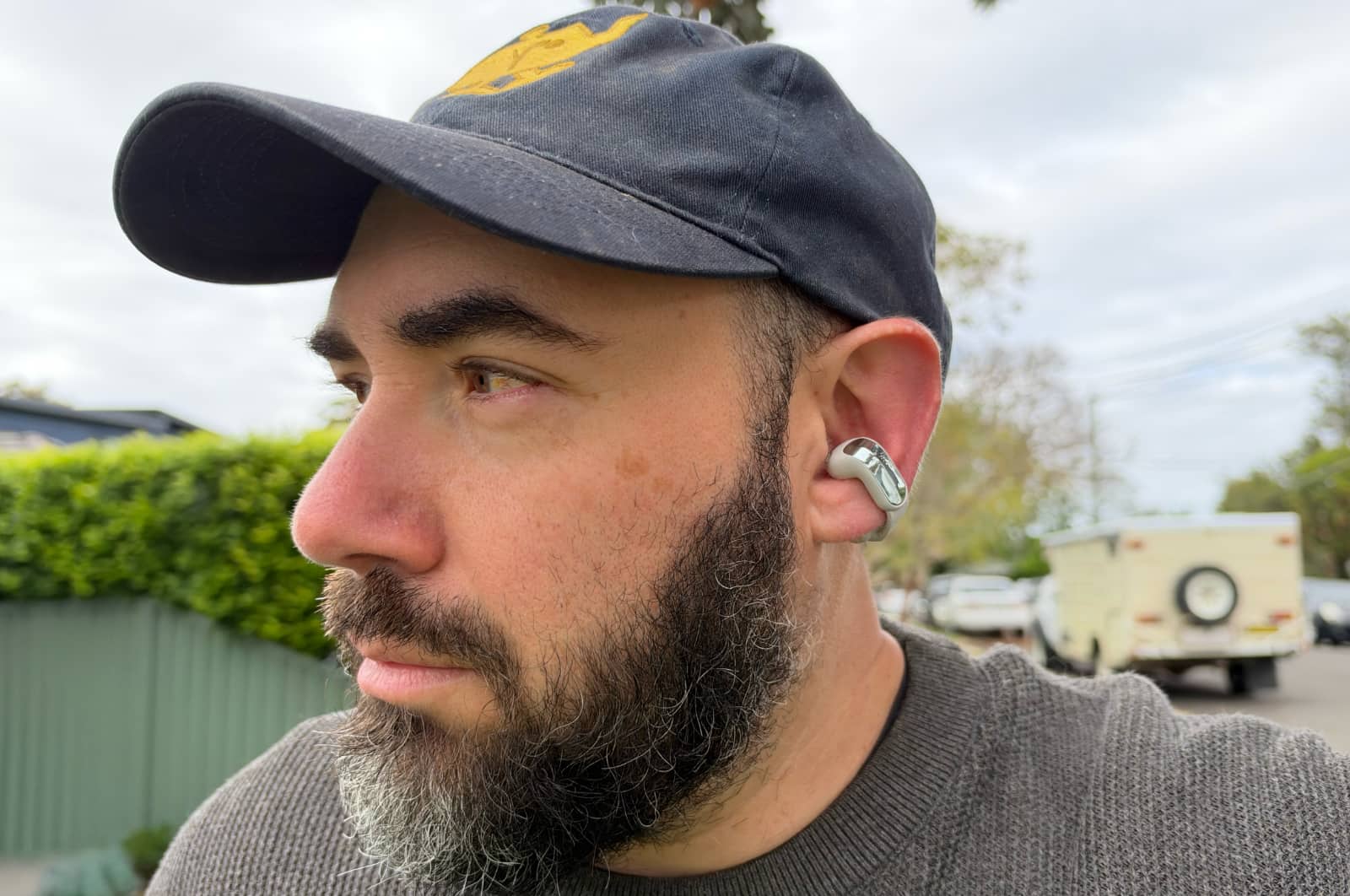
Each side is marked for left and right, and while they don’t appear to be the ambidextrous design Shokz goes for, they’re easy to fit: unfurl the rolled up back, wind it behind the fleshy part of your ear, and rest the slightly flat speaker against the holes in your ears.
You can wrap the arm of each around the bottom of your lobes or slightly around the back, but do it in such a way and you’ll basically have buds resting just where they need to be: outside your aural cavity.
They’re fairly easy to wear and they cling rather well, holding to your ears as you move or jump about, almost like they were earrings. Which is largely the point: they’re as close to earring audio as a pair of buds can get.
Performance
Fitting is hardly important if the earbuds don’t perform, which is why we put them through the same tests we run on every headphones, earbud, and speaker: the Pickr Sound Test, which you can listen to for yourself.
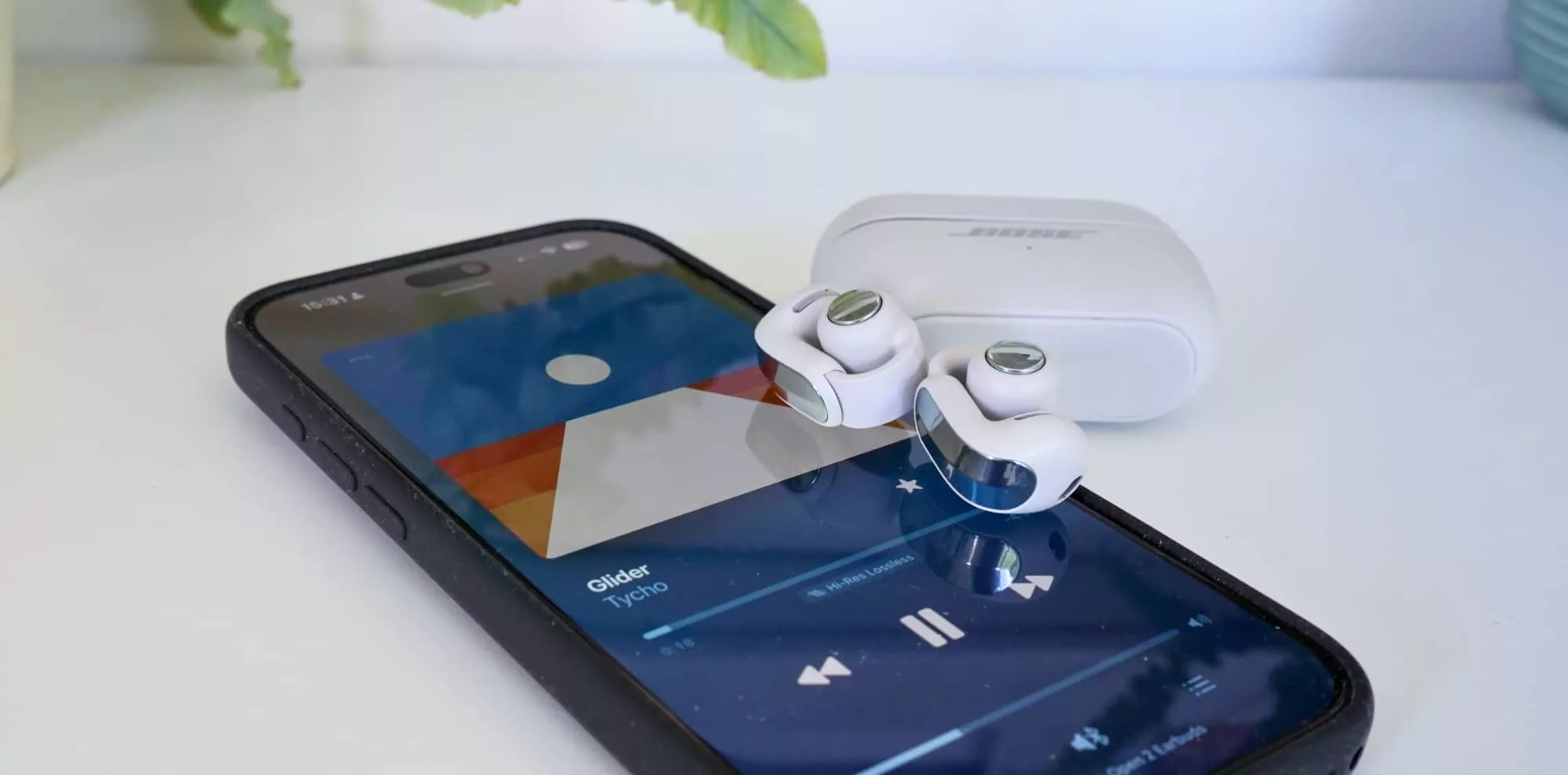
As usual, that starts with electronic via Tycho and Daft Punk, where the former’s “Glider” and the latter’s “Contact” provide a wide and spacious sound with the presence of lows, slightly lighter than you might expect, but noticeable enough to matter.
Given the style, it’s not thoroughly surprising to see the bass isn’t the biggest side, but there’s more bass already in these two tracks than expected. It’s not deep and hefty, but it’s definitely not absent, either.
It’s clearly there across the pop of Carly Rae Jepsen and the soul of Marvin Gaye, slightly flat on both, but otherwise balanced.
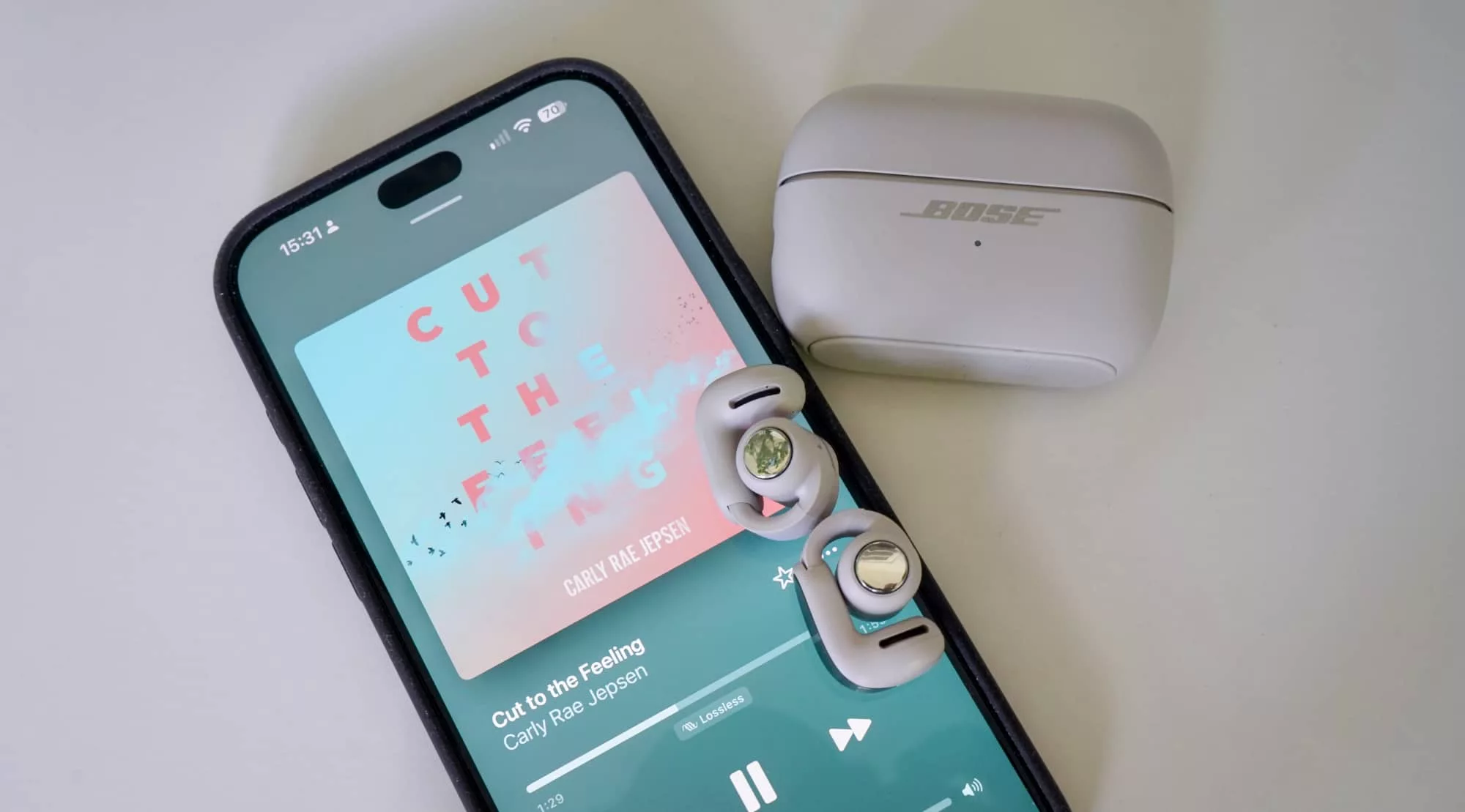
You won’t find punchy guttural lows on FKA Twigs’ “Two Weeks”, one of the test tracks that really shows whether the drivers can seriously flex, but you also don’t lose those sounds to the mix, either. There’s something there, and it is much better than the nothing you expect there to be.
And that is largely consistent across our test tracks. Great highs, solid mids, and decent lows that could be a little thicker, but are probably limited by the type of technology.
Some tracks stand out especially, though. The lows heard in David Bowie and The Beatles (respectively) were punchier than expected, coming across slightly restrained, but a solid and detailed sound all the same.
You’re definitely going to get a more balanced sound with a more closed sound from earphones and headphones, but the second-gen Bose Ultra Open fare much better than expected.

Spatial audio
Interestingly, spatial is something that Bose does include with Ultra Open 2, a welcome surprise given it’s a feature also found on other Bose headphones, including the noise-cancelling models.
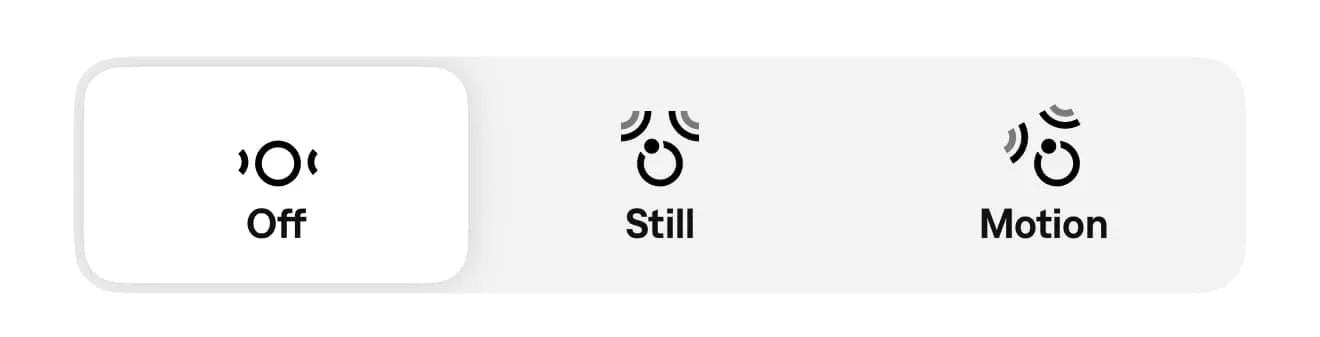
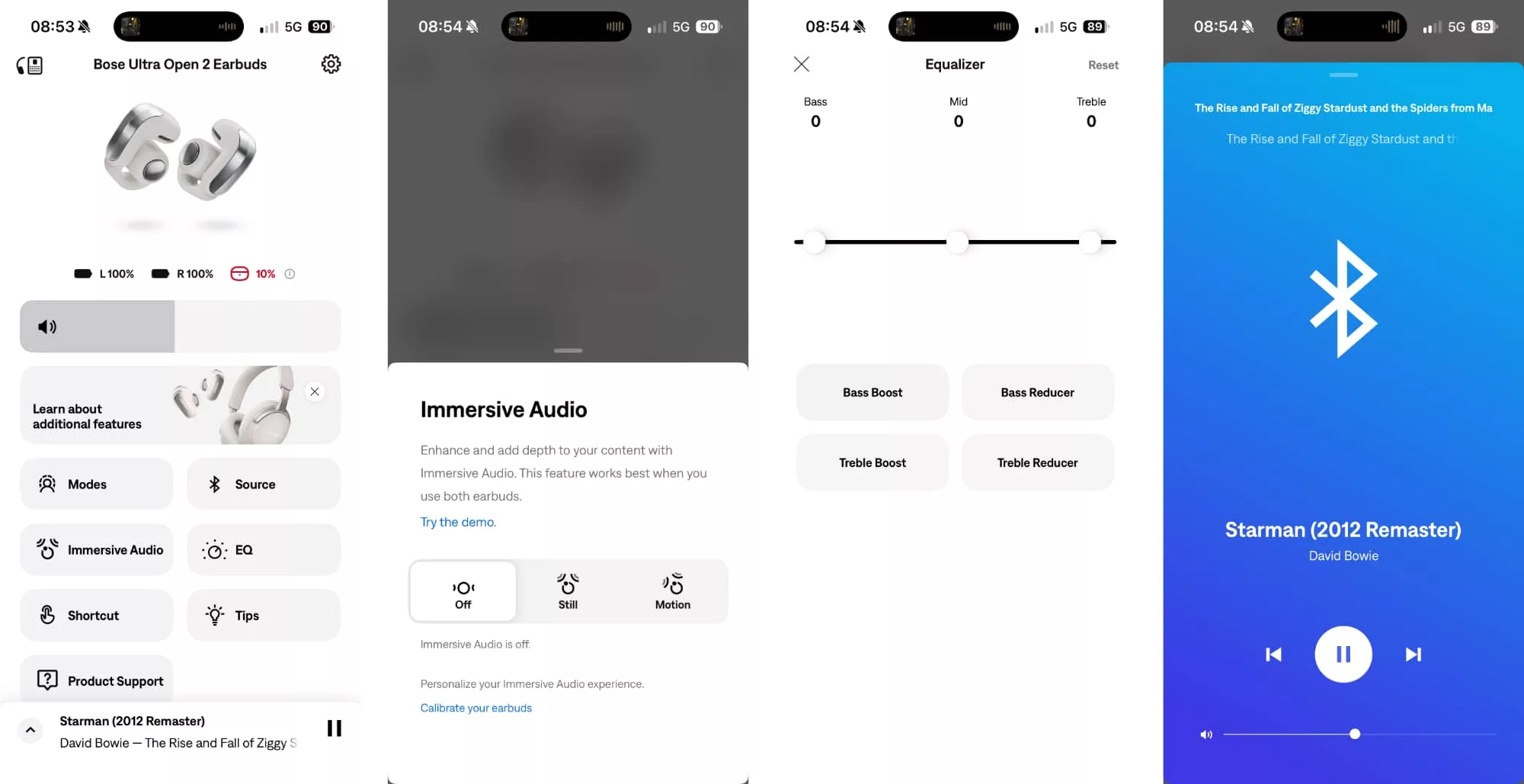
The inclusion here in the Ultra Open means if you switch immersion mode on via the Bose app, your buds can track your position through either the “Still” or “Motion” modes, imparting a dynamic sense of spatial as you listen using open audio.
Granted, you won’t experience a proper Dolby Atmos soundtrack here, not like you would with a pair of AirPods and an iPhone using Apple Music, but it also means you can use any other music service and device, and Bose’s sense of immersion will still work. Subscribers to Spotify or YouTube can experience a head-tracked flavour of spatial on either iPhone or Android, with Bose’s hardware taking over.
It’s something we’ve not experienced on this style of earbud before, and it’s welcome to see. It’s welcome to hear, though it can make a dent on battery if used too often.
Battery
Officially, the battery life can go as far as 30 hours using the charging case and around nine hours before needing to resort to using the case, though both might change if you decide to switch on some of those advanced features.
For our time with Ultra Open 2nd-gen, we found the earbuds could handle a good 6 to 7 hours of constant use, and by then we’d throw them in the case for a charge. Our case needing a charge every week or so, or with intermittent use, every two, which more or less matches the expectation of decent battery life Bose is talking about.
That essentially make the Bose Ultra Open 2nd-gen all day buds, and a pair you can largely leave in through most of your day. Wear them like this and you may need a charge every two or three days, though you’ll be getting music all throughout, so it definitely seems worth it.
Value
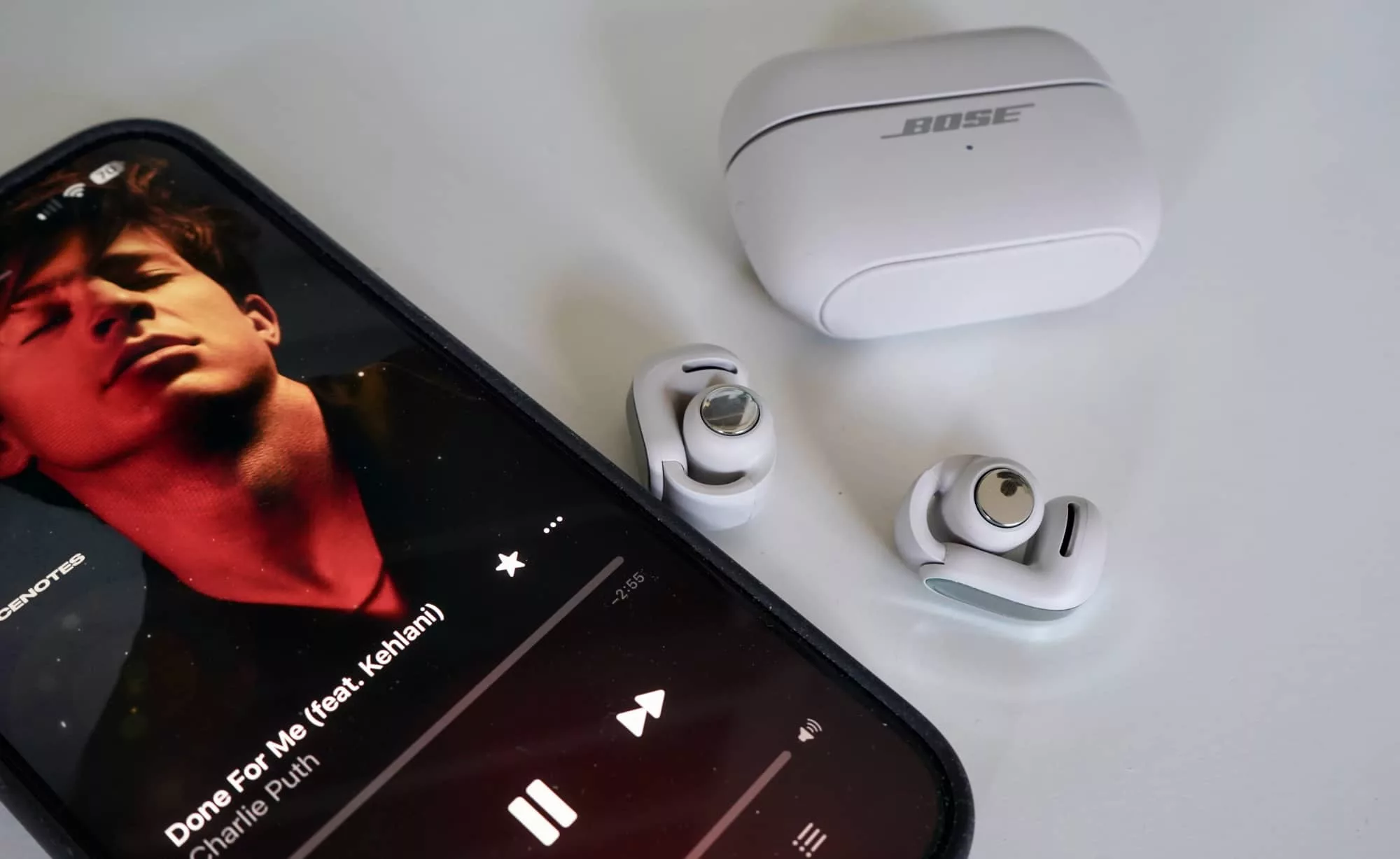
The price is where things get a little sticky, because Bose’s Ultra Open earbuds are not inexpensive. Some might call them expensive. They’re technically priced exactly as the previous model, released for $449.95 back in 2024. At least something hasn’t become more expensive in the era of AI.
However, they’re also priced identically to the noise-cancelling Bose QuietComfort Ultra Earbuds, meaning you get a choice of which makes more sense: open audio with no cancellation for $450 or noise cancellation that can support open audio through the transparency mode for $450.
That may seem like a difficult decision, but we’d probably pick the latter; noise cancellation with a hear-through transparency mode seems like the obvious winner, a decision that’s helped by the fact that the street price for the Bose QuietComfort Buds can be found below the $350 price tag.
The problem is more that the buds are from Bose, and so while the QuietComfort are arguably the better decision — and also one of the best pairs of noise cancelling earbuds around — the Bose Ultra Open Earbuds 2 are also a little bit different.
Rather, they’re for people who want constant sound all nine hours of their workday, or all of their time the rest of their time. They’re not noise-cancelling, but rather more about integrating. You’ll use these to do things without taking your attention away.
We’re not sure they’re necessarily worth the same retail tag as full noise cancellation, but we can see why they might cost the same.
What needs work?
And there are reasons why you might want to pay for that, though it’s not all fantastic news.
The controls can be hit and miss at times. At least they exist, and they’re not difficult to trigger, but because the button is on a barrel that clips to the ear, squeezing the barrel can also mean accidentally dislodging the earpiece from your ear. You will get used to it over time, but it can be annoying.
There’s also a hint of water resistance, but it is on the low side of things, matching IPX4 only. Given you can easily get caught in the rain, these should survive, but they won’t survive much of it. It’s really just light sweat resistance. Maybe bring an umbrella, because Bose hasn’t done much to improve the resistance where possible.
What we love
While there are niggles, they’re not enough to dampen the enthusiasm we have for this pair of open-earbuds, a pair that delivers some of the best and most balanced sound in this style.
Open ear offerings are known for a particular type of sound in a particular style. That style of sound is typically one where the bass is reduced, or as close to absent as it gets, all while giving you a style you can comfortably wear while still hearing the world.
That’s the norm. For the past two years, it’s what we’ve seen.
And yet the Bose Ultra Open 2 challenges the preconceived notion of the sound while leaving the style in tact. In short, Bose has learned a thing or two in the past couple of years, and the Ultra Open 2nd-gen is one of the best sounding open pairs around.
It’s a premium flavour of open we’ve not seen prior.
Bose Ultra Open 2 vs the competition
The second-generation of Bose’s Ultra Open Earbuds clearly has competition, with this style of earbuds — the jewellery approach that clings to the flesh of your ear — exploding since Bose introduced it two years ago.
We’ve seen them from Shokz, from Sony, from Sennheiser, and from other brands not beginning with the letter “s”. Every player seems to have a pair like these, even brands that don’t normally make earbuds, including Hisense. This style is big around the world, and Bose now has two variations on the theme, covering a sporty option which looks more like the first-gen revived in a slightly more water resistant body.
Here in the Bose Ultra Open 2, the buds have clearly upped the game because they actually have a modicum of bass, and in some tracks, more than the minor amount a modicum might suggest. It’s a feature open audio isn’t particularly known for, and could give Bose a bit of an edge.
As it is, the only obvious competitor that gets that close could be the Shokz OpenFit Pro, a pair that somehow manages to bundle in a little bit of noise reduction.
Shokz’s other option, the OpenDots 2, might be a close second, but we think Bose has the edge here. They’re just so good.
Final thoughts (TLDR)
If you’ve never been a fan of earbuds, the latest wave of open-audio earbuds is definitely worth a look, built upon technology that is clearly improving each and every year. It’s been a curious two years watching these gadgets evolve, and we’re now at the point where the sound is largely matching what its proper earbud siblings can offer.
There are some trade-offs, of course, with a lack of noise cancellation the most obvious, not to mention a price that can feel too hefty for what you get.
But what you get may be the biggest reason to consider the Bose Ultra Open 2nd-gen: an open-ear offering that delivers one of the best sounds in the category. They’re not perfect, but they are damn close to what open audio earbuds would call that.
Frankly, we’re reaching for them more often than we expected, and they’re quickly becoming a favourite. Recommended, especially if you can find them lower than their RRP.