
Quick review
The good
The not-so-good

Headphones tend to all look the same, but the Nothing Headphone (a) stands out on design, battery, and price. Do they sound great, too?
Competition is always good in every category, but not every player competes in quite the same way. While some brands are up for building something that’s a little same-same, others seek to challenge.
You can definitely call out the brand Nothing for that. Practically everything it releases feels like a challenger, and at the very least looks like one.
Wording gets confusing fast when talking about Carl Pei’s challenger brand Nothing, but everything from “Nothing” looks and feels and sometimes sounds different. It isn’t your regular consumer technology company, that’s for sure.
And now, not even one year from the release of its first flagship headphones, we’re seeing another pair of something different. Only this time, it looks a little familiar, and possibly easier on the eyes than the crazy aesthetics Nothing normally gives us.
Less expensive and still just as feature packed, the newly announced Headphone (a) are a little different. Sure, the name is still unorthodox, but the gear could win you over on price and feature set.
Are these new headphones just as clever and cool as the original?
Design and features
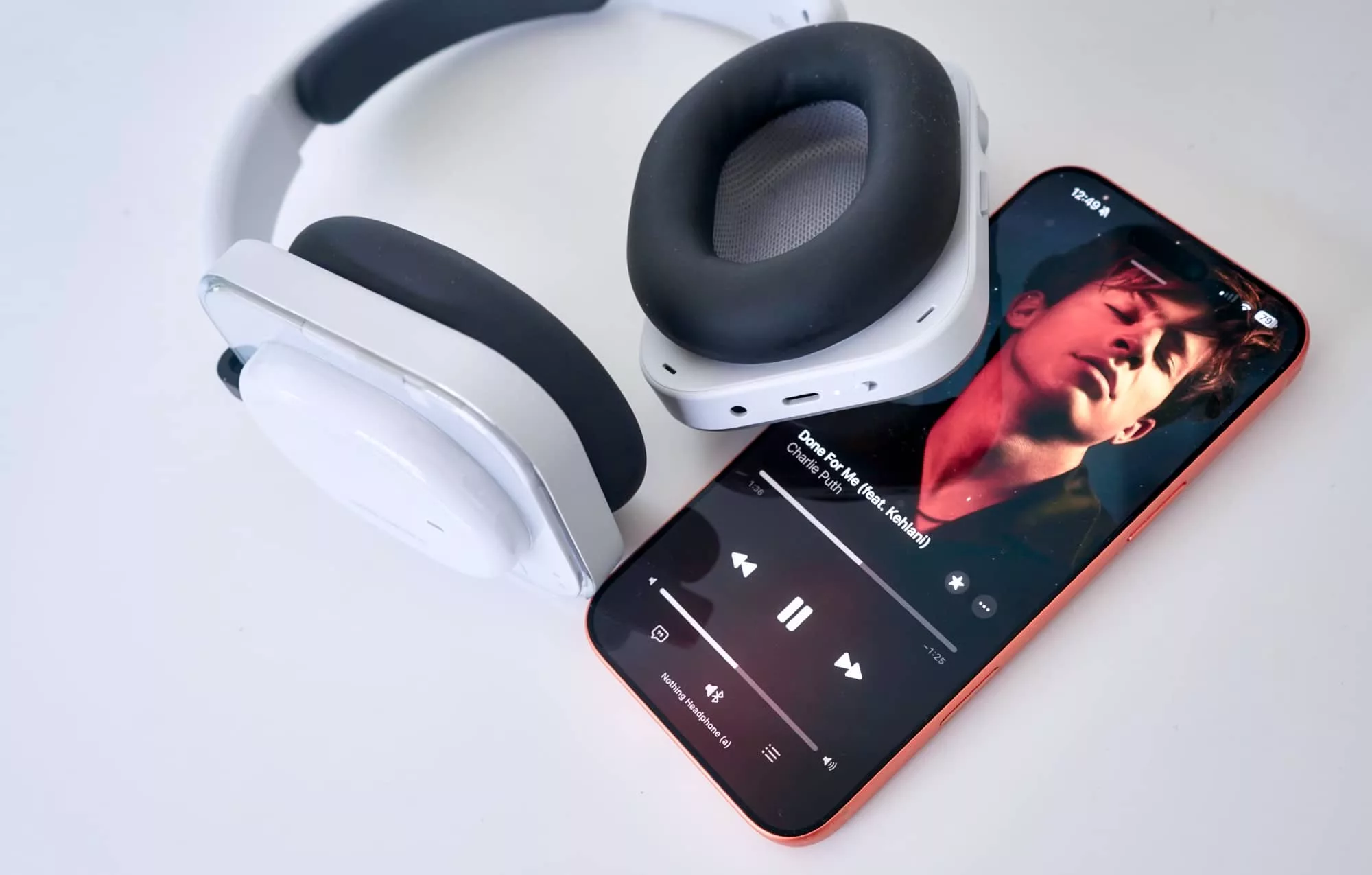
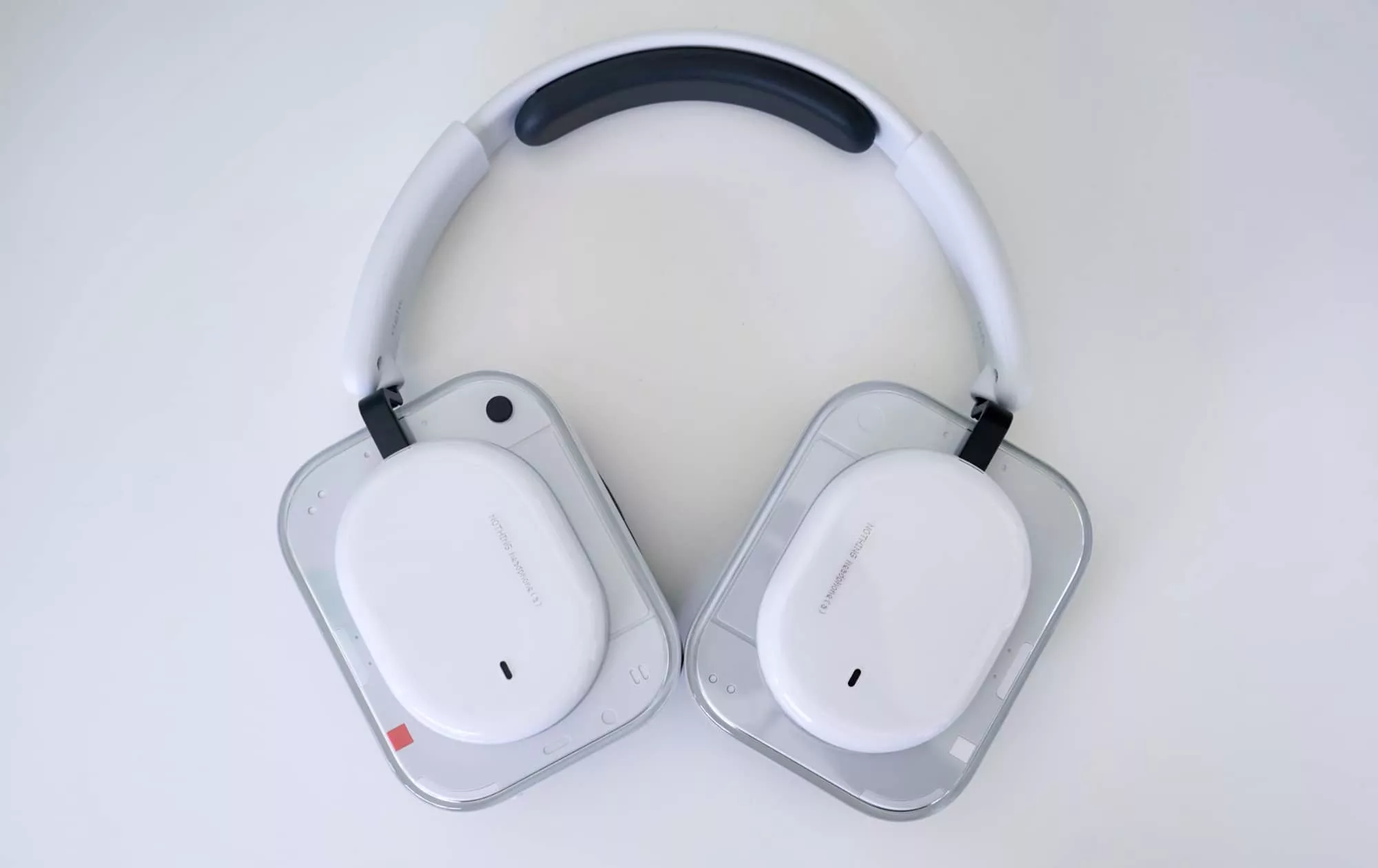
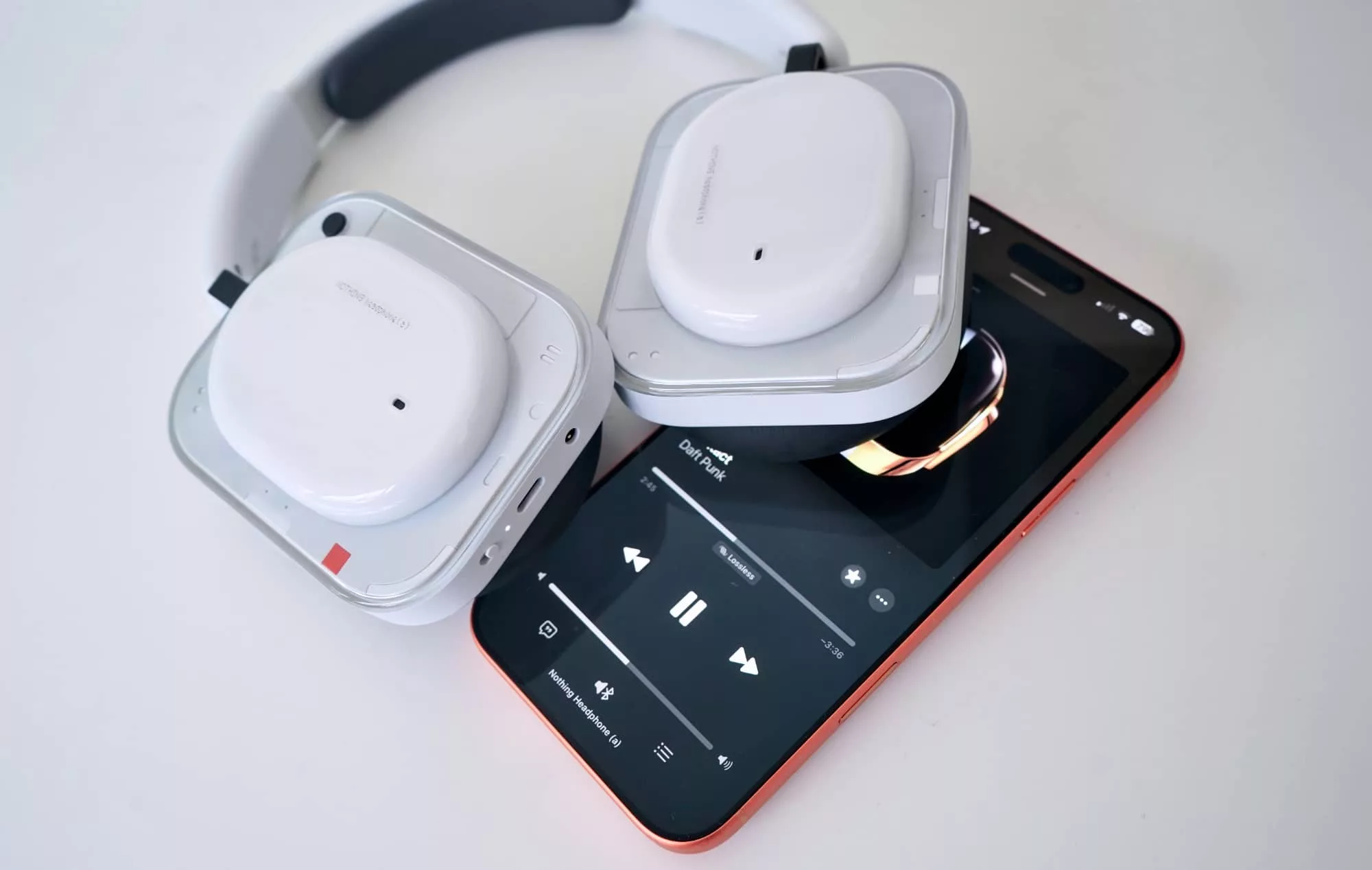
Similar in design to the first generation of Nothing’s headphones, the aptly named “Headphone (1)”, the style here won’t surprise, though it could definitely divide.
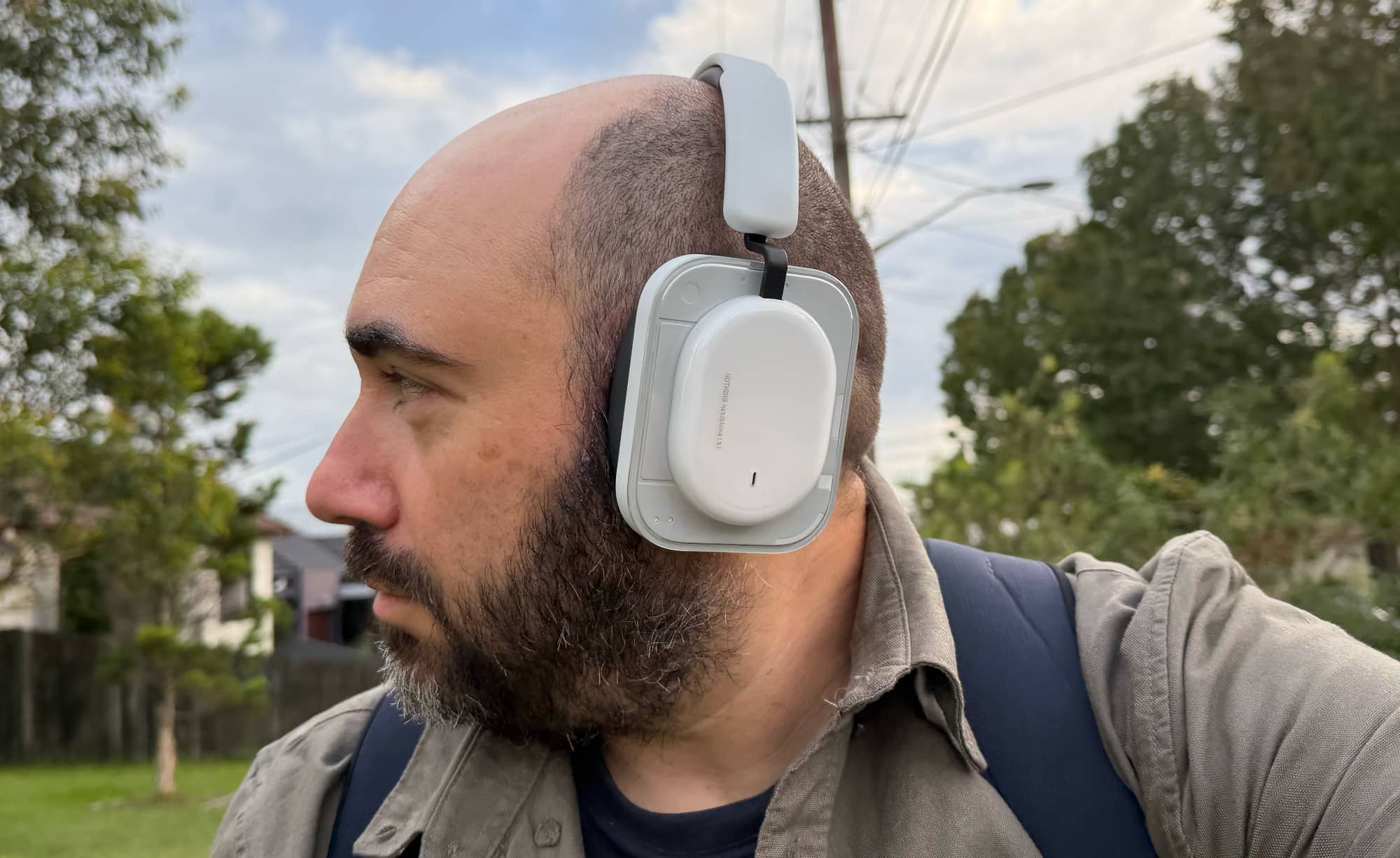
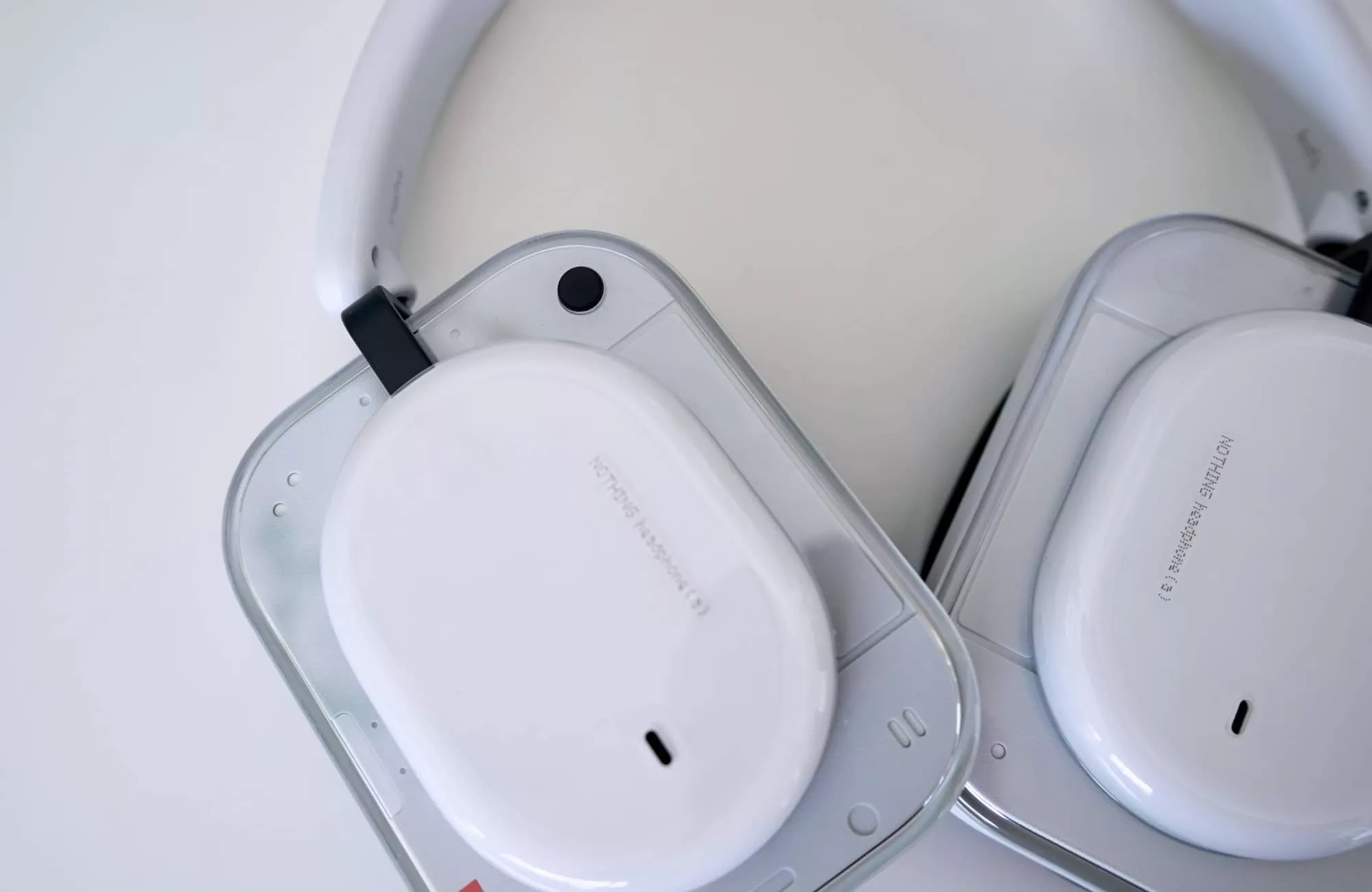
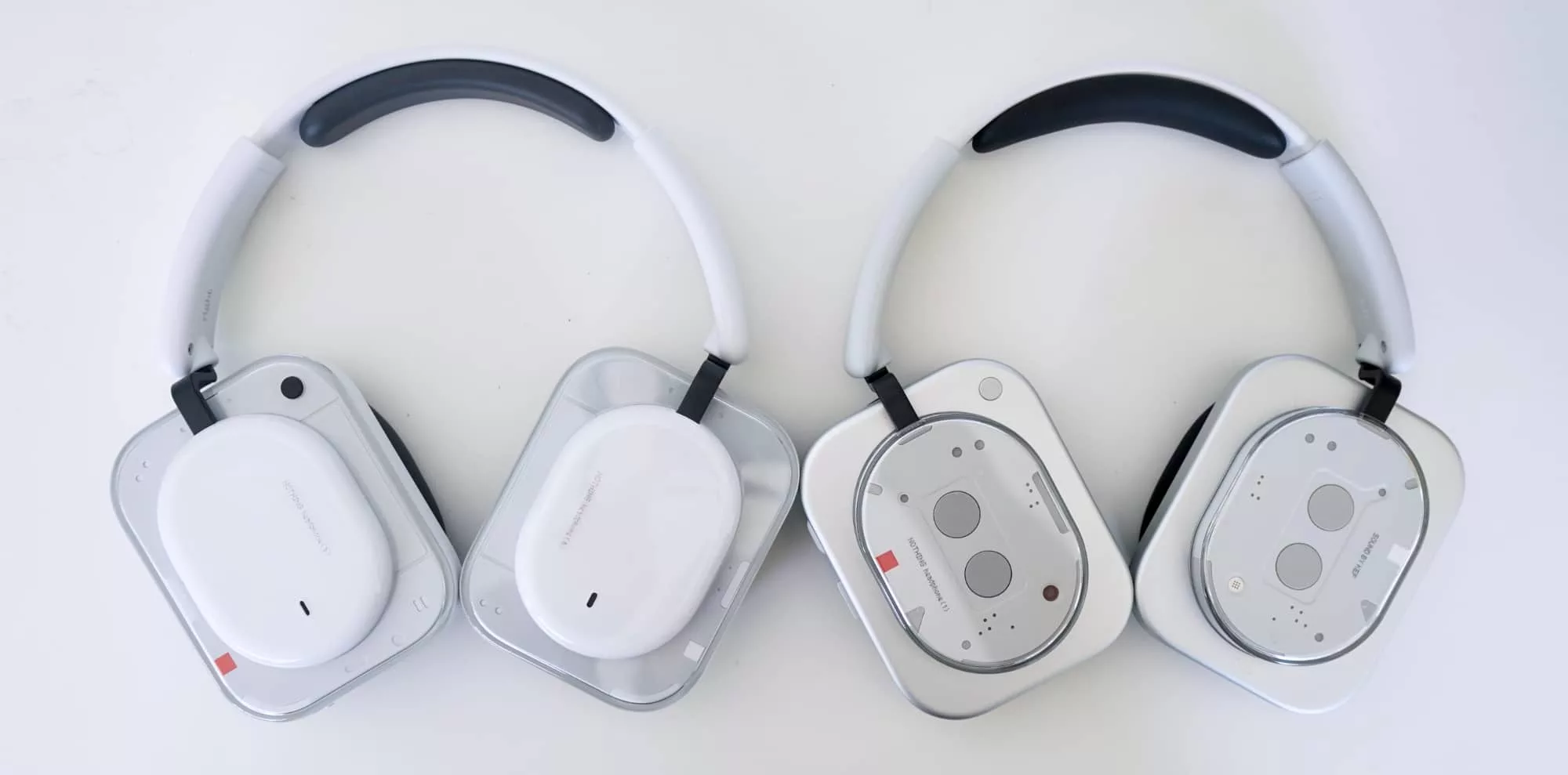
Like most gear by Nothing, the headphones offer a transparent style that almost lets you see through the plastic casing. It’s not real transparency, but more like stylised transparency, and it’s one that’s probably a little more normal than Nothing’s other pairs.
Instead of the magnets underneath, this one is more a plastic oval on top of a softened rectangle on each side. The colour of that oval will depend on your choice, with white, black, pink, and even a flash yellow we wish we’d played with (we’re reviewing the white Headphone (a) model).
It’s a little retro but a lot easier on the eyes, and what’s inside is still fairly solid, too.
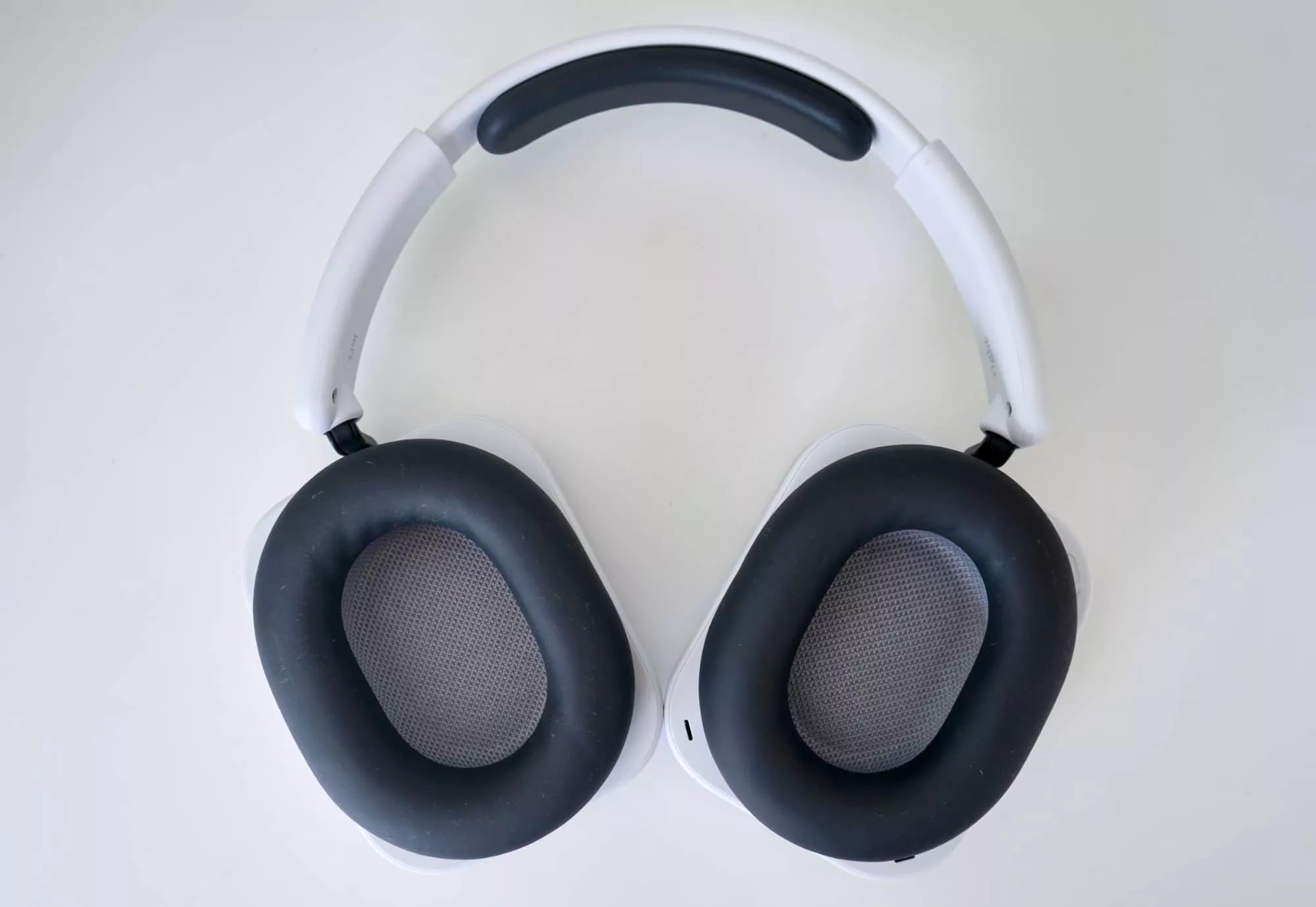
Weighing around 310 grams, they’re a fairly easy pair to wear, and offer large pads that fit around the ears, making them circumaural headphones.
You’ll find 40mm drivers with titanium coating here, with support for Bluetooth sound and wired audio using either an 3.5mm cable or USB-C sound, IP52 water resistance, and two microphones two microphones on each side for the active noise cancellation.
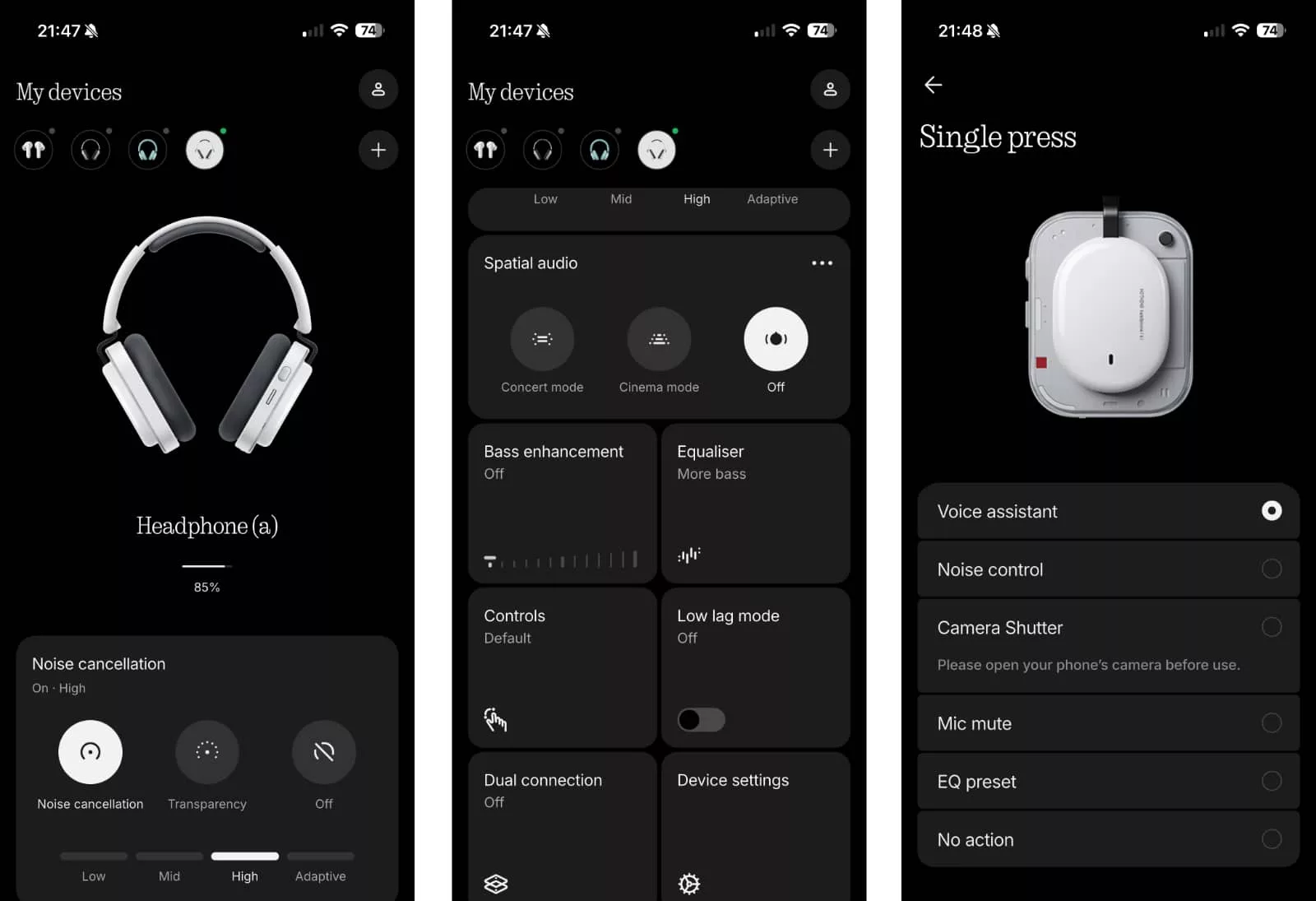
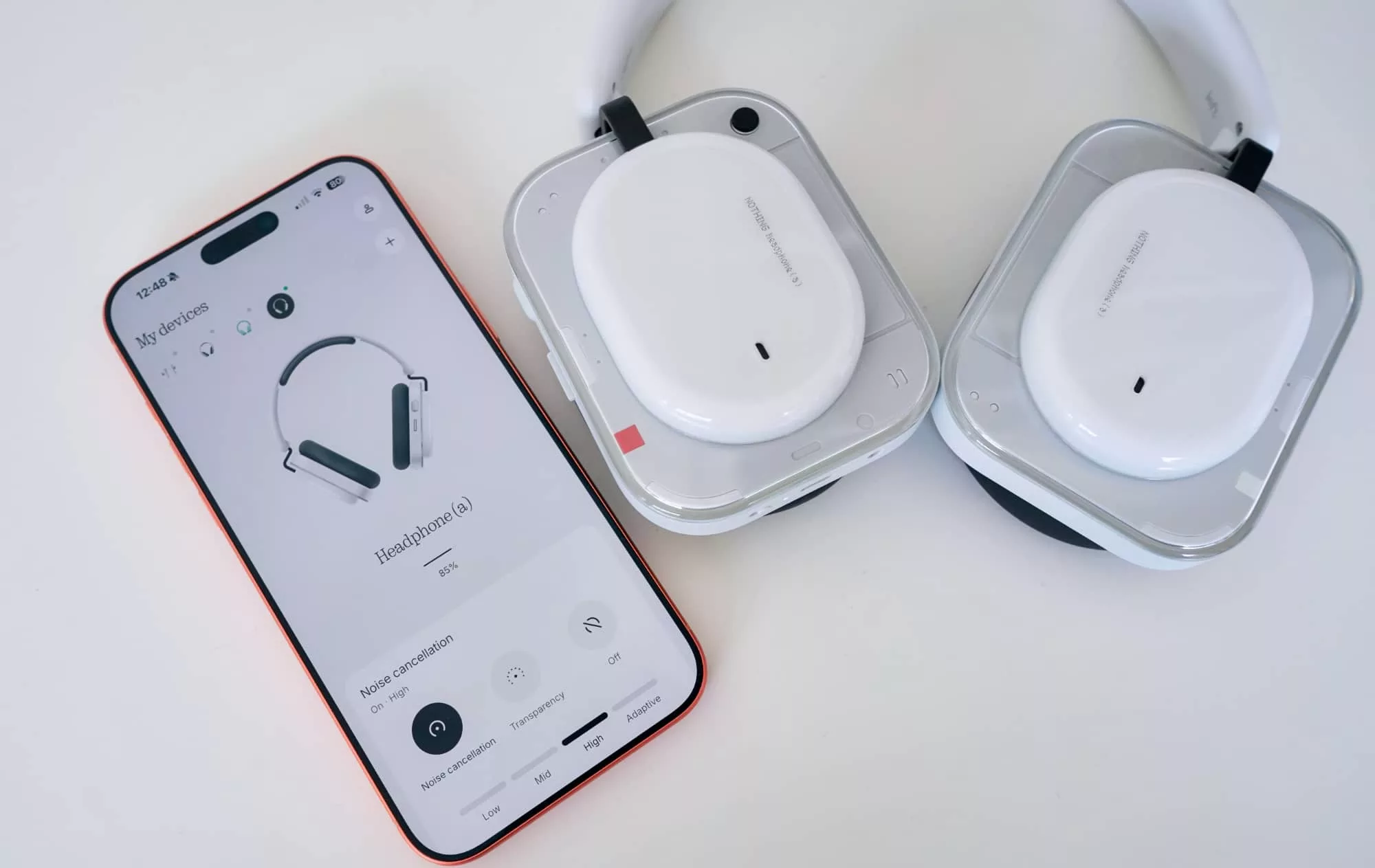
It comes with a case and an app, the latter of which will let you tweak the sound, noise cancellation, and even trigger either ChatGPT or a camera shutter from your headphones thanks to at least one new function.
In-use
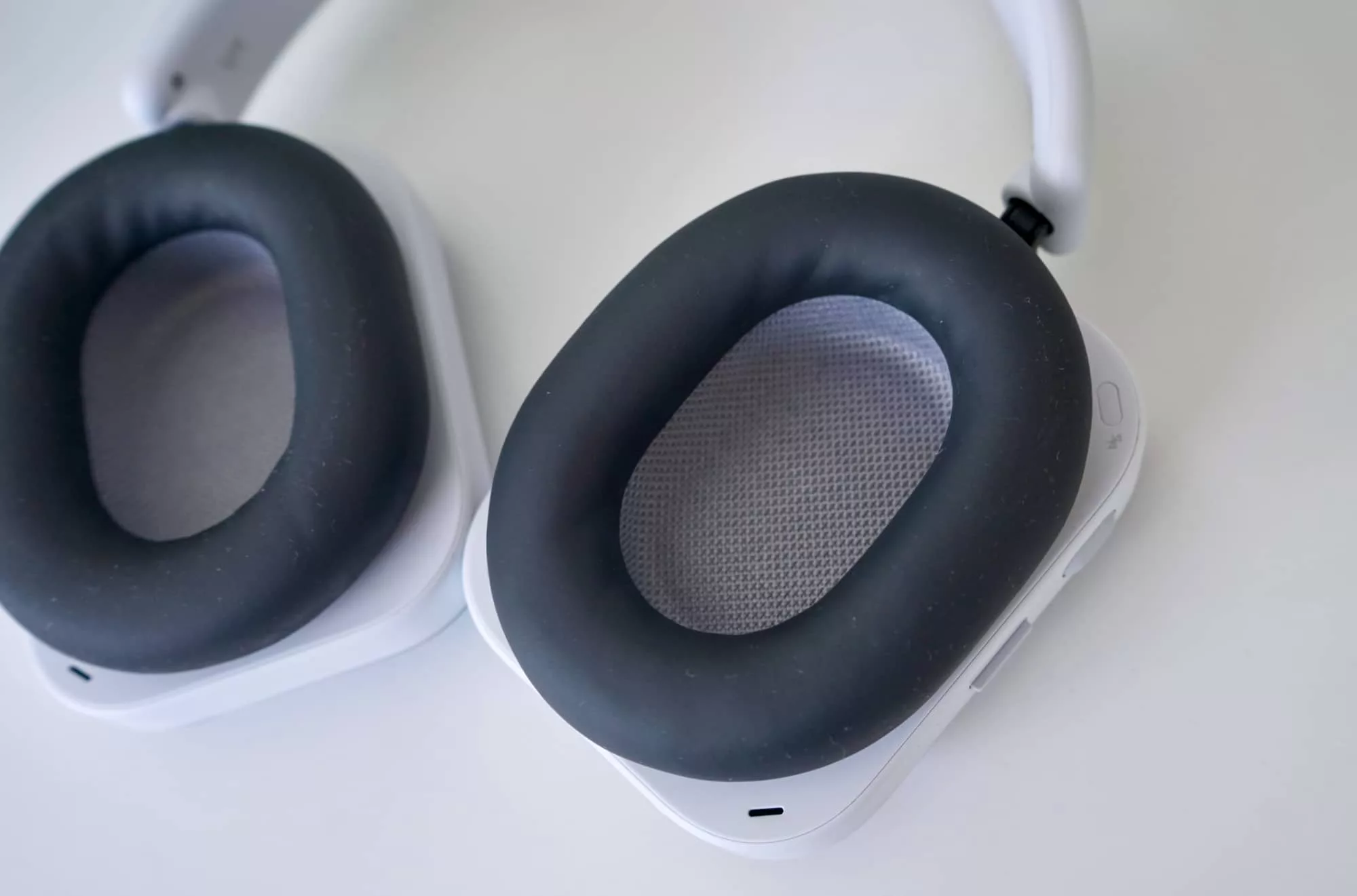
Offering a relatively large set of pads to encase your ear, the Headphone (a) aren’t just close to the spitting image of their sibling in the (1), they’re also as comfortable.
Sure, they’re technically not as well built, but they don’t feel a whole heap different, and it’s roughly the same story with the controls.
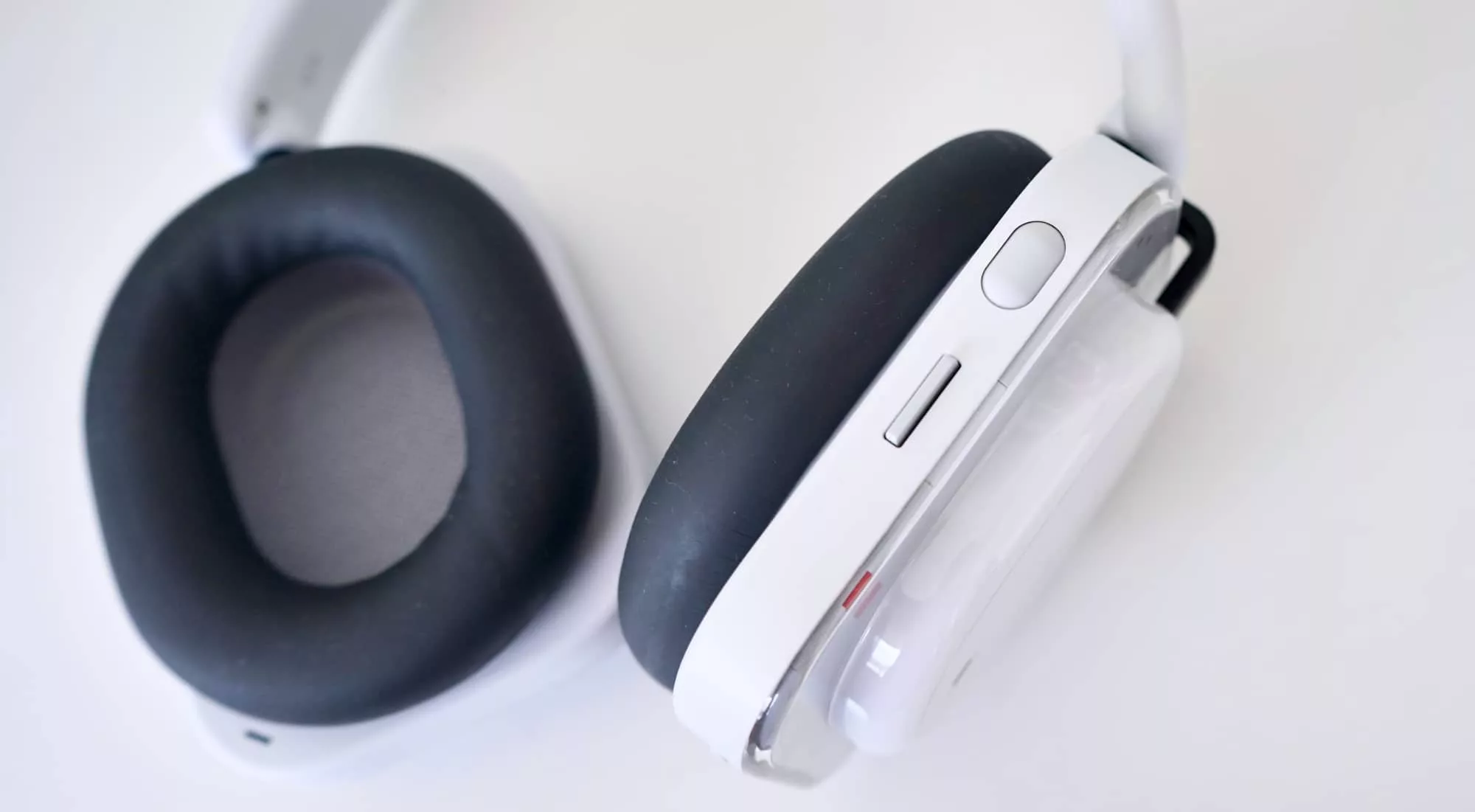
You’ll find a roller on the right can for volume up and down, which like the Digital Crown on the AirPods Max lets you dial in the volume up and down all too easily. Hold it down and you’ll turn noise cancellation on and off.
Underneath this is a physical paddle for track changes, which are basically flipping forward to go forward, or flipping backwards to, well, do that.
One new control is basically a custom button, allowing you to trigger the camera, a feature Nothing told Pickr was specific to the Headphone (a), with no plans to roll out to the Headphone (1).
Performance
Like all headphones, the most important aspect is how they sound, which is why sound gadget tested at Pickr is handled the same way: subjected to the Pickr Sound Test (which you can listen to for yourself).
These were no different and that started with electronic, delivering nice mids and bass, though the latter could be a little subtle at times. In Tycho’s “Glider”, the drop was there, and the sound almost warm, though that was very dependent on the track, we found.
For instance, modern music fared better than most music. Both Carly Rae Jepsen’s “Cut To The Feeling” and Ariana Grande’s “Into You” offered a reasonable amount of earthy bass and could almost be too overpowering at times, even without tweaking the bass settings in the Nothing X app, and the same was true with Mark Ronson’s “Uptown Funk”.
By comparison, the lows weren’t as clearly defined in Marvin Gaye’s, though they were rounded and you could still hear them. Even the guttural bass in FKA Twigs’ “Two Weeks” didn’t quite hit the right balance. It was there and punched, but it wasn’t as firm as we expect.
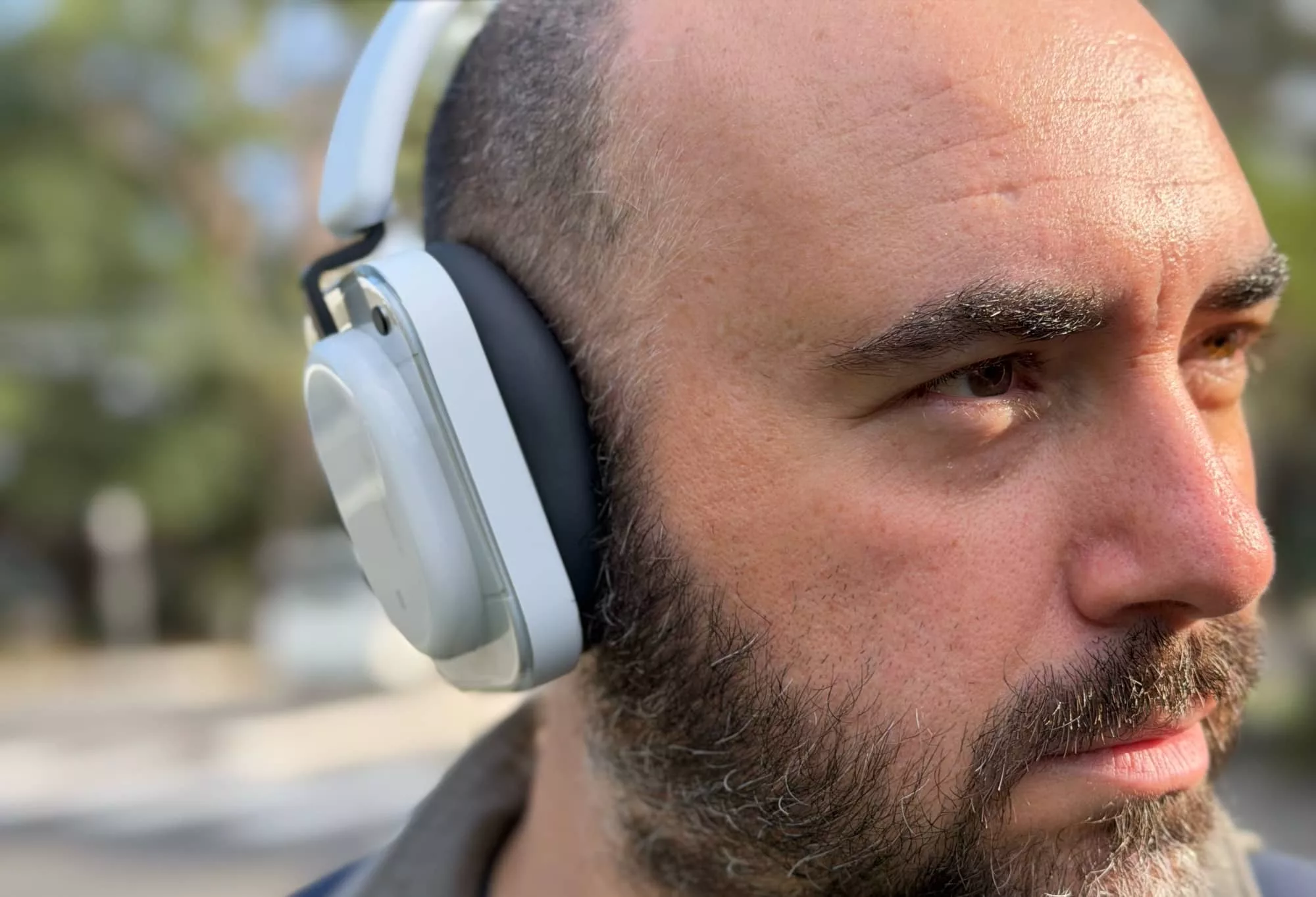
In fact, the more we listened, the more we realised that the tuning by KEF in the Headphone (1) really helped that first pair. With Nothing in the tuning seat, the sound wasn’t quite as warm for all tracks. It’s definitely good, and you’ll definitely find plenty of punch, but it’s not like the warmth from every pair.
Music with less over-excited mixing, like the jazz from over 50 years ago, or even rock from 20 to 30 years ago (we’re old) offered balance, but just less oomph than we expected.
The audio was comfortable and the separation clear, but we couldn’t shake the feeling that it could be better.
It will be good enough for most music, particularly modern tracks of today, but it could still be better. Maybe the customised EQ in the app will help that along, something Nothing does offer for folks to play with.
Spatial audio
What you won’t find here is much in the way of spatial audio, with the fixed version running, not the head-tracked equivalent.
That’s not going to be a major loss if you don’t rely on it, or even if interactive audio isn’t much of a thing to you.
However, if you need it, you’ll find a couple of settings in the app, covering spatial simulations of a “concert” setting and that of a “cinema”. It’s something, but isn’t quite like the head-tracked spatial of the AirPods Pro or AirPods Max.
It’s a different class of headphone entirely.
Noise cancellation
Fortunately, noise cancellation is still a part of the package, and it emerges relatively unscathed from its predecessor.
Testing it around town, we found cancellation was able to block many sounds, but wasn’t quite on the level as the best cans we play with, or even the best in-ears.
Both Apple and Bose have the edge from an in-ear point of view, and Bose and Sony over the ears.
These will definitely be fine for decent cancellation in flight, and even other forms of transport should be acceptable. But noise will bleed in, and the active noise cancellation isn’t on quite where it is on more premium headphones.
Battery
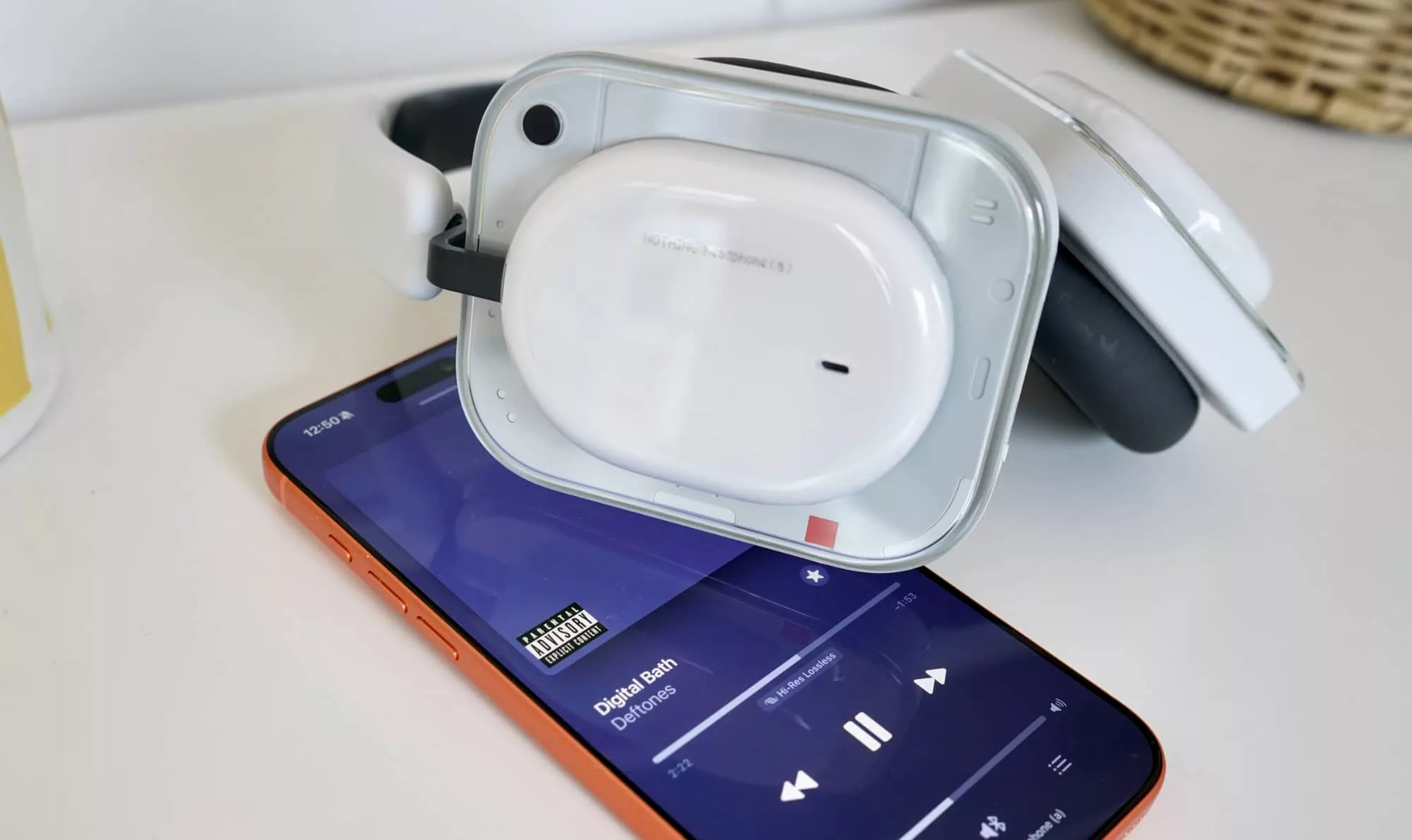
One of the best features is clearly the battery life, which just has so much to give.
Technically, there’s up to five days of battery life without noise cancellation, covering up to 135 hours provided ANC is switched off.
It’s a touch unrealistic to live without active noise cancellation when you have it, so for those of us who refuse to switch ANC off, the battery life is roughly halved, offering up to 75 hours instead.
Granted, that’s listening to most audio, though if you switch to high-res LDAC (which these support), expect the battery life to drop again.
Our realistic world for most listeners owning noise cancelling headphones is with ANC switched on and listening to compressed audio, so for an audience of largely everyone, you basically have a good 70 hours or so of life before needing a charge.
That is staggeringly good, and even manages to beat the solid maximum Sennheiser delivers for its cans of 50 hours.
We’re not sure the sound is quite where Sennheiser’s Momentum 4 gets to, but the battery life is exceptional. Nice work, Nothing.
Value
Priced at $329 in Australia, there’s definitely a case to be made for the value side of things, too.
Technically, there’s a good $220 difference from the $549 Headphone (1), essentially making the Headphone (a) more appealing overall.
The problem is that Nothing’s other brand, CMF, also offers a pair of excellent budget noise cancelling headphones, and they are arguably better value overall.
What needs work?
And that’s probably not the only problem.
While the design clearly won’t appeal to everyone, it’s a little easier to adjust to than the level of transparency and aesthetic the Nothing Headphone (1) delivers on. You only need to see how each look from the back to see just how calmer Nothing’s aesthetic is on the a-variant.
That’s not a problem.
But issues left over from the Nothing Headphone (1) are clearly still that: issues.
Like how the headphones feel cheaper because of how much plastic there is, and how they don’t fold up.
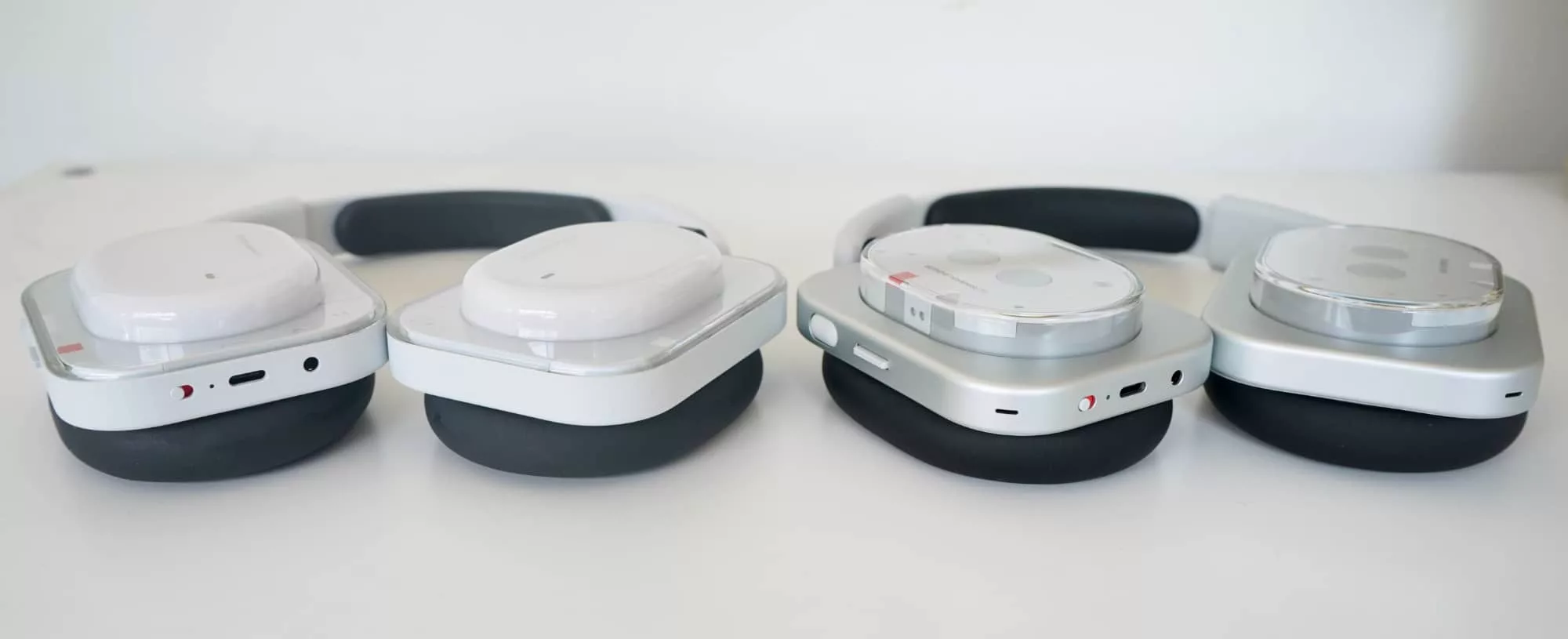
They flatten slightly just like their predecessor, but they’re not super portable, and the case you’re given is basically just a white bag. It’ll give some protection, sure, but it’s just a white bag, so you may as well just store them any way you can.
Or. the lack of an automatic pause, something you’ll quickly realise when you pull the headphones down to talk to someone. Automatic pause features aren’t new, but they’re missing in action here.
Or even how just like the Headphone (1) these earpads aren’t easily removable. It’s the sort of feature sister-brand CMF handled, but for some reason not over at Nothing. We’re not going to be too harsh on this one — have you ever tried removing the pads on more expensive headphones? This isn’t an area everyone gets right, though it is strange to see CMF nail it and Nothing, well, not.
Pretty much everything that was questionable about the more expensive Headphone (1) is still questionable here. Nothing has left some of the issues as that — issues — essentially delivering a less expensive offering that could have been that little better overall.
What we love
But the price is a win, especially since it undercuts its big brother by nearly half its price.
Even the design feels like a step in the right direction. It’s just that little bit more normal without being overly unusual.
The Nothing Headphone (a) will still turn heads, but it won’t make you feel self-conscious. That’s a win.
Even the use of colours grabs us. We really wish Nothing had sent the yellow model for review, because that really does look snazzy. But even without it, the style is unique enough that it’s cool, but not so unusual that you’ll get stares.
In short, the Headphone (a) is different, but is less likely to divide.
Headphone (a) vs the competition
While there’s a decent pair of headphones in the (a), the competition is quite fierce at this price point.
Sennheiser has both the $299 Accentum and $349 HD450BT, while Sony offers two excellent options in the $260 WH-CH720N (which can often be found for less) and the now two-generation-old (and six-year old) WH-1000XM4, available for not much more: closer to the $370 mark.
For that little bit more than the Headphone (a), the WH-1000XM4 is one of the best pairs still, and delivers excellent active noise cancellation and sound. They’re still an easy recommendation at near the Headphone (a)’s price point.
But perhaps the most obvious competitor comes from within Nothing’s own factories: the CMF Headphone Pro.
Priced at $179, these were one of our Best Pick winners for 2025, and they offer a similar sound and feature set with a different take on retro design.
And unlike the Headphone (a), the pads are actually easy to replace.
At roughly half the price of the (a), the CMF Headphone Pro still makes more sense from a competitive point of view.
About the only point of difference that really gives Nothing an edge is the look: there is nothing quite like its approach to design.
Every other headphone competing with the Headphone (a) looks like a regular pair of headphones. These look more like a clever piece of retro tech you get to wear.
It’s a different vibe, and many will dig it. They may even decide on these simply because of it.
Final thoughts (TLDR)
Nothing’s follow-up to its first proper headphone offering is both clever and cool, delivering what some might see as a style more people will dig.
On the one hand, it’s a lower priced set of headphones that offers many of the same features and looks as good (if not better). And yet, it’s also not as good as premium as the Headphone (1). The tuning is better there, as is the material quality. The Headphone (1) feels more flagship, and sounds it, too.
These are good headphones, offering battery for days. They’re not necessarily brilliant headphones, but for people who want a pair that’s different and won’t cost as much as the flagship, Nothing has delivered.
If you’re after headphones that stand out and will leave you with a little more money left over, the Nothing Headphone (a) are definitely worth a look, if not a listen. Recommended.