
Quick review
The good
The not-so-good

Does Apple make a cheap iPhone? Probably not. But Apple’s latest mid-range model uses the iPhone 17 style and spec sheet, and keeps it below a thousand. Is it worth it?
If there’s one question that you can bet is being asked to a technology journalist and product review, it’s this: does Apple make cheap iPhones?
The answer is a clear, resolute “no”. After reviewing phones for nearly 20 years — longer than the iPhone’s existence — this writer can say there’s no such thing as a cheap iPhone. But iPhones made for value do exist, and that’s what the iPhone “e” series is for.
Previously known as the “SE”, and now simply as the “e” series, this is Apple’s economical iPhone, which may as well be what the “e” stands for. Apple has never specifically confirmed it, but the iPhone 16e launched last year to replace the iPhone SE, offering a familiar design and spec sheet for less than a thousand dollars.
This year, the phone is back with an update, as we say “bye” to the 16 range and check out the 17e instead. Priced the same but now with double the storage, MagSafe, and an updated chip, it’s a slightly better take on the 16e on paper alone.
But it also has something better going for it than its predecessor: it now really represents value. Is it the mid-range iPhone for everyone, or should you spend a little more on something else from the 17 range?
Design
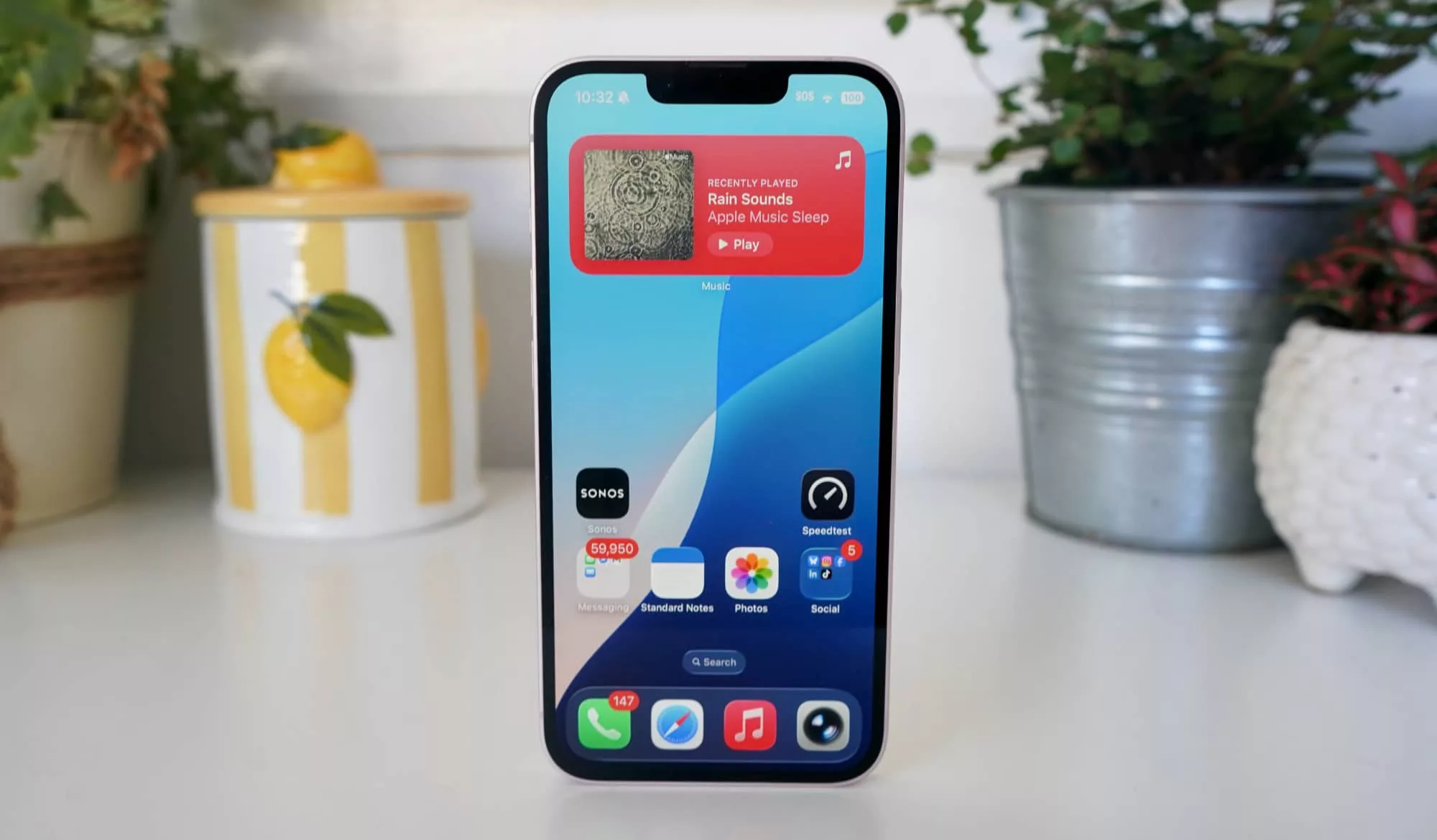
The economical iPhone is never going to be about setting the design world on fire, and given its price point, no one should be surprised. In the iPhone 17e, you’re basically getting an iPhone 17 frame and style with one camera, and it actually looks a little older than that.
It’s not strictly an iPhone 17e on the surface. Rather, it’s more of an iPhone 16e or even an iPhone 14 and earlier, thanks to that design and notch. It’s a little familiar and simultaneously old school, not that this is a bad thing.
The iPhone 17e is a decent looking device, endearing itself with all of the looks and industrial design you expect out of a premium phone, albeit one that just so happens to come in for under a thousand in Australia.
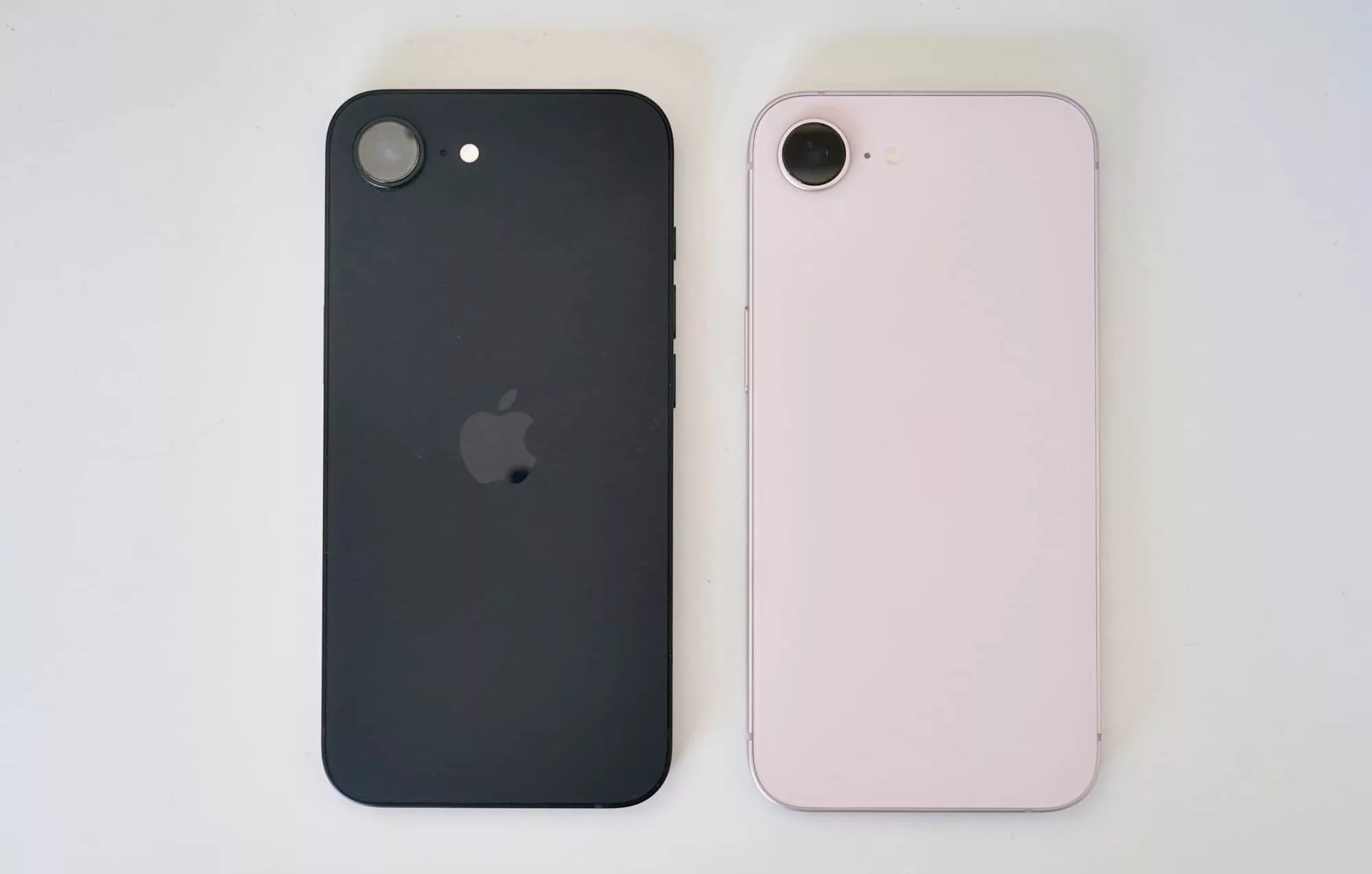
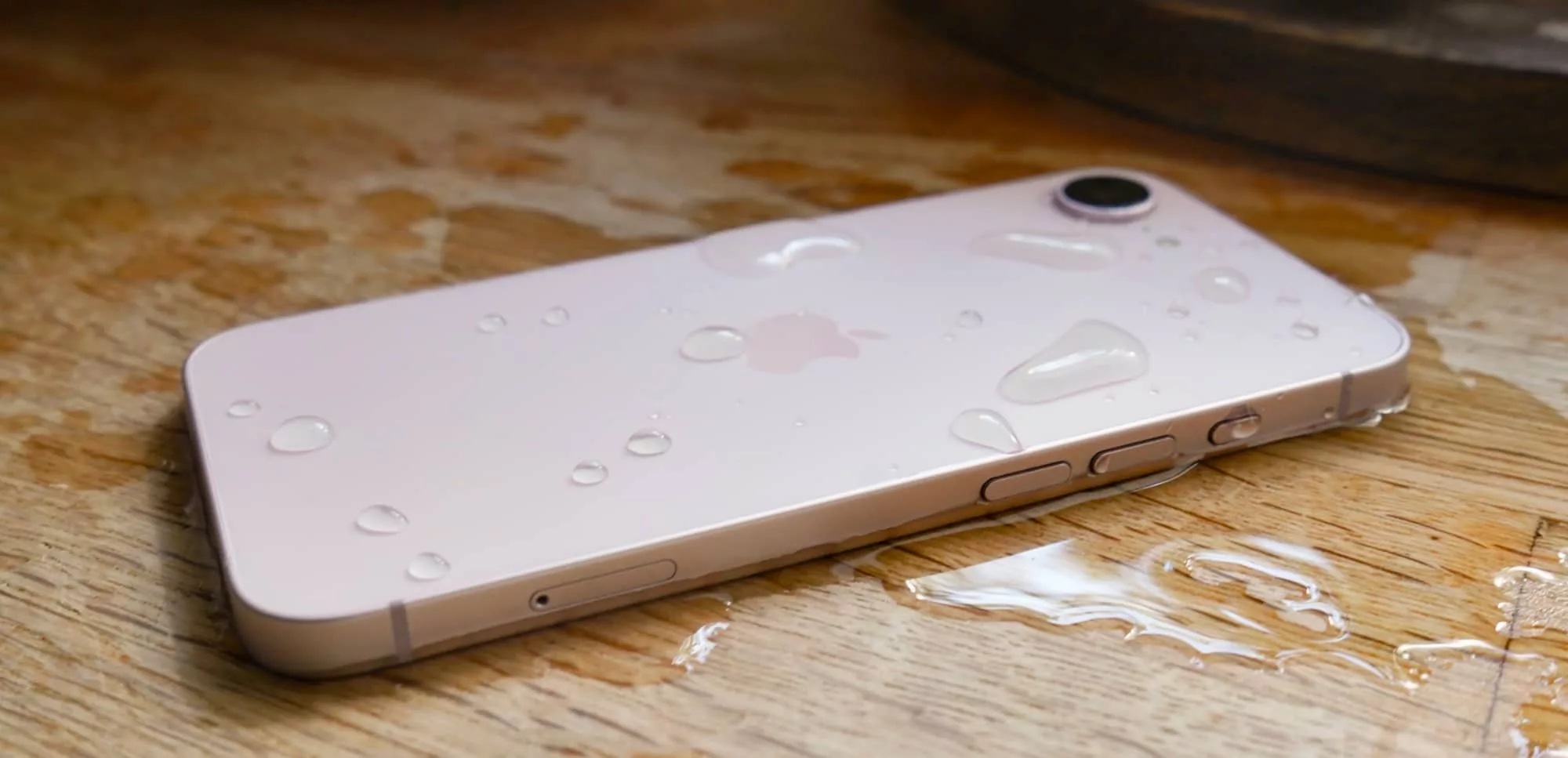
That means you get an aluminium frame and glass on the front and back. Apple has actually done something a little better in this instance, bringing the same recent Ceramic Shield technology as the rest of the current iPhone range, meaning it should come with strong durability, too.
Officially, that means you get Ceramic Shield 2 on the front just like the iPhone 17, providing more scratch resistance than the first-gen Ceramic Shield on its predecessor.
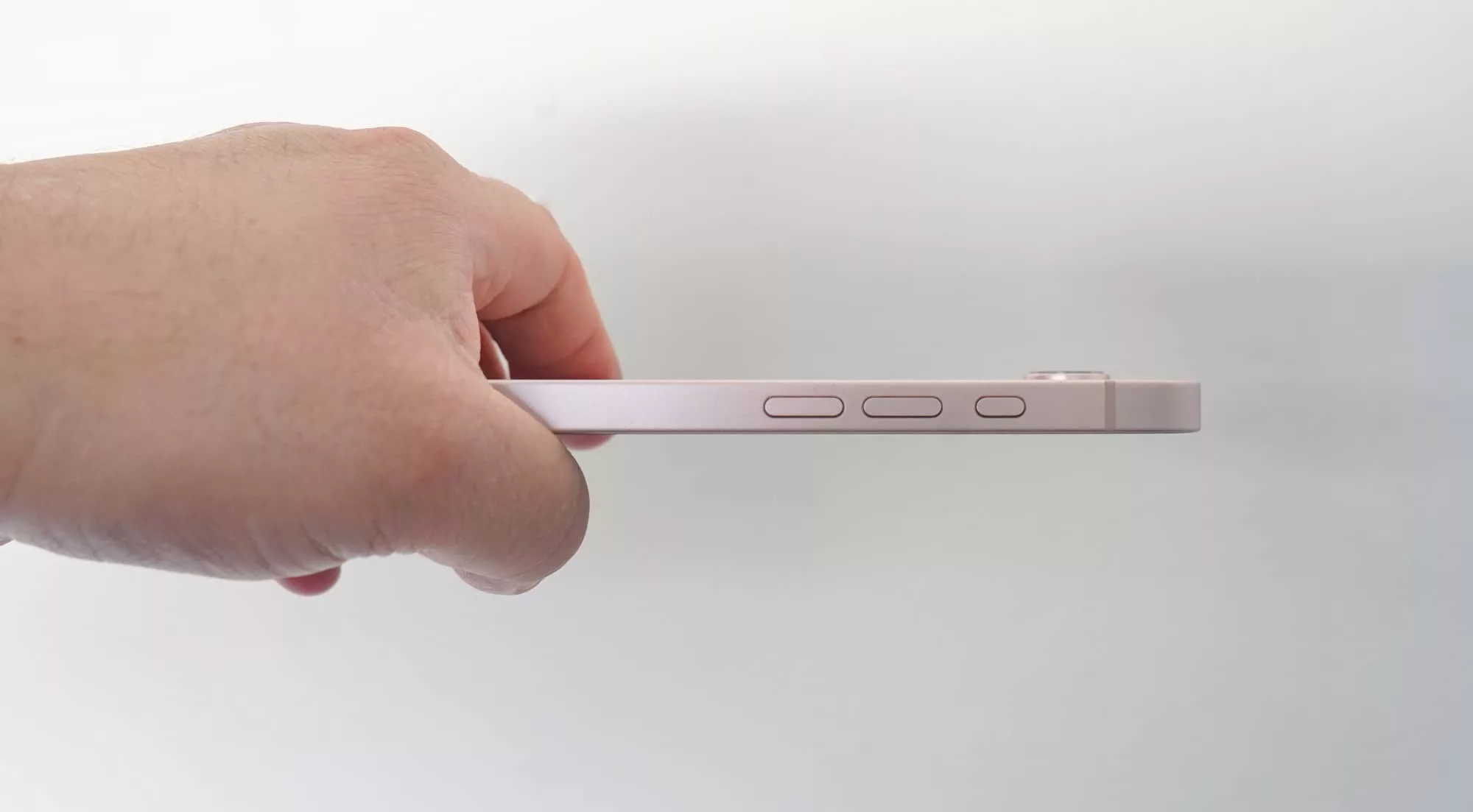
It does manage to weigh a grant total of three grams more than the 16e — 170g versus 167g — but the size is the same, the dimensions are the same, and the IP68 rating is still also the same.
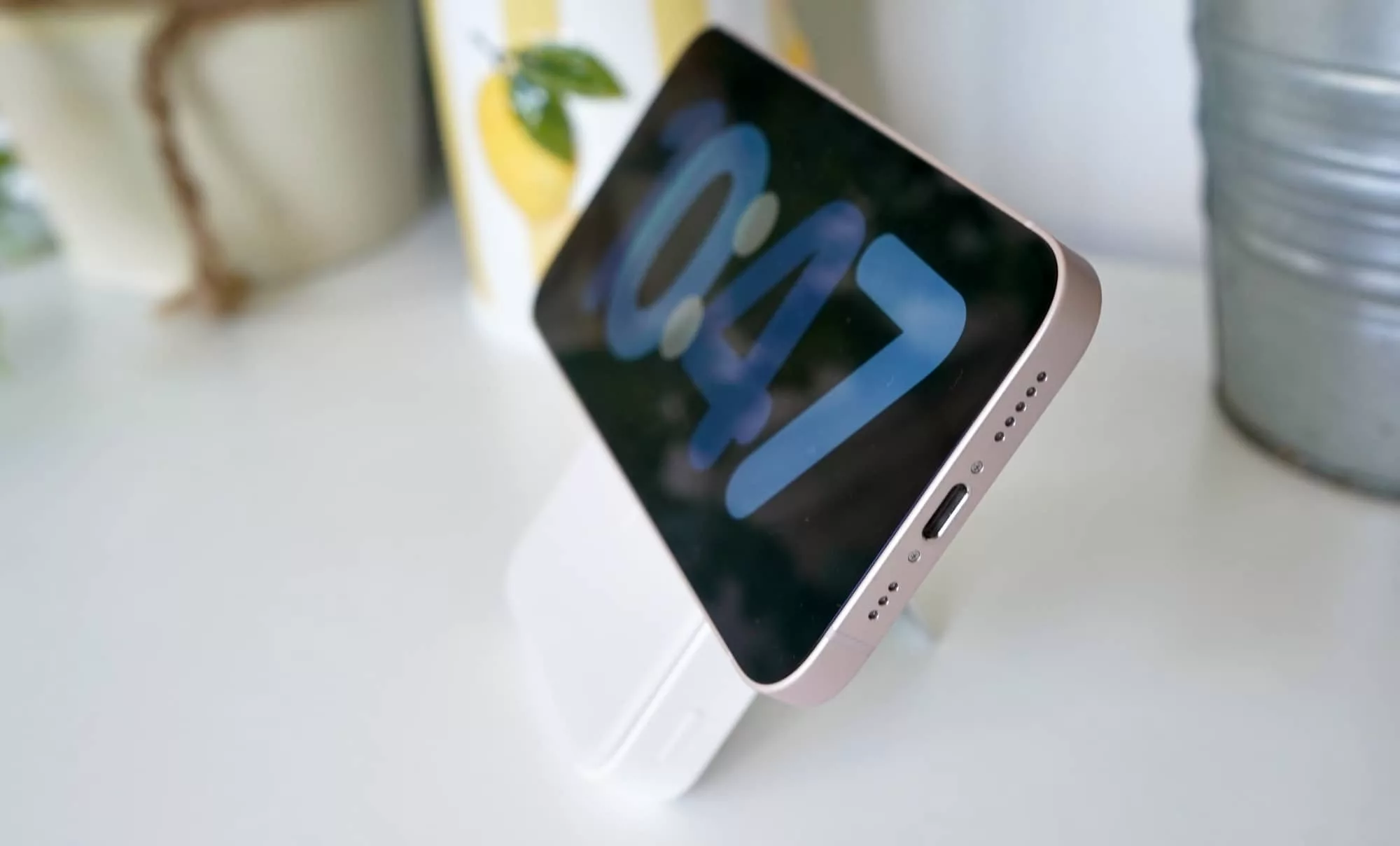
From a design point of view, the iPhone 17e is all too familiar, and that’s not a bad thing. If we had to guess, the extra weight might come from the magnets for MagSafe and Qi2 now found underneath, and that’s a positive addition all things considered.
Features
The Qi2 magnets are just one part of the changes, though there don’t appear to be many. Really, the iPhone 17e isn’t an upgrade path for folks with its iPhone 16e predecessor. It’s more for folks with an older iPhone who may not need more than a single camera, but still want an upgrade, and it shows in the hardware this thing has.
There’s a new iPhone 17-era processor, the Apple A19, a minimum of 256GB storage, and a single 48 megapixel camera with optical image stabilisation on the back, while the front sees a single 12 megapixel True Depth selfie camera.
You won’t get the clever auto-centring tech of the 18 megapixel Center Stage front camera found in the rest of the iPhone 17 range, but you still get a 12 megapixel camera, which should be fine for most people.
Parts of it do feel familiar, though, as if we were looking back at the iPhone 14 range.
In fact, comparing the features between these models actually brings up memories of the iPhone 14, because minus the cameras, chip, and Lightning port at the bottom, the iPhone 17e could very well be its older sibling.
It’s almost as if Apple had plenty of iPhone 14 models lying around, and basically game them a necessary upgrade in hardware, while changing the camera.
The iPhone 17e isn’t entirely an iPhone 14, and it clearly won’t be as easy as Apple simply redoing that phone, but aspects are really reminiscent, including size and thickness, MagSafe rings, 12 megapixel front-facing camera, WiFi 6, Bluetooth 5.3, and even that screen.
Display
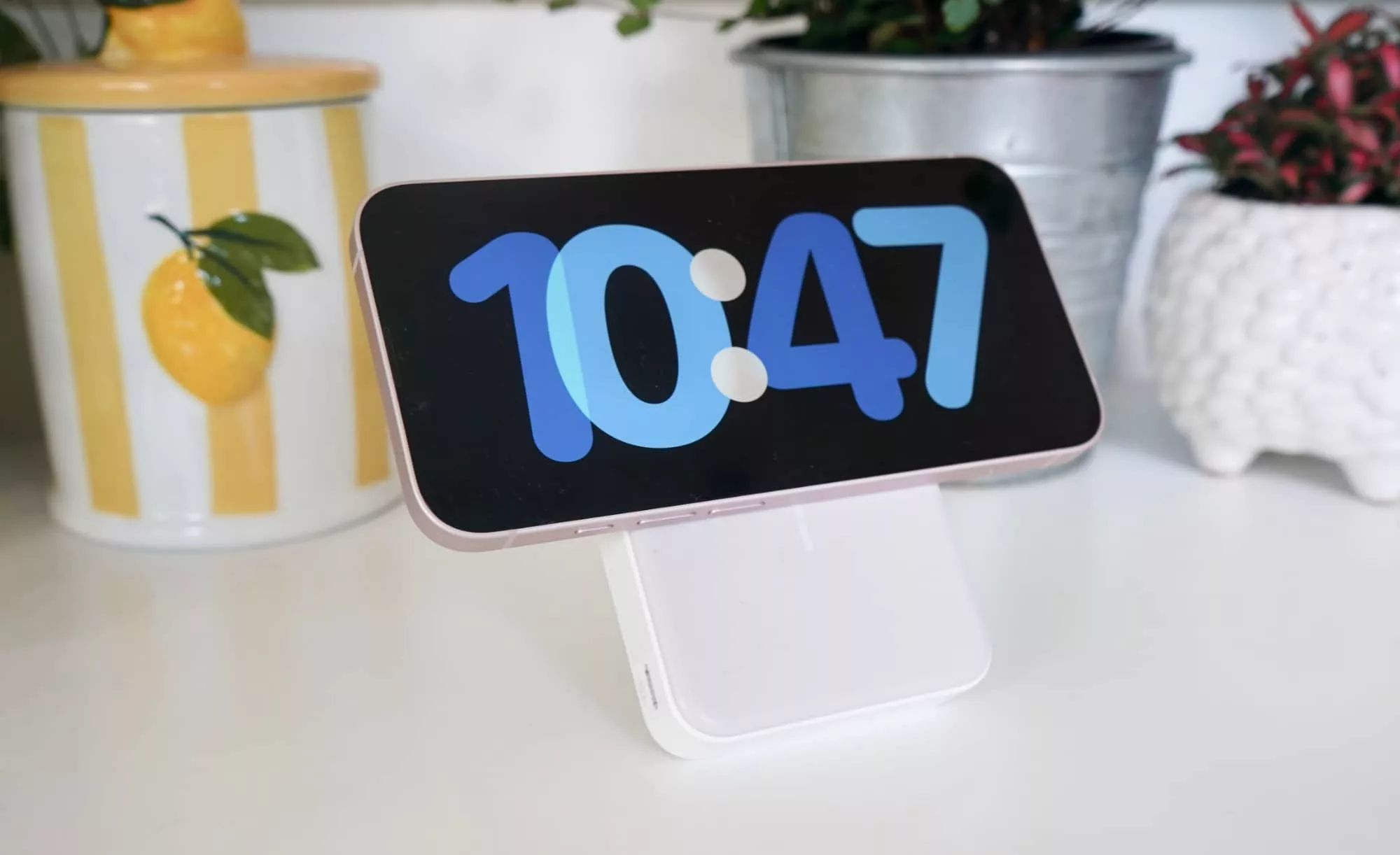
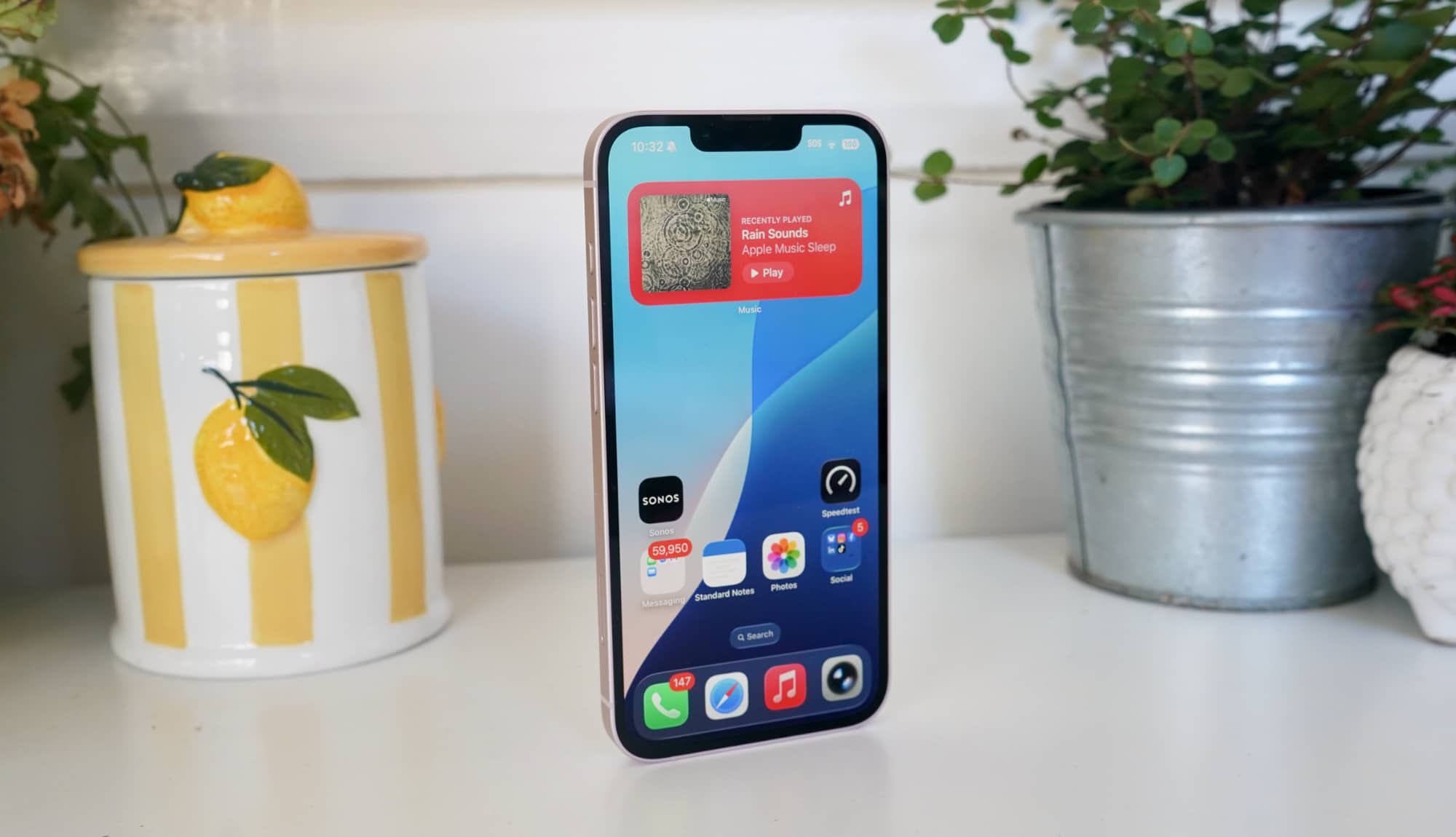
Yes, the screen is exactly the same, running the 6.1 inch OLED display sans-ProMotion’s 120Hz refresh rate, sans-Always-On, and with that notch older iPhones used to come with.
While not up there with the rest of the iPhone range, the iPhone 17e screen is still easy on the eyes, and lovely to look at. You may not care about the slick speed of the ProMotion display, and you mightn’t worry about there being no Dynamic Island.
Sure, the notch is largely in Apple’s rear view mirror, but who really cares?
In-use
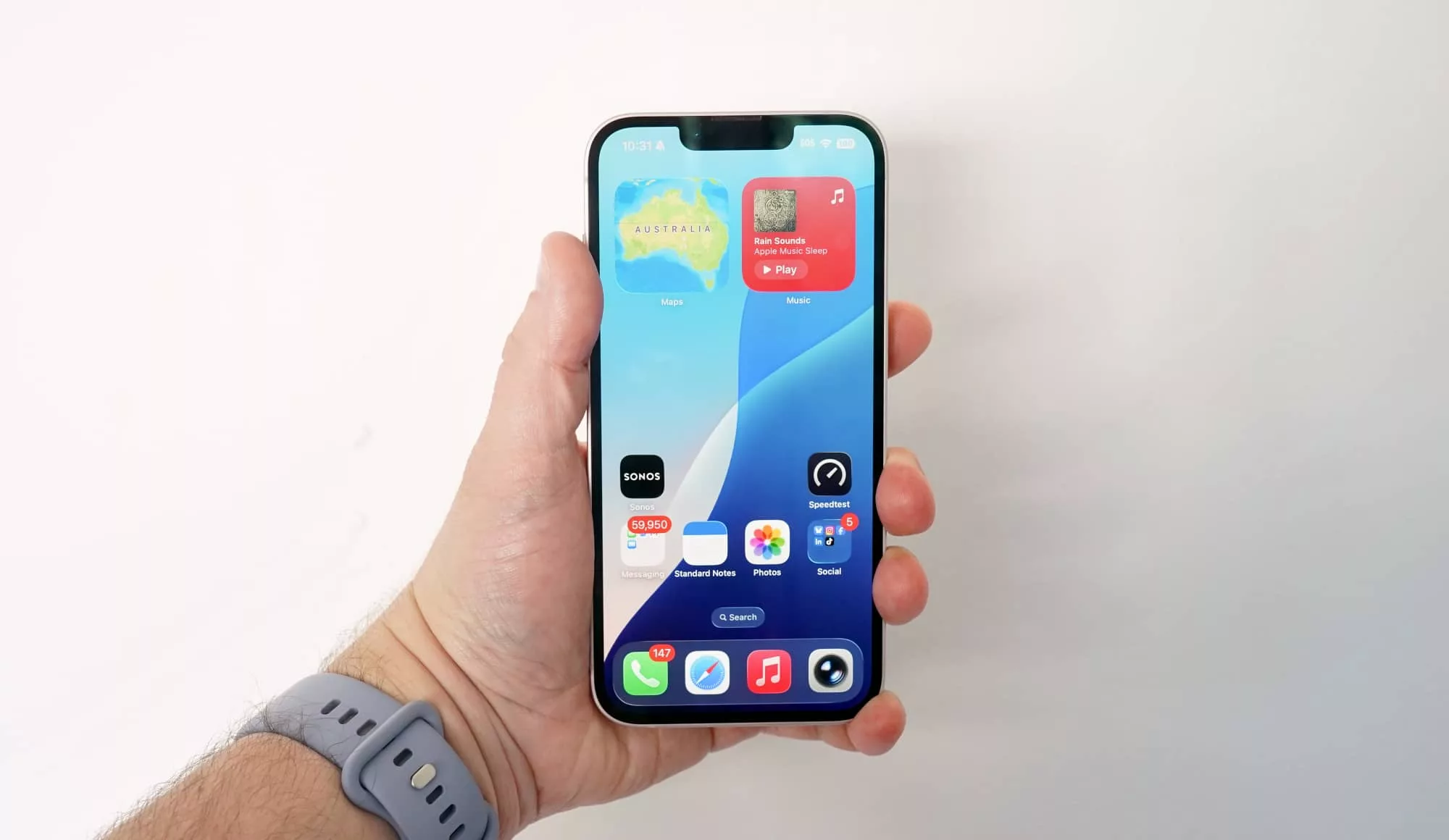
Using the iPhone 17e is rather like every other model, and because this combination of new and old is a thing, it means you’ll get that on the hardware, too.
That means the ringer switch is now the action button, while the haptic Camera Control slider isn’t found on this model. Call that one of the extras you get on the standard 17. It’s a feature most won’t care about, this reviewer included (nice to have, but not needed).
However, everything else synonymous with using an iPhone is here, including the Face ID scanner for unlocking your mobile, iOS 26 out of the box, and the simplicity with which Apple’s phone is known for. It’s a cinch to use.
Performance
It’s also quite powerful, thanks in part to that new processor, which gives is a proper edge over its predecessor, and even the iPhone 14 we’re fairly sure much of the design and spec comes from.
While it’s not quite as speedy as the A19 Pro, there’s a lot to work with in the standard A19, giving you a phone that can potentially last several years.
| Device | CPU Single Core | CPU Multicore | GPU |
|---|---|---|---|
|
Apple iPhone SE 2nd-gen (2020)
Apple A13
|
1321
|
2409
|
6247
|
|
Apple iPhone 14 (2022)
Apple A15 Bionic
|
1731
|
4767
|
12674
|
|
Apple iPhone SE 3rd-gen (2022)
Apple A15 Bionic
|
1735
|
4651
|
13397
|
|
Apple iPhone 16e (2025)
Apple A18
|
3210
|
7854
|
24144
|
|
Apple iPhone 17e (2026)
Apple A19
|
3007
|
8120
|
30374
|
|
Apple iPhone 17 (2025)
Apple A19
|
3060
|
8022
|
36956
|
There are clear system performance improvements, but even slight changes to the mobile performance, though you won’t notice a lot of them unless you’re counting the megabits per second.
Using the Apple C1X modem, we found the hardware achieved a slightly better mobile connection, especially in places where mobile reception was complex at best, putting it diplomatically.
That’s not a fault of Apple’s, but rather of telco and building, with the 17e able to break through and get the lowest of connections, though something is better than nothing.
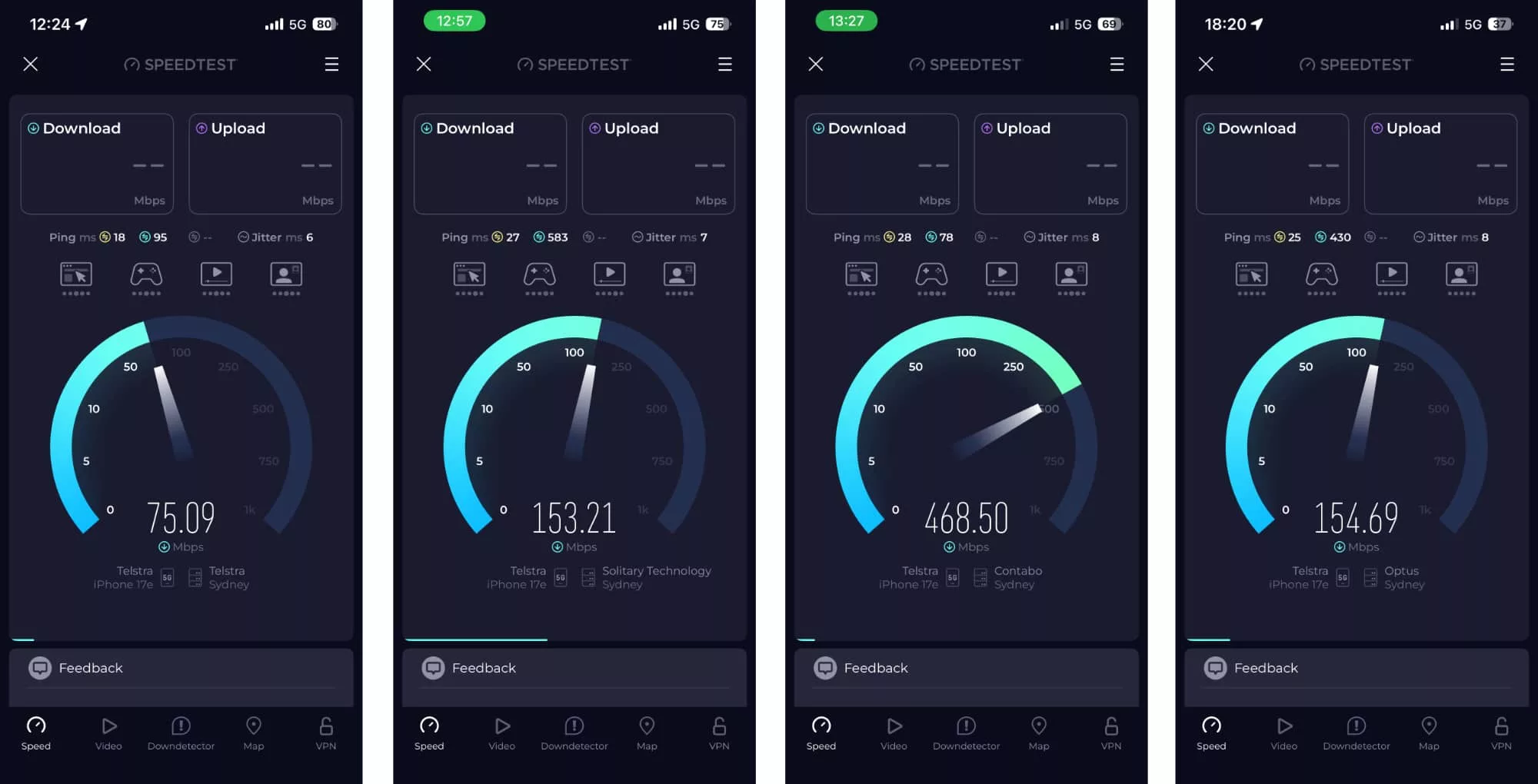
In terms of overall mobile speeds, we found the iPhone 17e was able to hit speeds as high as 470Mbps when tested on the Telstra 5G network by way of virtual operator Belong. That should mean fast speeds are within reach of anyone near a 4G or 5G tower in Australia, and possibly the rest of the world.
It’s worth noting that while the performance is good, the iPhone 17e can get properly warm, and we’re not entirely sure why. Our guess is the wireless side of things, but it’s handy being aware, because this thing can get toasty at times.
Camera
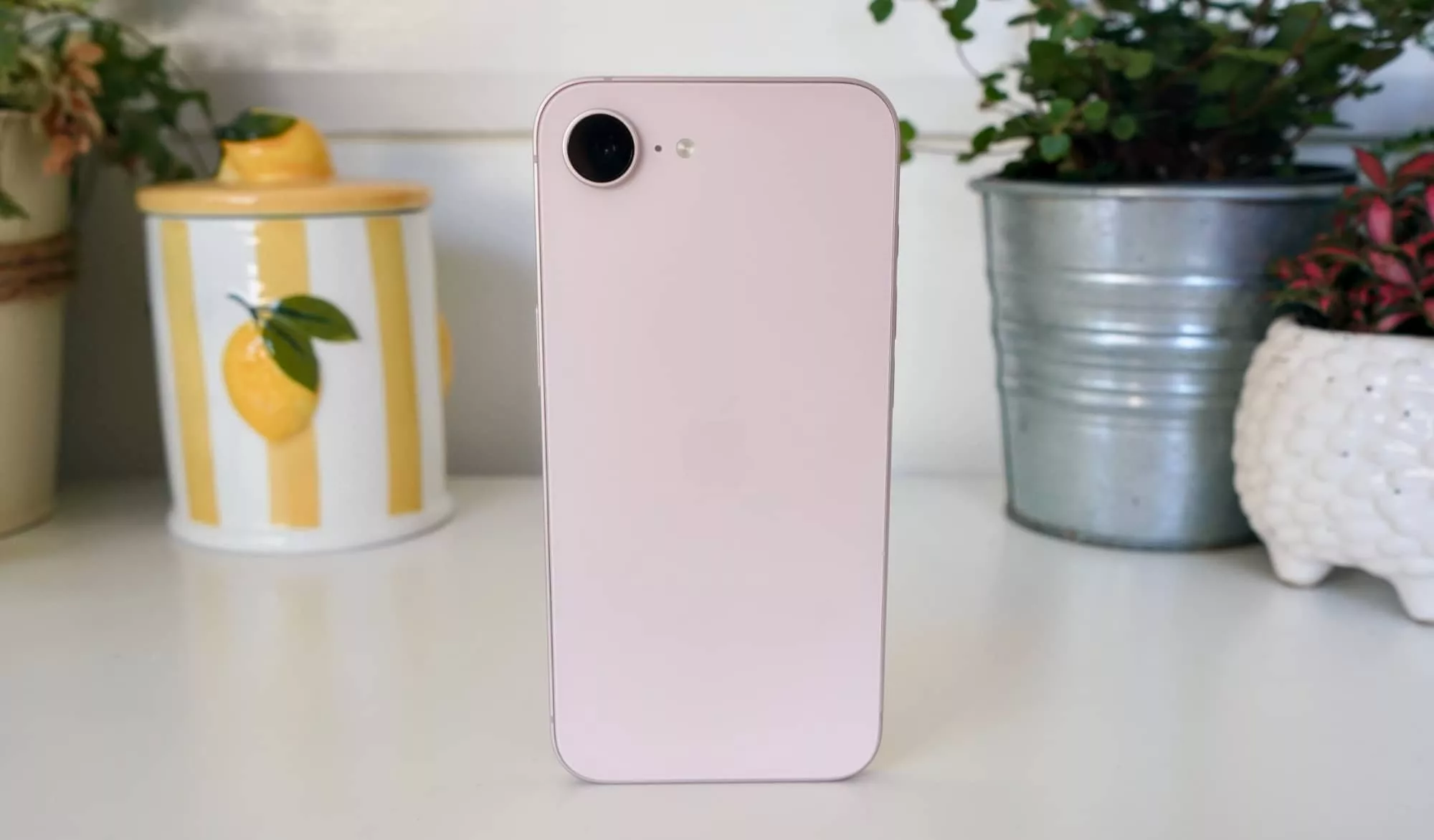
A fast chip for speed and new modem aren’t all this mid-range mobile has to offer. There’s also a 48 megapixel camera covering for 1X and 2X, which is more or less the same as last year, but still a decent single camera solution.
It means instead of an ultra-wide or ultra-close, you have a single wide camera working at 12 or 24 megapixels, but can also capture at 48 megapixels if you want it to.
The results from this camera are fine, but not mind-blowing. Images in daylight are crisp and clear, and portraits look great. That’s the typical results we expect out of an iPhone. Meanwhile at night, low light’s stacked shots are fine, but you may find blur and movements unless you’re really quite still.
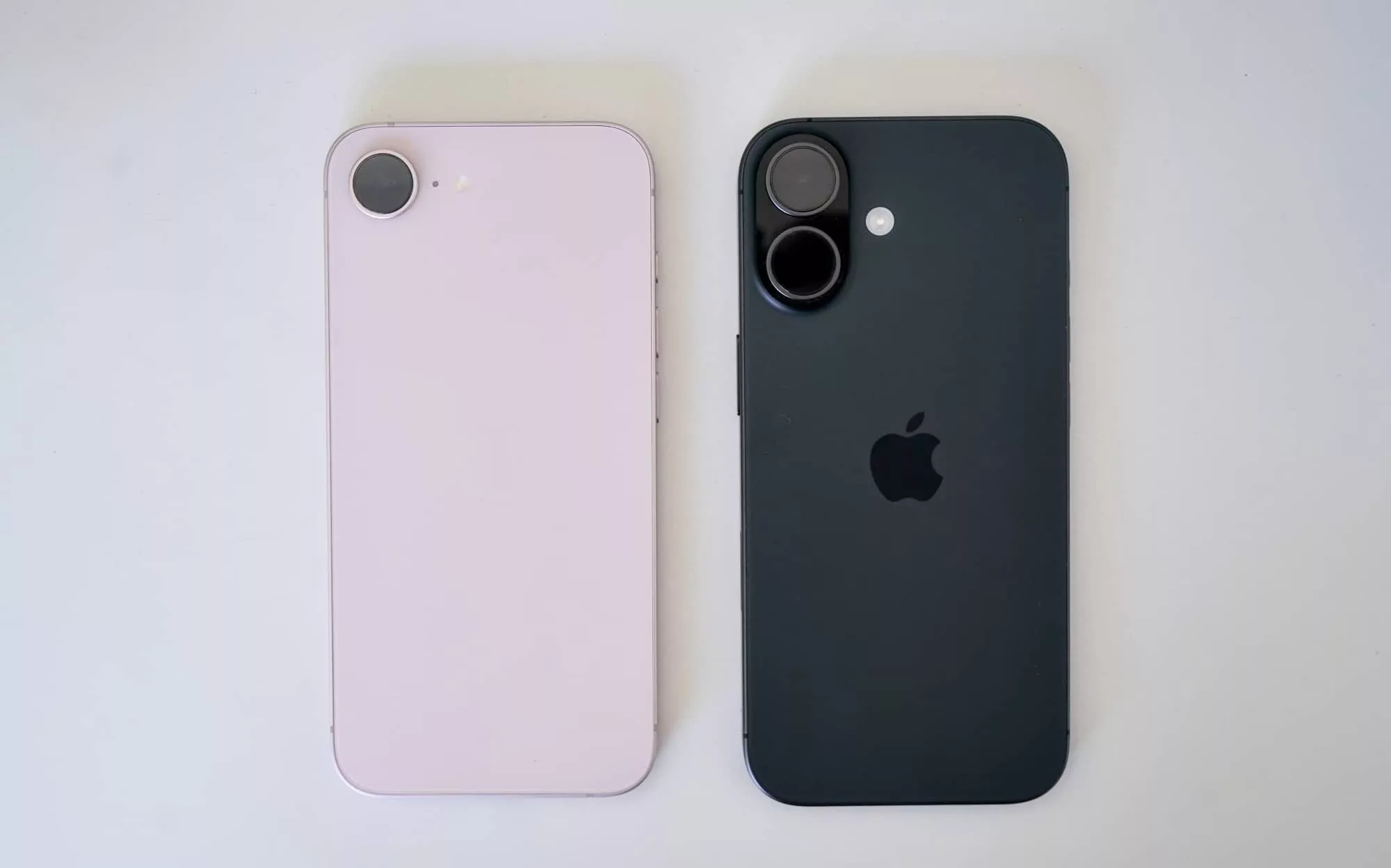
While the camera on the 17e is acceptable, it is by no means anywhere near the camera quality you can get out of the standard 17 nor the more expensive 17 Pro. They’re all a similar size, but they all also come with different camera stacks, and the 17e’s is the least remarkable of the lot.
It will definitely be find for the casual owner, particularly one that isn’t going to lean on their iPhone to take every photo in their life, but it isn’t by any means the best iPhone camera around. Not these days, anyway.
It’s definitely like the iPhone 16e camera in that it does the job fine, though does feel like it could be that little bit better.




Battery
There are other similarities, too, such as the battery life, which like the smaller iPhone isn’t necessarily spectacular.
While you can hit over a day with the iPhone 17 Pro Max, you won’t likely pull a full 24 hours with the iPhone 17 standard, and the same is true with the iPhone 17e. They’re actually quite similar in that way.
Our tests showed roughly 4 hours of screen time were likely from the battery, with the phone likely conking out around the fifth.
| Device | Battery |
|---|---|
| Apple iPhone 17 Pro Max |
25:49
|
| Apple iPhone 17 |
23:39
|
| Apple iPhone 16e |
20:52
|
| Apple iPhone 17e |
20:11
|
Testing the phone with Pickr’s Battery Bench app, our bespoke benchmarking app that works across iOS and Android, and we saw a battery life near that of its 16e predecessor, covering just over 20 hours, yet still under 21. We actually found less time than its 16e sibling, but the result was comparable so not a major change.
Interestingly, the iPhone 17 has a little more battery life in the tank than its 17e sibling, giving you yet one more reason to consider the standard model over the more economical option.
Value
About the one area which feels different (but different good) is the price, which now feels even more on point than it did before.
Last year’s $999 price point for a 128GB single-camera iPhone was good in the iPhone 16e. But this year’s $999 RRP for a 256GB single-camera iPhone 17e makes even more sense, especially given it now competes with the 256GB Pixel 10a which also sells for $999.
Doubling the storage is a winning move for Apple, and now the $999 retail price makes a whole lot more sense.
While there are always less expensive phones, particularly in the mid-range, a hair under $1000 for what is basically one of the latest iPhones with enough storage for a few years is a great option. This is excellent value for an iPhone.
What needs work?
Not everything is perfect over in Apple world, and the lack of an ultra-wide macro-capable lens is still a little surprising, especially given that ultra-wide lenses can be found on mid-range phones aplenty.
Apple clearly has that in the iPhone 17, and the iPhone 16 which it leaves around. The iPhone 17 is obviously better than this phone, the 17e, which also offers a 48 megapixel ultra-wide as part of its Fusion camera.
What surprises this reviewer is that Apple hasn’t opted for even the retired 12 megapixel ultra-wide for the 17e. It’s just the one camera, and that’s all. It’s not that the 17e’s single camera is bad — it’s definitely not a bad camera — but Apple could have brought in an ultra-wide, and yet chose not to.
What we love
While the battery life isn’t amazeballs and the camera amount is on the small side, what we love about the iPhone 17e is that it’s just about everything you could want from the iPhone in a lovely relatively compact size (or at least for the current phone market).
You might miss the ultra-wide camera with support for macro shots, the ProMotion 120Hz screen, and the camera control found on its more expensive siblings. You might. But your probably won’t.
In fact, you probably won’t care because almost every aspect of the iPhone 17e works because the formula of “just enough iPhone” works in almost every way, and even better than last year’s iPhone 16e.
The screen is just big enough, and just quality enough, too. You’ll get OLED but not the 120Hz screen, but that’s not dramatically different to the iPhone 14, which the iPhone 17e screen feels like it could be (albeit with improve screen protection).
The chip is fast enough, and on par with the iPhone 17. The wireless connections are a little stronger overall, and while the camera could be better, there’s a logic that makes sense with the 17e: if all you want is an iPhone for less, the iPhone 17e is a current version that nails that objective.
Is it a great iPhone? Maybe, but if you want something much better, we’d spend a little more on the standard 17, or even consider the more premium 17 Pro and 17 Pro Max. Both are exceptional.
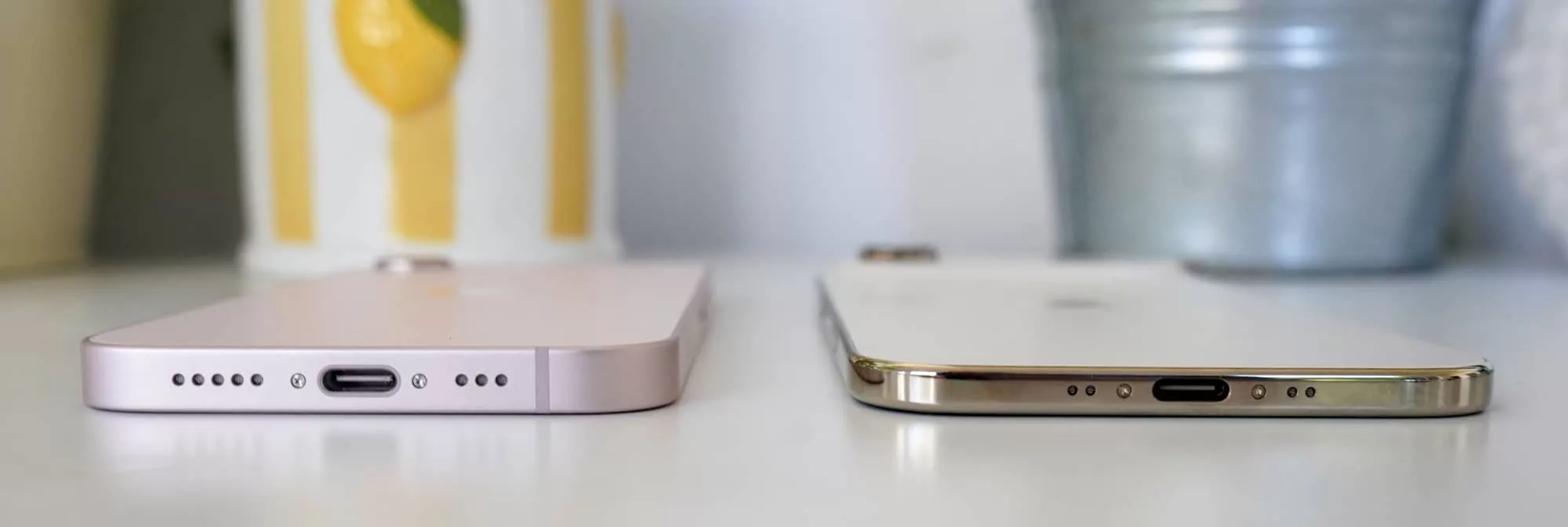
If anything, the 17e feels like it gives the iPhone Air a run for its money, delivering a similar camera and performance in a marginally thicker design. There’s not that much difference between the 7.8mm of the iPhone 17e and the 5.64mm of the iPhone Air. Not enough to count, anyway.
Final thoughts (TLDR)
While there are definitely aspects that could be improved, the sub-$1000 starting price of the iPhone 17e delivers just the right economical take on an iPhone that so many people will want.
For parents, the 17e wins “cool” points because it’s an iPhone, while adults of all ages who just simply want an iPhone will love that this model saves money. It’s like buying an iPhone 17, but realising you don’t necessarily need the extra camera, which is also totally fine.
This year, the price is even better because you’re getting double the storage. At $999, it’s exactly the same price as Google’s 256GB Pixel 10a, which technically starts at $849, but only for the 128GB model, half the storage.
The price is just that much better in 2026, and makes the case for Apple in the mid-range. It’s not perfect, but it’s still a lot better than the price typically demands.
There’s no such thing as a cheap iPhone per se, but the iPhone 17e gets close. It’s about as much iPhone as a budget buyer might want and better value than you might think. This is a value-driven iPhone, and for many, that’s A-OK. Recommended.