
Even though it can seem like technology changes all the time, the reality is that some things are fairly slow to move. There may well be a new TV every year, new phones, and new computers, too, but not everything sees a yearly upgrade cycle.
Speakers often take time before something new comes out, and the same is true with headphones. Audio technology not only lasts a while, but also takes time before it sees an upgrade.
Typically, headphone cycles run every two or three years, but some have been known to go longer, and you only need to look at the Apple AirPods Max to see an example of that.
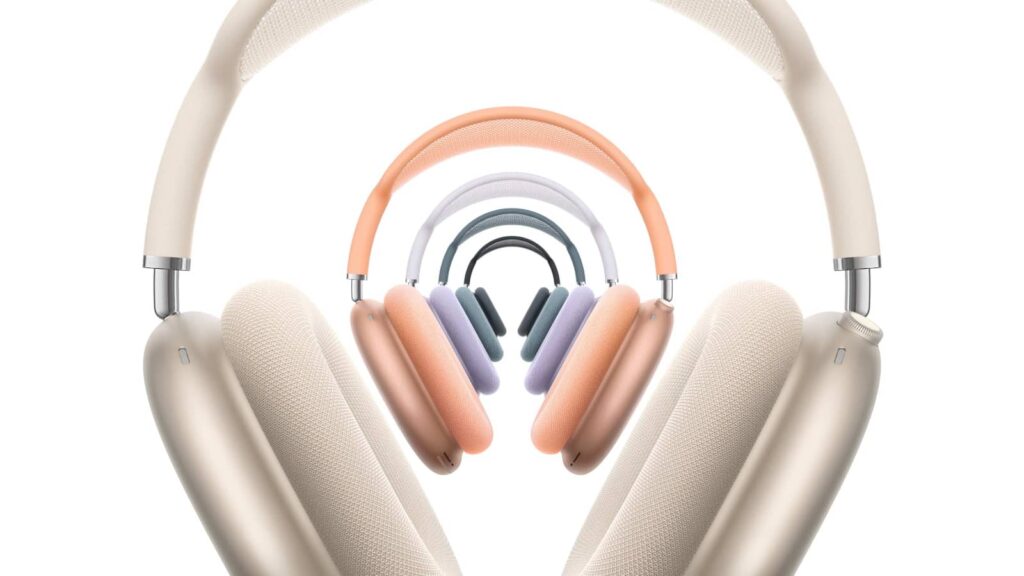
Released back in 2020 and barely updated with a USB-C port five years later, the AirPods Max have felt a little lagged in terms of technology updates. Even the AirPods Pro have been updated twice in the time they’ve been out, first with the AirPods Pro 2nd-gen, and then more recently with the AirPods Pro 3.
But good news, because the AirPods Max is finally getting a proper updated, not that you’d realise it from looking at the pair.
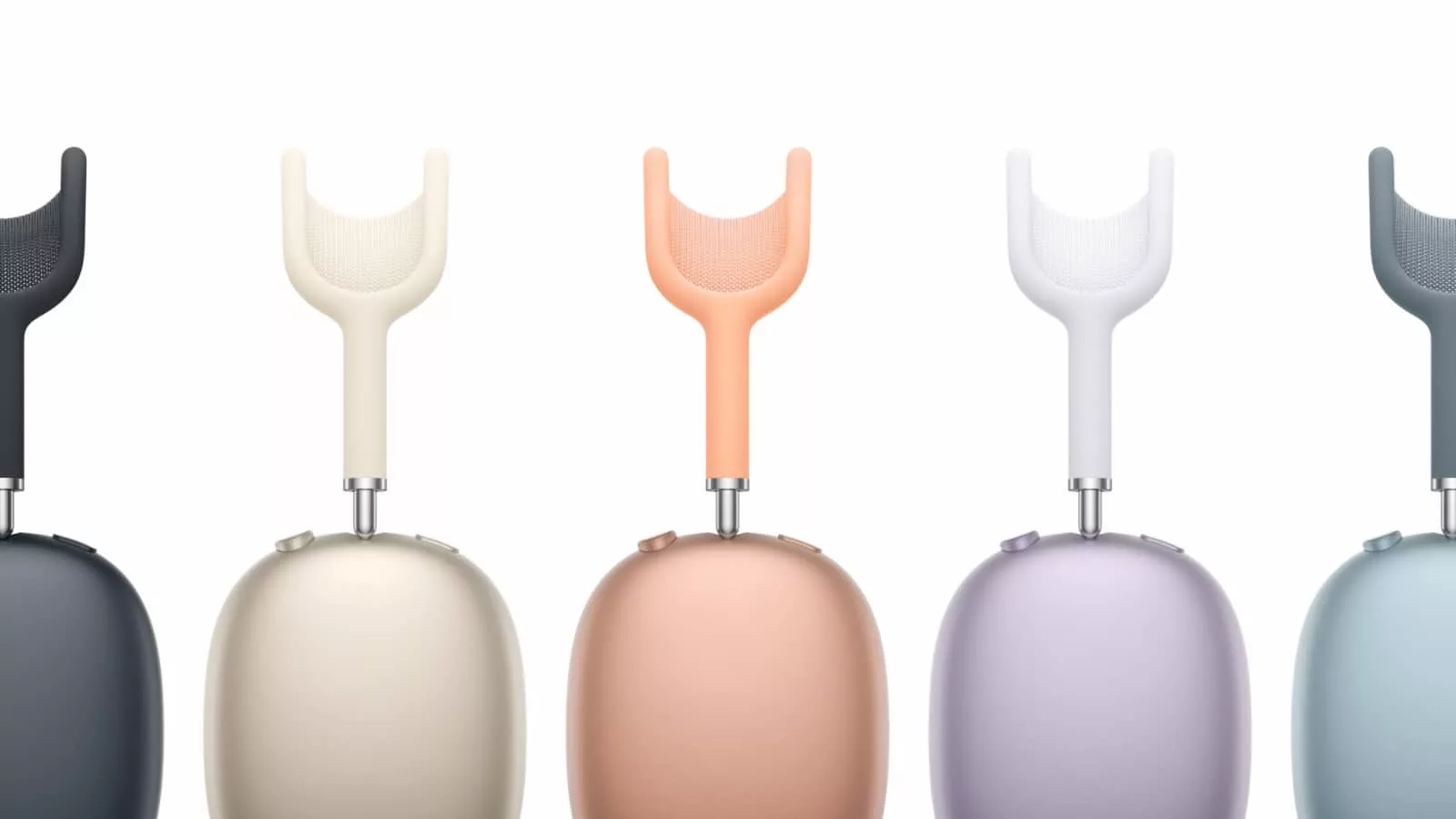
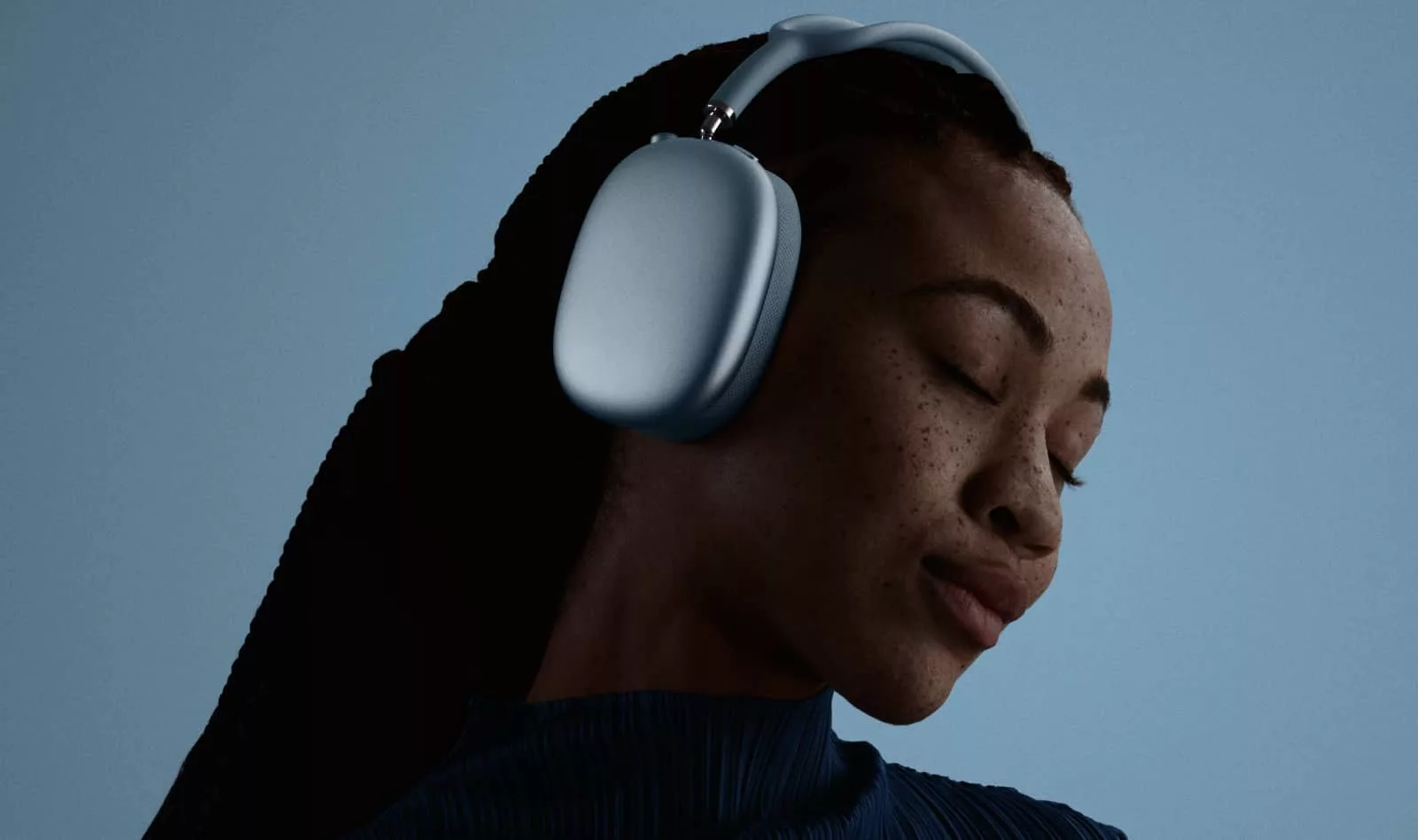
The AirPods Max 2 are the spitting image of their sibling, but include a new processor, with the H2 replacing the H1 in the previous model.
That previous USB-C port still sticks around, and the controls are the same, but the main difference is what the new processor can deliver, with support for live translation, conversation awareness volume control, voice isolation in calls, and adaptive audio to change the volume of the noise cancellation and transparency in relation to the world around you.
Improvements to active noise cancellation are also likely to be here, because the new processor is going to be a little faster and more capable overall.
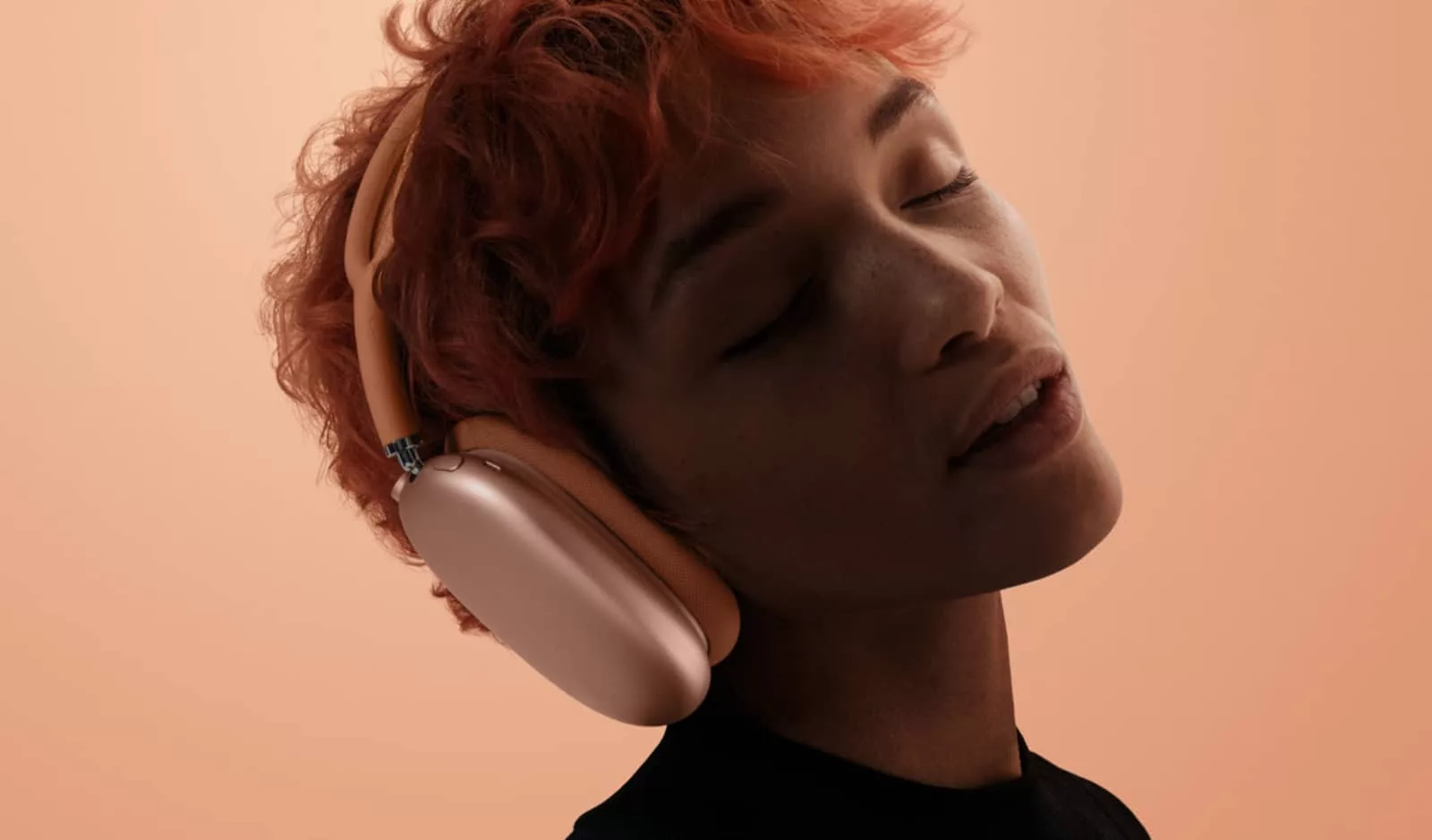
In short, the H2 upgrades will bring the AirPods Max 2 more in line with the experience on the AirPods Pro 3, though it won’t be entirely the same. You’ll find the hearing aid features on the AirPods Pro 3, but not on the AirPods Max 2. Meanwhile, the AirPods Max 2 comes with a new amplifier to improve the sound, plus a way to trigger the camera from the controls on the headphones themselves.
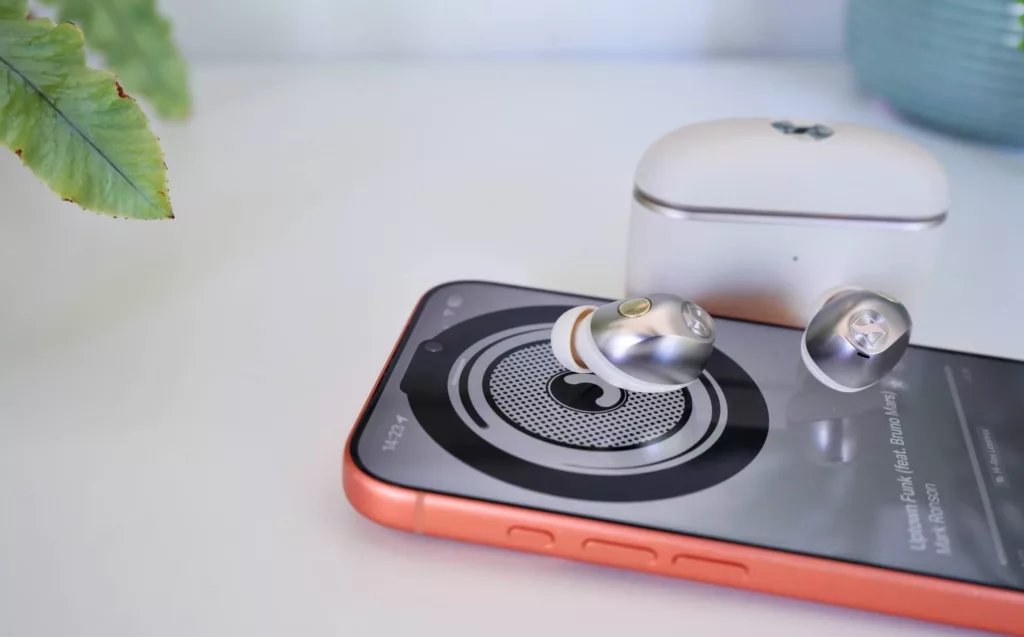
What’s still missing in version two (technically version three) is support for high-res at a level higher than 24-bit 48kHz, something Sennheiser’s HDB630 manages thanks in part to a special USB dongle you can plug into your phone.
However, the two headphones are priced in much the same way, with the AirPods Max 2 set to compete from the $999 price point when they land early in April.