


There’s seemingly a new type of scam every day, as criminals work out ways to relieve you of your hard-earned money, and lately it seems scammers are turning their attention to gambling as a scam.
As if you needed more reason to be frustrated with the internet, on the internet, by the internet.
The concept of gambling scams has given way to a new term that kind of says it all, as scambling becomes a thing of the modern internet.
Scambling sites are essentially what the name suggests: a fraudulent take on online gambling with fake casino websites and fake lottery websites. But much like how “the house always wins” in the film Casino, the scammers will always win in their illegitimate gambling sites and apps.
Gambling itself is a bit of a question mark of stakes, but fake gambling sites are a different direction again, where fake casinos and a supposed set of winnings are hinted at, but not real.
They’re simply a way to steal money, bank and credit card details, and personal information, with sites popping up with messages about account verification to withdraw winnings, promises of a bonus, and the typical scam trick of urgency with a limited offer.
Think of scambling sites like a phishing site only one designed to look like a casino, suggesting you can win money if you act now, urgently, often without thinking. It’s not just an issue with websites, but also apps, with links taking you to fake casinos and hoping you’ll spend up to win, when the whole thing only really results in losers.
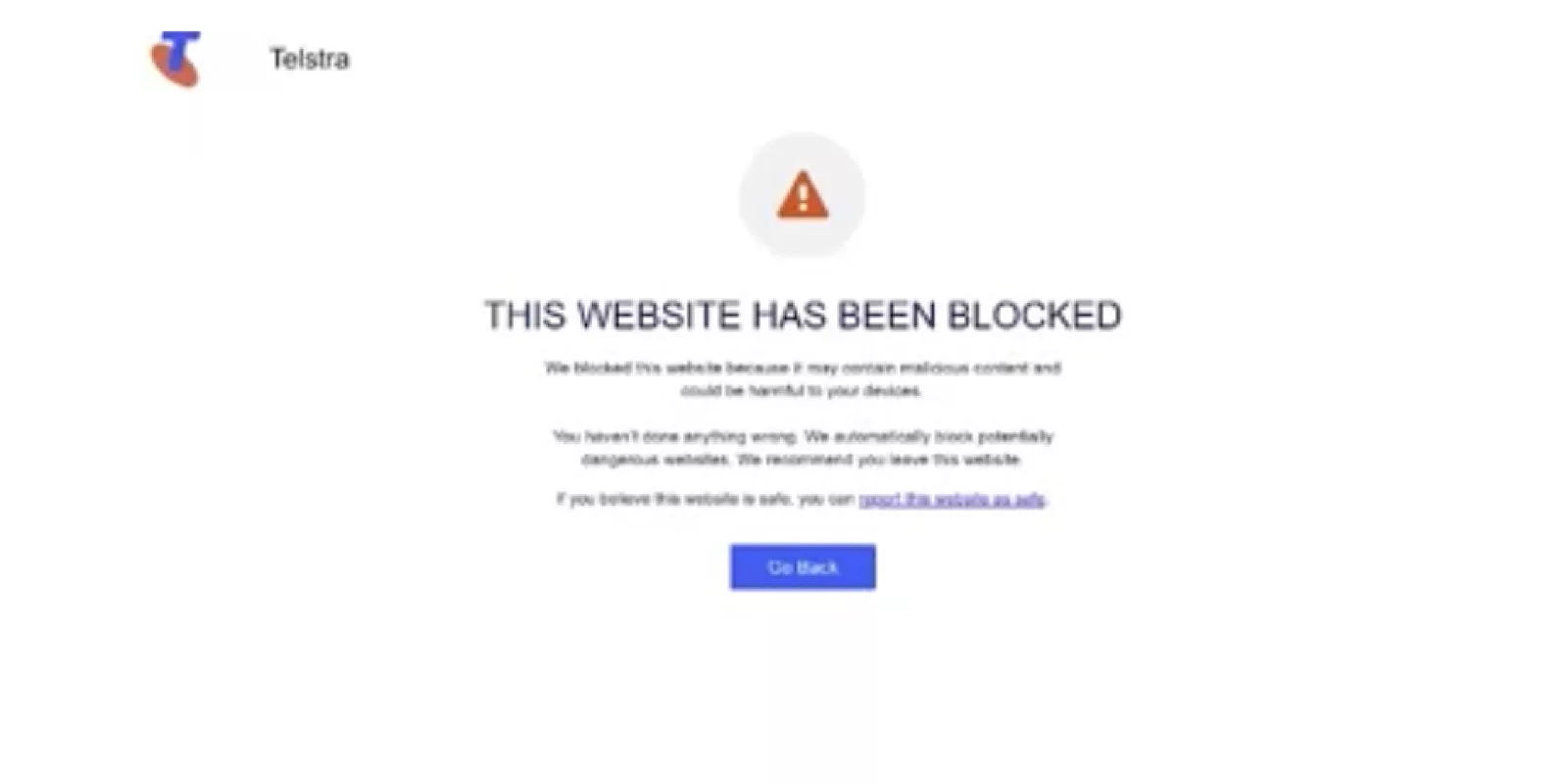
It’s a problem affecting the web, and Telstra has been trying to fix it, using the first five months of the year to block nearly 1800 websites running fake gambling campaigns, adding to what Cleaner Pipes does.
If you’re a Telstra customer or someone who uses the Telstra network through a different smaller carrier, such as Boost, Belong, or Woolies Mobile (to name a few), Cleaner Pipes is Telstra’s system to cut back on scam calls and internet nasties flooding the network, easing the load and improving the service simultaneously.
Patterns emerge
To make this work, Telstra says it’s finding patterns in text messages to potential victims, and blocking the access. But the patterns themselves are an intriguing clue, and one Telstra has hinted at before.
You may already know that urgency plays a big part in scams — this piece alluded to it before — but Telstra’s monitoring of SMS linked to these gambling scams have found night is often the best time to make these attempts, to essentially coerce people to click and make a bet.
Telstra’s research has in turn found that nearly two-thirds of scambling messages are sent between 6pm and midnight, with much of that happening from 7pm to 9pm, the actives times when dinner is over and before folks head to bed.
In the middle of the night, there’s a further spike between 2am and 4am, where the feeling of urgent messages becomes even more frantic.
A random message when you’re half asleep can make us feel like the urgency is warranted, and a click could send you down a black hole of sorts.
Some of these habits can be tracked to other systems, with the website locations from one possibly being used across apps, giving Telstra a gauge for where links can be blocked. Users could also be reporting the sites and links, giving the Cleaner Pipes program a helping hand.
A rambling, scambling lesson
Telstra’s efforts won’t catch every scam, nor will it catch every fraudulent call or every gambling scam. The net is only so good, but it should get better over time as the network and its researchers learn more.
However you can stay aware of scambling attempts by keeping your wits about you, and recognising some of the signs scammers employ to get your attention.
That’s especially important if you’re not using Telstra, with the protections afforded by Cleaner Pipes only relevant if you use Telstra for your internet, whether it’s through Telstra directly or one of the smaller mobile operators using the same network. If you’re with Optus, Vodafone, or just about any other broadband network, you’ll need to fend for yourself, with these network protections not being included for you, making it vital to know what to so.
For instance, this type of scam can play out over the web, but it can also appear in ads inside of apps, or even through messaging. When that happens, urgency will likely be the main indicator, telling you to “act now”, or words to that, with the lack of thought being what drives success for scammers.
Instead, think about what you’ve clicked, and think about what you’re being told to go to. If a website is promised to be a favourite one, rather than take it at face value, close a window down from an app or from social, and open it up in a different app. Namely your web browsers; open up the link in that.
Before you pass on details, whether it’s phone or email, or credit and bank card details, have a good think as to whether this site is legit and real. It doesn’t take much to build a site, and scammers are all too happy to take your money and your details. Have a really good think.
And ultimately, if something sounds too good to be true, it probably is. You can apply that expertise to so many categories, and it’s the same here.