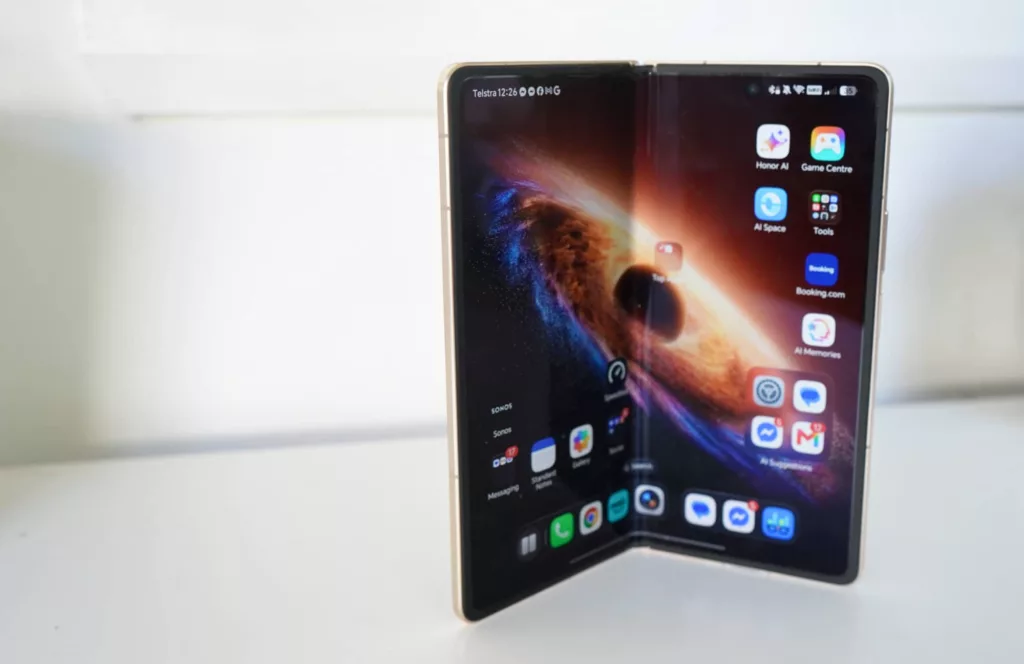

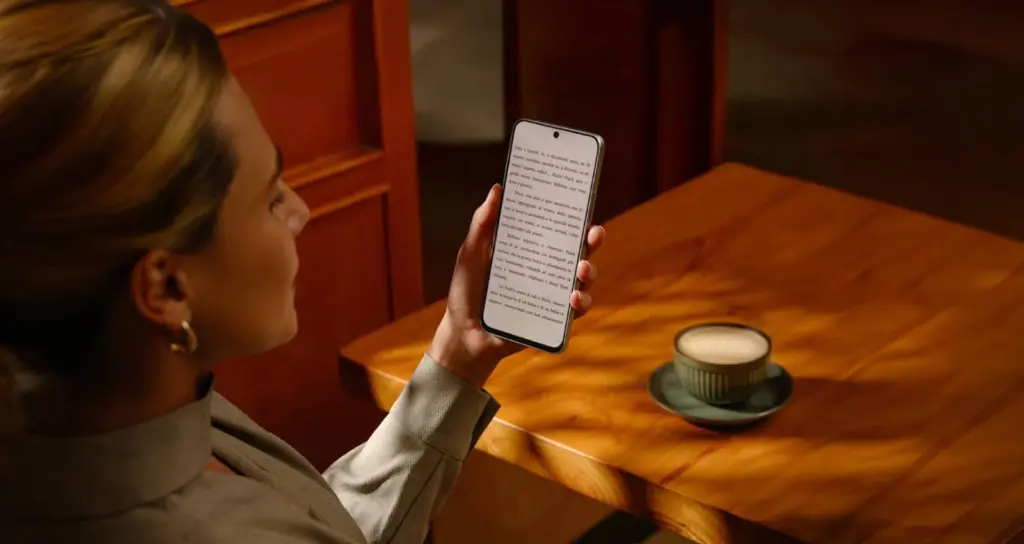
You don’t need to be an engineer to know there’s a clear difference between the screen your phone has and the screen found on a Kindle or Kobo. Even though they’re both electronic, one is made for everything and the other is made mostly for text, with the latter focused primarily on text and built very differently.
While an LCD, LED, and OLED screen renders pixels through various light emitting diode and chemical technologies (even organic in the OLED variety), electronic ink is named because it uses pigment inside tiny capsules that are moved on the surface. It’s like printed ink, except digital.
There’s little in the way of glare and the reading experience tends to be more like that of the printed page, which is why e-ink screens are so good for books, and can be comfortable to read from over long periods of time, just like the printed page.
But they’re typically not found on phones. You might find the odd model never released locally, or even an accessory for your mobile, but a dedicated eBook reader that works as a phone is rare, beyond maybe the Light Phone, and they’re not easy to find in Australia.
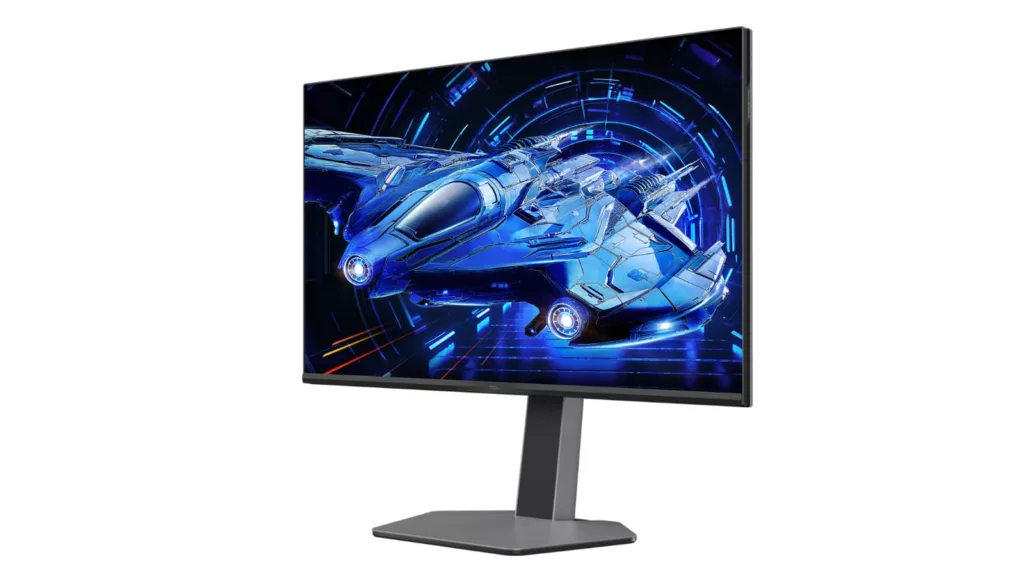
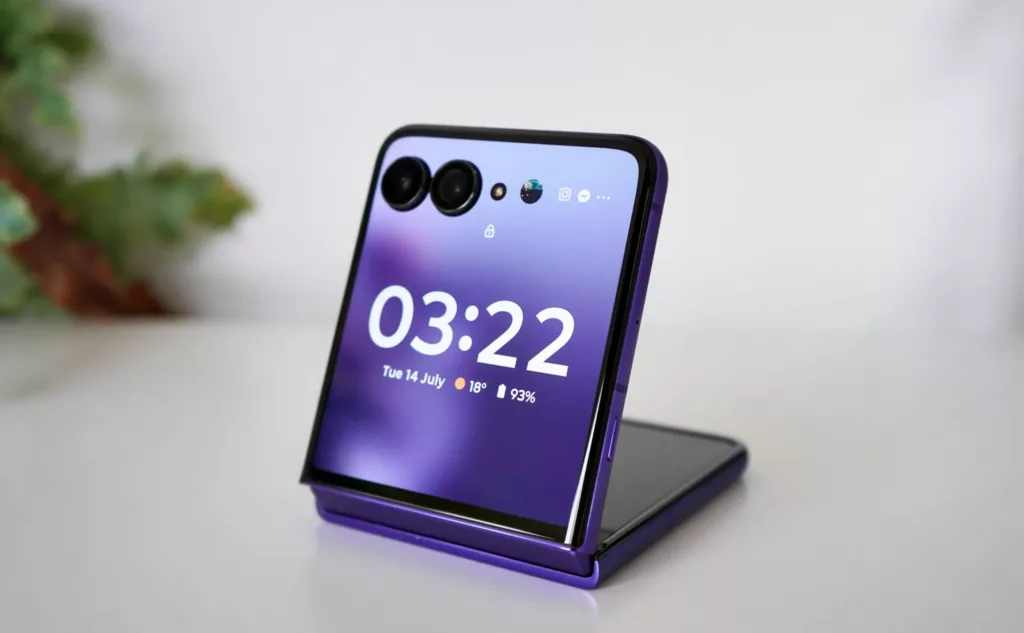
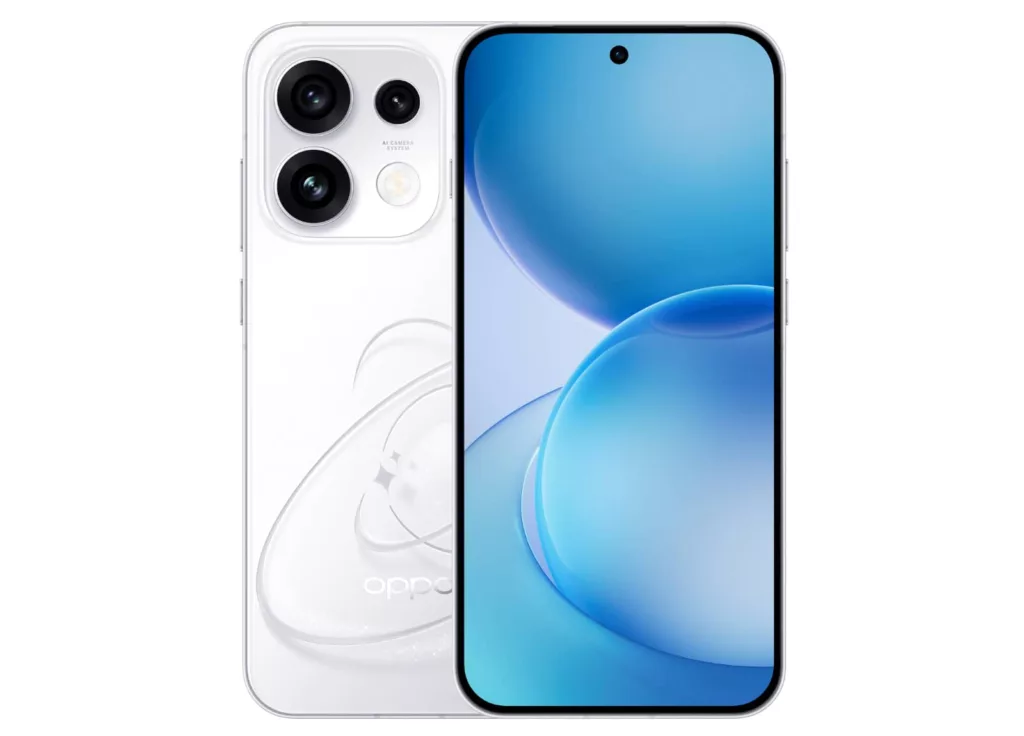
Ultimately, electronic ink tends to be limited to reading devices, while bright and colourful screen technologies such as LCD and OLED variations are for phones and tablets. They’re more made for all types of content, not just the stuff you read.
You can clearly still read from bright screens, but the experience isn’t quite the same.
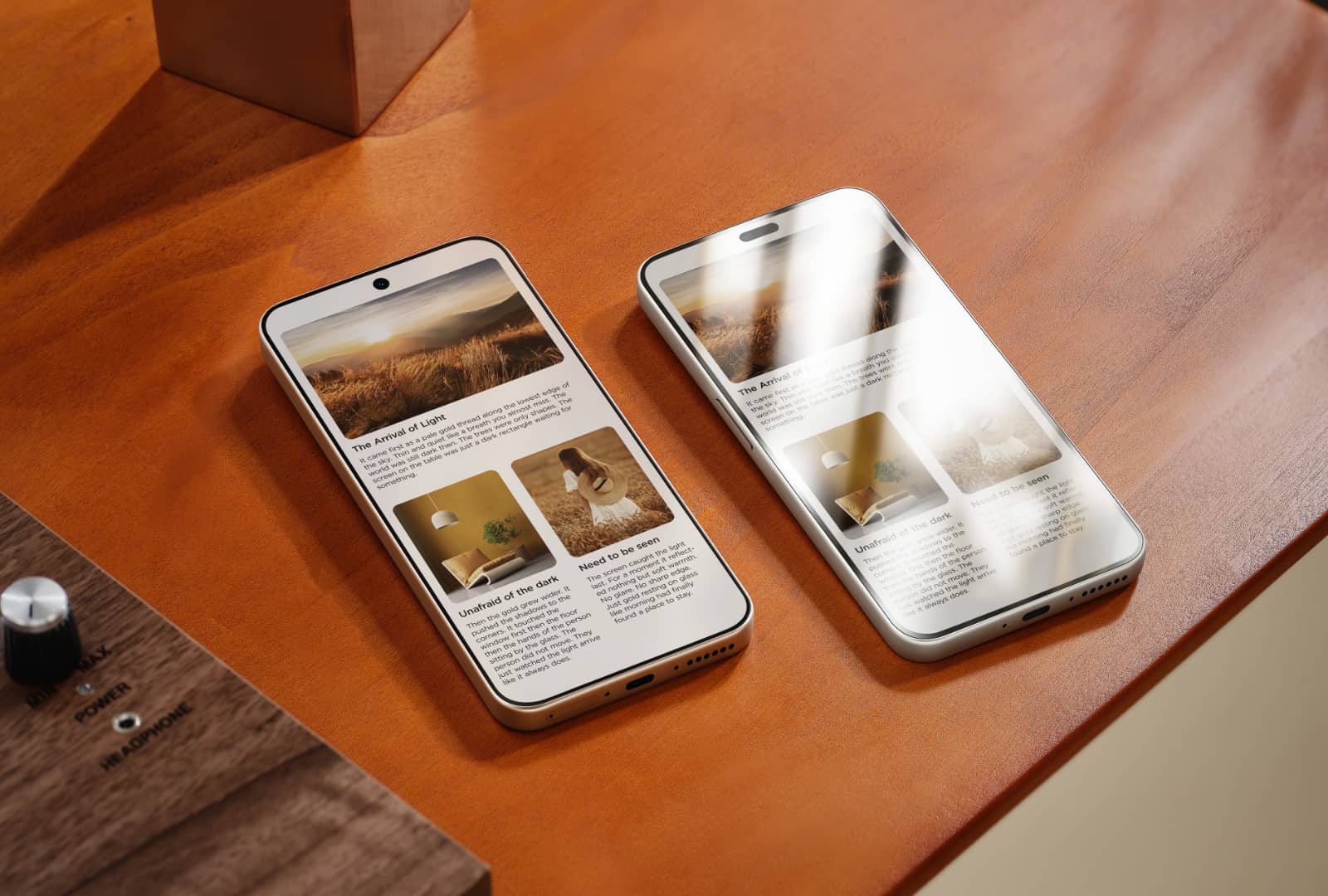
Fortunately, there are other technologies that might make up the difference, one of which TCL has been experimenting with for quite a while. Known as “Nxtpaper”, it’s an idea TCL has been kicking about for a good six years, with the focus on making a screen technology that can show bright colours like a phone or tablet display, but also have it work in an anti-glare, anti-reflection, and easier to view device.
It’s an idea TCL could bring to phones and tablets alike, and not just eBook readers. And it looks like Australia is on the cards next.
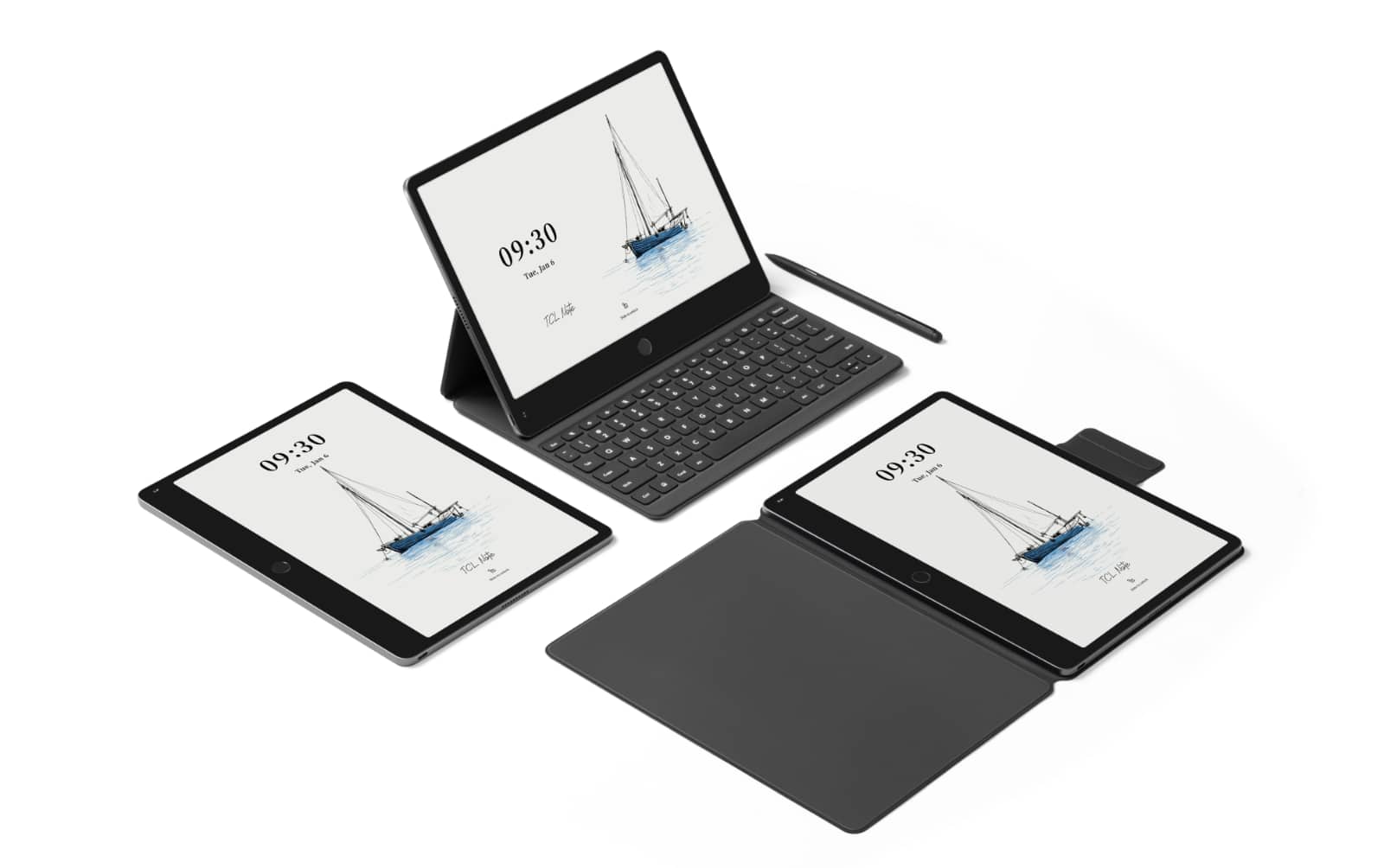
A few phones and tablets are on the way with TCL’s Nxtpaper inside, essentially bringing this technology to more places.
That includes a gadget TCL showed off earlier this year, an 11.5-inch note-taking tablet in the Note A1 that brings together a 120Hz colour screen, a 5.5mm slim design, an anti-reflection and anti-glare screen covering, and a big 8000mAh battery with Android 15 onboard.
The operating system is a little out of date — we’re on Android 17 right now — but the IP54 water resistance rating might help it, and it won’t be alone.
Several TCL tablets are on the way, one of which also has Nxtpaper built in, coming in the 12.2-inch TCL Tab A1 Plus which gets a slightly bigger screen, slightly bigger battery, and Android 16. We’re getting closer to the currently released version of Android, it seems.
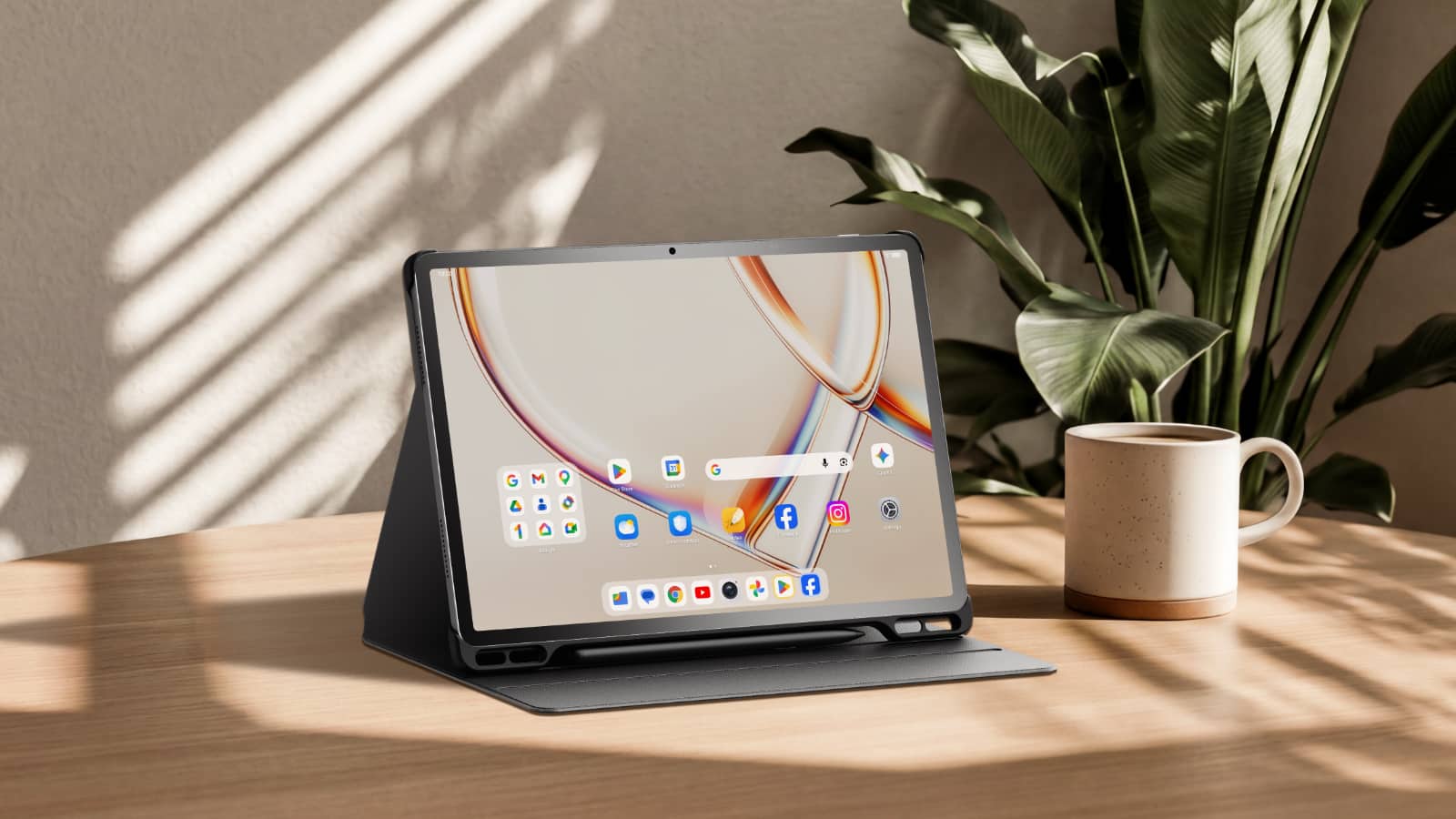
While a smaller 11-inch model will also exist in the Tab A1 (no plus), some of the more interesting gadgets are over in the world of phones.
With TCL’s P80 range, the company is equipping a smaller 6.83 inch Nxtpaper screen to a phone, and essentially dividing the feature list to include a telephoto camera and 512GB storage if you spend more on the P80 Ultra, or less storage and no telephoto if you spend less on the P80 Pro.
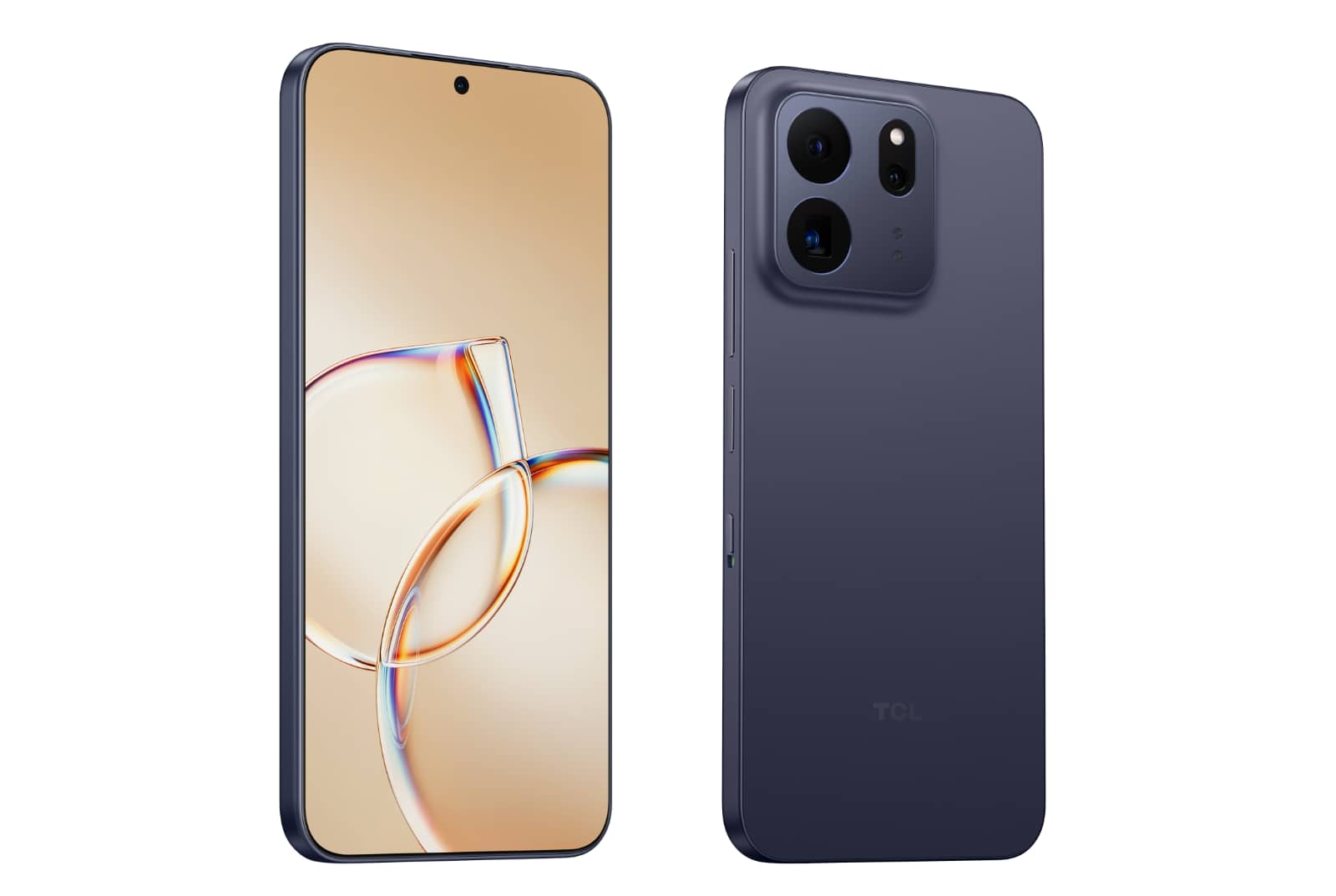
Both models are fairly similar beyond this, but Nxtpaper can be found on either model. Other TCL phones and tablets will miss out, meaning regular screens for those, just not the variations on paper-made-digital.
Prices across the range run across a gamut, with the P80 Pro and P80 Ultra set to bring the near-eBook-screen tech for $799 and $999 respectively, while the tablets will be priced from $499, and that note-taking equivalent set for a sizeable tag of $1299 locally, competing with the likes of ReMarkable’s note tablets, compared with just another iPad. The range is available now, found across select stockists in Australia.