
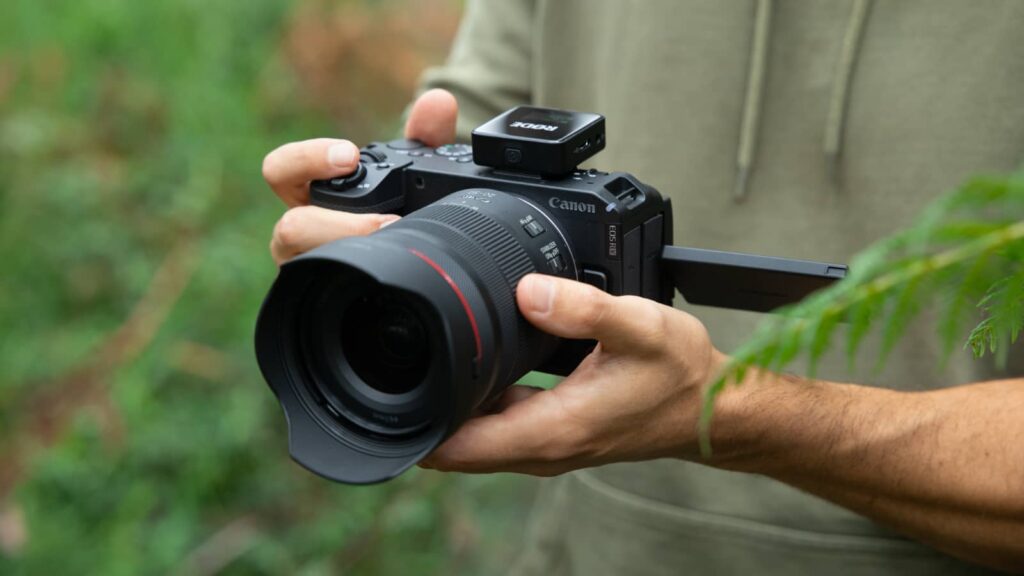
One of the benefits of changes in technology is that everything eventually gets smaller and more compact. Big computers with lots of processing power can make their way to being smaller and more portable systems, and the same is true with other gadgets, as well.
You can see this more with cameras than just about any other category, especially if you compare devices from 10 or 20 years ago, or even beyond it.
What once used to be a heavy camera needing more than one hand to carry is now much smaller, and the prowess inside is more capable than ever. Even some of the more video-centric cameras are smaller than they’ve ever been, and there’s about to be one more.
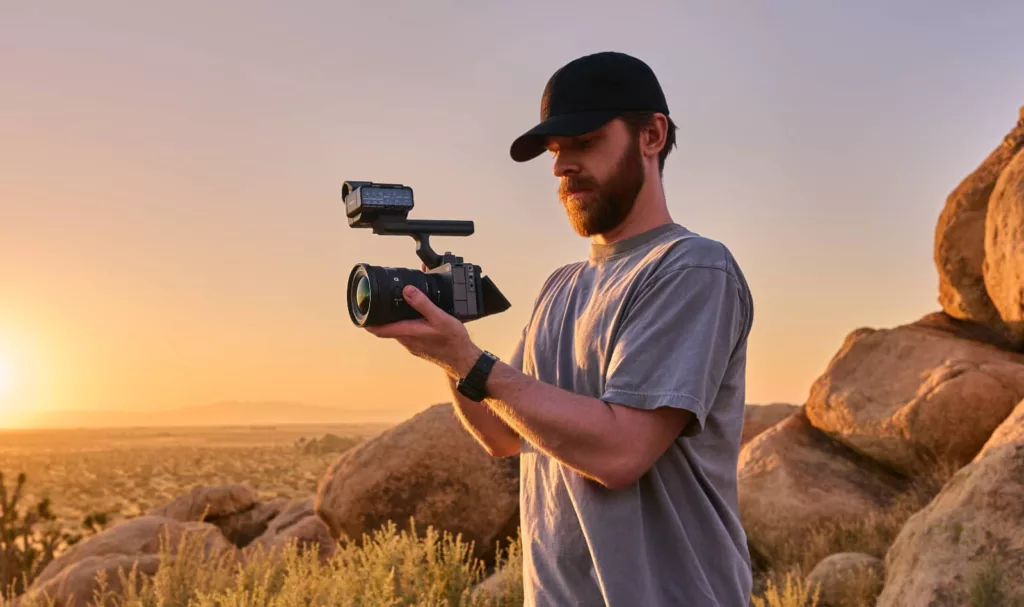
Canon’s cinema-style EOS cameras have offered a relatively compact take on the full-frame filming-focused kit, encasing high-end tech in a camera you can easily strap to your body for professional video-making.
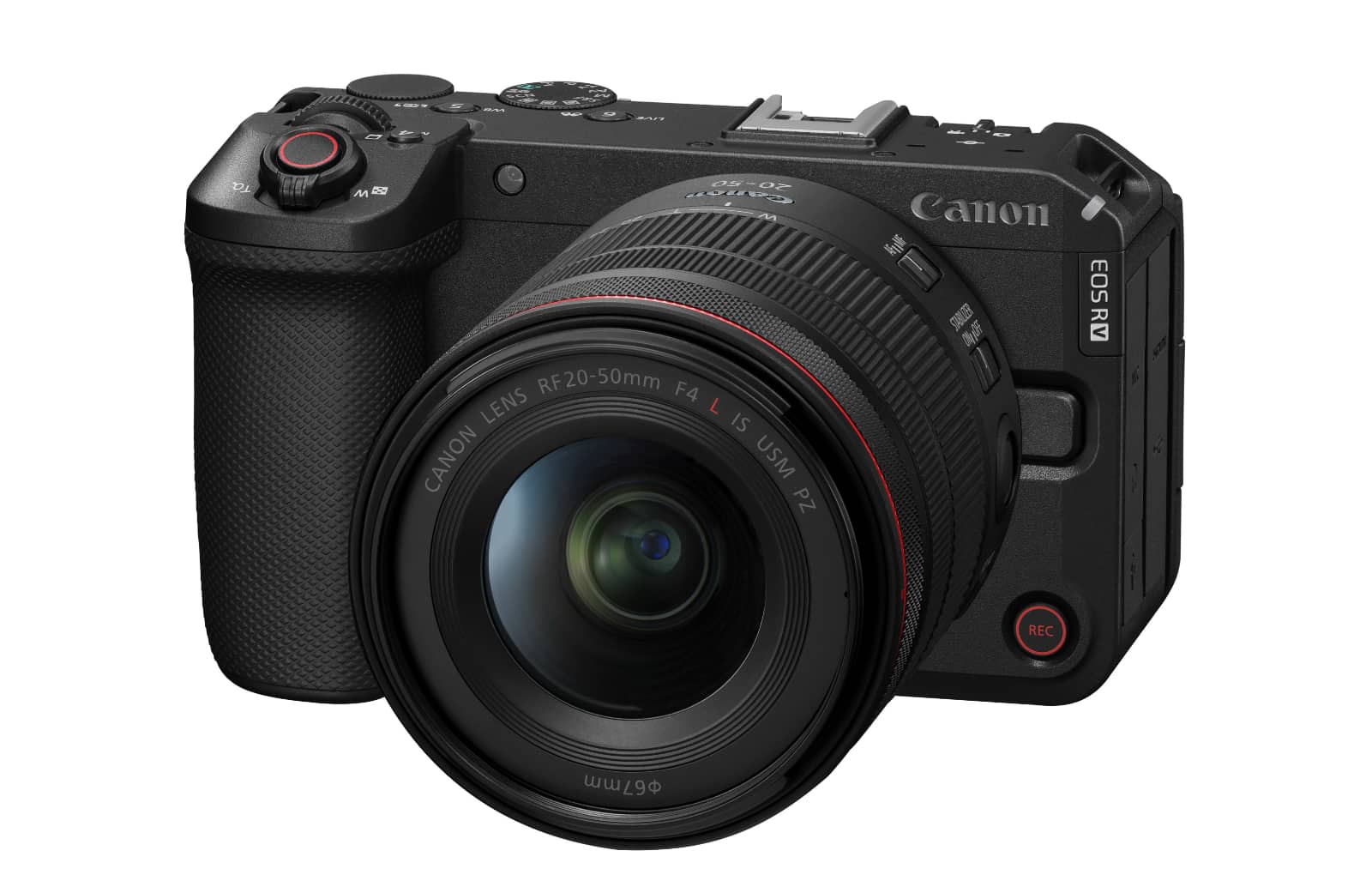
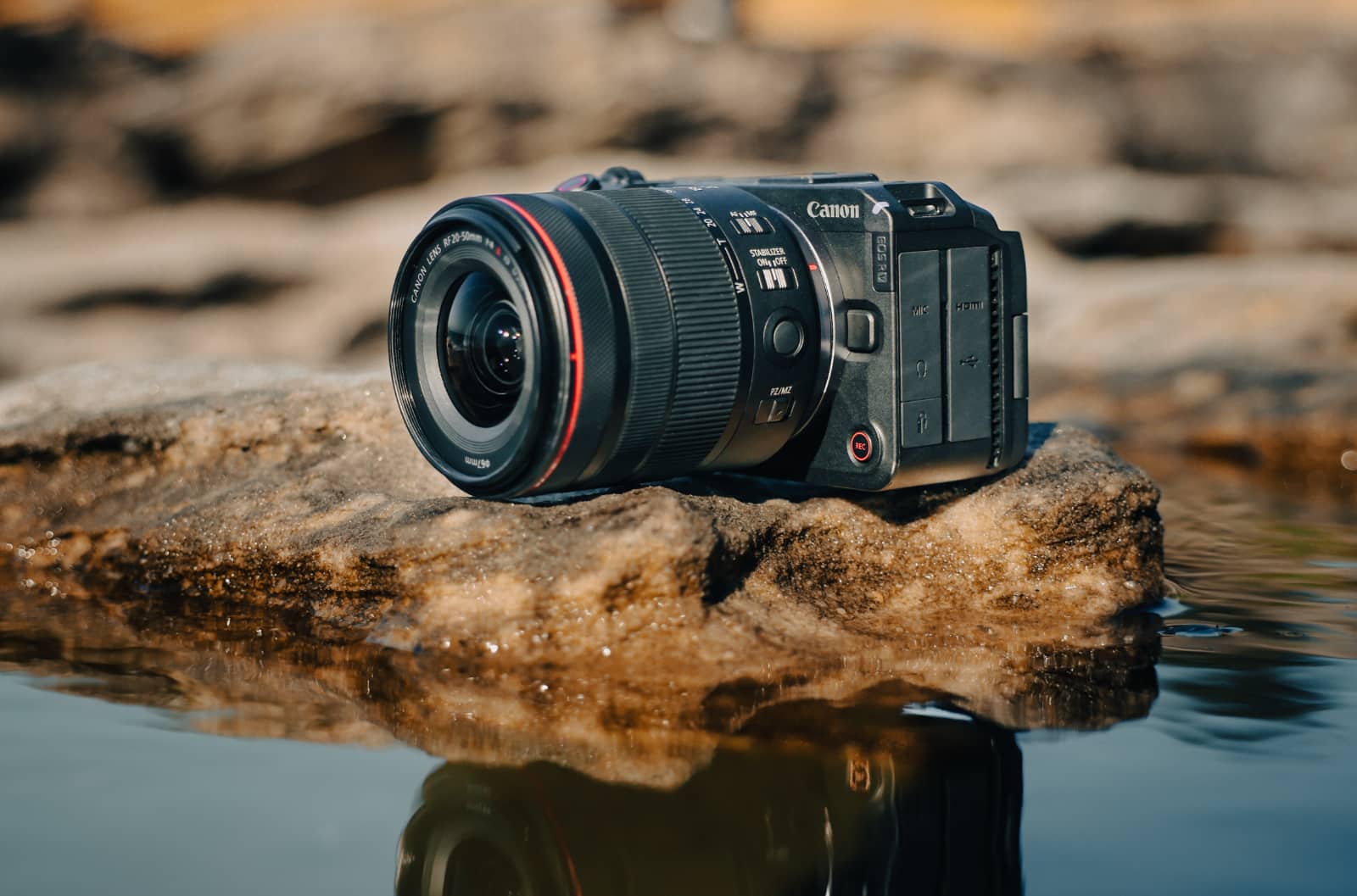
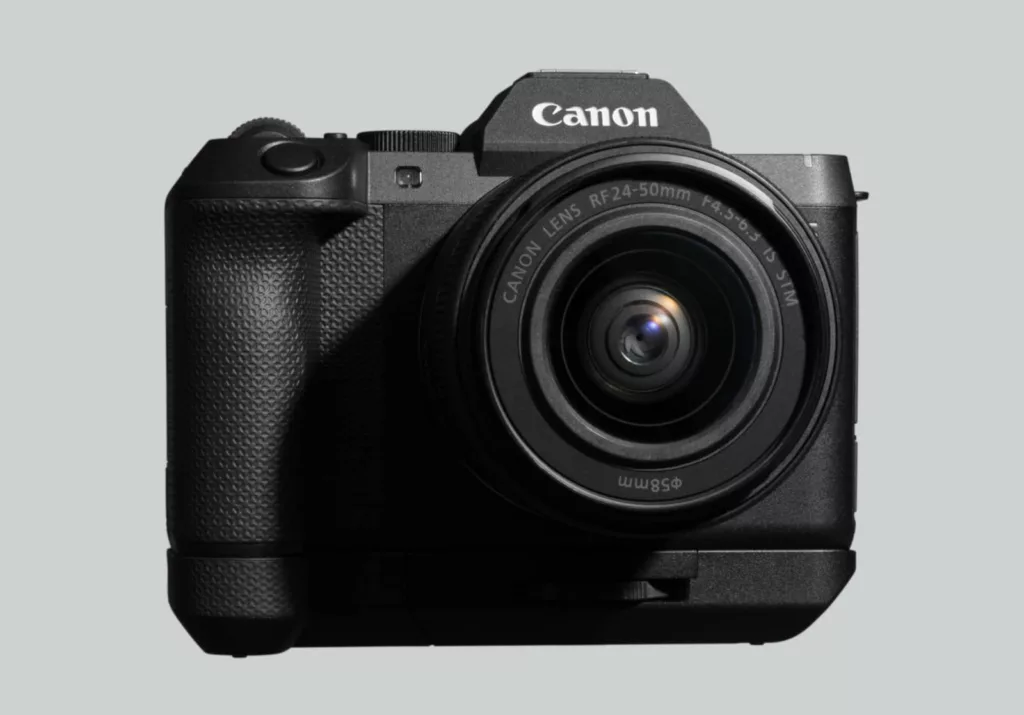
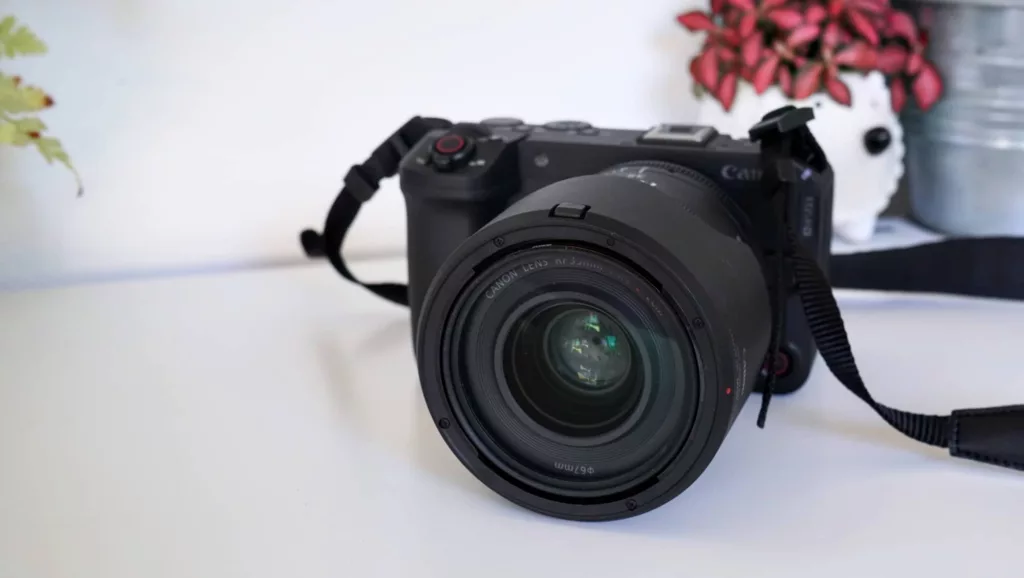
The latest takes that portability to a new extreme, building a smaller take on the tech in the EOS R6 V.
Built as a slimmer style, the camera moves away from the traditional camera body and goes for something more like what we’ve seen from the Canon C50, with a rectangular box, a lens mount, and a grip you can carry and hold.
It’s a little like the EOS R6 and even continues the use of a big sensor with the single-digit name, but the newly added “V” clearly tells you what this camera is all about: video.
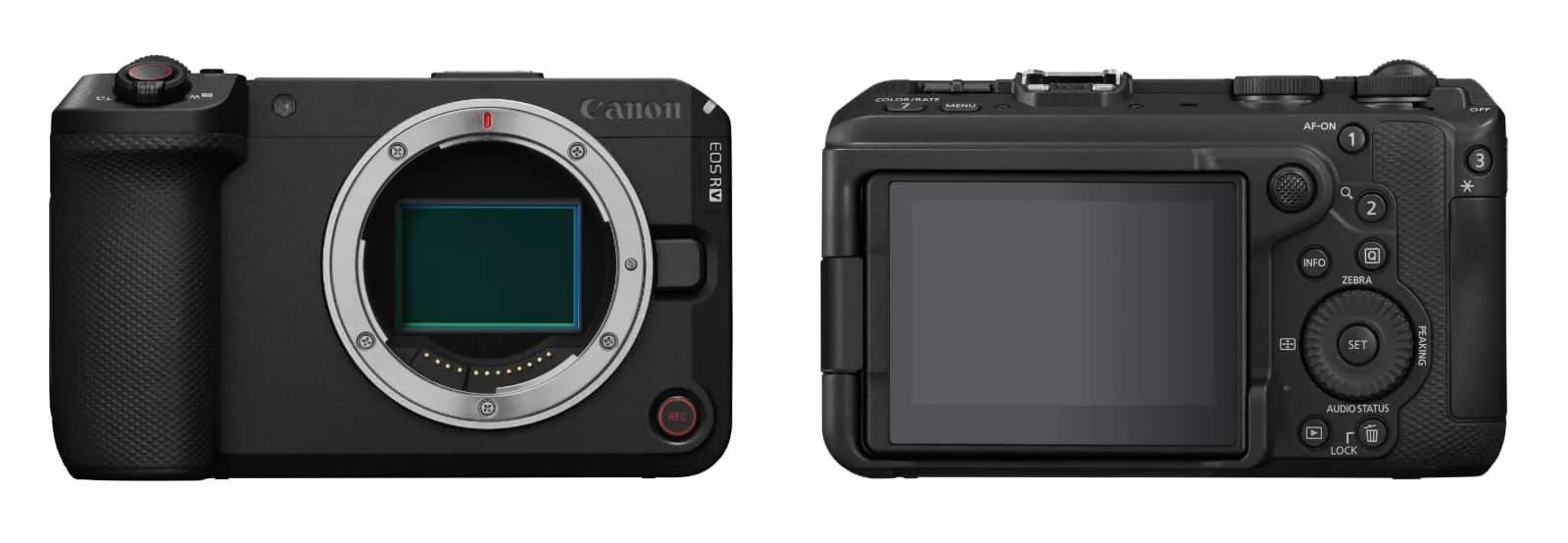
Inside, the tech is all Canon Using a 32 megapixel full-frame sensor capable of capturing 7K video in RAW at up to 60p, or bringing down the video to 4K at 120p and 2K’s slightly better than Full HD at a faster slow-mo friendly 180p.
Of particular note is the style of capture, with an “open gate” recording that allows you to edit horizontal or vertical video out of a clip, and a tripod mount on both sides of the camera, bottom and side, making it able to capture in either by default and edit the results later.
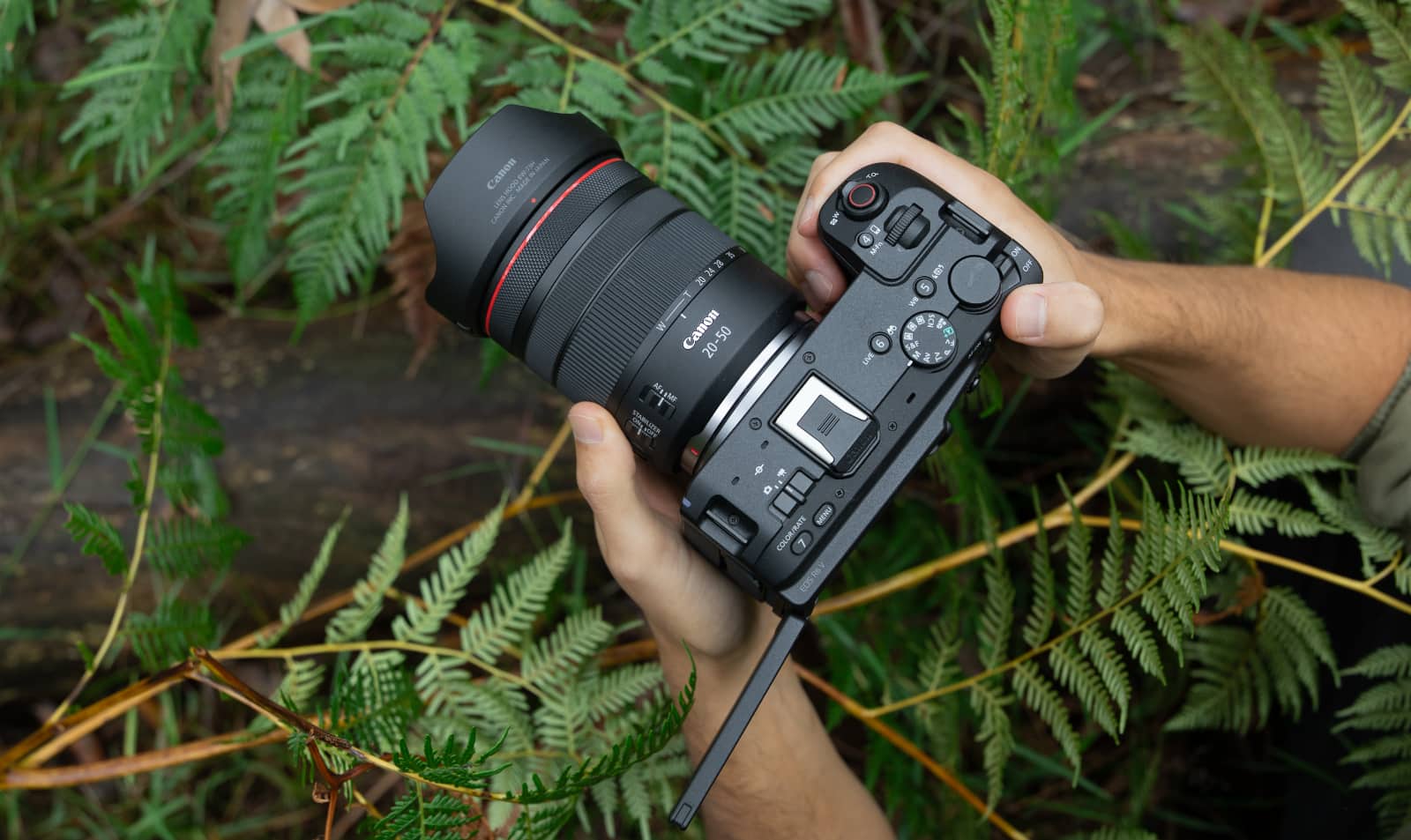
The system also features some Canon staples, such as eye detection and subject tracking for autofocus, as well as a vari-angle screen that comes off the side.
There’s also built-in 5-axis image stabilisation with around seven stops of flexibility, and while video is the main focus, the image side of things can capture up to 40 frames per second using the 32 megapixel sensor.
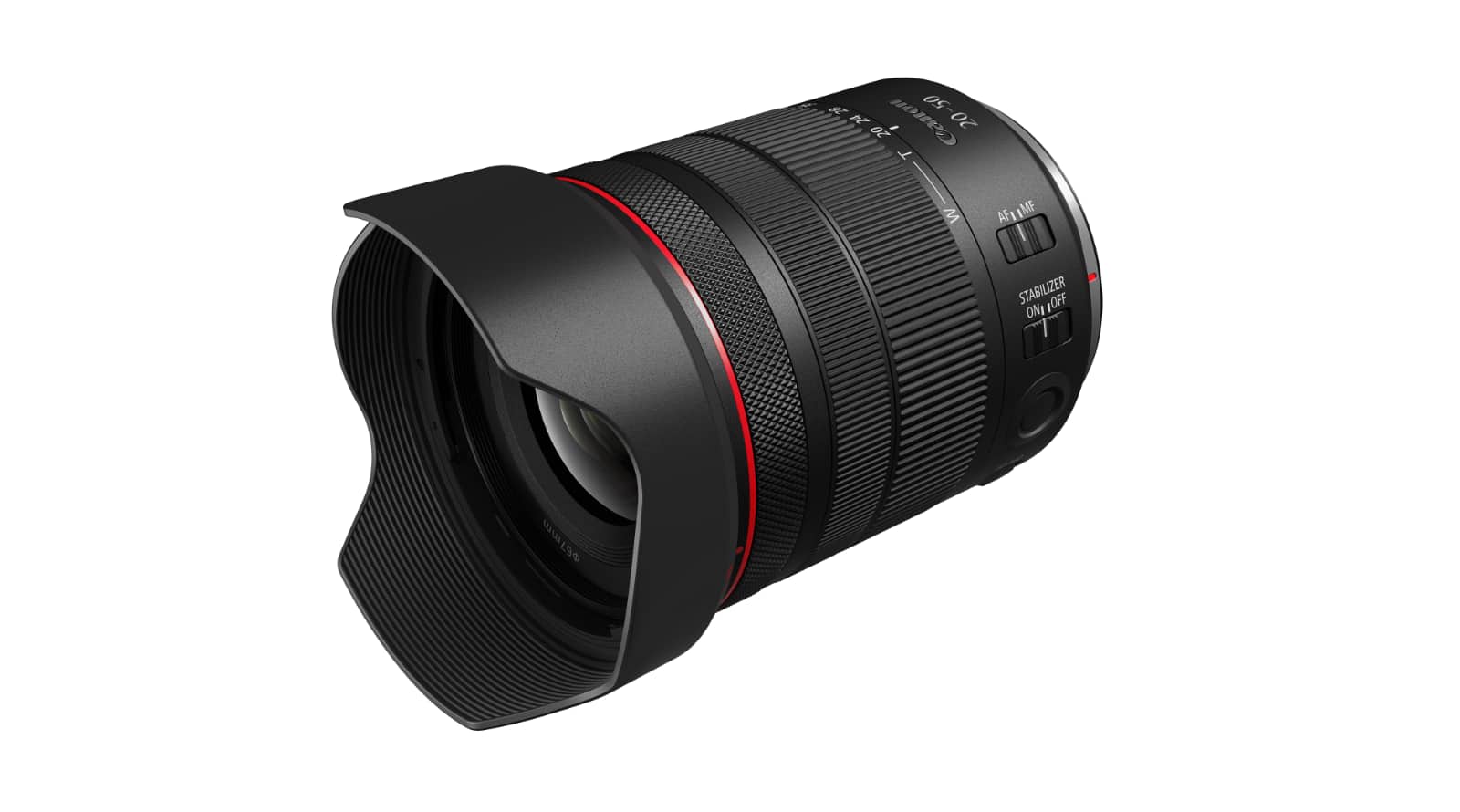
Alongside the launch of the EOS R6 V is a new lens, the 20-50mm F4 with power zoom, a first for a full-frame lens in the Canon RF L-series, which uses an internal power zoom mechanism.
Like most cameras, the lens will be an optional extra by itself, but also available with the camera. Regardless of which variation you consider, the EOS R6 V will come with a Rode Wireless Go Gen 3 microphone, basically encouraging you to start capturing video as soon as you can.
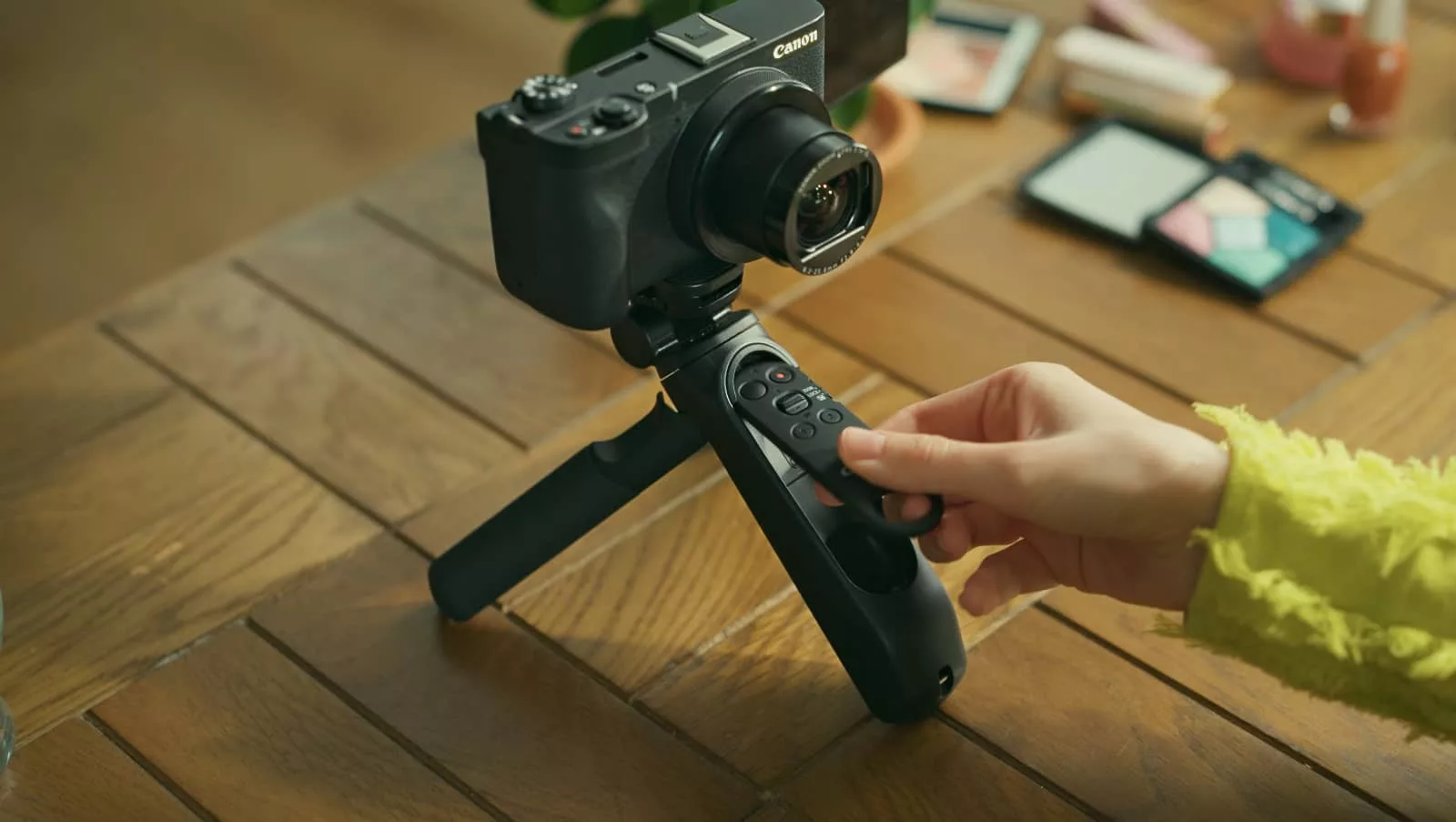
There are other gadgets Canon is launching alongside, though they’re not entirely focused on the R-series cameras, including a neat little macro flash ring accessory that mounts to lenses (and could theoretically mount to other lenses not made by Canon), a wireless remotes and a small tripod with a remote built into the design.
Australians can expect to find the EOS R6 V priced from $3599 body only, while the the version with the lens will cost $5399 and the lens by itself for $2199, a minor saving if you bundle both to begin with.
The range is expected in mid-June, after those other accessories which are available now.