
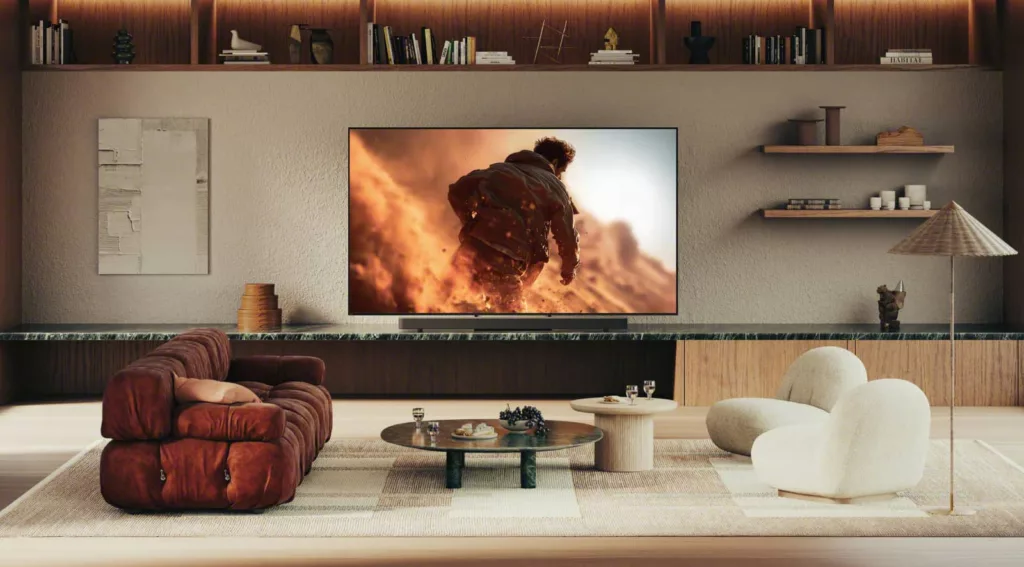
It’s normal to see consistent approaches for technology practiced by a variety of companies, with various device makers working on similar styles and angles interpreted through their own angle.
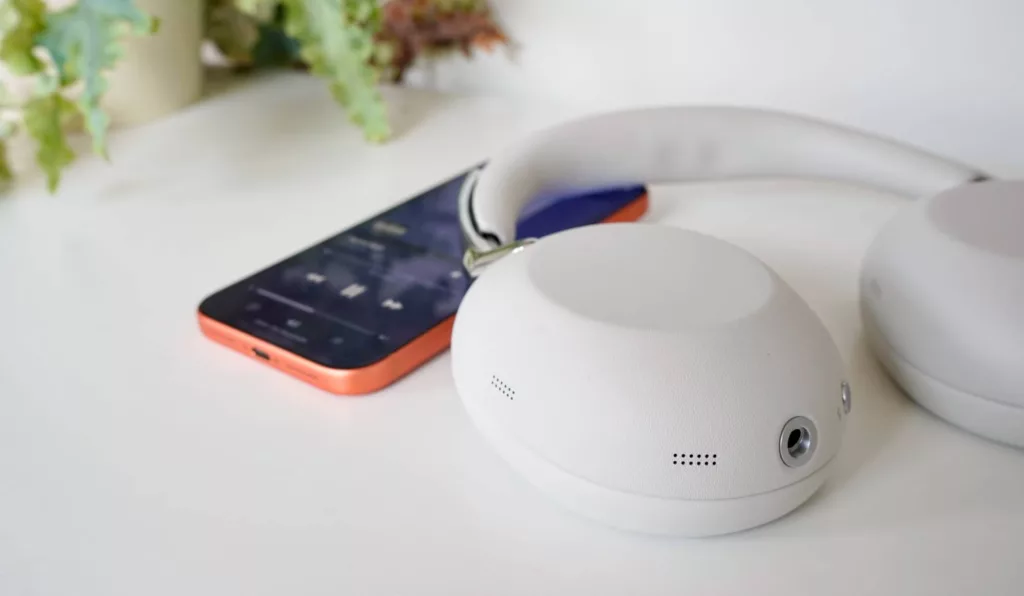
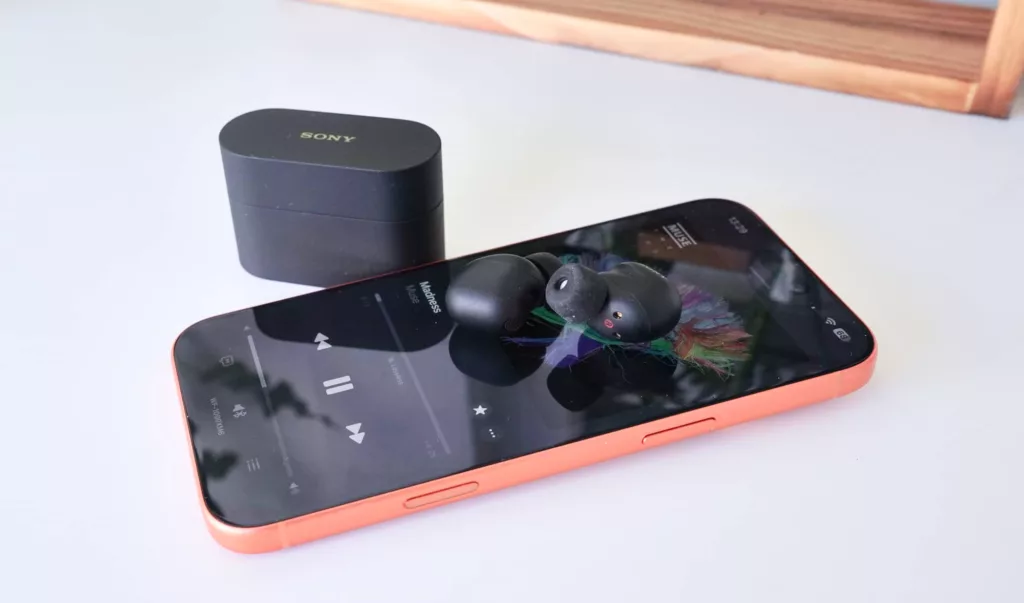
Take headphones: lots of companies use the same style of magnets and designs, but they all sound different, and the same is true for the very concept for noise cancellation, which is based on a principle, even though some brands and models are clearly better than others.
TV technology can feel very much the same, as well. While every TV is made to let you watch and consume content from the world, every TV maker typically does something slightly differently, whether it comes down to operating system, brightness, colour profile, or just some of the tweaks in the technology.
In 2026, flagship TVs do tend to have one of two types of technology in common: they’re either made with the organic light emitting diodes more commonly known as OLED, or they’re made using a new type of tech where each pixel has a red, green, and blue light behind them.
The latter of these has been called a few things, from Micro RGB over in the Samsung camp to RGB Mini-LED over at Hisense, and it seems Sony has a name for it, as well, as “True RGB” arrives.
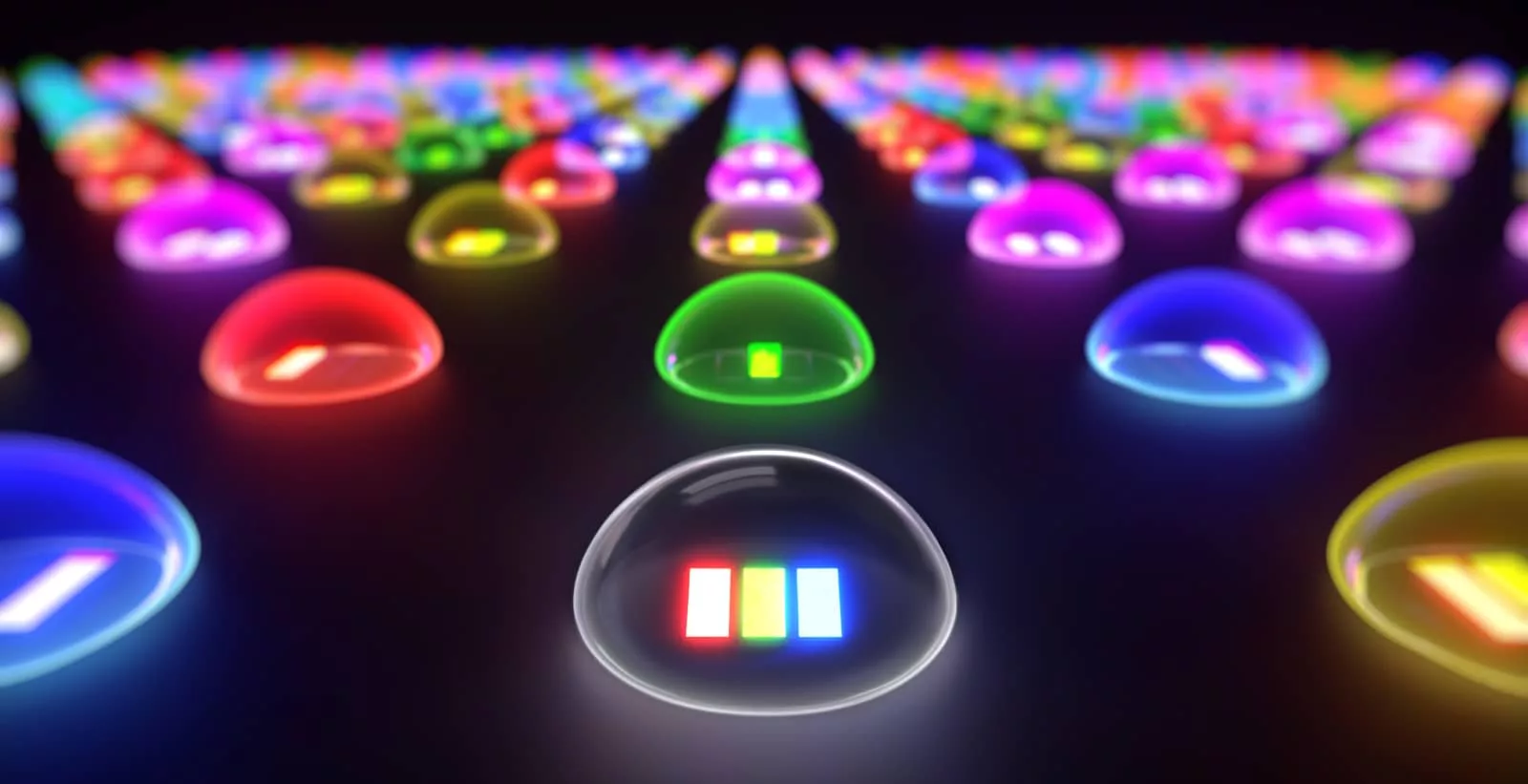
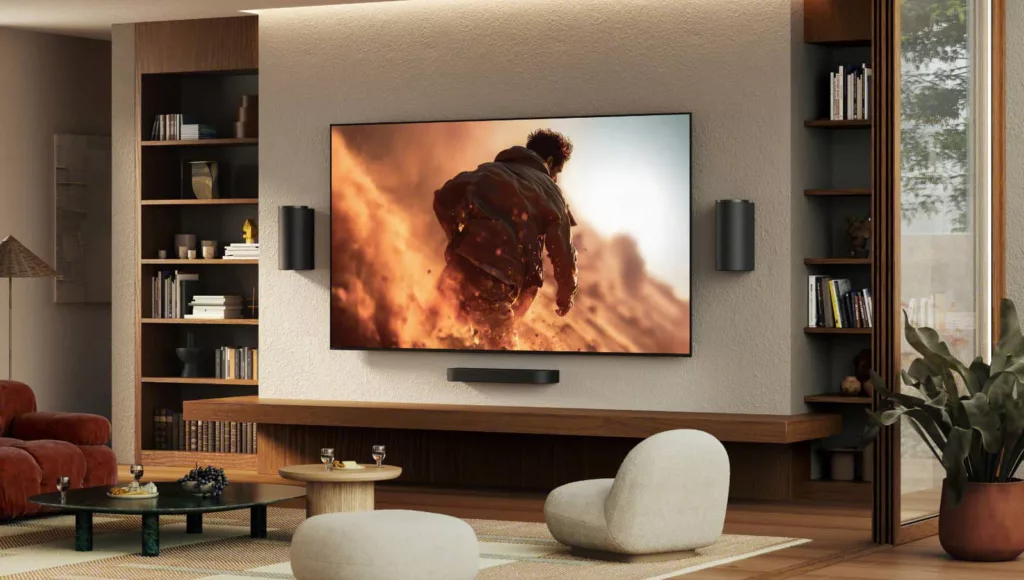
The idea is still very much the same, with the pixels for the Sony’s RGB Backlight Master Drive Pro backlighting technology using red, green, and blue pixels to control the colour volume and purity, while Sony also rolls out a glare-free treatment minimising reflections and improving the quality of blacks on the screen.
For Sony, the combination means better colour and strong contrast, though it’s a set of features that will make its way to Sony’s Bravia 9 II screens, alongside boosting technology for contrast and luminance, as well as upfiring speakers built into the design.
Sony’s Bravia 9 II won’t be a cheap TV, either, priced from $5999 in a 65 inch model, $7499 in a 65 inch, just under $10K in an 85 inch, and roughly $45K for a 115 inch screen.
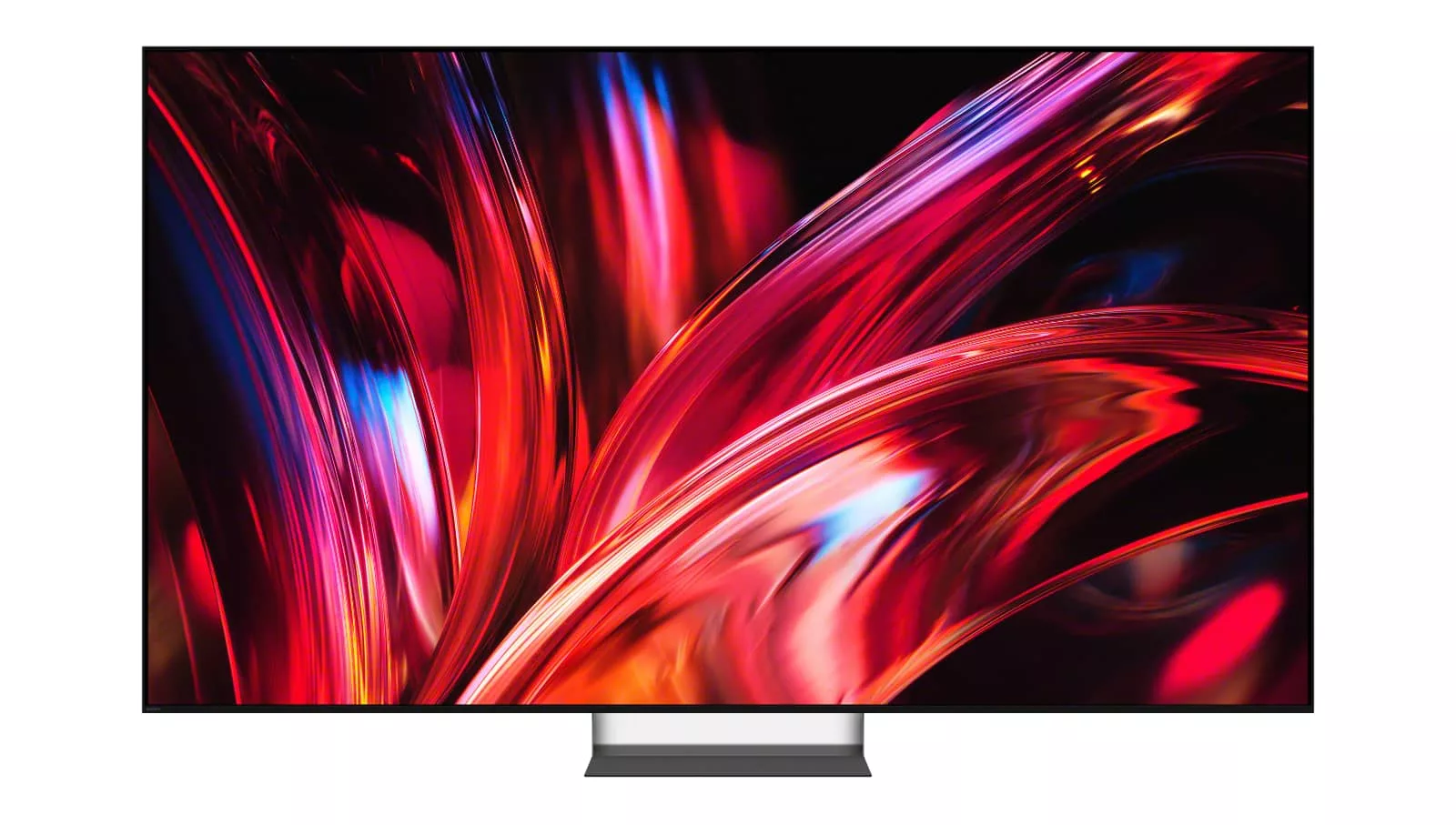
If you can go without the upfiring speakers, luminance and contrast booster, and that glare-free screen coating, Sony’s Bravia 7 II might just suit, bringing the lowest price down to $2699 for a 50 inch model, to $3999 for a 65 inch screen, and maxing out at just under $13K for a 98 inch screen.
Similar by slightly different, the Bravia 7 II still gets the True RGB variation of Micro RGB, and even gets some of the surround audio technologies the Bravia 9 gets. It just doesn’t see quite the same level of tech.
Both screens do get a neat stand Sony calls the “mirage stand” where cables are concealed, as well as calibrated viewing modes for Netflix, Amazon Prime Video, and automatic optimisation modes for the room you’re watching in.
Sony’s screens will also be joined by a new Bravia soundbar and speaker system called the Bravia Theatre Trio, a three-part speaker system that uses 360 degree spatial mapping to understand a room, thanks in part to a USB-C microphone that can be used to measure audio in the room.
All three additions are expected now through to to September, with the Bravia 7 II available now, the Bravia 9 II mostly in July alongside the Theatre Trio speaker system, and that massive 115 inch screen later on in September.