
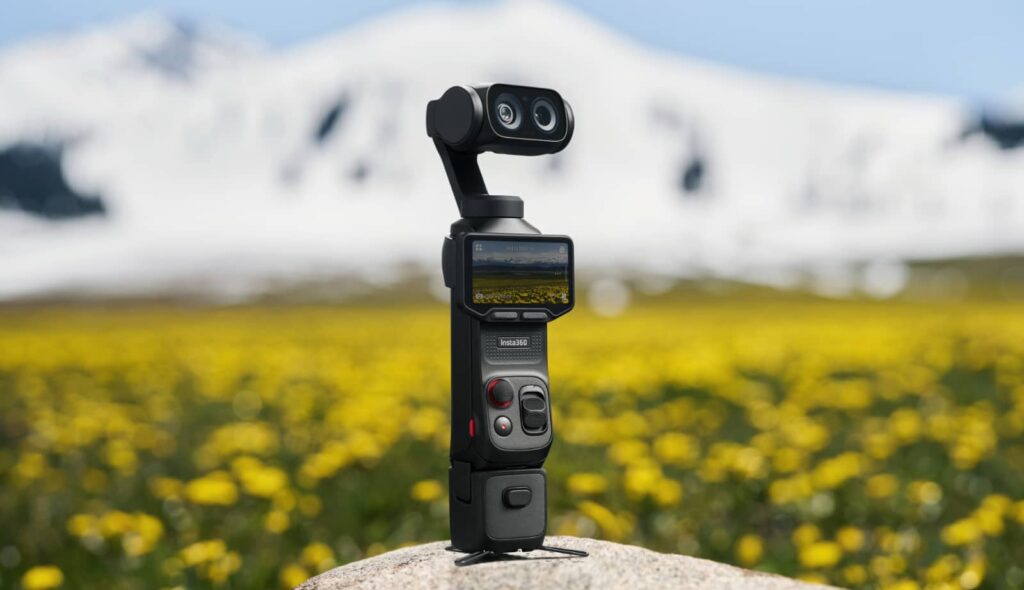
Advances in technology make everything smaller, and cameras have been one of the biggest beneficiaries of this concept. While phones and computers include smaller processors with more advances, the improvements to camera technology means sensors are getting smaller and better, and so are some of the features to improve capture, as well.
Take the gimbal, a mechanism that helps make camera movement smoother and easier to view, essentially getting rid of unintentional Mr Shakycam well and truly (as opposed to intentional shaky cam). It’s a piece of technology that can be handled in software, but is usually best when made with an actual mechanism stabilising a camera, be it something large like a mirrorless model, or even something small like a phone.
Gimbals can be found in many of the handheld sticks these days, and they’ve even found their way into pocket filmmaker setups, allowing people to take selfies and film content from their point of view with something that seemingly fits in their hand.
Insta360 has a new variation on that theme on the way, and it could be one of the most interesting yet, offering two cameras and a detachable screen.
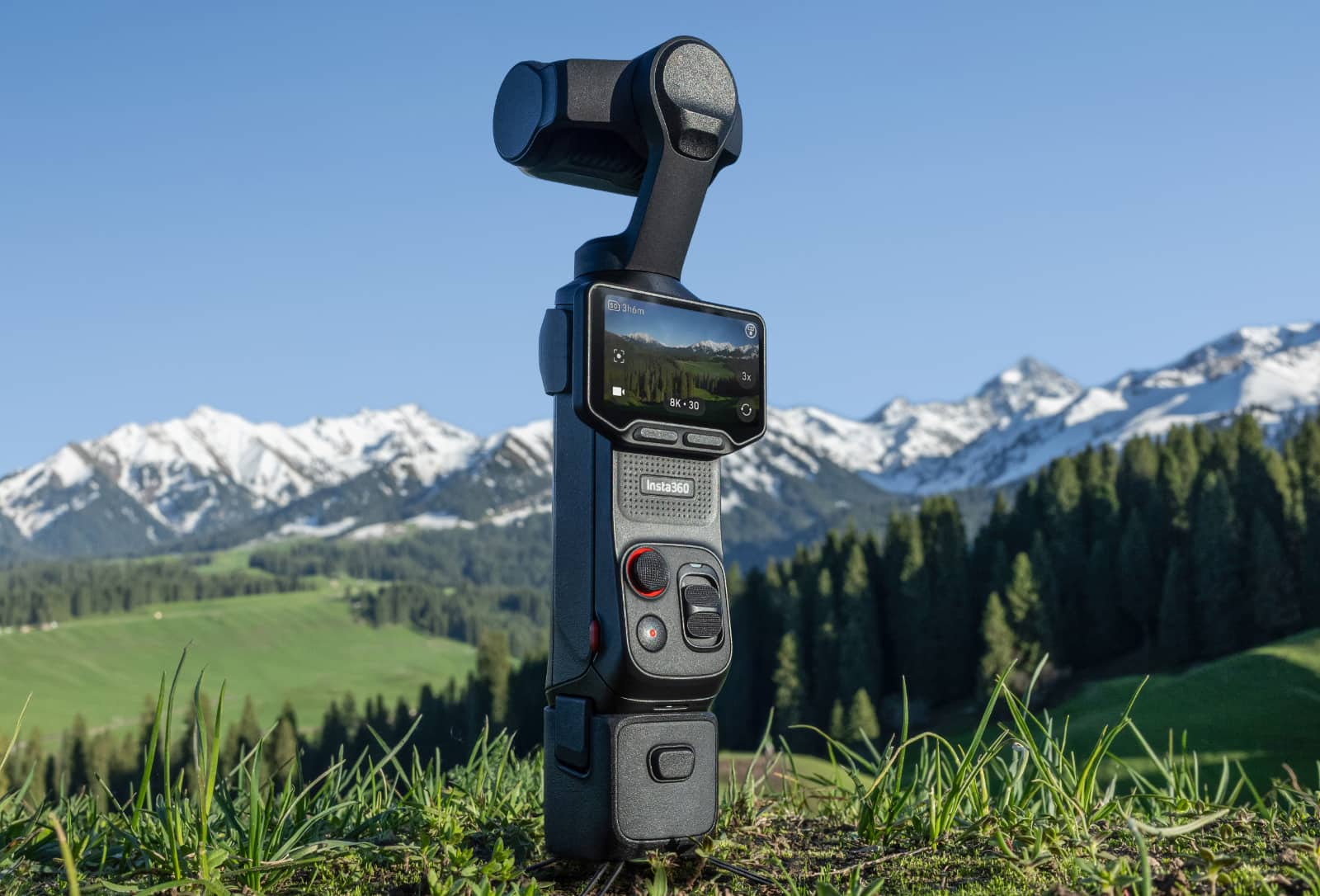
The Luna Ultra is a gimbal camera made in partnership with legendary camera and lens house Leica, which relies on two sensors for different approaches. The main sensor is a 1 inch F1.8 sensor capable of capturing an 8K video as high as 7680×4320 and covering a 20mm range (in 35mm), while the second camera can handle 3X zoom (60mm) on a smaller sensor.
For videos, it means up to 8K is possible on the camera, also covering 4K at up to 120 frames per second and Full HD up to 240, while images can max out at 33 and 37 megapixels depending on the mode.
That’s in a camera fitted to a gimbal designed to be operated by hand, and features Leica glass for the lenses, likely affording the camera a little extra clarity.
There’s also a bit of a bonus, because while holding the handheld system is designed to be easy, complete with a weight a little over 200 grams, the OLED screen on the body can actually be detached, allowing the Luna Ultra to be used remotely. As in you can set up the camera, and control it from afar, supporting transmission at up to 20 metres away.
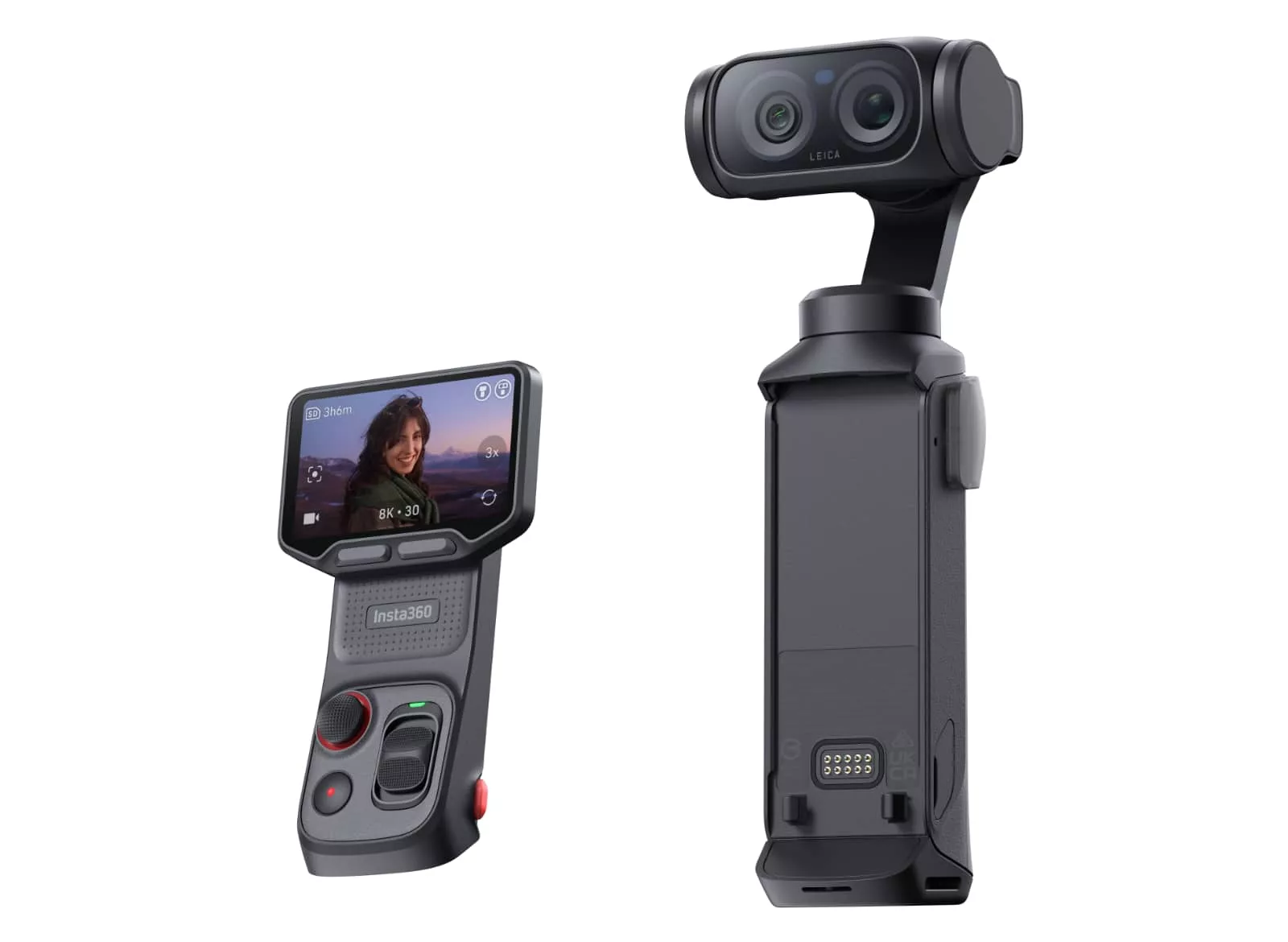
Like other Insta360 cameras, automatic tracking will be a part of the system, with framing designed to keep people in focus, while other tweaks have been made here and there, thanks in part to the Leica collaboration.
Much like how we saw film-like custom settings on the Leitzphone, so too does the Luna Ultra support similar Leica looks, including a natural, vivid, and monochromatic mode, plus support for professional colour workflows including the Academy Colour Encoding System (ACES), as well as other features focused on video editors and filmmakers.
The price does set this gimbal camera apart from others, with a price of $1229.99 in Australia, likely making it one of the pricier gimbal-connected cameras, though given that sensor size and Leica glass, we’re not really that surprised. Australians can find it at Amazon, JB HiFi, and the Insta360 online store, as well as other select retailers, found in both black and white options.