
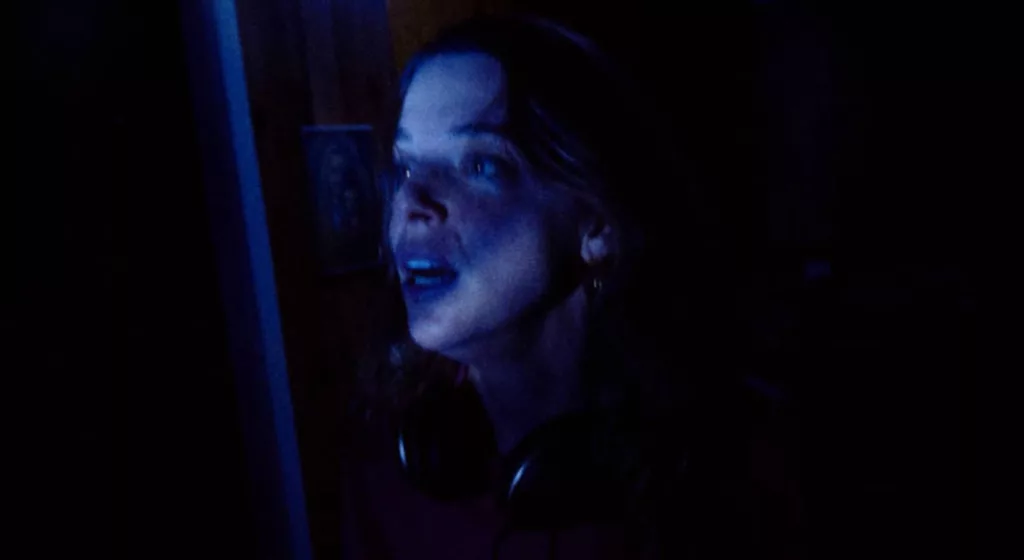
Phones are really making a dent on the world of cameras, and you don’t need to look hard to see the impact being made. It is everywhere, and happening all around you.
While the days have largely gone of when everyone needed to carry a dedicated camera if they wanted to snap a picture of anything and everything, even specialised purposes are moving to the world of mobiles, thanks in part to some of the clever bits of technology and software found about the place.
It’s happened over the course of the past 20 years in random places, such as Sean Baker filming Tangerine on the iPhone 5S, or more recently Danny Boyle and Anthony Dod Mantle using models in the iPhone 15 range to film 28 Years Later.
Most films are shot with proper cameras, but advances to camera sensors and the apps that use them are beginning to let filmmakers switch over to phones as their dedicated camera.
In fact, one Australian filmmaker leaning on the iPhone 16 Pro Max has been selected as a finalist at a film festival specifically focused on making movies on phones.
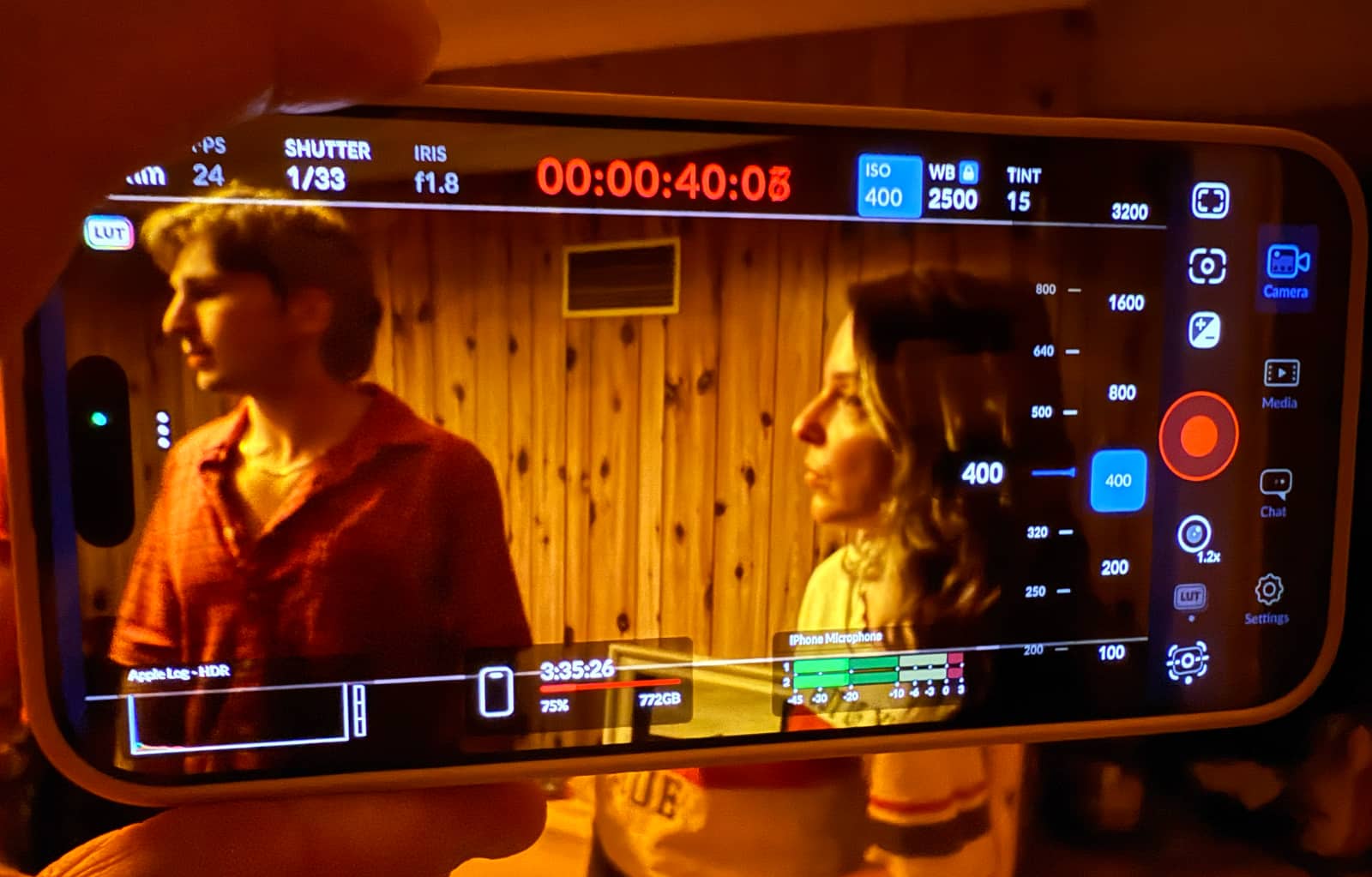
Rather than use a larger camera, Sydney’s James Demitri filmed using the Blackmagic Camera app, capturing a full feature in as little as five days without extra accessories. The approach was part of a challenge the Demitri made to himself: find out whether it was possible to make a feature film with a phone and app.
“I really want to encourage other creatives to not do something because you think you can’t,” said Demitri.
“The phone and the app will do an excellent job of something you can show on the big screen. It’s a genuine tool of choice, not a fallback,” he said.
The result is “Fire Alive”, a film about four filmmakers trying to find out whether hauntings were real, captured in what looks like an old basement. While a small group of actors helps make the set easier to control, Demitri’s use of app and iPhone meant certain controls could be locked down, such as exposure, white balance, and aperture, something the Blackmagic Camera app caters for.
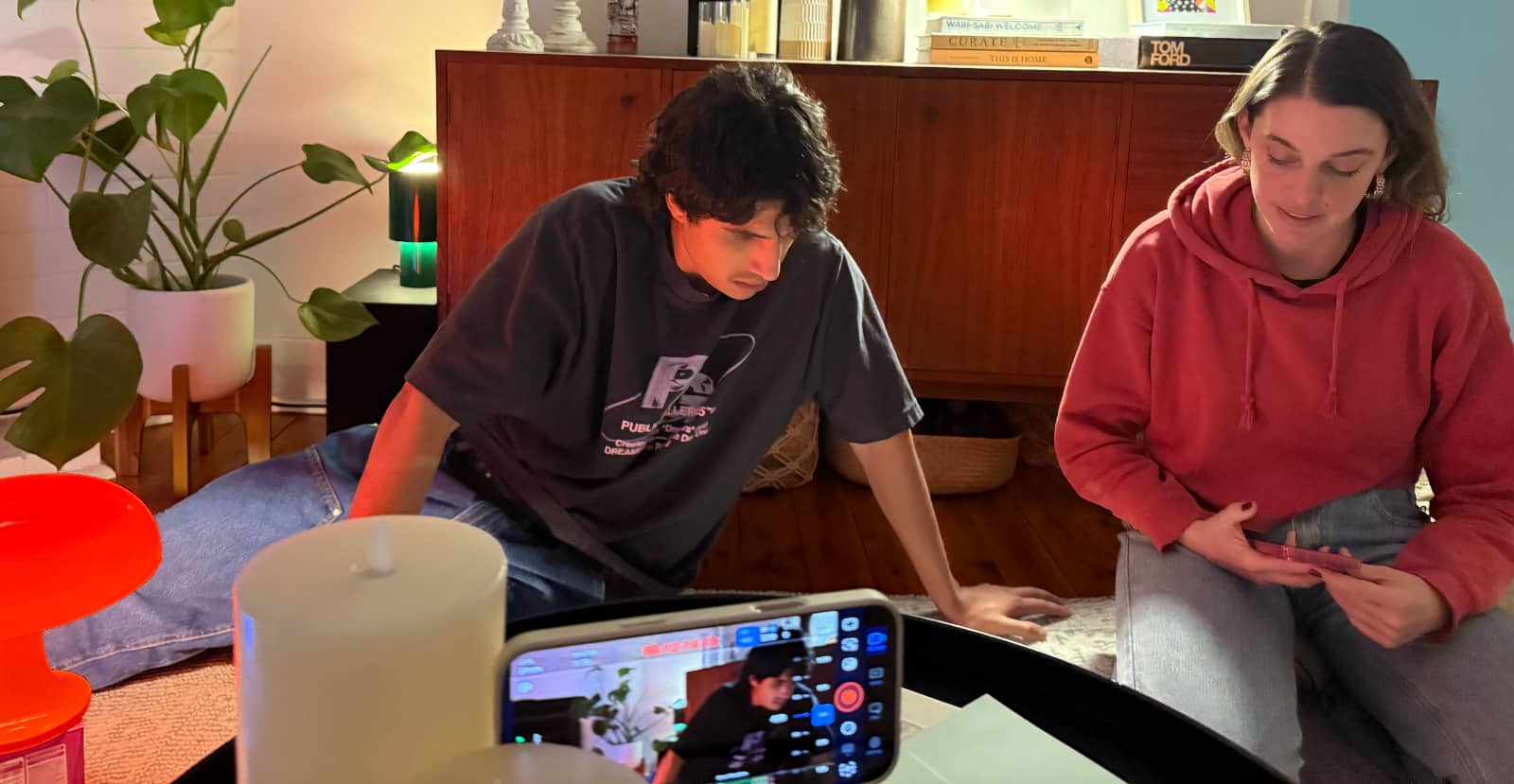
Demitri did end up using Rode microphones for the sound, but everything else was created on the bare minimum of hardware, with no lenses, filters, or monitors on just one phone.
“I wanted this to purely be an experiment in how far I could push the phone with the app alone,” Demitri told Pickr.
“My challenge to myself was that the post would take no longer than 2 weeks, including sound and colour grade. Again I had set these crazy limits because I wanted to see if it is possible,” he said.
The result clearly hit the right notes, achieving a finalist spot Sydney’s smartphone film festival, though Demitri does plan on using the combination again, with two more feature films in production, set to use iPhone and app once more.