

It should be pretty clear that thanks to laptops and improvements in the hardware that runs on them, portable computing can actually be properly portable. While we love a good, fast desktop as much as the next person, particularly one that can handle every big bit of data we can send its way, the simple fact is most people lean on a laptop because it’s good anywhere.
Smaller laptops like the 13 and 14 inch varieties let you work from just about any location, be it on a desk or pubic transport, while larger 15 or 16 inch models can pack in bigger batteries and meatier hardware, not to mention a larger screen that might have you squeezing into those tighter spots, but happier when you have more room.
Curiously, there may actually be a bit of a middle ground, and it’s one that allows you to have a portable laptop and a sizeable desktop, though it might cost you a reasonable chunk of change.
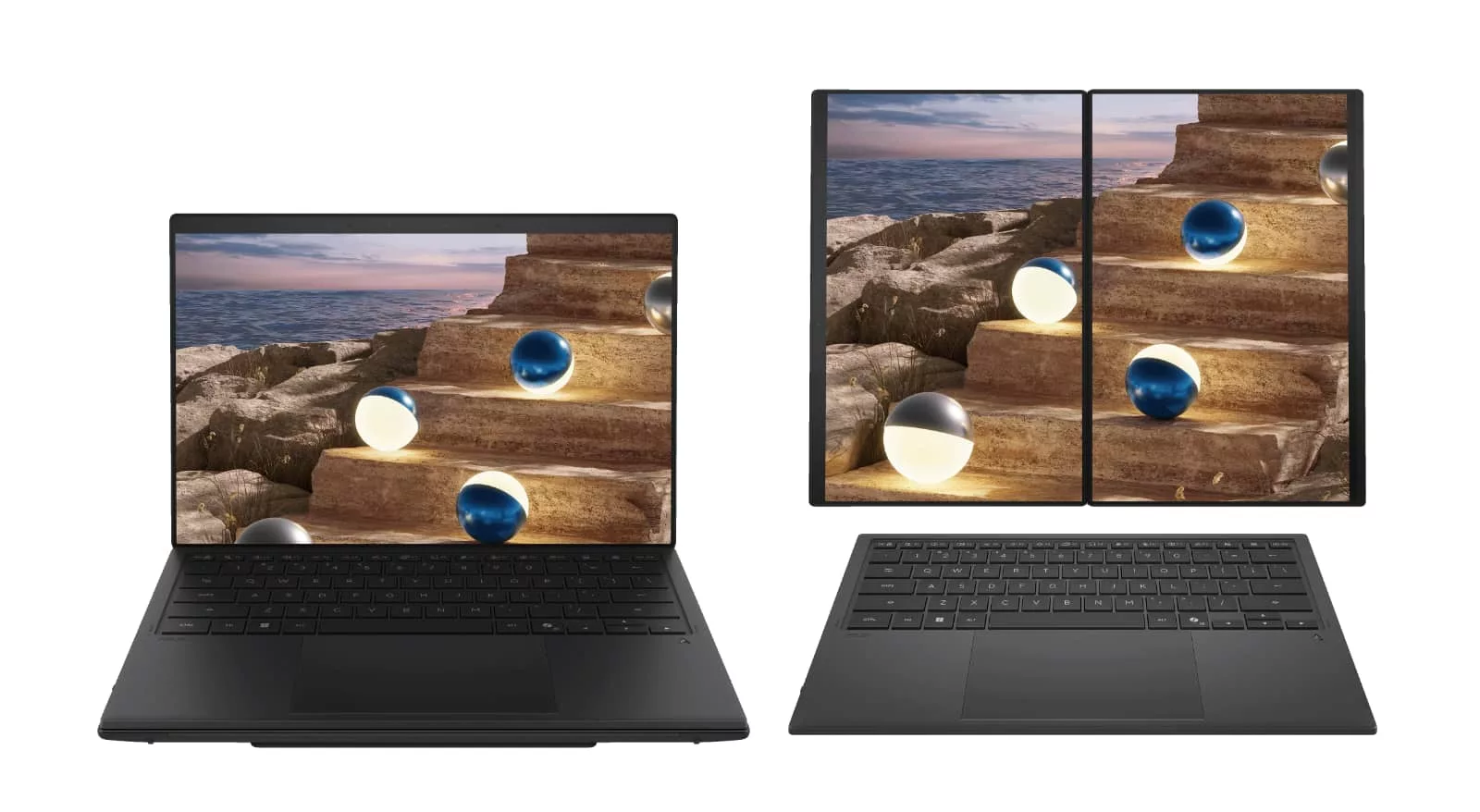
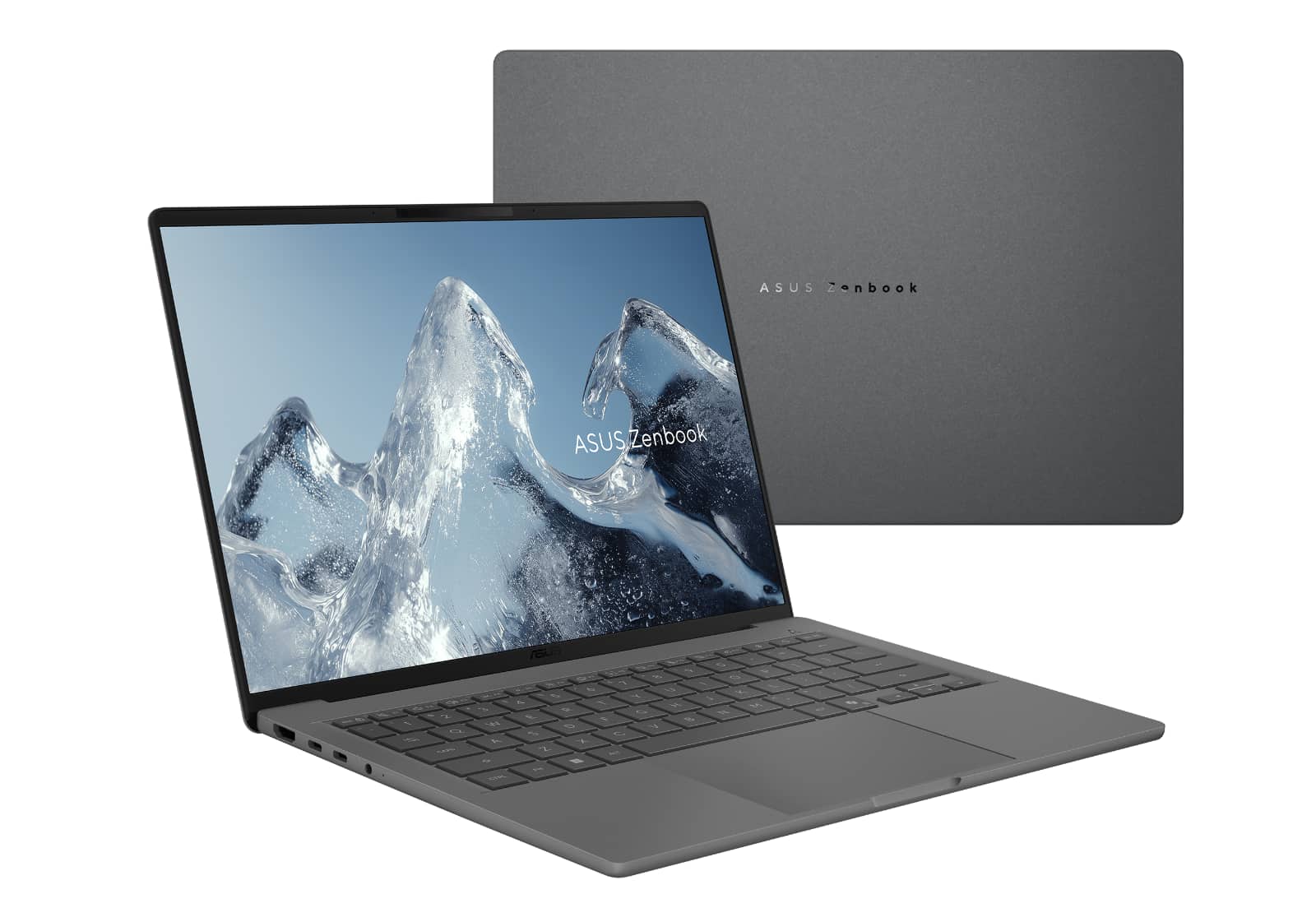
Asus has launched a new incarnation of its “Duo” concept, an idea that uses a two-screened laptop with dual 14 inch OLED touchscreen panels and a wireless keyboard. That combination makes it a 14 inch laptop when used with the keyboard, but if you need a bigger computer, it expands into a larger nearly-20 inch desktop, ideal for when you have the room.
Intel’s latest Core Ultra processors make up the tech inside, a far cry from the lower power technology we saw in the last model like this, HP’s Spectre foldable laptop from several years ago.
Priced from $6399, the Zenbook Duo clearly isn’t inexpensive, with a choice between the same Core Ultra X7 358H we saw in the 2026 Dell XPS 14, or a hundred dollars more for the Core Ultra X9 388H.
They won’t be the only laptops in the Asus lineup, with premium slim laptops sized for 14 and 16 inches in the Asus Zenbook S14 and S16 (respectively), matched with Intel Core processors in the 14 inch model and AMD Ryzen chips in the 16 inch equivalent. Both will come with 3K OLED panels, but obviously sized to their respective differences: 14 and 16 inches.

The Zenbook S models will also be priced around the 4K mark, with the 16 inch model starting from $3999, while the 14 inch is closer to $4999, because computers clearly can’t be inexpensive this year.
There will be an attempt at that with a Snapdragon-powered range this year in the Zenbook A-series, offering a 14 and 16 inch variant, each going without touch, but coming with Qualcomm’s Snapdragon X2 Elite processor.
While touch will be missing in action, the main approach with the Zenbook A14 and A16 will likely be battery life, promising up to 32 hours from the hardware, though also starting from $3499.
Asus will also have regular Zenbook models priced from $1899, but its mid-range efforts will come in the “Vivobook” options. These are a little lower on the spec list, but primarily aim to cover sizes between 14 inch, 16 inch, and even a staggering 18 inch screen for creators and workers who don’t want to spend over $3000, which seems to be the minimum price Asus is reaching for this year.