
The world of smart glasses is becoming more of a thing in Australia, whether it’s from the big releases from Meta, the lesser known releases with a screen built-in from Rokid, or even the Kmart equivalent that raised attention and sold out quickly.
There’s also a big conversation brewing from the government, as it races to catch up to the category and work out what next. Specifically, how do you deal with a gadget that has useful possibilities, but that can be used for nefarious reasons and grab pictures of people without them realising it?
While the government grapples with that question, HTC is set to release its take on the tech in Australia, a model that isn’t out in time for IFA, but is on the way out locally all the same.
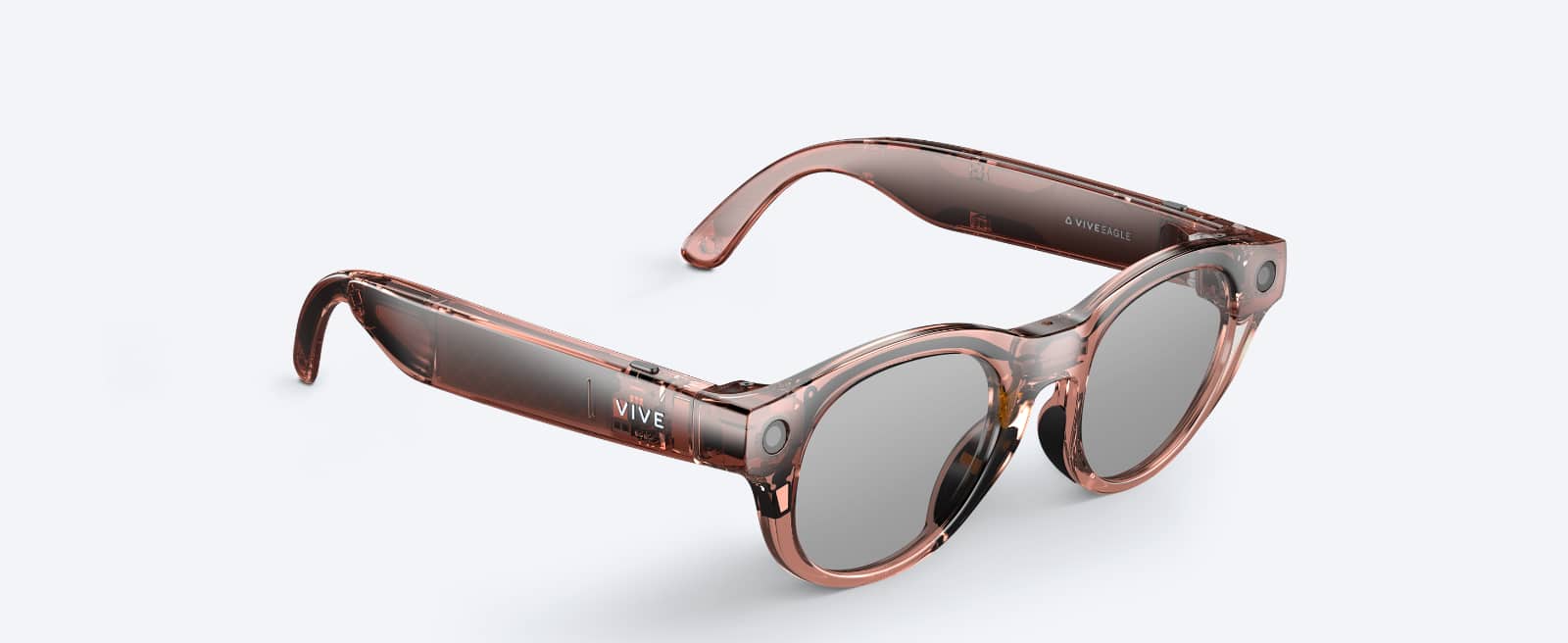
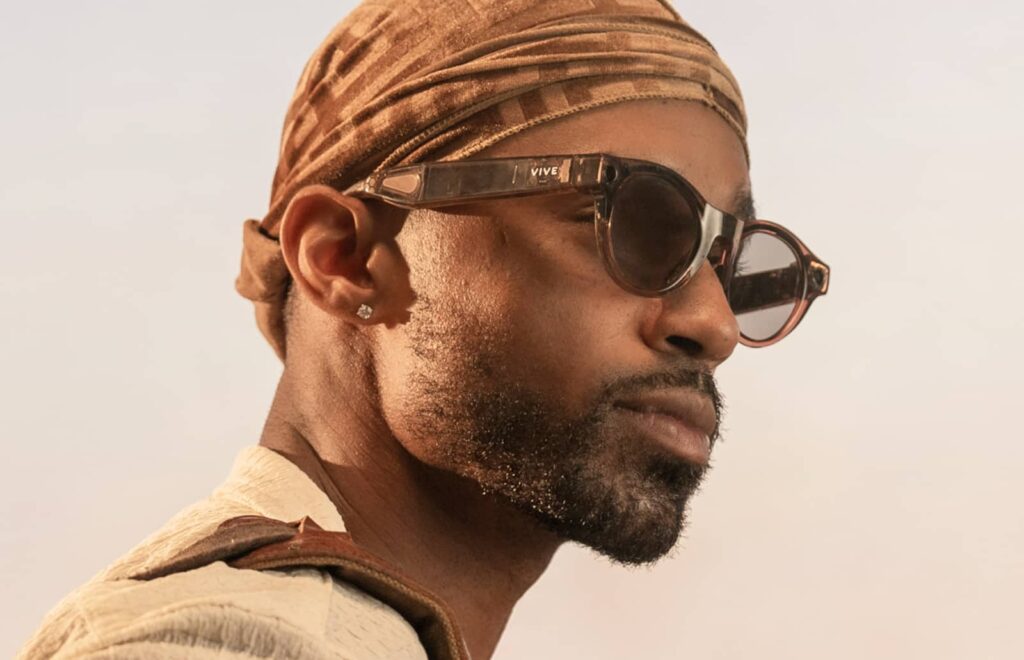
Coming our way from a company that hasn’t released much in Australia for a while, the HTC Vive Eagle is a pair of smart glasses with two cameras and a focus on privacy, though not necessarily for the reasons you might think. While anyone wearing them can capture a photo of anyone else hands-free or by button, the Vive Eagle won’t use that data for AI training and won’t capture pictures or video while the specs are off.
That’s distinct to Meta, with its glasses doing the exact opposite. They can capture when not on your head and use that in its training.
A shift to a privacy focus, at least for the owner of the glasses, is something a little bit different in the smart specs space, though it is strictly for the user. While the government has suggested blurring of faces from photos as an option from glasses, these won’t do that and are built with privacy in mind for the owner of the glasses.
They will, however, capture in 12 megapixels and 3K video, but won’t record if the notification LED is being obscured or masked, and do come with a curious feature: if someone wants you to stop recording, they can simply call out “stop filming” and the Vive Eagle will stop.

Like most of the other smart glasses we’re seeing, these lack a built-in screen, but do include speakers and four microphones, while being IP54 water resistant able to handle a little bit of rain. They’ll also use Zeiss lenses making them more like proper sunglasses, and yet also able to handle between 4 and 6 hours of battery life, with an optional battery pack on the arm giving it a little more charge in an eight gram pack.
AI is also a big part, but it’s one where HTC is letting you choose the assistant you use: Google Gemini or OpenAI’s ChatGPT. You can switch between them using the app, and set the app to do other things.
But the app will also come with a subscription package that will kick in after the two year mark. That’ll cover chats to smart assistants and language translation, but may end up being an extra cost at the end of two years.
The price sees HTC set to charge $799 for the Vive Eagle smart glasses, which will come in two styles and several colours, including some almost see-through approaches. HTC and Harvey Norman look to be the places you can find the Vive Eagle at, with release from mid-September (September 14).