
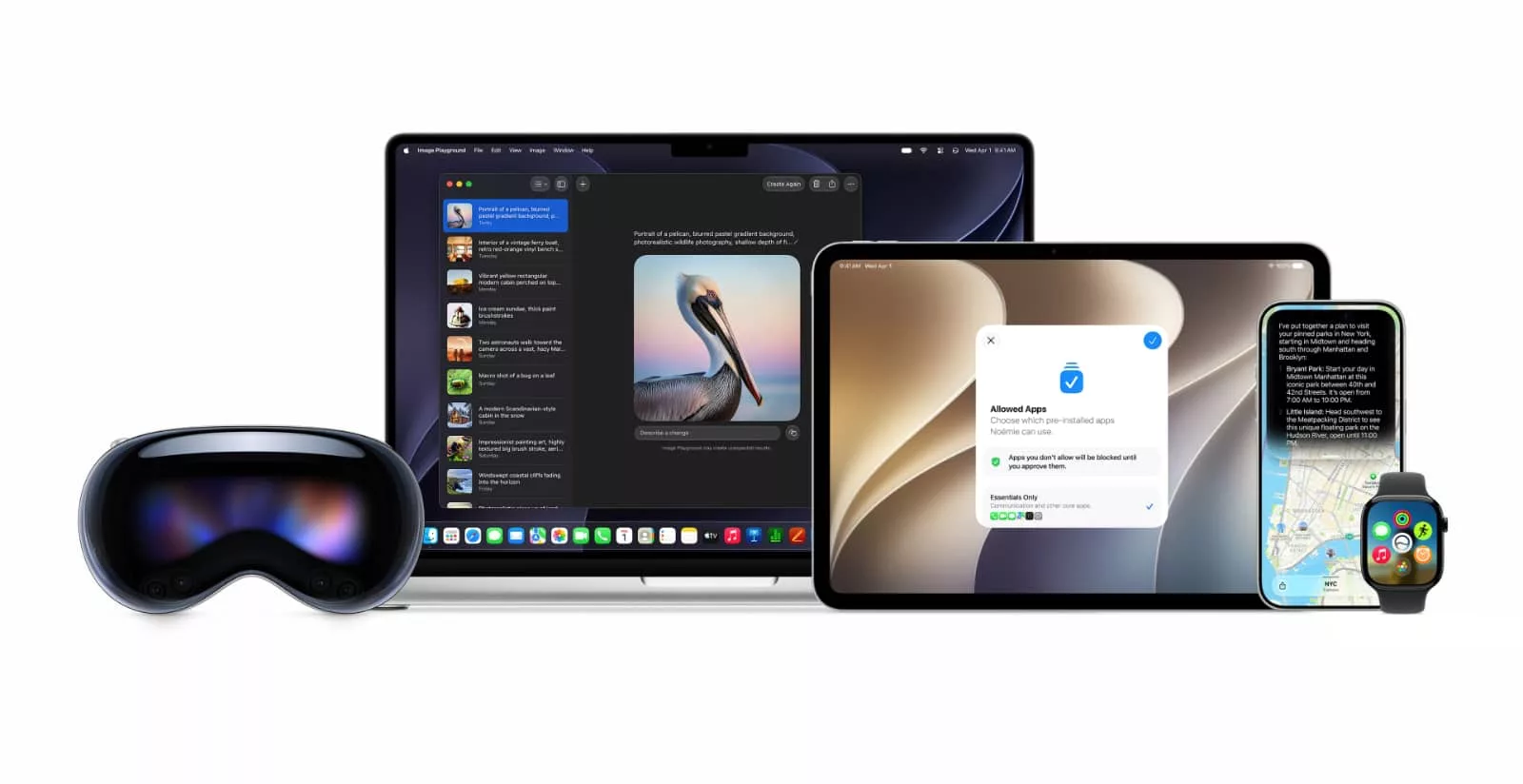
It’s the middle of the year, and if you’re living inside the Apple ecosystem of phones, tablets, computers, wearables, and TV-connected gadgets, you may well know what that means: WWDC.
Translated for those playing along at home, Apple’s Worldwide Developers Conference is the place to be if you’re interested in learning about what’s coming for that device in your iLife, whether it’s an iPhone, iPad, iMac, or even something not rocking the “i” moniker, such as a MacBook, Apple TV, Apple Watch, or a Vision Pro.
WWDC is usually the place for software and vision, with the idea of what’s to come laid out ahead of release later in the year. We’ve sometimes seen hardware launched at the event, though this year, it appears the focus is entirely on software, with tweaks and improvements aplenty, and AI a big part of the approach.
AI for every OS
The latter of these is probably Apple’s biggest change, and the one it likely needs most.
With so many of the stories and much of the world’s focus on artificial intelligence these days, and Siri having felt a little less AI-savvy comparatively, Apple needs a win to show it’s competing with the likes of Google’s Gemini, as well as the AI in ChatGPT, Claude, and everything else. There is a lot of AI lately.
To that end, Apple has announced improvements to Apple Intelligence and Siri, coming in new intelligence models, new capabilities, and an upgrade for Siri to become Siri AI.
The release will mean Siri will be a little like ChatGPT and Google Gemini, allowing you to chat and converse with the assistant, and have AI Siri connect with more of your ecosystem.
Siri will use models to understand your messages, your emails, your photos, and more, while Apple Intelligence will take a guess over actions you can do in those apps, making it easier for you to add calendar entries and reminders for certain things, as Apple joins the dots between AI in you.
It’s not just how you talk to Siri that will get things done, but rather how AI connects with other features.
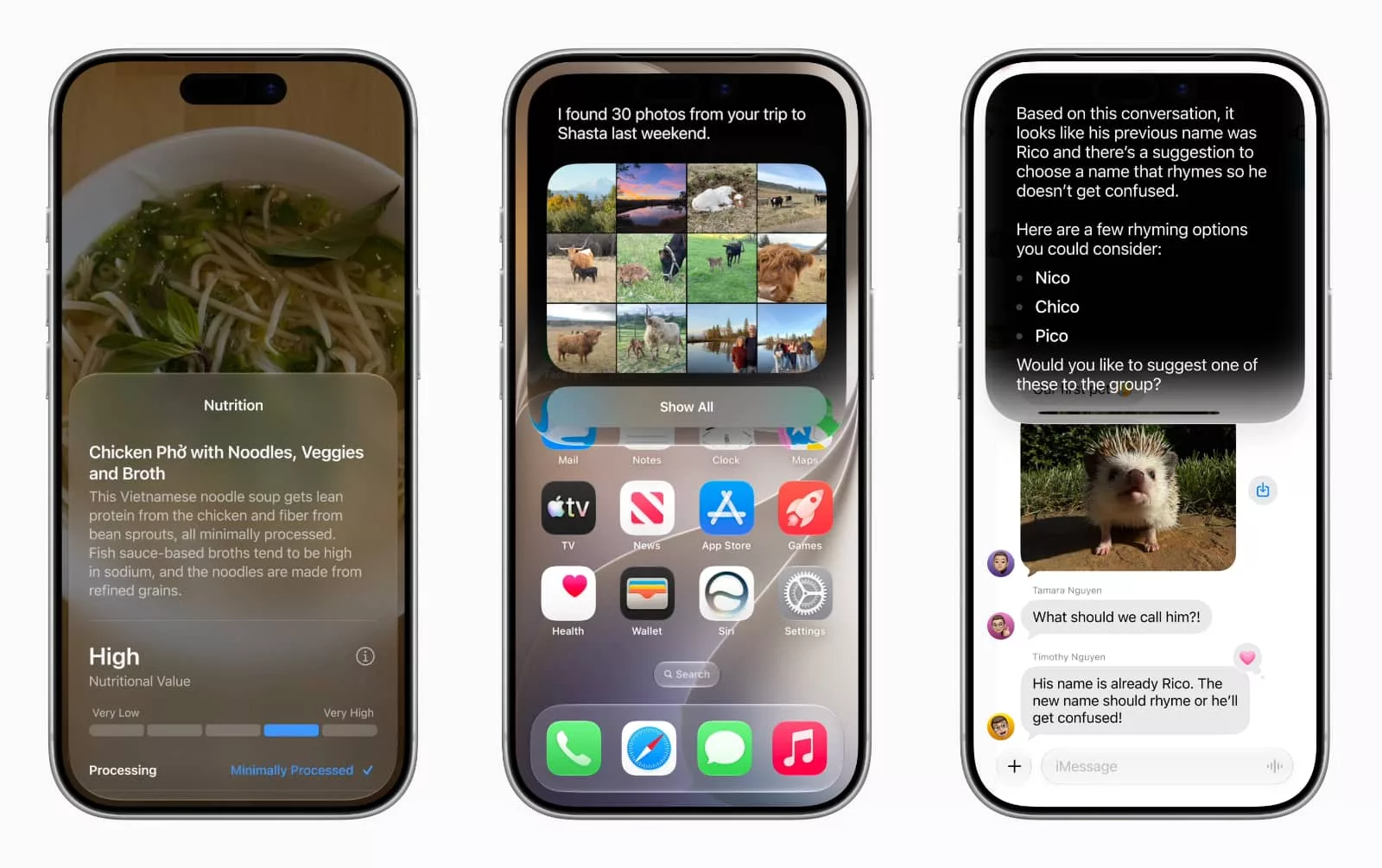
Take the camera, which will be able to use AI to understand what’s in the viewfinder, while also using AI to expand an image and using AI to guess what would go beyond where you captured it. That sort of feature has been part of Google’s Photos editor for some time, but Apple does have something very new: reframing.
With this feature, you’ll be able to have Apple’s photo editor change angles of the image, and re-make the photo with a different point of view.
Purists will likely scoff, largely because AI will be re-creating an image using guesswork and pixels. But the idea is to afford a little more control that you would otherwise not have had. To those folks scoffing, they should know that Apple will be including a hidden SynthID watermark in any AI image to at least identify that it was modified by AI.
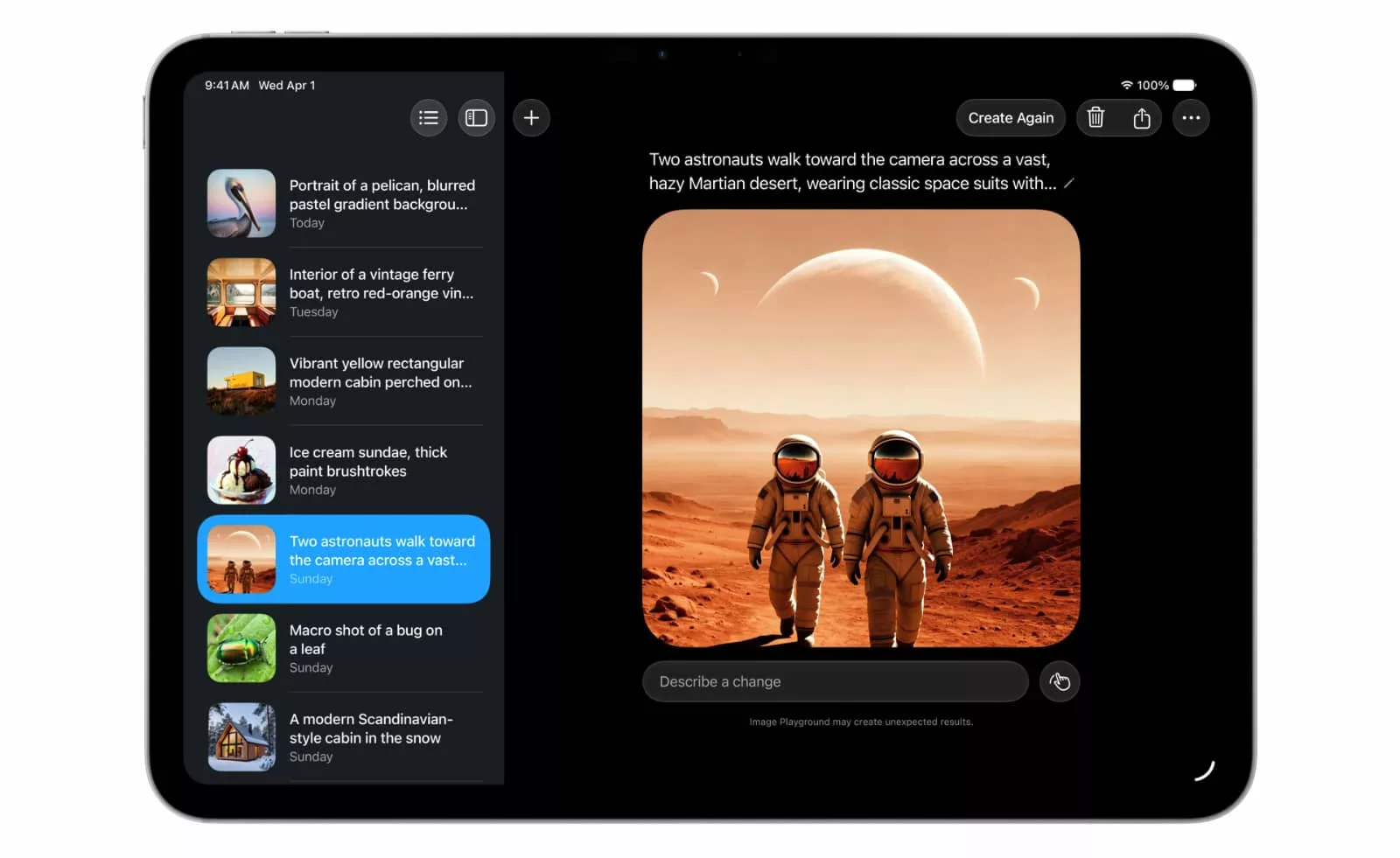
Those AI notes will also likely be in Image Playground changes, which now include the ability to make bigger scenes and styles, handy if you want to use AI for creativity on your devices.
Even passwords benefit from AI, allowing you to quickly change and upgrade potentially compromised passwords found from within the useful Passwords app.
“Truly helpful AI must be centred on our users’ needs, deeply integrated into the products they rely on every day, grounded in personal context, and built with privacy at every step,” said Craig Federighi, Senior Vice President of Software Engineering at Apple.
“That is our vision for Apple Intelligence. With useful features for browsing the web, expressing creativity, editing photos, and so much more, today marks a big step forward on our journey to integrate powerful AI into the core of our platforms and make our products even more personal and useful,” he said.
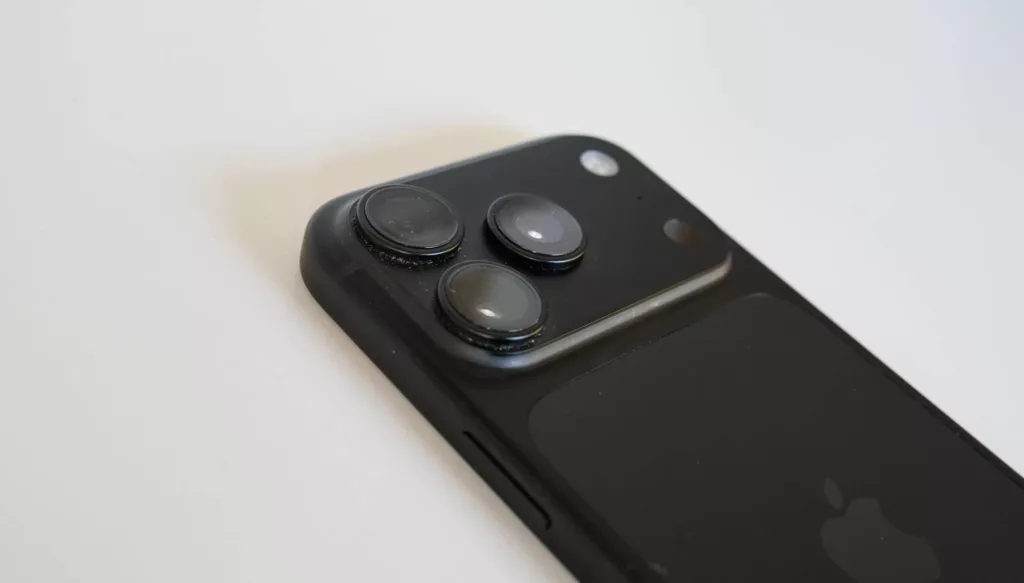
iOS 27 support going back to iPhone 11
The feature list goes beyond Apple Intelligence, with quite a few additions to iOS and iPadOS.
Take the changes to Apple’s Liquid Glass, which will now be customisable. If you don’t like the slick transparent glass look of Apple’s aesthetics, you can firm it up and make it more of a frosted glass. It’s a tweak in your control.
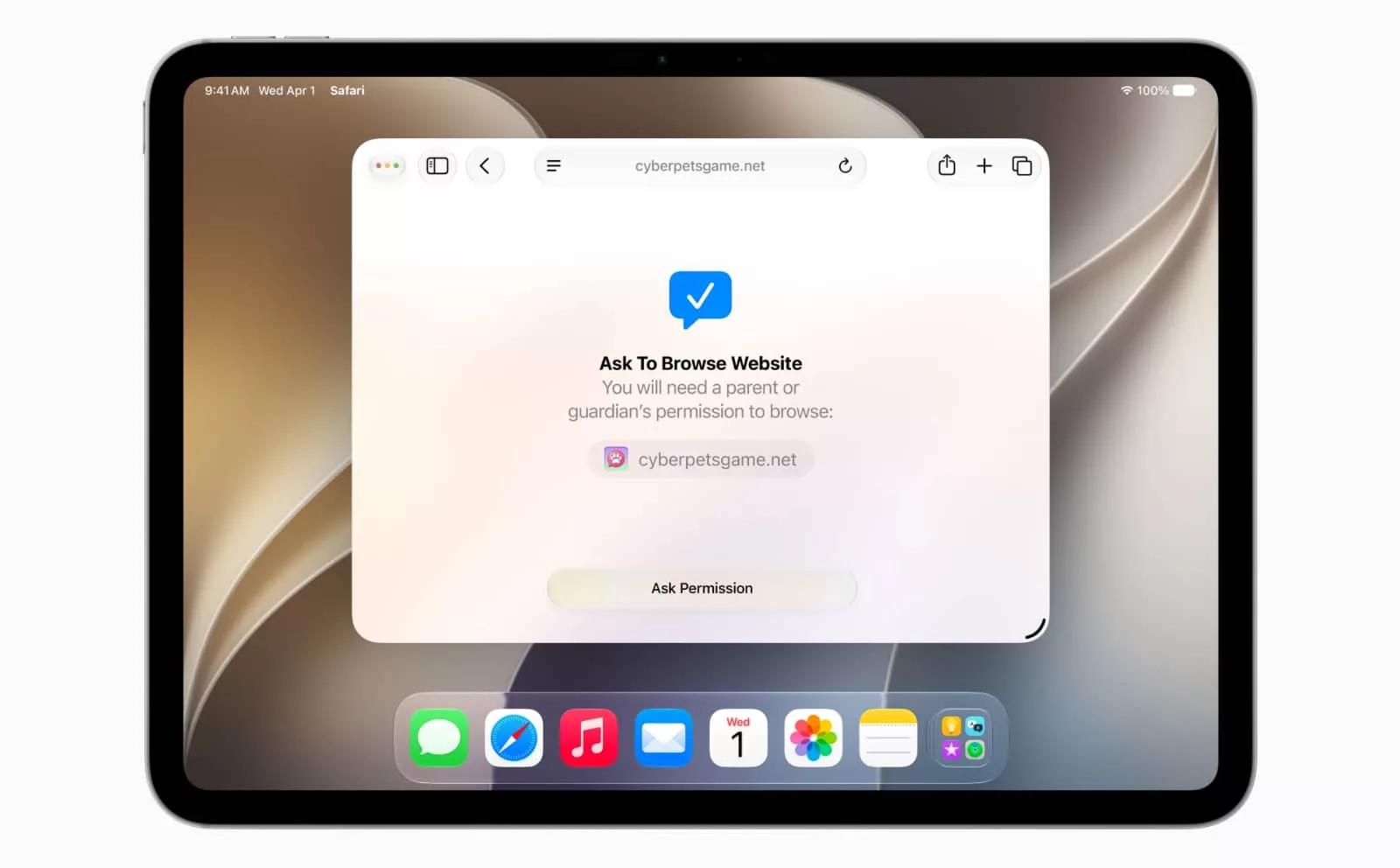
Child safety features will improve, as well, with a setup assistant to make the process easier for parents setting up a new iDevice for their kids, approval to browse websites that might be locked down, and more.
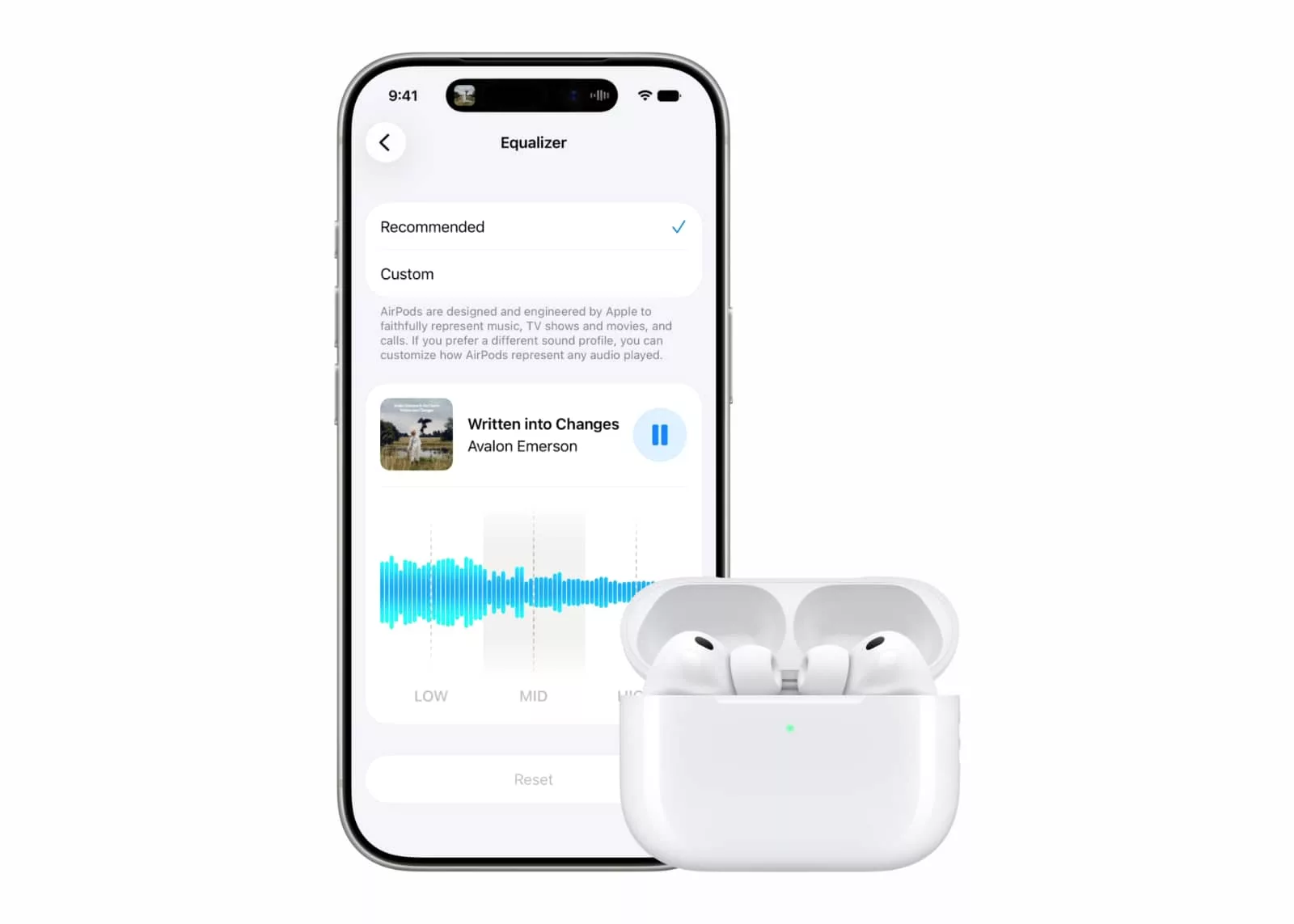
Even AirPods look to benefit from the changes, with a customisable equaliser feature set to arrive for owners of an AirPods generation, imparting some personal control to your hearing.
It’s a similar list of features being updated in iPadOS, and both phone and tablet operating systems aim to get faster in general, apps loading up to 30 percent faster and AirDrop transfers up to 80 percent faster, too.
The good news is iOS 27 will support more phones than expected, and won’t cut off the iPhone 11. In fact, that’s where the support will start.
WatchOS 27 will cut off a lot of models
The bad news is that the Apple Watch support isn’t quite so lucky.
Strangely, the wide availability of iOS 27 will be tempered slightly by a limited availability in the Apple Watch camp, which will mean the new features of watchOS 27 will only come to a handful of still relevant devices. That’s a bit of a departure from Apple, which has seen older devices supported for several years.
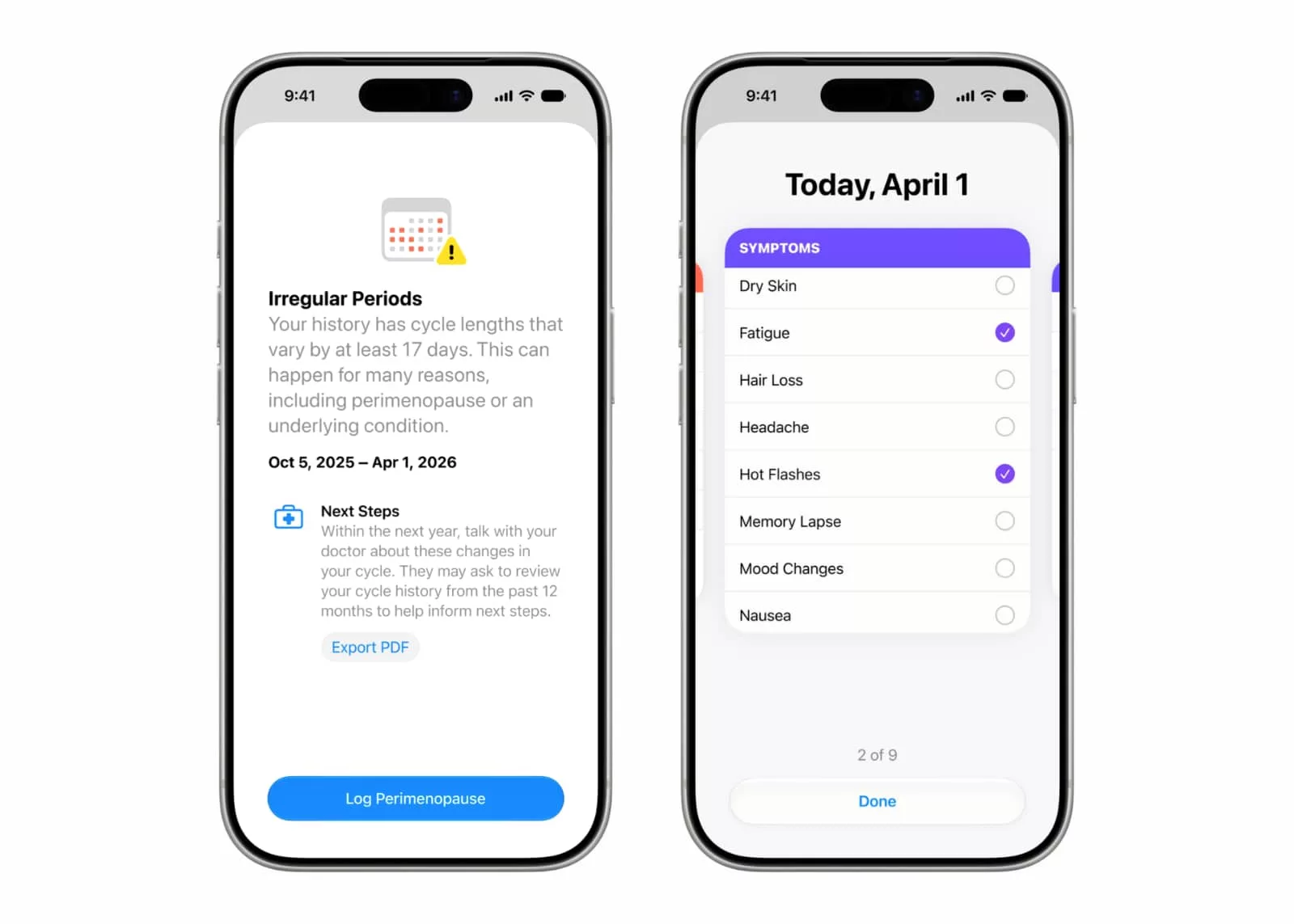
While watchOS 27 doesn’t have a heap of changes beyond some intelligence support, watch face complications, design and notification changes, and health additions, the latter of which like the iPhone now covers menopause and perimenopause, the major difference is that you’ll need a Series 9 Apple Watch or higher, an Apple Watch Ultra 2 or later, or the most recent Apple Watch SE 3.
Or to put it simply, if you’re still rocking an Ultra gen 1, a Series 8 or earlier, or any of the Apple Watch SE models released before 2025, your watch will not run watchOS 27, and stays at watchOS 26. And that’s a surprise.
Even the Series 9 won’t get the same features, with Apple Intelligence support out of the running.
It’s expected that the AI features of Apple Intelligence are the likely reason why previous watch generations are stuck at watchOS 26, but Series 9 is included sans-Intelligence, making this omission of past models really quite surprising.
In short, it basically means models of Apple Watch only three years old appear to be stuck outside of the update schedule. That’s definitely a bit of a backwards step for Apple, a company that’s normally quite forward thinking.
Much the same for the Macs
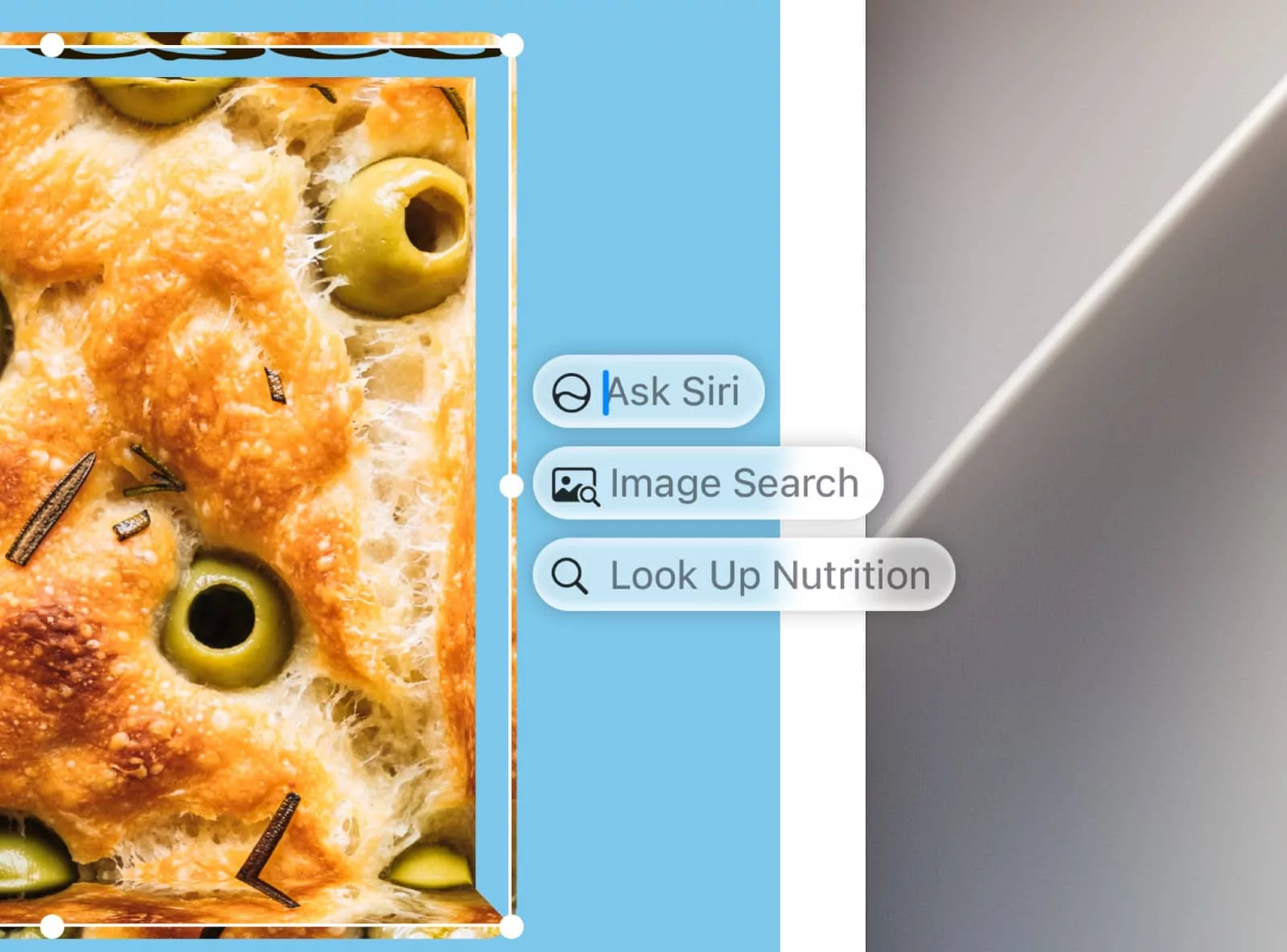
MacOS will also get the same sort of feature set, but seemingly expands its use of Visual Intelligence to know what it’s looking at.
Much like how Google supports a “circle to search” feature — and was one of the first AI features rolled out to Android when AI phones became a thing in 2024 — Apple’s approach to Visual Intelligence in macOS 27 “Golden Gate” will be able to let you drag a marquee around anything, and have Siri or image search analyse it.
Safari will also get grouped tabs and a way to notify you about page changes, while shortcuts will be created simply by having you describe what you need done.
There are other features, such as better refresh rates and resolutions on some screens, contextually relevant information for when you’re on a phone call, and an improved flyover mode on Apple Maps that looks sharper and better overall.
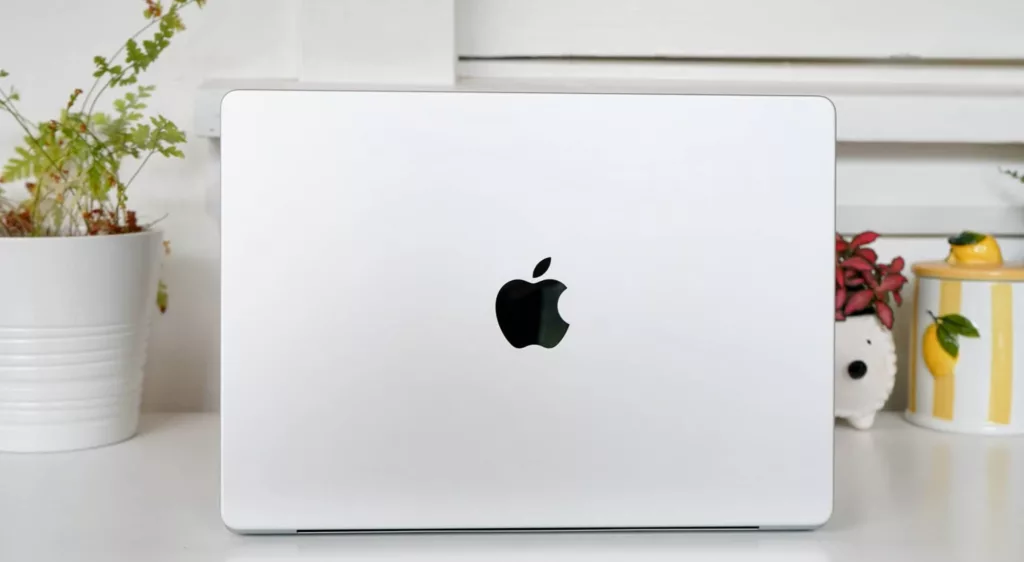
Like watchOS, Macs will have a limit on what macOS 27 rolls out to, but unlike the wearable, the list will be larger. In fact, pretty much every Mac from the past six years will support macOS 27 Golden Gate, which means anything with Apple Silicon inside.
Less so, though, if you have one of the Intel Macs, with the operating system updates officially cut off.
Australian availability
All of these releases are very much on the way, but not expected until around September this year, likely alongside new iPhone models, and a few new Apple Watch models, as well.
Developers can start playing with the feature set in a very early beta, as can your favourite technology journalists and those who like to live dangerously, while the public betas with a little less danger are expected from July or August onwards.
For everyone else, however, it means the feature set is on the way, and you still likely have a few months before needing to update your phone.