
Life isn’t always inexpensive, and these days it can feel a little more like everything costs more. Certainly when it comes to computers, that’s the case, and if you wanted to buy something from Apple this week onwards, that is definitely the case.
While no official announcement has been made, Apple has definitely changed the prices of its gear, and they go to the extend of even making the company’s least expensive laptop, the once $899 MacBook Neo, now starts above the thousand dollar mark. So much for the sub-$1K MacBook, it seems.
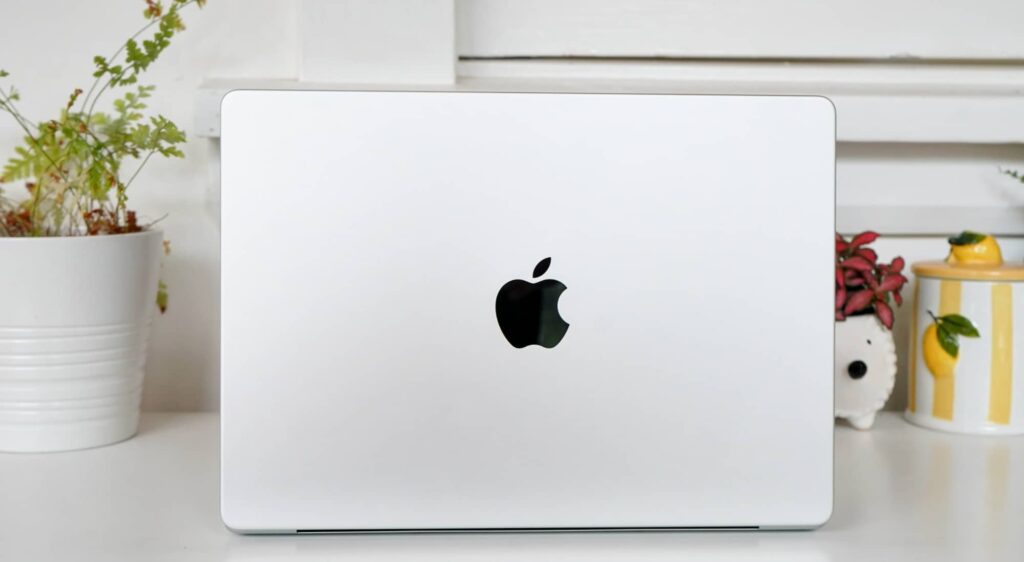
The changes are swift, and go into effect immediately, with this year’s excellent M5 MacBook Air originally starting from $1799 now fetching over $2K at $2099 for its 13 inch starting price, a place you could previously expect a MacBook Pro to start from.
They’re not immune to the price raise, either, with the MacBook Pro now more costly. While it started from $3499 in Australia with the M5 Pro chip only months ago, it is now a $3999 laptop.
You can see how the price jump affects all the components, too, simply by looking at the customisation. A MacBook Pro M5 Pro with 96GB RAM and a 2TB SSD was as little as $4499 yesterday, yet now costs $5649 by comparison. Yikes.
The changes are everywhere, with the Mac Mini now starting at $1299 instead of just under a grand, and Mac Studio desktops up, as well.
Over in the iPad world, the same price rise is happening: the starting price for the standard iPad is up to $749, the iPad Pro from $1999, and the mid-way mark with the M4 iPad Air now goes up to $1249 up from the $999 when we reviewed it earlier this year.
Before you grab pitchforks, it’s worth putting the blame where these price hikes should probably be, and firmly looking at the world of AI and the boom of data centres.
While companies definitely like to make money, and price rises add to that, the rise of the data centre means component makers focused on memory and storage have shifted their attention to the hardware types needed for data centres, which means consumer-grade gear has come under supply constraints and the cost has gone up.
Memory for laptops, desktops, tablets, and even game consoles are all affected, and the price of the iPhone is likely to be next.
It’s bad news for your wallet, and it could stick around for several years, with an expectation that the shortage may not end until 2030.
In short, it appears we may need to get used to it, and the possibility that the prices for gear upgrades could only get worse.