
Quick review
The good
The not-so-good

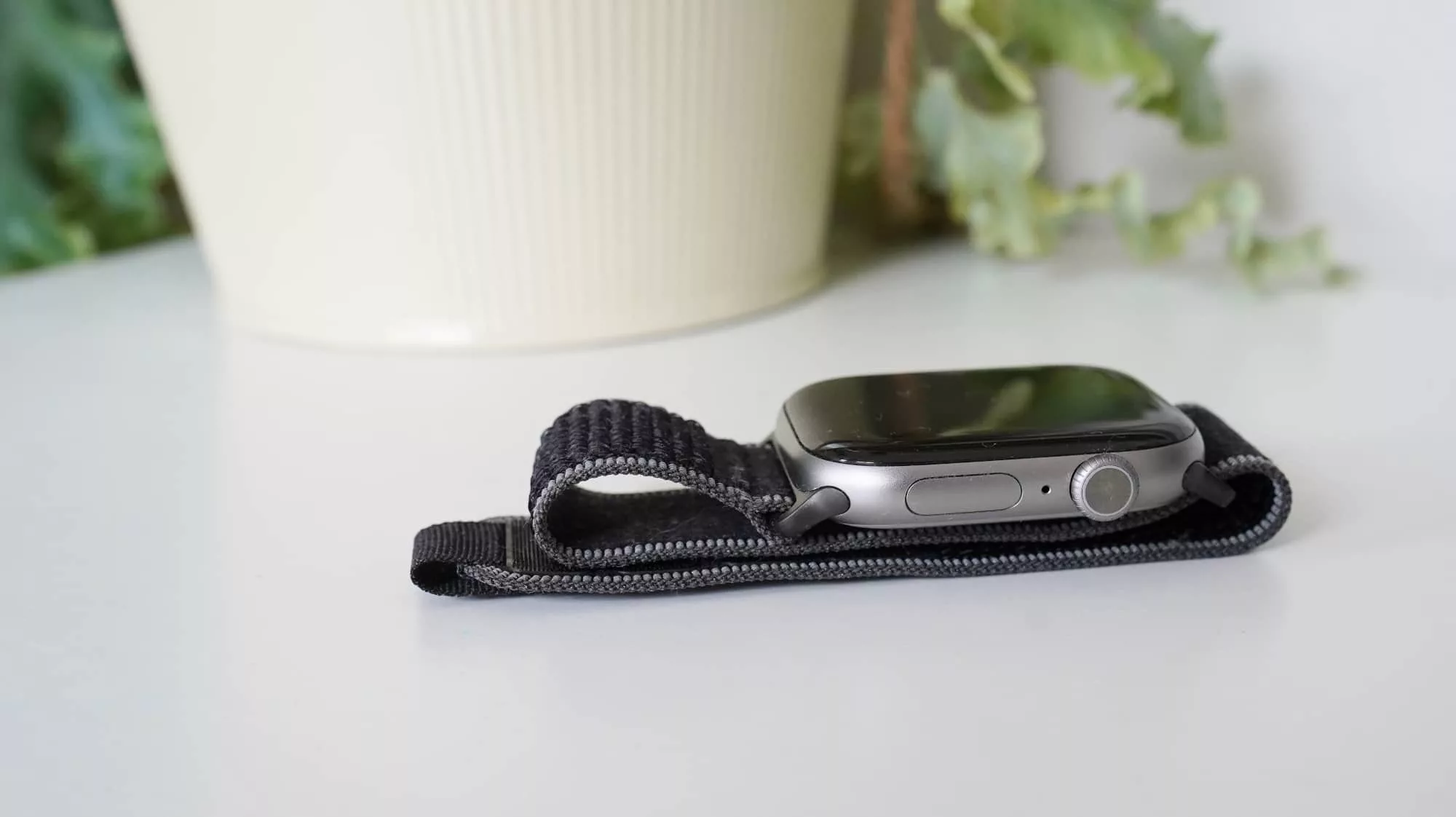
A bit like Goldilocks and the three bears, the Apple Watch Series 11 will be just right for anyone who finds the SE 3 too cheap and the Ultra 3 too pricey.
Reviews don’t always run on time, but sometimes there are good reasons why. Products get delayed, stories get written, and sometimes life gets in the way. The very life that some devices are entrusted with keeping time on.
With this review, this journalist is running a little late. Less “a little”, and more “a lot”.
It’s September 2026, and about this time last year, Apple was releasing its latest and greatest wearables, as the Series 10 jumped to the Series 11, and two other models came out alongside. The changes weren’t major across the line, but for the Apple Watch SE 3 and the Apple Watch Ultra 3, the updates were notable because they hadn’t seen anything new the previous year.
These were big updates. Big updates with new features. Owners of the iPhone were being given an almost Goldilocks-styled choice of “budget but enough”, “middle ground”, and “the best for the highest price”.
Two of those were reviewed, but one missed out. And so here we are just before the next model comes out, taking a look at what is, at least for the next few weeks until the Series 12 arrives.
It’s important because where ever the next model goes, it will likely draw from what happened in the Series 11 before it. But that’s also important for another reason: the Series 11 hasn’t really made enough changes to be notable.
In a release that can feel very much like a dot release — one of those minor releases where important things change, but you need to study hard to find them — the Apple Watch Series 11 doesn’t feel like a big deal, and that might have given competitors some room to move.
Design and features
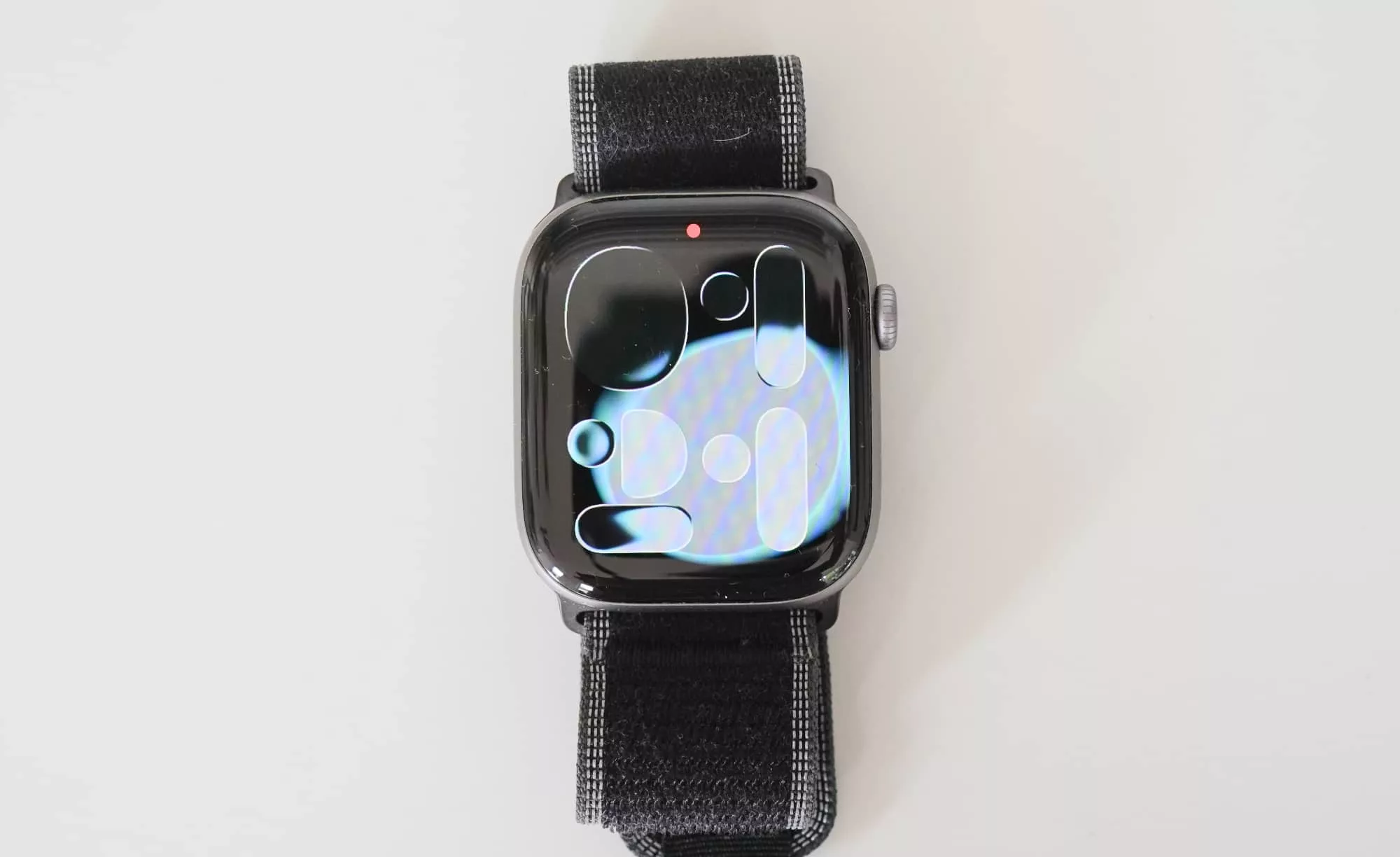
Apple Watch designs haven’t changed in leaps and bounds, and so if you’ve seen a model from the past few years, you have probably seen what this one looks like: a softened near-square of aluminium or titanium (depending on how much you spend), covered with an OLED screen of up to 2000 nits, system-on-a-chip (processor and modem), memory, and then an assortment of sensors.
If you have a Series 10 model before this, the Series 11 probably isn’t an intelligent update because it is almost the same. There are differences between other models, but they vary in significance.
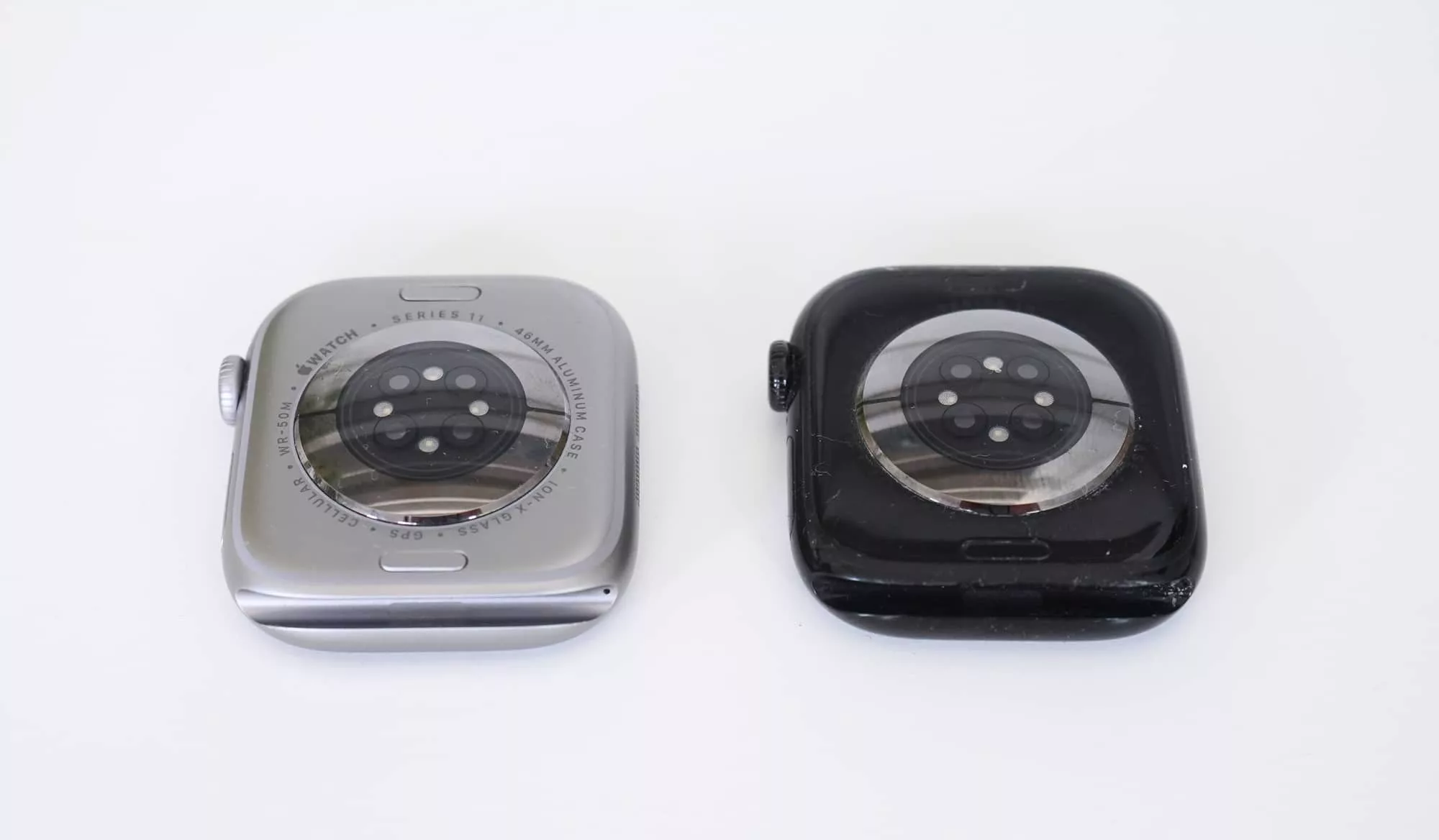
Regardless, you’ll find the S10 system-on-a-chip processor from Apple, the same piece of hardware used in the Series 10 Apple Watch, and on the SE3 and Ultra 3. It’s consistent for everyone and everything, it seems.
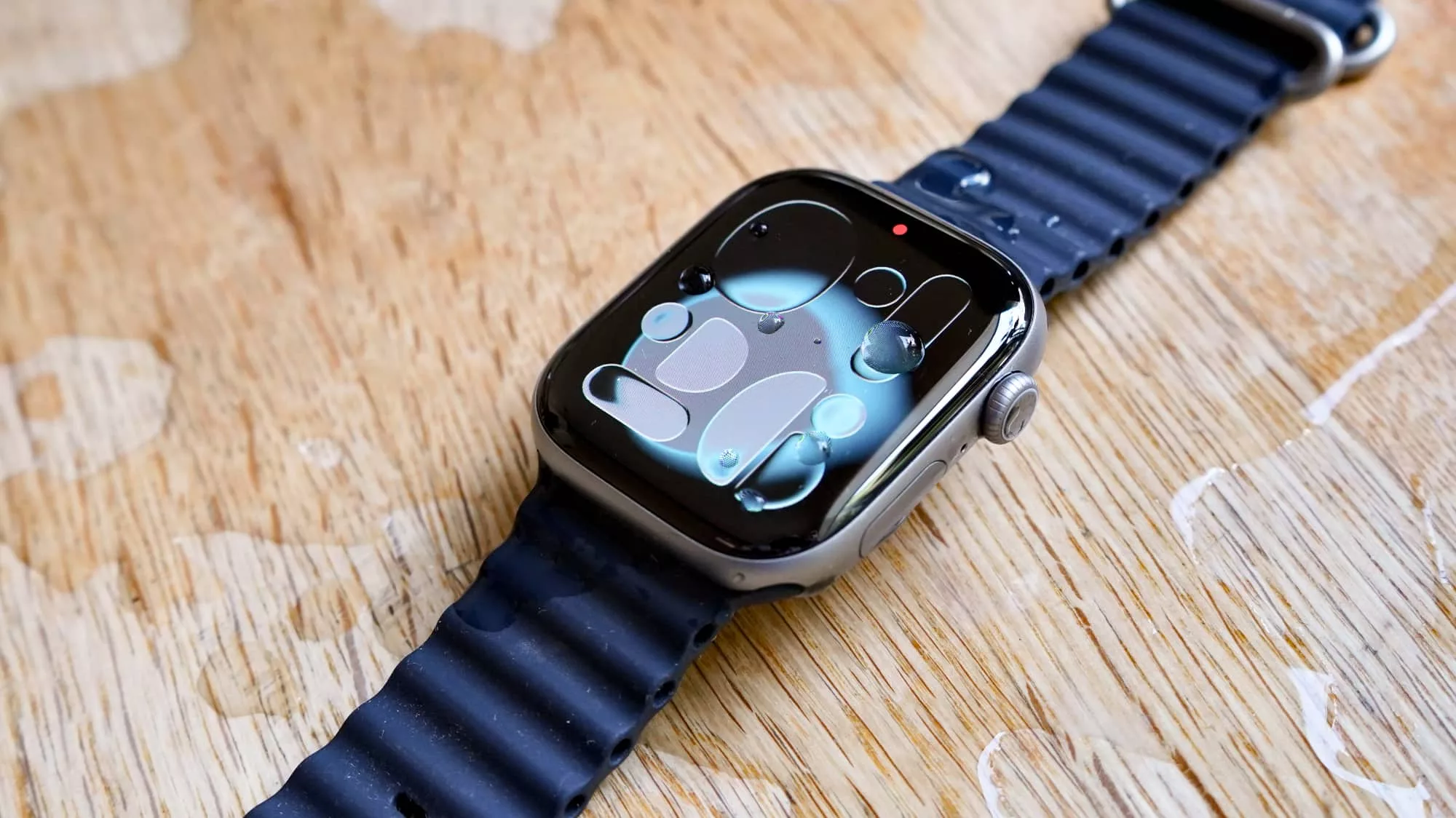
Atop this is a screen, which in our 46mm Series 11 review unit is a 416×496 almost-square display, while the 42mm model runs at 374×446.
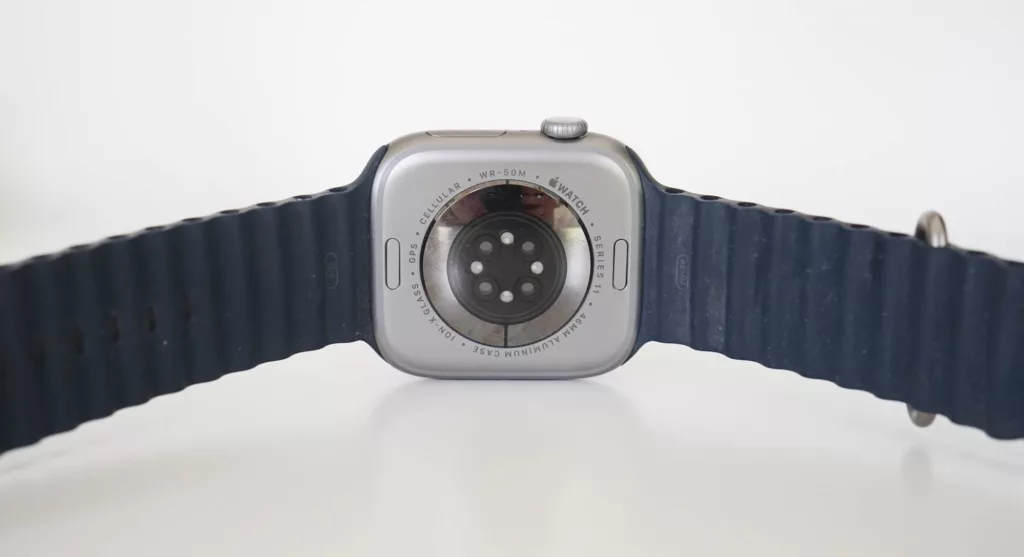
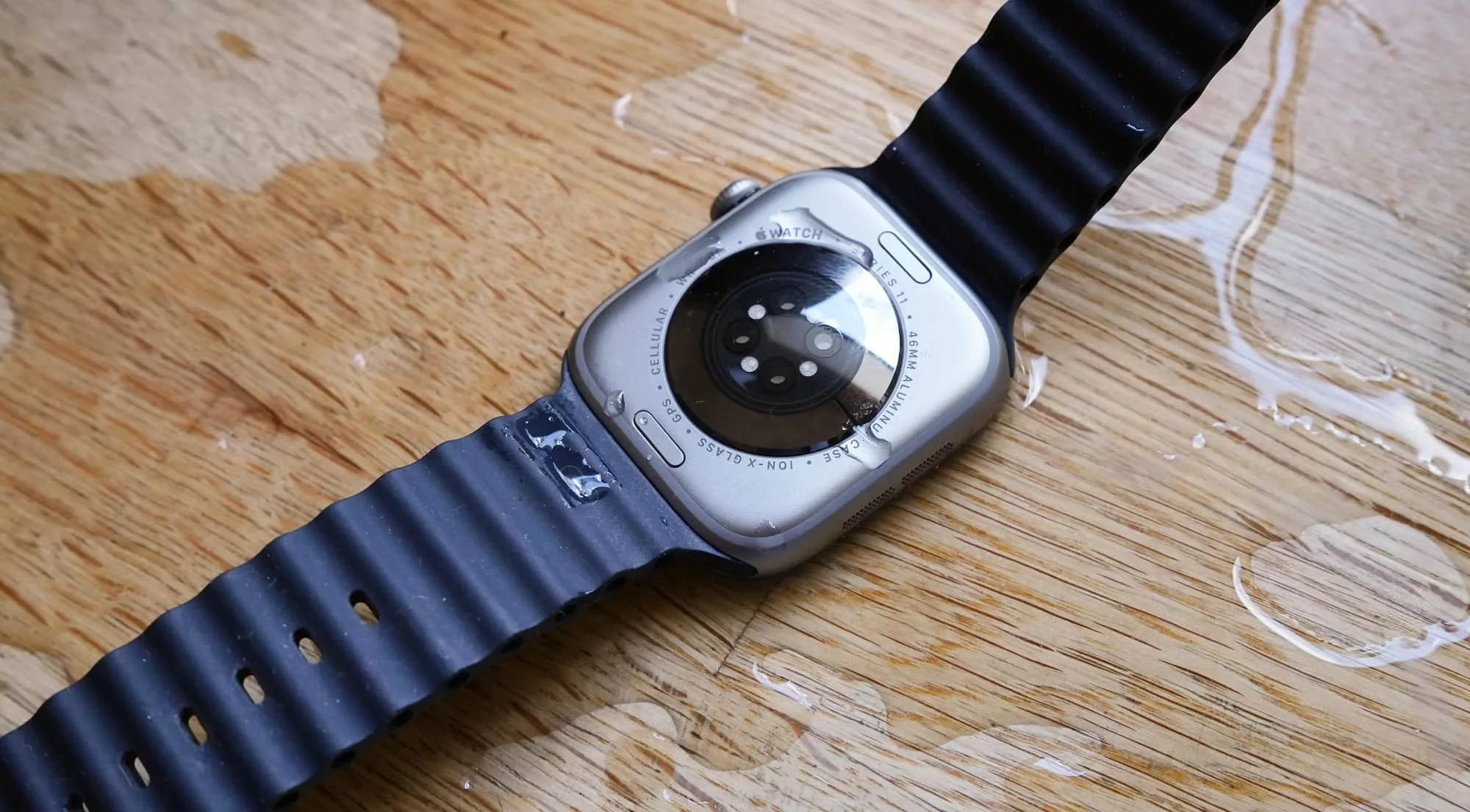
Underneath, you’ll find sensors covering electrical and optical heart tracking and temperature, with the combination of technology delivering health tracking across hypertension, electrocardiography (ECG), SpO2 blood oxygen, sleep tracking, cycle tracking, noise monitoring, and mindfulness. Plenty of health technology inside.
Support for wireless connections is handled through Wi-Fi 802.11a/b/g/n WiFi 4 with Bluetooth 5.3 regardless of the model you get, but 4G and 5G is supported on the cellular models, as is Emergency SOS.
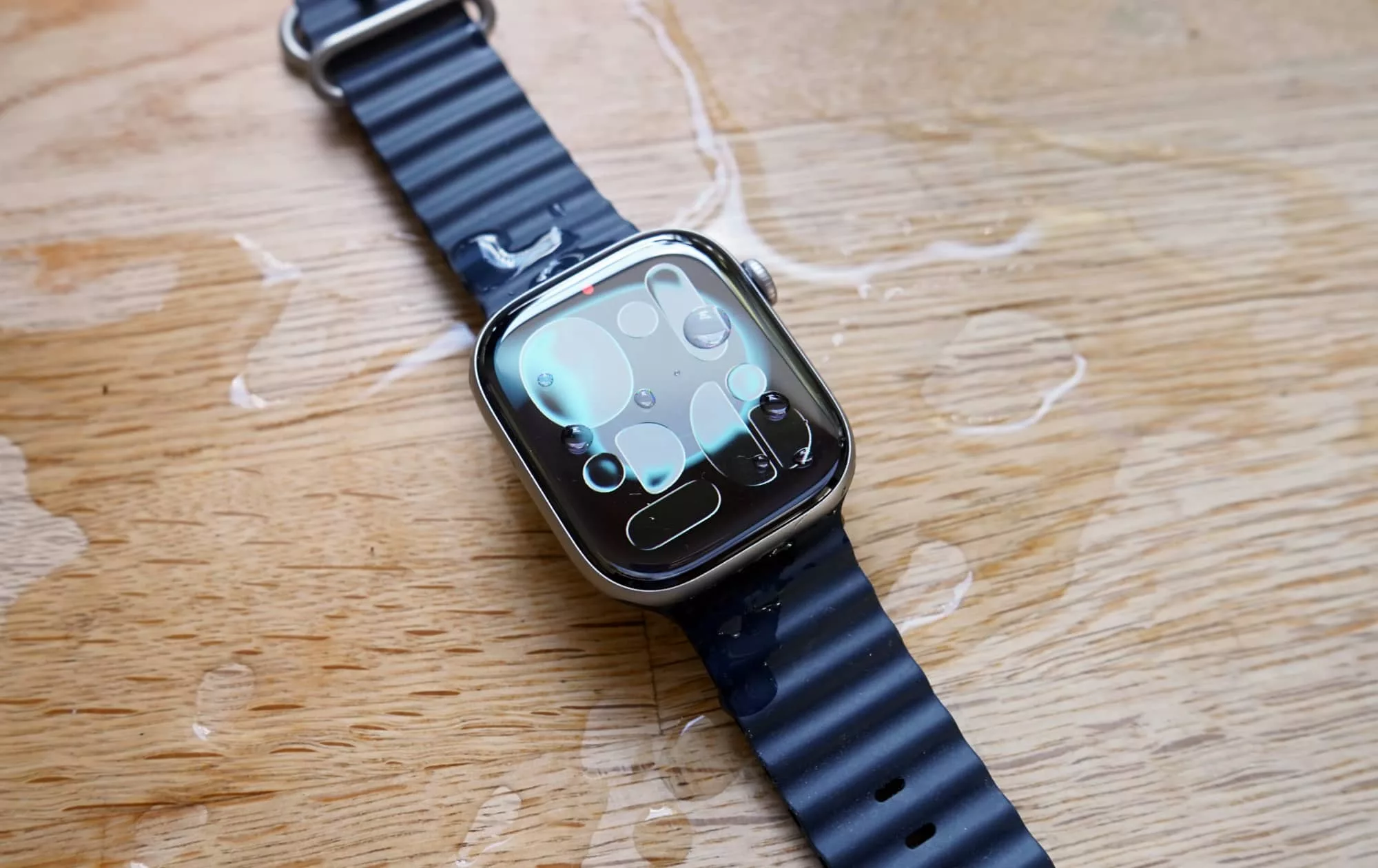
Like all other Apple Watch models, it’s water resistant to 50 metres, though the Series 11 variation is IP6X dust-resistant and this year includes more scratch resistance in the aluminium model. You’ll need to opt for the titanium version if you want sapphire crystal glass protection, however.
It all arrives in a roughly 37 gram watch, though it’s a few grams heavier if you opt for titanium.
In-use
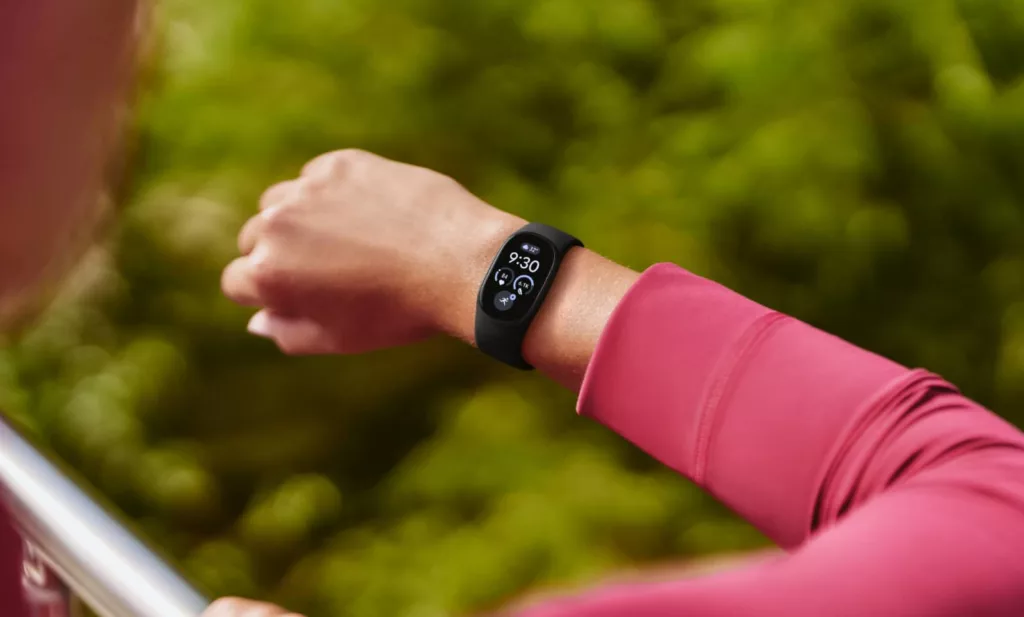
If you’ve used an Apple Watch before, the good news is the Series 11 keeps everything more or less exactly the same: watchOS provides health, time, and compact versions of the app at your hand, or more specifically at your wrist.
There are gestures mapped to specific Apple functions, and while you might use them to quickly scroll through widgets, the combination of touchscreen and physical Digital Crown on the right and the button underneath it are the main ways to use this thing.
You’ll likely stick with them, whether you’re glancing at a message, a notification, the music you’re listening to, or maybe simply checking the time. It is a clock, after all.
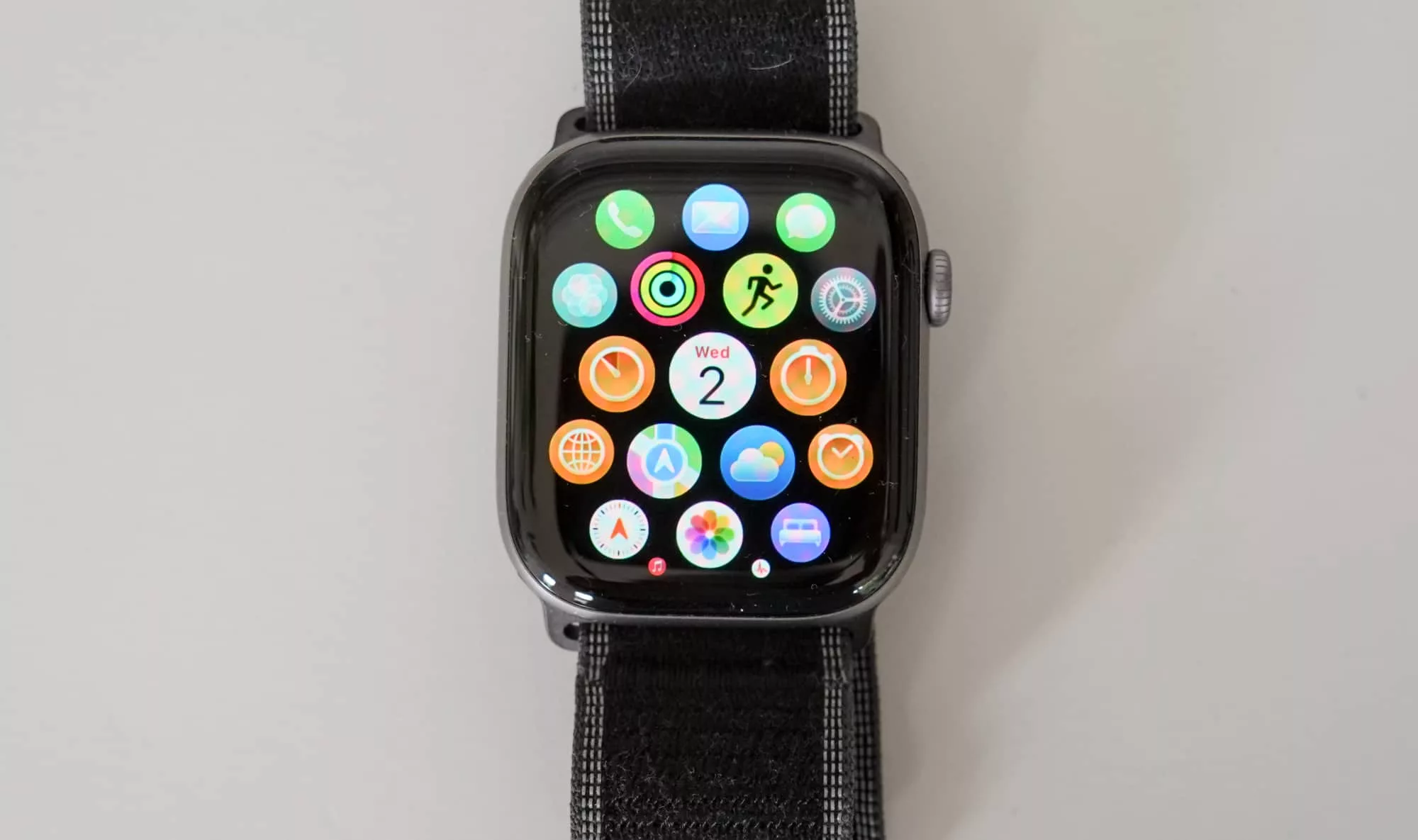
For iPhone owners, it’s typically an easy recommendation because everything just fits. It’s not unusual for the apps on your phone to have Apple Watch counterparts, meaning notifications don’t just lead you back to checking your watch like they do on other devices. You can use the watch as a second screen without leaning too much on your phone.
You can even go for a run without your phone, provided you have a cellular-enabled model with an eSIM on your telco plan.
If your kids happen to sport an Apple Watch for Kids setup, you can simply message them without pulling out your phone. If this is what living in the future is all about, sign us up.
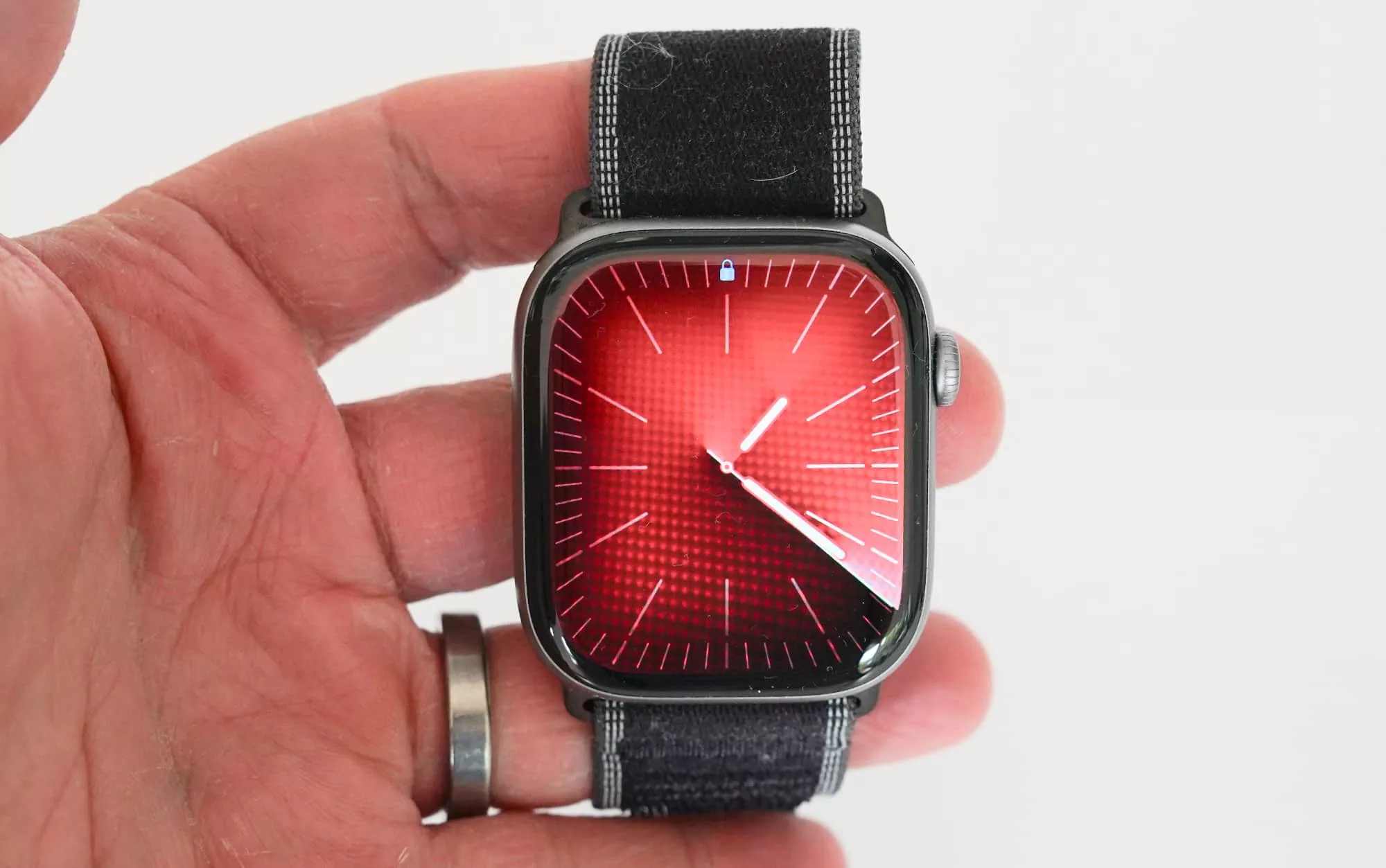
There is one not-so-obvious but also incredibly important change in the screen, though: it’s more durable.
While you still need to pay extra for the sapphire glass-equipped model, a feature that’s included in the Apple Watch Ultra 3 (and part of why that model is actually just better value than the rest of the Apple Watch variations), the ceramic-coated screen protection on the standard Series 11 is whole lot better than we’ve seen from the Apple Watch standard models prior.
The ceramic screen protection used on the iPhone can take a hell of a lot of a beating, and while it’s not exactly the same, the Series 11’s resistance is better, too. That’s a win, even if you can’t see it.
Performance
The problem is it’s a change that you can’t see, and that is incredibly consistent with this model. It might be why the model is so unexciting.
Good luck telling the difference between it and the previous Series 10, because under the hood, it may as well be the same. It essentially is.
The good news is it means using an Apple Watch in this generation is seamless, and if you’ve come from a prior model, you’ll get that seamless experience, as well.
App switching is easy and painless with virtually no lag, or a minimal amount to speak of. Switching into health features is fast, and you rarely need to think about anything regarding the performance of the watch. It just works.
It’s all about the same, and has nothing major to really report of a difference. This is largely the same between the Series 10 and Series 11, though.
Battery
The battery is where things marginally improve between generations, though it depends on how you’re used to wearing and charging the device.
For instance, owners of a previous Apple Watch model would need to charge almost as soon as they got home. They’d take the watch out at 7am, have their life, and come back by 7pm and be lucky if the watch wasn’t screaming for a charge.
“Plug me in!” its low battery indicator would practically call out, and you being an Apple Watch owner would be forced to oblige. The first few weeks of ownership wouldn’t be quite that bad, but after some time, the Watch would retreat back to the need of an almost too regular charging schedule.
The Series 11 can handle a little beyond this, and really get you all day and to bed. You’ll wake up with a little more life, and will in essence be wearing the watch from the moment you leave to work and the moment you wake up again, almost hitting the second day with charge, but not enough to really count.
It means the Apple Watch Series 11 is lucky to hit beyond a second day, and probably will veer closer to needing a nightly charge. Or as we did it, sleeping with it overnight and then charging it while we dressed in the morning.
You can take the time to charge when you’re not using it actively, such as dressing or showering, and you won’t really skip a beat. But this isn’t a watch you keep wearing for several days on end, as it has a similar battery life to its predecessors.
Value
The price is also just as high as it ever was for what seems like it’s the middle of the bunch, but is actually the high-end.
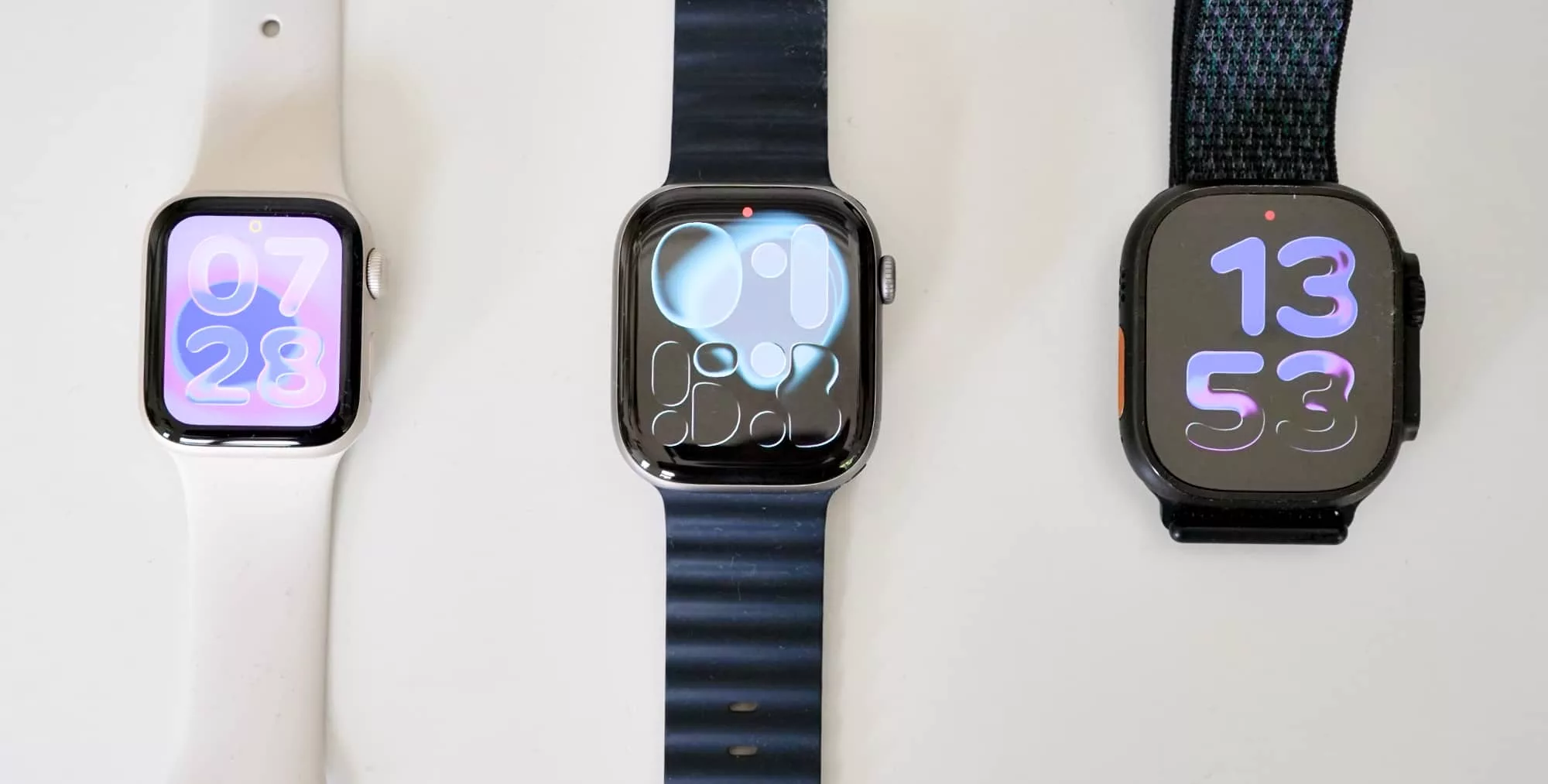
Apple’s pricing can feel a little confusing, and that’s because the Apple Watch SE 3 is such good value. At a starting price of $399, it just makes sense. By comparison, the $679 starting price of the Series 11 is markedly higher for not a lot of feature changes.
The screen is brighter and admittedly better quality, the display is marginally bigger thanks to a less noticeable bezel, there’s support for Apple’s Ultra Wideband for finding things, and you get the ECG, SpO2 blood oxygen sensor, plus a water temperature sensor with depth gauge. All of that for nearly $300 more, making it just that little bit more costly for stuff you might not need.
In the grand scheme of things, the difference may not be hugely significant, especially when the main point of difference could have been the battery life.
Is it worth the price of admission? Maybe, but with the SE 3 at $399, it just feels a little too high-priced.
What needs work?
The biggest problem with this update is trying to find what exactly has really updated about the model. The 2024 Series 10 was so good that the 2025 Series 11 doesn’t feel like it changes enough of anything to be an upgrade beyond being there for people who have an ageing Series 5 or Series 6. Maybe even something earlier.
Technically, the hardware of the Series 11 is the hardware of the Series 10, with support for 5G and a slightly more capable battery. We say “slightly” because it hasn’t changed that much, and you’re still very likely to need a nightly charge.
All of this comes amidst changes from other wearable makers. For instance, while the Galaxy Watch doesn’t always fare that much better, Google’s Pixel Watch 4 could easily net two days and then some from its wearable priced to much the same.
Granted, iPhone owners can’t run a Pixel Watch and Pixel owners can’t use an Apple Watch, but the fact that changes are occurring in the industry can make this model feel a little long in the tooth, even with the refresh it has had.
The Apple Watch Series 11 is still a beauty of a watch with a great all around feature set iPhone owners will appreciate. But the sheer lack of changes and major improvements can make the Series 11 Apple Watch feel like a rehash and yesterday’s news, especially when the Apple Watch Ultra 3 has seen updates to make it matter even more, and the Apple Watch SE is a solid upgrade, as well.
Final thoughts (TLDR)
This review has come late, but it’s also better late than never. We’re always keen to make sure reviews are sorted, but between life and everything in it, sometimes reviews just get lost in the wash. That’s life, they say, but it can also be part of the problem of being uninspired.
And at points in undertaking the review of the Series 11, that is largely how we felt: uninspired.
In some ways, the Series 11 felt like a weird omen and a precursor of the year to come: where technology in 2026 has largely felt like a rehash of previous models, and this one was similar, too. There were no spec changes, no major improvements you could see or feel, but the battery saw a small bump and the screen was slightly more resistant.
The value, however, just wasn’t as compelling, and rivals are beginning to catch up. Not only that, but Apple’s own other models were the options to consider. The Apple Watch Ultra 3 is the best of the bunch and delivers both a battery life and durability rating the Series 11 can’t match, while the Apple Watch SE 3 is easily the most intriguing: everything you need and nothing you don’t for a little less.
In many ways, the SE 3 is the watch that outshined the Series 11.
After reviewing both, the Series 11 was a little lacklustre by comparison. It was the watch Apple had to update, but didn’t do enough in the process. It felt like an update for update’s sake. That’s the worst kind of update.
Despite that, the Series 11 is still a fine watch. If you wanted something more premium than the SE 3 with better durability but in a form that wasn’t as chunky as the Ultra 3, its position makes sense. It was just boring. Familiarity is a strong word here, and this was simply familiar.
The Series 11 Apple Watch is the watch to buy if you’re stuck in a Goldilocks conundrum: the SE 3 is too cheap and the Ultra 3 is too expensive. By that logic, the Apple Watch Series 11 is just right.