

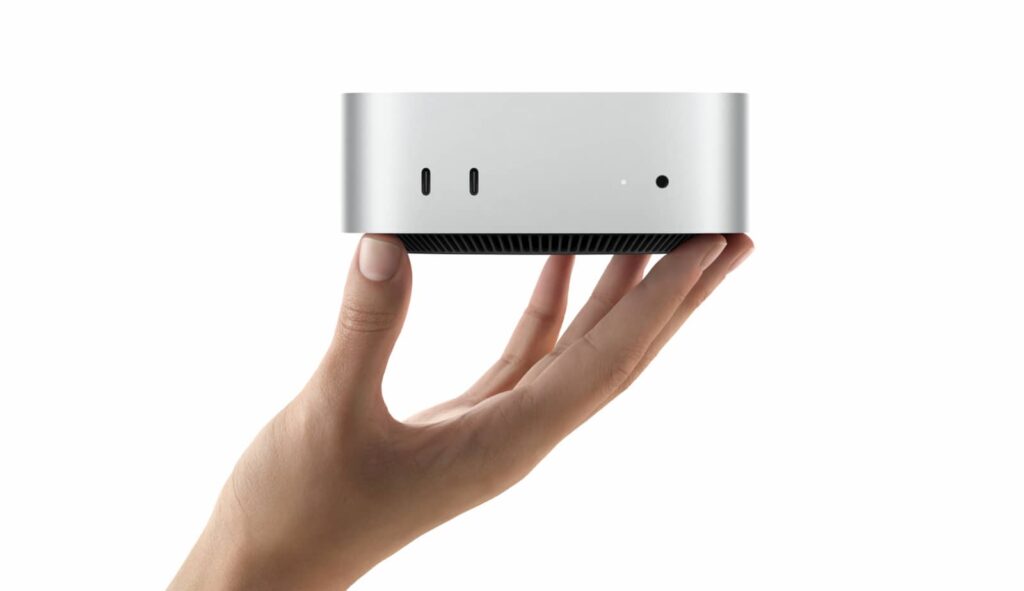
Great gear typically isn’t inexpensive, and thanks to the world of AI and its aggressive memory use, that now means that virtually no computer is left to the adjective ever again. But before AI crunched memory prices and made everything markedly more expensive, there was a computer that offered solid value in the world of both AI and regular personal computing: the Mac Mini.
Once Apple’s least expensive computer (one could almost say “cheapest”), the Mac Mini has now become second to the MacBook Neo, a laptop that runs on Apple’s iPhone and iPad processors, yet delivers excellent value and tech in a surprisingly premium approach.
Not everyone wants that style of computer, though, and some may prefer what the Mac Mini is designed to offer: a lot of power in a small size, but with a BYO approach to everything else. Screen, keyboard, mouse, and sound, the Mac Mini brings the computer, but you need to fill in the rest of the blanks.
It’s been over a year since we checked out the M4 Mac Mini, and while the replacement chip has graced the MacBook Air in the M5 model, the Mac Mini has stayed the same.
That looks set to change in September, with Apple eyeing September 22 in Australia to launch the 2026 model, complete with Apple’s new M6 processor inside.
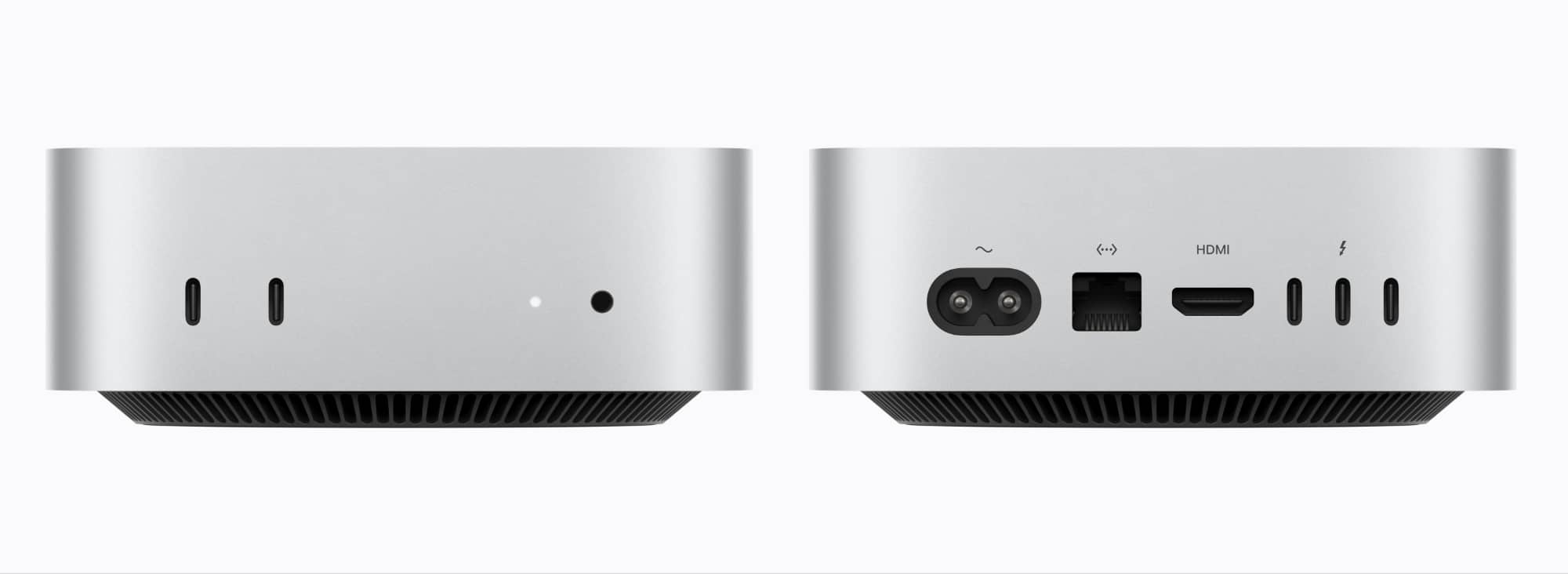
The new model looks a lot like the original and sports practically no changes to the outside, with everything on the inside. Venture within, however, and you’ll find the new M6 processor in the bass model, designed with more grunt thanks to a faster processor and graphics hardware, plus more on the neural side of things for AI, too. There’s a base amount of 16GB RAM there and a maximum of 32GB, that is unless you want a more capable processor.
While the M6 is brand new, Apple is also rolling out the M5 Pro chip from its MacBook Pro line to the Mac Mini, providing even more performance and up to 64GB RAM, making it capable of handling more on the AI side of things.
To put it into perspective, the M5 Pro Mac Mini will offer up to four times faster local large language model prompting compared with its M4 Pro predecessor, and up to 8.5 times on the M2 Pro version of the Mac Mini.
Regardless of which model you consider, they’ll both get Bluetooth 6 and WiFi 7, making them capable of the latest wireless standards. On the wired side of things, there are still ports, with three Thunderbolt 4 on the M6 edition, or three Thunderbolt 5 on the M5 Pro model.
Priced from $1449 for the M6 Mac Mini and $2699 for the M5 Pro Mac Mini, the prices have clearly jumped from the original $999 starting price, but then again, everything has everywhere, it seems.

An updated Mac Studio, too
Apple’s other desktop also saw an update this week, again scheduled for release at practically the same time.
While nothing has changed from the outside of the Mac Studio and it continues to look like it did last, the inside of the 2026 Mac Studio will now see one of two chips: either the M5 Max you can find in this year’s MacBook Pro models, or a more pricey and also more capable M5 Ultra, a processor made from two M5 Max chips on the same die.
The process to make that M5 Ultra is something Apple calls “UltraFusion”, and effectively makes for one of the biggest and most capable pieces of hardware yet from the company, resulting in faster AI, faster graphics, faster processor, and up to a staggering 512GB RAM… if you can afford it, and if you need it.
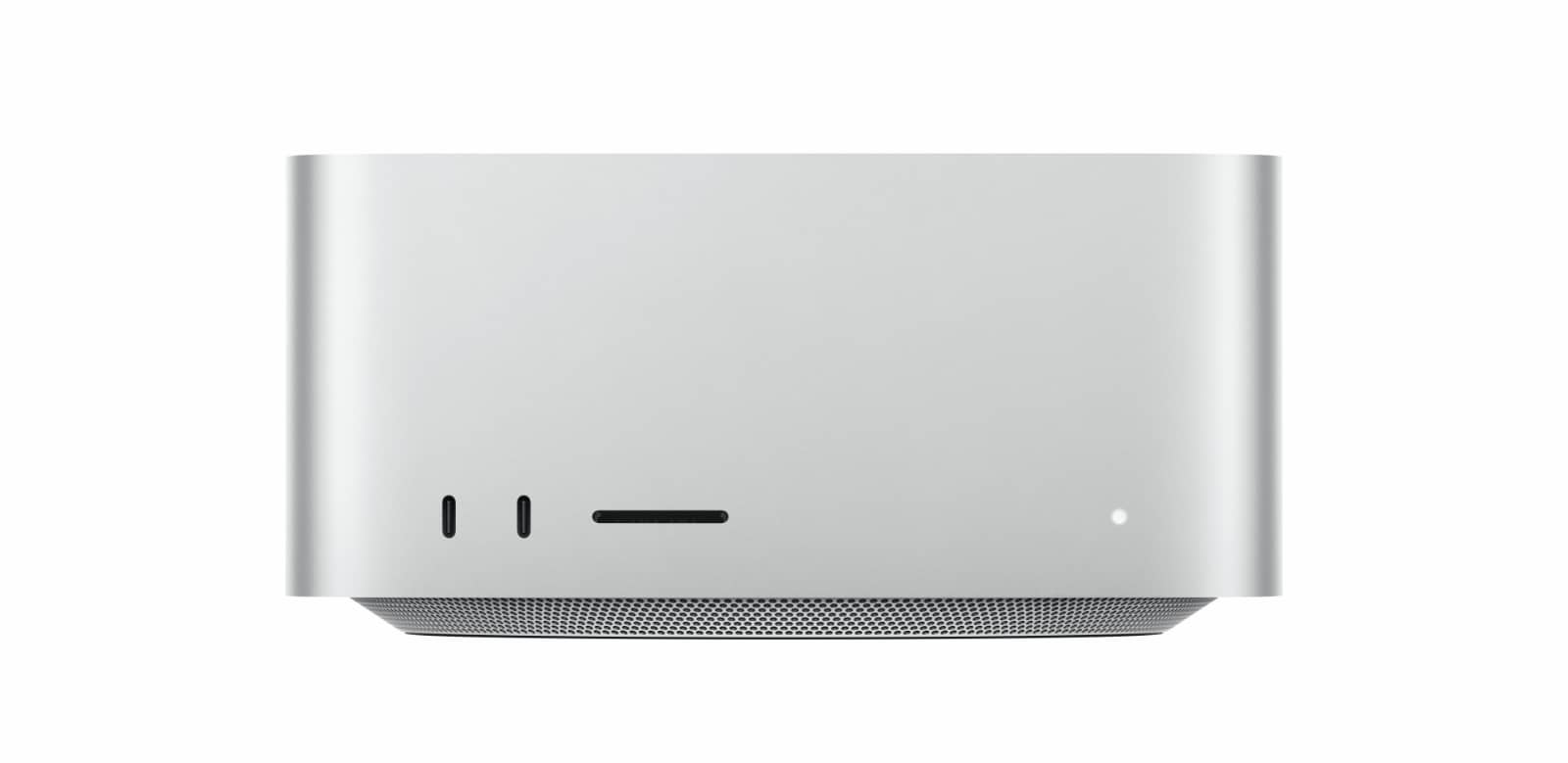
Most people aren’t in need of what a Mac Studio can do, especially when compared with say a MacBook Air, or even a Mac Mini.
But if you’re building AI or researching it, developing apps or games, exploring data science, or engineering music and video, the hefty processing power on offer might just be the persuasive argument, if not for the price.
For AI developers, it’ll mean roughly ten times the performance in LLM prompt speed and processing compared to the first Mac Studio, or up to nearly four times the speed of last year’s edition of the computer regardless of whether comparing the Max or Ultra editions of each system. Speed improvements are everywhere, too, with more performance in practically every class, but a heftier starting price of $4299 for the M5 Max edition, and from $9499 for the M5 Ultra edition. The latter of these will go up to 512GB when that model arrives for an as-yet-defined price in October, but it very much sits in the category of “if you have to ask, you probably can’t afford it”.
As it is, the 256GB edition of the M5 Ultra Mac Studio will cost a wallet-screaming $17,449. It’s a cost decision of new computer or a new car.
Some people won’t bother with the question at all, and the price could easily be justified by work alone. But for everyone else, they may want to look to a less pricey but also-capable Mac, with these new models set to land from September 22, likely around the same time as a few new phones and possibly a watch.