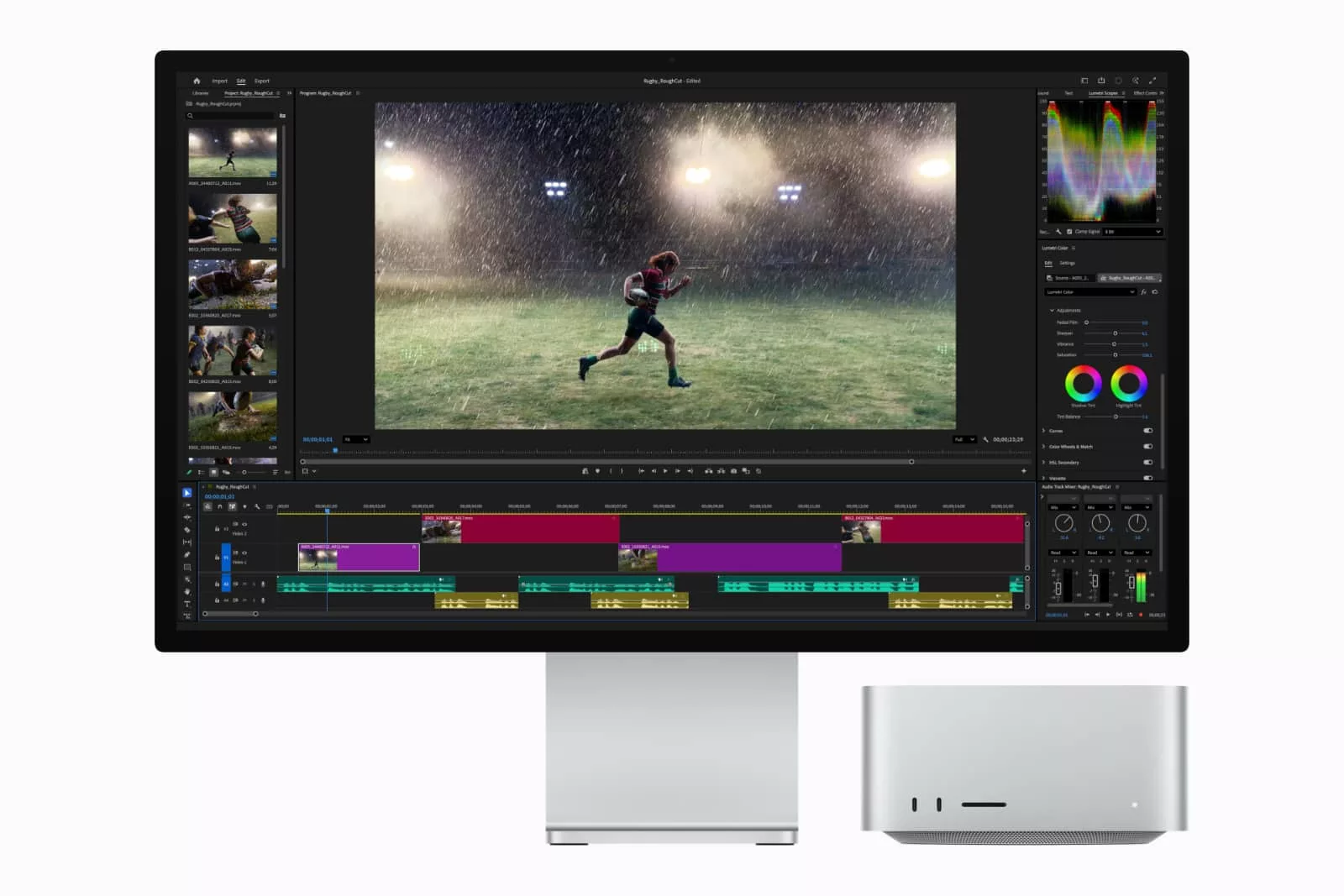


The hardware inside computers changes year on year, but some of those developments are bigger than you might expect. The hardware is small, but increases in capability in big ways, especially as our world expects more of the gadgets and tech that we use.
Changes under the hood are mini yet mighty, as chips get smaller, all the while increasing in ability.
In the world of the Mac, we’re expecting to see a leapfrog in what Apple’s hardware looks set to do shortly, and a set of updates announced this week could make all the difference.
A bit of a surprise announcement — a surprise because we expected new iPhones in September before new computers now — Apple has unveiled details about what’s coming very shortly across Mac models and the hardware powering them.
There are new chips made on new architectures, set to deliver improvements in hardware speed, graphics, and AI processing power, with new computers practically ready, as well. It does mean that many of the computers Apple has had today are officially out of date, but for folks looking for a new machine to keep up with in the AI age, this hardware could just make all the difference.
An M6 for most
Out of the two processors being announced, the one most people will see is the M6, the aptly-named sixth-generation Apple M-processor, and the chip mostly likely to land on a computer you might own in the next year, or just be able to afford.
It’s a chip that’ll be the new starting point for laptops and desktops, and Apple’s first processor built on the 2 nanometre process, improving the transistor density and packing in more performance and power efficiency into its size.
The changes give it a leap over much of what Apple has made before, giving it 12 cores for the CPU (two more than the M5 before it), made up of four performance, six efficiency cores, and two new “super” cores build for fast single-thread workloads. Effectively that gives it more raw power in background tasks and performance processors, but there’s also more grunt in the graphics, too.
That changes thanks to a 12 core GPU, again two more than the last generation, and with neural acceleration in every GPU, there’s more power for graphics and games, and also AI. While we’ve yet to see the whole “local” AI thing play out (because most AI is online), the dedicated Neural Engine (the NPU) is now a “dual 16-core” piece of technology, effectively giving it more grunt for AI processing.
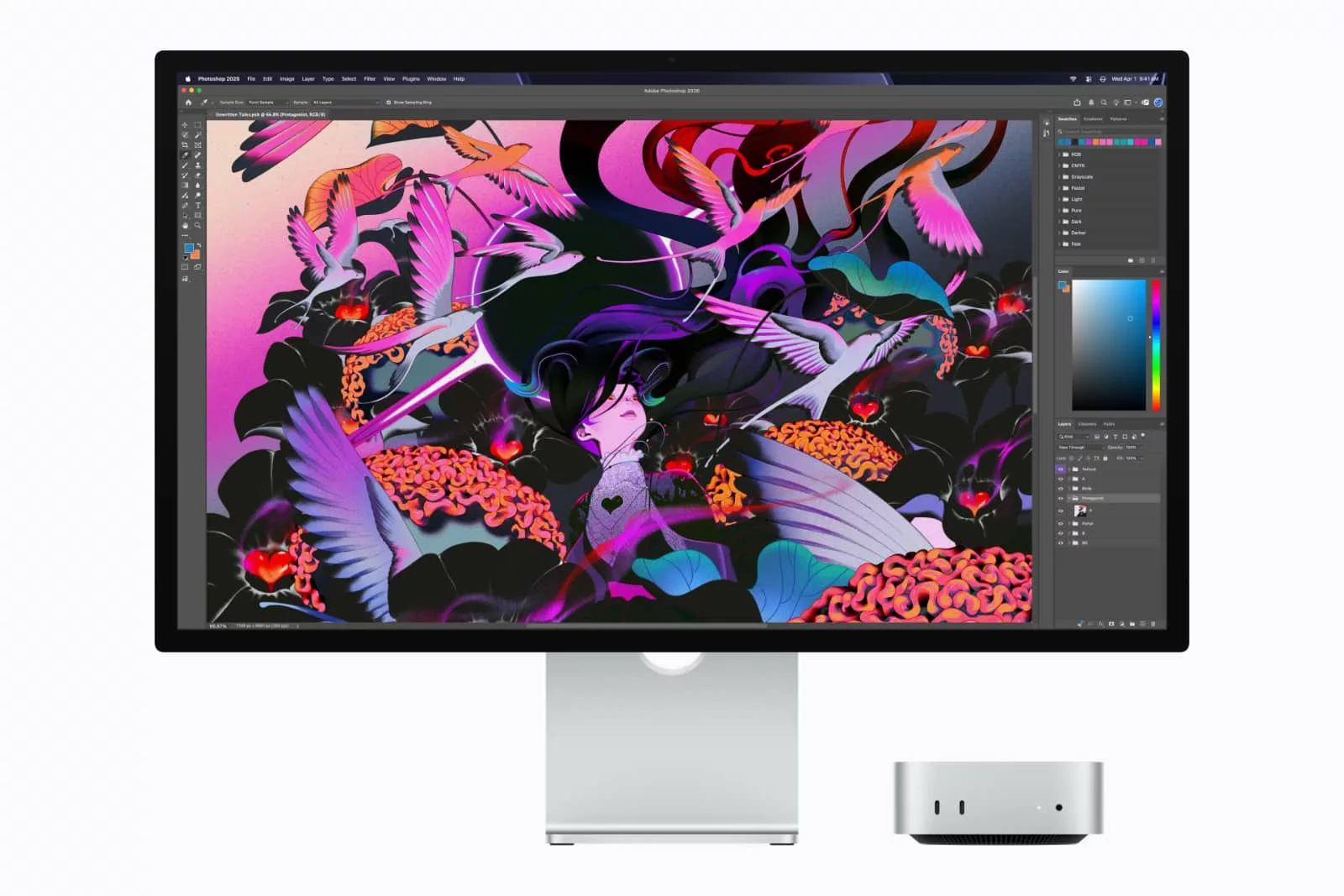
Most of this won’t mean much for regular people; computers are fast, these are simply faster. But as apps continue to evolve with AI and requirements go up, the tech here could actually make it possible to do some of what we use online for entirely on your computer.
We’re already partially there now, this could just help accelerate things.
The M5 Ultra for workstations
The M6 will be fast, but it’s curiously not made for creatives and data hungry analysts. At least not in comparison to a new processor set for launch in September.
Technically a chip made of two chips that also is made from two chips, the M5 Ultra is Apple’s newest and fastest piece of hardware that manages to blend four processors together. It’s a meaty beast, for sure.
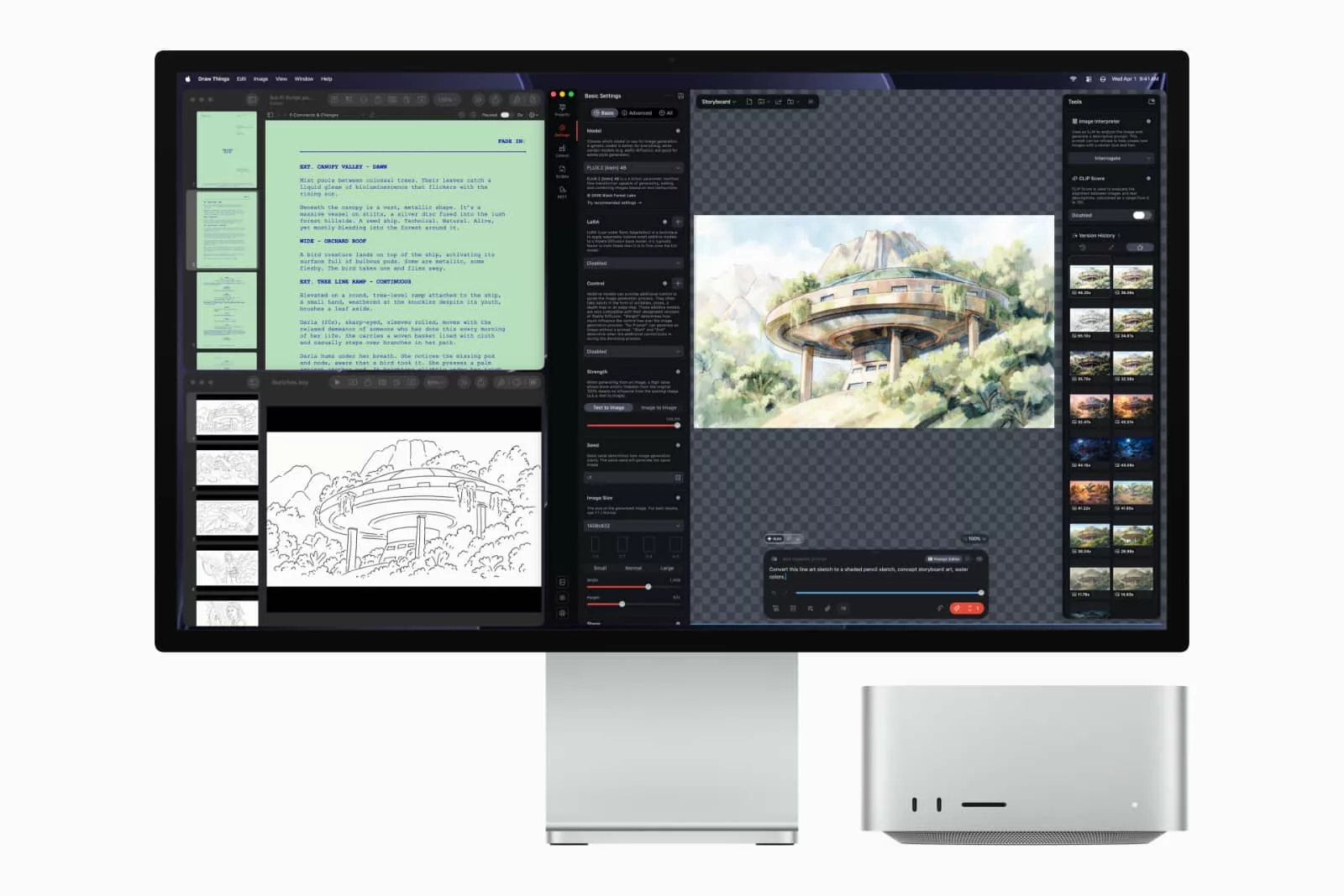
It’s specifically built for pros, with creatives and data analysts and video editors and 3D makers really the target of this new chip, which takes the M3 Ultra from the Mac Studio last year and gives it more power.
The hardware actually takes two dual-die M5 Max chips and connects them to make one bigger quad-die processor, a concept Apple has called “UltraFusion” and the first for Apple Silicon. That increases bandwidth monumentally, and offers more performance than its predecessor in just about every way: CPU, GPU, and neural processing for AI.
That last one is really important, especially as big chips like the M3 Ultra have been used for AI processing, using it to fine-tune models or build applications. More capable processors also allow people to load in larger large-language models, the LLMs that power big AIs, but having them run locally.
It’s not the sort of hardware you might expect on your PC, or even that you’ll need, but if you happen to be making an AI system of some kind, Apple’s M5 Ultra could just be the next big thing. Or even if you’re building out a music score, editing a movie, or maybe even working on a 3D film.