
Quick review
The good
The not-so-good

You can build nearly anything out of Lego, and that’s the magic of the block builder, but it’s never really connected with tech. In Lego Smart Play, that changes.
The plastic creative powerhouse that is Lego has gone in lots of directions over its 94 year history, expanding on the brick-building creativity that it offers to kids aged 1 to 100, but none might be quite so clever as making the bricks electronic.
We’ve seen augmented reality Lego before and motorised Lego via Technics and its “Powered Up” range, screen-equipped Lego with the Mario range, not to mention the robotics-based Lego in the former concept that was Mindstorms, but the launch of Smart Play this year aimed to do something different. Rather than add electronics and apps and AI to the Lego experience, it didn’t do any of that.
It created a brick. A smart brick.

What is Lego Smart Play?
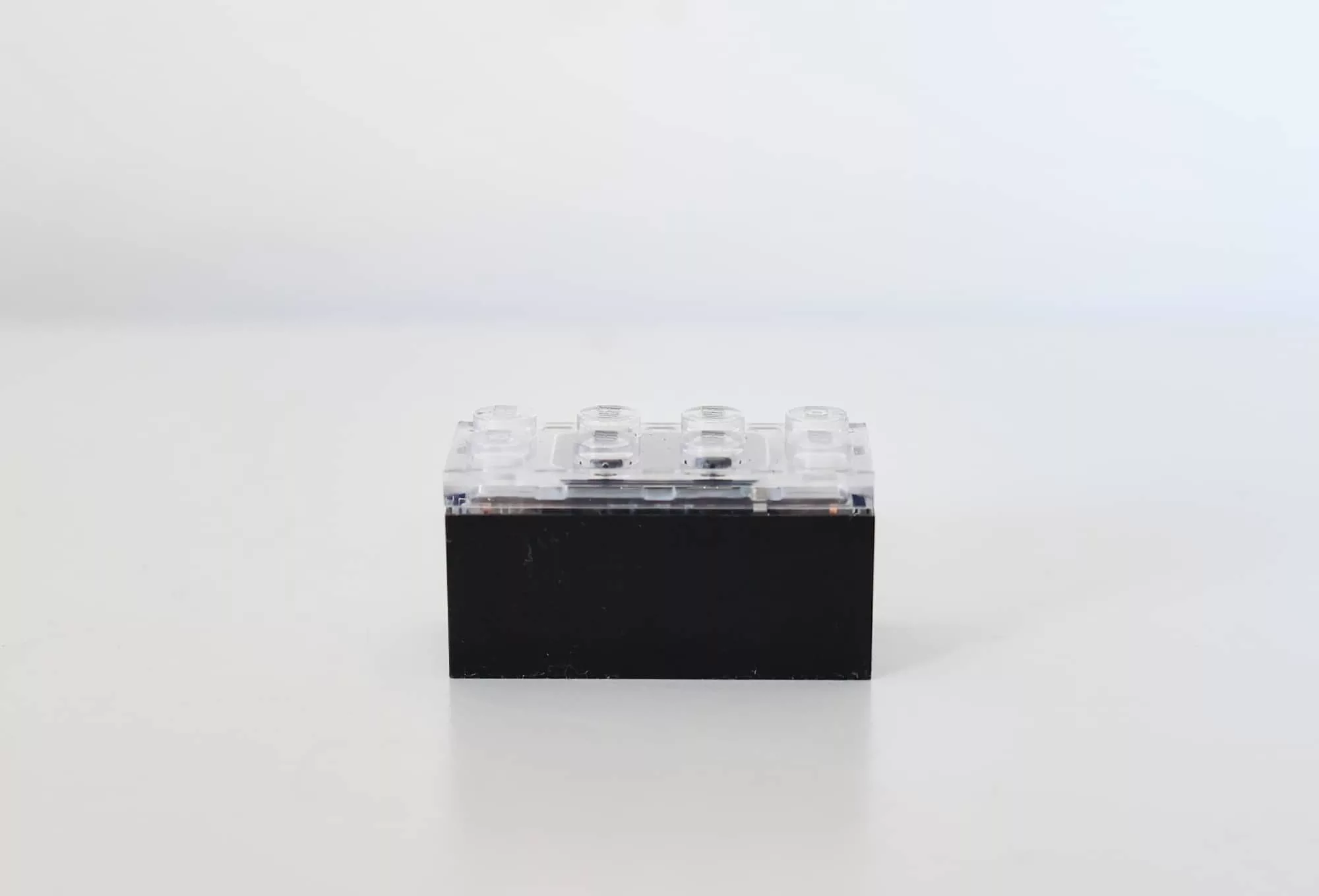
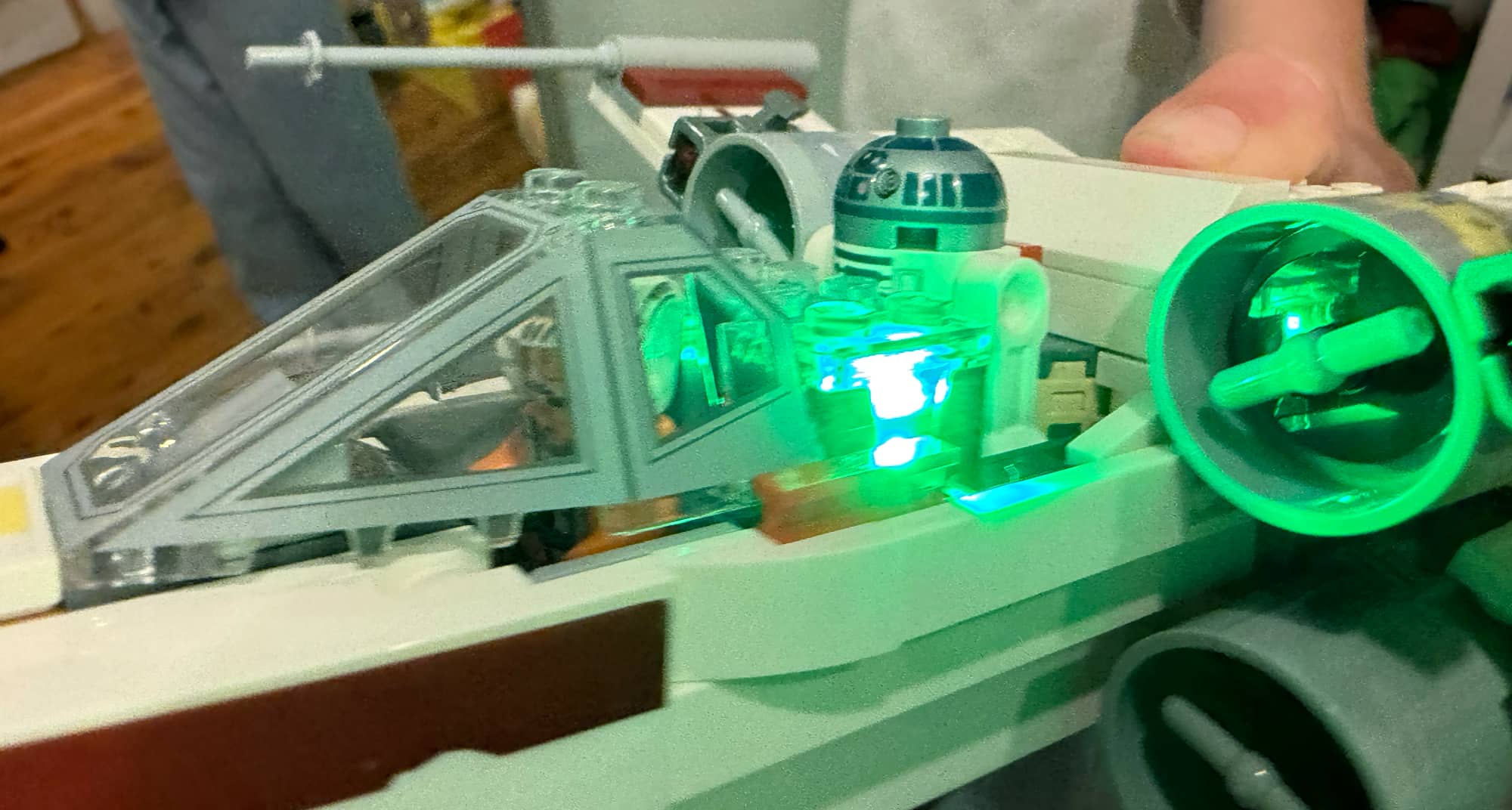
Launched at CES earlier in the year (which could mark the first time Lego has been found at the technology showcase), “Smart Play” takes a combination of lights, a speaker, some microchips and processor, sensors, and a wireless charger, encasing it all in a custom Lego brick built to mount onto the other stud holes Lego bricks have become synonymous with.
A variation on Lego in the traditional sense, the Smart Brick that forms the main aspect of “Smart Play” is basically Lego 2.0: a toy building brick that can be triggered by sensors and tags, and responds to the things you and your kids do with the brick.
It’s basically the next incarnation of a Lego brick, and likely spurred on by the experimentation Lego did with the digital Mario and Luigi sets, which uses colorimeters, tags, and a small screen to make the digital world of Super Mario Bros come alive in the physical.
What does it do?
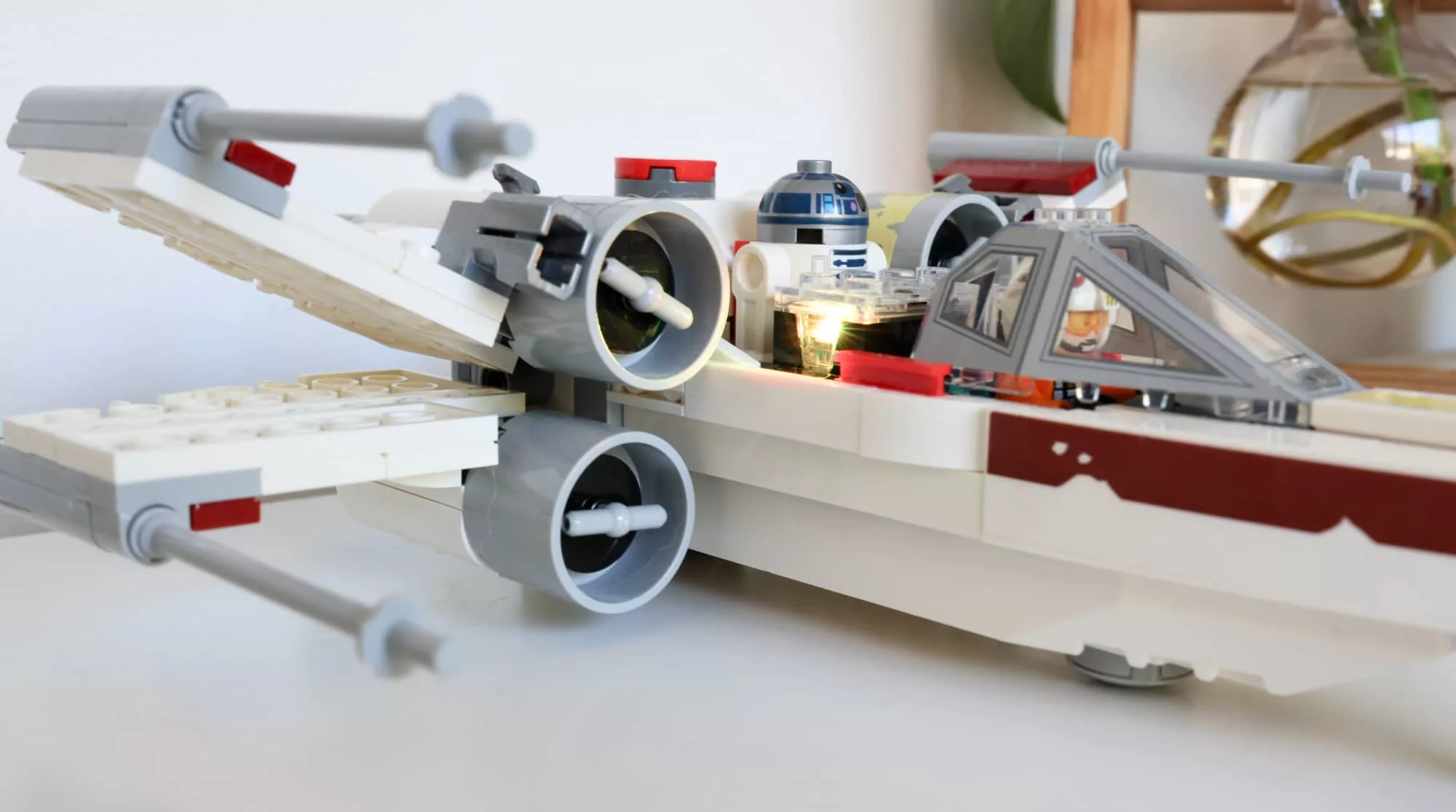
Different again, Smart Play does use a branded and licensed set of Lego, but switches gears to Star Wars, at least initially. A Pokemon set is expected shortly, and it could expand what the smart brick can do, but right now, it’s a combination of lightsabers, Luke, and never telling Han the odds as you build X-Wings, TIE-Fighters, and the Millennium Falcon. Han shot first (maybe).
The Lego sets aren’t all that unusual, and largely follow the franchise and theme well: build a set or spaceship, and it will typically come with a hinged section you can open up into play.
This isn’t the complex massive technical Star Wars sets Lego makes, but rather something more fun, with piece counts ranging from a couple of hundred to near a thousand.
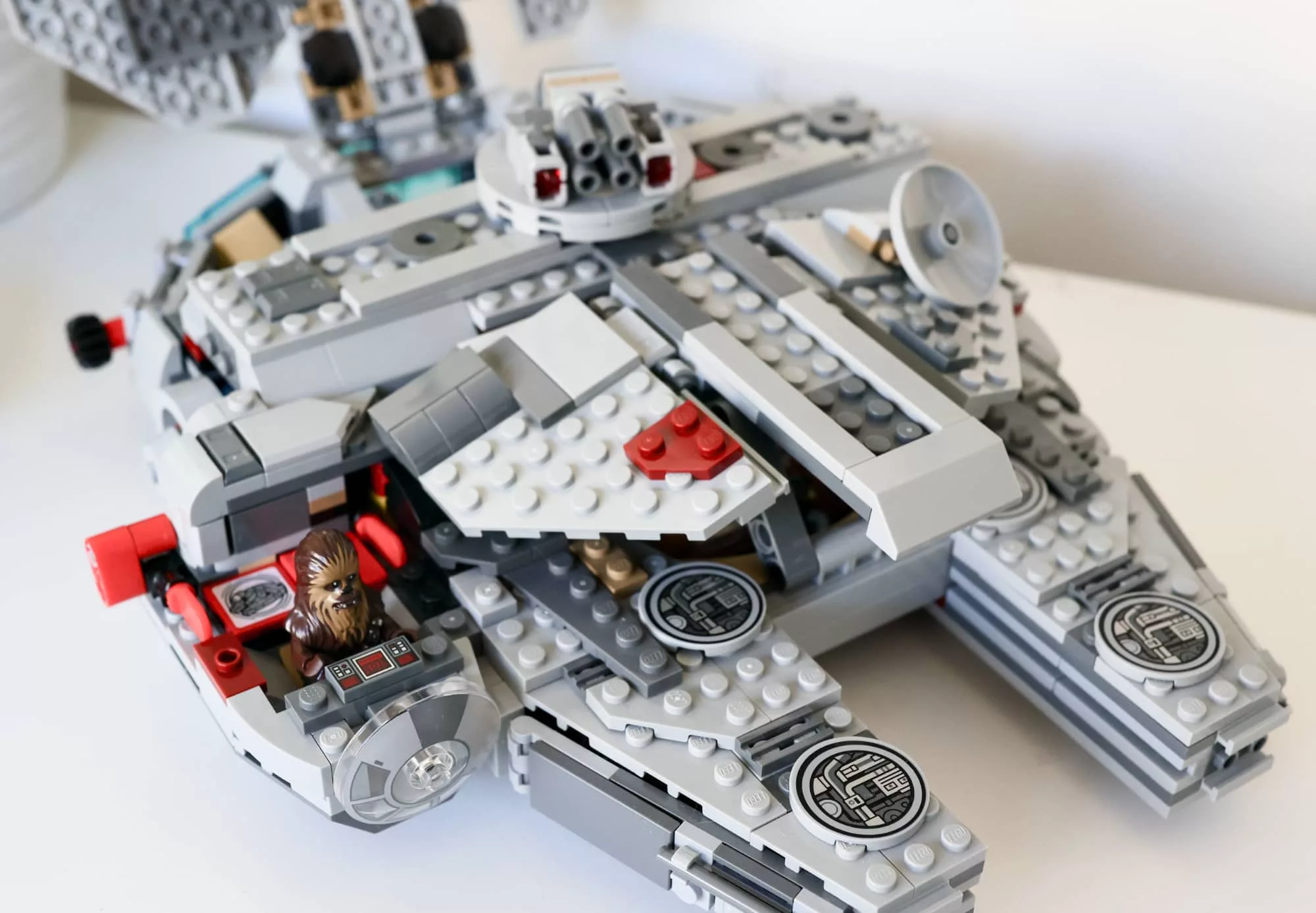
Play is the point; these are Lego play sets, and so you get mini-figs to let your imagination run wild, and a new style of block to enhance the experience.
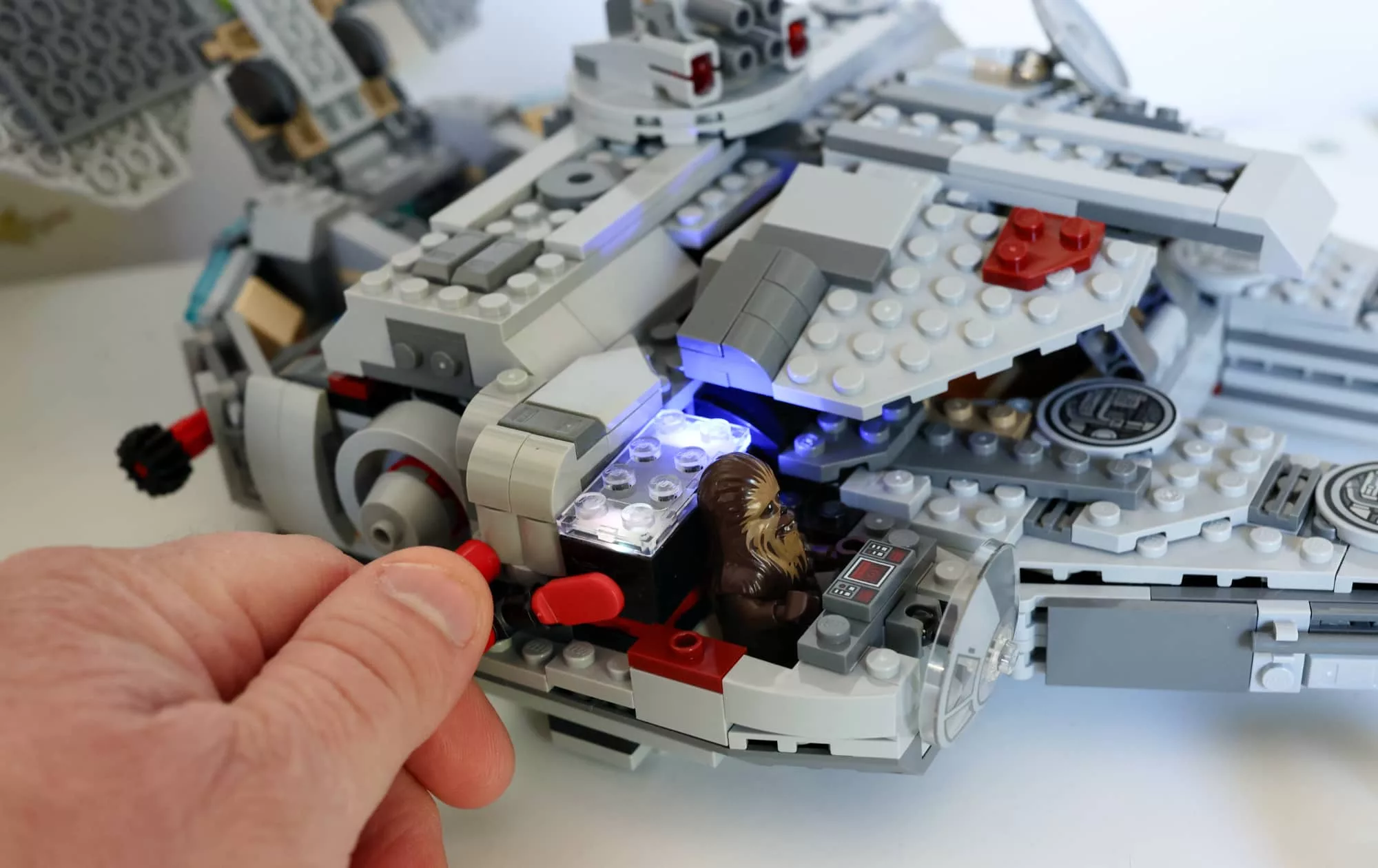
The smart brick uses lights and sound and sensors, and is wirelessly charged. When matched with blocks and mini-figs with built-in tags, the special brick turns into a booster of sorts, enhancing the Lego sets to be a little more interactive.
It’s a little like the Mario-style of tech-connected Lego, where you still needed to move Mario and Luigi over brick versions of their world and play with them, all to have the screen inside light up and a little speaker make sounds.
The imagination of brick play isn’t lost, you just get a little extra to play with.
Does it do the job?
Possibly the most interesting aspect of Smart Play is what the special brick is doing.
What it’s not doing is playing movie sounds or specific recordings of Luke and Chewie and Han and what not. The actors aren’t used.
Rather, you have themed sounds that are more generic because the chip is simply modulating a sound bank as opposed to downloading specific files into the hardware. This isn’t playing Star Wars clips, but it is playing audio that sounds like it could be from the films and shows.
When Darth Vader is on or near a brick, you get an Imperial March in a polyphonic style that wouldn’t be lost on a 2000-era phone and the airy sound of breathing, among others. When it’s Luke Skywalker, the voice is lighter but gibberish, and there’s a lightsaber or two. And when it’s R2, it’s whistles and beeps. You get the drill.
The sounds are similar and consistent without being the same. The chip being used isn’t playing movie clips, but variations on a theme, and that in turn is what you’re playing with.

But you’re also playing with a little more than just sound clips.
Lego’s use of a motion sensor in the Smart Brick means it can pick up on lifts and lands, and on momentum and turns.
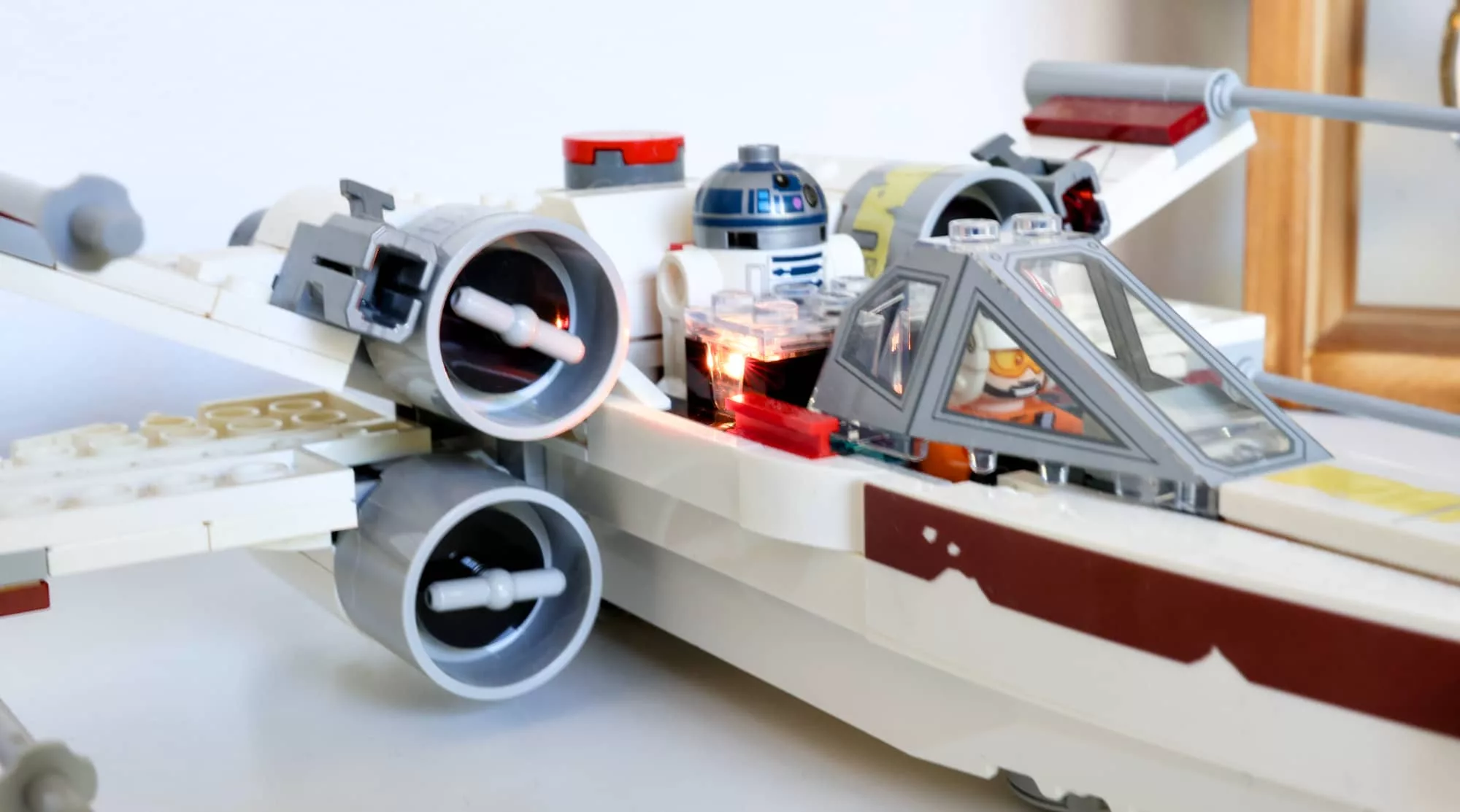
It means using your hands to make an X-Wing fly with Luke and R2D2 nearby can turn the toy into a dogfighting scene in your own home. The roar of the X-Wing as it flies, and a bouncy trigger to fire lasers with a pew-pew-pew, while someone else with a TIE Fighter and Vader plays its own sounds as it screams above and tries to fight back. And when they both finish, they land with their own landing gear sounds, because the sensor has picked up on that momentum and newly grounded position, as well.
They’re not great sounds, truth be told, and can sound a little on the cheap side, but they also don’t need to be high quality. These add a little bit of fun to the whole thing. It’s not a video game, it’s a boost to your toy time.
Lego Smart Play is a way of extending the play experience and your imagination with lights and sound. And there’s nothing wrong with that.
What does it need?
But what it probably needs is a little more interaction, or even the ability to program some of those aspects yourself. To really connect the hardware with your imagination, which right now is only limited to Star Wars and nothing else.
That means every trigger for the sensors means you have to match the theme of the franchise, and nothing else. You can’t make the Smart Play brick experience match anything else. You can’t program it.
A lack of extra play you can get from the brick is clear, thanks in part to the Smart Play sets being really specific. They’re Star Wars. They’re about to be Pokemon. But they’re not just every day fun Lego imagination, and you can’t (yet) get a random set of actions and sounds that could trigger based off specific tags.
For instance, if your kids decide to build a crazy Lego space ship or fighter jet, there’s no “flying” Smart Play kit where you can simply throw in a Lego minifig body with the tags for the whoosh of flying or the pew-pew of guns going off.
And if they make a race car, because there are so many Lego cars you can build, there’s no special driver mini-fig to visualise the vroom, nor any other sound you might add to the experience.
Right now, Lego Smart Play is somewhat limited, and months after release back in March, that is still very much the case. By August, the Smart Play kits will consist of Star Wars and Pokemon, but you’ll need to wait for anything else.
Judging by how it’s gone so far, it will all likely be licensed.
Is it worth your money?
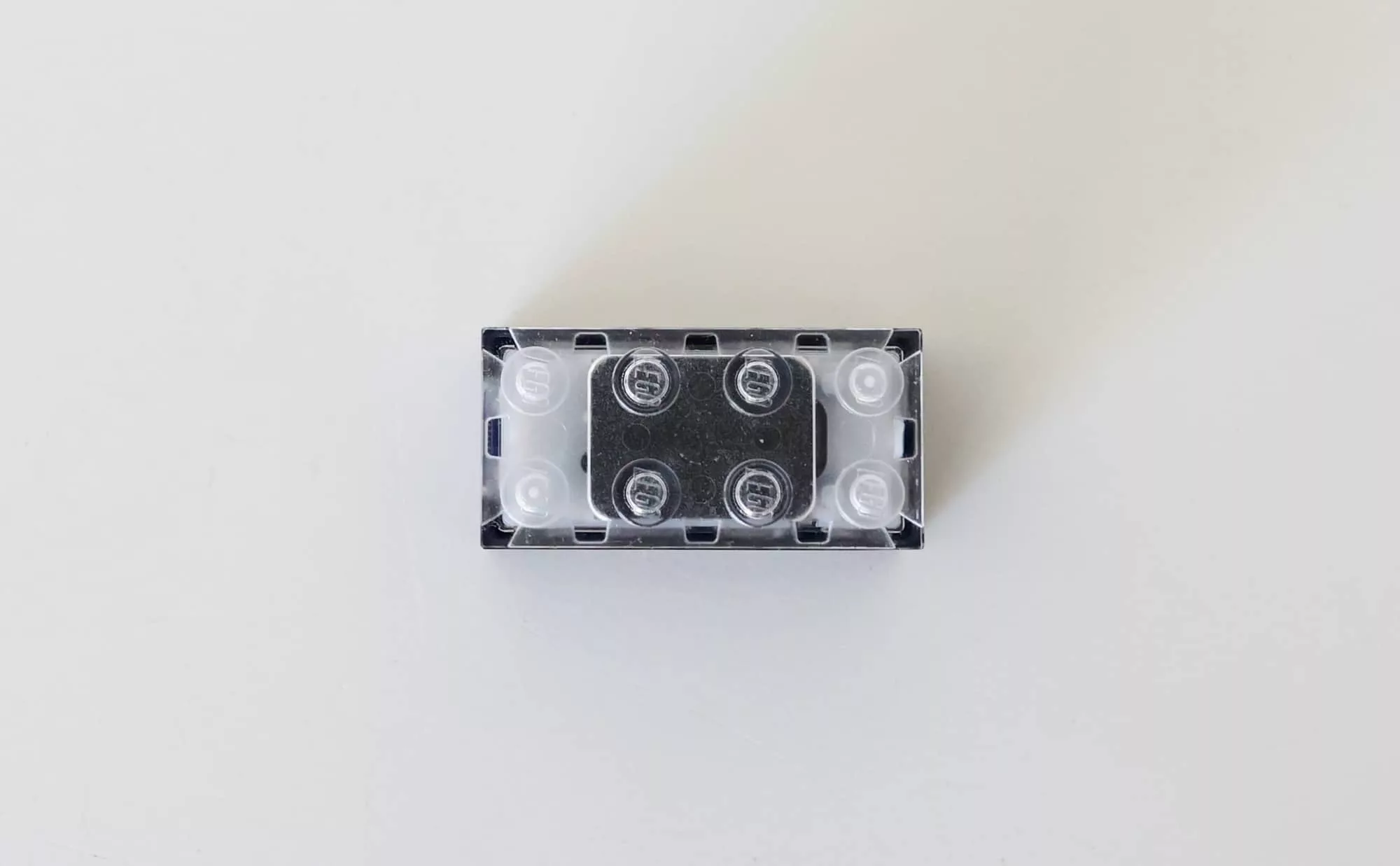
However, the cost is a fairly significant issue, thanks in part to what you’re basically paying for: it’s a Lego set — yes — but then also it’s the single Smart Play brick and a wireless charger, both of which only come with specific kits.
You need the Lego Smart Play brick if you want to play with the Smart Play kits, and not every kit comes with one… and it can feel as if you’re paying extra for the privilege.
That single brick is what largely makes the Lego Smart Play “smart”, and you need to spend at least $100 to get one of the kits that has the block and its charger, and not every Smart Play-ready set has the block.
The problem is Lego should release the Smart Play brick by itself, but that would likely eat into the whole “forcing you to buy specific sets” kind of vibe companies tend to do.
Which means Lego Smart Play has a minimum $100 investment, unless you wait for a sale and find the Darth Vader TIE Fighter edition for less, or even Luke’s $150 X-Wing or the $250 Death Star Throne Room. Every other Smart Play set is Smart Play Compatible, but not a Smart Play all-in-one set where the brick arrives in the box. You need that brick to make the magic, a point we’re sure will confuse parents.
For the price, the brick seems expensive, but because you’re also getting a Lego experience with it, the price is about normal for Lego.
As it is, Lego can get expensive. A Lego kit with an AT-ST can set you back $80 without the brick, so at least the brick isn’t a dramatic increase. It’s just that you might need to spend to buy a Lego set kind of like what you might already have, a minor issue, but one worth noting all the same.
Yay or nay?
While the price can seem high, especially for parents, the play factor with the Smart Brick is fun. It’s really fun.
We’re not talking about a revolutionary change in how you play Lego, and that’s probably a good thing. You don’t need a phone and you don’t need an app. That’s more of a revelation than a revolution.
But it does manage to change the game ever so slightly, adding lights and sound to the creativity the underpins your imagination. It doesn’t remove it or force you to give your kids a phone. Far from it; this is about boosting toy time with a little razzle dazzle.
Lego Smart Play is a new dimension, and one you can enjoy with your kids. It’s just fun. Recommended.