
Quick review
The good
The not-so-good
HTC’s take on Meta’s smart glasses, the Vive Eagle brings promise on privacy, but fails to do even the most basic of actions. They’re so unreliable, you’re better off just using your phone.
It’s 2026, and living in this time probably means you’re using your phone as the main gadget in your life. It’s with you in the morning and it’s with you in the evening, and chances are when you’re not using it, the phone is also nearby.
You ask it for directions. You ask for a timer. You ask it to play music and to tell you about the world. And while you might have a watch that can do some of these things and essentially pick up the slack, you are probably more reliant on your phone than anything else.
And yet in 2026, there’s another option that can take over from your phone, though it goes somewhere else.
We’re beginning to live in the era of smart glasses, a pair of frames and lenses with speakers and cameras and Bluetooth and WiFi that allows your phone to talk to a gadget you can talk to directly.
It’s new. It’s exciting. And it’s also wholly unnecessary for most people, especially if they’re totally fine with simply taking their phone out of their pocket and using it, or even commanding their earphones to do the same thing.
But what if you did have a pair of smart glasses: would you want them to work and be easy and make life less like a chore? That’s where HTC’s Vive Eagle aims for. The problem is they might not nail the mark, at least not in its first released incarnation.
Design and features
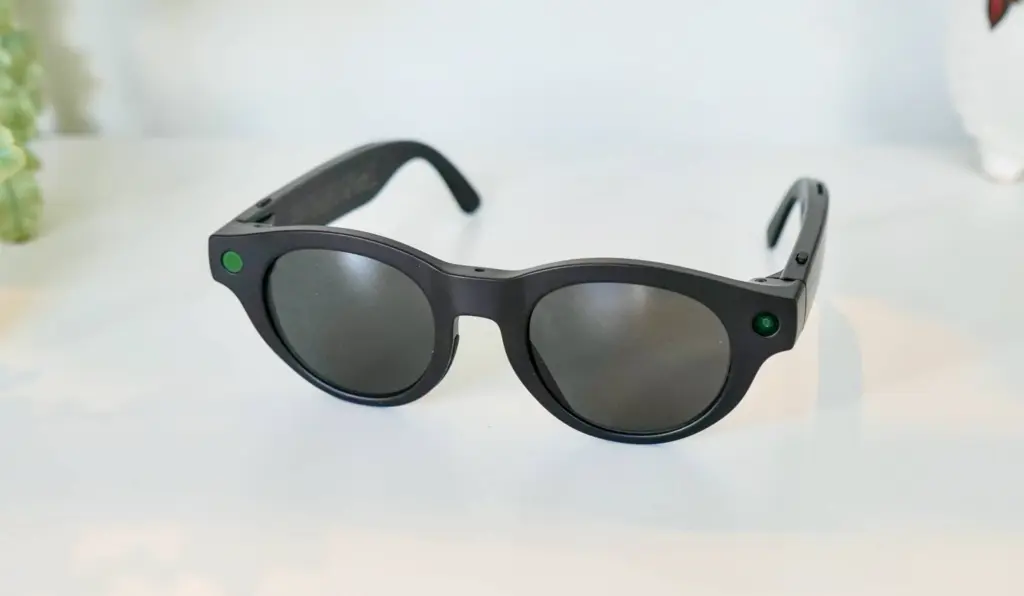
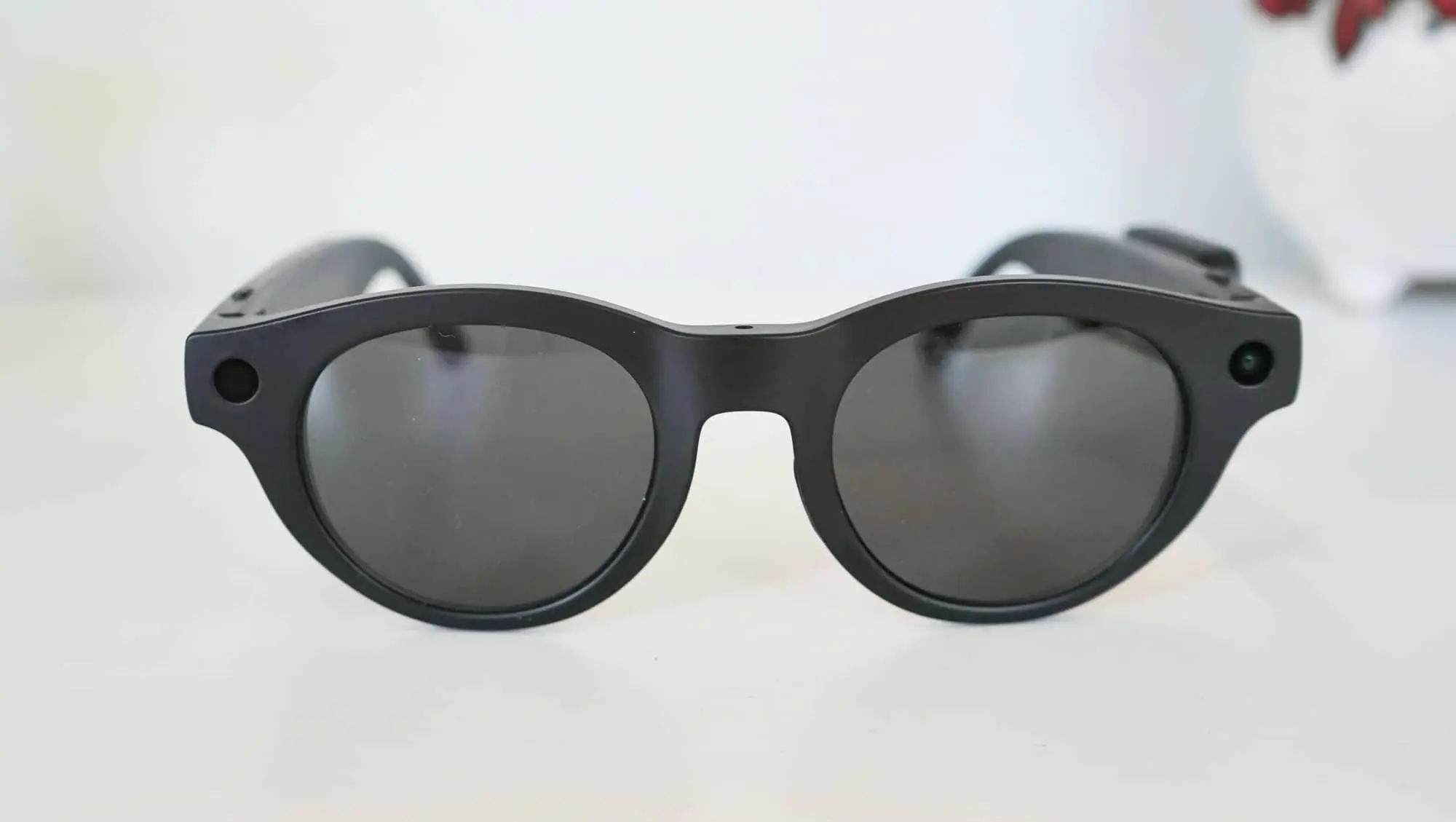
A variety of smart glasses that technically has more in common with the Meta than the Rokid, HTC’s approach is less an in-your-face approach to smart glasses, and more a pair of sunglasses that you can talk to and wear normally.
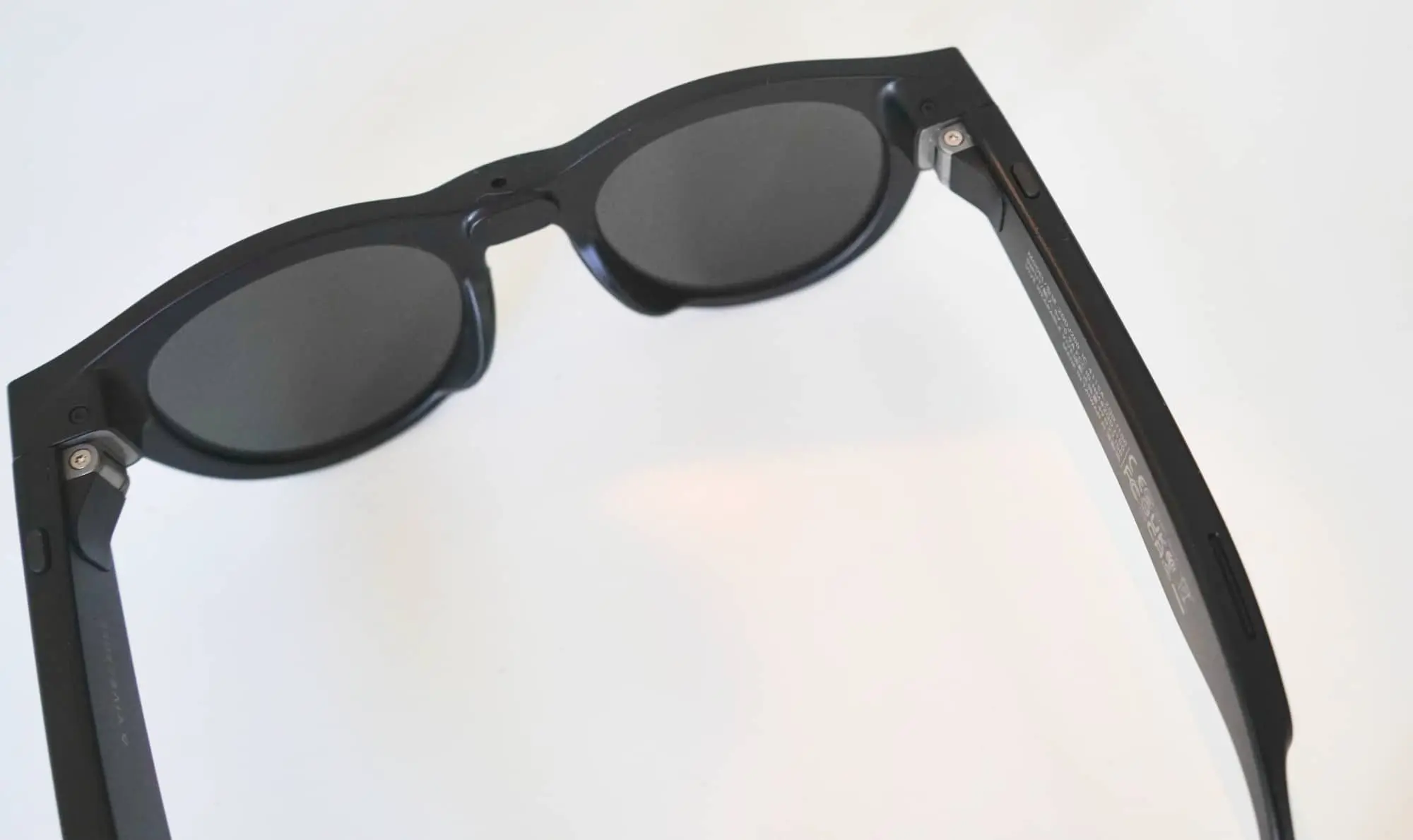
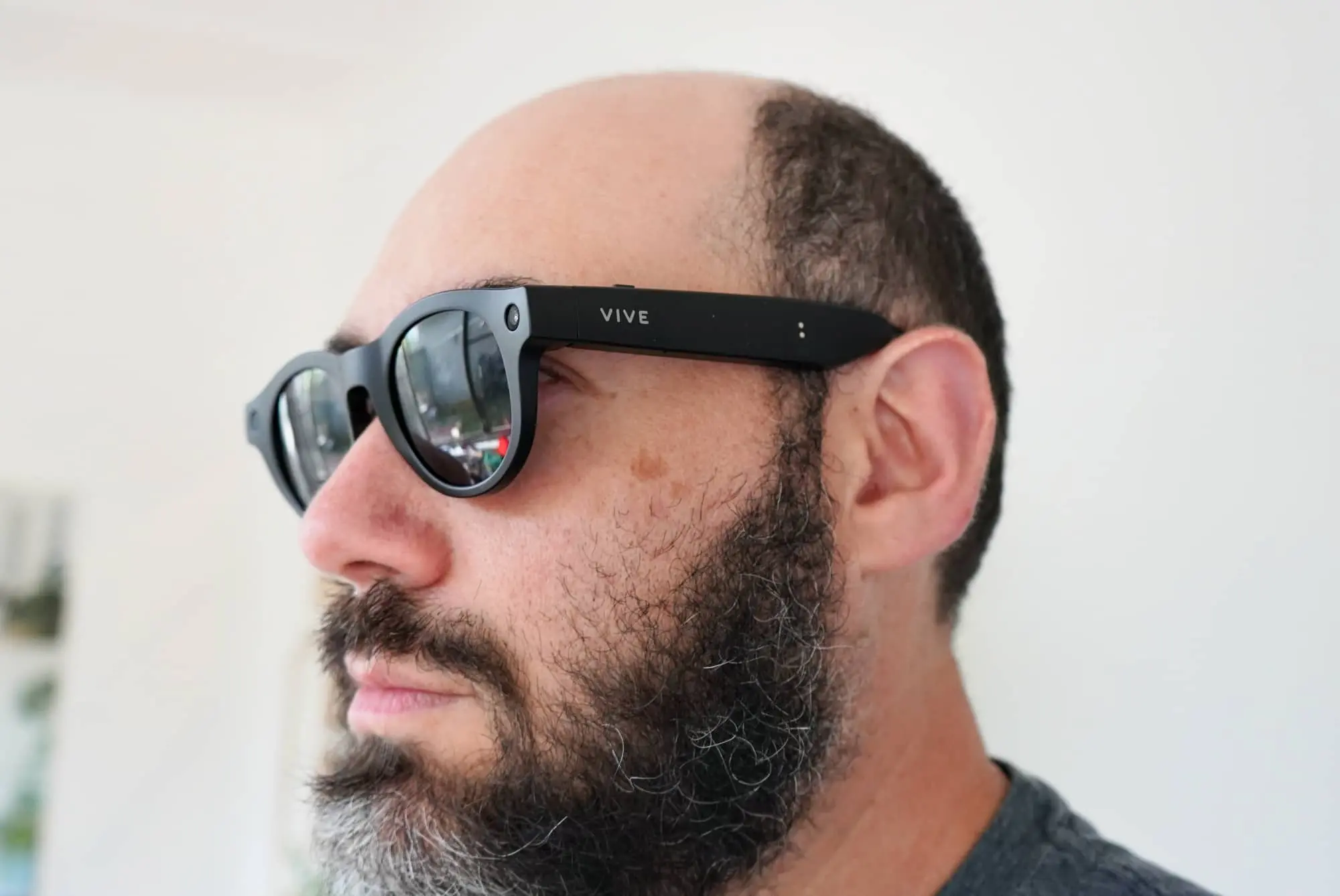
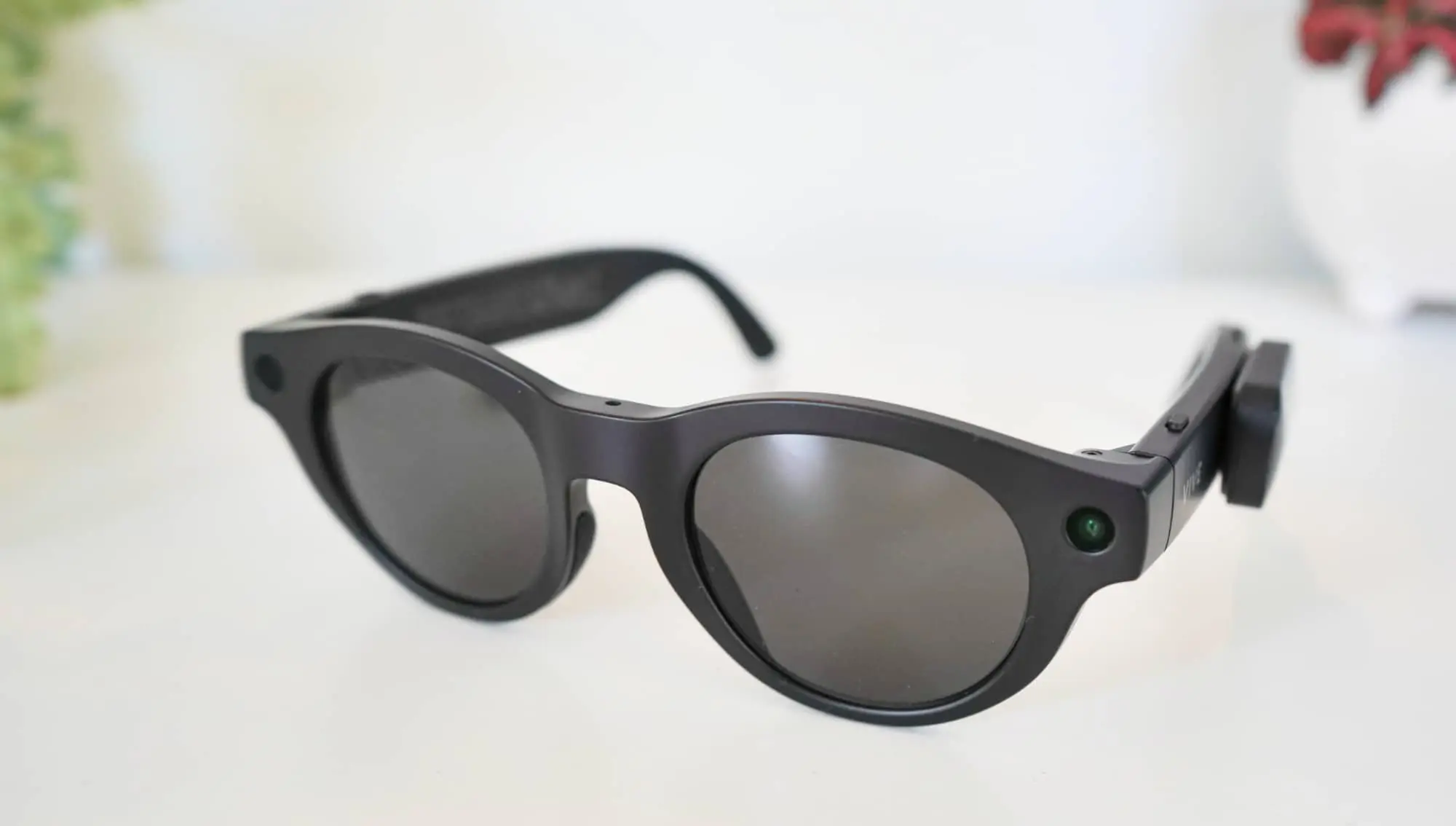
Well, normally enough; these are still quite clearly smart glasses, a fact you can see because there’s a camera lens at the front on the left side and an LED component on the other. The camera is a 12 megapixel camera with just under 4K video here, maxing out at 2176×2944 for video.
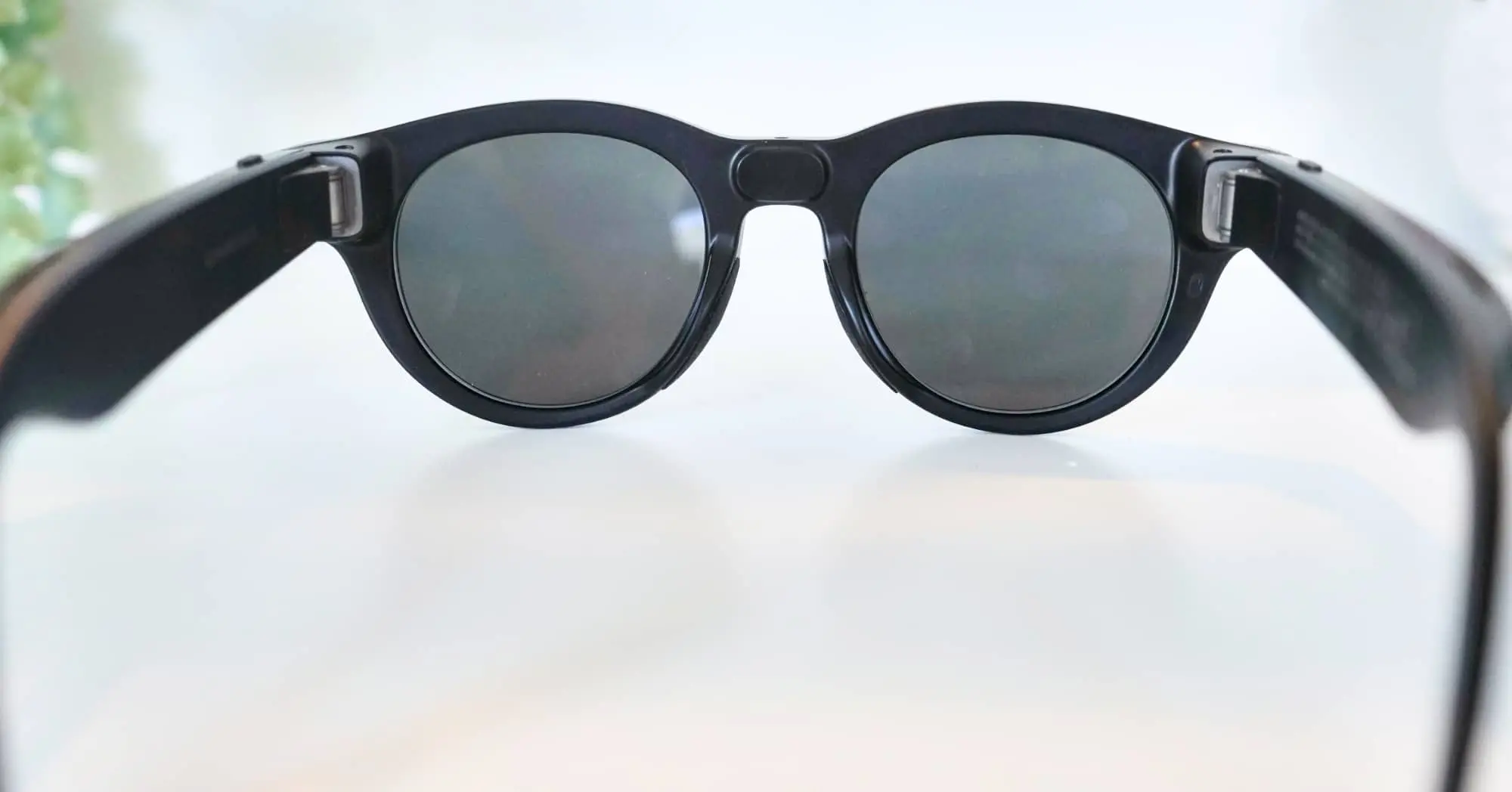
If you’re wearing the Vive Eagle, you’ll see and feel a little bit more, with a button at the front of each arm and a touchpad on the right. Two speakers can also be found on the glasses, one at the end of each arm where the frame goes to meet your ears, and there are four microphones in the design, too, covering one directional and three omni-directional.
HTC is relying on Qualcomm’s hardware for how it all comes together, using the Snapdragon AR1 Gen 1 processor, with the glasses supporting 4GB RAM, 32GB storage, WiFi 6E, and Bluetooth 5.3, connecting to your devices using fairly recent standards.
You’ll lean on one of two smart assistants for the privilege: Google’s Gemini or OpenAI’s ChatGPT. Dealer’s choice, though your phone may play into it, as well.
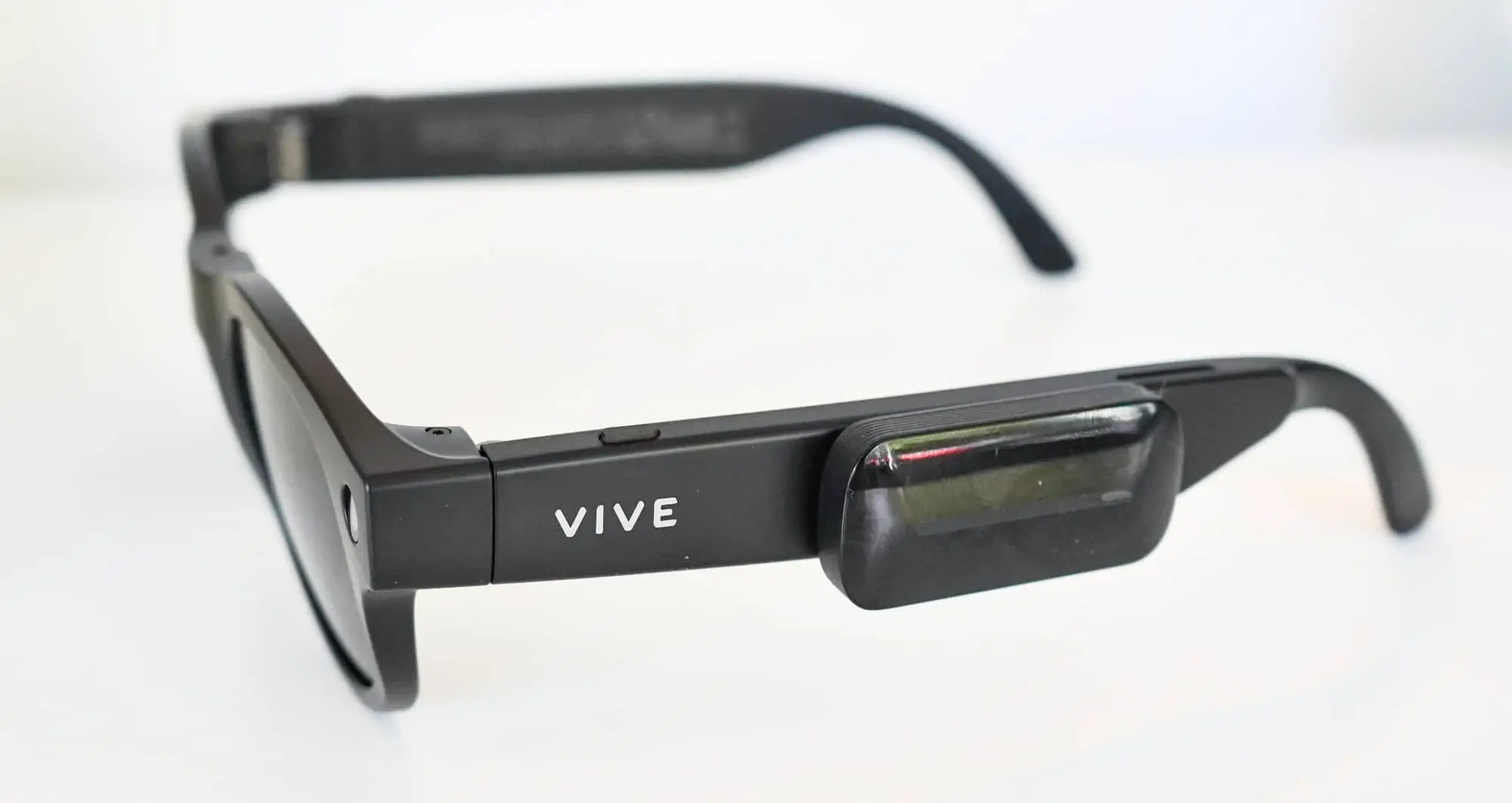
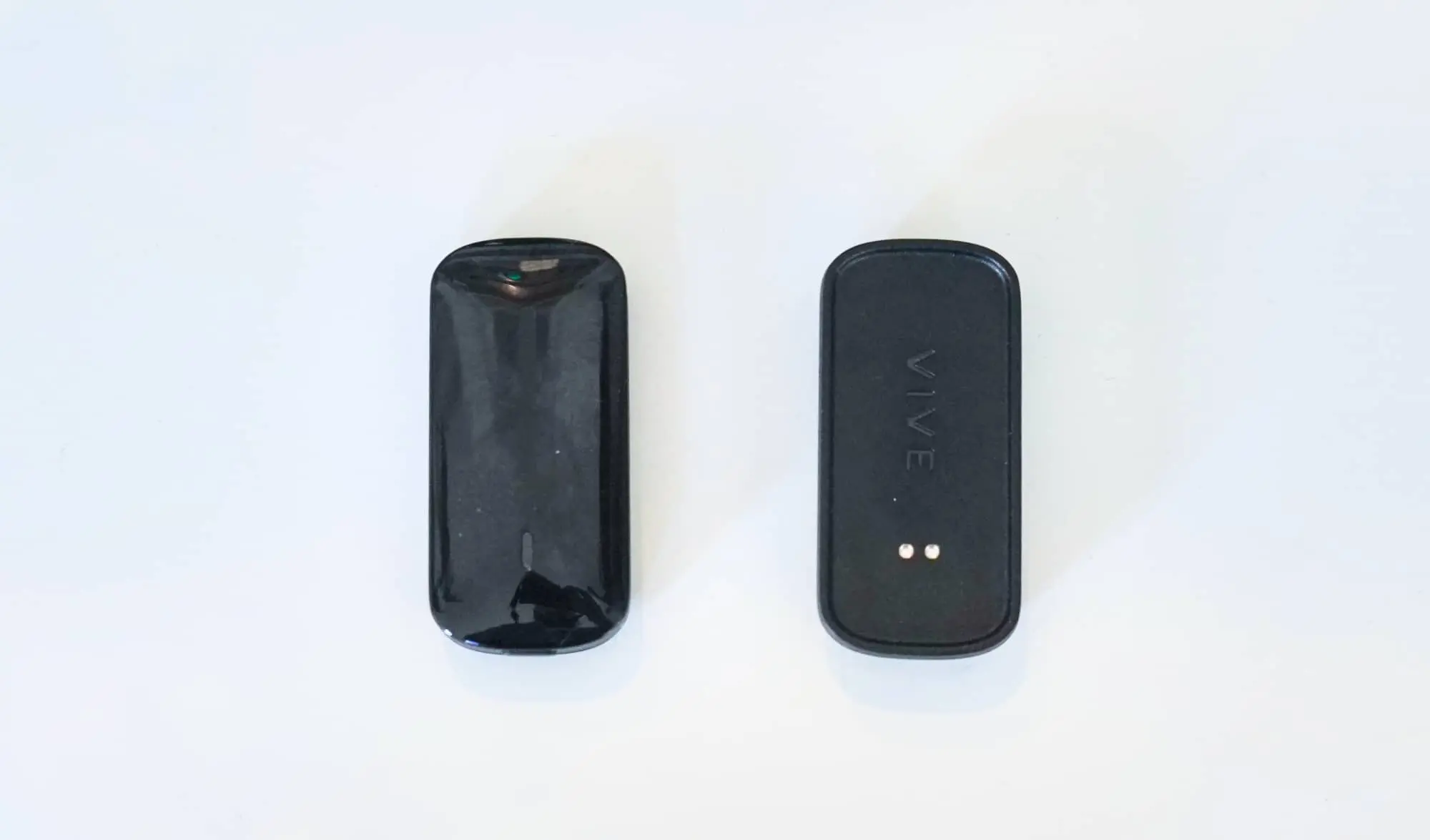
There’s also a 235mAh battery inside, capable of working for a little under five hours of continuous use and being on standby for a little over a day. The Vive Eagle takes a proprietary connection, so don’t you lose that cable. The case isn’t a charger, either, though HTC does make a lightweight and optional portable battery to clip on the back.
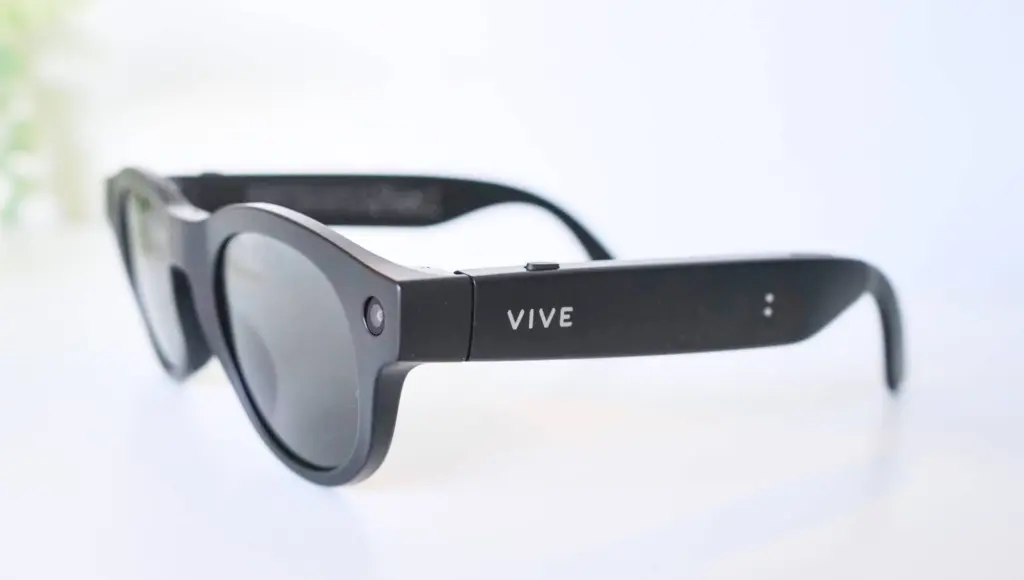
The HTC Vive Eagle unit we’re reviewing is definitely an interesting design, though one this reviewer wasn’t particularly fond of. The Pantos circular frame that may have been too cool for him (which wouldn’t be overly difficult), the Eagle appears trendy, and certainly more so than the style he would normally go for.
Each to their own, of course; you may prefer the style HTC offers here, though there is also the “Square” glasses, as well. The rounded Pantos is definitely not this journalist’s vibe.
In-use
There are two types of smart glasses in the world: glasses with screens and glasses without. The latter category is definitely more widely available, and that’s precisely where the HTC Eagle is placed.
For these types of glasses, you’ll be controlling them using either the app or your voice, and usually that last one. Ask it things by saying “Hey Vive” and triggering the smart technology inside, which in turn talks to your phone and has it do things.
The problem is you probably don’t own a phone made by HTC anymore. The company doesn’t really do those, despite making its name in that category. There are just iPhones and Androids, and HTC used to do the latter.
Your phone already has a smart assistant built-in, and what you’ll do in the Eagle is ask the smart assistant in the glasses and the Vive app to look something up or do something on your behalf, and if it can’t, it will ask the AI found inside your phone: Siri or Google, respectively.
Performance
The whole point of the Vive Eagle is that you should just simply talk to the glasses, finding ways to integrate them into your life. It should be easy. The problem is it’s anything but.
Because of that whole “if not Vive then your phone’s agent” thing, the glasses can seem genuinely clunky, as if you’re the middleman in the whole process just waiting for something to happen.
You can feel a little like Sigourney Weaver’s character in Galaxy Quest where you have one job and you’re asking the computer to do something that you clearly could have done yourself. Ask it a question and it might give you the answer. It also might just call up Siri on an iPhone to give it an answer, which is just basically doing its job before handing it off to another AI to do the job, and it may not work at all.
It’s good at doing things it definitely knows how to do: capture a picture and capture a video. The Vive Eagle is fine at that. It can also play your music, and does a decent job at that, too.
But talking to it can be hard. Frankly, it’s easier to talk to your dog.
Communication issues
For starters, prompting can feel like a disaster. While Siri is technically supported on the iPhone, it takes ages to get HTC’s Vive assistant to do anything, and sometimes it flat out just passes the request to Siri.
Ask it a question and it might use OpenAI’s large-language model to find an answer. But plenty of other times where it should know the answer, or at least find its way to an answer, it simply give it to Siri, which doesn’t always do a great job, either.
You could seriously just cut the middleman out and talk to Siri instead of getting the Vive assistant to do it for you. As it is, it seems as though HTC is leaning on Apple building Siri to be better, rather than making its own assistant usable or useful, or possibly even both.
When Vive does work and listens, you find the questions just end up in hallucinations, the hallmark of mediocre AI, and it just comes off looking dumb. Not silly, but rather unintelligent.
Reviewed for the past couple of months or so, one of the first questions this reviewer asked was what was on that weekend. The answer should have been “Father’s Day”, but it said everything else. We learned about a concert that had nothing to do with anything and someone’s birthday, and yet no Father’s Day. It took it three tries to even get close to that as an answer, and we had to really guide it to get there.
It even said it was the first day of spring. It was not; it was September 6. By all accounts, there are two ways to explain the first day of spring: first of the month or the equinox. In 2026, that was either September 1 or September 23. The answer of September 6 was wrong in both cases.
That’s one example, but it’s a good example of some of the problems, issues where you ask the Vive Eagle a question and get an almost dumbfounded AI response forcing you to simply reach for your phone instead.
It can cut you off as you talk. It may not listen. It constantly feels like a struggle when this technology is supposed to be smart enough to be a saviour. It isn’t. Not remotely.
Somewhere between inaccuracies and hallucinations, the Eagle can feel like a mess. It can’t even look up your previous conversation history, making it feel like you’re engaging with a first-gen AI through your first-gen AI glasses.
A first-gen vibe is very difficult to shake with the HTC Eagle. They feel like they’re unpolished and need work.
Battery
As trying as the glasses can be, you may find you also can’t really wear them all day, though that’s also normal for smart glasses. Most glasses tend to max out at around the five-hour mark, but the Vive Eagle somehow gets under this.
Officially, you’ll see a maximum of 4.5 hours of active use, though this can drop depending on what you use the glasses for. This is clearly less than fantastic, and hardly helps with the fact that there’s no charger in the case, plus. The glasses use a proprietary charging connector.
We get why the connector is different, but the lack of a charge case is surprising, especially given the cost. It just seems like a way to push you to an optional extra in the Vive Eagle Power Boost, a compact battery that charges using a USB-C charged docking connector and adds eight grams of weight, a handful of hours of extra life, and takes away $79 from your wallet.
Value
That lack of a charge case and the decision to push you to an $80 optional extra can make the value for the Vive Eagle feel worse, but it really just comes from a problem most gadgets in this category contend with.
Like other smart glasses, the Eagle can feel expensive for what it is. Living in the future definitely feels that way these days, but so too does living.
And yet at $799 in Australia, it’s difficult not to want a more polished device than what you’re getting.
To HTC’s credit, the $799 isn’t terribly far from some of the prices of the Ray-Ban glasses by Meta, with models that can reach over $700. As it is, the Oakley Vanguard we checked out were $829.
The problem is that HTC’s biggest competitor in this space is Meta, and it makes models far below the $799 price of the Eagle that feel so much more polished overall. Privacy isn’t a key feature, but at least you don’t feel like you’re being ripped off in the process, and that’s a problem.
The sound is about the only thing the HTC Eagle has going for it, but even that’s not worth the price. You would just buy a better pair of open-earbuds if you really needed to, and that’s well under half the price here.
What needs work?
The problem is that as good as the sound is, the HTC Eagle glasses can come off as unreliable and difficult to trust.
Almost like a metaphor for AI itself, the system can feel very first-gen, rather than a polished take on whatever Meta and Rokid have been cooking up. Even Rokid’s first-gen glasses feel more polished than these things.
Using the glasses needs work. They’re not fun, and at times, they can feel very much like a chore.
It’s almost surreal these are called the Vive Eagle, as if HTC set a punchline for reviewers ahead of time. The joke might be that this bird has flown, when the Eagle really needed to spread its wings rather than leave the user with egg on its face. The Vive’s failure is more a failed vibe. We’ll be here all week (try the veal).
An eventual cost
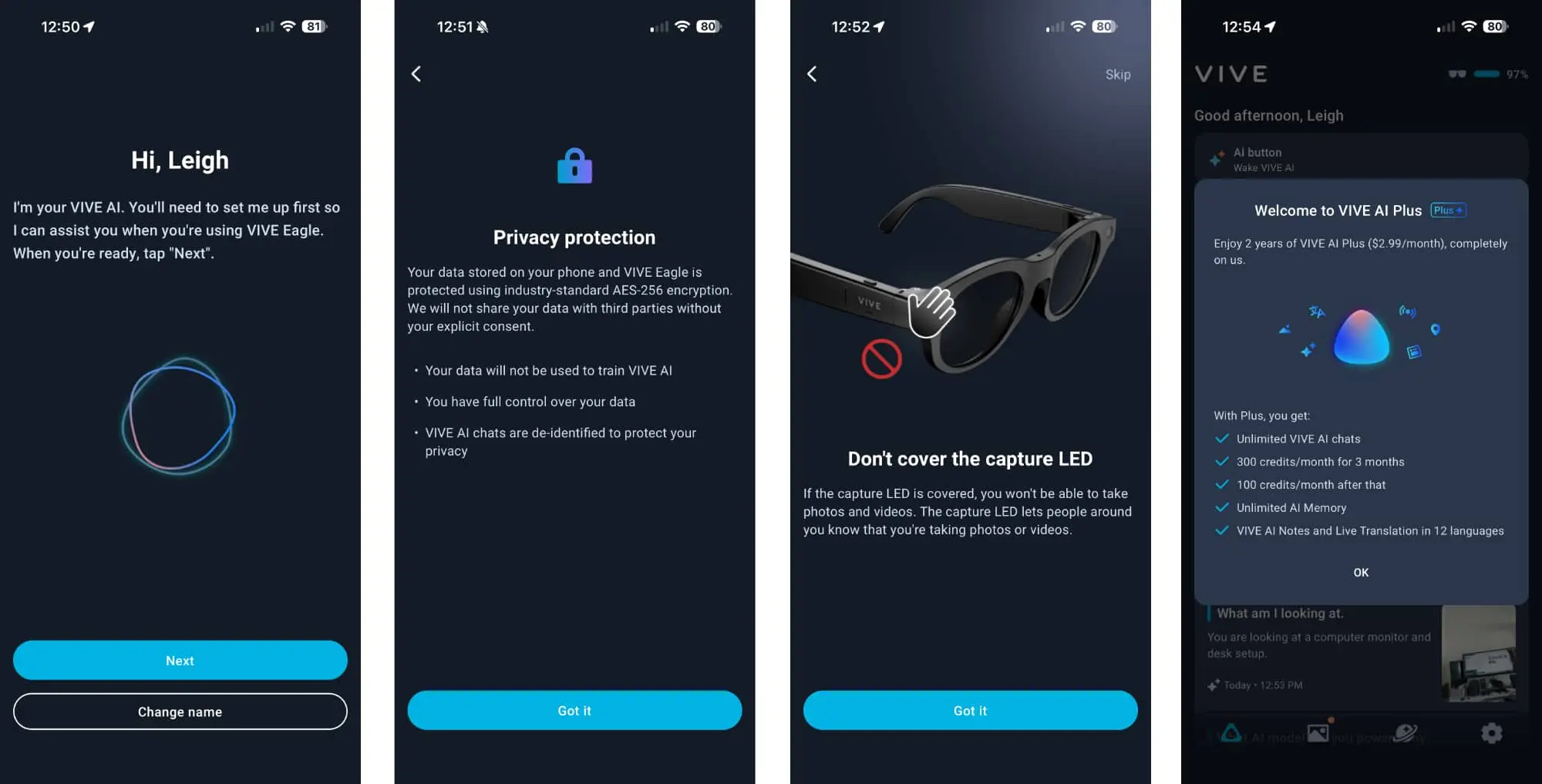
The other problem is knowing ahead of time that these features are actually going to cost extra over the course of the Eagle’s life. Granted, HTC gets credit for telling you ahead of time, but you only find out as you use the app.
It’s not just a pair of $799 glasses. It’s a pair of $799 glasses with an eventual subscription model you’ll likely need just to make the damn things work.
So we’re telling you: the app notes you’ll get two years free of HTC’s AI Plus plan, which grants you unlimited AI chats, and at least 100 credits per month to use the service (though the first few months offer 300 credits per month), plus support for AI voice translation, memory, and notes. And after two years, this will cost you money.
At the time of launch, HTC notes that as $2.99 per month, but we’re year one into how AI is making everything cost more, so the smart money is on this also going up in price. Which means that in the space of two years, your HTC Eagle glasses will actually cost something extra to run. They’ll stop being just a pair of glasses, but a pair of glasses with a service plan, unless you decide not to pay, at which point they’ll be a paperweight with lenses.
Given how little they weigh, not a terribly effective paperweight, at that.
It’s difficult to be enthusiastic about smart glasses with AI teething issues when you know they’re also going to cost more later on. It almost feels like you’re intentionally buying into a product that not only wasn’t ready for release, but is planning to charge you more for the privilege.
The HTC Eagle smart glasses are just genuinely difficult to buy into. HTC has not made it easy.
What we love
While there are numerous issues to take note of on the HTC Eagle, one of the best aspects is the fact that HTC is considering privacy as a main feature.
That’s a noble sentiment if we’ve heard one. The very fact HTC advertises the idea of glasses that can stop recording if someone else yells “stop recording” is neat. They just don’t do that.
If you yell stop recording, they will. If others do, they just keep on recording. It’s all about your privacy, rather than how others feel about their privacy.
That’s one step in the right direction, even if the Eagle gets almost everything else wrong. This Eagle hasn’t landed.
Final thoughts (TLDR)
Ultimately, the HTC Eagle just gives off the unpolished and unready vibes. They do some of the things smart glasses are meant to do, but miss out on reliability, one of the aspects that needs to be as steady as it gets.
In the absence of an actual interface, your voice will be your controls to any device. Remove a user interface and your voice becomes the way you connect with tech. But when technology fails to make that worth using, the gadget becomes equally worthless.
And in this generation of HTC Eagle, that is largely where the glasses are: unworthy of your time.
Smart glasses already have a dubious standing in everyday life, thanks to problems of privacy and some rather horrible individuals using cameras in glasses for the obviously horrible reasons.
From that, the Vive Eagle could have grown beyond their problems making a case and proving their importance. They do not. They just end up as a mediocre poor cousin that costs as much as the expensive competitors they fight against, but works much less well than they should.
Add to that a lack of charging case and there’s very little reason to consider the Eagle over any other pair of smart glasses. They’re just not ready, and not worth your money, either.