

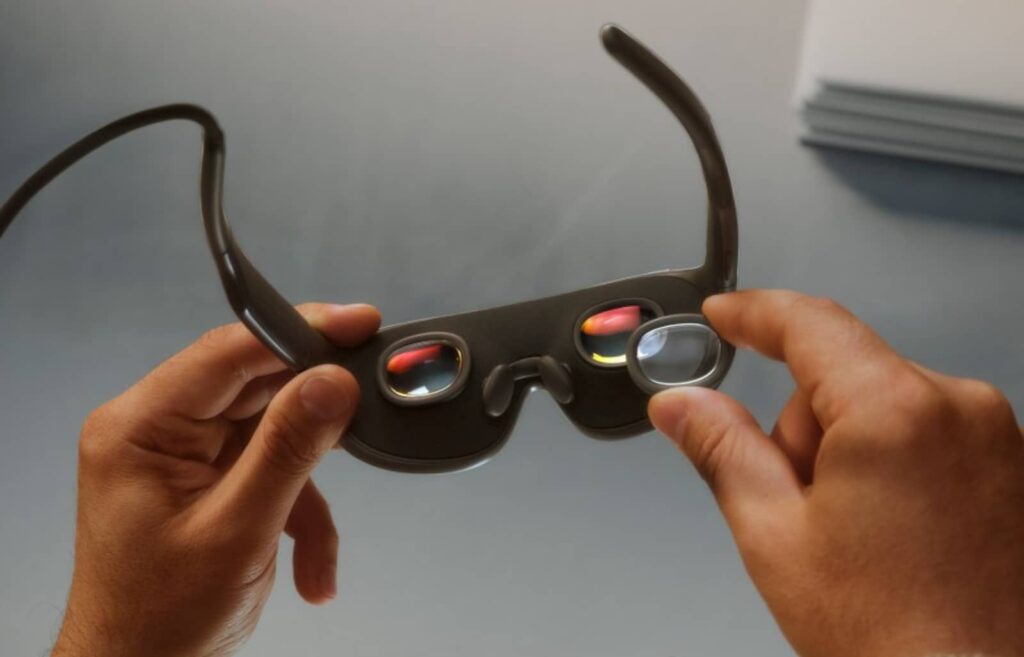
The world is changing, and the way we interact with it appears primed to change as well. Phones are what you carry around each and every day, smart watches are how you might avoid taking out that phone for every day purposes (and they help you check the time), headphones and earphones help you listen to the tracks and tunes and talk on those devices, and then there are the other devices beginning to gain popularity.
A bit of a convergence device, smart glasses are beginning to appear in larger numbers. Once an expensive and highly specific device, made by only a handful of companies, the technology is now appearing from more players, and so are the responses from people and cities and councils.
Already in Australia, the camera-equipped smart glasses are being banned from places, with a council in Sydney joining parts of Brisbane in taking the same action.
Despite smart glasses having actual uses — such as for accessibility, understanding other languages, or even finding your way around places — the potential harms from people using this technology inappropriately are difficult to ignore, and so councils are acting ahead of time. The City of Sydney could even be next.
While that’s happening, Meta is still working on yet more models of this technology, and has shown what’s to come at a launch overseas. It won’t simply be glasses with cameras on the way from the maker of Facebook, though you still might need to comply with a rather aggressive video and data training policy, a factor which really affected our review at the end of the day.
Back when we checked out the Meta Oakley Vanguard, cameras formed a main part of the design. In the next models, cameras may actually end up taking a backseat, though at least one generation will clearly lean on them, and may even learn something from Rokid’s competing models.

Several takes on the tech were in fact announced at Meta Connect, plus some other bits of connecting technology. Officially there will be over 100 variations by the year’s end, telling you just how much the company sees a future in smart glasses.
First there are new generations of Meta’s glasses as they exist today, which will become the “Gen 3” in the Ray-Ban Meta, and come in new styles, including the Aviator, Wayfarer, and Zena design, changes that are more than skin deep with a little more battery life, adjustable temple tips for a better fit, and a new six-microphone system to deal with clarity in voice when talking to them. The cameras will still be a 12 megapixels with support for 3K video, and there is a built-in LED you can’t override to help people know you’re using them, but they are an upgraded more of the same.
Meta’s glasses without the Ray-Ban name launched earlier this year will also come in two other styles, but won’t appear to change otherwise.
There will, however, be a variation called the Meta Adventurer which the company says will be its “most affordable pair of Meta Glasses yet”, set for $249 USD, which suggests a price hopefully around or under $400 in Australia.
Perhaps more interesting will be a set of smart glasses focused on a world concerned by cameras being used in glasses.
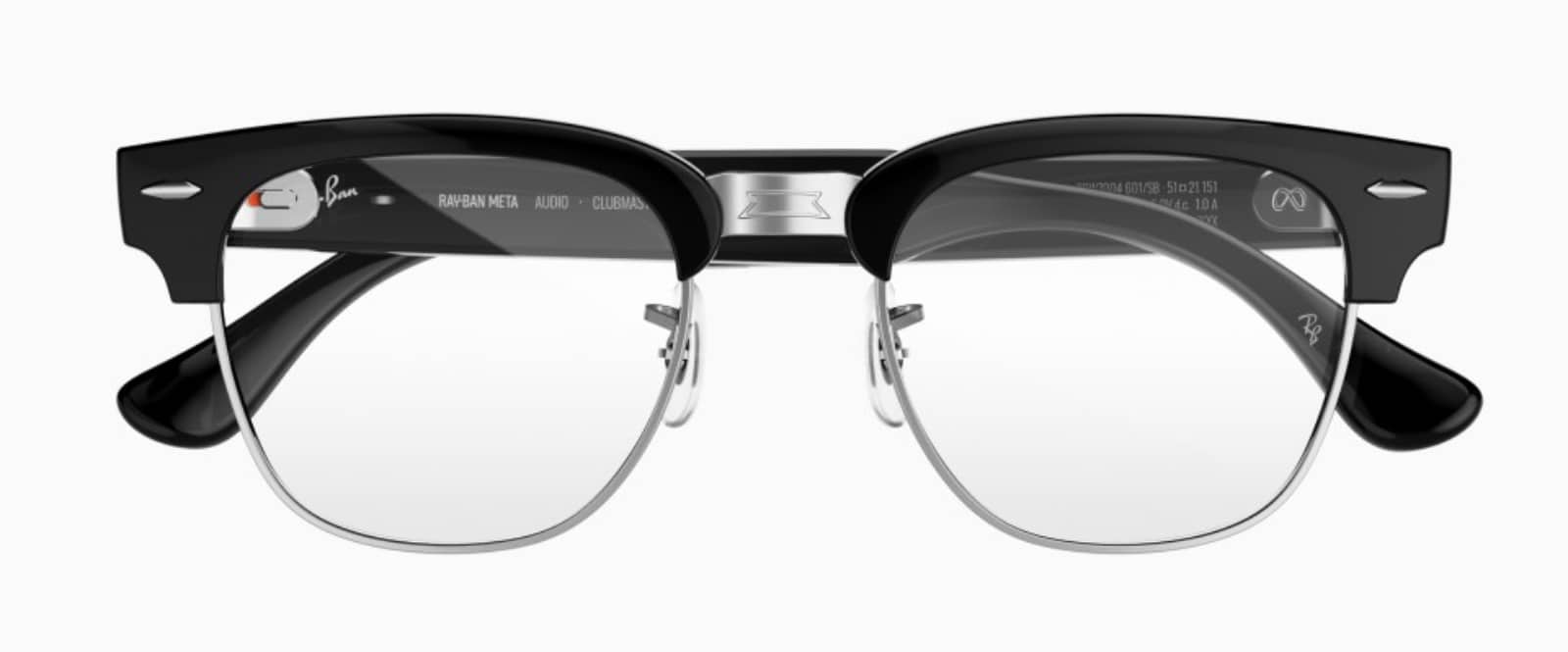
The Ray-Ban Meta Audio will be a pair of smart glasses that remove the cameras entirely, using microphones and speakers, but skipping out on the cameras people and councils are clearly frustrated by.
Meta hasn’t said if the Audio glasses will work with quite the same capability list as its camera-equipped model, but has said they will be light (to the tune of 43 grams), and support phone playback for music and more, while allowing you to talk with an AI assistant for up to 12 hours, before needing a charge in the battery case, which includes up to 48 extra hours.
These will come in October in a variety of form-factors, but will look more like conventional glasses, and to a degree, like some of the audio-focused glasses Bose released in the past.

The audio-focused camera-less glasses may not prompt the same type of concern around town as Meta’s camera-equipped models, but there are more of those coming, and they may have screens. That’s a concept we first saw a preview of last year before smart glasses properly arrived locally, and now they appear ready for more people to use them.
Australia doesn’t appear to be on the release list just yet, with France, Germany, Italy and the UK part of the release schedule. However, the system will include heads-up navigation for walking or cycling, though support will exist for the US and Canada first.
There’s also a new “hologram” feature that turns a self-capture in the Meta AI app into a virtual version of you that can be used to chat while you’re wearing glasses. Think of it like an AI-you for real-time conversations, whereby you talk through the glasses and no one sees you in real life (because the glasses don’t aim a camera at you), but people on the other end see a virtual you talking to them.
However, because Meta Display glasses do have screens, you could see a virtual someone else that you’re chatting with while you go about your daily routine. And this could end up being somewhat part of the future of smart glasses.
With Australia not exactly on the cards, we probably don’t have to worry about some of these features just yet. But there is another form of smart glasses that does look intriguing, as Meta blends virtual reality with glasses for a way to take your computer with you.
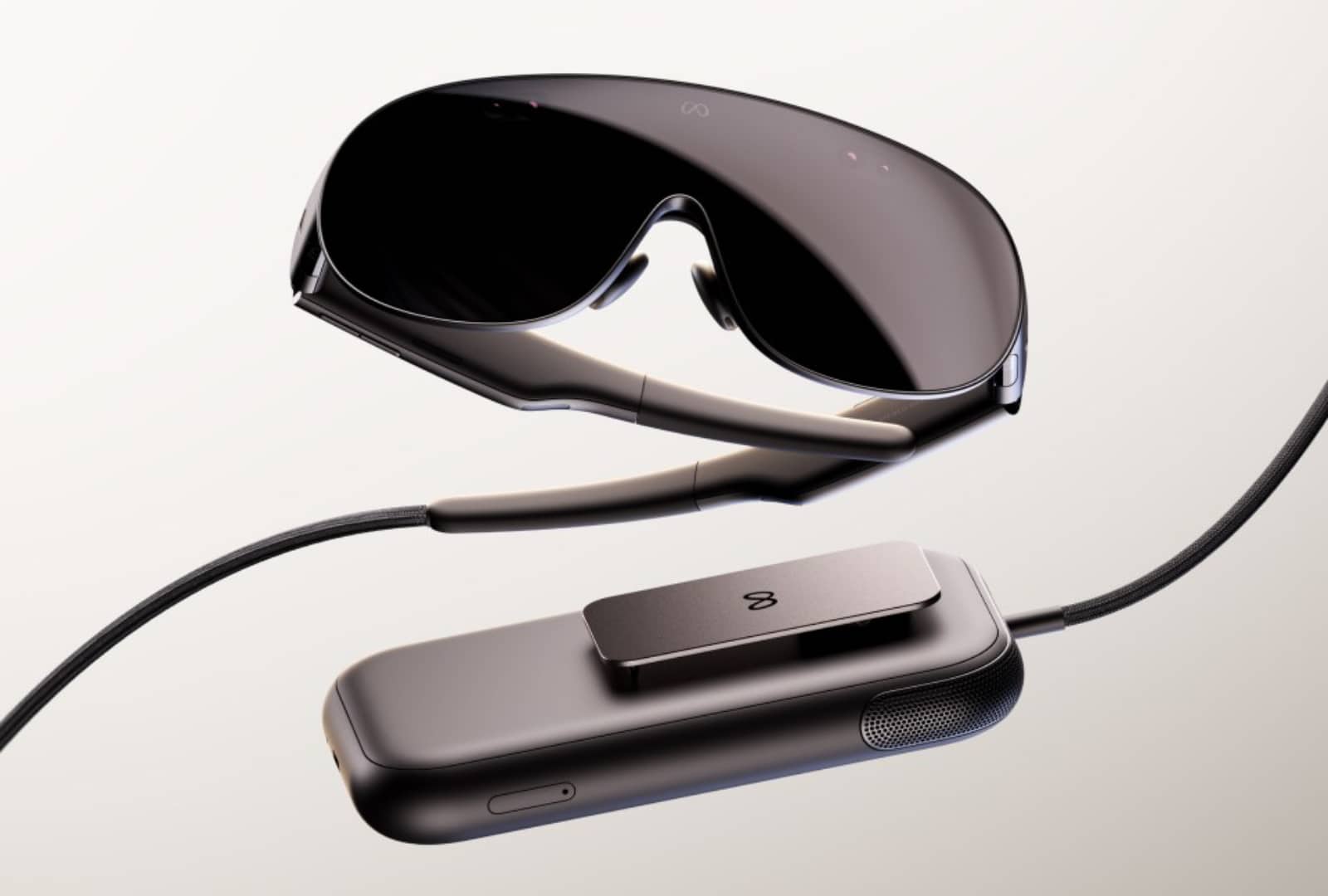
The aptly-named Meta VR Glasses feels like where Meta’s Quest headset is basically going: a pair of glasses that is highly portable, tricks your eyes into seeing a bigger screen, and even turns where you are into an office working environment of sorts.
Weighing around 100 grams, the Meta VR Glasses are a little over twice as heavy as the Audio Glasses, but also five times lighter than the Meta Quest 3, thanks in part to how the system is made. Built from a two-part approach, the glasses have the sensors and display, while the connected hardware includes the computer, storage, and battery, and can be clipped to clothing or a bag.
When worn, the 5K micro-OLED screens will be like looking at a massive display, with Dolby Vision for films and the speakers in the arms able to handle Dolby Atmos spatial audio. That effectively gives you a portable cinema of sorts.

Compact cinema screens aren’t entirely new, but Meta’s VR Glasses look to impress another way: by turning the coffee shop into your office.
Using sensors built into the headset, a table can become a keyboard and trackpad, all while showing you a massive virtual working environment.
It probably won’t be comfortable typing on a wooden table, but the idea is anything can become your work-top, and the headset can monitor and track it accordingly. You’d still be able to see your phone and surroundings through it as you work, complete with support for the hologram calling concept, though the hologram of someone talking to you would also appear in front of you.
There are some definitely interesting ideas here, but there’s also a staggering price, with a $1299.99 US price when the Meta VR Glasses are set to go on sale next year, arriving some time before the middle of 2027, and likely in the US first.