International sites see hack targeting user wallets
A hack written into code has unfortunately turned some of the biggest sites into a way to steal crypto from unsuspecting customers, including those running the businesses.



What's happening online? Pickr is covering it, with the latest news, reviews, and insights about websites and services found across the great big World Wide Web.
A hack written into code has unfortunately turned some of the biggest sites into a way to steal crypto from unsuspecting customers, including those running the businesses.
If you’re someone who supermarket shops on their phone and you use one of the country’s biggest chains, you might want to change your password.

Anyone using the internet with Microsoft services, be it email or chat or other services might be having a bit of a time, with a Friday full of fun.

Much like how the government built a social media policy designed to hold social media companies accountable, so too is something similar coming for AI. Can it work?

Making sure your passwords are strong has never been more critical, but what is the right thing to do when login security seems permanently at risk?

Some may search and some simply ask, but it seems Norton has a good reason to not simply trust AI for everything you search: some links you get could be scams.

Roughly 70 percent of websites are dealing with a couple of vulnerabilities that could make the servers easy targets for hackers, and that means sites you rely on mightn’t be up this week.

There is perhaps a new reason to use an ad blocker, or at the very least ensure you have some form of security: ads can now carry malware and spyware. You don’t even need to click.

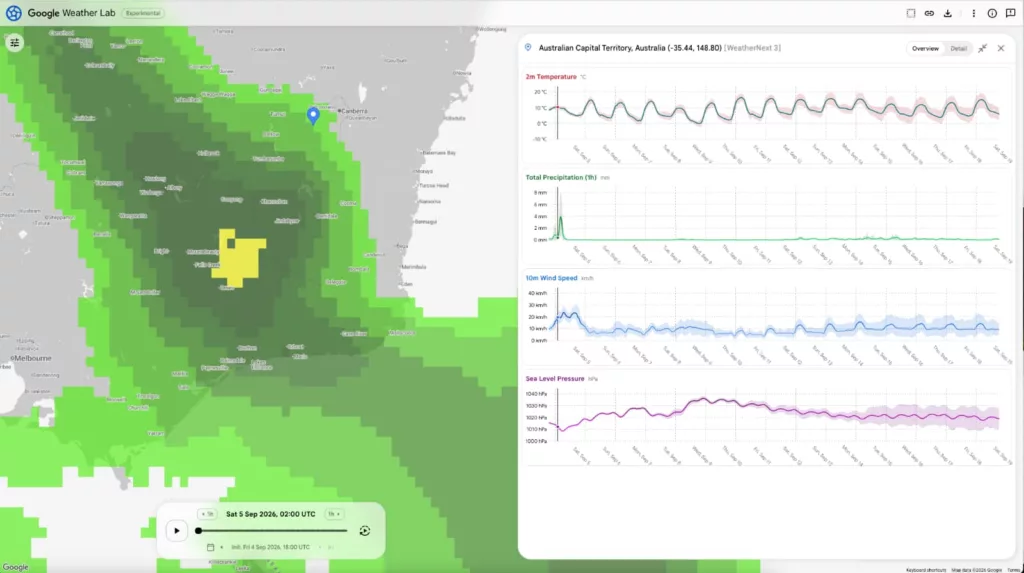
AI is going everywhere, and depending on how much you like the weather, it is going there, too, as Google shows off a new tool.
It’s much easier to trick people when the victim ends up calling the scammer. That’s the latest approach, and it may even prevent telco protections from working.