
You don’t need to know much about sound to know there are heaps of headphones out in the world, many of which are made to let you play your music within your own bubble of sound. Handy for planes, trains, and automobiles — or even simply watching the film — and any other environment, headphones and earphones and earbuds aplenty can be your best friend when you want to listen to anything.
But if you happen to need those headphones for a line of work, chances are you’re not going to look at the same pair everyone else wants.
While noise cancelling headphones are a great choice for sealing yourself in a bubble of sound, if you’re actively working with audio, you need a different style altogether. One might call it a more accurate style.
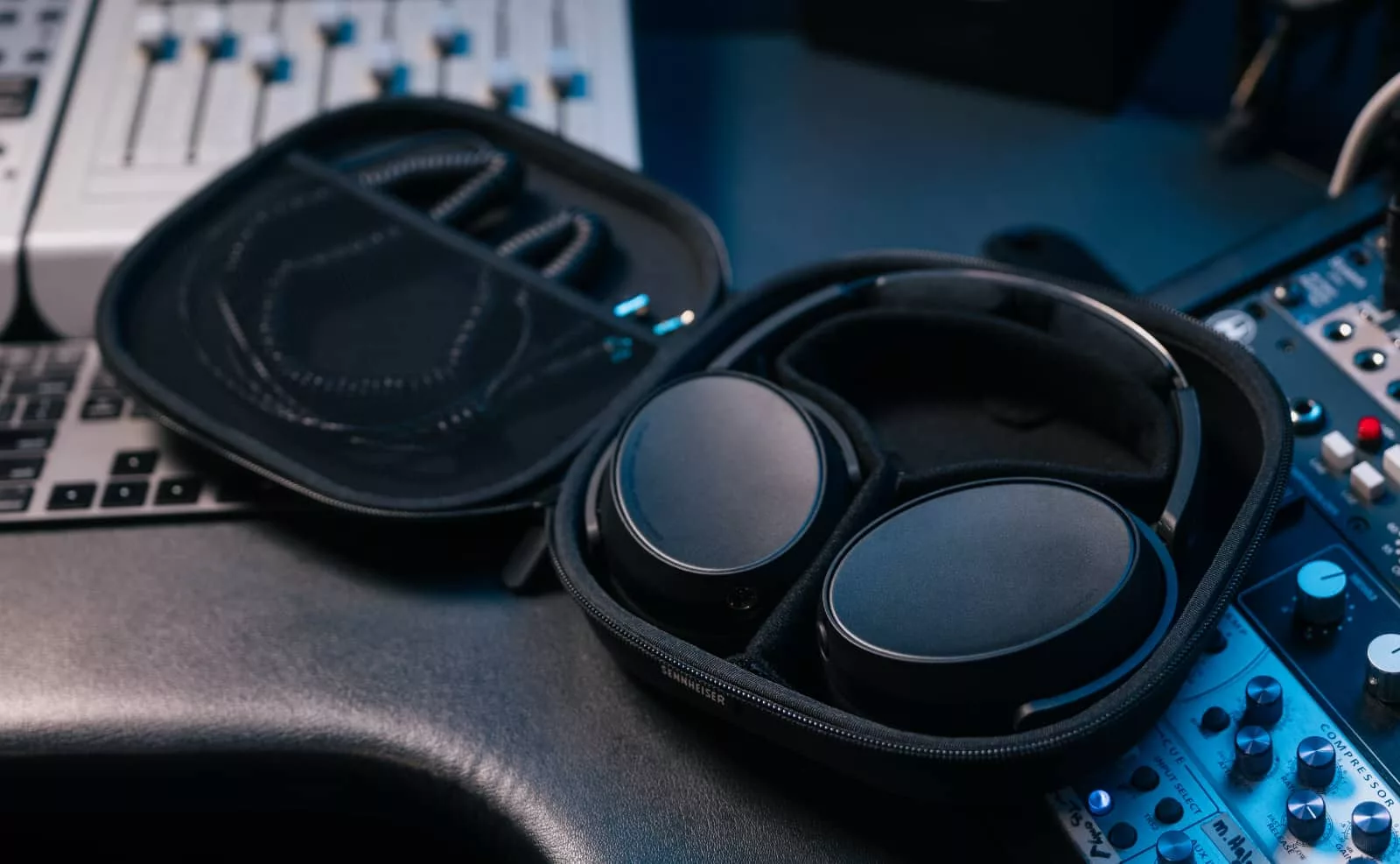
Headphones made for mixing, playing, and engineering sound (and video) tend to be a little different and a little more open, but a pair from a couple of years ago is getting a sibling, and it’ll make it a little better if you really need isolation.
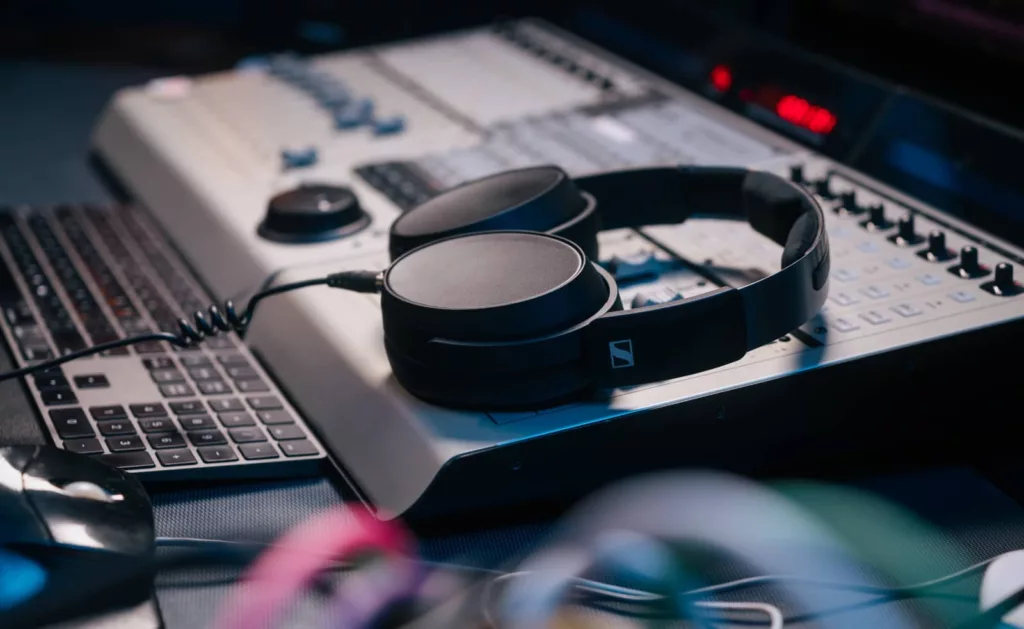
Back when we reviewed the Sennheiser HD 490 Pro, we found the headphones were at the top of their game for wired sound, handy for music makers and engineers, provided that had a good $750 to spend on headphones. The open backed headphones were lovely, but pricey in the grand scheme of things, and given the open back, ideal for letting sound out.
Open headphones typically are better for keeping sound accurate as they offer more room for the air to move, but they can distract anyone else in the same place, making them ideal for working solo.
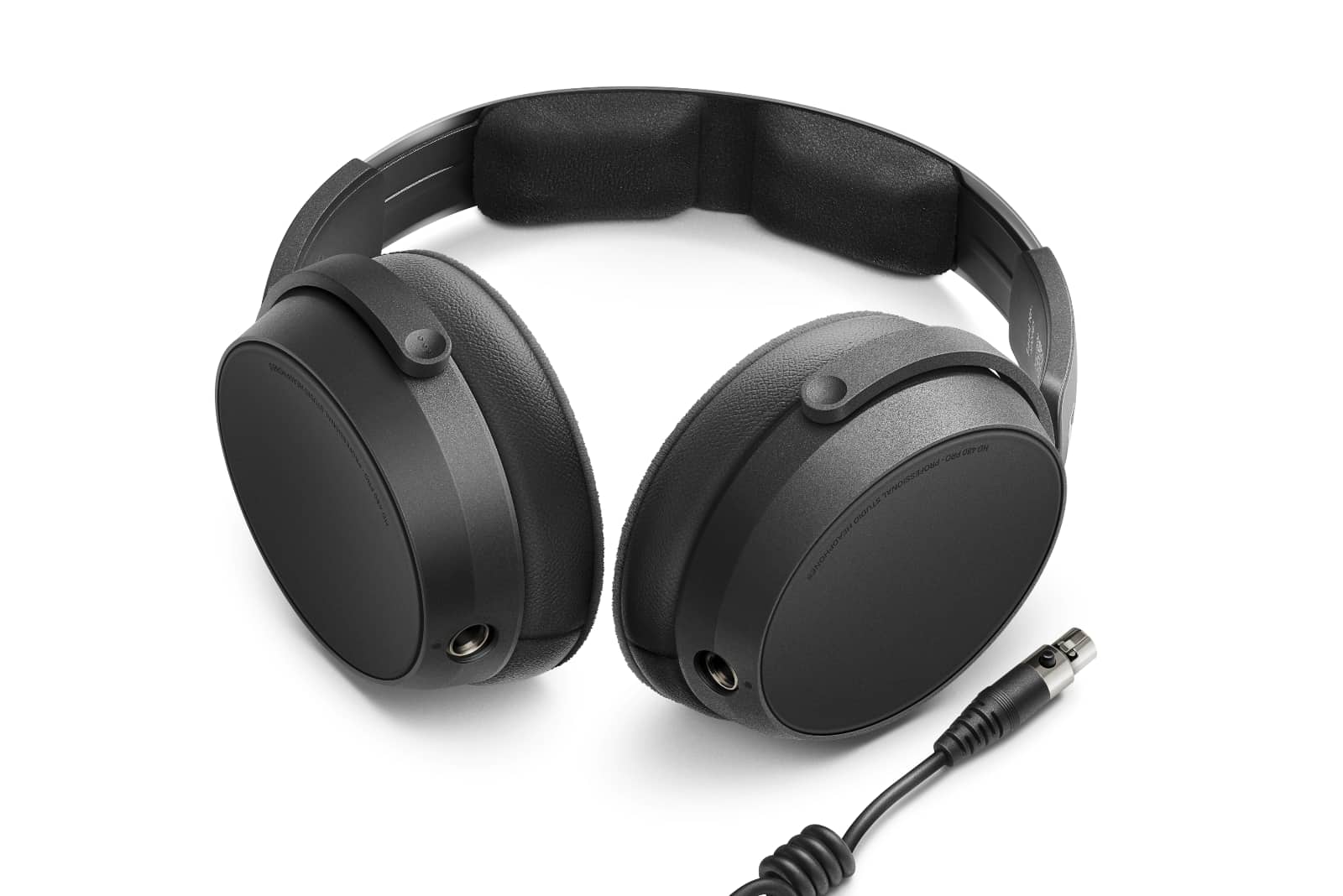
Two years later, Sennheiser is back with a variation on the theme in a closed variety, coming in the HD 480 Pro, and there are definite similarities.
The cable is similar, the plush padding is similar, and the focus on engineers and mixers and products and musicians is much the same, but the switch to a closed back design means the sound will also stay in the headphones where it’s needed, complete with elements intended to reduce unwanted vibration.
The closed back design is the main point of difference, though they could also end up being a little less expensive. The 399 Euro price suggests Australia could see the headphones for a little less than $700, though local pricing has yet to be determined.
That’s potentially good news, especially in a time when everything is seemingly more expensive. However, we suspect the closed back and sound quality will be the winning factors, keeping an open-style sound with a closed-style that means others won’t have to hear every detail you’re looking for.
No word on availability in Australia yet, but our guess is these won’t be far from release.