
There’s always a recharge plug when you need one, something you can probably thank the ubiquitous connection of USB-C for. It’s everywhere and nearly everything uses it, so if you run out of charge on your phone or laptop, you can easily plug it in and get some battery back in your life.
But you shouldn’t have to think about that.
In an ideal world, you shouldn’t have to worry about your phone battery life giving out after a day, nor should you need to worry about your laptop barely making it the same stretch of time, though it’s something manufacturers are working on.
Battery improvements in the Oppo Find X9 Pro managed to hit two days of decent use last year, while changes to how Apple is building phones and laptops means the iPhone range is great for battery longevity when you’re watching movies, and MacBooks can get decent runtimes using Apple Silicon, as well.
Over in the world of the Windows PC, things aren’t quite the same, but they are improving, and Qualcomm is hoping its 2026 efforts will give laptops multi-day battery life.
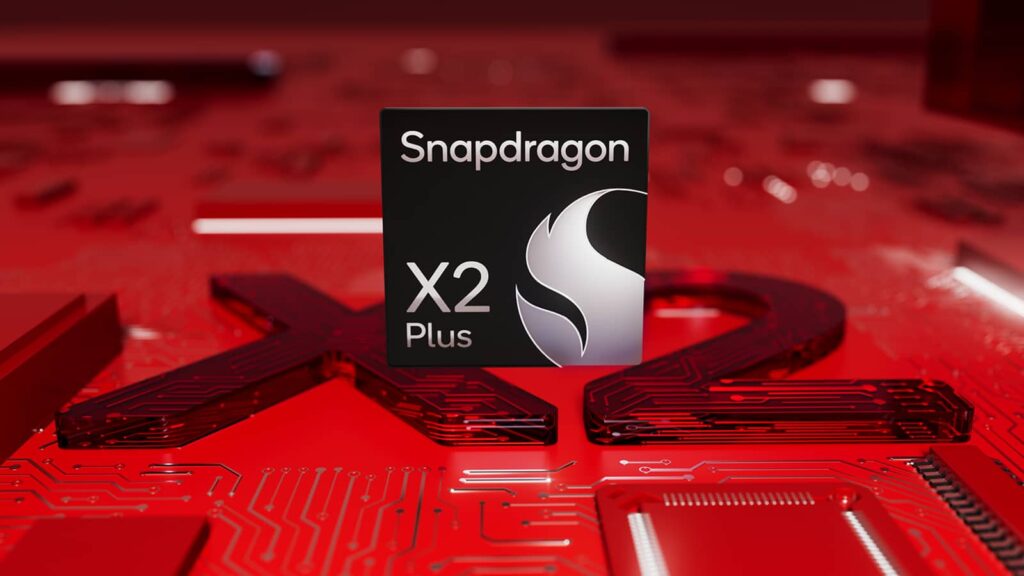
That’s the news from CES 2026 where Qualcomm has announced its Snapdragon X2 Plus, a computer processor designed for Windows 11 laptops that not only delivers improvements to CPU power, but does it while using nearly 43 percent less power than the previous generation.
The hardware still includes modern wireless standards such as WiFi 7 and an on-board AI system that will hopefully get more use than simply asking ChatGPT to rewrite your test, but essentially uses less power, which could result in better battery life altogether.
Last year’s Snapdragon PCs certainly were no slouches in the battery department, either, with the HP OmniBook 5 achieving nearly 21 hours of life from its Snapdragon X processor.
To move a little higher past the 24 hour mark would technically put Qualcomm in the territory of multi-day battery life, but with laptop makers set to get the chips in the first half of this year, we won’t have too long to wait to see how far into the second day these batteries will go.